

Understanding Windbreaker Jackets and Their Function
Table of Contents
Display
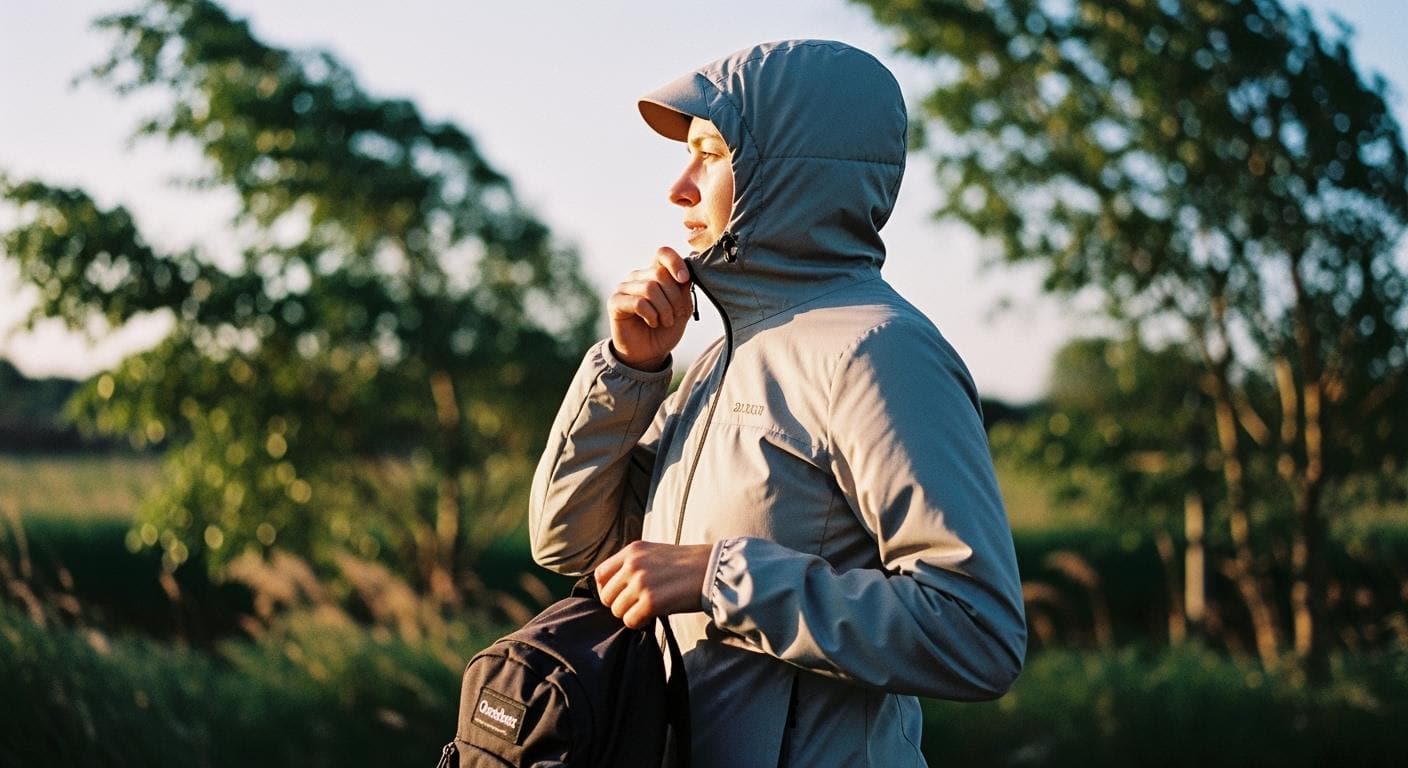
A windbreaker jacket, also called a windcheater, protects you from wind chill and light rain. You get a jacket that feels lightweight, breathes well, and packs down small. Windbreakers work best for mild weather and outdoor activities because you stay comfortable without extra bulk. If you compare weights, windbreakers usually weigh much less than heavier outerwear:
Jacket Name | Weight (ounces) | Type of Jacket |
|---|---|---|
Enlightened Equipment Copperfield Wind Shirt | 2.2 | Windbreaker |
Black Diamond Distance Wind Shell | 3 | Windbreaker |
Patagonia Houdini | 3.1 | Windbreaker |
Arc’teryx Solano | 10+ | Heavier Outerwear |
Vollebak Planet Earth Ultralight Shell | 10+ | Heavier Outerwear |
Key Takeaways
Windbreakers are lightweight jackets that protect against wind and light rain, making them ideal for mild weather.
These jackets are made from breathable materials, allowing moisture to escape and keeping you comfortable during activities.
Windbreakers pack down small, making them easy to carry in a backpack or gym bag for outdoor adventures.
Choose a windbreaker for jogging, cycling, or hiking in mild conditions, but opt for a rain jacket in heavy rain.
Layering is key; wear a windbreaker over a base layer for warmth or add insulation underneath in cooler weather.
Regular care, like washing with mild detergent and air drying, helps maintain the jacket’s performance and longevity.
Consider the fit and mobility of the jacket; it should allow for movement without being too loose or restrictive.
For best results, select a windbreaker that matches your typical weather conditions and activity level.
Windbreaker Jacket Overview
What Is a Windbreaker Jacket
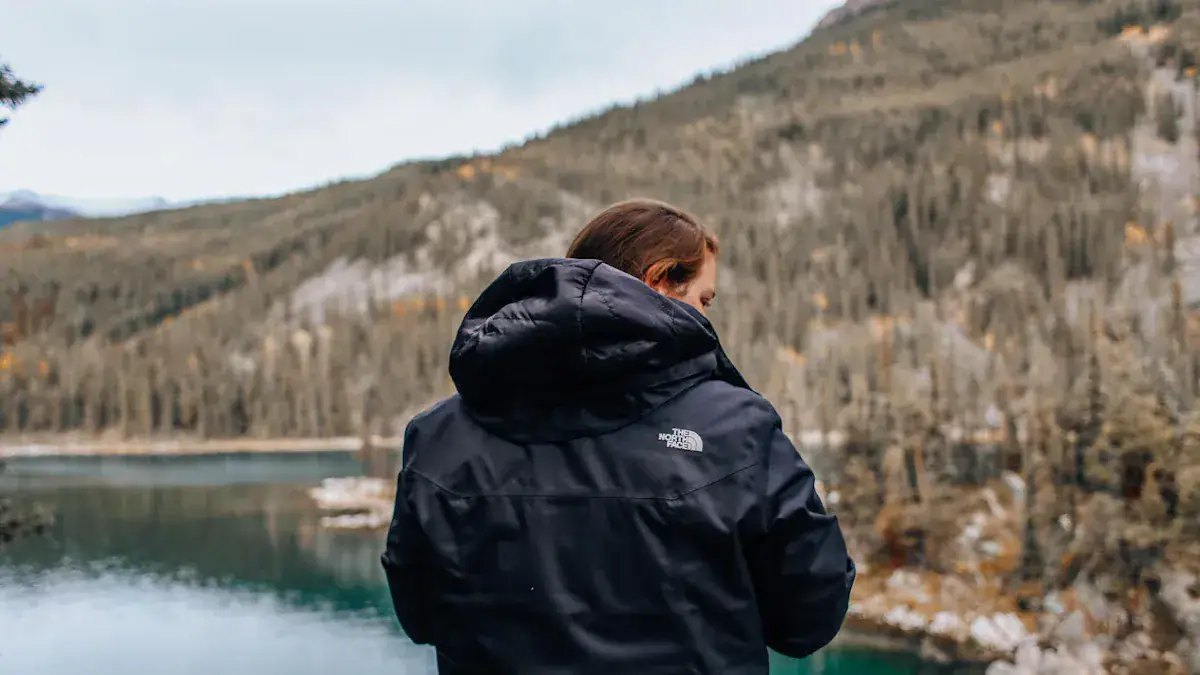
You see a windbreaker jacket as a lightweight outer layer designed to shield you from wind and light rain. This type of jacket uses tightly-woven synthetic fabrics that block gusts and help you stay comfortable during outdoor activities. You can wear a windbreaker when you want protection without feeling weighed down. The design focuses on breathability and easy movement, making it a popular choice for jogging, cycling, or walking in mild weather.
Tip: You can pack a windbreaker into a small space, so it fits easily in your backpack or gym bag.
Windcheater vs. Windbreaker
You may notice that people use the terms “windcheater” and “windbreaker” interchangeably. Both refer to jackets that protect you from wind, but some subtle differences exist in construction and intended use. Apparel experts highlight several key points:
Materials: Windbreakers use lightweight fabrics like nylon or polyester. Rain jackets rely on heavier, waterproof materials.
Water Resistance: Windbreakers handle light rain, while rain jackets excel in heavy downpours.
Breathability: Windbreakers offer better air circulation, so you stay cool during activity.
Weight: Windbreakers feel lighter and pack down smaller than rain jackets.
Intended Use: You choose a windbreaker for jogging or cycling in mild weather. You pick a rain jacket for hiking or fishing in wet climates.
Basic Construction
You find that the basic construction of a windbreaker centers on fabric choice and design features. Manufacturers use tightly-woven nylon or polyester to create a barrier against wind. This construction blocks and deflects gusts, helping you maintain body heat and comfort. You also see advancements in materials and design over the past decade:
Breathable fabrics and moisture-wicking technology improve comfort.
Enhanced water resistance lets you wear your windbreaker in more conditions.
Adjustable hoods and cuffs add versatility for different activities.
Here is a table showing the most common materials used in windbreakers and their characteristics:
Material | Characteristics |
|---|---|
Polyester | Lightweight, durable, weather-resistant, moisture-wicking, quick-drying, easy maintenance, cost-effective. |
Nylon | High strength-to-weight ratio, excellent elasticity, abrasion resistance, ideal for harsh conditions. |
Cotton | Natural feel, breathable, comfortable for casual wear, advancements in treatment enhance protective qualities. |
You benefit from these construction choices because your windbreaker remains light, comfortable, and effective against wind.
How Windbreakers Work
Wind Resistance
You rely on a windbreaker to shield you from gusts that can chill your skin and sap your energy. The tightly-woven synthetic fabrics in a windbreaker jacket create a barrier that blocks air movement. Manufacturers design these jackets to minimize the amount of wind that passes through the material. You notice the difference when you step outside on a breezy day. The jacket keeps you comfortable and helps you maintain your body temperature.
Laboratory tests measure wind resistance using the Air Permeability Rate (APR). This metric shows how well a fabric resists air movement. The lower the APR, the better the wind protection. You can compare windbreakers to other outerwear using the following table:
Metric | Description |
|---|---|
Air Permeability Rate (APR) | Measures the resistance a layer has to air movement (e.g., wind). |
Moisture Vapor Transmission Rate (MVTR) | Assesses how well moisture vapor moves out of the clothing system. |
You benefit from this design when you need a lightweight layer that blocks wind but does not trap heat.
Breathability
You want a jacket that keeps you dry and comfortable during activity. Breathability describes how well a fabric allows moisture vapor to escape. A breathable windbreaker uses advanced materials that let sweat evaporate, so you do not feel sticky or overheated. You stay cool while jogging, hiking, or cycling.
Industry standards rate breathability using grams per square meter per 24 hours (g/m²/24h). You can see how different ratings affect comfort in the table below:
Description | |
|---|---|
5,000 g/m² or less | Slightly breathable; not much perspiration can get through this material. |
10,000 g/m² | Breathable enough for moderate activity. |
20,000 g/m² | Breathable enough for highly aerobic activity; it lets lots of water vapor out, so you don’t get disgustingly sticky when you’re working up a sweat. |
You choose a windbreaker with a higher breathability rating for intense exercise. The right balance of wind resistance and breathability keeps you comfortable in changing conditions.
Note: You should look for a windbreaker jacket with a breathability rating that matches your activity level. High breathability means less sweat buildup and more comfort.
Water Repellency
You need protection from light rain and drizzle. Windbreakers use water-repellent coatings that cause water to bead up and roll off the surface. You stay dry during short showers or misty mornings. The fabric does not absorb water easily, so you avoid feeling damp.
Manufacturers apply durable water repellent (DWR) finishes to the outer layer. This treatment helps the jacket resist moisture without sacrificing breathability. You get a jacket that performs well in unpredictable weather. If you expect heavy rain, you should choose a waterproof jacket instead. Windbreakers excel in mild, wet conditions where you need quick-drying and breathable protection.
You notice that water repellency works best when the jacket is clean and the DWR coating remains intact. Regular care helps maintain this feature.
Heat Loss Prevention
You depend on your windbreaker to help you stay warm when the wind picks up. Wind can strip away the thin layer of warm air that surrounds your body. This process, called convective heat loss, makes you feel much colder than the actual air temperature. A windbreaker acts as a barrier, stopping the wind from reaching your skin and trapping your body heat inside.
Manufacturers use tightly-woven fabrics like nylon or polyester to reduce the amount of air that passes through the jacket. These materials create a shield that keeps warmth close to your body. You notice the difference most when you wear your windbreaker over a base layer. The jacket blocks the wind, so your body heat does not escape as quickly.
Key ways windbreakers prevent heat loss:
Windproof Fabric: The main fabric blocks moving air, which helps you keep your natural warmth.
Elastic or Adjustable Cuffs: These features seal the openings at your wrists, so cold air cannot sneak in.
Drawcord Hem: You can tighten the bottom of the jacket to stop drafts from entering.
High Collar or Hood: These parts protect your neck and head, which lose heat quickly.
Tip: For the best heat retention, wear your windbreaker as the outermost layer over insulating clothing. This combination traps warm air and blocks wind, keeping you comfortable in cool, breezy weather.
You should remember that windbreakers do not provide heavy insulation. They work best when you need to block wind and keep your body heat from escaping. If you expect very cold temperatures, add a fleece or thermal layer underneath your windbreaker for extra warmth.
Windbreaker Jacket Features
Lightweight Design
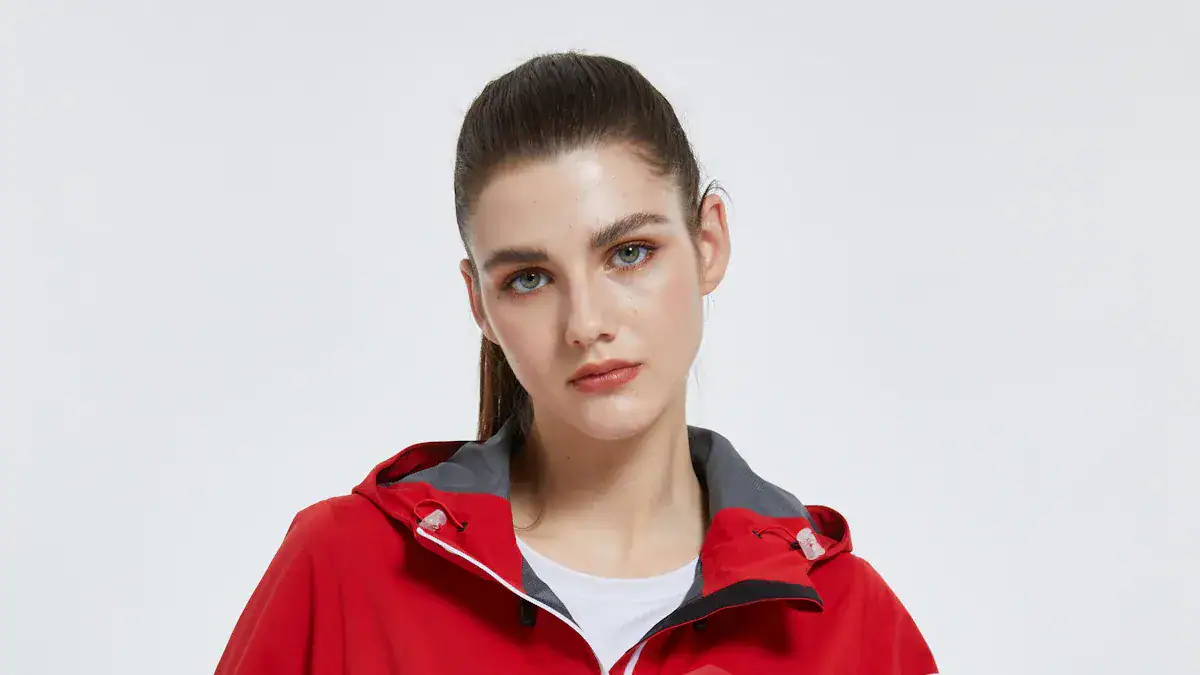
You notice the lightweight design as one of the most important features of a windbreaker. Manufacturers use thin synthetic fabrics, such as nylon or polyester, to keep the weight low. This lightweight jacket feels comfortable and never restricts your movement. You can wear it for running, cycling, or hiking without feeling weighed down. The benefit to weight ratio stands out because you get maximum protection from wind with minimal bulk. You also find that the lightweight construction makes it easy to carry your jacket wherever you go. When you compare the weight of a windbreaker to other outerwear, you see a clear advantage. The features of a lightweight windbreaker help you stay agile and active in mild weather.
Packability
Packability is another feature that makes windbreakers popular. You can fold or roll a packable windbreaker into a small pouch or pocket. This feature lets you store your jacket in a backpack, gym bag, or even a large pocket. You do not need to worry about extra weight or space. The lightweight materials and simple design allow you to pack the jacket quickly when the weather changes. You benefit from the ability to carry your windbreaker on hikes, bike rides, or trips without adding bulk. Many brands include a built-in stuff sack or pocket for easy storage. You appreciate this feature when you need a jacket that is ready for unpredictable conditions.
Tip: Always check if your windbreaker includes a dedicated pocket or stuff sack for packing. This feature saves time and keeps your gear organized.
Layering Ability
Layering ability is a key feature that sets windbreakers apart from heavier jackets. You can wear a windbreaker over a T-shirt in summer or add insulation layers underneath in cooler weather. Outdoor gear experts recommend using a light wind layer as part of your summer layering system. This layer protects you from wind-chill without adding much weight. You can also add fleece or thermal layers beneath your windbreaker for extra warmth. Some people substitute wind jackets with windproof mid-layers or shells, depending on the activity and temperature.
You benefit from the flexibility to adjust your clothing system based on the weather. The features of a windbreaker make it easy to adapt to changing conditions. You get a high benefit to weight ratio because you can stay comfortable with minimal gear. Layering with a windbreaker helps you manage your body temperature and stay protected from the elements.
Common Layering Strategies:
Wear a lightweight windbreaker over a base layer for mild conditions.
Add an insulation layer beneath the windbreaker for extra warmth.
Substitute with windproof mid-layers or shells when needed.
You find that the features of windbreakers support a wide range of activities and weather scenarios. The combination of lightweight design, packability, and layering ability gives you a versatile jacket for outdoor adventures.
Lined vs. Unlined Windbreakers
When you shop for windbreaker jackets, you often see two main types: lined and unlined. Each style offers unique benefits. You need to understand these differences to choose the right jacket for your needs.
A lined windbreaker includes an extra layer inside the jacket. Manufacturers use materials like mesh, fleece, or thin polyester for the lining. This extra layer adds warmth and comfort. You feel less of the cold wind against your skin. Lined windbreakers work well in cooler temperatures or when you want a bit more insulation. You might wear a lined windbreaker for early morning runs, windy hikes, or casual outings in spring and fall.
An unlined windbreaker uses only the outer shell fabric. You get a jacket that feels lighter and packs down smaller. Unlined windbreakers excel in mild weather. You stay protected from wind and light rain without overheating. You can easily layer an unlined windbreaker over a T-shirt or base layer. Many athletes and outdoor enthusiasts prefer unlined styles for high-intensity activities.
Here is a table to help you compare lined and unlined windbreakers:
Feature | Lined Windbreaker | Unlined Windbreaker |
|---|---|---|
Warmth | Adds insulation | Minimal insulation |
Comfort | Softer feel inside | Direct contact with shell |
Weight | Heavier | Lighter |
Packability | Bulkier | Packs smaller |
Breathability | May trap more heat | Better airflow |
Best Use | Cool, breezy conditions | Mild, active conditions |
You should consider your activity and the weather before choosing. If you expect chilly winds or want extra comfort, a lined windbreaker makes sense. You get more warmth and a softer feel. If you need a jacket for running, cycling, or travel, you might prefer an unlined windbreaker. You benefit from less weight and better breathability.
Tip: Try on both styles before you buy. Move your arms and check how the jacket feels. You want a windbreaker that fits well and matches your activity level.
Some windbreakers use partial linings. You see mesh panels in the body or fleece only in the collar. These hybrid designs give you targeted comfort without adding too much bulk. You can look for these options if you want a balance between warmth and packability.
You make the best choice when you match your windbreaker to your climate and activity. Lined jackets keep you cozy in cool weather. Unlined jackets help you stay light and fast. Both styles protect you from wind and light rain, so you stay comfortable outdoors.
Windbreaker vs. Other Jackets
Windbreaker vs. Rain Jacket
You often wonder how a windbreaker compares to a rain jacket when you face unpredictable weather. Both options protect you from the elements, but their performance differs in key ways. A windbreaker shields you from wind and light rain. You stay comfortable during short showers or misty mornings. If you expect heavy or continuous rain, you need a rain jacket instead. Rain jackets use waterproof materials and sealed seams to keep you dry in downpours.
Here are the main differences in water resistance:
Windbreakers withstand light rain and splashes.
Windbreakers do not work well in heavy or continuous rain.
Rain jackets offer full protection against wet conditions, including heavy downpours.
You choose a windbreaker for mild, breezy days. You reach for a rain jacket when the forecast calls for storms or steady rain.
Windbreaker vs. Softshell
You see softshell jackets as another popular choice for outdoor activities. Softshells combine wind resistance with some water repellency. They use stretchy, breathable fabrics that allow you to move freely. You get more warmth and durability from a softshell than from a windbreaker. Softshell jackets often include a fleece lining or thicker material, which helps you stay warm in cooler temperatures.
If you want maximum mobility and comfort, you might prefer a softshell for hiking or climbing. You pick a windbreaker when you need the lightest possible layer and easy packability. Softshells work well for active pursuits in cool, dry weather. Windbreakers excel in mild, windy conditions where weight and packability matter most.
Feature | Windbreaker | Softshell Jacket |
|---|---|---|
Weight | Very light | Moderate |
Warmth | Minimal | Moderate |
Stretch | Limited | High |
Water Repellency | Light rain | Light to moderate |
Packability | Excellent | Good |
Windbreaker vs. Insulated Jacket
You compare windbreakers and insulated jackets when you need to stay warm. Insulated jackets use down or synthetic fill to trap heat. You wear them in cold weather or winter conditions. Windbreakers do not provide much insulation. You rely on them to block wind and prevent heat loss, but you need to add layers underneath for warmth.
Insulated jackets feel bulkier and heavier than windbreakers. You sacrifice packability for extra warmth. If you plan to spend time outdoors in freezing temperatures, you choose an insulated jacket. For cool, breezy days, you pick a windbreaker and layer it over a base or mid-layer.
Tip: You can combine a windbreaker with an insulated layer for versatile protection. This strategy lets you adjust your clothing to match changing weather.
Feature | Windbreaker | Insulated Jacket |
|---|---|---|
Warmth | Low | High |
Weight | Very light | Heavy |
Packability | Excellent | Limited |
Best Use | Mild, windy days | Cold, winter days |
You make the best choice by considering your activity, the weather, and your need for warmth or protection.
When to Use a Windbreaker
Outdoor Activities
You find a windbreaker most useful during outdoor adventures that demand lightweight protection. Adventure guides recommend this jacket for activities where wind and mild weather pose a challenge. You can rely on it for hiking, especially on summer trails or backpacking trips. The active windbreaker gives you defense against gusts without adding bulk. You stash it in your pocket when the sun comes out, then pull it on when clouds roll in or breezes pick up. You also use it year-round for winter backcountry skiing, where you need a layer that blocks wind but packs down small. You benefit from its versatility during cool and sunny expeditions. Here are common outdoor uses:
Hiking on exposed ridges or breezy trails
Backpacking in mild climates
Running or cycling in cool weather
Climbing or scrambling on windy days
Ski touring in winter
Tip: You should always pack a windbreaker for hiking, even if the forecast looks clear. It serves as a lightweight emergency layer when conditions change.
Everyday Wear
You choose a windbreaker for daily life when you want comfort and style without heavy insulation. The jacket works well for walking to school, commuting, or running errands in unpredictable weather. You appreciate its ability to provide warmth when breezes pick up or clouds cover the sun. You wear it over casual clothes for a sporty look, or layer it with a hoodie for extra comfort. You find it easy to carry, thanks to its packable design. You use it for outdoor events, weekend outings, or travel, where you need a jacket that adapts to changing conditions. The windbreaker fits into your routine as a practical choice for mild temperatures and dry skies.
Layering Strategies
You regulate your temperature best by using a layering system with your windbreaker. You start with a moisture-wicking base layer, such as merino wool or synthetic fabric, to keep dry. You add an insulating mid-layer, like a fleece or lightweight down jacket, to trap heat. You finish with the windbreaker as your outer layer, which shields you from wind and retains warmth. This system lets you adjust your clothing for hiking, running, or everyday wear. You stay comfortable as conditions change throughout the day.
Layer Type | Purpose | Examples |
|---|---|---|
Base Layer | Wicks moisture away from skin | Merino wool, synthetics |
Mid-Layer | Traps body heat for insulation | Fleece jackets, lightweight down |
Outer Layer | Shields from wind and retains warmth |
Base Layer: Moisture-wicking materials keep you dry.
Mid-Layer: Insulating layers trap heat.
Outer Layer: Windbreaker protects against wind and light rain.
Note: You should adjust your layers based on activity and weather. This strategy helps you stay warm and dry during hiking or other outdoor pursuits.
Care and Maintenance
Cleaning Tips
You keep your windbreaker performing well by following the right cleaning methods. Manufacturers recommend different approaches based on how you use your jacket. The table below shows the best cleaning practices for different situations:
Context | Recommended Method |
|---|---|
After a Light City Commute | Spot clean with a damp cloth and mild soap. Full washes can wait until necessary. |
After Hiking or Camping | Full wash required; brush off loose dirt before machine washing. Rinse with freshwater if exposed to salt spray. |
After Rain or Snow Sports | Air dry after rinsing; use odor-neutralizing spray if needed. |
General Spot Cleaning | Use a soft sponge or cloth with mild soap, rinse, and air dry. |
General Full Wash | Use technical wash detergent, gentle cycle with cold water, rinse thoroughly, and air dry or tumble dry on low. |
You should always check the care label before washing. Use a mild detergent designed for technical fabrics. Avoid bleach and fabric softeners because they can damage the jacket’s water-repellent finish. For minor dirt, spot cleaning with a soft brush or damp cloth helps you avoid unnecessary full washes.
Tip: Close all zippers and fastenings before washing to prevent snags.
Storage Advice
You extend the life of your windbreaker by storing it properly. Textile experts highlight that correct storage prevents mildew and keeps the water-resistant coating effective. Hang your jacket in a well-ventilated area. This method stops moisture from building up and avoids unpleasant odors or fabric damage. Do not fold or stuff your windbreaker into a tight space for long periods. Hanging helps the jacket keep its shape and prevents creases.
Note: Always make sure your jacket is completely dry before storing it. Damp jackets can develop mildew and lose their protective qualities.
Extending Lifespan
You can make your windbreaker last longer by following a few proven maintenance steps:
Check the care label to know if your jacket is waterproof or water-resistant.
Pre-treat stains with a gentle detergent before washing.
Close all zippers and fastenings to avoid snags.
Use a mild detergent made for technical fabrics.
Wash with cold or lukewarm water. Hot water can weaken the material.
Select the gentle cycle on your washing machine.
Skip bleach and fabric softeners to protect the jacket’s performance.
Air dry your jacket in a well-ventilated area, away from direct sunlight.
You should also:
Reapply a durable water repellent (DWR) spray when water stops beading on the surface.
Store your jacket on a hanger to maintain its shape.
Avoid ironing, as heat can damage the fabric.
Spot clean minor dirt to reduce the need for frequent washing.
Address small repairs, like ripped seams, as soon as possible.
Pro Tip: Use the right amount of detergent and run an extra rinse cycle to remove any residue. Refresh the DWR coating with a spray and activate it with low heat in the dryer if the care label allows.
By following these steps, you help your windbreaker stay protective, comfortable, and ready for your next adventure.
Limitations and Considerations
Weather Suitability
You need to think about the weather before you choose a windbreaker. This type of jacket works best in mild conditions with wind or light rain. If you expect heavy rain or freezing temperatures, you should pick a waterproof jacket instead. Windbreakers do not offer strong insulation, so you may feel cold in winter unless you add layers underneath. For rainy climates, look for waterproof features and sealed seams. In dry, windy environments, a lightweight and breathable windbreaker keeps you comfortable. Ventilation features, such as underarm zippers, help you stay cool during physical activities.
Potential Drawbacks
You may notice some drawbacks when you use a windbreaker. Consumer reviews often mention these issues:
Overly thin fabric that lets light and drafts pass through.
Flimsy zippers and pulls that can jam or break.
Poor water resistance, especially if the jacket does not have a durable water repellent treatment.
Cheap lining that feels uncomfortable or scratchy.
You should check the product details before you buy. If you want better protection, choose a waterproof jacket with high-quality materials and sturdy hardware.
Choosing the Right Windbreaker
You want to select a windbreaker that matches your needs and activities. Experts recommend considering several criteria:
Criteria | Description |
|---|---|
Weight | The jacket should be lightweight, feeling like a second skin. |
Breathability | Fabrics should allow sweat to escape, preventing overheating. |
Wind Protection | The jacket must block wind without causing overheating. |
Water Resistance | Should be splash-proof to handle unexpected light rain. |
Fit and Mobility | Must allow for free movement without being too loose or restrictive. |
Packability | Should be easy to pack into its own pocket for convenience. |
You also need to think about the material. Nylon offers medium breathability and high water resistance, making it good for light rain and wind. Polyester mesh provides high breathability but low water resistance, so it suits hot weather sports. Ripstop nylon gives you durability and decent water resistance. Softshell hybrids work well for cold, windy days with active movement.
Choosing the right size is important for comfort and mobility. You want a jacket that flatters your figure and allows for layers underneath. If the jacket feels too small, you may feel restricted. If it is too large, you lose wind protection.
You should match your windbreaker to the typical weather you face. For rainy areas, pick a waterproof jacket with sealed seams. For dry, windy places, choose a lightweight and breathable option. Always check for ventilation features if you plan to use the jacket during exercise.
Tip: Try on different styles and move your arms to test fit and comfort. A well-chosen windbreaker helps you stay protected and comfortable in changing conditions.
You recognize a windbreaker jacket as a lightweight layer that shields you from wind and light rain. The main benefits include breathability, versatility, and easy layering. Outdoor enthusiasts value features like moisture-wicking and UV protection. Use the table below to see why this jacket stands out:
Feature | Benefit |
|---|---|
Lightweight | Easy to carry for outdoor activities |
Versatility | Works for casual and athletic settings |
Advanced Features | Moisture-wicking, UV protection |
Choose a windbreaker jacket for mild weather, active pursuits, or when you need a packable outer layer. Always consider your climate, activity, and layering needs before making your selection.
FAQ
What is the difference between a windbreaker and a rain jacket?
You get wind protection from a windbreaker. Rain jackets use waterproof materials and sealed seams. Windbreakers handle light rain, but rain jackets keep you dry in heavy downpours.
Can you wear a windbreaker in winter?
You can wear a windbreaker in winter if you layer it over warm clothing. Windbreakers block wind, but they do not provide much insulation. Add a fleece or thermal layer for extra warmth.
How do you clean a windbreaker jacket?
You should use a mild detergent and cold water. Close all zippers before washing. Air dry your jacket in a well-ventilated area. Avoid bleach and fabric softeners to protect the water-repellent finish.
Are windbreakers waterproof?
Windbreakers resist light rain with water-repellent coatings. You should not expect full waterproof protection. For heavy rain, choose a waterproof jacket with sealed seams.
What activities are windbreakers best for?
You benefit from windbreakers during hiking, running, cycling, and travel. The lightweight design and packability make them ideal for outdoor activities in mild weather.
How do you choose the right size windbreaker?
You should try on different sizes and move your arms. The jacket should fit comfortably over a base layer. Look for enough room to add layers without feeling restricted.
Do windbreakers work for everyday wear?
You can wear a windbreaker for daily activities. The jacket provides comfort and style for walking, commuting, or running errands in mild weather.
How do you restore water repellency on a windbreaker?
You can reapply a durable water repellent (DWR) spray when water stops beading on the surface. Follow the product instructions and use low heat in the dryer if the care label allows.