

What Defines a High Quality Men’s Puffer Jacket
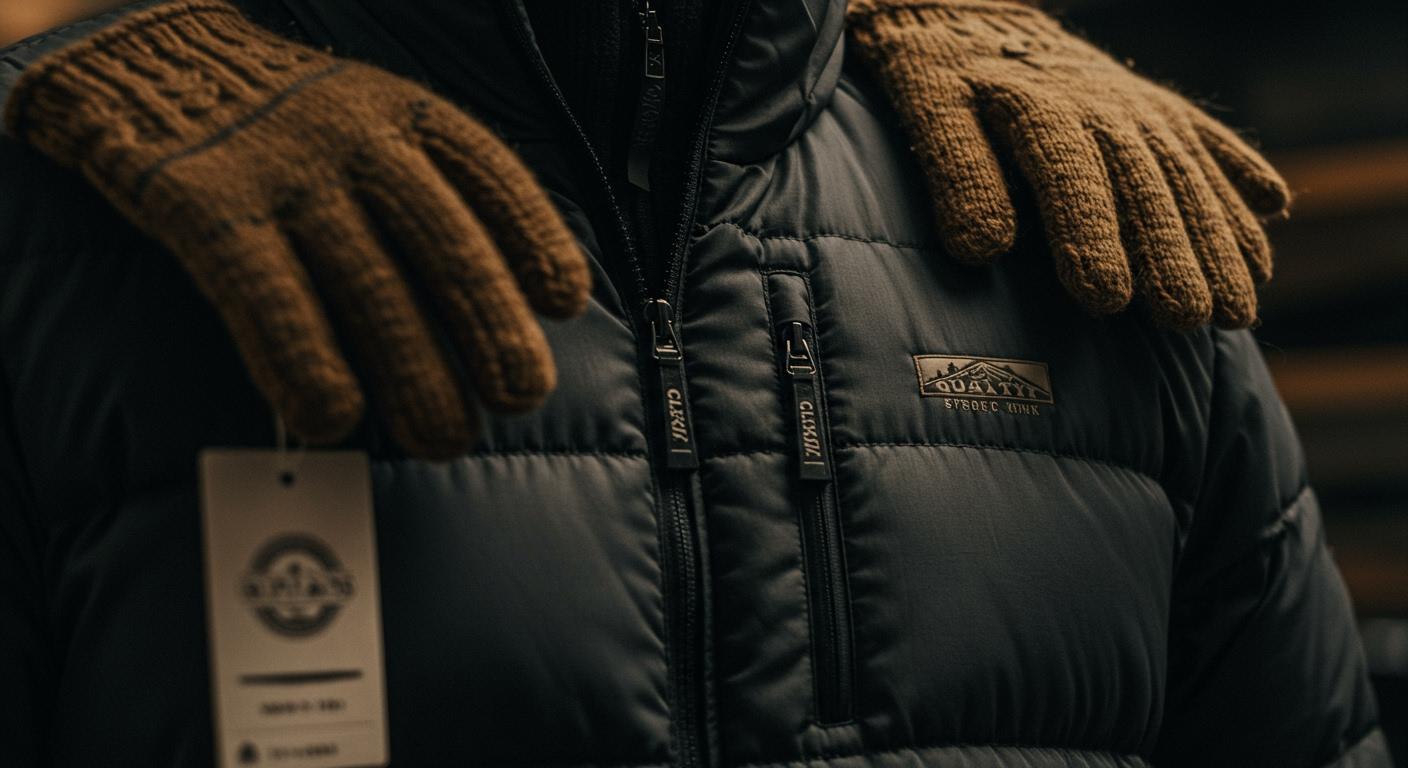
When I shop for a mens puffer jacket, I look for premium insulation that traps warmth without adding bulk. I check for a durable outer shell that resists wind and moisture. I notice the feel of the stitching and construction, since precise seams keep the puffer strong over time. Smart details like packability, wind resistance, and sustainable fabrics make puffer jackets more functional. I see cropped and oversized styles often, but I always focus on quality and comfort first.
Key Takeaways
Choose insulation wisely. Down insulation offers warmth without bulk, while synthetic insulation is better for wet conditions.
Look for a fill power rating of 800 or higher in down jackets. This ensures maximum warmth with minimal weight.
Check the outer fabric for water resistance. A durable water-repellent (DWR) coating helps keep you dry in light rain or snow.
Pay attention to fit and comfort. A tailored fit enhances warmth and appearance, while a good range of motion is essential for active use.
Seek functional details like adjustable hoods, cuffs, and hand-warmer pockets. These features improve comfort and usability.
Inspect for reinforced areas in high-wear spots. This ensures durability and longevity for your puffer jacket.
Consider packability when traveling. A lightweight, compressible jacket is easy to carry and provides warmth on the go.
Always check the warranty. A solid warranty reflects the brand’s confidence in their product and offers peace of mind.
Insulation in a Mens Puffer Jacket

Down vs. Synthetic
When I choose puffer jackets, I always start by looking at the type of insulation. The two main options are down insulation and synthetic. Down comes from the soft feathers of ducks or geese. Synthetic insulation uses man-made fibers. Each has its own strengths and weaknesses.
Down insulation gives me the highest warmth-to-weight ratio. The air pockets in down trap heat very efficiently, so I stay warm without feeling weighed down.
Synthetic insulation feels bulkier and does not match the warmth-to-weight ratio of down. However, synthetic has a big advantage in wet weather. It keeps me warm even if it gets soaked, while down loses its insulating power when wet.
I reach for synthetic puffer jackets if I expect rain, snow, or lots of activity that might make me sweat. Synthetic dries quickly and does not absorb water.
Tip: If you live in a damp climate or plan to use your jacket for high-energy activities, synthetic insulation is a smart choice.
Fill Power
When I shop for lightweight down jackets, I always check the fill power rating. This number tells me how fluffy and efficient the down is. Higher fill power means better loft and more warmth for less weight. For example, a jacket with 900 fill power will keep me warmer than one with 700 fill power, even if both use the same amount of down.
Here’s a quick look at fill power ratings in some top puffer jackets:
Jacket Model | Fill Power | Notes |
|---|---|---|
Feathered Friends Eos | 900+ | Highest fill power and quality down tested. |
REI Co-op Magma 850 Hoodie | 850 | Nearly as warm as the Eos, requires more down for similar warmth. |
Arc’teryx Cerium Hoody | 850 | Similar warmth to Eos, but less loft. |
L.L. Bean Ultralight 850 Hooded | 850 | Comparable warmth to Eos, requires more fill weight. |
Rab Electron Pro | 800 | Very warm, thickly filled, heavier than higher fill power jackets. |
The North Face Summit Breithorn | 800 | Impressively warm, uses a lot of down. |
Jones Re-Up Recycled | 750 | Warm as 800-fill models, uses recycled down. |
I always look for a fill power rating of 800 or higher in premium lightweight down jackets. This ensures I get maximum warmth without extra bulk. Fill power rating helps me compare puffer jacket insulation across brands.
Lightweight Warmth
I love lightweight down jackets because they keep me warm and let me move freely. When I hike or ski, I need insulation that balances warmth and breathability. Lightweight down jackets use soft, stretchy shells and advanced synthetic insulation to give me comfort and flexibility.
Lightweight insulation lets me stay active without overheating.
Soft materials and smart design allow for a full range of motion.
Synthetic insulation in lightweight down jackets helps regulate my body temperature, so I do not need to take off my puffer during intense activity.
Here’s a chart showing the typical weight range for high quality lightweight down jackets:
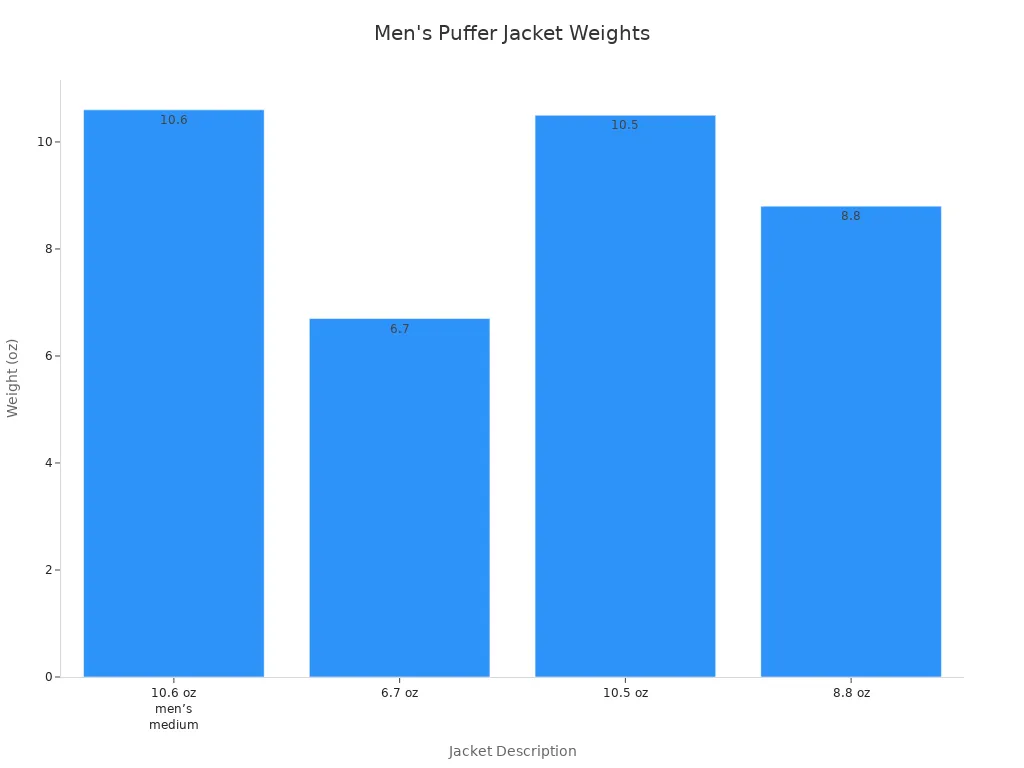
Most lightweight down jackets weigh between 6.7 and 10.6 ounces. This makes them easy to pack and carry, perfect for travel or outdoor adventures. I always choose a puffer that feels light but still delivers reliable warmth.
Outer Fabric and Protection
Water Resistance
When I pick out a puffer jacket, I always check the outer fabric for water resistance. I want a jacket that keeps me dry in light rain or snow. Most high quality puffer jackets use tightly woven face fabrics with a durable water-repellent (DWR) coating. This coating helps water bead up and roll off the surface. I have seen jackets like the Rab Neutrino Pro perform well in snowy conditions, even though they are not fully waterproof.
I pay attention to lab test results for water resistance. These tests show how well the fabric stands up to moisture. Here is a quick look at two common testing methods:
Testing Method | Description |
|---|---|
Column Water Test | A 1” x 1” square tube is placed over the fabric to measure how high a column of water can be suspended before leaking. |
Pressure Simulation | Some manufacturers add pressure to simulate wind effects during testing. |
Waterproof ratings use two numbers. The first number shows how waterproof the fabric is. The second number shows how breathable it is. Higher numbers mean better protection and comfort in harsh weather. I choose lower ratings for fair weather and higher ratings for wet, cold days.
Tip: I always check for a DWR finish and look for waterproof ratings if I plan to wear my puffer in wet conditions.
Windproof Materials
Wind can steal warmth fast, so I look for windproof materials in my puffer jackets. Performance brands use fabrics like Gore Infinium or Pertex, which block wind and keep me warm. I have noticed that a water-repellent ripstop shell not only sheds water but also stops cold gusts from getting through.
Weatherproofing matters most in cold, snowy winters.
I look for jackets that protect me from rain, wind, and snow.
Windproof materials help my down insulation work better by trapping heat inside.
Abrasion Resistance
I want my puffer to last through daily wear and outdoor adventures. Abrasion resistance is key. Tightly woven outer fabrics stand up to scrapes from backpacks, branches, or rough surfaces. I have found that jackets with reinforced panels on the shoulders or sleeves last longer.
I check for ripstop fabrics, which prevent small tears from spreading.
Durable outer shells keep my down insulation safe and effective.
I always feel more confident when my jacket can handle tough conditions.
Heat-Sealed Seams
When I shop for a puffer jacket, I always check the seams. I want to see heat-sealed seams instead of traditional stitching. Heat-sealed seams use special machines to bond the fabric together. This process creates a tight seal that blocks water and wind. I notice that jackets with heat-sealed seams keep me much drier in heavy rain.
I remember wearing a jacket with regular stitched seams during a winter storm. Water leaked through the tiny holes left by the needle. My shirt got wet, and I felt cold all day. After that, I switched to jackets with heat-sealed seams. I stay warm and dry, even in harsh weather.
Note: Heat-sealed seams also improve durability. The bonded fabric resists fraying and tearing better than stitched seams.
I look for brands that highlight this feature in their product descriptions. Some jackets use heat-sealed seams only in critical areas, like the shoulders and hood. Others seal every seam for maximum protection. I always check the inside of the jacket for smooth, flat seams. This detail shows the manufacturer cares about quality.
Here are the benefits I notice with heat-sealed seams:
No needle holes for water to seep through
Stronger bond between fabric panels
Smoother interior for comfort
Better wind resistance
I recommend heat-sealed seams for anyone who wants reliable protection in wet or windy conditions.
Waterproof Zippers
I pay close attention to the zippers on my puffer jackets. Standard zippers let water sneak through the teeth and seams. Waterproof zippers use special coatings and covers to block moisture. I see brands use polyurethane-coated zippers or add storm flaps over the zipper track.
During rainy hikes, I rely on waterproof zippers to keep my phone and wallet dry. I test the zipper by running water over it. If water beads up and rolls off, I know the zipper works well. I also check for easy grip pulls, which help me open and close the jacket with gloves on.
Tip: I always look for waterproof zippers on the main front closure and on pockets. This keeps my gear safe from rain and snow.
Some jackets use waterproof zippers only on the chest or hand pockets. Others use them everywhere. I prefer jackets with waterproof zippers on all exterior openings. This feature adds a layer of security and comfort.
Here is a quick comparison table I use when shopping:
Zipper Type | Water Protection | Durability | Ease of Use |
|---|---|---|---|
Standard Coil | Low | Medium | High |
Waterproof PU-Coated | High | High | Medium |
Waterproof with Flap | Highest | High | Medium |
I choose waterproof zippers for outdoor activities and travel. I trust them to keep my essentials dry and my jacket performing at its best.
Fit and Comfort
Tailored Fit
When I try on puffer jackets, I always pay close attention to how they fit my body. A tailored fit makes a big difference in both appearance and comfort. I want my jacket to flatter my frame and help me feel confident. I look for these features every time I shop:
The jacket hem should cover the upper curve of my buttocks when I stand.
Shoulder seams need to line up with the natural turn of my shoulders.
I check that the jacket buttons or zips up without feeling loose or too tight.
I prefer a fit that minimizes features I want to conceal.
A tailored fit also affects warmth. I notice that a boxier fit lets me layer easily, but it can feel drafty if I wear the puffer alone. A streamlined fit keeps me warmer by trapping heat close to my body, though it limits how many layers I can add underneath. I always think about how I plan to use my jacket before choosing the right fit.
Tip: I recommend trying on different styles to see which fit works best for your needs. A good fit should make you feel comfortable and look sharp.
Range of Motion
I need my puffer jacket to move with me, especially when I hike or travel. I look for designs that allow my arms and shoulders to move freely. The latest hooded down jackets, like those from the Mountain Lodge series, use precision cutting and patterning. This design gives me an unrestricted range of motion, which is essential for active use. I never want my jacket to feel stiff or hold me back when I reach or bend.
I test the range of motion by lifting my arms and twisting my torso. If the jacket feels tight or pulls at the seams, I know it will be uncomfortable during outdoor activities. I always choose puffer jackets that let me move naturally.
Weight and Packability
When I travel or spend time outdoors, I want a jacket that is easy to carry and store. I always check the weight of a packable down jacket before buying. Lightweight jackets are more comfortable and less bulky. I can fold a packable down jacket into a small pouch and slip it into my backpack. This feature makes it perfect for hiking, camping, or city trips.
I notice that high quality puffer jackets use advanced down insulation and thin shell fabrics to keep weight low. I never feel weighed down, even when I wear my jacket for hours. Packability also means I can layer my jacket over other clothes or tuck it away when the weather warms up.
Note: I always look for a balance between warmth and packability. A good packable down jacket should keep me warm without adding extra bulk.
Sizing Options
When I shop for a men’s puffer jacket, I always pay close attention to the sizing options. A good fit starts with the right size. I have learned that leading brands offer a wide range of sizes to help every man find a jacket that feels comfortable and looks sharp. I never settle for a jacket that feels too tight in the chest or too loose around the waist.
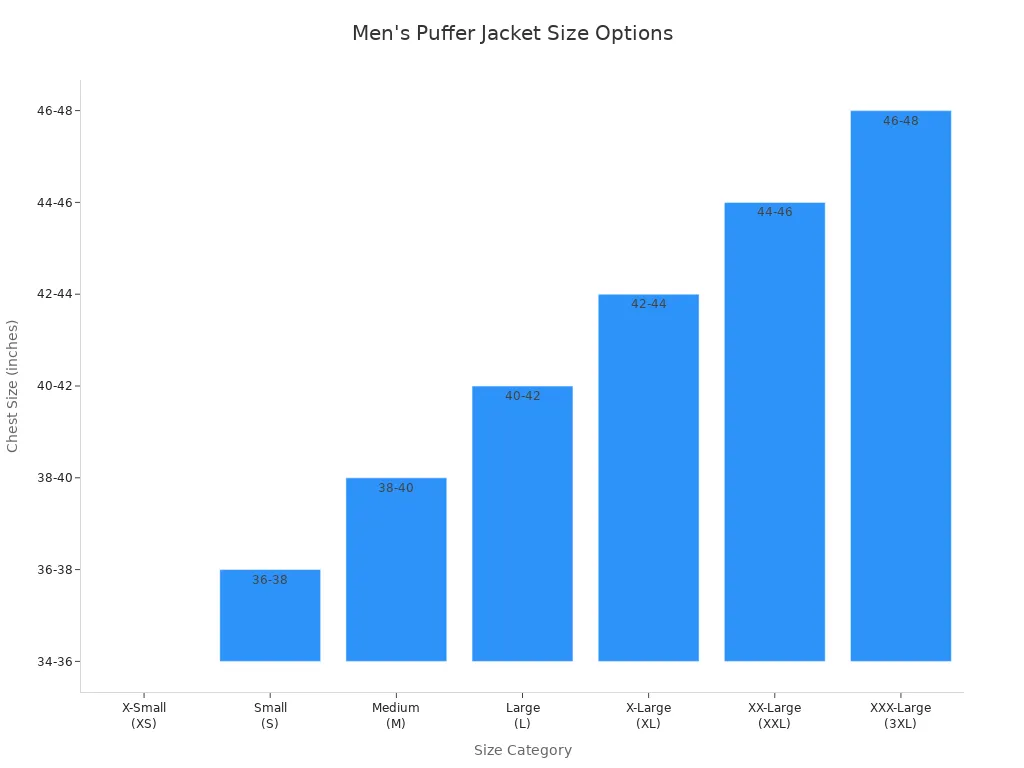
Most brands list their sizing charts clearly. I always check my chest measurement before I buy. This helps me avoid the hassle of returns or exchanges. Here is a table I often use to compare sizing options from top brands:
Size Category | Chest Size (inches) |
|---|---|
X-Small (XS) | 34-36 |
Small (S) | 36-38 |
Medium (M) | 38-40 |
Large (L) | 40-42 |
X-Large (XL) | 42-44 |
XX-Large (XXL) | 44-46 |
XXX-Large (3XL) | 46-48 |
I find this range helpful because it covers most body types. I have friends who wear XS and others who need 3XL. Everyone can find a jacket that fits well. I always recommend measuring your chest with a tape measure and comparing it to the chart above. This simple step saves time and ensures a better fit.
I notice that some brands also offer tall or short versions of each size. These options help men with longer or shorter torsos get a jacket that fits their proportions. I appreciate when brands include these choices because it shows they care about comfort for everyone.
Tip: I always try on jackets with the layers I plan to wear underneath. This helps me see if I need to size up for extra room or stick with my usual size for a closer fit.
I also look for brands that offer clear return policies. Sometimes, even with careful measuring, a jacket might not fit as expected. A flexible return policy gives me peace of mind when I order online.
I have learned that sizing can vary between brands. A medium in one brand might feel like a large in another. I always read customer reviews to see if jackets run small or large. This helps me make a smarter choice.
In my experience, the right size makes a huge difference in warmth and comfort. A jacket that fits well traps heat better and moves with my body. I feel more confident and comfortable when I know my puffer jacket fits just right.
Functional Details
Adjustable Hood
When I look for a high quality puffer jacket, I always check the hood first. An adjustable hood makes a huge difference in comfort and protection. I want a hood that fits snugly around my head, especially when the wind picks up or snow starts falling. I adjust the drawcords or toggles to keep the hood in place. This feature helps me stay warm and dry, even when the weather changes quickly.
I notice that some jackets offer a helmet-compatible hood. I find this useful for skiing or climbing. Other jackets have a stowable hood that tucks away when I do not need it. I like having options. A well-designed hood should move with my head and not block my vision. I always test the hood before I buy a jacket. If it feels comfortable and easy to adjust, I know it will serve me well outdoors.
Tip: I pull the hood up and tighten the cords to see if it stays put during windy conditions. A good hood should not slip or let cold air in.
Adjustable Cuffs and Hem
I pay close attention to the cuffs and hem on every puffer jacket I try. Adjustable cuffs let me seal the sleeves tightly around my wrists. This keeps cold air from sneaking up my arms. I often use Velcro tabs or snap buttons to get the perfect fit. When I cinch the cuffs, I feel the warmth stay inside the jacket.
The hem matters just as much. I use the drawcord at the bottom of the jacket to pull it snug against my hips. This simple adjustment traps body heat and blocks chilly drafts. I notice a big difference in warmth when I tighten the hem on cold days.
Adjustable cuffs prevent cold air from entering the sleeves.
Adjustable hems create a snug fit and improve insulation.
I always look for these features because they help me stay comfortable in changing weather. Expert reviews often mention adjustable cuffs and hems as essential for warmth and versatility. I agree with this advice. These small details make a big impact on how well my jacket performs.
Hand-Warmer Pockets
Hand-warmer pockets are a must-have for me. I use them every time I step outside in cold weather. I slide my hands into the pockets and feel the soft lining warm my fingers. High quality puffer jackets use fleece or brushed fabric inside the pockets. This material feels cozy and helps retain heat.
I also check the placement and size of the pockets. I want them to sit at a natural height so I can relax my arms. Deep pockets give me space for gloves, keys, or a phone. Some jackets add zippered closures to keep my belongings secure.
Note: I always test the pockets before buying. I put my hands inside and see if they feel warm and comfortable. Good hand-warmer pockets make a big difference on frosty mornings.
I have learned that functional details like these set the best puffer jackets apart. When I find a jacket with an adjustable hood, cuffs, hem, and warm pockets, I know I am getting real value for my investment.
Interior Pockets
When I shop for a men’s puffer jacket, I always check the inside for smart storage options. Interior pockets make a big difference in how I organize my essentials. I use these pockets to keep my phone, wallet, and other valuables safe from the weather. I notice that high quality jackets often include several interior pockets, each designed for a specific purpose.
I prefer jackets with at least one zippered interior pocket. This pocket gives me peace of mind when I carry cash or important cards. Some jackets offer multiple interior pockets, which help me separate my items. I use one pocket for my phone and another for my passport when I travel. I find that mesh pockets work well for sunglasses or gloves because they allow air to circulate and help items dry faster.
I look for jackets with hidden or secret pockets. These pockets stay out of sight and add an extra layer of security. I once wore a travel jacket with a concealed pocket behind the main zipper. I kept my hotel key there and never worried about losing it. I also appreciate when brands use soft lining inside the pockets. This detail protects my electronics from scratches.
Here are some features I value in interior pockets:
Zippered closures for security
Soft lining for delicate items
Mesh construction for breathability
Hidden placement for privacy
Tip: I always test the pockets before buying. I put my phone and wallet inside to see if they fit comfortably and stay secure.
Interior pockets help me stay organized and keep my valuables close. I believe that a well-designed puffer jacket should offer practical storage without adding bulk.
Pocket Security
I pay close attention to pocket security when I choose a puffer jacket. I want to protect my valuables from loss or theft. High quality jackets use several features to keep items safe. I see zippered pockets, hidden compartments, and even RFID-blocking technology in some models.
I compare different jackets based on their security features. Some travel jackets include up to 14 internal pockets and secret compartments. I find hidden clips for keys especially useful. I attach my house key to the clip and never worry about it falling out. RFID-blocking pockets protect my credit cards from electronic theft. I use these pockets when I travel through airports or busy cities.
Here is a table showing security features in popular jackets:
Jacket Name | Security Features |
|---|---|
Various Travel Jackets | 7 exterior and 14 internal pockets, 2 secret pockets, hidden clip for keys |
SCOTTeVEST Featherweight Travel Utility Vest | RFID blocking pocket, zippered interior pockets, extendable clip for keys |
WenVen Spring Washed Cotton Jacket | 2 concealed zipper pockets, 7 utility pockets |
Bluffworks Presidio Bomber Jacket | External zippable pockets, 19 pockets total |
I always choose jackets with zippered pockets for my phone and wallet. I look for hidden pockets when I carry sensitive documents. I test the zippers to make sure they close smoothly and stay shut. I also check for sturdy stitching around the pockets. Strong seams prevent tearing and keep my items secure.
Note: I recommend checking the number and type of secure pockets before buying. More security features mean less worry about losing valuables.
Pocket security gives me confidence when I travel or commute. I trust my jacket to keep my essentials safe, no matter where I go.
Durability and Care
Reinforced Areas
When I choose a puffer jacket, I always check for reinforced areas. I want my jacket to last through tough conditions. I look at the shoulders, elbows, and cuffs first. These spots get the most wear from backpacks, seat belts, and daily movement. I see brands use extra layers of fabric or stronger materials in these zones. Ripstop nylon and Cordura panels stand up to scrapes and friction. I notice double stitching along seams in high-stress areas. This detail keeps the jacket from splitting or fraying. I trust jackets with reinforced zones to handle outdoor adventures and city commutes. I feel confident when I see these features because they show the manufacturer cares about durability.
Tip: I always run my fingers over the seams and panels. Reinforced areas feel thicker and sturdier than the rest of the jacket.
Easy Maintenance
I want my puffer jacket to stay warm and look good with minimal effort. I follow care instructions closely to keep the insulation performing well. I use a front-loading washer on a gentle cycle with cold water and mild detergent. I avoid fabric softeners because they can damage the insulation. After washing, I dry my jacket on a low heat setting. I toss in tennis balls or dryer balls to help restore the loft of the filling. This trick keeps the jacket fluffy and warm. I store my jacket loosely in my closet. I never pack it tightly in bags because that can crush the insulation.
Here is a table that summarizes the most common care instructions I follow:
Care Instruction | Details |
|---|---|
Washing | Use a front-loading washer on a gentle cycle with cold water and a mild detergent. Avoid fabric softeners as they can affect the insulation. |
Drying | Always dry your puffer jacket on a low heat setting. Adding tennis balls or dryer balls can help restore the loft of the down or synthetic filling. |
Storage | Store your jacket loosely to prevent crushing the insulation. Avoid packing it away tightly in bags. |
I find that following these steps helps my jacket last longer and perform better. I check the care label before I wash or dry my jacket. I want to avoid mistakes that could ruin the insulation or fabric.
Warranty
I always look for a solid warranty when I buy a puffer jacket. A good warranty shows that the brand stands behind its product. I see some companies offer lifetime warranties against defects in materials or workmanship. Others give limited warranties for a few years. I read the warranty policy before I make a purchase. I want coverage for issues like broken zippers, faulty seams, or insulation problems. I keep my receipt and register my jacket online if required. I feel more secure knowing I can get repairs or replacements if something goes wrong.
Note: I recommend choosing jackets from brands with clear and generous warranty policies. This adds value and peace of mind to your investment.
I believe durability and care matter as much as warmth and style. I want my puffer jacket to last for years, so I pay attention to reinforced areas, easy maintenance, and warranty coverage. These features help me get the most out of my jacket in every season.
Style and Versatility
Color Choices
When I shop for puffer jackets, I notice that color plays a big role in my decision. Recent sales data shows that matte fabrics have become very popular. I like the low-profile look and the textured finish. Matte jackets match well with a minimalist wardrobe. I also see more gradient designs in stores. These jackets blend warm and cool tones or use bold color combinations. I find that gradient styles help me stand out while still looking modern. I often choose classic colors like black, navy, or olive for everyday wear. Sometimes, I pick a brighter color if I want my puffer to be the main focus of my outfit. I think about where I will wear the jacket and what matches my personal style.
Layering
Layering is important when I wear a puffer. I want my jacket to fit over a hoodie or sweater without feeling tight. I look for a cut that allows me to add or remove layers as the weather changes. I often start with a base layer, add a mid-layer for extra warmth, and finish with my puffer jacket. This system keeps me comfortable in different temperatures. I find that lightweight puffer jackets work best for layering. They do not add too much bulk, so I can move easily. I also like that I can pack my jacket away if I get too warm. Layering gives me flexibility and helps me get more use out of my puffer in every season.
Urban vs. Outdoor
I always consider where I plan to wear my puffer jacket. Urban puffer jackets focus on style and visual appeal. I see unique cuts, special materials, and trendy details in city-ready designs. These jackets help me look sharp when I walk around town or meet friends. Outdoor puffer jackets put performance first. I notice that these jackets use tough fabrics and weather-resistant features. They keep me warm and dry during hikes or camping trips. Here are some key differences I have found:
Urban puffer jackets emphasize stylish design and aesthetic appeal.
Outdoor puffer jackets prioritize functionality and performance features.
Urban jackets may include unique cuts and materials for fashion, while outdoor jackets focus on durability and weather resistance.
I choose my jacket based on my needs. If I want a jacket for city life, I pick one with a modern style. For outdoor adventures, I look for a puffer that can handle rough weather and heavy use. I like having options that fit both my lifestyle and my sense of style.
When I shop for a mens puffer jacket, I focus on these essentials:
Insulation that delivers reliable warmth
Outer fabric with strong weather protection
A fit that feels comfortable and looks sharp
Functional details for everyday use
Reinforced durability and easy care
Style that matches my lifestyle
I always use this checklist to find the best down jackets. Investing in quality means I get lasting comfort, dependable performance, and a mens puffer jacket I trust season after season.
FAQ
What is the best insulation for a men’s puffer jacket?
I prefer down insulation for maximum warmth and lightness. Synthetic insulation works better in wet conditions. I choose down for cold, dry days and synthetic for rainy or active use.
How do I clean my puffer jacket?
I wash my puffer jacket in a front-loading washer on a gentle cycle with cold water. I use mild detergent. I dry it on low heat with dryer balls to restore loft.
How can I tell if a puffer jacket is water-resistant?
I check for a DWR (durable water-repellent) coating on the outer fabric. I look for waterproof zippers and heat-sealed seams. These features help keep me dry in light rain or snow.
What size should I buy for layering?
I measure my chest and compare it to the brand’s sizing chart. I try on the jacket with a hoodie or sweater underneath. I size up if I want extra room for layers.
Are puffer jackets good for travel?
I always pack a lightweight, compressible puffer jacket for travel. It fits easily in my bag and keeps me warm. I choose jackets with packable designs and secure pockets for convenience.
How do I know if a puffer jacket is durable?
I check for reinforced areas on the shoulders and elbows. I look for ripstop fabrics and double stitching. I trust brands that offer a solid warranty and clear care instructions.
What features should I look for in an outdoor puffer jacket?
I look for windproof and water-resistant materials, adjustable hood, secure pockets, and reinforced seams. I choose jackets with high fill power for warmth and lightweight construction for easy movement.
Can I wear a puffer jacket in the city?
I wear my puffer jacket in the city for style and comfort. I pick matte colors or gradient designs for a modern look. I choose a tailored fit to match my everyday outfits.