

10 Must-Have Waterproof Winter Coats for Men

When you want to stay dry and warm this winter, finding the right waterproof winter coats for men can make all the difference. Expert reviewers at OutdoorsMagic.com put each jacket through real-world tests, checking protection and breathability in tough mountain conditions. CleverHiker.com takes things further by testing men’s winter jackets in Alaska’s harsh backcountry, focusing on insulation, shell materials, and waterproofing tech. You get a list that balances rugged performance with style—so you can trust these waterproof winter coats for men to handle whatever winter throws your way.
Key Takeaways
- Choose a winter coat with the right insulation for your climate: down for dry cold and synthetic for wet conditions.
- Look for waterproof features like membranes, taped seams, and DWR coatings to stay dry in snow and rain.
- Fit matters—pick a coat that lets you move freely and fits over your layers without being too loose or tight.
- Consider your activities and style when selecting a coat, whether for city life, outdoor adventures, or harsh winters.
- Care for your coat properly by using special cleaners, reapplying waterproof treatments, and storing it in a dry place.
Quick Comparison of Waterproof Winter Coats for Men

Coat Models and Key Features
When you shop for waterproof jackets, you want to know what sets each one apart. Here’s a quick look at the top 10 waterproof winter coats for men in 2025. These models combine the latest insulation tech, waterproofing, and style. Most of these jackets use either high-fill down or advanced synthetic insulation. Down insulation, like 700-fill or 850-fill goose down, gives you great warmth without much weight. Synthetic insulation, such as Supreme Microloft, keeps you warm even if the jacket gets wet. Some of the best winter coats, like the REI Stormhenge, mix both types for extra protection.
Most waterproof jackets use tightly woven fabrics and DWR coatings to shed light moisture. Only a few, like the Patagonia Tres 3-in-1 Parka, offer a fully waterproof shell with taped seams. This makes them perfect for wet, unpredictable winters.
Here’s a quick table to help you compare:
| Coat Model | Insulation Type | Waterproof Rating | Standout Features |
|---|---|---|---|
| Outdoor Research Coldfront Hoodie | 700-fill down | Water-resistant | Lightweight, packable |
| Patagonia Silent Down Parka | 700-fill down | Water-resistant | Soft shell, eco-friendly |
| Fjallraven Nuuk Parka | Supreme Microloft | Water-resistant | Synthetic fur, windproof |
| Kühl Arktik Down Parka | 800-fill down | Water-resistant | Rugged style, fleece lining |
| Arc’teryx Thorium Hoody | 750-fill down | Water-resistant | Hybrid insulation, athletic fit |
| Marmot Fordham Jacket | 700-fill treated down | Water-resistant | Urban look, warm |
| Canada Goose Langford Parka | 625-fill down | Water-resistant | Extreme cold, luxury brand |
| Mountain Hardwear Stretchdown Parka | 700-fill down | Water-resistant | Stretch fabric, comfort |
| The North Face Arctic Parka | 550-fill down | Water-resistant | Durable, classic design |
| The North Face McMurdo Parka | 600-fill down | Water-resistant | Long cut, windproof |
Price Range and Value
You want the best value winter jacket for your money, right? The price range for the best waterproof jackets in 2025 runs from about $220 to over $1,600. Budget-friendly options like the Alpkit Sigma give you solid waterproof protection and sustainable materials. Mid-range picks, such as the Paka Apu Parka and Marmot Fordham, offer a mix of style and warmth. If you want the best winter coats with full waterproofing, the Patagonia Tres 3-in-1 Parka stands out, though it costs more. High-end models like the Canada Goose Expedition Parka deliver extreme cold protection and a lifetime warranty, but you pay a premium.
| Coat Model | Price (USD) | Best Value Winter Jacket? |
|---|---|---|
| Alpkit Sigma | $220 | Yes, affordable and green |
| Paka Apu Parka | $349 | Yes, lightweight and stylish |
| Marmot Fordham Jacket | $325 | Yes, warm and urban |
| Patagonia Tres 3-in-1 Parka | $699 | Yes, fully waterproof |
| Canada Goose Expedition | $1,675 | Yes, for extreme cold |
When you look for the best value winter jacket, think about your climate and how much waterproofing you really need. Some of the best waterproof jackets focus on snow and wind, while others, like the Patagonia Tres 3-in-1, handle heavy rain too. You can find waterproof jackets that fit your budget and your winter plans. With so many choices, you’re sure to find the best value winter jacket for your needs.
Reviews of the Best Winter Coats
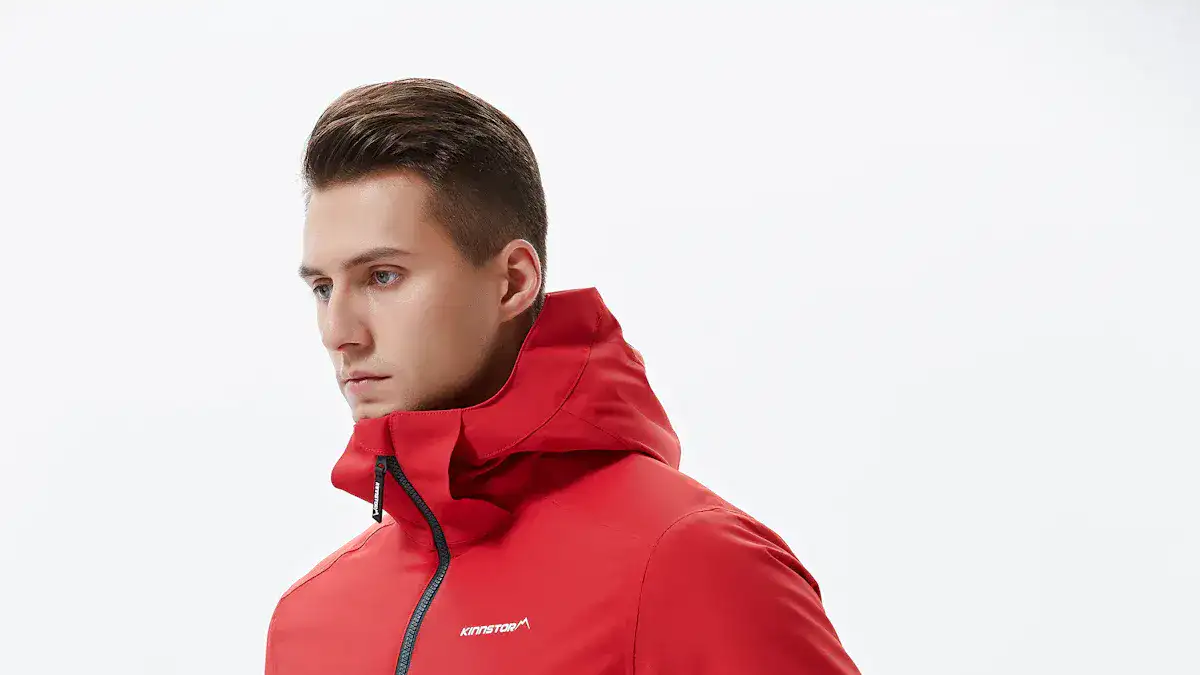
Outdoor Research Coldfront Down Hoodie
You want a coat that keeps you warm and dry without breaking the bank. The Outdoor Research Coldfront Down Hoodie stands out as one of the best winter coats for everyday use. This jacket combines 700-fill down with VerticalX Eco synthetic insulation in areas that get wet, so you stay warm even when the weather turns nasty. The recycled ripstop shell blocks wind and sheds snow, making it one of the best waterproof jackets for casual winter outings.
- Soft, durable shell fabric feels comfortable and tough.
- Fleece-lined hand pockets keep your fingers cozy.
- Snug cuff gaiters with thumb loops help seal out cold air.
- Hood cinch keeps the hood tight in windy conditions.
- Clean branding and a fit that runs small (size up for layering).
You get excellent warmth and comfort, but this isn’t a lightweight waterproof jacket for backcountry trips. It weighs over a pound, so it’s better for daily wear. The Coldfront Down Hoodie works well in snow, but heavy rain can soak through after a while. If you want a dependable, warm down jacket for city life or short hikes, this is a great value.
Tip: Size up if you plan to wear thick layers underneath.
Patagonia Silent Down Parka
Looking for a coat that feels soft and looks stylish? The Patagonia Silent Down Parka gives you moderate warmth with 700-fill down, making it perfect for temperatures from the mid 20s to high 40s Fahrenheit. The windproof shell and DWR coating shed light moisture, so you stay dry in light snow or drizzle. This parka is one of the best waterproof jackets for everyday use, but it’s not the best winter coat overall for heavy rain or deep cold.
- Puffy look with less insulation than a full winter jacket.
- Windproof shell blocks chilly gusts.
- DWR coating helps repel light moisture.
- Comfortable fit for casual wear.
If you expect heavy rain or snow, you’ll need a separate waterproof layer. The shell can soak through in wet conditions. You get great comfort and wind protection, but limited waterproofing. This parka works best for city walks, errands, and mild winter days.
Fjallraven Nuuk Parka
You want warmth and durability for harsh winters. The Fjallraven Nuuk Parka delivers with thick Supreme Microloft synthetic insulation and a trench-style length that covers below the waist. The polyamide shell resists wind and water, making it one of the best waterproof jackets for wet, windy, and snowy city conditions.
Pros:
- Extremely warm, like wearing a blanket.
- Durable shell and quality construction.
- Eight pockets for convenience.
- Insulated hood with detachable faux fur trim.
- PFC-free waterproofing and recycled materials.
Cons:
- Heavy and bulky, not ideal for hiking or active sports.
- Wide, flared bottom can let in cold air.
- Synthetic insulation is heavier and less warm than down.
- Difficult to pack due to size.
You get a stylish coat for urban winter use, bonfire gatherings, and neighborhood walks. The Nuuk Parka is not the best expedition quality down jacket, but it’s a top pick for city dwellers who want eco-friendly warmth and reliable waterproof jackets.
Kühl Arktik Down Parka
If you live in a place with brutal winters, the Kühl Arktik Down Parka is a top choice. This insulated waxed parka uses 800-fill RDS-certified goose down, giving you the best heavy insulation and wind resistance. The waxed shell keeps you dry in snow and rain, while Italian faux leather overlays add style.
- Removable faux fur hood trim with flexible wire.
- Adjustable hood and waist drawcords for a custom fit.
- Extended inner cuffs with thumb loops for layering.
- Multiple zippered pockets with draft flaps.
- Durable YKK Metaluxe zippers and reinforced snaps.
Despite heavy insulation, the Arktik Parka keeps a slim fit, so you look sharp while staying warm. You get the best warm down jacket for harsh winters, especially in places like Chicago. If you want the best overall winter jacket for style and function, this parka is hard to beat.
Arc’teryx Thorium Hoody
You want a jacket that balances warmth and technical features. The Arc’teryx Thorium Hoody uses a hybrid insulation system with 750-fill goose down and Coreloft synthetic insulation in moisture-prone areas. The Arato™ 30 nylon shell has a DWR treatment, making it one of the best waterproof jackets for light to moderate precipitation.
- Down Composite Mapping™ places synthetic insulation where you need it most.
- Matte-finished nylon shell repels water.
- Insulated hood keeps you warm even when wet.
- Designed for cold, dry conditions.
This jacket is not a fully waterproof shell, so it’s not the best winter coat overall for heavy rain. You get warmth and comfort for dry, cold days, plus a stylish athletic fit. The Thorium Hoody is a great pick for layering and active winter adventures.
Marmot Fordham Jacket
You want comfort and style for city life. The Marmot Fordham Jacket stands out with its thick, canvas-like polyester shell and silky liner. The overstuffed 700-fill down core gives you warmth and flexibility, making it one of the best winter coats for urban wear.
The duo fabric design protects your upper body while keeping the lower half soft and pliable. You get a rugged yet modern look that fits in both city and outdoor settings. The Fordham is warmer than many competitors, but the cuffs can grab your wrists. The fit is snug, so consider sizing up.
Compared to other models, the Fordham offers better warmth and style at a reasonable price. It’s not the best expedition quality down jacket, but it’s perfect for cold urban winters and daily use.
Canada Goose Langford Parka
You want a coat that handles freezing temperatures and looks good in the city. The Canada Goose Langford Parka is ideal for cold weather below freezing, with warmth between 15°F to 10°F when you’re active. The large hood and integrated collar shield your head and face from wind and snow.
- Ribbed-knit cuffs and fleece-lined handwarmer pockets.
- Adjustable hood straps for better weather defense.
- Built-in backpack straps for hands-free carrying.
- Durable construction and stylish design.
This parka excels in urban and outdoor environments, making it one of the best waterproof jackets for men’s winter jackets. It’s bulky, so not great for travel, and less warm than Canada Goose expedition models. If you want the best overall winter jacket for city life and outdoor adventures, the Langford Parka is a solid pick.
Mountain Hardwear Stretchdown Parka
You want mobility and warmth for active winter days. The Mountain Hardwear Stretchdown Parka uses stretch-welded channel construction, so the jacket moves with you. The 750-fill Q.Shield waterproof down keeps its loft and warmth even when wet, making it one of the best waterproof jackets for outdoor activities.
- Stretchable outer material for comfort and durability.
- Lightweight and compressible for easy packing.
- Dual external chest pockets for organization.
- Cinches around hood and hem to block cold air.
- Tall chin and parka length for extra coverage.
The innovative Stretchdown fabric eliminates cold spots and feather leakage. You get warmth in the teens and twenties Fahrenheit, and comfort down to single digits when moving. The fit runs boxy and large, so try it on before buying. This is the best winter coat overall for active users who want a lightweight waterproof jacket with great mobility.
The North Face Arctic Parka
You want a coat that keeps you warm and dry in cold, wet conditions. The North Face Arctic Parka uses a 2-layer DryVent shell that is waterproof, breathable, and seam-sealed. The 600-fill recycled down insulation and weather-resistant shell make it one of the best waterproof jackets for everyday winter use.
The mid-thigh length and insulated hood with faux-fur ruff add protection. The Arctic Parka is heavier than some alternatives, but it balances warmth and durability. You get solid warmth in 17°F weather with minimal layering. The handwarmer pockets are not insulated, and wrist cuffs can get cold when wet, but overall, this is a reliable choice for cold, windy, and wet winter environments.
The North Face McMurdo Parka
You want a parka that works in both the city and the outdoors. The North Face McMurdo Parka uses efficient down insulation for heat retention and DryVent technology for water resistance and breathability. Adjustable hoods, ample pockets, and internal draft flaps keep you protected from winter elements.
- Extremely warm, comfortable in -8°F with just a T-shirt.
- Tough, heavy-duty shell for durability.
- Deep hood with fur trim and large pockets.
- Maintains warmth and appearance after multiple winters.
The McMurdo Parka runs large, so check the fit. It blocks wind and keeps you warm for long outdoor activities. This is one of the best winter coats for urban and outdoor use, offering trusted durability and practical design at a moderate price. If you want the best overall winter jacket for everyday wear, the McMurdo is a go-to choice.
How to Choose Waterproof Jackets
Climate and Use
When you pick out waterproof jackets, start by thinking about your local climate and how you plan to use the coat. If you live where winters are harsh, with lots of snow and freezing wind, you need a coat with strong insulation, a waterproof shell, and a hood. For milder winters or city life, you might want something lighter and more stylish. Here are some quick winter coat buying tips:
- Look for down insulation and waterproof shells for extreme cold.
- Choose synthetic insulation if you expect wet weather.
- Think about your activities. For hiking or skiing, you need more mobility and breathability.
- For daily commutes, focus on comfort and style.
Fit and Comfort
Fit matters a lot when it comes to waterproof jackets. You want a coat that lets you move freely and keeps you warm. Try lifting your arms—your stomach should stay covered. Make sure the coat fits over your layers but isn’t too loose. Check that the shoulder seams sit right and the sleeves don’t ride up. Adjustable hoods and cuffs help keep out cold air and water. If you plan to wear thick sweaters, consider sizing up. A good fit means you stay comfortable all day.
Insulation Types
You’ll find two main types of insulation in the best winter jackets: down and synthetic. Down is super warm and light, but it loses heat if it gets wet. Synthetic insulation keeps you warm even when damp and dries faster. Here’s a quick comparison:
| Feature | Down Insulation | Synthetic Insulation |
|---|---|---|
| Warmth | Very high | Good, even when wet |
| Weight | Lightweight | Heavier |
| Durability | Long-lasting | Less durable |
| Cost | More expensive | More affordable |
If you want a vegan option or expect lots of rain, synthetic is a smart pick.
Shell Materials
The outer shell of waterproof jackets is key for staying dry. Advanced membranes like Gore-Tex block water but let sweat escape, so you don’t overheat. Some shells use tough fabrics for extra durability. Look for features like taped seams and watertight zippers. These details stop water from sneaking in through tiny holes or zippers. A good shell keeps you dry and comfortable, even in heavy snow or rain.
Essential Features
When you shop for the best winter jackets, check for these must-have features:
- Taped seams to seal out water.
- Waterproof membranes for real protection.
- Adjustable hoods and cuffs for a snug fit.
- Plenty of pockets for storage.
- Ventilation zippers to help you cool down during activity.
Tip: Taped seams and waterproof membranes work together to keep you dry. Taped seams seal the stitching holes, while membranes block water but let sweat escape. This combo is what makes waterproof jackets truly reliable in winter.
Keep these winter coat buying tips in mind, and you’ll find a coat that matches your climate, style, and activities.
Key Features of the Best Winter Jackets
Waterproof Membranes
When you shop for a winter jacket, you want to stay dry no matter what the weather throws at you. Waterproof membranes like GORE-TEX, DryVent, and Pertex® create a barrier that blocks rain and snow. These membranes keep water out but let sweat escape, so you don’t feel trapped inside your coat. Look for jackets with fully taped seams and waterproof zippers for the best protection.
Breathability
You might think a waterproof jacket would make you sweaty, but that’s not true if you pick the right one. Breathability is key for comfort. It lets moisture vapor, like sweat, escape from inside the jacket. This keeps you dry on the inside and helps regulate your body temperature. You won’t feel clammy or sticky, even if you’re walking fast or shoveling snow. Breathable jackets give you trusted protection and comfort, especially when you wear them for long periods in cold, wet weather.
Tip: If you plan to be active outdoors, always check the breathability rating before you buy.
Insulation
The right insulation makes all the difference in how warm you feel. You’ll find both down and synthetic insulation in the best winter jackets. Down is super light and warm, but it doesn’t work well when wet. Synthetic insulation, like PrimaLoft, keeps you warm even if it gets damp. Some jackets use recycled down for a greener choice. Here’s a quick look at popular insulation types:
| Insulation Type | Key Features | Example Jacket |
|---|---|---|
| High-fill-power Down | Very warm, lightweight | Mountain Hardwear Absolute Zero Parka |
| Recycled Down | Eco-friendly, good warmth | The North Face Arctic Parka |
| Synthetic (PrimaLoft) | Warm when wet, dries fast | Patagonia Nano Puff Jacket |
Durability
You want your jacket to last for years. Durable shells use tough fabrics that resist tears and scuffs. Reinforced stitching and strong zippers help your coat handle rough weather and daily wear. If you’re hard on your gear, look for jackets with ripstop nylon or polyester shells.
Hoods and Cuffs
Adjustable hoods and cuffs make your jacket fit just right. You can tighten the hood to block wind and cold, or loosen it for comfort. Removable hoods give you options for different days. Adjustable cuffs, like hook-and-loop or stretchy bands, seal out cold air and snow. These features help you stay warm and cozy, no matter how the weather changes.
Care Tips for Waterproof Winter Coats
Cleaning and Washing
You want your waterproof winter coat to last, so cleaning it the right way matters. Start by using a specialist detergent like Nikwax Tech Wash. Regular laundry soap can break down the waterproof coating, so skip it. Always check the care label before you toss your coat in the wash. For top-loading machines, fill with water first, then add up to three jackets and the recommended amount of cleaner. If you use a front-loader, stick to two jackets at a time. Run a heavy or warm wash cycle to get rid of dirt and revive the water-repellent finish. Dry your coat according to the instructions—some jackets do fine in the dryer, while others need to air dry. Never use fabric softeners, since they attract water and ruin waterproofing. If you notice water soaking in after a few washes, it’s time to reproof your coat.
Tip: Spray-on waterproofing works best when you apply it to a clean, damp jacket. This helps the treatment spread evenly.
Waterproofing Treatments
You can keep your coat’s waterproof powers strong with a few simple steps. Dry your jacket on low or medium heat to reactivate the water-repellent finish. Clean it regularly with technical cleaners to remove oils and dirt that wear down the DWR coating. When water stops beading on the surface, use a wash-in or spray-on treatment like Nikwax TX.Direct. Eco-friendly, PFAS-free products help protect both your coat and the environment. For canvas or leather gear, wax-based treatments or natural oils like beeswax work well. Always follow the instructions on the product for best results.
Storage
Storing your coat the right way keeps it fresh for next winter. Clean and dry your jacket before you put it away. Hang heavy coats on sturdy hangers to keep their shape. Use breathable garment bags or cloth covers so air can circulate. Keep your coat in a cool, dry, and dark spot—avoid damp basements or direct sunlight. Cedar chips or lavender sachets help keep pests away and add a nice scent. If you need to save space, vacuum bags work for bulky down jackets, but avoid them for delicate fabrics. Label your storage bins so you can find your gear easily when the cold returns.
Note: Never store your coat in airtight containers or plastic bags. Moisture can get trapped and cause mildew or damage.
You have plenty of great options when it comes to waterproof winter coats for men. Each jacket brings something special, whether you want warmth, durability, or eco-friendly materials. Check out this quick expert advice table before you decide:
| Coat Name | Key Features | Pros | Cons |
|---|---|---|---|
| Patagonia Tres 3-in-1 | Modular, recycled materials | Versatile, eco-friendly | Price, hood insulation |
| Nuuk Parka | Durable, insulated | Warm, weather resistant | Heavy, tricky zipper |
| Stormcraft Down Parka | GORE-TEX, robust | Reliable warmth, durable | Price, fit |
| Windshadow Parka | 100% recycled polyester | Eco-friendly | Sizing issues |
Think about your climate, lifestyle, and what matters most to you. Use the buying guide and key features section to match your needs with the best winter coats. Pick quality and comfort—you’ll thank yourself all season long.
FAQ
How do I know if a winter coat is truly waterproof?
Look for jackets with a waterproof membrane like GORE-TEX or DryVent. Check for taped seams and waterproof zippers. If you see “water-resistant,” that means it can handle light rain, but not a downpour.
Tip: Always read the product label for waterproof ratings.
Can I wash my waterproof winter coat in a regular washing machine?
Yes, you can wash most waterproof coats at home. Use a technical cleaner like Nikwax Tech Wash. Avoid regular detergent and fabric softener. Always check the care label first.
What’s the difference between water-resistant and waterproof?
Water-resistant coats shed light moisture and drizzle. Waterproof coats block heavy rain and snow. You want waterproof if you expect wet, harsh winters.
How often should I reproof my waterproof jacket?
You should reproof your jacket when water stops beading on the surface. For most people, this means once or twice a season. Clean your coat first, then use a spray-on or wash-in treatment.
Do I need a down or synthetic insulated coat for wet winters?
Synthetic insulation works better in wet weather because it keeps you warm even when damp. Down is lighter and warmer, but it loses heat if it gets wet. Choose synthetic if you expect lots of rain or slush.