

How Does a Softshell Winter Jacket Keep You Warm
Table of Contents
Display
A softshell winter jacket keeps you warm by blocking wind, holding in heat, and allowing sweat to escape. You benefit from nylon, polyester, and elastane, which add stretch, breathability, and durability. The softshell jacket uses a tightly woven fabric for effective weather protection. You stay comfortable during hikes or runs in cold, dry, and windy weather. This jacket feels lightweight, so you move freely. Many people choose a soft shell jacket for active outdoor use because it balances warmth and breathability better than a bulky option.
Key Takeaways
- Softshell jackets keep you warm by blocking wind, trapping heat, and letting sweat escape, making them great for active outdoor use in cold, dry weather.
- These jackets use stretchy, durable materials like polyester, nylon, and elastane, combined with fleece linings to provide comfort and moderate insulation.
- Softshells resist light rain and wind but are not fully waterproof; reapplying water-repellent treatments helps maintain their weather resistance.
- They offer excellent breathability and flexibility, allowing you to move freely and stay dry during high-energy activities like hiking or running.
- Choose softshells for cool, windy days and pair them with layers for extra warmth; use hardshells for heavy rain or storms and fleece for added insulation.
Features
Materials
You will notice that a softshell jacket uses a blend of synthetic fibers to deliver the best performance for winter activities. Most lightweight stretch-woven softshells combine polyester, nylon, and elastane. These materials give you flexibility, stretch, and durability. Polyester and nylon help the outerlayer resist abrasion and keep the jacket lightweight. Elastane adds stretch, so you move freely during any activity. The inner lining often features fleece or brushed fabric, which traps body heat and provides moderate insulation. This combination makes the soft shell jacket ideal for cool to moderately cold conditions.
Here is a quick overview of the main materials and their properties:
| Material / Feature | Description / Property |
|---|---|
| Polyester, Nylon, Elastane | Synthetic blends providing flexibility, stretch, and durability. |
| Durable Water Repellent (DWR) Coating | Enhances water resistance without full waterproofing; environmentally friendly PFC-free options exist. |
| Microporous Membrane | Provides breathability by allowing moisture to escape while maintaining wind resistance. |
| Fleece or Brushed Inner Lining | Traps body heat for moderate insulation suitable for cool to moderately cold conditions. |
| Wind Resistance | Tightly woven fabric and coatings make softshells windproof or highly wind-resistant. |
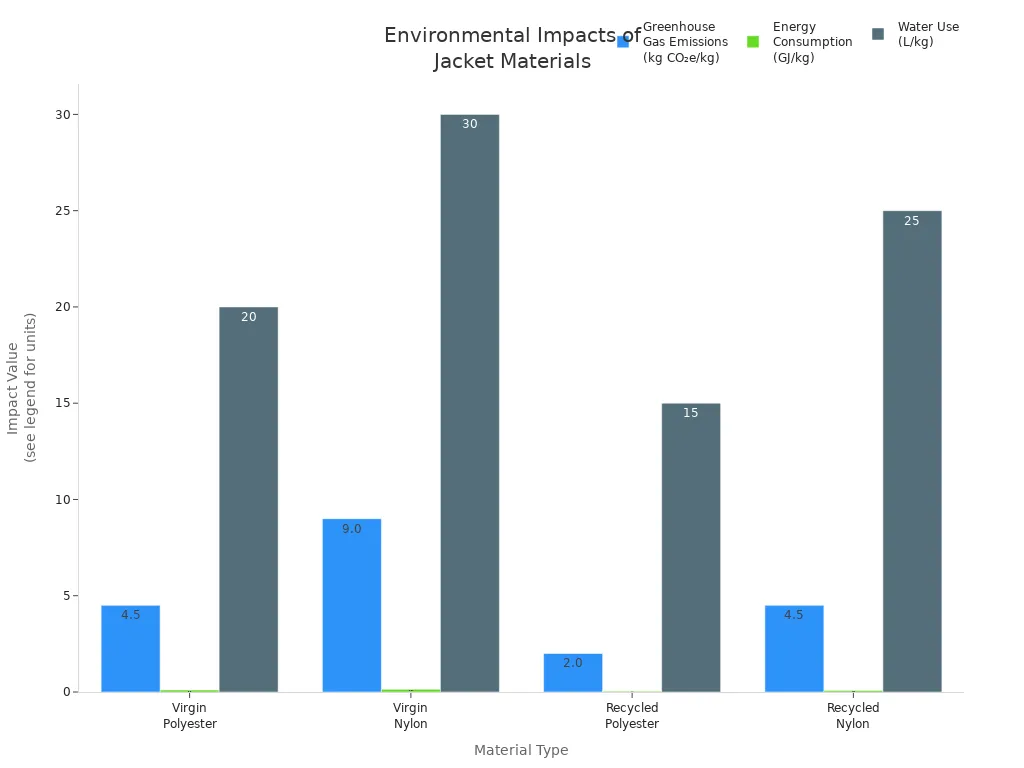
Choosing recycled polyester or nylon for your lightweight stretch-woven softshells can reduce environmental impact. These recycled fibers lower greenhouse gas emissions and energy use compared to virgin materials.
Construction
The construction of a softshell jacket focuses on comfort, flexibility, and weather protection. Lightweight stretch-woven softshells use a tightly woven outerlayer that blocks wind and resists abrasion. The jacket often features a Durable Water Repellent (DWR) coating, which helps water bead up and roll off the surface. This treatment boosts water resistance but does not make the outerlayer fully waterproof. The form-fitting design of the jacket improves insulation by keeping warm air close to your body. Some jackets include a microporous membrane, which adds waterproof breathable technology and increases wind resistance while letting sweat escape. Specialized features, such as fleece-lined pockets and adjustable cuffs, add extra comfort and functionality.
Weather Resistance
You can count on lightweight stretch-woven softshells to deliver reliable weather resistance in cold, dry, and windy conditions. The tightly woven outerlayer and DWR coating make the jacket water and wind-resistant. While the jacket will not keep you dry in heavy rain, it sheds light rain and snow, making it perfect for active outdoor use. Field tests show that softshell jackets provide better wind resistance than traditional insulated jackets but less than hardshells. The breathable fabrics in these jackets help you stay comfortable during high-output activities by allowing moisture vapor to escape. Regular care, such as washing with technical detergents and reapplying DWR, keeps your jacket performing well season after season.
Tip: Test your jacket’s water resistance by sprinkling water on the surface. If water no longer beads up, it’s time to reapply the DWR treatment.
Warmth & Breathability

Heat Retention
A softshell jacket helps you stay warm by trapping your body heat close to your skin. The inner lining, often made from fleece or brushed fabric, creates a layer of insulation that holds warmth without adding bulk. You can wear a soft shell jacket comfortably in temperatures ranging from 0°F to 30°F, and even in subzero conditions if you add extra layers. This makes the jacket a smart choice for cold weather activities like hiking, skiing, or winter running. The tightly woven outer fabric blocks wind, which prevents heat from escaping and keeps you comfortable during outdoor adventures. However, the jacket does not trap too much heat, so you avoid overheating when you move.
Tip: For very cold days, add a base layer or mid-layer under your softshell jacket to boost warmth without losing flexibility.
Moisture Control
When you work up a sweat, your jacket needs to manage moisture to keep you dry and comfortable. Softshell jackets use advanced polyester fibers and special fabric structures to wick sweat away from your skin. These fibers pull moisture to the surface, where it evaporates quickly. This design keeps you dry, even during intense activities like trail running or alpine climbing. Unlike cotton, which soaks up sweat and stays wet, a soft shell jacket dries fast and prevents chills. The breathable protection of the fabric allows moisture vapor to escape, so you do not feel clammy or cold after exercise.
- Breathability ratings for softshell jackets usually range from 5,000 to over 20,000 g/m²/24h.
- For casual use, 5,000 to 8,000 g/m²/24h is enough.
- For hiking or running, look for 10,000 to 15,000 g/m²/24h.
- Backcountry users often choose jackets with ratings above 20,000 g/m²/24h for the best moisture control.
- Higher breathability means sweat escapes faster, which keeps you dry and comfortable during activity.
The fabric’s breathability also means you avoid wetout, which happens when sweat builds up inside your jacket. This feature is especially important for high-output activities, where your body produces more heat and moisture.
Softshell Jacket Comfort
You will notice the comfort of a softshell jacket as soon as you put it on. The soft, stretchy materials move with your body, so you never feel restricted. This flexibility supports performance and mobility, making the jacket ideal for climbing, skiing, or any activity that requires a full range of motion. The lightweight design avoids the bulk of heavy insulated layers, so you can wear your jacket all day without feeling weighed down.
Softshell jackets stand out for their comfort compared to hardshell jackets. Hardshells offer more waterproofing but often feel stiff and less breathable. In contrast, a softshell winter jacket feels warm, breathable, and comfortable against your skin. You can wear it for hours during active use without discomfort. The jacket’s breathability helps regulate your body temperature, so you stay warm without overheating.
- Softshell jackets balance insulation and breathability, helping you manage your body heat during activity.
- Breathable materials let sweat evaporate, which prevents moisture buildup and chills.
- The jacket’s stretch and fit support freedom of movement.
- You can adapt your layers under the jacket for changing temperatures.
Note: Softshell jackets work best for active use in cold, dry, and windy weather. They are not fully waterproof, so choose a hardshell for heavy rain or storms.
Softshell Winter Jacket vs. Others

Hardshell Jackets
You will notice that hardshell jackets focus on maximum weather protection. These jackets use waterproof membranes and taped seams to keep out rain, snow, and wind. However, hardshells do not provide much insulation. You often need to wear a warm layer underneath. Hardshells feel stiffer and less flexible than softshells, which can limit your movement during winter sports. Breathability is lower, so you may feel hot and sweaty during high-intensity activities. Some advanced hardshells improve airflow, but they still cannot match the comfort and breathability of different types of softshell jackets.
Tip: Choose a hardshell jacket for severe weather, heavy rain, or wet snow. You will stay dry, but you may need to add layers for warmth.
Fleece Jackets
Fleece jackets give you excellent warmth and breathability. You can use them as a mid-layer under a shell or as a light outer layer in dry, calm weather. Fleece feels soft and flexible, so you move easily. However, fleece does not block wind or water. You will lose heat quickly if the wind picks up or if it starts to rain. Fleece jackets work best when you need insulation but do not expect harsh weather. For more protection, you can pair fleece with hybrid softshells or hardshells.
| Jacket Type | Warmth | Weather Protection | Flexibility/Breathability |
|---|---|---|---|
| Softshell | Moderate, best when active | Water resistant, wind resistant | Very flexible, highly breathable |
| Hardshell | Minimal, needs layering | Fully waterproof, windproof | Less flexible, less breathable |
| Fleece | High as mid-layer | Not windproof or waterproof | Very flexible, very breathable |
Best Use Cases
You should choose your jacket based on your activity and the weather. Softshell jackets, especially hybrid softshells, work best for high-intensity activities like hiking, climbing, or trail running in cool, dry, and windy conditions. Hybrid softshells combine the stretch and breathability of traditional softshells with extra weather protection, making them ideal for changing conditions. If you expect heavy rain or wet snow, a hardshell jacket is the safest choice. For cold, dry days when you need warmth but not weather protection, fleece jackets or hybrid softshells as a mid-layer keep you comfortable.
- Use different types of softshell jackets for active winter sports where you need to move freely and stay dry from sweat.
- Pick hybrid softshells if you want a balance of breathability, flexibility, and added weather resistance.
- Select a hardshell jacket for harsh, wet weather or when you need full waterproofing.
- Wear fleece jackets as a cozy mid-layer or for casual use in mild, dry weather.
Note: Layering is key. You can combine fleece, hybrid softshells, and hardshells to match your needs for warmth, protection, and comfort.
When to Wear a Soft Shell Jacket
Weather Conditions
You get the best performance from a softshell winter jacket in dry, cold, and windy weather. Meteorological data shows that these conditions call for insulation, wind resistance, and breathability. Softshells work well when the temperature drops into the 30s or low 40s Fahrenheit. Outdoor experts recommend them for cool climates where rain is light or short-lived. If you hike in places like Santa Fe, you will find that a softshell keeps you comfortable by blocking wind and letting sweat escape. Avoid using a softshell in heavy rain or very wet environments. In those cases, a hardshell offers better protection.
Tip: If you expect only light snow or a quick shower, a softshell will shed moisture and dry quickly during your activity.
Activity Levels
You should match your jacket to your activity. Softshells shine during high-output activities like hiking, running, or cross-country skiing. These jackets balance warmth, breathability, and flexibility, so you stay comfortable as you move. For intense activities, lightweight and packable softshells let sweat escape and keep you from overheating. If you plan to climb or ski at high altitudes, choose a heavier softshell with a fleece lining for extra warmth. Always consider how much you will move and how long you will stay outside. The right choice helps you regulate your temperature and enjoy your adventure.
- For hiking or running, pick a thin, stretchy softshell for maximum breathability.
- For mountaineering or cold-weather biking, select a warmer, windproof softshell.
- For climbing or trekking, look for durability and a fit that allows easy movement.
Layering Tips
Layering helps you stay warm and dry in changing winter conditions. Start with a moisture-wicking base layer to pull sweat away from your skin. Add an insulating layer, such as a lightweight fleece, for extra warmth. Wear your softshell as the outer layer to block wind and shed light precipitation. This system lets you adjust your comfort as the weather or your activity changes. Air gaps between layers improve insulation, so avoid compressing your clothes too tightly. If you face subzero temperatures, add more insulation under your softshell. Save waterproof hardshells for severe storms.
Remember: When you choose the perfect softshell jacket, think about how it fits with your other layers and your planned activity. The right combination keeps you warm, dry, and ready for anything.
A softshell winter jacket keeps you warm by blocking wind, holding in heat, and letting sweat escape. You get the best results when you wear it for active outdoor use in cold, dry, and windy weather.
- Choose a softshell winter jacket if you want comfort, flexibility, and breathability during winter sports or hikes.
Always match your outerwear to your activity level and local weather for the best protection.
FAQ
How do you clean and care for your jacket?
You should wash your jacket with cold water and mild detergent. Avoid fabric softeners. Tumble dry on low or air dry. Reapply a DWR treatment to maintain water resistance. Always check the care label for specific instructions.
Can you wear a softshell jacket in heavy rain?
You should not rely on a softshell jacket for heavy rain. The outerlayer offers water and wind-resistant features, but it does not provide full waterproof breathable technology. For storms, choose a hardshell instead.
What makes lightweight stretch-woven softshells good for sports?
Lightweight stretch-woven softshells give you excellent performance and mobility. The breathable fabrics let sweat escape, so you stay dry. The jacket moves with your body, which helps during climbing, running, or biking.
Are hybrid softshells better for changing weather?
Hybrid softshells combine breathable protection with extra weather resistance. You get better weather protection than with standard softshells. These jackets work well when you face unpredictable conditions outdoors.
How do you choose the perfect softshell jacket for your needs?
You should consider your activity, local climate, and layering system. Look for features like water resistance, lightweight design, and flexible fit. A table can help you compare different types of softshell jackets:
| Feature | Standard Softshell | Hybrid Softshell |
|---|---|---|
| Breathability | High | Moderate |
| Weather Resistance | Moderate | High |
| Flexibility | Excellent | Good |