

Safety Standards for Overseas Convenience Store Uniforms
Table of Contents
Display

When I think about running a convenience store overseas, I always put safety standards first. A good uniform does more than create a professional look. It protects employees, boosts visibility, and keeps everyone safe. I rely on trusted guidelines like ANSI/ISEA 107-2020 and HACCP. These help me choose designs that improve hygiene and reduce risks every day.
Key Takeaways
Prioritize safety standards when selecting uniforms for convenience store employees.
Follow international guidelines like ANSI/ISEA 107-2020 and local regulations to ensure compliance.
Choose high-visibility colors and reflective materials to enhance employee safety in busy environments.
Select uniforms made from flame-resistant and chemical-resistant fabrics for added protection.
Incorporate employee feedback to improve comfort and fit, boosting morale and productivity.
Regularly review and update uniform policies to align with changing safety regulations.
Utilize smart fabric technologies for better comfort and safety, such as temperature control and RFID tracking.
Opt for eco-friendly materials to support sustainability while ensuring employee safety.
Safety Standards
Regulatory Compliance
International Standards
I always start my uniform program by checking international safety standards. ANSI/ISEA 107-2020 sets clear performance requirements for high-visibility safety apparel. This standard helps me choose uniforms that make employees easy to spot, especially in busy or low-light environments. I also look at HACCP guidelines when my store handles food. HACCP focuses on hygiene and contamination prevention. These safety standards guide my decisions and help me protect my team.
I notice that ANSI/ISEA 107-2020 covers more than just color or reflectivity. It includes specific performance requirements for materials and design. For example, the standard requires certain levels of brightness and durability. I make sure every uniform meets these rules before I approve them for use.
Local Requirements
I never ignore local safety standards. Each country has its own rules for uniforms in convenience stores. Some places require extra features, like flame resistance or chemical protection. Others focus on hygiene or visibility. I always check local regulations before I launch a new uniform program. This helps me avoid fines and keeps my employees safe.
I find that local requirements sometimes go beyond ANSI/ISEA 107-2020. For example, some regions ask for uniforms that withstand high-temperature washing. Others want uniforms without pockets above the waist to meet food safety rules. I adjust my uniform designs to match these needs.
Risk Categories
Task-Based Protection
I look at the daily tasks my employees perform. Each job comes with its own risks. I use safety standards to select uniform features that match these hazards. For example, lifting and handling inventory can cause sprains or strains. I choose uniforms that allow for easy movement. Slips, trips, and falls happen often in wet conditions. I add slip-resistant features to the uniform to reduce these accidents.
Here is a table that shows how different hazards influence my uniform choices:
Hazard Type | Description |
|---|---|
Lifting and handling inventory | Improper lifting can lead to sprains or strains, so I pick uniforms that allow for mobility. |
Slips, trips, and falls | Wet floors increase fall risk, so I add slip-resistant features to uniforms. |
Cuts from sharp objects | I use cut-resistant materials to protect against injuries from sharp items. |
Chemical hazards | Cleaning solutions can be dangerous, so I select uniforms made from chemical-resistant fabrics. |
Biological hazards | Exposure to pathogens requires uniforms that are easy to clean and disinfect. |
Industry-Specific Needs
I know that safety standards change depending on the type of convenience store. Stores that sell food must follow HACCP rules. These rules affect uniform design. For example, HACCP recommends no pockets above the waist and no buttons. This reduces the risk of contamination. Stores that handle chemicals need uniforms with extra protection. I always match the uniform features to the specific risks in each store.
I rely on ANSI/ISEA 107-2020 and HACCP to guide my choices. These standards help me create a uniform program that meets both international and local performance requirements. I believe that following safety standards keeps my employees safe and my business compliant.
Uniform Features
Material Safety
Flame Resistance
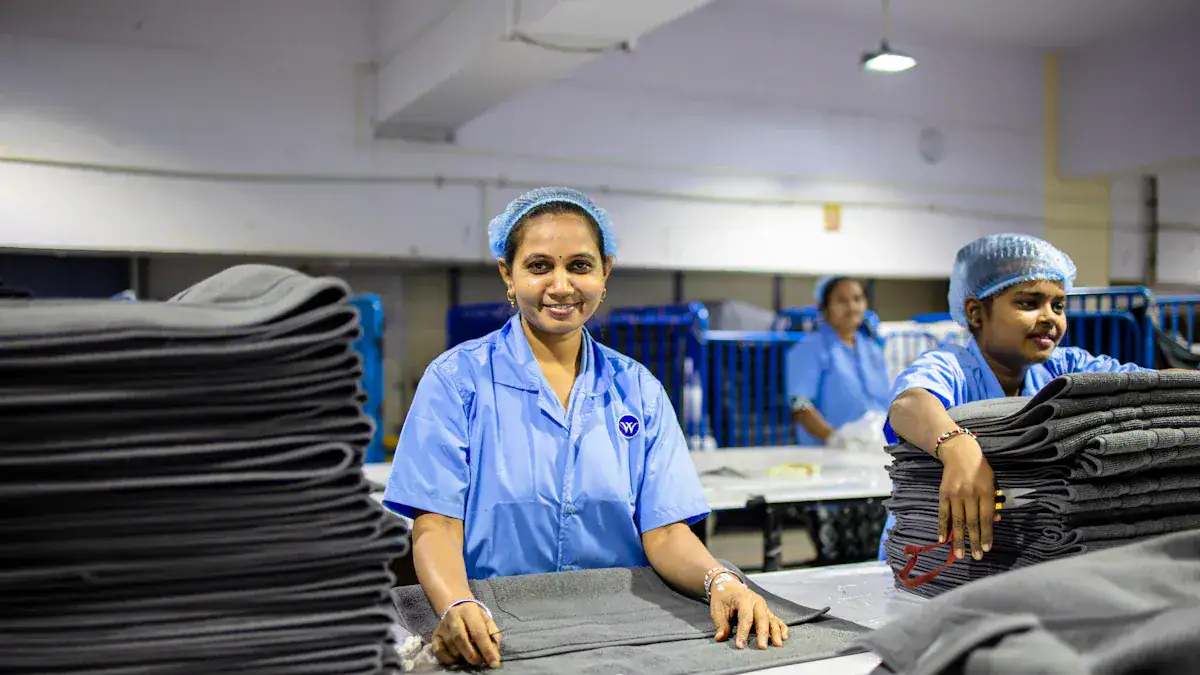
When I select a uniform for my convenience store staff, I always check for flame-resistant properties. This feature becomes critical in environments where there is a risk of flash fire, electric arc flash, or even molten metal splash. I know that proper flame-resistant clothing creates a safer working environment for everyone. According to OSHA Health & Safety guidelines, flame-resistant clothing can reduce the severity of burn injuries. This protection gives me peace of mind and helps my employees feel secure while they work.
Chemical Protection
I also pay close attention to chemical protection. Many cleaning products and maintenance chemicals can harm the skin or cause irritation. I choose uniforms made from sturdy, dense materials that resist chemical penetration. This choice helps prevent accidents and keeps my team safe during daily cleaning tasks. I always look for fabrics that balance protection with comfort, so employees can move freely while staying protected.
Tip: I recommend reviewing the types of chemicals used in your store before choosing a uniform. This step ensures you select the right level of protection for your team.
Hygiene
High-Temperature Washing
Hygiene stands at the top of my priority list, especially when my store handles food. I insist on uniforms that withstand high-temperature washing. This feature ensures that every wash cycle kills pathogens and keeps the uniform clean. I have learned that durable fabrics last longer, even after many hot washes. Here is a table that shows why high-temperature washing matters:
Key Point | Description |
|---|---|
Hygiene | High-temperature washing effectively kills pathogens, ensuring uniforms are hygienically clean. |
Longevity | Durable fabrics withstand multiple high-temperature washings, preventing wear and tear. |
I also make sure that laundering operations follow HACCP guidelines. Wash and drying cycles must reach the right temperatures to destroy bacteria and viruses without damaging the uniform.
HACCP Compliance
When I design a uniform for food safety, I follow HACCP rules closely. These guidelines help me prevent contamination and keep food safe for customers. Here are the main requirements I follow:
No pockets above the waist. This rule prevents items from falling out and contaminating food.
No buttons. Buttons can fall off and trap bacteria, so I avoid them in my designs.
Durable fabric. I choose materials that handle frequent washing and stay clean.
Proper fit. A well-fitting uniform prevents loose fabric from touching food or equipment.
Cleanliness. I make sure every uniform stays sanitary through proper laundering.
I believe that following these hygiene standards protects both employees and customers. By choosing the right uniform, I create a safer and cleaner store environment.
Employee Safety
Physical Protection
Cuts and Burns
I always make sure my uniform program includes features that protect against cuts and burns. Employees often handle sharp objects, such as box cutters or broken glass. I choose uniforms with reinforced panels in high-risk areas, like sleeves and legs. Flame-resistant fabrics play a key role in reducing burn injuries. I learned that proper protection not only lowers the risk of accidents but also helps my team feel confident at work.
Abrasions
Convenience store staff move boxes, stock shelves, and clean surfaces every day. These tasks can cause abrasions if uniforms lack sturdy materials. I select fabrics that resist tearing and provide a smooth surface. This choice prevents scrapes and keeps employees comfortable. I also look for ergonomic designs that allow easy movement, so uniforms do not restrict my team during busy shifts.
Note: I recommend checking for reinforced seams and double-layered fabric in areas that experience frequent contact. These features extend the life of the uniform and improve safety.
Comfort
Breathability
Comfort matters as much as protection. I always pick uniforms made with breathable fabrics. These materials help regulate body temperature, especially in stores with poor ventilation or extreme weather. When employees stay cool and dry, they can focus on their tasks. Research shows that uniforms with breathable and reflective materials improve safety and professionalism. I noticed that comfortable uniforms encourage my team to follow safety protocols.
Fit
A good fit makes a big difference in employee safety. Ill-fitting uniforms distract workers and can even create hazards. I provide a variety of sizes and ergonomic designs to ensure every employee finds the right fit. This approach supports compliance with safety standards. Studies from Coventry University and Murray Uniforms reveal that well-crafted uniforms boost employee happiness by up to 22%. HALO’s research also shows that comfortable uniforms improve morale and retention rates. Thrive Workwear highlights that uniforms that make employees feel good increase engagement and output.
Comfort Feature | Benefit |
|---|---|
Breathable fabric | Maintains body temperature |
Proper fit | Reduces distractions and hazards |
Ergonomic design | Supports easy movement |
I believe that comfort is essential for productivity and morale. If uniforms are uncomfortable, employees may avoid wearing them, which increases safety risks. I always make comfort a priority in my uniform program to ensure everyone stays safe and focused.
High-Visibility Safety Apparel
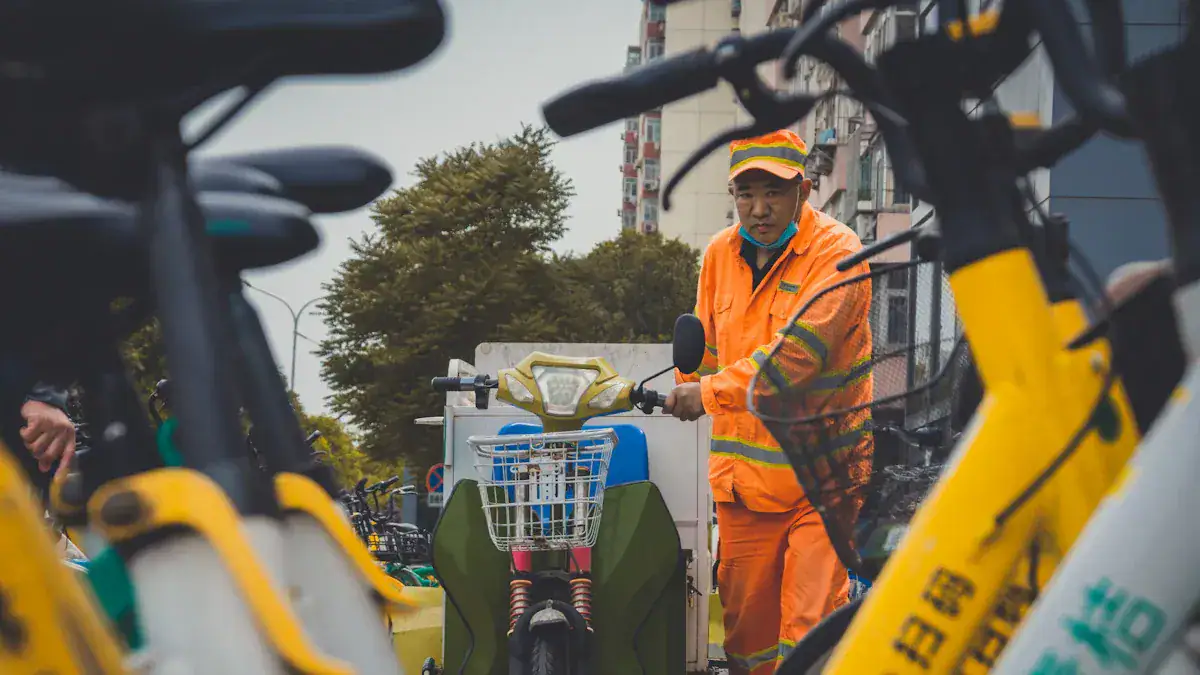
When I choose a uniform for my convenience store staff, I always focus on high-visibility safety apparel. This type of clothing keeps employees safe and makes them easy to spot in busy environments. I believe that visibility is one of the most important factors in accident prevention.
Visibility
Colors
I select colors that stand out against any background. Bright shades like neon yellow, orange, and lime green catch the eye quickly. These colors help my team stay visible during the day and in crowded areas. I learned that fluorescent materials work best because they convert ultraviolet light into visible light. This feature increases visibility even in low-light conditions.
High-visibility safety apparel can reduce struck-by incidents by up to 20%.
Quality uniforms make workers conspicuous against various backgrounds and lighting conditions.
Fluorescent materials enhance visibility during the day by converting UV light into visible light.
Combined-performance materials ensure visibility in all conditions, enhancing overall safety.
I always make sure my uniform program includes these bright colors. Employees feel safer, and customers can find help quickly.
Reflective Elements
I add reflective materials to every uniform. These elements bounce light back to its source, making workers visible at night or in dimly lit areas. I noticed that retroreflective strips on sleeves, vests, and pant legs improve safety during evening shifts. High-visibility safety apparel with reflective elements protects my team when they work near traffic or in parking lots.
Tip: I recommend checking uniforms under different lighting conditions before making a final choice. This step ensures that reflective materials perform well both day and night.
Identification
Name Tags
I require every employee to wear a name tag. This simple feature improves security and helps customers identify staff members. Permanent name tags prevent misuse and ensure only authorized employees access secure areas.
Identification Feature | Security Benefit |
|---|---|
Name Tags | Easy identification of authorized personnel |
Permanent Name Tags | Prevent misuse and restrict access to secure areas |
I find that name tags also make interactions more personal. Customers feel comfortable asking for help when they know an employee’s name.
Branding
I include company logos on every uniform. Branding helps customers recognize staff members and builds trust. Uniforms with clear branding maintain consistency across all store locations.
Branding Feature | Customer Service Benefit |
|---|---|
Company Logo | Assists customers in recognizing staff |
Uniform Branding | Maintains brand consistency and improves service |
I believe that high-visibility safety apparel with strong identification features creates a safer and more welcoming store environment. Employees feel proud to wear a uniform that represents the company and keeps them protected.
Uniform Technologies
As I look for ways to improve safety and efficiency in my convenience store, I pay close attention to the latest uniform technologies. These innovations help me create a better work environment for my team.
Smart Fabrics
Smart fabrics have changed how I think about employee comfort and safety. I choose materials that do more than cover the body. They offer advanced features that support my staff during long shifts.
RFID
I use RFID technology in my uniforms to track inventory and improve security. RFID tags allow me to monitor stock levels in real time. This system helps me prevent stockouts and keeps popular products available for customers. I also notice that RFID streamlines inventory counts, which lets my staff spend more time helping customers.
Real-time inventory tracking gives me instant visibility into stock levels.
Labor efficiency improves because RFID makes inventory counts faster.
RFID systems help with loss prevention by tracking high-risk items and alerting me to missing stock.
I gain full control over uniform tracking, which reduces waste and improves safety.
Enhanced compliance ensures my employees wear the correct attire, reducing contamination risks.
Temperature Control
Temperature regulation is another feature I value in smart fabrics. These materials help my team stay comfortable, even during long shifts or in extreme weather. I select fabrics with temperature control to keep employees cool in summer and warm in winter. This technology supports safety and helps my staff focus on their tasks.
Smart fabrics also offer antimicrobial properties, which reduce the risk of infections and improve hygiene for everyone in the store.
Here is a table that shows how smart fabric technologies benefit my team:
Technology | Benefits |
|---|---|
Embedded sensors | Monitor vital signs and physical activity |
Temperature regulation | Enhances comfort and safety |
Antimicrobial properties | Reduces risk of infections and improves hygiene |
Sustainability
I believe that sustainability matters as much as safety. I choose eco-friendly materials for my uniforms to protect the environment and support employee health.
Eco-Friendly Materials
I look for fabrics that are safe, durable, and kind to the planet. Organic cotton feels soft and breathable, and it does not contain synthetic chemicals. Hemp offers high durability and natural water resistance. Linen keeps my team cool and dry, with strong antibacterial benefits. Recycled polyester helps me reduce plastic waste while providing long-lasting wear.
Organic cotton is grown without synthetic chemicals and feels soft.
Hemp is durable, non-irritating, and naturally antibacterial.
Linen is breathable, moisture-wicking, and strong.
Recycled polyester is made from recycled materials and helps reduce waste.
I see a growing trend in the workwear industry toward sustainable practices. Major brands now offer eco-friendly collections using certified organic materials. Companies like Ecoalf work with industrial clients to produce uniforms from recycled materials. This shift shows that ethical sourcing is becoming the norm.
Choosing sustainable materials helps me protect the environment and ensures my team wears safe, comfortable uniforms.
Best Practices
Expert Input
I always involve safety experts when I design or update my uniform program. Their knowledge helps me understand the latest safety standards and industry trends. I consult professionals who specialize in workplace safety, textile engineering, and regulatory compliance. These experts review my uniform choices and suggest improvements. I find that their advice helps me avoid common mistakes and ensures my uniforms meet all legal requirements.
I also reach out to local authorities and industry associations. They provide updates on new regulations and best practices. I attend workshops and webinars to stay informed. By working with experts, I keep my uniform program current and effective.
Ongoing Review
I believe that regular evaluation is essential for maintaining safety and compliance. I schedule reviews of my uniform policies at least once a year. During these reviews, I check for changes in safety regulations and industry standards. I update my uniforms to match new requirements and trends.
I keep detailed records of each review. This practice helps me track improvements and identify areas that need attention. I also monitor feedback from employees and customers. If I notice recurring issues, I address them in the next review cycle. Staying proactive keeps my store safe and my team protected.
Employee Feedback
I know that employee feedback plays a vital role in creating successful uniforms. I use several methods to gather input from my staff:
Ignoring employee feedback can lead to discomfort and low morale, making it crucial to involve employees in the design process.
Incorporating employee feedback ensures that uniforms meet both company standards and employee preferences, enhancing morale.
I encourage my team to share their thoughts about comfort, fit, and safety features. I listen to their suggestions and make changes when necessary. This approach helps me create uniforms that employees want to wear. When my staff feels comfortable and safe, they perform better and stay motivated.
I also hold meetings to discuss uniform updates. Employees can voice concerns and offer ideas for improvement. I find that open communication builds trust and strengthens my uniform program.
I always put safety first when choosing uniforms for my overseas convenience stores. I know that following safety standards protects my team and supports store success. I face challenges like different regulations and language barriers, so I work with experts and train my staff. I use new technology and review my safety program often.
Strategy | Description |
|---|---|
AI and smart systems help prevent incidents and improve safety. | |
Share information | Sharing best practices boosts safety across all locations. |
Invest in training | Ongoing training keeps employees prepared and confident. |
I encourage every store owner to make safety and compliance a top priority when selecting uniforms. This commitment creates a safer workplace for everyone.
FAQ
What safety standards do I follow for convenience store uniforms overseas?
I always check both international standards like ANSI/ISEA 107-2020 and local regulations. These guidelines help me choose uniforms that protect my team and keep my store compliant.
How do I ensure uniforms stay hygienic?
I select uniforms made from fabrics that withstand high-temperature washing. I also follow HACCP guidelines, which means no pockets above the waist and no buttons. This keeps uniforms clean and safe for food handling.
Why is high-visibility clothing important in my store?
High-visibility uniforms make my employees easy to spot. Bright colors and reflective strips help prevent accidents, especially in busy or low-light areas. I see fewer incidents when my team wears these uniforms.
What materials work best for safety and comfort?
I prefer flame-resistant and chemical-resistant fabrics for protection. I also look for breathable, eco-friendly materials like organic cotton or recycled polyester. These choices keep my team safe and comfortable.
How do I involve employees in uniform decisions?
I ask for feedback through surveys and meetings. My team shares what works and what does not. Their input helps me improve comfort, fit, and safety features.
Can technology improve uniform safety?
Yes! I use smart fabrics with RFID tags for inventory tracking and temperature control. These features help me manage uniforms better and keep my staff comfortable during long shifts.
What should I do if local regulations change?
I review my uniform policy every year. When rules change, I update my uniforms right away. I also consult safety experts to make sure I meet all new requirements.
How do I balance sustainability with safety?
I choose eco-friendly materials that meet safety standards. For example, I use recycled polyester for durability and organic cotton for comfort. This approach protects my team and the environment.