

Pros and Cons of Polar Fleece Jackets You Should Know
Table of Contents
Display

When you weigh the pros and cons of polar fleece jackets, you notice several features stand out. You experience warmth, softness, and durability, but you also face issues like pilling and shedding. The advantages and disadvantages of polar fleece often depend on how you use your jacket and what matters most to you. Consider factors like breathability, comfort, and care routines before making a decision. The table below highlights common opinions from consumer surveys:
Advantages | Disadvantages |
|---|---|
Tendency to pill over time | |
Lightweight and breathable | Prone to shedding |
Easy to care for and machine washable | Tendency to trap heat and moisture |
Available in a wide range of colors and patterns | Less breathable than other materials like cotton |
Excellent insulation without bulk | Can be difficult to clean and maintain |
Your priorities and intended use help you decide if a polar fleece jacket fits your lifestyle.
Key Takeaways
Polar fleece jackets offer warmth, softness, and durability, making them ideal for cold weather.
Consider the weight of the fleece when choosing a jacket; lighter options are great for layering, while heavier ones provide maximum insulation.
Polar fleece is easy to care for; it is machine washable and dries quickly, saving you time and effort.
Be aware of potential downsides, such as pilling and shedding, which can affect the jacket’s appearance over time.
Look for jackets with windproof and water-resistant features for added protection during outdoor activities.
Choose a polar fleece jacket that fits your lifestyle; consider your climate and intended use to find the best match.
Budget-friendly options are available, but investing in higher-quality fleece can lead to better performance and longevity.
To extend the lifespan of your jacket, follow proper care instructions and store it correctly to maintain its shape and softness.
What Is Polar Fleece?
Definition
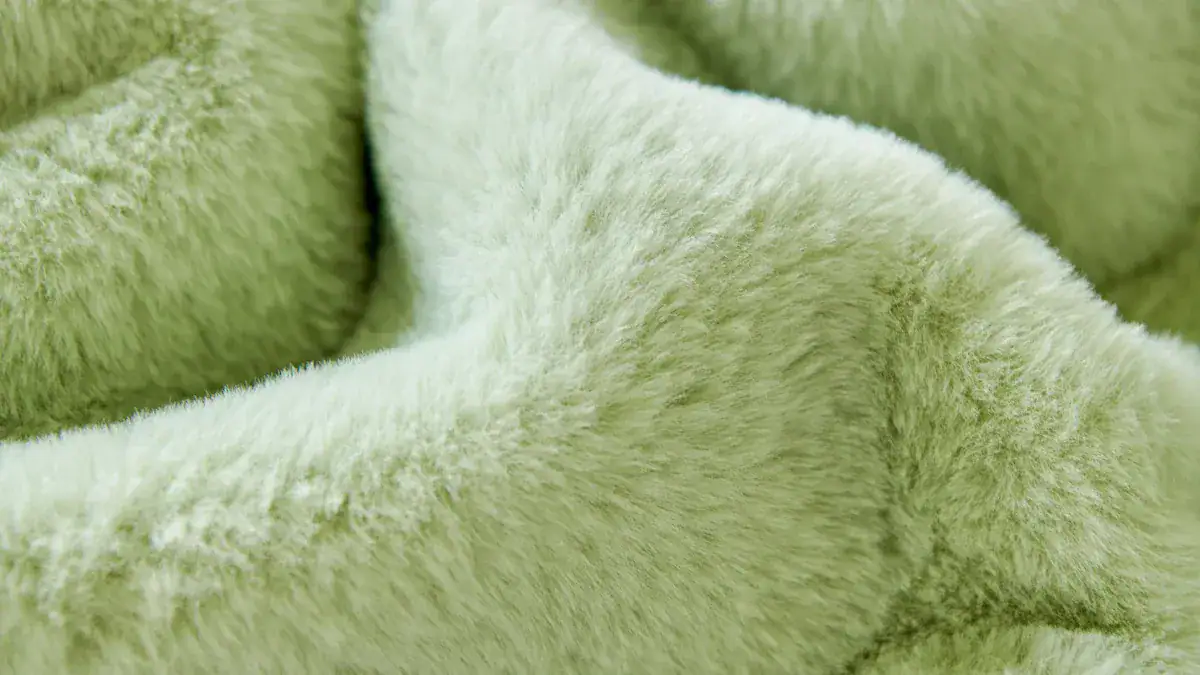
You encounter polar fleece fabric in many jackets and winter accessories. This fleece fabric stands out for its soft, lightweight, and insulating qualities. Manufacturers create polar fleece using synthetic fibers, mainly polyester, which gives the material its plush texture and warmth. You find that fleece fabric offers excellent loftiness, meaning it traps air and keeps you warm without adding bulk. Textile industry standards define polar fleece fabric by its pilling resistance, quick-drying properties, and ability to retain heat. The table below highlights key characteristics:
Characteristic | Description |
|---|---|
Manufacturing Process | Circular knitting, dyeing, napping, brushing, shearing, pebbling, heat-setting |
Key Properties | Pilling resistance, unmatched loftiness, quick-drying properties |
Fiber Types | 100% polyester, spandex-blend, short-staple, filament |
Applications | Outdoor apparel, military gear, home textiles |
Certifications | OEKO-TEX Standard 100, ISO 6330, EN 11612 |
Weight Range | 150-400 gsm |
Thermal Resistance | 0.8-1.5 clo |
Pilling Resistance | 4-5 (ASTM D3512) |
You notice that fleece fabric is popular for its warmth and comfort, making it a top choice for cold-weather clothing.
How It’s Made
You might wonder how polar fleece fabric is produced. The process begins with collecting and sorting plastic bottles, which serve as the raw material for polyester. Factories remove caps and labels, then sort the bottles by texture and color. Workers sterilize and shred the bottles into flakes, ensuring cleanliness. These flakes are melted and spun into polyester filaments, forming continuous yarn. The yarn is dyed and knitted into rolls of fleece fabric. To achieve the signature fuzzy texture, manufacturers brush the surface, which helps trap air and increase insulation. The final steps include shearing for uniformity and cutting the fleece material into garments. This process creates a durable, soft, and warm fleece fabric that you can wear in various conditions.
Common Uses
You see polar fleece fabric used in a wide range of products. Its versatility makes it a favorite for outdoor gear and activewear, such as jackets, hats, and gloves. You also find fleece fabric in home textiles like blankets, throws, and pillow covers, adding comfort to your living space. Pet products, including dog blankets and jackets, often use fleece material to keep animals warm. Sportswear brands rely on fleece fabric for base layers and jackets, especially for winter sports, because it is breathable and moisture-wicking. The automotive industry uses fleece fabric in car seat covers and liners for added warmth. Military and tactical gear often feature polar fleece for cold-weather protection. You can also choose stylish jackets and casual wear made from fleece fabric for everyday use.
Outdoor gear and activewear: jackets, hats, gloves
Home textiles: blankets, throws, pillow covers
Pet products: dog blankets, jackets
Sportswear: base layers, jackets for winter sports
Automotive: car seat covers, liners
Military and tactical: cold-weather gear
Fashion and apparel: casual jackets, sweaters, hoodies
You benefit from the wide range of applications that fleece fabric offers, making it a practical choice for many needs.
Types of Jackets
When you shop for polar fleece jackets, you notice several types designed for different weather conditions and activities. Each type offers unique benefits, so understanding these differences helps you select the best option for your needs.
You often see polar fleece jackets categorized by fabric weight and construction. The weight of the fleece affects warmth, comfort, and versatility. The table below summarizes the main types of polar fleece jackets, their typical weight, and their design features:
Type of Polar Fleece Jacket | Weight (gsm) | Design and Function |
|---|---|---|
Microfleece | 100–200 | Lightweight, soft, ideal for layering or mild weather |
Midweight Polar Fleece | 200–300 | Balanced warmth and breathability, suitable for cool temperatures |
Heavy Polar Fleece | 300–400 | Thicker, more insulating, perfect for cold or windy climates |
Laminated/Double-Sided Fleece | 300–400 | Enhanced warmth and wind resistance, often used in professional outdoor jackets |
Microfleece jackets feel light and soft against your skin. You wear them as a base layer or on their own during mild weather. These jackets work well for activities like hiking or jogging when you need some warmth but want to avoid overheating. You also find microfleece easy to pack and carry, making it a practical choice for travel.
Midweight polar fleece jackets provide a balance between warmth and breathability. You choose this type for cool temperatures, especially during fall or spring. The fabric offers enough insulation for outdoor activities, yet it remains comfortable indoors. You often wear midweight fleece as a standalone jacket or as a middle layer under a shell.
Heavy polar fleece jackets deliver maximum insulation. You rely on these jackets in cold or windy climates. The thicker fabric traps more heat, so you stay warm even when temperatures drop. You might use heavy fleece for winter sports, camping, or working outside in harsh conditions.
Laminated or double-sided fleece jackets feature an extra layer for added protection. You benefit from enhanced wind resistance and warmth. These jackets suit professional outdoor use, such as mountaineering or skiing. The laminated design blocks wind and moisture, helping you stay comfortable in challenging environments.
Tip: When you choose a polar fleece jacket, consider the climate and your activity level. Lighter jackets work best for layering and mild weather, while heavier options keep you warm in colder conditions.
You see that each type of polar fleece jacket serves a specific purpose. By understanding the differences in weight and design, you make an informed decision that matches your comfort and performance needs.
Polar Fleece Jacket Pros

Warmth & Insulation
Retains Heat
You choose a polar fleece jacket when you want reliable warmth. The fabric traps air within its fibers, creating an insulating layer that keeps you comfortable in cold weather. Laboratory tests show that polar fleece fabric excels at retaining heat. Experts use thermal insulation testers and the Guarded Hot Plate Apparatus to measure how well the material resists heat transfer. Higher thermal resistance means better heat retention, so you stay warm even when temperatures drop.
When you compare insulation values, you notice that polar fleece offers a moderate CLO rating. Here is how it stacks up against other common jacket materials:
The average CLO rating for polar fleece is 0.09 clo/oz/yd².
Non-woven insulations average 0.42 clo/oz/yd².
Fleece jackets have an average clo/oz of 0.03, while active insulation jackets average 0.07 clo/oz.
Although polar fleece does not match the insulation of down or advanced synthetics, it provides enough warmth for everyday use and layering. You benefit from the advantages of polar fleece when you need a jacket that balances heat retention with comfort.
Good for Layering
You find that polar fleece jackets work well as part of a layering system. The material is lightweight and breathable, so you can wear it over a base layer or under a shell. This flexibility lets you adjust your outfit for changing weather conditions. You add or remove layers to regulate your temperature, making a polar fleece jacket a smart choice for outdoor activities, travel, or daily wear.
Many consumers prefer midweight fleece jackets for casual wear because they maintain coziness without feeling bulky. You enjoy adaptable fit, which means you can wear your jacket over different clothing layers. This versatility is one of the key advantages of polar fleece.
Lightweight & Comfort
Easy to Wear
You appreciate how easy it is to wear a polar fleece jacket. The fabric feels light on your body, so you move freely whether you walk, hike, or run errands. Compared to down and wool jackets, polar fleece jackets offer a balance between weight and warmth. The table below shows the average weight of popular jacket types:
Jacket Type | Average Weight |
|---|---|
Fleece Jacket | 400–600g |
Down Jacket | 250–400g |
You notice that polar fleece jackets are not the lightest option, but they provide a comfortable middle ground. You do not feel weighed down, and you can pack your jacket easily for trips or outdoor adventures.
Soft Feel
You experience a soft, plush texture every time you wear a polar fleece jacket. The brushed surface feels gentle against your skin, which adds to your comfort during extended wear. Many people report that midweight fleece jackets stay cozy for hours, making them ideal for casual outings or relaxing at home.
You also benefit from the lightweight and breathable nature of the fabric. The adaptable fit lets you layer your jacket over shirts or sweaters without feeling restricted. You enjoy comfort whether you wear your jacket alone or as part of a layered outfit.
Quick Drying & Easy Care
Machine Washable
You save time and effort when you care for your polar fleece jacket. Textile experts recommend simple steps to keep your jacket looking and feeling great:
Turn your jacket inside out and check the care label for special instructions.
Use a mild biodegradable detergent, avoiding excessive amounts to prevent residue.
Select a cold, gentle wash cycle to reduce shedding, and wash with like colors.
Air dry your fleece by laying it flat or hanging it to dry.
Wash polar fleece properly to keep it soft. Use cold water on a gentle cycle. Avoid hot water as it causes shrinkage. Skip fabric softeners as they reduce wicking ability. Air dry or tumble dry on low; high heat damages fibers.
You find that polar fleece jackets are easy to clean. You do not need special treatments or expensive detergents. You simply follow the care label and basic washing tips.
Dries Fast
You benefit from quick drying times when you own a polar fleece jacket. Standardized drying tests show that fleece fabric dries much faster than wool or cotton. For example:
Wool cap: nearly 45 hours to dry
Merino wool cap: close to 50 hours to dry
Fleece shirt: about 5 hours to dry
You do not have to wait long for your jacket to be ready after washing or getting wet outdoors. The fast drying feature adds convenience, especially when you travel or participate in outdoor activities.
You also notice that the lightweight and breathable design helps moisture evaporate quickly. The fabric manages sweat and rain efficiently, so you stay comfortable throughout the day.
Tip: Always follow the care label for washing instructions. Wash fleece separately from lint-producing clothing. Turn the fleece inside out before washing to preserve its exterior.
You enjoy the advantages of polar fleece, including warmth, comfort, and easy care. These features make a polar fleece jacket a practical choice for many situations.
Affordability
Budget-Friendly
You often look for jackets that keep you warm without breaking your budget. Polar fleece jackets stand out as a cost-effective choice. Many brands offer fleece jackets at a range of prices, making them accessible for different budgets. You can see how polar fleece jackets compare to other popular models in the table below:
Jacket Model | Price |
|---|---|
The North Face Retro Denali Fleece | $180 |
Outdoor Research Vigor | $120 |
Patagonia Lightweight Synchilla Snap-T | $149 |
Columbia Steens Mountain 2.0 / Benton Springs | $65 |
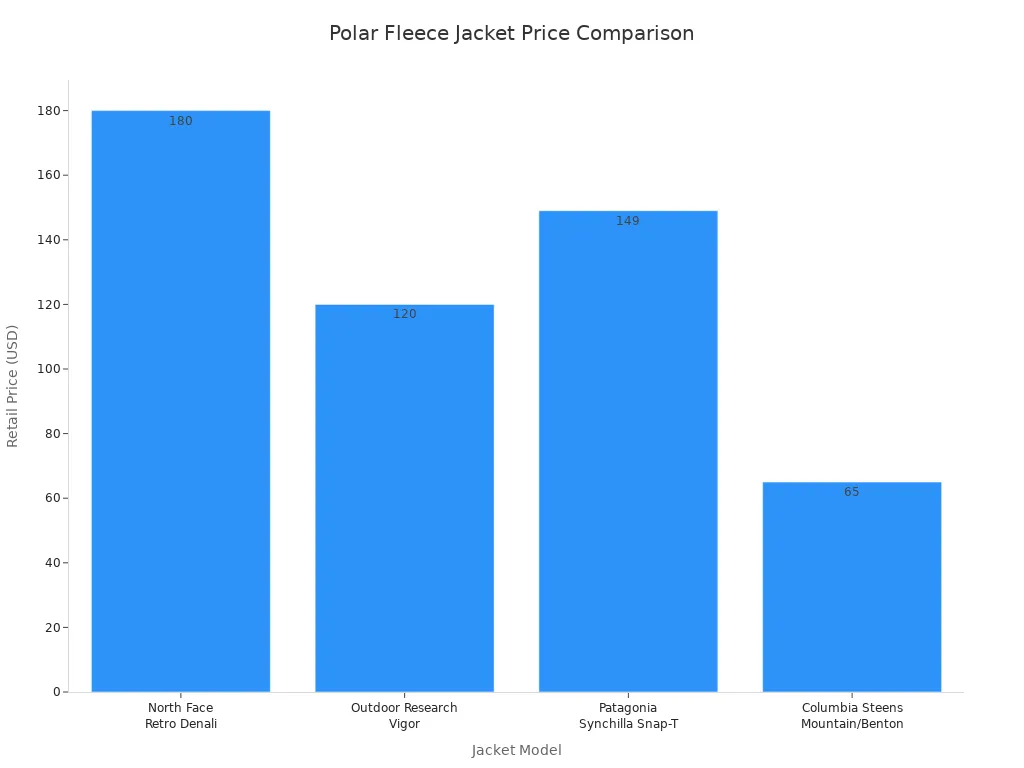
You notice that entry-level fleece jackets, like the Columbia Steens Mountain 2.0, cost much less than many insulated or technical jackets. Even premium fleece jackets usually cost less than high-end down or waterproof shells. This price range allows you to find a jacket that fits your needs and your wallet.
Accessible to Most
You find polar fleece jackets in stores and online shops around the world. Manufacturers in countries like Bangladesh supply these jackets to markets in the USA, Canada, Europe, and Australia. This strong global distribution means you can buy a polar fleece jacket almost anywhere you live.
Polar fleece jackets are widely available in the global market.
Major suppliers are based in Bangladesh, indicating a strong manufacturing base.
These suppliers serve various international markets, including the USA, Canada, Europe, and Australia, showcasing a robust distribution network.
You benefit from this wide availability. Whether you shop at a local store or browse online, you have many options for style, color, and price. This accessibility makes polar fleece jackets a practical choice for people everywhere.
Windproof & Water-Resistant Options
Enhanced Functionality
You may want more than just warmth from your jacket. Many polar fleece jackets now include windproof and water-resistant features. Manufacturers add special membranes or coatings to block wind and repel light rain. These upgrades help you stay comfortable in changing weather.
Laboratory tests show that windproof membranes in fleece jackets can block cold wind and maintain stable internal temperatures. In simulated sandstorms, these membranes resist strong winds and keep you comfortable even when temperatures rise. You also benefit from breathability, which lets sweat escape and prevents overheating.
Windproof membranes effectively block cold wind and maintain warmth.
During simulated sandstorms, jackets with windproof membranes resist strong winds and maintain performance under high temperatures.
In polar regions, windproof membranes provide excellent wind protection and warmth even in blizzard conditions.
You get a jacket that works well in many environments, from city streets to mountain trails.
Suitable for Outdoor Use
You want a jacket that keeps up with your active lifestyle. Windproof and water-resistant polar fleece jackets suit outdoor activities like hiking, camping, or cycling. These features protect you from sudden weather changes, so you stay dry and warm.
Breathability remains important for comfort. Different jackets offer varying levels of moisture vapor transmission and air permeability. Field tests show that comfort and performance depend on both the jacket’s features and how well it fits you. When you choose a windproof or water-resistant fleece jacket, you gain extra protection without losing comfort.
Tip: For outdoor adventures, look for polar fleece jackets with windproof and water-resistant features. These upgrades help you stay comfortable and protected in unpredictable weather.
You enjoy the flexibility to use your jacket in many situations, making polar fleece a smart choice for both everyday wear and outdoor fun.
Polar Fleece Jacket Cons
Limited Breathability
Can Cause Overheating
You may notice that polar fleece jackets do not always allow enough airflow. The dense weave of the fabric traps heat, which can make you feel too warm, especially during mild weather or indoor activities. When you wear a polar fleece jacket for long periods, your body heat builds up. This can lead to discomfort and sweating. If you plan to use your jacket in changing temperatures, you should consider this limitation.
Not Ideal for Intense Activity
You might find polar fleece less suitable for high-energy activities. The fabric’s limited breathability means it does not release moisture quickly. During exercise or outdoor sports, sweat can accumulate inside the jacket. This can make you feel damp and restrict your movement. For activities like running, cycling, or hiking in warmer conditions, you may prefer materials designed for better ventilation. The downsides of polar fleece become more noticeable when you need a jacket that keeps you cool and dry.
Pilling & Shedding
Fabric Pills Over Time
You will likely see small balls of fiber, known as pills, forming on the surface of your polar fleece jacket after repeated use and washing. Pilling happens when the fibers rub against each other or other surfaces. This can make your jacket look worn out and affect its softness. Studies show that fleece fabrics are more prone to pilling than other knit materials. The following table compares the average number of fibers released per 100 cm² after washing:
Fabric Type | |
|---|---|
Fleece | 1177 ± 135 |
Microfleece | 932 ± 59 |
Other Knit | 9 ± 7 |
May Shed Fibers
You also need to be aware that polar fleece sheds fibers during washing. These tiny fibers can end up in wastewater and contribute to microfiber pollution. The chart below shows how much more fiber fleece and microfleece release compared to other knit fabrics:
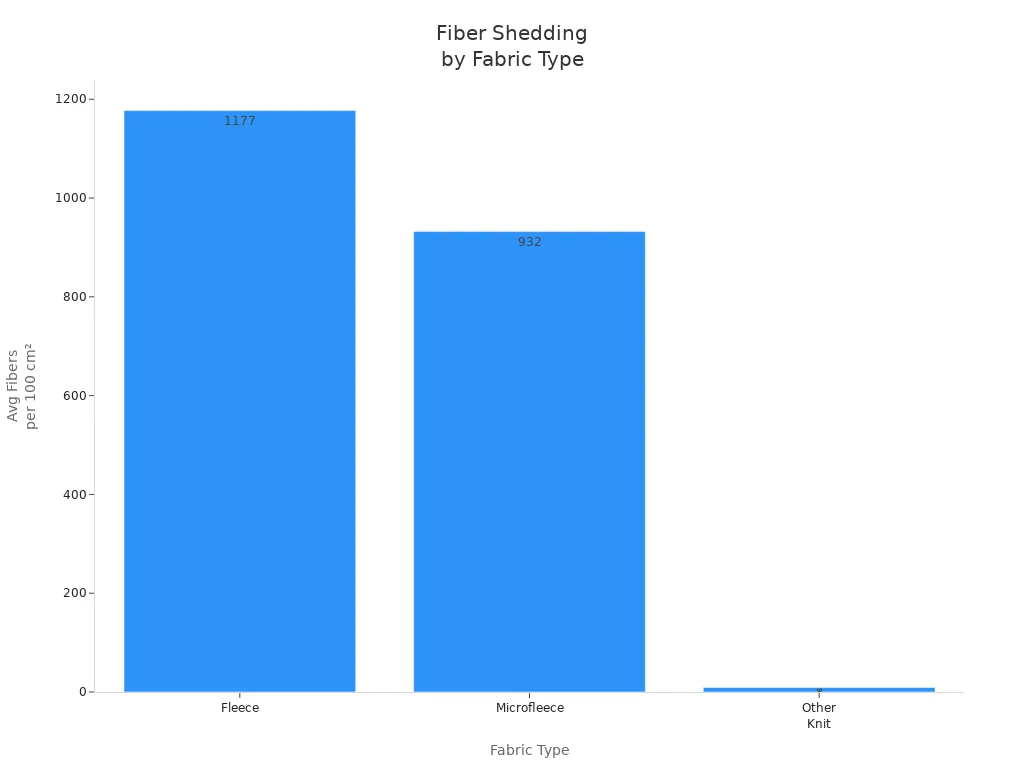
When you wash your jacket, you may notice lint in the washing machine or dryer. Over time, this shedding can reduce the lifespan of your jacket and impact its appearance. You can minimize pilling and shedding by following proper care instructions, but some wear is unavoidable.
Environmental Impact
Synthetic Material
You should know that polar fleece is made from polyester, a synthetic fiber. Most polyester comes from petroleum, which raises concerns about fossil fuel use and chemical processing. The production of virgin polyester uses a lot of energy and releases greenhouse gases. This affects the environment and challenges the sustainability of polar fleece jackets. Recent innovations have led to recycled polyester options, which help reduce the impact.
Virgin polyester production is energy-intensive and relies on fossil fuels.
The processing of virgin polyester involves harmful chemicals.
Recycled polyester production uses 59% less energy compared to virgin polyester.
Increasing the recycling rate of PET can significantly reduce energy and water usage.
If you care about sustainability, you may want to look for jackets made from recycled materials. Choosing recycled polyester supports efforts to lower energy consumption and reduce waste.
Microfiber Pollution
You should consider the issue of microfiber pollution when you wash polar fleece jackets. Research shows that washing a 100% polyester polar fleece jacket can release thousands of microfibers in just one cycle. Most fibers detach within the first five washes. The table below summarizes findings from a recent study:
Study Focus | Findings | Methodology |
|---|---|---|
Microfiber emissions during washing | Detected up to 2463 microfibers in the first wash cycle; most microfibers detached after five cycles | Used a 100% polyester polar fleece jacket and an ultrasonic washing machine for analysis |
Patagonia’s study highlights that wastewater treatment plants still release millions of microplastics daily.
Polyester, the main fiber in fleece, contributes significantly to this pollution despite being a small percentage of the total plastic in wastewater.
Patagonia and other companies are exploring new fabric designs to reduce microfiber shedding.
Microfiber pollution affects rivers, lakes, and oceans. These tiny fibers can harm aquatic life and enter the food chain. If you value sustainability, you should pay attention to how your clothing choices impact the environment. Some brands now focus on reducing microfiber shedding and improving the sustainability of their products.
Note: You can help reduce microfiber pollution by washing your polar fleece jacket less often, using a gentle cycle, and considering a filter for your washing machine.
You see that the environmental impact and sustainability of polar fleece jackets depend on how they are made and cared for. By understanding these issues, you make informed choices that support a healthier planet.
Static & Attracts Hair
Static Build-Up
You may notice that polar fleece jackets often generate static electricity. The synthetic fibers in the fabric rub together as you move, which causes a build-up of static charge. This static can make your jacket cling to your body or other clothing. You might feel small shocks when you touch metal objects after wearing fleece. Dry winter air and indoor heating can increase static, making the problem more noticeable.
Static build-up does not just affect comfort. It also makes your jacket more likely to attract unwanted particles. You may see lint, dust, or hair sticking to the surface, especially after washing or drying your jacket. If you live with pets or spend time in dusty environments, static can become a daily annoyance.
Tip: You can reduce static by using a humidifier in your home or by adding a dryer sheet when you tumble dry your fleece jacket.
Attracts Dust/Pet Hair
You will likely find that polar fleece jackets attract dust and pet hair more than other materials. The fibers in fleece create static electricity, which pulls small particles toward the fabric. This makes fleece jackets prone to collecting lint, dust, and pet hair, especially if you have cats or dogs at home.
Polar fleece fibers generate static electricity, which creates an adsorption effect that pulls dust to the fabric.
Fleece is known for attracting dust, lint, and pet hair because of its ability to generate static electricity.
The static electricity in fleece materials contributes to their tendency to collect pet hair and other debris.
Fleece’s characteristic of creating static electricity makes it more likely to attract dust and pet hair.
You may need to clean your jacket more often to keep it looking fresh. Lint rollers and brushes can help remove hair and dust, but the problem may persist. If you want a jacket that stays clean with less effort, you might consider other materials.
Note: Regular washing and using anti-static sprays can help minimize the attraction of dust and pet hair.
Style Limitations
Casual Look
You will see that polar fleece jackets usually have a casual appearance. The soft, textured surface and relaxed fit make them ideal for informal settings. You might wear a fleece jacket for outdoor activities, errands, or lounging at home. The design often features simple lines, zippers, and pockets, which add to the laid-back style.
If you prefer a polished or professional look, fleece may not meet your expectations. The material does not hold sharp creases or tailored shapes. You may find that fleece jackets pair best with jeans, leggings, or athletic wear.
Fleece jackets work well for casual outings and active lifestyles. They do not suit formal events or business settings.
Not for Formal Wear
You should know that polar fleece jackets are not designed for formal occasions. The fabric’s texture and construction do not match the standards of dress coats, blazers, or tailored outerwear. You may feel out of place if you wear a fleece jacket to a business meeting, wedding, or upscale restaurant.
Most fleece jackets lack the structure and elegance needed for formal wear. You will not find features like lapels, buttons, or fitted seams that define classic dress jackets. If you need outerwear for professional or special events, you should choose materials like wool, cashmere, or structured synthetics.
For formal settings, select jackets made from traditional fabrics. Reserve polar fleece for comfort and casual use.
Caring for Polar Fleece Jackets
Washing Tips
You want your polar fleece jacket to stay soft and last longer. Start by checking the care label for specific instructions. Always turn your jacket inside out before washing. This step helps protect the outer surface from friction. Use cold water and a gentle cycle on your washing machine. Choose a mild detergent and avoid bleach or fabric softeners. These chemicals can damage the fibers and reduce the jacket’s ability to wick moisture.
After washing, let your jacket air dry. Lay it flat on a clean towel or hang it up in a well-ventilated area. Avoid direct sunlight, which can fade colors and weaken fibers. If you use a dryer, select a low-heat setting. High heat can shrink the fabric and cause pilling. Wash your fleece jacket with similar materials to prevent lint transfer. Try not to overload the washing machine, as this can increase abrasion and wear.
Tip: Wash your polar fleece jacket only when necessary. Spot clean small stains to reduce the number of full washes.
Preventing Pilling
Pilling makes your jacket look old and worn. You can take steps to reduce this problem. The table below summarizes expert recommendations for preventing pilling during regular use:
Recommendation | Description |
|---|---|
Reduce abrasion | Minimize rubbing against the fabric to prevent pilling. |
Buy pill-resistant fabrics | Choose tightly woven fabrics that are less prone to pilling compared to softer materials. |
Consider quality | Higher-quality items are less likely to pill; reputable brands often ensure better fabric performance. |
Follow care instructions | Adhere to washing and drying guidelines provided by manufacturers to maintain fabric integrity. |
You can also wash your jacket inside out to protect the surface. Avoid carrying heavy bags with rough straps over your fleece, as this increases friction. When possible, choose jackets made from pill-resistant fleece. These options use tighter weaves that resist fiber breakage. Always follow the care instructions from the manufacturer. Proper washing and drying help maintain the fabric’s texture and appearance.
Note: If you notice small pills, use a fabric shaver or a lint roller to remove them gently.
Storage Advice
Proper storage keeps your polar fleece jacket in good shape. Make sure your jacket is clean before putting it away. Dirt and oils can attract bugs or cause stains to set. Store your jacket in a breathable cotton bag. This protects it from dust and insects while allowing air to circulate. Avoid plastic bags, which can trap moisture and lead to mildew or yellowing.
Keep your fleece in a cool, dry place away from direct sunlight. Sunlight can fade colors and weaken the fibers over time. Try not to fold or press your jacket for long periods. Prolonged folding can flatten the fibers and affect the jacket’s loft. For long-term storage, consider using a garment bag. This extra layer shields your jacket from dust and keeps it looking fresh.
Ensure polar fleece is clean before storage.
Store in a breathable cotton bag to protect against bugs.
Avoid plastic storage to prevent yellowing and mildew.
Keep fleece in a cool, dry place away from direct sunlight.
Avoid prolonged folding or pressing to maintain fiber integrity.
Consider using garment bags for long-term storage.
Tip: Hang your jacket on a padded hanger if you have space. This helps preserve its shape and prevents creases.
Extending Lifespan
You want your polar fleece jacket to last as long as possible. With the right care, you can keep it looking and feeling new for years. Many textile care studies show that simple habits make a big difference in how your jacket ages. You do not need special products or expensive treatments. Instead, focus on consistent, gentle routines.
Start by washing your fleece only when it is visibly dirty. Frequent washing wears down the fibers and shortens the jacket’s life. When you do wash it, always use cold water. Hot water can cause the fabric to lose its shape and size. Cold water helps preserve the jacket’s structure and color.
Before you put your jacket in the washing machine, turn it inside out. This step protects the outer surface from friction and reduces pilling. Secure all zippers and buttons to prevent snags or tears during the wash. Choose a gentle cycle and use a mild detergent. Strong detergents can damage the fibers and make the fabric feel rough.
You should always wash your fleece with similar soft fabrics. Mixing it with rougher items, like jeans or towels, increases abrasion and leads to more pilling. If you notice a stain, blot it gently with a clean cloth. Avoid scrubbing, which can push the stain deeper and damage the fibers.
When it comes to drying, use the lowest heat setting on your dryer. High heat can shrink the fabric and weaken the fibers. If possible, air dry your jacket by laying it flat or hanging it up. This method helps maintain the jacket’s shape and prevents static build-up.
Here are some key habits to help your polar fleece jacket last longer:
Wash in cold water to prevent shape and size changes.
Turn the jacket inside out to minimize surface pilling.
Avoid strong detergents that can harm the fibers.
Dry on the lowest dryer setting or air dry to prevent damage.
Limit washing to when the jacket is visibly dirty.
Use a gentle washing cycle to protect the fabric.
Wash with similar soft fabrics to avoid abrasion.
Secure zippers and buttons before washing.
Blot stains gently instead of scrubbing.
Tip: Store your jacket in a cool, dry place and avoid folding it for long periods. Hanging it on a padded hanger helps preserve its shape.
By following these steps, you extend the lifespan of your polar fleece jacket. You save money, reduce waste, and enjoy your favorite jacket for many seasons.
Choosing a Polar Fleece Jacket
Assessing Needs
You start by thinking about how you plan to use your polar fleece jacket. Your activities and environment shape your choice. If you spend time outdoors, you need a jacket that keeps you warm and comfortable. For casual wear, you may prefer a lighter option. Consider the climate in your area. Cold regions require thicker fleece, while mild weather suits lighter jackets.
Ask yourself these questions:
Will you use the jacket for hiking, camping, or daily errands?
Do you need extra warmth or just a light layer?
Will you wear the jacket alone or as part of a layering system?
Your answers help you decide which type of fleece works best. Outdoor activities demand more features, such as wind resistance and durability. Everyday use focuses on comfort and style.
Comparing Features
You compare features to find a jacket that matches your needs. Look at the thickness of the fleece. Thicker jackets provide more warmth, but they may feel bulky during active use. Wind resistance matters if you face strong breezes. Some jackets include windproof membranes for extra protection.
Check for practical additions:
Hoods shield your head from cold and wind.
Pockets offer storage for small items.
Zippers and adjustable cuffs improve fit and comfort.
Construction affects performance. Different knit types change warmth and wind resistance. Some jackets use treatments like Polygiene to control odor. Sustainability also plays a role. Durable jackets last longer and reduce waste. You help the environment by choosing fleece made from recycled materials. Some options shed fewer microfibers, which protects water sources.
Here is a quick comparison table:
Feature | Benefit |
|---|---|
Thickness | More warmth or lighter weight |
Wind Resistance | Protection from cold breezes |
Hood | Extra coverage |
Pockets | Convenience |
Odor Control | Freshness during activities |
Recycled Content | Lower environmental impact |
Low Microfiber | Less pollution |
Tip: Choose features that match your lifestyle. Outdoor adventures need more protection, while casual wear benefits from comfort and style.
Sizing & Fit
You want your jacket to fit well. A good fit keeps you comfortable and lets you move freely. Try on different sizes to see which one feels best. Check the length of the sleeves and the body. The jacket should cover your torso without restricting movement.
Consider how you will layer clothing. If you plan to wear sweaters or base layers underneath, pick a slightly larger size. For a close fit, choose your regular size. Look for adjustable features, such as drawcords or elastic cuffs, to fine-tune the fit.
You also pay attention to the cut. Some jackets have a relaxed fit for comfort, while others offer a slimmer profile for style. Make sure the jacket does not ride up when you lift your arms. Test the zippers and pockets to ensure easy access.
Note: Always check the sizing chart before buying online. Manufacturers may use different measurements.
You make a smart choice by considering your needs, comparing features, and finding the right fit. This process helps you select a polar fleece jacket that keeps you warm, comfortable, and ready for any activity.
Budget Considerations
You want to get the most value when you buy a polar fleece jacket. Price often plays a big role in your decision. You see jackets at many price points, so you need to know what affects cost and how to choose wisely.
Several factors influence the price of a polar fleece jacket:
Fabric Quality: Higher-quality fleece costs more. You get better warmth, durability, and less pilling.
Jacket Weight: Heavier jackets use more material. You pay more for extra insulation.
Features: Added elements like windproof membranes, water resistance, or extra pockets increase the price.
Brand Reputation: Well-known brands often charge more. You may get better warranties or customer service.
Sustainability: Jackets made from recycled materials or with eco-friendly certifications usually cost more.
You should set a budget before you shop. Decide how much you want to spend and stick to it. You find entry-level jackets for less than $50. Mid-range options cost between $60 and $120. Premium jackets with advanced features can reach $150 or more.
Here is a simple table to help you compare price ranges and features:
Price Range | Typical Features | Suitability |
|---|---|---|
Under $50 | Basic fleece, simple design | Everyday use, light warmth |
$60–$120 | Midweight fleece, some added features | Outdoor activities, layering |
$130 and above | Heavy fleece, wind/water resistance | Harsh climates, technical use |
You do not always need the most expensive jacket. You should match your budget to your needs. If you want a jacket for casual wear, a basic model works well. For hiking or cold weather, you may need to invest in more features.
Tip: Look for sales or discounts during off-season months. You often find quality jackets at lower prices.
You should also check the warranty and return policy. Some jackets cost more but offer better protection if something goes wrong. You save money in the long run by choosing a jacket that lasts longer and requires less care.
You balance cost with quality. You avoid buying the cheapest option if it means poor performance or short lifespan. You also do not need to overspend on features you will not use. By considering your budget and priorities, you make a smart choice that fits your lifestyle.
You see that polar fleece jackets offer warmth, comfort, and easy care. You also face drawbacks like pilling, static, and environmental concerns.
Pros: Lightweight, soft, quick-drying, affordable
Cons: Limited breathability, sheds fibers, attracts hair
You should weigh these factors before buying. Think about your climate, activities, and values. Choose a jacket that matches your needs. Remember to consider all features and care tips to get the best value for your purchase. 😊
FAQ
What makes polar fleece jackets warm?
Polar fleece traps air in its fibers. This air creates an insulating layer that keeps you warm. You feel comfortable even in cold weather because the material retains heat well.
Can you wear polar fleece jackets in the rain?
You can wear some polar fleece jackets in light rain. Many have water-resistant coatings. Heavy rain will soak through, so you need a waterproof shell for full protection.
How do you stop polar fleece from pilling?
Wash your jacket inside out. Use a gentle cycle and mild detergent. Avoid washing with rough fabrics. You can use a fabric shaver to remove pills that form over time.
Are polar fleece jackets good for sports?
Polar fleece works for low-intensity activities. You get warmth and comfort. For high-intensity sports, you may overheat because fleece does not breathe as well as technical fabrics.
Is polar fleece eco-friendly?
Most polar fleece uses synthetic polyester. Some jackets use recycled materials, which help reduce environmental impact. You can look for eco-certifications when you shop.
How do you clean pet hair off polar fleece?
Use a lint roller or a soft brush. You can also shake the jacket outside. Washing with anti-static sheets helps reduce hair buildup.
Do polar fleece jackets shrink after washing?
Polar fleece resists shrinking. You should use cold water and low heat when drying. High heat can damage fibers, so air drying is best.
What is the difference between microfleece and heavy fleece?
Microfleece feels lighter and works well for layering. Heavy fleece gives more warmth and insulation. You choose microfleece for mild weather and heavy fleece for colder climates.