

A Complete Guide to Picking the Right Shell Jacket for Hiking
Table of Contents
Display
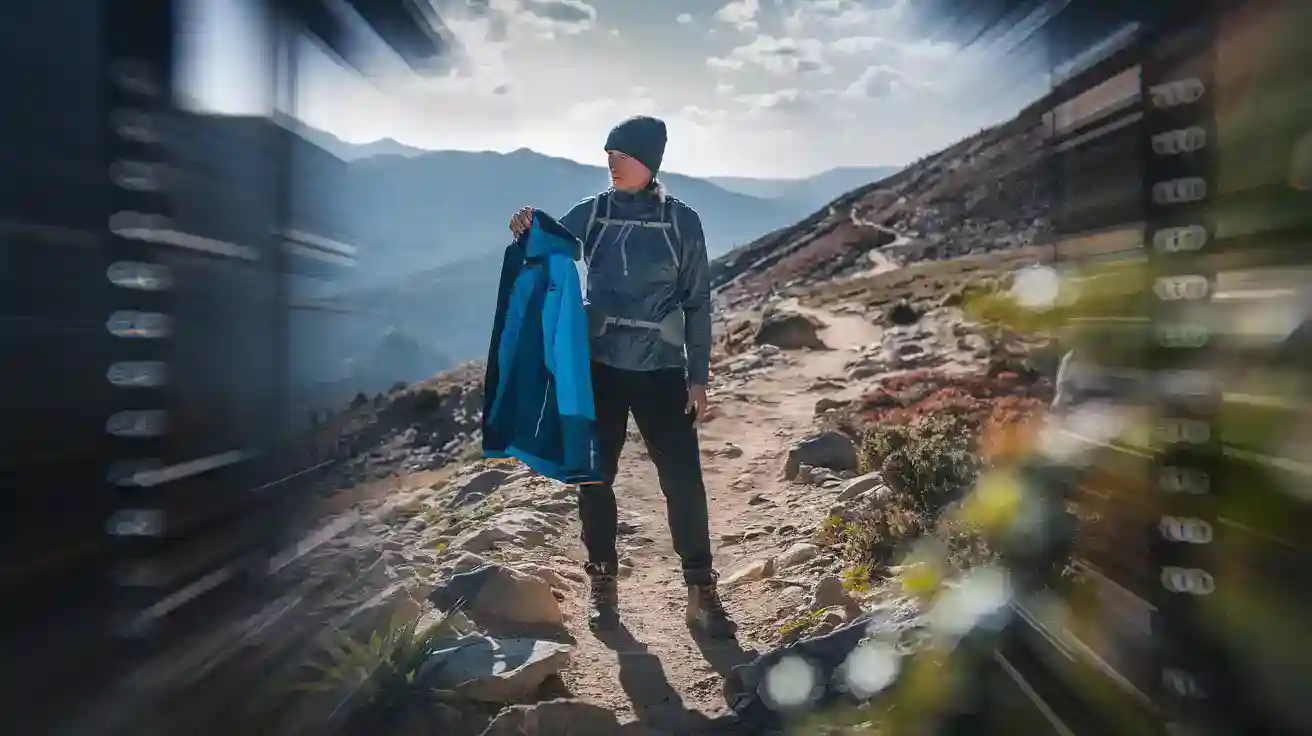
Choosing the right shell of jacket means you prepare for changing weather on every hike. You face rain, wind, or cold, so a reliable shell of jacket keeps you comfortable and dry. You need the best waterproof jackets to handle heavy storms and unexpected downpours. Good rain gear protects you from sudden shifts in weather and helps you enjoy the trail longer.
Key Takeaways
Choose a shell jacket based on layers, waterproofness, and breathability to stay dry and comfortable in changing weather.
Pick a 3-layer jacket for tough conditions, a 2.5-layer for lightweight three-season use, and a 2-layer for mild weather or casual hikes.
Look for features like adjustable hoods, pit zips, durable fabrics, and good pocket placement to match your hiking needs.
Test the jacket’s fit with your hiking layers to ensure freedom of movement and comfort on the trail.
Care for your jacket properly by washing gently, restoring water repellency, and repairing small tears to extend its life.
How to Choose the Shell of Jacket
Key Factors
When you pick a shell of jacket for hiking, you need to focus on three main factors: the number of layers, waterproofness, and breathability. These features decide how well your jacket will protect you from changing weather and how comfortable you stay during activity.
The number of layers in a shell of jacket affects its performance. Most hiking jackets use either 2-layer, 2.5-layer, or 3-layer construction. Each type offers a different balance of waterproofness and breathability. The table below shows how these constructions compare:
Construction Type | Waterproofness | Breathability | Durability | Key Characteristics |
|---|---|---|---|---|
3-Layer | Highest | Highest | Highest | Uses high-quality membranes bonded to face fabric and integrated liner; thick, durable shell fabrics; best for extreme conditions and sustained wet weather; superior comfort and durability |
2.5-Layer | High | Moderate | Moderate | Uses premium membranes like Gore-Tex Paclite; lighter and more packable; membrane more vulnerable to wear; no true liner can cause clamminess inside |
2-Layer | Lowest | Lowest | Lowest | Uses cheaper membranes and hanging liners; bulkier and heavier; less suitable for high-output activities; more prone to wetting out |
3-layer jackets give you the best waterproof and breathable protection. They use a waterproof breathable membrane sandwiched between a tough outer fabric and a soft inner liner. This design works well for harsh weather and long hikes. If you want a lighter option for three-season use, a 2.5-layer jacket offers good waterproofness and breathability but may feel less comfortable against your skin. A 2-layer jacket works for casual walks or short trips in mild weather, but it does not handle heavy rain or high activity as well.
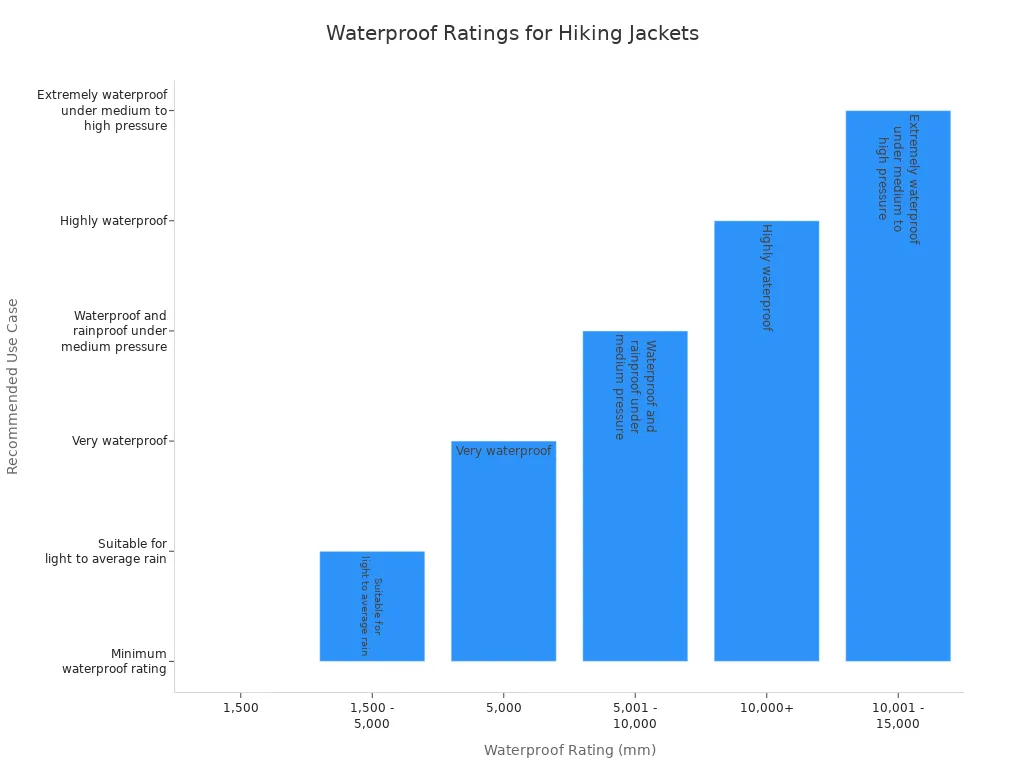
Waterproofness and breathability are critical for comfort and safety. A shell of jacket with a high waterproof rating keeps you dry in heavy rain. Breathability lets sweat escape, so you do not overheat or get clammy inside your jacket. Experts recommend looking for jackets with a waterproof rating of at least 5,000 mm for moderate to heavy rain. For serious hiking or extreme weather, choose a jacket rated 10,000 mm or higher. The chart below shows recommended waterproof ratings for different conditions:
You should also check the fabric technology. Gore-Tex, Pertex Shield, and other waterproof breathable membranes offer strong protection and breathability. Some brands use their own membranes, like Marmot’s EvoDry, which can add benefits like sustainability or better moisture management.
Other key features include:
Fabric thickness (measured in denier): Higher denier means more durability but less flexibility.
Hood design: Look for adjustable hoods that fit over helmets if you hike in rough terrain.
Ventilation: Pit zips or mesh-lined pockets help you cool down during tough climbs.
Pocket placement: Choose jackets with pockets you can reach while wearing a backpack.
Seam taping and zipper quality: These details help seal out water and improve overall waterproofness.
Matching to Hiking Needs
You need to match your shell of jacket to your hiking style, the weather you expect, and the environment you explore. If you hike in rugged mountains or face unpredictable storms, pick a 3-layer jacket with a tough outer shell and a reliable waterproof breathable membrane. This type of jacket stands up to wind, rain, and snow, making it ideal for three-season and winter adventures.
For lighter three-season hikes or day trips, a 2.5-layer jacket gives you a good mix of waterproof protection, breathability, and low weight. These jackets pack down small, so you can carry them easily in your backpack. If you only hike in mild weather or need a backup layer, a 2-layer jacket may be enough, but it will not perform as well in heavy rain.
Durability matters if you hike in rocky or brushy areas. Jackets made with high-denier nylon or materials like Gore-Tex last longer and resist tears. Outdoor experts suggest looking for jackets with certifications like Responsible Down Standard (RDS) or bluesign, which show a commitment to quality and sustainability.
Tip: Always try on your shell of jacket with your hiking layers underneath. Move your arms, adjust the hood, and check the pockets. Make sure the jacket feels comfortable and does not restrict your movement.
When you balance weight and durability, think about your priorities. If you want the lightest jacket for fast hikes, you may give up some durability. If you need a jacket that lasts for years and handles rough weather, choose a heavier, more rugged model.
A good shell of jacket protects you from wind, rain, and snow, keeps you comfortable in changing weather, and matches your hiking needs. By focusing on waterproofness and breathability, the right number of layers, and the right features, you can find the best jacket for your next adventure.
Types of Shell Jackets

Hardshell
You need a hardshell when you face tough weather on the trail. Hardshell jackets use a 3-layer design with a waterproof and breathable membrane, a tough outer fabric, and an inner liner. This setup gives you the highest level of waterproof protection and windproofing. You will notice features like taped seams, helmet-compatible hoods, tall collars, and longer back hems. These details keep you dry and shielded from harsh wind and rain. Hardshells often use advanced waterproofing technologies such as gore-tex pro, Pertex Shield, and eVent. Brands like Arc’teryx, Patagonia, Norrøna, and Fjallraven lead the way in this category.
Hardshell jackets have thicker fabrics and a durable water repellent finish.
You get pit zips for ventilation and pockets placed for easy access with a backpack.
These jackets work best for winter hiking, high altitudes, and rainy seasons.
Hiking Scenario | Recommended Jacket | Reason |
|---|---|---|
Winter Hiking | Hardshell | Best for wind and cold protection |
Rainy Season | Hardshell | Superior waterproofing keeps you dry |
High Altitude (>3000m) | Hardshell | Shields you from harsh weather |
Tip: Always pack a hardshell if you expect rain, wind, or cold. It is your main defense against the elements.
Softshell
A softshell gives you comfort and flexibility. Softshell jackets use stretchy, breathable fabrics that let you move freely. You will find them perfect for dry, mild weather or as a mid-layer under a hardshell. They block wind and shed light rain, but they do not offer full waterproof protection. Softshells work well for high-exertion hikes where you need to stay cool and comfortable.
Advantages | Explanation |
|---|---|
Versatility | Use as outer or mid-layer |
Comfort and Mobility | Stretchy fabric for easy movement |
Breathability | Lets sweat escape, keeps you cool |
Lightweight and Packable | Easy to carry |
Disadvantages | Explanation |
|---|---|
Not for heavy rain | |
Moderate Insulation | May need extra layers in cold |
Durability Concerns | Less tough than hardshells |
Field tests show softshells handle light rain and wind, but you should switch to a hardshell if the weather turns wet.
Best Rain Jacket for Hiking
When you want the best rain jacket for hiking, look for a balance of waterproofness, breathability, and weight. The best rain jackets use top waterproofing technologies like gore-tex pro, Pertex Shield, and eVent. These jackets keep you dry during heavy downpours and let sweat escape so you stay comfortable. Arc’teryx Beta Jacket, Outdoor Research Foray 3L, and Outdoor Research Helium stand out in 2025 reviews for their waterproof and breathable performance.
Arc’teryx Beta Jacket uses a 3-layer gore-tex pro membrane for top waterproofing.
Outdoor Research Foray 3L features AscentShell Dry membrane and great venting.
Outdoor Research Helium uses Pertex Shield for ultralight rain gear.
You need the best rain jackets when you hike in wet climates or expect sudden storms. Always check for features like pit zips, adjustable hoods, and durable fabrics. The best rain jacket for hiking will keep you dry, comfortable, and ready for any weather.
Best Waterproof Jackets Features
Waterproofing
Waterproofing stands as the most important feature in the best rain jackets. You want a jacket that keeps you dry during heavy downpours and protects you from wind-driven rain. Manufacturers measure waterproofing by hydrostatic head (HH), which tells you how much water pressure the fabric can resist before leaking. A higher HH rating means better waterproof protection. For hiking, you should look for a jacket with at least 10,000 mm HH for reliable rain defense. The best waterproof jackets often use advanced membranes like gore-tex pro, which block water while letting sweat escape.
You also need to check for durable water repellency. This coating helps water bead up and roll off the surface, keeping the fabric from soaking through. Over time, you may need to restore this coating with special sprays or washes. Quality seam taping and water-resistant zippers prevent leaks in high-pressure areas. When you test a jacket, stand under a shower or use a garden hose to see if water beads up and stays out. Move your arms and bend over to check for leaks at seams and zippers.
Tip: Always check the waterproof rating and inspect the seams before heading out. Even the best rain jackets can fail if seams or zippers let water in.
Breathability
Breathability keeps you comfortable by letting sweat vapor escape from inside your jacket. If your jacket traps moisture, you will feel clammy and cold, even if you stay dry from the rain. Breathable fabrics use special membranes that allow water vapor to pass through but block liquid water. The best waterproof jackets balance waterproofing and breathability, so you stay dry both inside and out.
Manufacturers measure breathability using the Moisture Vapor Transmission Rate (MVTR) or Breathability Index. A higher MVTR means better moisture escape. Brands like Patagonia, Marmot, and The North Face use advanced membranes and design features to improve breathability. Look for jackets with pit zips or mesh-lined pockets for extra airflow. When you test breathability, wear your jacket during a brisk walk or hike. If you feel sweaty or damp inside, the jacket may not breathe well enough for your needs.
Durability
Durability ensures your jacket lasts through rough hikes, scrapes with rocks, and heavy use. The best rain jackets use tough outer fabrics, often measured in denier. Higher denier means thicker, more abrasion-resistant material. Some jackets use high-performance fibers like Cordura or Dyneema for extra tear resistance. Manufacturers test durability with methods like the Martindale or Wyzenbeek tests, which rub the fabric until it shows wear.
You want a jacket that resists both tearing and abrasion. Check for reinforced shoulders and elbows, especially if you carry a backpack. When you test durability, rub the fabric against rough surfaces or check for signs of wear after a few hikes. A high-quality jacket can last three to eight years with proper care. Store your jacket loosely and avoid compressing it for long periods to extend its lifespan.
Material | Durability Level | Common Use Cases |
|---|---|---|
Cordura Nylon | Very High | Alpine, bushwhacking |
Standard Nylon | Moderate | General hiking |
Dyneema | Extremely High | Ultralight, rugged use |
Weight and Packability
Weight and packability matter when you want to move fast or travel light. A lightweight rain jacket packs down small and adds little weight to your backpack. Most best rain jackets weigh between 6 and 14 ounces. Ultralight models use thinner fabrics and fewer features, while heavier jackets offer more durability and protection.
You should choose a jacket that fits your hiking style. For day hikes or summer trips, a lightweight rain jacket works well. For multi-day treks or rough weather, you may want a heavier, more robust shell. Test packability by stuffing the jacket into its own pocket or a small stuff sack. Make sure it fits easily in your pack and does not take up too much space.
Fit and Comfort
Fit and comfort affect how well your jacket performs on the trail. The best waterproof jackets use anatomical cuts and adjustable features to give you freedom of movement. Look for adjustable hoods, cuffs, and hems. These let you seal out rain and wind or loosen up for ventilation. A good fit allows you to layer underneath without feeling restricted.
Try on your jacket with your hiking clothes. Move your arms, squat, and reach overhead. Make sure the jacket does not ride up or pinch. Check that the hood fits over your hat or helmet and moves with your head. Comfort also comes from soft inner linings and smooth zippers that do not chafe your skin.
Note: A well-fitted jacket keeps you protected and comfortable during long hikes. Always test the fit before buying.
Ventilation and Pockets
Ventilation options help you control your temperature during strenuous hikes. The best rain jackets include pit zips, mesh-lined pockets, or back vents. These features let you release heat and moisture without taking off your jacket. You can open pit zips during steep climbs or close them when the weather turns cold.
Pockets add convenience and organization. Multiple well-placed pockets let you carry snacks, maps, or your phone within easy reach. Look for pockets you can access while wearing a backpack. Some jackets have chest pockets, handwarmer pockets, or internal stash pockets for valuables. Test pocket placement by wearing your pack and reaching for your gear.
Sustainability
Sustainability has become a key feature in the best waterproof jackets for 2025. Leading brands use recycled polyester, recycled nylon, and other eco-friendly materials. They avoid harmful chemicals and focus on bluesign-approved fabrics, which reduce water and energy use. Many jackets now come from Fair Trade Certified factories, ensuring ethical labor practices.
You can find brands like Patagonia and REI using recycled materials and offering repair services to extend garment life. Some companies, like Coalatree, use innovative fabrics made from recycled coffee grounds and plastic bottles. When you choose a sustainable jacket, you help reduce environmental impact and support responsible manufacturing.
🌱 Tip: Look for certifications like bluesign, Responsible Down Standard, or Fair Trade when shopping for a sustainable jacket.
Best Hardshell Jackets Selection
Comparing Options
You face many choices when searching for the best hardshell jackets. Each hardshell offers different features for specific hiking conditions. Some jackets focus on maximum protection for winter storms. Others give you lightweight comfort for three-season use. You should compare the waterproof rating, breathability, and weight. Look at the fabric durability and check for reinforced areas on the shoulders and elbows. Some hardshells use advanced membranes like Gore-Tex Pro for ultimate protection. Others use lighter materials for three-season hikes.
Feature | Winter Mountaineering Jacket | Three-Season Hardshells | All-Around Hardshell |
|---|---|---|---|
Waterproof Rating | 20,000+ mm | 10,000–20,000 mm | 15,000+ mm |
Weight | Heavy | Light | Moderate |
Durability | Very High | Moderate | High |
Best Use | Extreme cold, snow | Spring, summer, fall | Year-round |
Example | Arc’teryx Alpha SV | Outdoor Research Helium | Patagonia Triolet |
Tip: Always match your hardshell to the weather and terrain you expect. You get ultimate protection from a winter mountaineering jacket, but you may want a lighter three-season hardshell for most hikes.
Checklist for Selection
You can use this step-by-step checklist to find the right hardshell:
Define your main hiking season: winter or three-season.
Decide if you need maximum protection or prefer lightweight comfort.
Check waterproof and breathability ratings.
Test the fit with your hiking layers.
Look for features like pit zips, helmet-compatible hoods, and reinforced panels.
Choose a sustainable option if possible.
For versatility, layer your hardshell with a fleece or puffy jacket. This system lets you adjust warmth and comfort as conditions change. Three-season hardshells work well with light insulation. In winter, pair your hardshell with a thick puffy for ultimate protection against the cold.
Note: The best hardshell jackets give you confidence in any weather. Choose an all-around hardshell if you want one jacket for every adventure.
Buying and Care Tips
Where to Buy
You can find quality shell jackets at outdoor retailers, brand stores, and trusted online shops. Visit stores like REI, Backcountry, or Moosejaw to try on jackets and check the fit. Many brands, such as Arc’teryx and Patagonia, have their own stores and websites. Shopping in person lets you test zippers, hoods, and pockets. Online stores often offer more choices and reviews from other hikers. Always check the return policy before you buy. Look for sales at the end of each season to save money on top models.
Tip: Ask store staff for hardshell jacket buying advice. They can help you compare features and find the best fit for your hiking needs.
Maintenance
Proper care keeps your shell jacket waterproof and comfortable for years. Follow these steps to extend its life and performance:
Wash your jacket only when needed. Close all zippers and pockets. Use a gentle cycle with liquid detergent. Avoid fabric softeners. Rinse twice to remove soap.
Dry the jacket by hanging it or laying it flat. You can also use a tumble dryer on a gentle setting with zippers closed. Never iron your jacket.
Reactivate waterproofing by using heat from a dryer or by applying a water-repellent treatment. Use spray-on or soak-in products, then use gentle heat to finish.
Store your jacket unfolded. Hang it by the inside neck loop to prevent creases and protect the hood.
Repair small tears with repair tape. Do not use stitching or iron-on patches, as these can damage the waterproof layer.
Maximizing Value
You get the most value from your shell jacket by choosing a model that matches your hiking style and caring for it well. Invest in a jacket with features you will use, such as pit zips or helmet-compatible hoods. Buy during sales or with loyalty programs to save money. Keep your jacket clean and dry between hikes. Repair damage quickly to avoid bigger problems. A well-chosen and well-cared-for jacket can last for many seasons and adventures.
Choosing the right shell jacket helps you stay comfortable and safe in changing weather. Expert reviews and user experiences show that advanced materials and good fit protect you from rain, wind, and cold. You should use the checklist to match your jacket to your hiking needs and expected weather. Many hikers ask about breathability, durability, and how jackets handle tough weather:
How does the jacket manage sweat and moisture?
Will the jacket last through rough hikes and heavy rain?
Can the jacket handle backpack use without damage?
Invest in a quality jacket and care for it well. Share your questions or hiking stories below to help others find the best gear for any weather.
FAQ
What is the difference between waterproof and water-resistant jackets?
Waterproof jackets keep you dry in heavy rain. They use special membranes and sealed seams. Water-resistant jackets only protect you from light rain or drizzle. You should choose waterproof for serious hiking.
How do you know if a jacket is breathable?
Check the product label for breathability ratings like MVTR. Look for features such as pit zips or mesh-lined pockets. You can also test by wearing the jacket during activity. If you stay dry inside, the jacket breathes well.
Can you wash a shell jacket in a washing machine?
Yes, you can wash most shell jackets in a machine. Use cold water and a gentle cycle. Always close zippers and avoid fabric softeners. Use a cleaner made for technical outerwear. Air dry or tumble dry on low heat.
How do you restore the water repellency of your jacket?
You can restore water repellency by using a spray-on or wash-in DWR treatment. Clean the jacket first. Apply the treatment, then use gentle heat from a dryer to activate it. This helps water bead up and roll off again.
Do you need to size up to fit layers under your shell jacket?
You should try the jacket on with your hiking layers. Some brands design jackets with extra room for layering. If the jacket feels tight with layers, consider sizing up. Make sure you can move your arms freely.