

How to Layer for Maximum Warmth with Your Ski Puffer Jacket
Table of Contents
Display
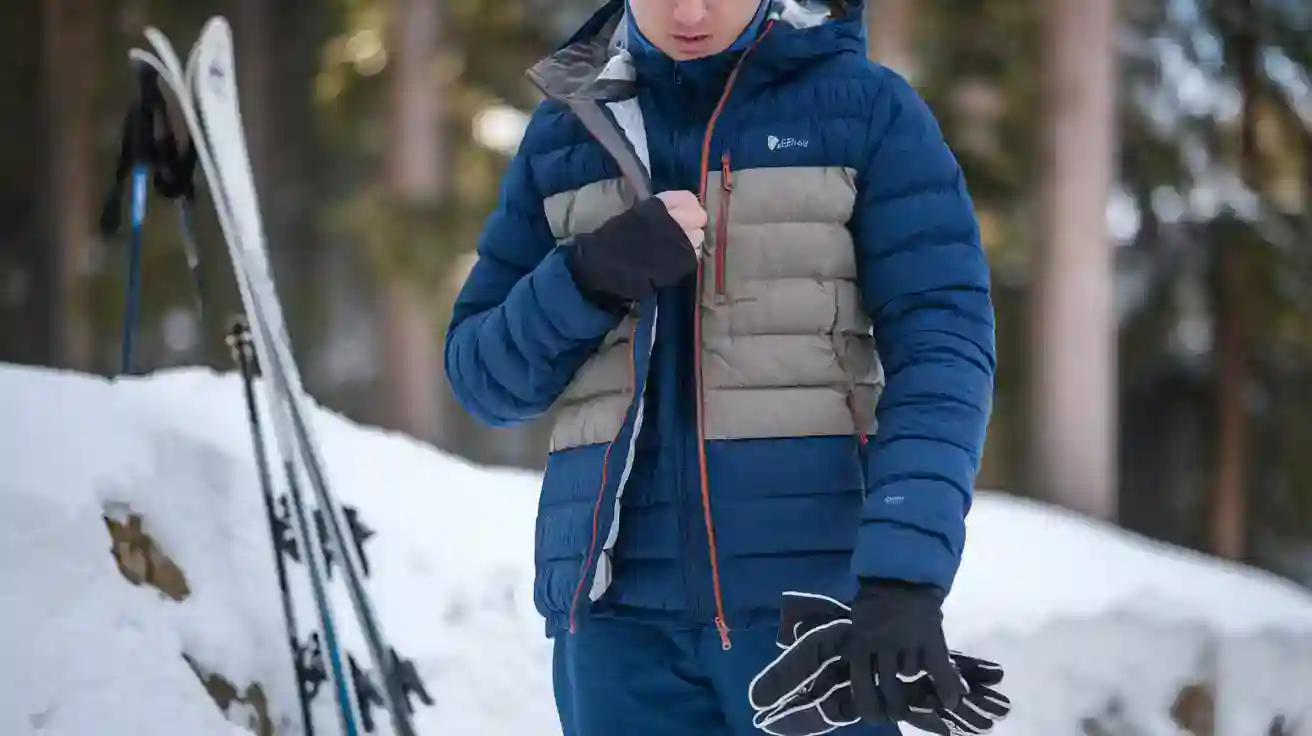
Layering helps you stay warm and dry when skiing in winter. You need to pick the right materials for each layer to boost warmth and comfort. Synthetic base layers like polyester wick away sweat, while merino wool keeps you warm and resists odor even in wet winter conditions. Proper fit lets your base layer work best. Add a mid layer to trap heat and finish with a ski puffer jacket for wind and water protection. This smart system keeps you comfortable and boosts performance while staying warm outdoors, no matter how cold winter gets.
Tip: Learn how to layer for skiing so you can enjoy winter activities without losing warmth or comfort.
Key Takeaways
Use the three-layer system: a snug moisture-wicking base layer, an insulating mid layer, and a waterproof ski puffer jacket as the outer layer to stay warm and dry.
Choose base layers made of merino wool or synthetic fabrics to pull sweat away and keep your skin dry; avoid cotton as it traps moisture and chills you.
Pick mid layers like fleece, wool, or synthetic insulation to trap heat; adjust the thickness based on temperature and activity to stay comfortable.
Select a ski puffer jacket with waterproof and windproof features; synthetic fill works better in wet conditions, while down is best for dry cold days.
Adjust your layers throughout the day to prevent overheating or getting cold; add or remove layers and use accessories like gloves and hats to protect extremities.
Staying Warm: The Three-Layer System

When you want to stay warm on the slopes, the three-layer system gives you the best protection against winter’s cold and wet conditions. This method uses three different layers—each with a specific job—to help you stay dry, trap heat, and block wind or snow. Learning how to layer for skiing helps you adjust your clothing for changing weather and activity levels, so you can focus on performance and comfort.
Base Layer Basics
The base layer sits closest to your skin. Its main job is to wick moisture away, keeping you dry even when you sweat during winter activities. Dry skin helps you stay warm because moisture can make you feel cold quickly. Choose materials like polyester, merino wool, or nylon. These fabrics pull sweat away from your body and dry fast. Avoid cotton because it traps moisture and loses warmth when wet.
Note: A snug fit works best for base layers. Loose fabric will not wick moisture as well.
Here’s a quick look at how the base layer works:
Layer | Function | Materials/Examples | Scientific Support & Explanation |
|---|---|---|---|
First Layer | Moisture-wicking to keep skin dry | Polypropylene, polyester, wool | Keeps skin dry by drawing sweat away, critical for maintaining body temperature (Castellani et al., 2006). |
Mid Layer Choices
Mid layers provide insulation. They trap the heat your body makes and help you stay warm in cold winter air. Good mid layers include polyester fleece, wool, or lightweight down. Fleece dries quickly and breathes well, making it a popular choice for skiing. Down offers high warmth for its weight but loses insulation if it gets wet. You can add or remove mid layers to match the temperature and your activity level.
Fleece: Breathable, quick-drying, good for active winter sports.
Wool: Warm, resists odor, works even when damp.
Down: Very warm and light, but not ideal if you expect wet conditions.
Layer | Function | Materials/Examples | Scientific Support & Explanation |
|---|---|---|---|
Second Layer | Insulation to retain metabolic heat | Polyester fleece, down | Retains heat generated by the body; breathability and warmth vary by material (Nimmo, 2004, 2005). |
Ski Puffer Jacket as Outer Layer
The outer layer protects you from wind, snow, and rain. A ski puffer jacket works well as an outer layer because it blocks wind and keeps snow out. Some ski puffer jackets use down for insulation, while others use synthetic fill. Both types help you stay warm, but synthetic fill keeps its warmth even when wet. Look for features like water resistance and windproofing to boost your protection.
Here’s how ski puffer jackets compare to other outer layers:
Jacket Type | Wind Resistance | Water Resistance | Additional Notes |
|---|---|---|---|
Ski Puffer (Down) | Good wind resistance | Protects from snow, light precipitation; not waterproof | Often used as insulating mid-layer under shells |
Water-resistant and wind-resistant | Repels snow and light rain; not fully waterproof | Flexible, breathable, good for active cold weather | |
Hardshell | Fully windproof | Fully waterproof | Made from technical fabrics (e.g., Gore-Tex), outermost layer for harsh weather protection |
Layer | Function | Materials/Examples | Scientific Support & Explanation |
|---|---|---|---|
Third Layer | Weather barrier against wind, rain, snow | Water-resistant outer shells | Protects from environmental factors that accelerate heat loss, preventing frostbite and hypothermia (Castellani et al., 2006). |
Tip: Adjust your outer layers and mid layers as the weather changes. This helps you stay comfortable and avoid overheating or getting too cold.
The three-layer system lets you layer clothes for skiing in a way that keeps you dry, warm, and protected. You can add or remove warm layers as needed, which is key for staying warm while skiing and keeping warm on the slopes. This system works well for winter sports because it balances warmth, dryness, and flexibility. You will find that layering with a ski puffer jacket and the right base and mid layers helps you stay warm and boosts your performance all winter long.
Best Base Layers for Skiing
Moisture-Wicking Fabrics
Choosing the right base layer sets the foundation for staying warm and dry on the slopes. You want a fabric that pulls sweat away from your skin and dries quickly. Merino wool and synthetic materials like polyester or nylon work best for skiing. These fabrics move moisture away from your body, so you stay dry even when you work up a sweat.
Merino wool feels soft and resists odor, making it a favorite for many skiers. It keeps you warm, even if it gets damp. Synthetic fabrics, such as polyester, dry fast and often cost less than wool. Both options help you avoid that cold, clammy feeling after a long run.
Tip: Look for base layers labeled “moisture-wicking” or “performance.” These options give you the best results for active winter sports.
A good fit matters, too. Your base layer should feel snug but not tight. This close fit lets the fabric wick moisture efficiently. Loose layers can bunch up and trap sweat, which makes you feel cold.
Fabric Type | Wicking Ability | Odor Resistance | Comfort Level | Drying Speed |
|---|---|---|---|---|
Merino Wool | Excellent | High | Very Soft | Moderate |
Polyester/Nylon | Very Good | Moderate | Soft | Fast |
What to Avoid
Cotton may feel comfortable at first, but it does not belong on the mountain. Cotton holds onto moisture instead of moving it away from your skin. When you sweat, cotton absorbs the moisture and becomes heavy and clingy. This wet fabric chills your body, especially when you stop moving or face cold winds. You lose warmth quickly, and your comfort drops.
You should always skip cotton for your base layer. Instead, stick with merino wool or synthetic blends. These materials keep you dry and warm, even during intense activity or sudden weather changes.
Remember: Staying dry is the first step to staying warm. Choose your base layer wisely, and you will enjoy every run on the slopes.
Mid Layer Options for Extra Warmth
Fleece vs. Synthetic
When you want extra warmth on the slopes, choosing the right mid layers makes a big difference. Fleece, wool, and synthetic materials each offer unique benefits for insulation. Fleece traps warmth by holding lofted air, which keeps you comfortable during cold days. It also breathes well, so you do not overheat when you ski hard. Merino wool provides natural insulation without adding bulk. It feels soft, resists odor, and keeps you warm even if it gets damp. Synthetic mid layers combine insulation with moisture management. They dry quickly and work well for active skiing.
Here’s a quick comparison to help you decide:
Mid Layer Type | Thermal Insulation | Additional Properties | Suitability for Skiing |
|---|---|---|---|
Fleece | Good warmth-to-weight ratio; traps warmth through lofted air | Breathable, suitable for moderate cold and active use | Ideal for active skiing where breathability and moderate insulation are needed |
Merino Wool | Natural insulation providing warmth without bulk; excellent warmth-to-weight ratio | Moisture-wicking, odor-resistant, soft, lightweight | Versatile and comfortable for a wide range of skiing conditions, especially longer wear and variable activity levels |
Synthetic | Provides insulation with moisture management and breathability | Often used as an alternative to down; combines warmth and breathability | Suitable for skiing conditions requiring moisture control and moderate insulation |
Mid layers work by trapping warm air close to your body. Fleece and thick wool layers do this well, while synthetic options balance warmth and moisture control. You can pick the best option based on your activity level and the weather.
Layering for Cold Days
You need to adjust your mid layers to match the temperature and your activity. On warmer days or when you ski hard, choose lighter and more breathable mid layers like a thin fleece. For very cold weather, pick heavier mid layers such as an insulated synthetic jacket or thick wool sweater. Down insulation gives excellent warmth but loses its power if it gets wet, so synthetic options are better for damp conditions.
Lighter mid layers work best for active skiing or mild temperatures.
Heavier mid layers provide extra warmth on cold days.
Synthetic insulation dries fast and breathes well, making it a smart choice for changing weather.
Always pack an extra layer so you can add or remove clothing as needed.
Children may need more layers, like fleece pants or an insulated jacket, on very cold days.
Tip: Stay flexible with your layering. You can add or remove mid layers to stay comfortable as the weather or your activity changes.
Ski Puffer Jacket Features
Down vs. Synthetic Fill
When you choose a ski puffer jacket, you need to decide between down and synthetic insulation. Down offers the best warmth-to-weight ratio. High fill power down, like 800, feels lighter and warmer than lower fill power options. You get a cozy, compressible jacket that packs easily. Synthetic insulation, such as PrimaLoft, keeps you warm even if it gets wet. Down loses its loft and warmth when damp, but synthetic fibers keep their shape and insulation. Many ski-specific jackets use synthetic fill for wet or active conditions. Some modern jackets combine both types for better performance.
Tip: Down works best for dry, cold days. Synthetic insulation is a smart choice for wet snow or high activity.
Waterproof and Windproof
A ski puffer jacket must protect you from snow and wind. Look for outer layers with a waterproof rating of 20,000 mm or higher. This keeps you dry during heavy snowfall or when you sit on wet lifts. Many ski-specific jackets use technical fabrics like Gore-Tex for top waterproof and wind resistance. Three-layer fabric construction gives you the best protection. Insulated jackets often focus on windproof membranes because snow usually does not melt and soak through. Features like fully taped seams, adjustable hoods, and snow skirts add extra snow protection and warmth.
Feature | Benefit |
|---|---|
Waterproof membrane | Keeps you dry in snow and wet weather |
Windproof construction | Blocks cold wind and keeps heat in |
Snow skirt | Stops snow from entering from below |
Adjustable hood | Shields head and neck from cold |
Caring for Your Jacket
Proper care helps your ski puffer jacket last longer and keeps its insulation working well. Always read the care label before washing. Use a mild detergent or a cleaner made for outdoor gear. Wash in cold water on a gentle cycle. Avoid bleach and fabric softeners because they damage the waterproof coating. Close all zippers and velcro before washing. Dry the jacket as the label suggests, usually on medium heat or by air drying. Reapply waterproofing products if water stops beading on the surface. Repair small tears quickly to keep the insulation inside and maintain snow protection.
Note: Good care keeps your outer layers warm, dry, and ready for every ski trip.
Long Puffer Jacket for Extra Warmth

Benefits of a Long Puffer
A long puffer jacket gives you extra coverage and warmth during winter ski trips. You get insulation that extends down to your thighs or even calves, which helps trap more heat and keeps your whole body warm. This extra length protects important areas like your hips and thighs, which often lose heat quickly in cold weather. You also block cold drafts from sneaking in underneath, so you stay comfortable even on windy days.
A long puffer jacket covers more of your body, increasing the surface area for insulation.
The extra length shields your legs and lower torso from cold winds and snow.
You get better wind protection, which is important on exposed ski slopes.
The jacket keeps snow away from your lower body, so you stay dry if you fall or snow sprays up.
Many long puffer jackets use moisture-wicking materials to help you stay dry and comfortable during winter activities.
You can wear a long puffer jacket as a mid-layer or outer layer, which makes it versatile for different winter conditions.
Some designs include adjustable hems or zippers, so you can move easily while staying warm.
A long puffer jacket works well for both skiing and everyday winter use. You get style, practicality, and reliable warmth in one piece.
Skiing in a Long Puffer
You might wonder if it is safe to ski in a long puffer jacket. The answer is yes, as long as you choose the right fit and features. When you ski in a long puffer, you enjoy extra warmth and protection from the cold. The jacket keeps your lower body covered, which helps you stay comfortable on ski lifts and windy slopes. Many skiers find that a long puffer jacket makes a big difference during long winter days outdoors.
To make a long puffer work for skiing, look for a jacket with a two-way zipper or side vents. These features let you move your legs freely and adjust ventilation as needed. Make sure the jacket fits well but does not restrict your movement. You can also make a long puffer work for skiing by choosing a model with a wind-resistant outer layer and moisture-wicking lining. This combination keeps you dry and warm, even during intense activity.
You can feel confident that it is safe to ski in a long puffer jacket if you pick a design made for winter sports. Many brands now offer long puffer jackets with features that support skiing, such as snow skirts and adjustable cuffs. You stay warm, dry, and protected, so you can focus on enjoying your time on the mountain.
Tip: Always try on your long puffer jacket with your ski gear before heading out. This helps you check comfort and mobility, making sure you stay safe to ski in a long puffer jacket all winter.
Adjusting Layers for Weather
Adding or Removing Layers
You need to adjust your ski layers as the weather changes on the mountain. Start by planning your clothing based on the forecast for your ski destination. Mountain weather can shift quickly, so always prepare for sudden cold, wind, or snow. Begin your day feeling a little chilly. This approach helps you avoid sweating early, which can make you cold later.
Use a flexible layering system. For your upper body, try a three- or four-layer setup. Start with a moisture-wicking base layer, add a mid layer like fleece or a lightweight insulated jacket, and finish with a waterproof outer shell. On very cold days, add a second mid layer for extra insulation. For your lower body, combine a thermal base layer with insulated or non-insulated ski pants.
Add layers when you stop for breaks or when the temperature drops.
Remove a mid layer or open vents if you start to overheat during activity.
Carry a long puffer jacket in your pack for extra warmth during long stops or emergencies.
Use accessories like gloves, liner gloves, and warm socks to keep your hands and feet comfortable.
Tip: Adjust your layers before you get too hot or too cold. This habit helps you stay warm and comfortable all day.
Managing Sweat and Ventilation
Managing sweat is key to staying warm outdoors. If you sweat too much, your clothes get wet and you risk getting cold during breaks. Choose base layers made from merino wool or synthetic mesh. These fabrics pull moisture away from your skin and dry quickly.
Pick outer layers with ventilation features, such as pit zips or leg vents. Open these vents when you feel warm to let heat escape. Avoid overdressing at the start of your ski day. You want to feel slightly cool so you do not sweat right away. If you notice sweat building up, slow your pace or remove a layer.
Swap out sweaty base layers during long breaks to stay dry.
Use a lightweight shell that blocks wind but lets moisture escape.
Carry an insulated long puffer jacket to put on during stops longer than 30 seconds.
Anticipate changes in sun, shade, or wind and adjust your clothing before you get uncomfortable.
Strategic layering techniques help you adapt to changing conditions. You can stay warm, dry, and focused on your ski adventure. With the right approach, you will enjoy staying warm outdoors, even when the weather surprises you.
Accessories for Staying Warm and Dry
Staying warm and dry on the slopes depends on more than just your jacket and pants. The right accessories protect your hands, head, neck, and feet from cold and moisture. You need to choose each item carefully to keep your body heat in and snow out.
Gloves and Mittens
Your hands lose heat quickly in cold weather. You need gloves or mittens that offer insulation, waterproofing, and a good fit. Mittens keep your fingers together, which traps more heat and works best for very cold days. Gloves give you better grip and finger movement, making it easier to adjust your gear.
Feature | Mittens | Gloves |
|---|---|---|
Insulation & Warmth | Superior insulation; ideal for very cold conditions | Good insulation; less warm than mittens |
Dexterity & Grip | Less dexterity; harder to handle small items | Better dexterity; easier to grip ski poles |
Weather Resistance | Better wind and snow protection | Good, but slightly less than mittens |
Look for waterproof materials like leather or synthetic shells. Many skiers use glove liners made from merino wool for extra warmth. Some gloves and mittens have removable liners or even battery-powered heating for extreme cold. Adjustable cuffs help seal out snow and improve snow protection.
Tip: Try on your gloves or mittens with your ski jacket to check for a snug fit at the wrist.
Hats and Neck Gaiters
You lose a lot of heat through your head and neck. A warm hat or helmet liner keeps your head insulated. Neck gaiters made from merino wool or technical fabrics protect your face and neck from wind and snow. Avoid cotton because it holds moisture and makes you cold.
Material Type | Warmth Level | Key Features and Benefits |
|---|---|---|
Very warm | Double-layer, blocks wind, soft and durable | |
Synthetic Blends | Warm | Moisture-wicking, lightweight, fits under helmets |
Merino Wool | Warm | Breathable, resists odor, stays warm when damp |
Wool/Synthetic Blend | Very warm | Full coverage, moisture-wicking, good for extreme cold |
Choose a neck gaiter or balaclava for full coverage on windy days. These accessories help you stay comfortable and dry, even when the weather changes fast.
Socks and Footwear
Cold feet can ruin your day on the mountain. You need ski socks made from merino wool or synthetic blends. These materials wick moisture, provide warmth, and keep your feet dry. Avoid cotton socks because they trap sweat and make your feet cold.
Feature Category | Key Details and Benefits |
|---|---|
Material | Merino wool: warm, wicks moisture, breathes well |
Synthetic: quick-drying, durable, controls moisture | |
Sock Thickness & Fit | Mid-weight for warmth and comfort; thick socks can restrict blood flow |
Cushioning | Padding on shin and heel reduces pressure and fatigue |
Fit and Length | Snug fit prevents blisters; knee-length protects shins |
Wear only one pair of socks to avoid bunching and poor circulation. Test your socks with your ski boots before you hit the slopes. Good socks and well-fitted boots keep your feet warm and help you ski longer.
Note: Accessories like gloves, hats, neck gaiters, and socks play a big role in keeping you warm and dry. Choose wisely for the best comfort and snow protection.
Common Mistakes to Avoid
Staying comfortable and safe while you ski depends on avoiding some common layering mistakes. Many skiers face problems like overheating, getting wet, or not packing enough clothing. Knowing what to watch for helps you stay focused on keeping warm on the slopes.
Overheating and Sweating
You might think more layers always mean more warmth, but wearing too many layers can cause you to overheat. When you sweat, your base layers get wet. This moisture cools your body quickly when you stop moving. Many skiers make the mistake of dressing too warmly at the start of a climb or run. Instead, start with fewer layers and add more during breaks. This approach keeps you dry and comfortable.
Common Layering Mistakes | Explanation | How to Avoid |
|---|---|---|
Overdressing causes overheating and sweating, leading to chill when stopping | Start climbs lightly dressed; add layers during breaks to stay warm without sweating |
Tip: Begin your ski day feeling a little cool. Add layers only when you need them.
Wet Conditions and Rain
Wet weather can ruin your ski experience if you do not prepare. Water seeps through clothing and makes you cold fast. Always wear high-quality waterproof jackets, pants, and gloves. Choose moisture-wicking base layers to manage sweat. Bring extra waterproof gloves and socks so you can swap out wet gear. Use ski goggles with anti-fog features to keep your vision clear in rain or fog. If you wear prescription glasses, try ski goggle inserts with anti-fog coatings.
Wear waterproof outer layers to block rain and snow.
Use insulated, moisture-wicking underlayers.
Carry extra gloves and socks for quick changes.
Pick groomed trails to avoid heavy, wet snow.
Take care of your waterproof gear to make it last.
Packing Extra Layers
Mountain weather changes fast, so you need to pack extra layers for your ski trip. Experts recommend bringing several base layers, mid-layers, and outerwear. This way, you can add or remove clothing as temperatures shift or if your clothes get wet. Packing extra layers helps you stay prepared for any condition.
Layer Type | Recommended Quantity Range |
|---|---|
Base layer tops | |
Base layer bottoms | 1 to 4 |
Sweaters (fleece/wool) | 1 to 4 |
Waterproof jackets | 1 to 3 |
Waterproof pants | 1 to 3 |
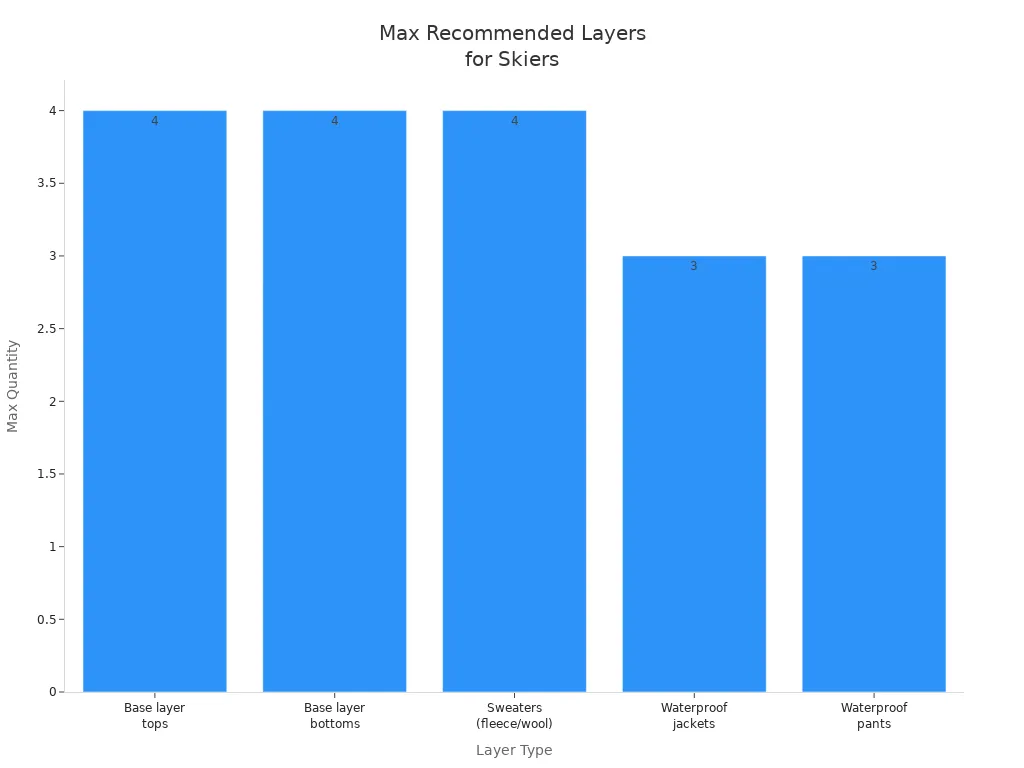
Note: The three-layer system—base, mid, and outer—lets you adjust for changing weather. Always pack enough layers to replace wet items and stay warm.
You can master warmth and comfort on the slopes by following a smart layering system.
Start with a snug base layer made from wool or synthetic fabric to wick moisture and keep you dry.
Add a breathable mid layer for insulation without trapping sweat.
Finish with a waterproof, breathable ski puffer jacket to block wind and snow.
Choose layers that match your needs and weather. Try different combinations to find what works best for you. Proper care keeps your gear performing season after season.
FAQ
How do you know if you are wearing too many layers?
You feel hot, start sweating, or notice damp base layers. Remove a layer before you overheat. Staying slightly cool at the start helps you avoid sweating and keeps you comfortable all day.
Can you wear a hoodie as a mid layer for skiing?
You can wear a hoodie, but it works best if made from fleece or synthetic fabric. Cotton hoodies trap moisture and lose warmth. Choose technical hoodies designed for winter sports for better performance.
What is the best way to dry wet ski layers?
Hang your layers in a warm, dry place with good airflow. Avoid direct heat like radiators. Use a fan to speed up drying. For base layers, lay them flat to keep their shape.
Should you size up your ski puffer jacket for layering?
You should try on your jacket with all your layers. The jacket should fit comfortably without feeling tight. Avoid sizing up too much, as extra space can let cold air in and reduce warmth.
How often should you wash your ski base layers?
Wash your base layers after every ski day. Sweat and oils build up quickly. Use a gentle detergent and avoid fabric softeners. Clean layers wick moisture better and keep you warmer.