

MOQ for Chain Convenience Store Uniform OEM and Flexible Customization Options
Table of Contents
Display

When I place an OEM order for chain convenience store uniforms, I usually see a minimum order quantity, or MOQ for chain convenience store, ranging from 100 to 300 pieces. MOQ sets the lowest number of uniforms I can order at one time. Flexible MOQ and custom design options help me control inventory and create a strong brand image.
I find that choosing flexible MOQ lets me match my store’s needs and avoid excess stock.
Key Takeaways
Understand the Minimum Order Quantity (MOQ) for uniforms. It typically ranges from 100 to 300 pieces, affecting your budget and inventory.
Flexible MOQ options allow you to order based on your store’s needs. This helps avoid excess stock and manage costs effectively.
Design complexity impacts MOQ. Simple designs usually have lower MOQs, while intricate designs may require larger orders.
Fabric choices can raise MOQ. Specialty fabrics often come with higher production costs, so consider standard options for smaller orders.
Supplier capabilities matter. Experienced suppliers can offer lower MOQs and better customization options, so choose wisely.
Order volume influences pricing. Larger orders often lead to better rates and more flexibility, so combine needs across locations when possible.
Explore customization options. Fully custom designs offer complete control but come with higher MOQs, while semi-custom and catalog options provide flexibility.
Negotiate with suppliers. Build relationships and communicate your needs clearly to secure better terms and lower MOQs.
MOQ for Chain Convenience Store
Standard MOQ Ranges
When I order uniforms for my chain convenience store, I often see the minimum order set between 100 and 300 pieces. This minimum order quantity, or MOQ for chain convenience store, helps suppliers manage production costs and inventory. I notice that china uniform manufacturers usually set the minimum order based on their production capabilities and the expected demand from retailers. For custom apparel orders, the minimum order can vary depending on the complexity of the design and the type of fabric I choose. If I want to order uniforms with special features, the minimum order might be higher. I always check the supplier’s catalog to compare minimum order quantities before making a decision.
Why MOQ Matters
I pay close attention to the MOQ for chain convenience store uniforms because it affects my budget and inventory. Suppliers set minimum order levels for several reasons. I have found that understanding these reasons helps me negotiate better deals and avoid excess stock. Here is a table that shows why OEM suppliers establish specific MOQ requirements for chain convenience store uniforms:
Reason | Explanation |
|---|---|
Cost-Effective Production | Ensures production in large quantities to save on raw material costs. |
Efficient Shipping | Reduces shipping costs by allowing bulk shipping rather than smaller quantities. |
Reduced Setup Time | Minimizes time and costs associated with setting up manufacturing processes. |
Product Design Complexity | More complex designs may require higher MOQs to justify setup costs. |
Production Costs | Higher production costs can lead to higher MOQs to cover expenses. |
Supplier Capacity | Limited capacity may necessitate higher MOQs to maximize resource use and profits. |
Demand Variability | Higher MOQs may be set to meet peak demand and avoid stockouts. |
Customer Requirements | Specific packaging or branding needs can lead to higher MOQs to cover associated costs. |
I always ask suppliers about their minimum order requirements before placing custom apparel orders. This helps me plan my purchases and avoid surprises. When I understand the reasons behind minimum order quantities, I can make better decisions for my chain convenience store.
Flexible MOQ Options
I look for flexible options when sourcing uniforms for my chain convenience store. Many suppliers offer tiered pricing models that adjust the minimum order based on retailer size and expected demand. This approach allows me to order smaller quantities if I run a small chain, or larger amounts if I manage multiple locations. Here are some ways tiered pricing models affect MOQ requirements for chain convenience store uniforms:
Setting MOQs based on production costs and demand helps me manage inventory and improve profitability.
Tiered minimum order levels let smaller retailers participate in custom apparel orders, while larger chains can order more uniforms at better rates.
Clear communication of minimum order requirements in product materials makes my decision process easier and helps me avoid mistakes.
I often negotiate with china uniform manufacturers to find the best minimum order for my needs. Flexible MOQ for chain convenience store uniforms gives me more control over my budget and inventory. I always ask about custom apparel orders and minimum order options before finalizing my purchase.
Factors Affecting MOQ
Design Complexity
When I design uniforms for my chain convenience store, I notice that the complexity of the design plays a big role in determining the moq. If I choose a simple design, the supplier can produce smaller batches more easily. However, when I want detailed embroidery, multiple colors, or unique trims, the production process becomes more complicated. Manufacturers often set higher minimum order quantities for complex designs. They do this to cover the extra setup costs and ensure efficient production. I have learned that smaller orders with intricate designs usually cost more per piece. This happens because the supplier needs to spend more time and resources on each uniform. For this reason, I always consider how my design choices will impact the moq before finalizing my order.
Fabric Choices
The type of fabric I select for my uniforms also affects the moq. Some fabrics require special handling or have higher production costs, which can lead to higher minimum order requirements. Here are some examples I have encountered:
Woven labels with multiple colors or specialty designs often require 200–300 pieces per design.
Custom hang tags usually start at 500 units.
Printed poly bags and gift boxes often have moqs between 500 and 1,000 units.
Specialty finishes like foil stamping or embossing may require 1,000 or more units.
Higher GSM (grams per square meter) fabrics, such as industrial-grade Oxford cloth, usually come with higher production costs and higher moqs.
When I choose premium or specialty fabrics, I prepare for a higher moq. If I want to keep my order size smaller, I look for standard fabric options that suppliers can source and produce more easily.
Supplier Capabilities
I always check the capabilities of my chosen supplier before placing an order. Some suppliers have advanced machinery and larger production lines, which allow them to handle complex designs and specialty fabrics at lower moqs. Others may have limited resources and require higher minimum orders to make production worthwhile. I find that working with experienced suppliers gives me more flexibility in both design and order size. I also ask about their past projects and production limits. This helps me match my needs with their strengths and avoid unexpected delays or costs. By understanding what my supplier can handle, I can make better decisions about my uniform orders and manage my inventory more effectively.
Order Volume
Order volume always plays a major role when I negotiate with suppliers for chain convenience store uniforms. The number of uniforms I plan to order directly impacts the moq that suppliers set. When I request a large order, suppliers often offer better pricing and more flexible customization options. They can spread their production costs over more units, which makes each uniform less expensive. On the other hand, if I only need a small batch, suppliers usually set a higher moq to cover their setup and material costs.
I have learned that suppliers use order volume to balance their production schedules and resources. If I want to order for multiple store locations, I can combine my needs into one larger order. This strategy helps me meet the supplier’s moq and also reduces my cost per piece. Sometimes, I work with other store owners to place a group order. This approach allows us to reach the required moq and take advantage of bulk discounts.
Here is a simple table that shows how order volume affects pricing and supplier flexibility:
Order Volume | Typical Pricing | Customization Options | Supplier Flexibility |
|---|---|---|---|
100-200 pieces | Higher | Limited | Low |
300-500 pieces | Moderate | Standard | Medium |
500+ pieces | Lower | Full | High |
Tip: I always ask suppliers if they offer price breaks at higher order volumes. This helps me plan my budget and maximize value.
When I plan my uniform orders, I consider seasonal changes and staff turnover. If I expect my team to grow, I order extra uniforms to avoid running short. I also keep track of my inventory levels so I can reorder before I run out. By monitoring my order volume, I make sure I meet the supplier’s moq and avoid delays.
I have noticed that some suppliers offer flexible moq for chain convenience store uniforms if I commit to repeat orders. They may allow me to split my total order into several shipments over time. This option helps me manage my inventory and cash flow more effectively. I always discuss these possibilities with my supplier before finalizing my order.
Custom Uniform Design Options
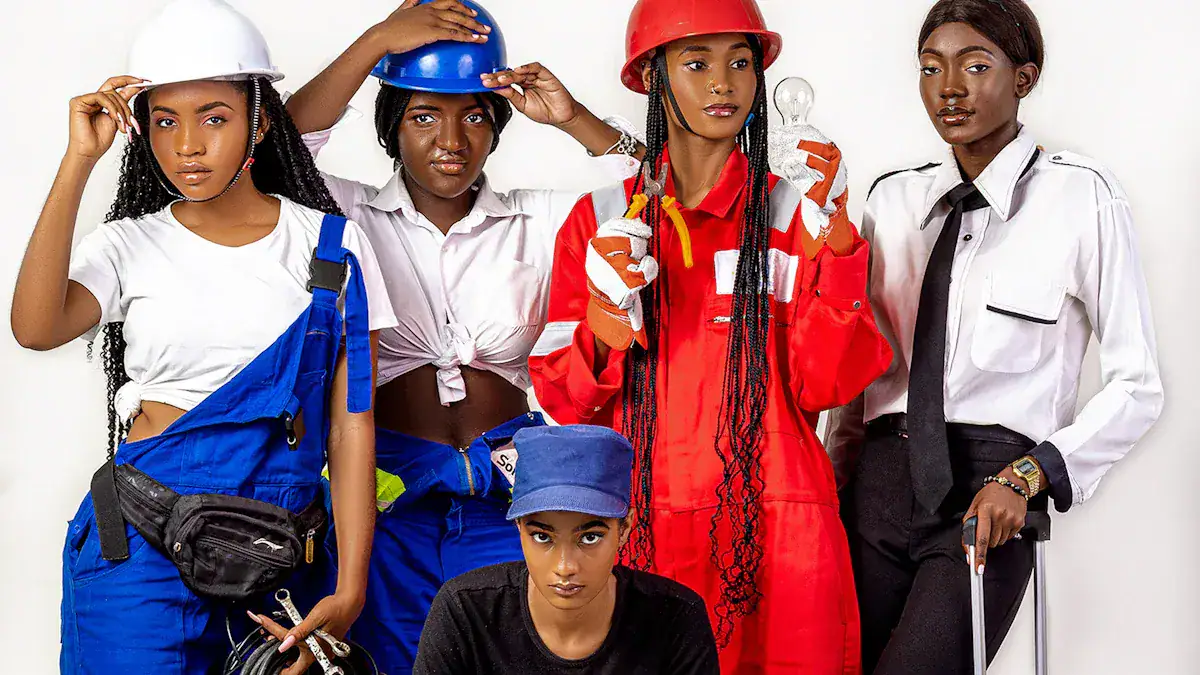
Fully Custom Uniform Design
When I want my chain convenience store to stand out, I choose fully custom uniform design. This option gives me complete control over every detail. I select the fabric, colors, patterns, and even the fit for each uniform. I work with suppliers to create custom uniform design elements that match my brand’s identity. I can add special features like reflective stripes or flame-resistant materials. These choices help me build a strong image for my store.
I notice that fully custom uniform design usually comes with a higher MOQ. Suppliers need to set up new patterns and source unique materials. This process increases production costs and lead time. If I request complex custom designs or special sizing, I expect to pay more and wait longer for delivery. I plan my orders carefully to make sure I have enough time for production. I also consider the impact on my budget before making final decisions.
Industry experts say that well-designed uniforms express company identity. A consistent uniform program enhances brand perception across all locations. Customers see quality and care in every detail. I find that offering a variety of custom uniform design options fosters a sense of togetherness among staff. It also improves customer service by showing attention to detail.
Semi-Custom Options
Sometimes, I need flexibility without starting from scratch. Semi-custom options let me personalize existing uniform styles. I can change colors, add my logo, or select different fabrics. This approach helps me keep costs lower and reduce lead time. Suppliers use standard patterns but allow me to make small changes. I get a custom uniform design that fits my brand without the expense of full customization.
Semi-custom options often come with a lower MOQ. I can order smaller batches and still get a unique look. I use this method when I want to test new styles or update my uniforms for a season. I also find that semi-custom options make it easier to manage inventory. I avoid over-ordering and keep my budget under control.
Catalog-Based Uniforms
For quick and simple solutions, I choose catalog-based uniforms. Suppliers offer a range of ready-made styles. I pick the design that matches my needs and add basic custom touches like embroidery or printed logos. This option gives me fast turnaround and lower costs. I do not need to wait for new patterns or special materials.
Catalog-based uniforms usually have the lowest MOQ. I can order just what I need for my staff. I use this option when I need uniforms quickly or want to keep things simple. Customization options like embroidery and logos can affect lead time, sometimes extending it to four to six weeks for complex designs. I plan ahead to avoid delays.
Custom uniform design options give me flexibility and control. I choose the best approach for my chain convenience store based on my budget, branding goals, and timeline. I always consider how each option affects MOQ, cost, and lead time before placing my order.
Tip: A broad range of custom uniform design options helps me maintain a consistent brand identity and enhances customer service across all locations.
Add-On Customization (Embroidery, Logos)
When I want to make my chain convenience store uniforms stand out, I often choose add-on customization. Embroidery and logos give my uniforms a professional look. These details help my staff look unified and make my brand more memorable to customers.
I usually start by selecting the type of add-on customization I need. Here are the most common options I use:
Embroidery: I add my store’s name or logo directly onto shirts, aprons, or hats. Embroidery looks sharp and lasts a long time. It works well for logos with simple shapes and bold colors.
Printed Logos: I use screen printing or heat transfer for larger or more colorful designs. This method allows for more detail and works well on t-shirts and jackets.
Name Badges: I sometimes add embroidered or printed name tags. This helps customers identify staff and improves service.
Tip: I always ask my supplier for a sample before placing a large order. This helps me check the quality of the embroidery or print.
Add-on customization affects the MOQ, cost, and lead time for my orders. I have noticed that embroidery usually requires a higher MOQ than simple printing. Suppliers often set a minimum of 50 to 100 pieces for embroidery. Printed logos can have lower MOQs, sometimes as low as 30 pieces, depending on the supplier’s equipment.
Here is a table that shows how different add-on options impact my order:
Customization Type | Typical MOQ | Cost per Piece | Lead Time |
|---|---|---|---|
Embroidery | 50-100 | Higher | 2-4 weeks |
Printed Logo | 30-100 | Moderate | 1-3 weeks |
Name Badges | 30-100 | Low | 1-2 weeks |
I find that the more complex the logo, the higher the setup cost. Embroidery with many colors or fine details takes longer to produce. I plan my orders early to avoid delays, especially during busy seasons.
Add-on customization gives me flexibility. I can use the same base uniform for all staff and add different logos or names for each location. This approach helps me control costs and keep my inventory simple. I also update my uniforms easily when I change my branding or open new stores.
Branding matters in retail. When my staff wears uniforms with clear, high-quality logos, customers trust my store more. Uniforms with add-on customization help my team look professional and feel proud to represent my brand.
Note: I always communicate my design needs clearly to the supplier. I send high-resolution logo files and confirm thread or print colors. This ensures my uniforms match my brand standards every time.
Customization Comparison
MOQ, Cost, Lead Time Table
When I compare uniform options for my chain convenience store, I always look at the minimum order quantity, cost per unit, and lead time. These factors help me decide which uniform solution fits my business needs. I have found that fully custom uniform orders require a higher MOQ and longer lead time. Semi-custom uniforms offer a balance between flexibility and cost. Catalog-based uniforms give me the fastest turnaround and lowest MOQ.
Here is a table that shows the differences between each uniform option:
Option | Unit Cost (est.) | Lead Time (from design approval) | |
|---|---|---|---|
Fully custom design | 200–1000+ pcs per style | US$8–$15+ per unit | 6–12 weeks |
Hybrid approach | 100–300 pcs per style | $6–$12 per unit | 4–8 weeks |
Standard catalog | 50–200 pcs per SKU | US$5–$12 per unit | 2–6 weeks |
Co-branded arrangements | 200–500+ pcs | Variable; often higher per-unit | 6–10 weeks |
I use this table to plan my uniform orders. If I want a unique look for my staff, I choose fully custom uniforms. When I need uniforms quickly, I pick catalog-based options. I always check the lead time before placing an order, especially during busy seasons.
Pros and Cons
I have learned that each uniform option has its own strengths and weaknesses. I weigh these pros and cons before making a final decision.
Fully Custom Uniforms
Pros:
I get complete control over design and branding.
My staff wears uniforms that match my store’s image perfectly.
I can choose special fabrics and features.
Cons:
Higher MOQ means I need to order more uniforms at once.
Unit cost is higher, which affects my budget.
Longer lead time can delay my uniform rollout.
Hybrid/Semi-Custom Uniforms
Pros:
I can personalize uniforms without starting from scratch.
Lower MOQ helps me manage inventory.
Lead time is shorter than fully custom options.
Cons:
Design choices are limited compared to full customization.
Some branding elements may not be possible.
Catalog-Based Uniforms
Pros:
Fastest delivery and lowest MOQ.
I save money on each uniform.
Easy to reorder and update.
Cons:
Fewer customization options.
Uniforms may look similar to other stores.
Tip: I always match my uniform choice to my store’s needs. If I open a new location, I use catalog-based uniforms for speed. For a brand refresh, I invest in fully custom uniforms.
I find that understanding these pros and cons helps me avoid mistakes. I plan my uniform orders based on staff size, budget, and branding goals. I always ask suppliers about lead time and MOQ before I commit. This approach keeps my chain convenience store running smoothly and my staff looking professional.
Order Process
Define Requirements
When I start the uniform sourcing process for my chain convenience store, I always begin by defining clear requirements. This step helps me avoid confusion and ensures everyone involved understands their responsibilities. I follow a structured approach to make sure nothing gets missed. Here is how I organize my requirements:
I identify which roles in my organization need uniforms. This includes cashiers, managers, and cleaning staff.
I set up a checks and balances system to monitor spending. This keeps my budget on track and prevents overspending.
I implement a web-based ordering system. This system enforces rules and makes the process transparent.
I follow a purchasing flow that starts with order placement, moves to approval, and ends with shipping. Each step has clear guidelines.
I set expectations for everyone involved. I make sure staff, managers, and suppliers know what to expect at each stage.
Tip: I always document my requirements before contacting suppliers. This helps me communicate clearly and speeds up the process.
Request Quotes
After I define my requirements, I request quotes from uniform OEM suppliers. I know that providing detailed information helps suppliers give accurate prices and timelines. I include the following details in my quote requests:
I describe my uniform program precisely. I list the categories I need, such as shirts, aprons, and hats, and specify branding requirements.
I outline my sizing strategy. I decide if I want standardized sizes or regional variants to fit my staff.
I set fabric and performance standards. I identify the level of durability I need and mention any certifications required.
I estimate volumes and lead times. I project how many uniforms I need each quarter and define my preferred delivery windows.
I find that detailed quote requests lead to better offers from suppliers. I compare quotes based on price, quality, and lead time. I also ask about sample availability and customization options.
Note: I always double-check my requirements before sending them to suppliers. Clear communication prevents misunderstandings and delays.
Negotiate MOQ
Negotiating MOQ is a critical step in my order process. I want to secure the lowest possible minimum order quantity without sacrificing quality or flexibility. I use several strategies to achieve this goal:
I build long-term relationships with suppliers. Trust and reliability often lead to better terms.
I prepare thoroughly before negotiations. I gather information about supplier capabilities and market standards.
I focus on mutual benefits. I look for solutions that help both my business and the supplier.
I maintain open communication. I share my needs and listen to supplier concerns.
I emphasize a partnership approach. I show suppliers that I value ongoing collaboration.
Here is a table that summarizes effective negotiation strategies:
Strategy | Description |
|---|---|
Building Relationships | I establish strong connections to enhance negotiation outcomes. |
Customer of Choice | I position my business as a preferred customer for favorable terms. |
Value Building | |
Flexibility | I adapt during negotiations to find win-win solutions. |
I always remember that flexibility and value matter as much as price. By negotiating thoughtfully, I secure MOQs that fit my store’s needs and support long-term success.
Tip: I keep records of all negotiations. This helps me track progress and improve future orders.
Finalize Order
After I finish negotiating the MOQ and agree on the details, I move to the final step: placing my order. This part requires careful attention. I want to make sure everything matches my requirements before I commit.
First, I review the supplier’s final quotation. I check the price, the MOQ, and the customization options. I confirm the delivery timeline. If I see any mistakes or unclear points, I ask the supplier to clarify. I never assume that everything is correct. I know that a small error can lead to big problems later.
I always request a formal contract or purchase agreement. This document lists all the important details:
Product specifications (fabric, color, design, sizes)
Total quantity and breakdown by style or size
Unit price and total cost
Payment terms and schedule
Delivery date and shipping method
Warranty or after-sales support
I read the contract carefully. I look for hidden fees or unexpected charges. If I do not understand a clause, I ask for an explanation. I want to avoid surprises.
Tip: I ask for a production sample before I approve the full order. This sample helps me check the quality and confirm the design.
Once I approve the contract, I follow the supplier’s payment instructions. Most suppliers ask for a deposit, usually 30% to 50% of the total cost. I pay the deposit and keep the receipt. I make sure the supplier confirms my payment and starts production.
During production, I stay in touch with the supplier. I ask for updates and photos of the uniforms. If I see any issues, I address them early. I do not wait until the order ships.
Here is a simple checklist I use to finalize my order:
Step | Action I Take |
|---|---|
Review quotation | Check price, MOQ, options |
Confirm contract | Read and sign agreement |
Approve sample | Inspect and confirm quality |
Make payment | Pay deposit and confirm receipt |
Monitor production | Request updates and photos |
Arrange delivery | Confirm shipping details |
When production finishes, I arrange for delivery. I check the shipment when it arrives. I count the uniforms and inspect the quality. If I find any problems, I contact the supplier immediately.
Finalizing my order takes time and attention. I follow each step to protect my investment and ensure my staff gets the uniforms they need. Careful planning helps me avoid mistakes and build a strong relationship with my supplier.
Note: I always keep records of every order. Good documentation helps me track spending and plan future purchases.
Managing MOQ
Negotiation Tips
When I negotiate with uniform suppliers, I always prepare in advance. I research the market and learn what other stores pay for similar orders. I find that suppliers respect buyers who know the industry. I ask direct questions about their minimum order requirements and explain my needs clearly. If I want a lower moq, I show suppliers my sales data and future growth plans. This helps them see the value in working with me.
I often request samples before committing to a large order. This gives me leverage to ask for a lower moq on my first purchase. I also mention that I plan to reorder if the uniforms meet my standards. Suppliers sometimes agree to a lower moq for new customers who promise repeat business. I stay polite but firm during negotiations. I never accept the first offer without asking if there is room for adjustment.
Tip: I always compare quotes from several suppliers. This gives me more options and helps me find suppliers with lower moq.
Small Chain Strategies
Running a small chain means I need to manage my inventory carefully. I use several strategies to handle moq requirements without overstocking. I start by negotiating better terms with my suppliers. I explain my situation and ask if they can offer a lower moq. Sometimes, local suppliers can help because they have lower shipping costs and more flexibility.
I rely on accurate sales data to guide my purchasing decisions. I track which uniforms sell fastest and adjust my orders based on real numbers. This helps me avoid buying too much or too little. I also build relationships with multiple suppliers. This way, I can compare offers and choose the best deal for each order.
Here is a table that summarizes my favorite strategies:
Strategy | Description |
|---|---|
I talk to suppliers to discuss and potentially lower moq requirements. | |
Utilize accurate sales data | I use sales and inventory data to inform my purchasing and negotiations. |
Build relationships with locals | I connect with nearby suppliers who may offer lower moq and faster service. |
I also diversify my supplier base. I do not rely on just one company. I keep safety stock on hand to handle sudden increases in demand. For each product, I identify more than one supplier. This helps me balance moq requirements and avoid supply problems.
I diversify my supplier base to reduce risk.
I maintain safety stock to buffer against demand spikes.
I identify multiple suppliers per product to balance moq needs.
Common Mistakes
Over the years, I have seen many store owners make the same mistakes when dealing with moq. One common error is ordering too many uniforms without fully understanding the minimum requirements. This can lead to wasted money and excess inventory. I always double-check the supplier’s moq before placing an order.
Another mistake is failing to negotiate on the first order. Some buyers accept the initial terms without asking for a lower moq or better pricing. I learned that suppliers often expect some negotiation. Missing this step can mean higher costs and less flexibility in the future.
Note: I always review my order details and ask questions if anything is unclear. Careful planning and open communication help me avoid costly mistakes.
Expert Advice
Over the years, I have learned that managing uniform orders for a chain convenience store requires more than just negotiation skills. I often seek out advice from industry experts to improve my approach. Their insights help me avoid common pitfalls and make smarter decisions.
One expert once told me, “Always treat your supplier as a partner, not just a vendor.” I took this advice to heart. When I build strong relationships with suppliers, I find that they become more willing to offer flexible terms and support my business goals. I make sure to communicate openly and share my long-term plans. This approach encourages suppliers to invest in my success.
I also learned the importance of understanding the production process. Experts recommend visiting the supplier’s facility if possible. I have done this myself. Seeing the production line in action helps me understand why certain requirements exist. For example, I saw how setup costs and machine calibration affect the moq. This knowledge gives me an advantage during negotiations.
Here are some expert tips I follow to maximize flexibility and value:
I always request samples before placing a large order. This step helps me check quality and avoid surprises.
I ask suppliers about alternative materials or designs that could lower costs or reduce lead time.
I keep detailed records of every order, including feedback from staff. This information helps me refine future purchases.
I stay updated on industry trends by attending trade shows and reading trade publications. This keeps me informed about new fabrics, technologies, and best practices.
Tip: I never hesitate to ask suppliers for advice. Many have years of experience and can suggest solutions I might not have considered.
Experts also stress the value of clear documentation. I make sure every agreement is in writing, including specifications, delivery dates, and payment terms. This practice protects both me and the supplier.
Finally, I set realistic expectations for lead times and costs. I plan my orders well in advance, especially during peak seasons. By following expert advice, I manage my uniform program efficiently and keep my staff looking professional.
Real-World Examples

MOQ Negotiation Stories
I have faced many situations where the supplier’s minimum order quantity for a uniform seemed too high for my chain convenience store. One time, I needed a new summer uniform for my staff, but the supplier set the MOQ at 500 pieces. My store only needed 200 uniforms for the season. I decided to share my sales data and future growth plans with the supplier. I explained that my chain was expanding and that I would need more uniforms in the next quarter. The supplier agreed to lower the MOQ to 250 uniforms for my first order. This helped me avoid overstock and saved money.
Another time, I worked with a local supplier who offered a flexible MOQ for a new uniform style. I asked if I could combine different sizes and colors to meet the MOQ. The supplier allowed me to mix and match, so I ordered 100 uniforms in three different colors and five sizes. This approach gave my staff more options and kept my inventory balanced.
Tip: I always ask suppliers if they can split the MOQ across multiple uniform styles or delivery dates. This often leads to a better deal.
Customization Success
I believe that a well-designed uniform can boost team spirit and brand recognition. Last year, I wanted to launch a new uniform with custom embroidery for my chain convenience store. The supplier’s MOQ for embroidery was 100 uniforms. I decided to order a mix of shirts, aprons, and hats, all featuring the same logo. The supplier counted the total number of items toward the MOQ, so I met the requirement without ordering too many of one type.
I also tried a semi-custom approach for a winter uniform. I picked a catalog design and added my store’s logo as a printed patch. The supplier offered a low MOQ of 50 uniforms for this option. My staff loved the new look, and customers noticed the change right away.
Here is a table that shows how I managed different uniform projects:
Project Type | Customization | Result | |
|---|---|---|---|
Summer uniform | 250 | Color, fabric | Reduced excess stock |
Embroidered uniform | 100 | Logo embroidery | Strong brand identity |
Winter uniform | 50 | Printed patch | Fast rollout, happy staff |
Note: I always review supplier samples before placing a large uniform order. This step helps me check quality and avoid mistakes.
I see that the uniform customization market keeps growing as more stores focus on brand identity, comfort, and new technology. I always remember that even though MOQs seem fixed, I can often negotiate by timing my requests and building strong supplier relationships. Here are a few steps I follow for success:
I start with small test orders as a new buyer.
I combine different products to meet MOQ.
I ask about available overstocks for smaller quantities.
By applying these strategies, I source uniforms that fit my needs and support my brand.
FAQ
What does MOQ mean for chain convenience store uniforms?
MOQ stands for Minimum Order Quantity. When I order uniforms, suppliers set a minimum number I must buy. This helps them manage production costs and ensures efficient manufacturing.
Can I negotiate a lower MOQ with suppliers?
I often negotiate MOQ by sharing my business plans and building strong relationships. Suppliers sometimes agree to lower MOQ, especially if I promise repeat orders or combine different styles and sizes.
How does customization affect MOQ and price?
Custom designs usually require higher MOQ and increase the price per uniform. Simple changes like adding a logo or choosing standard fabrics help me keep MOQ and costs lower.
What is the fastest way to get uniforms for my store?
I choose catalog-based uniforms for quick delivery. These ready-made options have the lowest MOQ and fastest turnaround. I add basic customization like embroidery or printed logos if needed.
Can I mix different sizes and colors to meet MOQ?
Many suppliers let me combine sizes and colors within one order to reach MOQ. I always confirm this option before placing my order to avoid mistakes.
What should I check before finalizing my uniform order?
I review the contract, confirm the MOQ, and inspect samples. I check product details, delivery dates, and payment terms. Careful review helps me avoid errors and ensures my staff gets the right uniforms.