

Mitigate Risks with Custom Gas Station Workwear
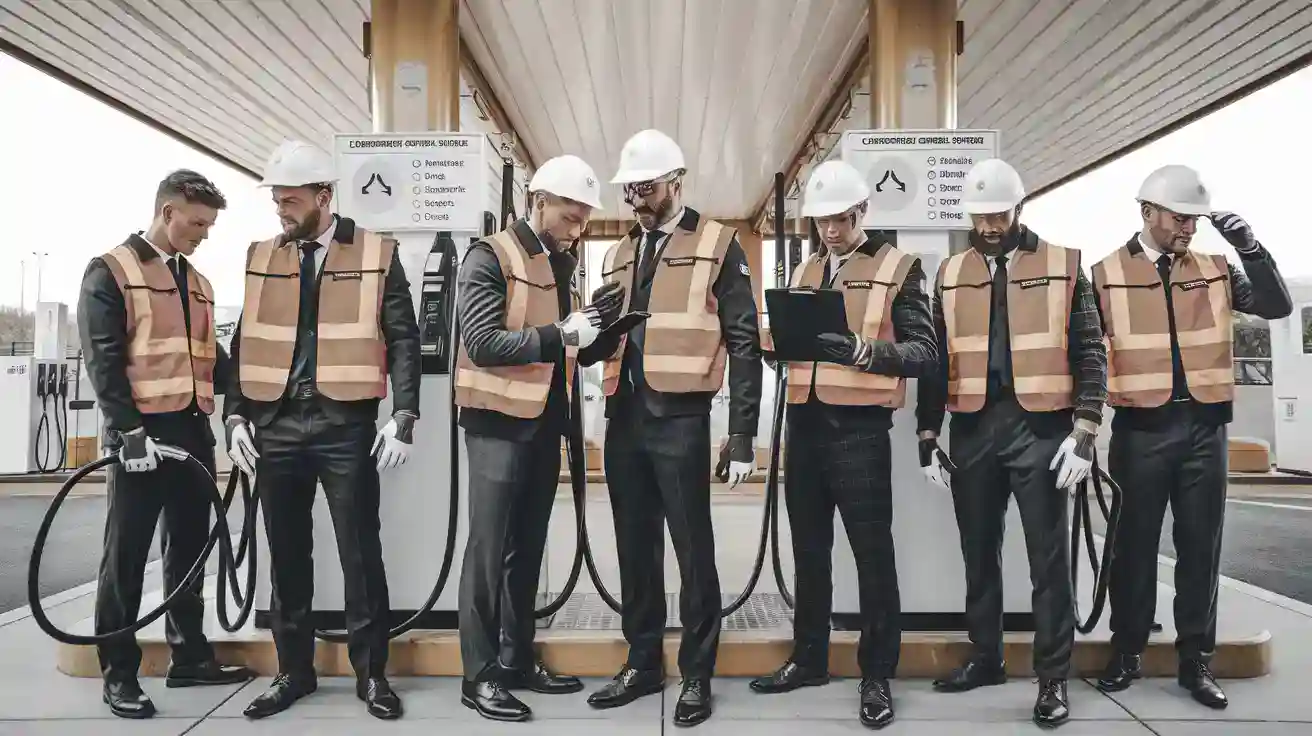
I choose custom workwear for gas station employees because it helps mitigate risks and keeps everyone safe. Safety uniforms play a critical role in maintaining a safe working environment. I rely on risk assessment to select high-quality safety uniforms made with flame-resistant and high-visibility materials. These features support safety and help my business meet compliance standards.
High-quality safety uniforms offer protection against chemical hazards, fire, and visibility issues that gas station staff face daily.
Key Takeaways
Custom workwear enhances safety for gas station employees by providing protection against chemical hazards, fire, and visibility issues.
Flame-resistant materials are essential for uniforms, reducing the risk of burns and providing a barrier against ignition.
High-visibility features in workwear help employees be seen by drivers, significantly lowering the risk of accidents.
Regular inspections of uniforms are crucial to ensure they remain effective and safe; damaged gear should be replaced immediately.
Comfort and fit of workwear are vital; well-fitting uniforms improve compliance with safety protocols and reduce injury risks.
Conducting thorough risk assessments helps identify hazards and select appropriate protective gear for specific tasks.
Investing in quality workwear leads to long-term cost savings by reducing injury rates and the need for frequent replacements.
Branded safety uniforms enhance the professional image of the gas station, building customer trust and recognition.
Gas Station Risks
Chemical Hazards
Fuel and Oil
I encounter chemical hazards every day at the gas station. Fuel and oil spills are common workplace hazards that threaten both my health and safety. I know that BTEX compounds—benzene, toluene, ethyl benzene, and xylene—are present in gasoline and pose serious risks. Benzene exposure can cause cancer and damage my nervous and reproductive systems. Toluene and xylene also affect my breathing and brain function. I always wear gloves and use proper ventilation to reduce my exposure.
Cleaning Agents
I use cleaning agents to keep the station tidy, but these chemicals can be dangerous. Many cleaning products contain harsh substances that irritate my skin and lungs. I read labels and follow safety instructions to avoid accidents. I store chemicals in secure areas and never mix products unless the manufacturer recommends it. I make sure my workwear resists chemical splashes to protect myself from potential hazards.
Fire and Explosion
Flammable Liquids
Gas stations store and dispense flammable liquids. I understand that gasoline vapors can ignite easily, especially near open flames or sparks. I keep containers sealed and follow strict procedures when handling fuel. I check for leaks and report any issues immediately. My flame-resistant uniform helps shield me from burns if an accident occurs.
Static Electricity
Static electricity is another risk I face. When I fill tanks or transfer fuel, static can build up and cause a spark. I ground equipment and avoid wearing synthetic fabrics that increase static. I rely on safety training to recognize and prevent these hazards. My workwear includes anti-static features to lower the risk of fire.
Slips and Falls
Wet Surfaces
Slips and falls are a major cause of injuries at gas stations. I often deal with wet surfaces from rain, spilled fuel, or cleaning activities. I wear slip-resistant shoes and clean up spills quickly. I know that gas stations must maintain safe conditions to comply with premises liability laws. I help keep walkways clear and well-lit to prevent accidents.
Uneven Ground
Uneven ground, potholes, and cracked pavement create additional risks. I inspect the property regularly and report hazards to management. I understand that with over 168,000 gas stations in the U.S., the likelihood of slip and fall accidents remains high. I take responsibility for my safety and encourage coworkers to do the same.
Tip: I always know the location of exits and emergency contacts. I keep exit routes clear and make sure security cameras work. These steps help me respond quickly in emergencies and reduce workplace violence risks.
Visibility Issues
Low Light
I work late shifts at the gas station. Poor lighting often makes my job more dangerous. I notice that dim areas around the pumps and parking lot increase the risk of accidents. I have seen coworkers trip over hoses or slip on wet pavement because they could not see hazards clearly. When I work alone, I feel more vulnerable. Limited visibility makes it harder to spot suspicious activity or respond quickly to emergencies.
Tip: I always check that all exterior lights work before my shift starts. I report broken bulbs immediately. Good lighting helps me stay alert and reduces the chance of injury.
I face several visibility challenges during night shifts:
Poor lighting reduces my ability to see spills, obstacles, or moving vehicles.
Toxic fumes and fire risks become harder to detect in low light.
Working alone increases my vulnerability to violence and makes it harder to get help if something goes wrong.
Vehicle Traffic
I spend a lot of time near moving vehicles. Drivers often rush in and out, especially during busy hours. At night, fatigue can affect both me and the customers. I know that operating vehicles during normal sleeping hours increases the risk of drowsy driving. I have witnessed near-misses when drivers failed to see me because of low visibility or distraction.
Night shift workers face a higher risk of drowsy driving, which can lead to accidents.
Fatigue-related crashes are more likely when people drive during their usual sleeping hours.
I wear high-visibility vests and reflective stripes on my uniform. These features help drivers spot me, even in poor lighting. I stay alert and avoid standing in blind spots or near busy entrances. I remind coworkers to use designated walkways and stay clear of traffic lanes.
Weather Exposure
Heat and Cold
I work outside in all kinds of weather. Extreme heat makes me sweat and feel tired quickly. I drink water often and take breaks in the shade. In winter, cold winds and freezing temperatures make my hands stiff and slow my reaction time. I wear insulated gloves and layered clothing to stay warm. I know that exposure to harsh weather can lead to heat exhaustion or hypothermia if I do not take precautions.
UV and Rain
Sun exposure is another risk I face. I spend hours outside, and UV rays can damage my skin. I use sunscreen and wear hats with wide brims. Rain creates slippery surfaces and soaks my clothes. I choose waterproof jackets and boots to stay dry. I make sure my workwear includes UV protection and water-resistant materials. These features help me stay comfortable and safe, no matter the weather.
Note: I always check the forecast before my shift. I prepare my gear for rain, sun, or cold. Proper planning keeps me safe and ready for any conditions.
Mitigate Risks with Workwear
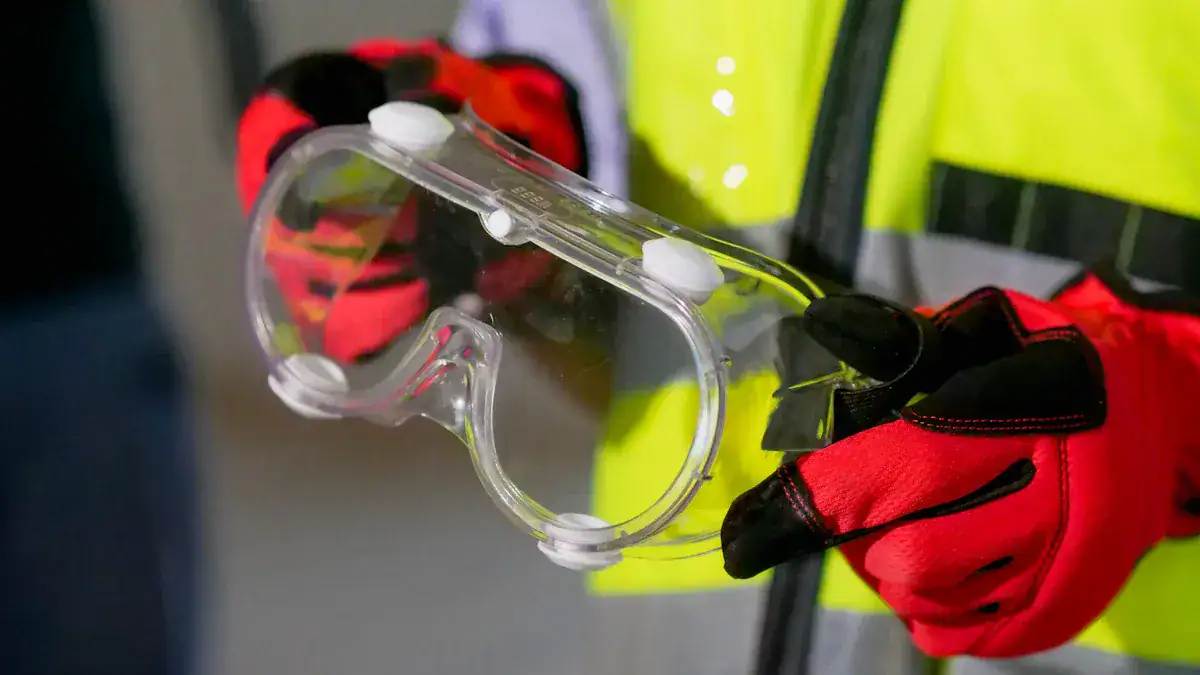
Flame-Resistant Materials
I always choose quality workwear made from flame-resistant materials for my team. Gas stations present constant fire hazards, so I rely on flame resistant uniforms to provide the best protection. These uniforms help mitigate risks by acting as a barrier against ignition and heat transfer. When I wear protective workwear made from Nomex, Kevlar, or Modacrylic, I know I am safer around open flames and hot surfaces.
Flame-resistant clothing minimizes the chance of burns by reducing ignition and heat transfer.
These materials do not melt or drip, so they protect my skin from severe injuries.
The self-extinguishing property gives me extra time to escape if an accident happens.
Quality workwear with arc ratings lets me match the level of protection to the job.
Multiple layers of protective workwear increase my safety in high-risk situations.
I have seen how flame-resistant uniforms withstand extreme temperatures and do not continue to burn once the ignition source is gone. This feature is critical for my safety and the safety of my coworkers. I always make sure my protective gear meets industry standards and lasts longer with proper care.
Chemical Protection
Chemical hazards are everywhere at a gas station. I depend on quality workwear with advanced chemical protection to keep me safe from fuel, oil, and cleaning agents. I look for protective workwear that resists liquid chemical penetration and stands up to daily use. The right safety uniforms combine comfort, durability, and protection.
Feature | Description |
|---|---|
Liquid Chemical Protection | Resists penetration of many liquid chemicals, ideal for gas station work. |
Lightweight | Keeps me comfortable during long shifts and prevents overheating. |
Durably Waterproof | Shields me from rain and spills, dries quickly after getting wet. |
Breathable | Allows airflow, so I stay cool and focused all day. |
Rugged | Withstands tough conditions and frequent washing. |
Flame Resistant | Adds another layer of safety for fire hazards. |
I always select quality workwear that offers both chemical and flame resistance. This combination gives me confidence that my protective workwear will handle any risks I face on the job. I know that customizable safety workwear can be tailored to meet the unique needs of my station, ensuring the highest level of safety for everyone.
High-Visibility Features
Visibility is a top priority at my workplace. I wear high-visibility vests and uniforms with reflective stripes to improve visibility, especially during night shifts or in low-light conditions. Quality workwear with high-visibility features helps mitigate risks from moving vehicles and busy traffic areas.
High-visibility clothing makes me easy to spot in hazardous zones.
Drivers see me sooner, which increases my safety and reduces the risk of accidents.
Studies show that wearing high-visibility clothing can cut workplace accidents by up to 47%.
High-visibility vests and reflective tape on my protective workwear help vehicle operators react in time to avoid collisions.
I always include high-visibility features in my personal protective equipment (PPE) and safety uniforms. This approach ensures that I stay safe and visible, no matter the time of day or weather conditions. Quality workwear with these features is essential for any gas station employee who wants to stay protected and alert.
Heavy-Duty and Reinforced Gear
I trust heavy-duty and reinforced gear to protect me from the toughest hazards at the gas station. My daily tasks expose me to sharp edges, rough surfaces, and machinery that can tear or wear down regular clothing. I choose workwear with reinforced knees, double-stitched seams, and abrasion-resistant fabrics. These features help my uniform last longer and shield me from cuts, scrapes, and punctures.
When I handle equipment or move heavy objects, I rely on coveralls and pants with extra padding in high-stress areas. Reinforced elbows and knees give me confidence when I kneel, crawl, or lean against hard surfaces. I have noticed that quality workwear with these enhancements reduces the risk of injury and saves money by lasting through repeated use and washing.
Tip: I always inspect my workwear for signs of wear and tear. I replace damaged gear right away to maintain full protection.
I also appreciate pockets and tool loops that keep my equipment secure and within reach. These small details make my job easier and safer. I know that investing in heavy-duty workwear is not just about comfort—it is about protecting myself and my coworkers from preventable accidents.
Ergonomic Design
Ergonomic design in workwear makes a real difference in my comfort and safety. I spend long hours on my feet, lifting, bending, and reaching. Poorly designed uniforms can restrict my movement and cause fatigue or even injury. I look for workwear that supports my body’s natural movements and reduces strain on my muscles and joints.
A well-designed uniform fits me properly and allows me to move freely. Adjustable cuffs, stretch panels, and breathable fabrics help me stay comfortable during long shifts. I have learned that ergonomic features in workwear can lower the risk of musculoskeletal injuries, which are common in physically demanding jobs like mine.
Here is how ergonomic strategies in workwear help reduce injuries:
Ergonomic Strategy | Description |
|---|---|
Correct Biomechanical Setup | Minimizes risk factors like awkward and prolonged static postures, such as sit-stand workstations. |
Easy Access to Tools | Reduces the chance of awkward positions and physical stress by ensuring tools are within reach. |
Quality Tools and Equipment | Adjustable and lighter tools help reduce physical stress, lowering the risk of musculoskeletal injuries. |
I always choose workwear that combines ergonomic design with durability and protection. This approach keeps me productive and healthy, even during the busiest shifts. I encourage my team to prioritize comfort and fit when selecting their uniforms. Proper workwear not only protects us from hazards but also helps us perform our best every day.
Employee Protection and Safety
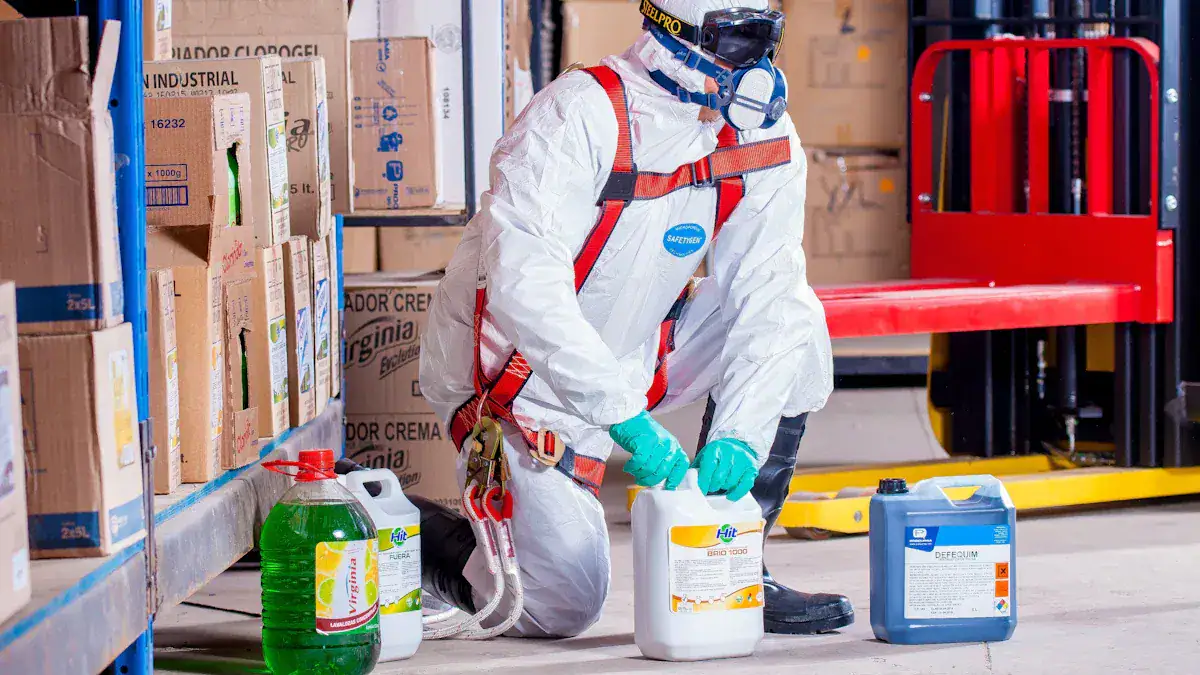
Safety Uniforms
I rely on safety uniforms every day to keep myself and my coworkers protected at the gas station. These uniforms serve as the first line of defense against workplace hazards. When I wear properly designed workwear, I feel confident that I am minimizing the risks associated with my tasks. Simple choices, like wearing long pants and protective gear, help prevent injuries and improve overall safety.
I have seen firsthand how safety uniforms contribute to worker safety and employee protection. The right workwear shields me from hazardous chemicals, fire, and sharp objects. I know that occupational safety and health policies recommend using personal protective equipment, such as gloves and safety goggles, to reduce health risks. When my team adopts safety measures, we experience fewer symptoms of chemical poisoning and lower levels of harmful products in the air.
Evidence | Description |
|---|---|
Occupational Safety and Health Policy | Establishing clear OSH policies helps protect workers from hazardous chemicals. |
Use of Personal Protective Equipment | The availability of PPE like respirators, gloves, and safety goggles has reduced health risks among gas station workers. |
Decrease in Chemical Exposure | Adoption of safety measures has led to lower levels of chemical products in workplace air, reducing symptoms of chemical poisoning. |
Safety uniforms are crucial for worker safety across the gas station industry. I always make sure my workwear meets the highest standards for protection and durability.
Risk Assessment
I never start a shift without considering the risks present at my workplace. Conducting a thorough risk assessment helps me identify potential hazards and evaluate their severity. This process allows me to choose the right protective workwear for each task. When I understand the specific risks, I can select the necessary personal protective equipment to mitigate them.
I review the station layout and note areas with chemical exposure or fire hazards.
I assess weather conditions and plan for heat, cold, or rain.
I check for visibility issues, especially during night shifts or in high-traffic zones.
I use risk assessment tools to determine which safety uniforms and protective gear will offer the best protection.
Risk assessment roadmaps guide me in making informed decisions about employee protection. By following these steps, I ensure that my team receives the right workwear and safety measures for every situation.
Comfort and Fit
Comfort and fit matter just as much as protection when it comes to workwear. I know that properly fitting personal protective equipment enhances comfort and leads to higher compliance rates. When my uniform fits well, I move freely and stay focused on my job. Poor fit can compromise safety and increase the risk of injuries.
Comfortable workwear encourages me to follow safety protocols and wear my gear consistently.
Usability and comfort are vital for workplace safety and health.
Uncomfortable uniforms distract me and increase the likelihood of accidents.
The comfort of flame-resistant workwear is essential for promoting safety compliance.
I always choose workwear that balances protection, comfort, and usability. When my gear feels good and fits well, I am more likely to wear it throughout my shift. This commitment to comfort supports worker safety and helps maintain a healthy work environment.
Tip: I recommend regular uniform fittings and feedback sessions to ensure every employee receives workwear that meets their needs for protection and comfort.
Safety Standards
OSHA Compliance
I always prioritize OSHA compliance when selecting gas station workwear. OSHA sets strict requirements to protect employees from workplace hazards. I know that flame-resistant clothing is essential in hazardous environments. This requirement helps me choose uniforms that shield my team from flash fires and burns. I also consider the need for personal protective equipment. OSHA mandates that employers provide PPE based on specific risks at each station. I review the operations at my location and select uniforms that meet these standards.
Here is a table that summarizes the main OSHA requirements and their impact on uniform selection:
OSHA Requirement | Description | Impact on Uniform Selection |
|---|---|---|
Flame-Resistant Clothing (FRC) | Required in hazardous environments to protect against flash fires. | Uniforms must include FRC to ensure worker safety in gas stations handling flammable materials. |
Personal Protective Equipment (PPE) | Employers must provide necessary PPE based on workplace hazards. | Selection of uniforms must consider additional PPE requirements based on specific gas station operations. |
I always check that my uniforms meet OSHA 1910.132 standards. This step ensures health and safety regulatory compliance and keeps my team protected every day.
NFPA and ANSI
I rely on NFPA and ANSI standards to guide my choices for high-visibility and flame-resistant workwear. These organizations set the benchmarks for safety in the industry. I match the visibility requirements to the risk level at my station. For example, I use Class 3 uniforms in high-traffic or adverse conditions. This choice gives my team the highest level of visibility and protection.
Here is a table that outlines the visibility requirements for each class:
Class | Description | Visibility Requirements |
|---|---|---|
1 | Low-risk environments | Minimum visibility for low traffic areas |
2 | Medium-risk environments | Increased visibility for moderate traffic |
3 | High-risk environments | Highest visibility for high traffic and adverse conditions |
I always provide one traffic vest for each seating position. I select vests with a five-point breakaway feature for added safety. These details help my team stay visible and protected in busy environments.
Local Regulations
I pay close attention to local regulations when choosing gas station workwear. Each region has unique rules that affect uniform design and use. I make sure my uniforms comply with local flammability standards and PPE requirements. In some countries, such as Brazil, uniforms for gas station employees are required by law. Regulatory Standard NR-6 mandates the use of uniforms that meet safety standards. These rules specify the use of PPE to protect against contamination and flammable materials.
Here is a table that highlights key local regulations:
Regulation Type | Description |
|---|---|
OSHA 1910.132 | Requires adherence to PPE standards for safety. |
Local Flammability Regulations | Mandates specific safety measures to prevent fire hazards. |
I always stay informed about changes in local laws. I update my uniforms to maintain compliance and protect my team. I believe that following these regulations is essential for safety and business success.
Tip: I recommend reviewing local and national standards regularly. This habit helps me keep my uniforms up to date and ensures maximum safety for everyone at the station.
Inspections
I treat inspections as a critical part of my safety routine at the gas station. I know that even the best custom workwear loses its protective qualities if I do not check it regularly. Inspections help me catch small problems before they become big risks. I make sure my team and I follow a strict inspection schedule to keep our uniforms in top condition.
I start every shift with a quick visual check of my uniform. I look for rips, burns, or stains that could weaken the fabric. I pay close attention to seams, zippers, and reflective strips. If I spot any damage, I report it right away and switch to a backup uniform. I never take chances with my safety gear.
Tip: I always remind my coworkers to check their uniforms before starting work. A few minutes can prevent serious injuries.
I also follow a more detailed inspection process based on manufacturer guidelines and how often we use our gear. Some uniforms need monthly checks, while others require annual reviews. I keep a log of all inspections and repairs. This record helps me track wear and tear over time and plan for replacements.
Here is how I organize my inspection routine:
I perform daily visual checks for obvious damage or contamination.
I schedule detailed inspections according to manufacturer recommendations, which may range from monthly to annually.
I document every inspection and note any repairs or replacements.
I train my team to recognize signs of wear, such as faded reflective tape or thinning fabric.
I replace any uniform that fails inspection immediately to maintain full protection.
Regular inspections keep my team compliant with safety standards. They also extend the life of our uniforms and reduce costs in the long run. I believe that a proactive approach to inspections shows my commitment to safety and sets a strong example for everyone at the station.
I have learned that inspections are not just about following rules. They give me peace of mind. When I know my uniform is in good shape, I can focus on my job and respond quickly to emergencies. I encourage every gas station manager to make inspections a non-negotiable part of their safety program. Consistent checks protect employees, support compliance, and help create a safer workplace for everyone.
Business Benefits
Productivity
I have seen firsthand how the right workwear boosts productivity at my gas station. When my team wears uniforms designed for safety and comfort, we move more efficiently and complete tasks faster. I notice fewer interruptions because employees do not need to stop and adjust uncomfortable gear. High-visibility features help us stay alert in busy areas, which keeps everyone focused on their work. I believe that when workers feel protected, they concentrate better and make fewer mistakes. This improvement in workflow leads to smoother operations and higher output during every shift.
Cost Savings
Investing in high-quality flame-resistant workwear has saved my business money over time. Although the initial cost is higher, I see long-term benefits that outweigh the upfront expense. Durable materials mean I replace uniforms less often, which lowers my ongoing costs. By reducing injury rates, I avoid expensive medical bills and lost workdays. I also stay compliant with safety regulations, which helps me avoid fines. Insurance premiums often decrease when I show a strong commitment to worker safety. Improved morale and productivity further contribute to my bottom line. I have learned that spending more on quality uniforms leads to significant savings and a safer workplace.
Note: I always track uniform expenses and compare them to the costs of injuries or replacements. The numbers show that investing in safety pays off.
Brand Image
Branded safety workwear has transformed how customers view my gas station. I see that uniforms with our logo and colors send a clear message of professionalism and responsibility. Customers trust us more when they see my team dressed in clean, coordinated gear. I also notice that high-quality safety gear promotes brand recognition. People remember our station because our uniforms stand out and look sharp. Distributing branded safety items, such as first aid kits, shows that I care about safety beyond my staff. This gesture builds goodwill and strengthens relationships with the community.
Branded uniforms project professionalism and responsibility.
High-quality gear increases brand recognition.
Safety items for customers build trust and goodwill.
I believe that investing in branded safety uniforms not only protects my team from risks but also enhances our reputation. Customers feel safer and more confident when they visit a station that values safety and appearance.
Choosing Safety Uniforms
OEM vs. ODM
When I select safety uniforms for my gas station team, I always weigh the benefits of OEM (Original Equipment Manufacturer) versus ODM (Original Design Manufacturer) options. Each approach offers unique advantages and challenges. I use the following table to compare them:
Type | Pros | Cons |
|---|---|---|
ODM | Streamlined process, quick market response, predictable costs | Limited customization, potential quality variability, intellectual property risks, less brand differentiation, dependence on manufacturer’s catalog |
OEM | Cost-effectiveness, high quality, specialized technology, efficient service | Labor shortages, inventory management issues, supply chain complexities, need for technological advancements |
I prefer OEM uniforms when I want high-quality gear tailored to my station’s specific needs. OEM suppliers allow me to customize features, such as flame resistance and high-visibility elements, which align with my safety goals. However, I stay alert to supply chain issues and labor shortages that can affect delivery times. ODM uniforms work well when I need a fast solution with predictable costs, but I sacrifice some customization and brand identity. I always match my choice to my business priorities and risk assessment findings.
Material Selection
Material selection stands at the core of effective safety uniform design. I focus on fabrics that offer flame resistance, chemical protection, and durability. I choose materials like Nomex or Kevlar for their proven ability to withstand fire hazards. I also look for water-resistant and breathable fabrics to keep my team comfortable in all weather conditions. I avoid materials that increase static electricity or degrade quickly after repeated washing. My goal is to balance protection, comfort, and longevity. I consult with suppliers to ensure every uniform meets industry standards and local regulations. I never compromise on quality because my team’s safety depends on it.
Tip: I always request material samples before placing large orders. This step helps me verify durability and comfort firsthand.
Sizing and Training
Proper sizing and employee training make a significant difference in uniform effectiveness. I insist on well-fitting uniforms because they project professionalism and boost my team’s confidence. Baggy jackets can get caught in machinery, while tight pants restrict movement and increase injury risk. I schedule regular fittings and encourage feedback from my staff to address sizing concerns quickly.
I recognize that safety goes beyond the uniform itself. Data from the US Bureau of Labor Statistics shows that 2.1 out of every 100 gas station employees suffered injuries in 2021. This statistic motivates me to invest in comprehensive safety programs. I enroll my team in OSHAcademy training courses tailored to gas station hazards. These sessions teach my employees how to identify risks and implement safety measures. I believe that ongoing training and proper uniform fit work together to reduce accidents and support OSHA compliance.
Note: I always combine uniform fittings with safety training to maximize protection and ensure my team feels prepared for every shift.
Maintenance
I treat maintenance as a critical part of my safety uniform strategy. Proper care extends the lifespan of every piece of workwear and preserves its protective features. I never overlook the importance of regular cleaning and inspection. When I maintain uniforms correctly, I keep my team safe and reduce replacement costs.
I start by sanitizing uniforms with suitable detergents. Antimicrobial treatment helps prevent the spread of germs and keeps the fabric fresh. I always rinse away chemicals and biological materials before washing. This step removes contaminants that could weaken the fabric or pose health risks. I prefer to air dry uniforms whenever possible. Hanging or laying them flat prevents shrinkage and maintains the integrity of flame-resistant and high-visibility materials.
Tip: I use sturdy hangers for heavy items. This practice helps uniforms keep their shape and avoids stretching at the shoulders.
I encourage my team to learn basic mending skills. Simple repairs, like sewing on buttons or patching small tears, extend the life of our gear. I wash denim uniforms inside out. This method preserves color and reduces surface wear, keeping the uniforms looking professional longer.
Here is my checklist for maintaining gas station workwear:
Sanitise with appropriate detergents for antimicrobial protection.
Rinse away all chemicals and biological materials before washing.
Air dry uniforms to prevent shrinkage and fabric damage.
Use sturdy hangers for heavy garments to maintain shape.
Mend minor damage promptly to avoid costly replacements.
Wash denim inside out to preserve color and reduce wear.
I inspect uniforms regularly for signs of wear, such as faded reflective tape or thinning fabric. I replace any item that fails inspection immediately. I keep a maintenance log to track cleaning schedules and repairs. This record helps me plan for replacements and ensures every uniform meets safety standards.
Maintenance Practice | Benefit |
|---|---|
Antimicrobial sanitising | Reduces germs and keeps fabric fresh |
Thorough rinsing | Removes harmful contaminants |
Air drying | Prevents shrinkage and preserves shape |
Sturdy hangers | Maintains garment structure |
Basic mending | Extends uniform lifespan |
Washing inside out | Preserves color and reduces wear |
I believe that consistent maintenance protects my investment in safety uniforms. Well-cared-for gear keeps my team safe, supports compliance, and projects a professional image to customers. I make maintenance a routine part of our safety program, ensuring every employee understands its value.
Custom gas station safety uniforms help me mitigate risks and protect my team from hazards like slips, chemical burns, and contamination. I rely on ongoing risk assessment and high-quality materials to keep everyone safe. Studies show that regular uniform changes and extra sets reduce benzene exposure. The table below highlights how specific safety features address workplace dangers:
Risk Type | Safety Features Included |
|---|---|
Slipping, tripping, or falling | Appropriate footwear and safety measures like handrails |
Chemical burns | Burn-resistant clothing, gloves, and goggles |
Contamination by biological agents | Gloves, masks, and coveralls |
I recommend reviewing current uniforms, updating them as risks change, and providing extra sets for high-exposure tasks. These steps help me consistently mitigate risks and maintain a safer workplace.
Study | Findings |
|---|---|
Chin & Batterman | Gasoline permeates protective clothing quickly, so material choice matters. |
Colman & Coleman | Changing uniforms every 4 shifts lowers benzene absorption below 1 ppm. |
ILO Recommendations | Extra uniforms reduce contamination for workers exposed to benzene. |
FAQ
What materials do I choose for gas station uniforms?
I select flame-resistant fabrics like Nomex and Kevlar. These materials protect against fire and chemical hazards. I also look for high-visibility features and water-resistant coatings to keep my team safe in all conditions.
How often should I inspect workwear?
I inspect uniforms before every shift. I check for damage, stains, or worn-out reflective tape. I schedule monthly detailed inspections and keep a log of repairs and replacements.
Can I wash flame-resistant uniforms at home?
I always follow manufacturer instructions. I use mild detergent and avoid bleach. I prefer air drying to preserve protective qualities. I never mix uniforms with regular laundry to prevent contamination.
Why is ergonomic design important in workwear?
Ergonomic design helps me move freely and reduces fatigue. I choose uniforms with stretch panels and adjustable cuffs. These features lower the risk of musculoskeletal injuries and improve comfort during long shifts.
How do I ensure OSHA compliance with uniforms?
I review OSHA 1910.132 standards. I select flame-resistant clothing and provide PPE based on workplace hazards. I train my team on proper use and maintenance to meet compliance requirements.
What should I do if my uniform gets contaminated?
I remove the uniform immediately. I rinse away chemicals and wash it with antimicrobial detergent. I report the incident and use a backup uniform to maintain safety.
How do I choose between OEM and ODM uniforms?
I compare customization, quality, and cost. I prefer OEM for tailored features and high durability. ODM works for quick solutions but offers less brand identity. I match my choice to business needs and risk assessment.
Do high-visibility uniforms really reduce accidents?
Studies show high-visibility clothing can cut workplace accidents by up to 47%. I always wear reflective vests and stripes. Drivers spot me faster, which keeps me safer in busy traffic areas.