

Uniform Washing Durability and Optimization Solutions
Table of Contents
Display
I always look for ways to maximize Uniform Washing Durability. Regular washing keeps uniforms fresh and prevents stains from setting. I choose quality uniforms because they last longer and handle frequent laundering better. Customized washing protocols help me care for different fabrics. New technologies help me extend the lifespan of my uniforms and keep them looking professional.
Key Takeaways
Act quickly to treat stains on uniforms. Immediate action prevents stains from setting and makes removal easier.
Use dish soap for grease stains. It effectively breaks down oil-based stains, keeping uniforms clean.
Establish a washing schedule based on wear and work type. Regular washing keeps uniforms fresh while avoiding overwashing.
Air dry uniforms whenever possible. This method preserves fabric quality and extends the lifespan of uniforms.
Choose gentle detergents designed for uniforms. They clean effectively without damaging the fabric.
Sort uniforms by fabric type and color before washing. This prevents dye bleeding and protects delicate items.
Inspect uniforms regularly for damage. Early detection of loose threads or seams helps avoid costly repairs.
Invest in quality uniforms with durable materials. They withstand frequent washing and maintain a professional appearance.
Uniforms: Daily Care
Stain Pretreatment
Uniforms face stains every day. I always act quickly when I notice a stain on my uniform. Immediate action makes a big difference in how well I can remove it. I learned that different stains need different treatments. I keep a small kit with basic supplies for uniform care, so I am always ready.
Dish Soap for Grease
Grease stains are common on uniforms, especially in food service or mechanical jobs. I use dish soap because it breaks down oil-based stains better than regular detergent. First, I blot the stain with a paper towel to absorb excess grease. Then, I sprinkle baking soda or cornstarch to soak up any remaining oil. I gently rub a drop of dish soap into the stain and let it sit for a few minutes before washing. This method helps my uniforms stay clean and professional.
Immediate Action
I never wait to treat stains on my uniform. Acting fast prevents stains from setting deep into the fabric. I rinse coffee or tea stains with cold water and apply baking soda. For blood stains, I use cold water and a baking soda paste. If I spill ink, I dab the spot with rubbing alcohol. I always check the care label on my uniforms before using any cleaner. Pretreating stains boosts the effectiveness of laundry detergents and keeps my uniforms looking new.
Tip: Regular pretreatment extends the life of uniforms by stopping stains from becoming permanent.
Here are some effective stain pretreatment methods I use for uniform care:
Protein stains: I use enzymatic cleaners.
Oil-based stains: I apply degreasers or emulsifiers.
Color stains: I use oxidizing agents.
Coffee or tea stains: I rinse with cold water and apply baking soda or a stain remover.
Grease stains: I absorb excess grease with baking soda or cornstarch, then use dish soap.
Red wine stains: I dab with a cloth, cover with salt, and rinse with cold water.
Blood stains: I rinse with cold water and apply a baking soda paste or enzymatic cleaner.
Ink stains: I use rubbing alcohol or hand sanitizer.
Washing Frequency
Uniforms need regular washing to stay fresh and odor-free. I set a schedule for washing my uniforms based on how often I wear them and the type of work I do. Uniform care routines help me balance cleanliness and fabric longevity.
Preventing Odors
Odors build up quickly in uniforms, especially after long shifts. I wash my uniforms after each shift if I work in the food industry. For high-risk jobs, I wash uniforms daily or at least weekly to remove contaminants. I never let dirty uniforms sit in my laundry basket for too long. This habit keeps my uniforms smelling clean and prevents bacteria from growing.
Avoiding Overwashing
I avoid overwashing my uniforms to protect the fabric. For general workwear, I wash uniforms after two or three wears if they remain clean and odor-free. Overwashing can wear out the fibers and fade colors. I always check my uniforms for visible stains or smells before deciding to wash them. This approach helps me extend the life of my uniforms and saves water and energy.
Note: Finding the right washing frequency is key to effective uniform care. I adjust my routine based on my work environment and the condition of my uniforms.
I follow these washing frequency guidelines for my uniforms:
High-risk workwear: Daily washing or at least weekly.
General workwear: Washing after two or three wears if clean.
Food industry uniforms: Washing after each shift.
Regular washing and proper stain pretreatment keep my uniforms in top condition. I focus on uniform care every day to make sure my uniforms last longer and look sharp.
Improving Uniform Washing Durability
Air Drying
I always choose air drying for my uniforms whenever possible. This simple change has made a big difference in uniform washing durability. Electric dryers use high heat and strong mechanical forces. These can damage fabrics and shorten the life of my uniforms. I noticed that air drying helps my uniforms keep their shape and color longer. I hang my uniforms on a rack or clothesline after washing. Sunlight can help freshen them, but I avoid direct sunlight for delicate fabrics.
Energy Savings
Air drying saves energy. I do not need to run the dryer, which lowers my electricity bill. This method also supports sustainability. I feel good knowing that I am reducing my carbon footprint while caring for my uniforms.
Fabric Longevity
Air drying extends the lifespan of my uniforms. I found research that supports this. Here is a table that shows why air drying works better than machine drying:
Evidence | Description |
|---|---|
Machine drying uses high temperatures and strong mechanical forces that can damage clothes, leading to faster degradation. | |
Shrinkage comparison | A study indicates that tumble-drying results in more shrinkage than air drying, suggesting that machine drying degrades fabrics faster. |
Preservation of quality | Air drying, especially in sunlight, helps preserve the quality of clothes as it avoids strong forces and heat, extending their lifespan. |
I want my uniforms to last as long as possible. Air drying is one of the best ways to improve uniform washing durability.
Proper Detergents
Choosing the right detergent matters for uniform washing durability. I use gentle formulas designed for uniforms. These detergents clean well without harming the fabric. I avoid harsh chemicals that can break down fibers and fade colors.
Gentle Formulas
Gentle detergents offer several benefits for my uniforms:
They help reduce the release of synthetic textile fiber fragments during washing.
They minimize environmental impact by lowering fiber fragment emissions.
They maintain the appearance and functionality of uniform fabrics over time, enhancing their longevity.
I noticed that my uniforms look newer and feel softer when I use gentle detergents. This choice supports both my uniform washing durability and the environment.
Sorting Techniques
Sorting uniforms before washing is a habit I never skip. I separate uniforms by fabric type and color. This step prevents dye bleeding from dark or bright uniforms onto lighter ones. It also protects delicate uniforms from damage caused by heavier items. Different fabrics need different washing settings, so sorting helps me choose the right cycle for each uniform.
Here are the main reasons I sort my uniforms:
Sorting prevents dye bleeding from darker or brightly colored fabrics onto lighter items.
It protects delicate fabrics from being damaged by heavier items.
Different fabrics require different washing settings, which can be managed by sorting.
Tip: Sorting uniforms and using gentle detergents are simple steps that boost uniform washing durability. I make these part of my routine to keep my uniforms looking professional and lasting longer.
Fabric Washing Tips
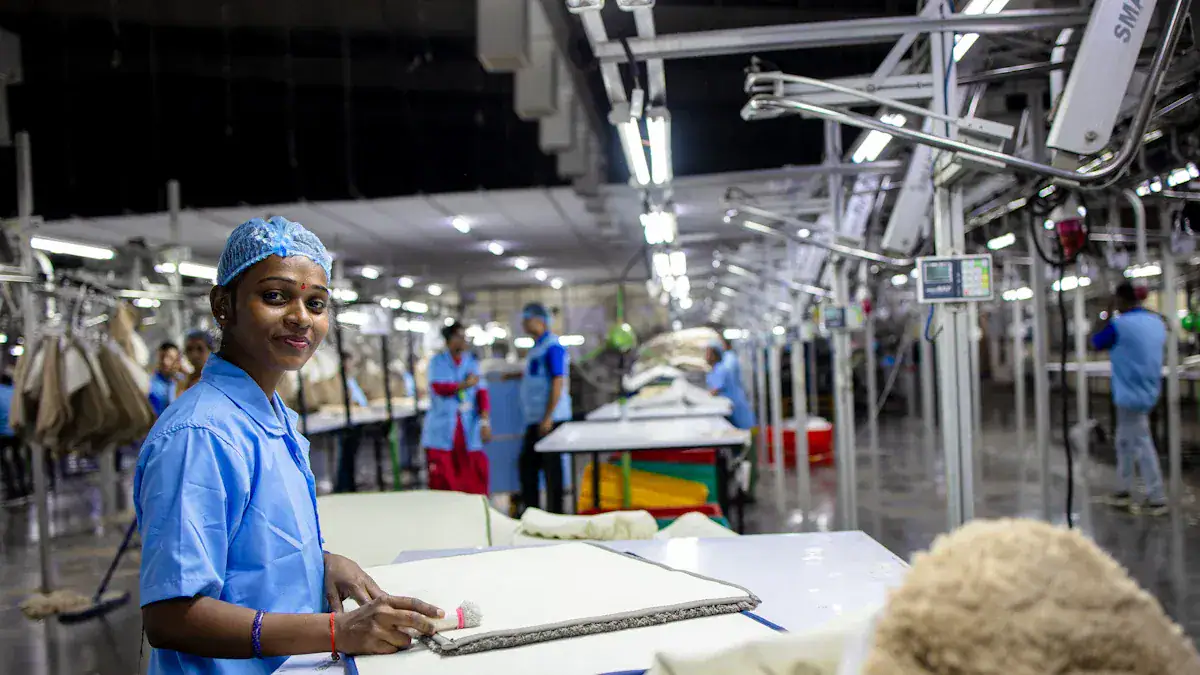
Taking care of different uniform fabrics requires specific washing protocols. I always check the care label before I start. This habit helps me avoid mistakes that could shorten the life of my uniforms. I also pay attention to the quality of materials during the raw material phase. Choosing durable fibers and strong construction techniques makes a big difference in how long my uniforms last.
Cotton
Cotton uniforms feel comfortable and breathe well. I use the right temperature settings to keep them in good shape.
Temperature Settings
I learned that the water temperature affects both stain removal and fabric durability. Here is how I choose the best setting for my cotton uniforms:
Cold water works best for delicate items and colors that might bleed. It prevents shrinkage and removes protein-based stains like dairy or beverages.
Warm water suits lightly soiled cotton uniforms. It helps detergent dissolve and reduces fading or shrinkage.
Hot water is great for white uniforms. It sanitizes and removes tough stains but can shrink delicate fabrics.
Tip: I always sort my uniforms by color and soil level before washing to get the best results.
Stain Removal
When I see a stain on my cotton uniform, I act fast. I pretreat the spot with a gentle stain remover. For tough stains, I soak the uniform in warm water with a bit of detergent. I avoid scrubbing too hard to protect the fibers.
Polyester & Blends
Polyester and blended uniforms resist wrinkles and dry quickly. However, improper washing can damage them.
Preventing Pilling
I turn my uniforms inside out before washing. This step reduces friction and helps prevent pilling. I use a gentle cycle and avoid overloading the machine.
Special Instructions
I follow these steps to keep my polyester uniforms in top condition:
I wash with cold or warm water to prevent fading and shrinkage.
I never use high heat, which can cause loss of shape and functionality.
Specialty Materials
Some uniforms use specialty fabrics like performance blends or technical textiles. These need extra care.
Hand vs. Machine Wash
For delicate uniforms, I often hand wash them in cold water with a gentle detergent. If I use a machine, I select a gentle cycle and turn the uniform inside out to protect logos and colors.
Professional Cleaning
Sometimes, I take my uniforms to a professional cleaner, especially if the care label suggests it. I avoid fabric softeners and bleach. I always air dry or use a low-heat setting to keep the fabric strong.
Note: I rotate my uniforms and store them in a cool, dry place. This habit reduces wear from frequent washing and keeps my uniforms fresh.
Uniforms Storage
Storage Environment
Moisture Control
I always make sure my uniforms stay dry in storage. Moisture can cause mold, mildew, and fabric damage. I use silica gel packets in my closet to absorb extra moisture. I also installed a small dehumidifier to keep the air dry. Plastic-coated shelves help prevent water damage if there is a spill. Cedar wood blocks add a fresh scent and absorb moisture. I leave enough space between my uniforms for air to circulate. I always check that my uniforms are completely dry before I put them away.
Here are my top moisture control tips:
Place silica gel packets in storage areas.
Use a dehumidifier in the wardrobe.
Install plastic-coated shelves.
Add cedar wood for moisture absorption.
Keep closet doors open for ventilation.
Leave space between clothes.
Store only dry uniforms.
Tip: Proper moisture control keeps uniforms fresh and prevents mold.
Sunlight Protection
Sunlight can damage uniforms during storage. I avoid placing my uniforms near windows or direct sunlight. Fabrics with poor light fastness fade quickly, which leads to uneven color and makes the uniform unusable. I dry my uniforms in the shade and make sure there is good airflow.
Effect of Sunlight on Fabrics | Description |
|---|---|
Color Fading | Fabrics with poor light fastness fade more quickly in sunlight, leading to uneven color distribution. |
Usability | Uneven color makes the garment unusable despite its initial uniformity. |
I learned that fabrics that fade easily should not be exposed to sunlight for long periods. I always store my uniforms in a dark, cool place.
Organization
Garment Bags
I use breathable cotton garment bags for seasonal storage. These bags protect my uniforms from dust and moisture. Wide, non-slip hangers help my uniforms keep their shape, especially linen garments. I avoid plastic bags because they trap moisture.
Labeling
Labeling makes it easy to find the right uniform. I attach tags with my name and role to each garment bag. I also organize my uniforms by type and color. This system helps me keep track of what I have and what needs cleaning or repair.
Note: Efficient organization ensures my uniforms stay accessible and in good condition.
I use a simple inventory system to track sizes, quantities, and uniform condition. Technology like apps and online platforms helps me place orders and monitor inventory. This approach keeps my uniforms available and well maintained.
Travel Storage
Packing Tips
When I travel with uniforms, I choose a hard-sided suitcase to protect them. I use packing cubes to keep clothes organized and reduce movement. I fold each uniform carefully to minimize wrinkles. Layering delicate items with softer clothes helps cushion them. I avoid overpacking to prevent shifting and wrinkling.
My travel packing routine includes:
Using packing cubes and organizers.
Folding uniforms with care.
Layering delicate items.
Choosing a hard-sided suitcase.
Hanging uniforms in the bathroom while showering to release creases.
Spraying with fabric freshener to relax wrinkles.
Emergency Kits
I always pack a small emergency kit for uniform care. My kit includes a stain remover pen, a mini sewing kit, and a travel-size fabric freshener. I add a steamer or iron for quick touch-ups. This kit helps me handle spills, wrinkles, and minor repairs on the go.
Tip: A well-prepared emergency kit keeps uniforms looking sharp during travel.
Quick Repairs & Maintenance
Common Fixes
Buttons & Seams
I often find loose buttons or seams on my uniforms. I keep a small sewing kit in my locker. When a button falls off, I sew it back on right away. I use strong thread and make sure the button feels secure. For seams that start to split, I stitch them before the hole gets bigger. Quick repairs like these help my uniforms last longer and look neat.
Here is a table that shows how different repair methods can extend the life of uniforms:
Repair Type | Description | Impact on Garment Life |
|---|---|---|
Repairing | Restoring a faulty clothing product (e.g., sewing a loose button) | Extends technical lifetime |
Altering | Adjusting the fit of a clothing product (e.g., hemming trousers) | Extends technical lifetime |
Upcycling | Transforming unwanted clothes into something valuable (e.g., turning trousers into shorts) | Prolongs aesthetic lifetime |
Repurposing | Changing a garment’s form for a new use (e.g., turning a shirt into a pillowcase) | Prolongs aesthetic lifetime |
Patching Holes
Small holes can appear in high-wear areas like elbows or knees. I patch these spots with fabric that matches my uniform. I cut the patch slightly larger than the hole and sew it on with tight stitches. This method stops the hole from growing and keeps my uniform strong. I check for fraying edges and trim them before patching.
Preventative Care
Inspections
I inspect my uniforms every week. I look for loose threads, missing buttons, and thin spots in the fabric. Regular inspections help me catch problems early. I fix small issues before they become big repairs.
I check seams and hems for loose stitching.
I look for stains or discoloration.
I inspect pockets and collars for wear.
I check for missing or loose buttons.
Reinforcement
I reinforce weak areas before they tear. I add extra stitching to stress points like cuffs and pockets. I use iron-on patches inside my uniforms for extra strength. This routine helps me avoid major repairs and keeps my uniforms ready for work.
Tip: Regular inspections and reinforcement reduce the need for major repairs. I save time and money by preventing problems before they start.
Replace vs. Repair
Damage Signs
I decide whether to repair or replace a uniform by checking the damage. If the fabric feels thin or has large holes, I consider replacement. If stains do not come out after several washes, I look for a new uniform. I also check if repairs would change the look or fit of my uniform.
Cost Analysis
I compare the cost of repair to the price of a new uniform. If repairs cost more than half the price of a replacement, I choose to buy new. I also think about how the damage happened. If it occurred during work, I report it to my supervisor.
Here is a table that helps me decide between repairing and replacing:
Criteria | Description |
|---|---|
Extent of Damage | Assessing how severe the damage is to determine if it can be repaired or needs replacement. |
Cost of Repair vs Replacement | Evaluating the financial implications of repairing the uniform compared to replacing it entirely. |
Circumstances of Damage | Considering the context in which the damage occurred, such as if it was in the line of duty. |
Note: Careful decisions about repairs and replacements help me manage my uniform budget and keep my workwear in top condition.
Employee Uniform Program Management
Managing an employee uniform program has transformed how I approach workwear care and cost control. I have seen firsthand how investing in high-quality uniforms and smart technology solutions improves durability, efficiency, and sustainability. I want to share my experience with uniform program management and explain why these strategies matter.
Quality Uniforms
Selecting quality uniforms is the foundation of any managed uniform program. I always look for uniforms that meet industry standards and offer long-term value.
Durable Materials
I choose uniforms made from durable materials. These uniforms withstand frequent washing and tough work environments. I check for reinforced seams, strong zippers, and fabrics that resist wear and tear. I also look for uniforms that pass strict quality control inspections. Here is a table that highlights the key characteristics I consider when selecting high-quality uniforms:
Characteristic | Description |
|---|---|
Safety | Features like flame resistance, antimicrobial finishes, and reflective strips protect workers. |
Functionality | Pockets and tool loops add utility for daily tasks. |
Material Quality | Fabrics are tested for durability, colorfastness, and resistance to environmental factors. |
Compliance | Uniforms meet safety and performance standards set by organizations like OSHA and NFPA. |
Quality Control | Inspections and random sampling ensure consistent quality. |
Customization | Options for fit and features meet unique company needs. |
I always prioritize comfort. Uniforms should feel good to wear and allow easy movement. I prefer uniforms that do not require dry cleaning or ironing. Easy cleaning saves time and money. I also consider sustainability. I look for uniforms made from recycled polyester, organic cotton, or bamboo blends. These materials reduce environmental impact and support ethical practices.
Stain Resistance
Stain-resistant uniforms have changed my approach to maintenance. I work in environments where spills and stains happen daily. Uniforms with stain-resistant finishes last longer and look better. I spend less time pretreating stains and more time focusing on my job. Stain-resistant uniforms reduce replacement costs and keep my managed uniform program on budget. I follow a structured maintenance plan to maximize garment lifespan and avoid unnecessary spending.
Tip: Investing in stain-resistant uniforms saves money and keeps employees looking professional.
Workwear Automation
Automating my employee uniform program has made a huge difference. I use smart solutions to track, distribute, and clean uniforms efficiently.
Garment Availability
I rely on automated systems to ensure uniforms are always available. Employees can access clean uniforms quickly, which improves satisfaction and productivity. Real-time tracking helps me monitor inventory and usage patterns. I never worry about running out of uniforms or missing sizes. Automated solutions streamline operations and reduce manual handling.
Benefit | Description |
|---|---|
Improved Efficiency | Operations run smoothly with less time spent searching for uniforms. |
Cost Savings | Automation reduces theft and optimizes inventory, saving money. |
Enhanced Employee Satisfaction | Employees appreciate easy access to clean uniforms. |
Better Inventory Management | Real-time tracking ensures uniforms are available and usage is monitored. |
Laundry Cost Reduction
Smart uniform program management has helped me cut laundry costs. I optimize wash cycles and work with efficient vendors. After six months, I saw a 25% reduction in laundry expenses. Automated systems help me avoid overwashing and extend the life of uniforms. I track usage and schedule cleaning only when needed. This approach supports sustainability and keeps costs low.
Note: Workwear automation makes uniform program management more efficient and cost-effective.
RFID Solutions
RFID technology has revolutionized how I manage uniforms. I use RFID tags to track every uniform in my managed uniform program.
Traceability
RFID solutions give me real-time visibility into uniform usage and inventory status. Each uniform has a digital trail that shows ownership and usage history. I can monitor wear patterns and schedule repairs before uniforms become unusable. RFID tagging helps me make sustainable choices, such as repairing instead of replacing uniforms. I also use online management portals to analyze data and make informed decisions.
Real-time visibility provides immediate data on uniform status.
Detailed audit trails support health and safety compliance.
Life-cycle management extends the lifespan of uniforms and reduces waste.
Loss Prevention
RFID solutions help me prevent loss and misuse. I track every uniform and identify discrepancies quickly. Real-time tracking reduces theft and misplacement. I maintain accurate inventory and avoid over-ordering. RFID technology supports compliance and makes reporting easy. I feel confident knowing my managed uniform program is secure and efficient.
Increased security prevents theft and loss.
Accurate garment traceability ensures the right number of uniforms per employee.
Automated reporting saves time and resources.
Insight into repairs and wear patterns improves uniform program management.
Tip: RFID solutions make uniform program management smarter, more secure, and more sustainable.
I believe technology-driven management solutions are essential for modern uniform care. I use 3D body scanning to customize uniform fit and reduce waste. Online portals help me control inventory and analyze usage. Wearable tech improves communication and efficiency. These innovations support sustainability and keep my employee uniform program running smoothly.
I focus on simple steps to keep my uniforms durable and fresh. I wash uniforms regularly in cold water and use mild detergents to protect colors and fibers. Air drying helps preserve shape and elasticity. I invest in quality uniforms because they last longer and look better. I also use chemical treatments like acid or alkaline hydrolysis to boost fabric durability. Grafting conductive polymers onto polyester improves stability during washing. I always review my care routine and look for new ways to optimize uniform management.
FAQ
How often should I wash employee uniforms?
I wash employee uniforms after each shift if they get dirty or smelly. For less demanding jobs, I wash them every two or three wears. Regular washing keeps uniforms fresh and extends their lifespan.
What is the best way to remove tough stains from uniforms?
I treat stains as soon as I notice them. I use dish soap for grease and enzymatic cleaners for protein stains. Quick action helps prevent stains from setting and keeps employee uniforms looking professional.
Can I use a dryer for my uniforms?
I prefer air drying to preserve fabric quality. Using a dryer can cause shrinkage and fading. Air drying saves energy and helps employee uniforms last longer.
How do I organize uniforms for easy access?
I use labeled garment bags and sort employee uniforms by type and color. This system helps me find what I need quickly and keeps my uniforms in good condition.
What features should I look for in durable employee uniforms?
I choose uniforms with reinforced seams, stain resistance, and high-quality fabrics. These features help employee uniforms withstand frequent washing and tough work environments.
How does uniform management software help with uniform care?
Uniform management software tracks inventory, schedules cleaning, and monitors usage. I rely on it to keep employee uniforms available and reduce costs. This technology streamlines my uniform program.
What should I include in a uniform emergency kit?
I pack a stain remover pen, sewing kit, and fabric freshener. These items help me fix minor issues and keep employee uniforms looking sharp during travel or emergencies.
How do I know when to replace a uniform instead of repairing it?
I check for thin fabric, large holes, or stains that will not come out. If repairs cost more than half the price of a new uniform, I choose to replace it.