

A Complete Guide to Jersey Shirt Materials and Their Unique Benefits
Table of Contents
Display
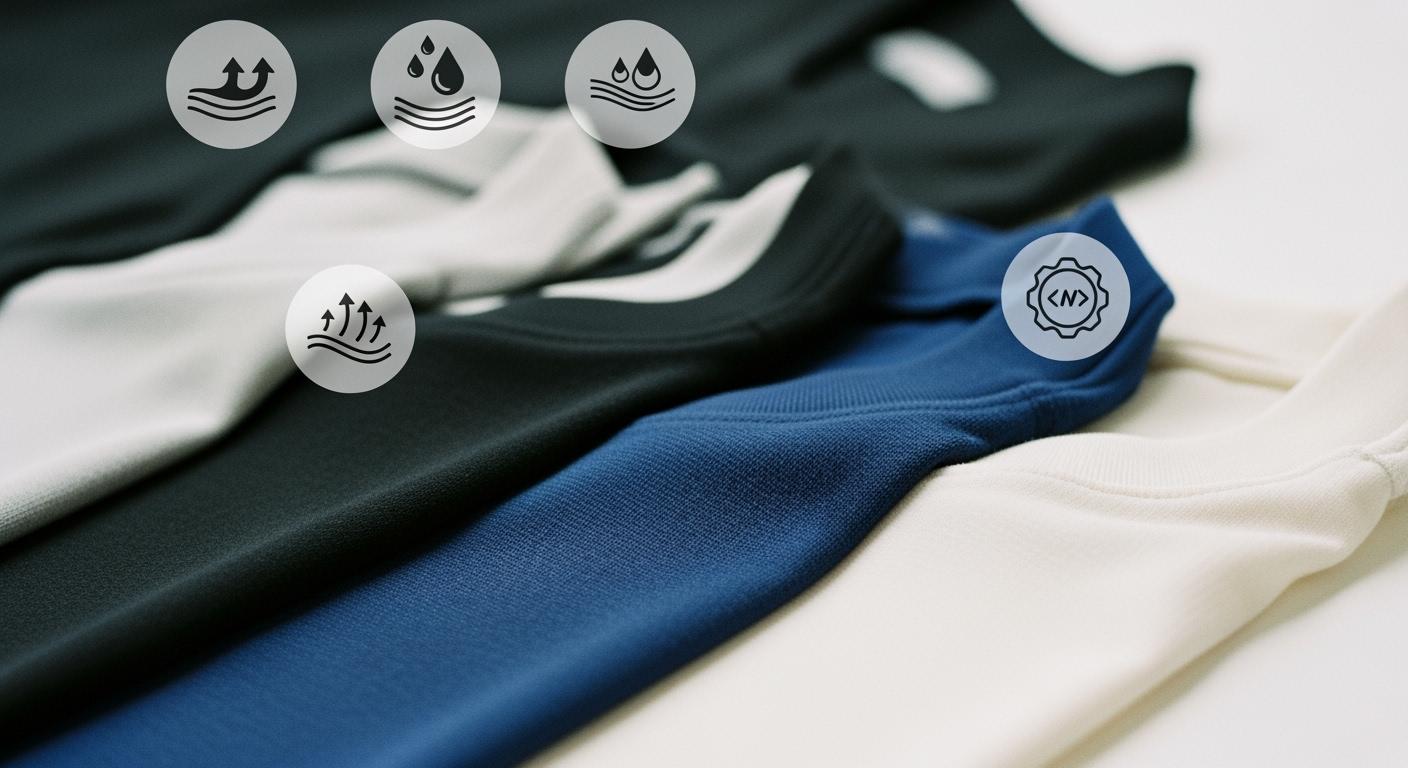
You want a jersey shirt that feels comfortable and looks great. The material you choose plays a big role in how your shirt fits, stretches, and breathes. Jersey fabric uses a knit structure that creates a soft and flexible feel. Cotton jersey provides breathability, polyester jersey offers durability and moisture control, spandex blends add stretch, and modal jersey gives a silky touch. Each type brings unique benefits, helping you find the best option for your needs.
Key Takeaways
Choose jersey fabric based on comfort, breathability, and stretch to enhance your wearing experience.
Cotton jersey is soft and breathable, making it ideal for casual wear and everyday comfort.
Polyester jersey excels in durability and moisture control, perfect for sports and active lifestyles.
Blended jersey fabrics combine the best features of different materials, offering versatility for various occasions.
Modal and rayon jersey provide a luxurious feel, making them great for stylish and comfortable outfits.
Bamboo and wool jersey are eco-friendly options that offer comfort and sustainability.
Always check the care label to maintain the quality and longevity of your jersey shirts.
Consider your climate and activities when selecting jersey fabric to ensure optimal comfort and performance.
What Is Jersey Fabric?
Jersey Fabric Origins
You might wonder where jersey fabric comes from and how it became so popular. The story begins centuries ago.
The earliest knit-like textiles appeared in Egypt during the 11th century CE, created with a technique called nalbinding.
True knitting developed in the Middle East and spread to Europe through trade, making production faster and patterns more complex.
By the 14th century, hand-knitted stockings were in high demand across Europe, leading to the rise of knitting guilds that set standards for the trade.
These milestones helped shape the jersey fabric you see today in shirts, sportswear, and everyday clothing.
Key Properties of Jersey Fabric
Jersey fabric stands out because of its unique construction. Technically, it is a knitted textile made by intertwining a single yarn to form loops in a single row. This method sets it apart from woven fabrics, which use multiple yarns crossing at right angles. The result is a soft, stretchy knit that conforms to your body and feels comfortable all day.
You will notice several key features when you wear a jersey shirt:
Stretchy and flexible, allowing for easy movement.
Soft and comfortable against your skin.
Durable, so your shirt keeps its shape and lasts longer.
Breathable and moisture-wicking, which helps you stay cool and dry.
Easy to care for and maintain, making laundry simple.
Tip: Jersey fabric’s stretch and softness make it a favorite for T-shirts, activewear, and even dresses.
Why Jersey Fabric Is Popular
You see jersey fabric everywhere because it offers so many benefits. Its softness makes it pleasant to wear, while excellent stretchability gives you freedom to move. The breathable nature of the fabric helps regulate your body temperature, which is especially helpful during physical activity. Durability means your clothes keep looking good after many washes.
Jersey fabric is also versatile. You can find it in a wide range of products, from casual shirts to sportswear and even underwear. Designers love it because it adapts to different styles and needs. The fabric is easy to care for and generally affordable, so you get great value for your money.
When you explore the types of jersey fabrics, you will see how each one brings its own strengths to the table. Whether you want comfort, performance, or style, jersey fabric gives you plenty of options.
Types of Jersey Fabrics
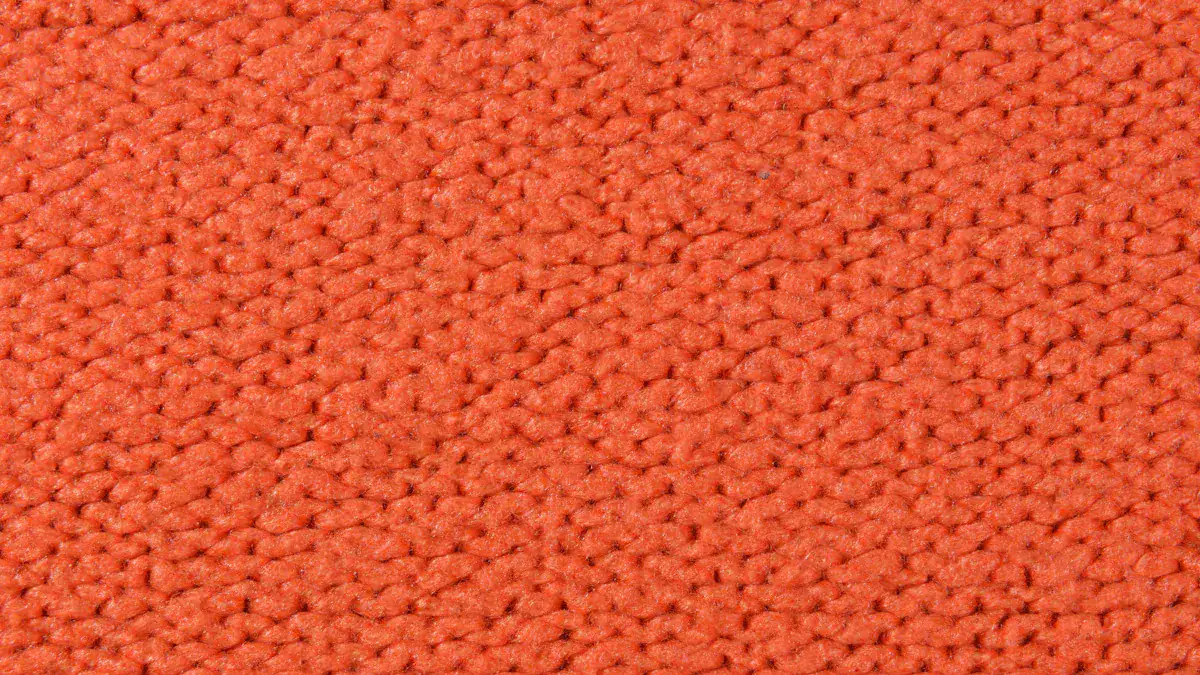
When you explore the types of jersey fabrics, you discover a wide range of options. Each type offers unique benefits for comfort, performance, and style. Understanding the differences helps you choose the best jersey clothing material for your needs.
Cotton Jersey
Cotton jersey stands out as one of the most popular t-shirt materials. You find it in everything from basic tees to premium shirts. This fabric uses a single knit construction, which gives it a smooth surface and a soft touch.
Softness and Comfort
You will notice that cotton jersey feels soft and lightweight against your skin. The smooth texture makes it ideal for daily wear. Many people choose this textile for its high comfort level. The following table compares softness and comfort ratings:
Fabric Type | Softness | Comfort Level | Additional Notes |
|---|---|---|---|
Cotton Jersey | Soft and lightweight | High | Stretches easily, smooth on skin |
Preshrunk Cotton | Firmer | Moderate | Maintains shape, less soft initially |
Cotton jersey stretches easily, which adds to its comfort. You can wear it all day without feeling restricted.
Stretch and Breathability
Cotton jersey fabric provides excellent breathability. It absorbs sweat and moves moisture away from your skin, helping you stay cool. The knit structure allows for natural stretch, so you get freedom of movement. However, it does not have the same stretch and recovery as spandex jersey or blended fabrics. If you need more flexibility, you might prefer a blend.
Note: Cotton jersey works well for casual shirts, loungewear, and even baby clothes because of its breathability and comfort.
Polyester Jersey
Polyester jersey is a top choice for activewear and sports. This fabric uses synthetic fibers that offer impressive durability and performance.
Durability and Performance
You will find that polyester jersey resists stretching, shrinking, and abrasion. This makes it ideal for high-intensity activities, such as soccer or hockey. The table below shows how polyester compares to other jersey clothing material options:
Fabric Type | Performance in Sportswear | |
|---|---|---|
Polyester | Extremely strong, high resistance to stretching, shrinking, and abrasion | Ideal for high-intensity sports like soccer |
Cotton | Fibers break down faster under frequent washing and abrasion | Less suitable for high-performance |
Blended | Combines durability of polyester with comfort of cotton | Balanced, but less optimal for competition |
You can rely on polyester jersey for long-lasting wear, even after many washes.
Moisture Management
Polyester jersey fabric excels at moisture management. Advanced technologies, such as micro-polyester fibers and special chemical treatments, help move sweat away from your skin. The process works in four steps:
Moisture absorption: The fabric pulls sweat from your skin.
Transport: Capillary action moves moisture through the fabric.
Distribution: Moisture spreads across the outer surface.
Evaporation: Airflow helps moisture evaporate quickly.
Some brands use special technologies like CS Tech™ or CS GLIDE™ to enhance moisture-wicking and keep you cool. You will notice that polyester jersey dries faster than cotton, making it a favorite for sports and outdoor activities.
Tip: If you need a hockey jersey material or a shirt for intense workouts, polyester jersey offers the best performance and durability.
Blended Jersey Fabrics
Blended jersey fabrics combine two or more fibers to balance comfort, durability, and style. You often see blends like cotton-polyester or tri-blends in modern jersey clothing material.
Common Blends (Cotton-Polyester, Tri-Blends)
The most popular blends include cotton-polyester and tri-blends (cotton, polyester, and rayon). These blends offer the benefits of each fiber. For example:
Fabric Blend | Applications | Benefits |
|---|---|---|
Cotton Jersey | T-shirts, polos, underwear, bedding | Absorbent, breathable, soft, stretchy |
Viscose and Cotton | Dresses | Enhances figure, improves luster and softness |
Viscose and Polyester | Sweat pants, sportswear | Stretchy, moisture-wicking, prevents chafing, breathable |
Tri-blend fabrics give you a luxurious feel, durability, and reduced shrinkage. You can wear them for both casual and athletic activities.
Versatility and Value
Blended jersey fabrics provide versatility and value. You get the breathability and softness of cotton, the durability of polyester, and the drape of rayon. These different types of jersey fabric suit a wide range of uses, from everyday shirts to performance wear. Tri-blends, in particular, offer a balance of comfort and performance, making them a smart choice for many lifestyles.
Note: The choice between single-fiber and blended jersey fabrics depends on your preferences and needs. Blends often provide better stretch and recovery, which helps your shirt keep its shape.
When you compare the types of jersey fabrics, you see that each material brings something special. Cotton jersey offers comfort and breathability. Polyester jersey delivers durability and moisture control. Blended fabrics give you the best of both worlds. By understanding these options, you can select the right jersey fabric for any occasion.
Modal and Rayon Jersey
Luxury Feel
You experience a true sense of luxury when you wear modal and rayon jersey fabric. These types of jersey fabrics stand out for their exceptional softness and smooth texture. You notice the difference as soon as the textile touches your skin. Modal jersey offers silky softness and breathability, making it ideal for garments that come into direct contact with your body. You often find this jersey clothing material in underwear, loungewear, and bed sheets because it feels gentle and comfortable.
Softness that rivals the finest cotton jersey
Breathability that keeps you cool and dry
Moisture-wicking properties for added comfort
Silky texture that feels luxurious against your skin
You choose modal and rayon jersey when you want a shirt that feels premium and looks elegant. The fabric’s ability to wick moisture away from your skin helps you stay fresh throughout the day. You get a comfortable fit that lasts, even after repeated washing.
Tip: Modal jersey is perfect for t-shirt materials when you want a soft, breathable, and luxurious feel.
Lightweight and Drape
You appreciate modal and rayon jersey for their lightweight nature and excellent drape. These fabrics move with you, creating a fluid silhouette that flatters your shape. Modal jersey is soft, smooth, and drapes beautifully, making it a top choice for warm weather clothing. Rayon jersey offers more drape and fluidity than cotton jersey, which tends to be more stable.
Modal jersey is breathable and ideal for summer wear
Rayon jersey provides a flowing look that enhances style
Both fabrics are lightweight and drape well compared to other jersey clothing material options
You notice that modal and rayon jersey shirts feel light and airy, making them comfortable for all-day wear. The fabric’s drape adds elegance to casual and dressy outfits. You get a stylish appearance without sacrificing comfort or performance.
Bamboo and Wool Jersey
Eco-Friendly Options
You make a positive impact on the environment when you choose bamboo and wool jersey fabric. Bamboo grows quickly without the need for replanting, making it highly sustainable. Its roots prevent soil erosion and contribute to environmental conservation. Bamboo fabric is soft, breathable, and wicks moisture, making it suitable for many clothing applications.
Bamboo is a fast-growing, renewable resource that needs minimal water and no pesticides
It naturally absorbs carbon dioxide, improving air quality
Bamboo fabric is biodegradable and decomposes without polluting the environment
The strong root system of bamboo helps prevent soil erosion and improves soil quality
Bamboo requires less water than cotton, making it a sustainable choice in water-scarce regions
It resists pests naturally, so you avoid harmful chemical pesticides
Bamboo fabric offers a greener solution compared to conventional cotton, which uses more resources
You also find wool jersey to be eco-friendly. Wool is a renewable resource, and its production often supports sustainable farming practices. You choose bamboo and wool jersey when you want a jersey clothing material that aligns with your values and supports environmental health.
Warmth and Texture
You notice a clear difference in warmth and texture when you compare bamboo and wool jersey to traditional cotton jersey and polyester jersey. Bamboo fabric provides mild insulation, making it suitable for warm climates. Wool jersey offers excellent insulation and temperature regulation, which is ideal for colder weather. The table below highlights these differences:
Fabric Type | Warmth | Texture |
|---|---|---|
Bamboo | Mild insulation, good for warm climates | Soft, buttery, silky |
Wool | Excellent insulation, temperature regulation | Durable, breathable |
Cotton | Better thermal retention, ideal for winter | Varies, can feel heavy in heat |
Polyester | Less breathable, retains heat | Smooth, synthetic feel |
You feel the softness and moisture-wicking properties of bamboo fabric, which keeps you cool in hot conditions. Wool jersey provides warmth and breathability, making it a favorite for winter shirts and hockey jersey material. You get durability and comfort, whether you need mild insulation or protection from the cold.
Note: Bamboo dissipates body heat faster than cotton in hot weather, while cotton offers better thermal retention for winter wear.
You select bamboo and wool jersey when you want different types of jersey fabric that deliver both eco-friendly benefits and superior comfort. These materials offer unique warmth, texture, and performance compared to other jersey clothing material options.
Jersey Shirt Materials and Their Benefits
Comfort and Softness
You want your jersey shirt to feel soft and gentle every time you wear it. The comfort you experience comes from the unique knit structure of jersey fabric. This textile uses loops that create a smooth surface and a flexible feel. You notice that cotton jersey and modal blends stand out among t-shirt materials for their softness. The way the stitches are arranged in the jersey clothing material affects how the fabric feels against your skin.
Researchers have found that several factors influence comfort in jersey fabric. The number and percentage of tuck stitches, the ratio of tuck to knit stitches, and the location of these stitches all play a role. These details impact air permeability, thermal resistance, and moisture management. You can see how these parameters affect your experience in the table below:
Parameter | Description |
|---|---|
NTS | Number/percentage of tuck stitches affects fabric properties. |
RTKS | Ratio of tuck to knit stitches influences comfort. |
LTS | Location/positioning of tuck stitches impacts thermal resistance and moisture management. |
Air Permeability | Affected by stitch type, contributing to comfort. |
Thermal Resistance | Influenced by fabric structure, essential for comfort. |
Moisture Management | Critical for maintaining comfort in jersey fabrics. |
You feel the difference when you choose a jersey clothing material with a higher ratio of tuck stitches. The fabric becomes softer and more breathable. Modal and rayon jersey shirts offer a silky touch, while cotton jersey provides a classic soft feel. Spandex jersey adds extra stretch and recovery, making the shirt comfortable for active movement.
Tip: If you want maximum comfort, look for jersey shirts made from modal blends or cotton jersey with a smooth finish.
Breathability and Moisture Control
You stay cool and dry when your jersey shirt uses a fabric with excellent breathability and moisture control. Jersey fabric stands out because its knit structure allows air to flow easily. You notice that cotton jersey and mesh fabrics have higher air permeability, which helps regulate your body temperature.
Laboratory tests use the Moisture Management Tester (MMT) to measure how quickly a jersey clothing material absorbs and spreads moisture. Wetting time, absorption rate, and spreading speed all matter for keeping you comfortable. The table below shows how different fabrics compare in air permeability:
Fabric Type | Air Permeability (L/m²/s) |
|---|---|
Mesh Fabric | 500 – 3000 |
Cotton | 100 – 300 |
Linen | 200 – 500 |
Polyester | 50 – 200 |
Wool | 10 – 150 |
GORE-TEX | 5 – 15 |
You see that mesh and cotton jersey clothing material allow more air to pass through, making them ideal for warm weather. Polyester jersey offers lower air permeability but excels in moisture-wicking. You find this material in sportswear and hockey jersey material because it moves sweat away from your skin quickly. Spandex jersey also helps with moisture control, especially during intense activities.
Air Permeability Testing measures how much air passes through the fabric.
Moisture Vapor Transmission Rate (MVTR) shows how much water vapor escapes.
Thermal Resistance tells you how well the textile retains heat.
You choose jersey fabric with high breathability for summer shirts and select polyester jersey for athletic wear. Both options help you stay comfortable and dry.
Durability and Longevity
You want your jersey shirt to last through many washes and wears. The durability of jersey clothing material depends on the fiber blend and the structure of the fabric. Polyester jersey and poly-spandex blends offer the highest durability, making them perfect for activewear and sports. Cotton jersey provides a softer feel but may show signs of wear sooner.
You can compare the durability scores and common use cases in the table below:
Fiber Blend | Durability Score | Common Use Case |
|---|---|---|
100% Cotton | ★★☆☆☆ | T-shirts, casualwear |
Modal + Spandex | ★★★★☆ | Bodycon dresses |
Polyester + Spandex | ★★★★★ | Activewear, leggings |
You also see how different jersey clothing material types perform in terms of shrinkage, pilling, and color retention:
Fabric Type | Shrinkage | Pilling | Color Retention | Verdict |
|---|---|---|---|---|
Basic Cotton Jersey | 3% | Yes | Slight fade | Casualwear only |
Modal Blend Jersey | <1% | No | Very good | Great for dresses |
Poly-Spandex Jersey | <1% | No | Excellent | Highly durable |
You extend the life of your jersey shirt by following simple care tips:
Use cold wash cycles and mild detergents.
Air dry your shirt instead of using high-heat tumble drying.
Avoid overstretching the jersey clothing material during ironing or hanging.
You notice that polyester jersey and spandex jersey resist shrinking and pilling, keeping your shirt looking new. Modal blends hold color well and rarely pill. Cotton jersey may shrink or fade over time, so you use it for casual wear. You select the right jersey clothing material based on how much durability you need for your lifestyle.
Stretch and Flexibility
You want your jersey shirt to move with you, not against you. Stretch and flexibility set jersey fabric apart from many other t-shirt materials. The knit structure of this textile allows it to expand and recover, which means you get a shirt that adapts to your body and your movements.
Jersey clothing material uses loops in its construction. These loops give the fabric a natural stretch. When you pull on the shirt, the loops open up. When you let go, the loops return to their original shape. This property makes jersey fabric ideal for activities that require a wide range of motion.
You can see the differences in stretch and flexibility among common jersey clothing material options in the table below:
Jersey Clothing Material | Stretch Level | Flexibility | Best Use Cases |
|---|---|---|---|
100% Cotton Jersey | Moderate | Good | Everyday wear, casual shirts |
Polyester Jersey | High | Excellent | Sports, activewear |
Cotton-Polyester Blend | High | Excellent | Versatile, daily activities |
Modal or Rayon Jersey | Very High | Superior | Fitted shirts, loungewear |
Poly-Spandex Jersey | Maximum | Outstanding | Performance, yoga, athletics |
You notice that adding synthetic fibers like spandex or elastane increases the stretch even more. Poly-spandex blends, for example, offer outstanding flexibility. You can stretch these shirts in any direction, and they snap back to their original shape. This makes them perfect for sports, yoga, or any activity where you need freedom of movement.
Tip: If you want a jersey shirt that holds its shape after repeated stretching, look for blends with spandex or elastane.
You also benefit from the flexibility of jersey clothing material in everyday life. You can reach, bend, or twist without feeling restricted. The fabric moves with you, so you stay comfortable whether you are at work, at the gym, or relaxing at home.
You should check the label when shopping for jersey clothing material. Look for terms like “stretch jersey,” “spandex blend,” or “elastane content.” These indicate a higher level of flexibility. You get a better fit and more comfort from these options.
You can rely on jersey fabric for both casual and performance needs. The stretch and flexibility of this textile make it a top choice for anyone who values comfort and movement in their clothing.
Comparing Jersey Clothing Material for Different Uses

Sports Jersey Fabric
Best Materials for Athletic Performance
When you choose a sports jersey fabric, you want materials that support your performance and comfort. The best options use synthetic fibers like polyester and spandex. These fibers create lightweight, durable, and flexible shirts that help you move freely. You will notice that each sport has its own ideal blend and knit structure. The table below shows how different sports use specific jersey clothing material for the best results:
Sport | Ideal GSM | Fiber Blend | Knit Structure | Specific Requirements |
|---|---|---|---|---|
Basketball | 140-180 | 100% polyester or 95% poly/5% spandex | Mesh knit, Interlock | Moderate breathability, durability for contact |
Long-Distance Running | 90-130 | 85-90% polyester, 10-15% spandex | Specialized mesh, fine interlock | Maximum moisture-wicking, minimal weight |
Cycling | 120-160 | 85-88% polyester, 12-15% spandex | Interlock with mesh panels | Aerodynamic fit, targeted ventilation |
You see that basketball jersey fabric and football jersey fabric both rely on polyester blends for strength and breathability. Baseball jersey and cycling shirts often use mesh panels for extra ventilation. These choices help you stay cool and comfortable during intense activity.
Moisture-Wicking Features
You want your sports jersey fabric to keep you dry, even when you sweat. Moisture-wicking technology draws sweat away from your skin and spreads it across the fabric’s surface. This process helps sweat evaporate quickly, so you feel less sticky and more comfortable. Most moisture-wicking football jersey and basketball jersey fabric use synthetic fibers like polyester and nylon. These materials are lightweight and breathable, making them ideal for athletes.
Moisture-wicking technology manages sweat during physical activities.
It pulls moisture from your skin and spreads it for faster evaporation.
Synthetic fibers like polyester and nylon make the fabric light and breathable.
Brands like Nike and Adidas use advanced technologies in their sports jersey fabric. Nike Dri-FIT, for example, uses body mapping to add ventilation in high-sweat areas. Adidas AEROREADY features micro-ventilated designs that speed up evaporation. Under Armour HeatGear also uses special fabric construction to keep you cool and dry. When you pick a moisture-wicking football jersey or baseball jersey, you get a shirt that supports your performance and comfort.
Casual Jersey Shirt
Everyday Comfort
You want a jersey shirt that feels soft and comfortable for daily wear. Cotton jersey clothing material stands out for its breathability and gentle touch. You can wear it all day without irritation. Blended fabrics, such as cotton-polyester, add durability and stretch, making them perfect for casual shirts. These blends keep their shape and resist wrinkles, so you look neat with less effort.
Style Versatility
Casual jersey shirts offer a wide range of styles and colors. You can find everything from classic crewnecks to trendy V-necks. The flexibility of jersey clothing material lets you dress up or down with ease. You can pair a simple shirt with jeans for a relaxed look or layer it under a jacket for a smart-casual outfit. The stretch and softness of these fabrics make them a favorite for people who value comfort and style.
Fashion and Formal Jersey Shirt
Material Choices for Style
When you want a jersey shirt for fashion or formal occasions, you should look for materials that offer both elegance and comfort. Modal jersey is a popular choice because it feels incredibly soft and is biodegradable. Rayon jersey provides breathability and moisture-wicking, making it ideal for loungewear and sleepwear. Bamboo jersey is another eco-friendly option that feels soft and aligns with sustainability trends. These materials help you look stylish while staying comfortable.
Texture and Drape
The texture and drape of jersey clothing material play a big role in formal wear. Jersey fabrics have a smooth and soft texture that adds elegance to your outfit. Lighter jersey fabrics drape well and flatter your silhouette, making them suitable for formal dresses and blouses. However, jersey fabrics lack the structure needed for very formal garments. They work best for pieces that require a fluid, relaxed fit. You get a comfortable and elegant look, but the stretch and flexibility may give a more casual appearance than traditional formal wear.
Tip: Choose lighter jersey clothing material for a fluid drape and a polished look in formal settings.
Specialty Jersey Fabrics
Eco-Friendly and Sensitive Skin Options
You may want a jersey shirt that supports your health and the environment. Specialty jersey clothing material options give you choices that are gentle on your skin and kind to the planet. Many people look for alternatives to traditional sports jersey fabric because they want comfort without irritation or want to reduce their environmental impact.
You can choose from several eco-friendly jersey clothing material types. Bamboo single jersey stands out for its soft, silky texture and natural antibacterial properties. Hemp jersey offers excellent breathability and moisture evaporation, making it comfortable in warm conditions. Tencel, also known as Lyocell, provides a silky smooth feel and inhibits bacteria growth. These fabrics work well for sensitive skin and help you stay comfortable throughout the day.
Here is a comparison of specialty jersey clothing material options:
Fabric Type | Properties | Eco-Friendly | Hypoallergenic | Breathable |
|---|---|---|---|---|
Bamboo Single Jersey | Soft, silky texture, moisture-wicking, antibacterial properties | Yes | Yes | Yes |
Hemp | Excellent breathability, moisture evaporation, hypoallergenic | Yes | Yes | Yes |
Tencel (Lyocell) | Silky smooth texture, inhibits bacteria growth, comfortable and breathable | Yes | Yes | Yes |
You notice that these specialty jersey clothing material choices offer more than just comfort. Bamboo fabric feels soft and breathable, and it rarely causes allergic reactions. Hemp fabric keeps you cool and dry, which is important if you have sensitive skin or spend time outdoors. Tencel jersey clothing material feels smooth and helps prevent bacteria growth, so you stay fresh longer.
Bamboo fabric gives you a gentle touch and wicks moisture away from your skin.
Hemp fabric lets air flow easily, so you avoid overheating during activities.
Tencel jersey clothing material feels silky and resists bacteria, which helps if you have allergies.
You can wear these specialty jersey clothing material options for many activities. They work well for casual shirts, sports jersey fabric, and even for football jersey fabric or basketball jersey fabric if you want a softer, more sustainable choice. Some brands use bamboo or Tencel in baseball jersey designs to offer better breathability and comfort.
If you have sensitive skin, you should look for hypoallergenic jersey clothing material. These fabrics reduce the risk of irritation and keep you comfortable all day. You also help the environment when you choose eco-friendly options. Bamboo, hemp, and Tencel use fewer resources and create less waste than traditional sports jersey fabric.
Tip: When you shop for a jersey shirt, check the label for bamboo, hemp, or Tencel. These specialty jersey clothing material choices give you comfort, breathability, and peace of mind.
How to Choose the Right Jersey Shirt
Assessing Needs and Preferences
You start by thinking about what you want from your jersey shirt. Your daily routine, style, and comfort level all matter. If you prefer a soft feel, cotton jersey gives you a gentle touch and breathability. You might want a shirt that stretches and moves with you. Polyester jersey offers flexibility and durability, which suits active lifestyles. Modal and rayon jersey provide a silky texture for those who value luxury. You should also consider how often you plan to wear the shirt. Frequent use calls for materials that resist wear and tear.
Tip: Always check the label for fiber content. This helps you match the shirt to your comfort and style needs.
Climate and Activity Considerations
You need to match your jersey shirt material to your climate and activities. Warm weather calls for breathable fabrics. Cotton jersey and viscose jersey keep you cool and comfortable. If you live in a colder area, wool jersey provides warmth and a natural feel. Sports and gym activities require moisture-wicking and stretchy materials. Polyester jersey works best for these situations because it dries quickly and resists odor. French terry jersey gives you comfort and a crisp feel, making it ideal for lightweight sweaters and cardigans.
Here is a table to help you compare jersey materials for different needs:
Jersey Material | Key Characteristics | Best For |
|---|---|---|
Cotton jersey | Soft, breathable, low maintenance, odor-resistant | T-shirts, kids’ wear, dresses, pants, tank tops |
Polyester jersey | Light, smooth, stretchy, less breathable | Sportswear, gym wear |
Viscose jersey | Cold to touch, lightweight, excellent color, breathable | Wide trousers, draped dresses, maxi skirts |
French terry jersey | Crisp feel, comfort, can be mixed with polyester for warmth | Lightweight sweaters, cardigans, leggings |
Silk jersey | Soft, delicate, naturally stretchable, can be mixed with Lycra | Tunics, lingerie, skirts, cover-ups |
Wool jersey | Warm, natural feel, suitable for colder seasons | Ponchos, sweaters |
Ponti di Roma jersey | Provides structure, not drapey, stretchy with a mix of polyester, viscose, elastane | Bottom wear like skirts and trousers |
You see that each material fits a specific climate and activity. You choose cotton for summer and wool for winter. Polyester suits sports and gym sessions. Silk jersey works well for delicate outfits.
Budget and Value
You want to get the most value for your money. Cotton jersey shirts usually cost less and offer good durability for everyday wear. Polyester jersey gives you long-lasting performance, especially for sports, but may cost a bit more. Blended fabrics, such as cotton-polyester, balance price and quality. Modal and silk jersey shirts feel luxurious but often come at a higher price. Wool jersey provides warmth and durability, which justifies the investment for winter clothing.
You should compare prices and check for quality stitching. Well-made shirts last longer and save you money over time. You also look for sales or multi-pack deals to stretch your budget. If you want a shirt for special occasions, investing in modal or silk jersey makes sense. For daily use, cotton or blended jersey shirts offer the best value.
Note: You get better value when you match the material to your needs and care for your shirts properly.
Care and Maintenance Tips
You want your jersey shirts to look and feel great for as long as possible. Proper care helps you maintain softness, color, and shape. You can follow simple steps to keep your shirts in top condition.
Washing Your Jersey Shirts
You should always check the care label before washing. Most jersey shirts do best with cold water and gentle cycles. Hot water can shrink cotton jersey and fade colors. You can use a mild detergent to protect the fibers. Avoid bleach because it weakens the fabric and causes discoloration.
Turn shirts inside out before washing. This reduces friction and protects prints or logos.
Wash similar colors together. You prevent color bleeding and keep shirts vibrant.
Use a mesh laundry bag for delicate jersey fabrics like modal or rayon.
Drying and Ironing
You can air dry your jersey shirts to prevent shrinking and maintain their shape. High heat from dryers can damage fibers, especially in cotton and blended jerseys. If you use a dryer, select a low-heat setting.
Lay shirts flat on a clean towel to dry. This helps avoid stretching.
Hang shirts on padded hangers if you prefer to air dry vertically.
Iron on a low setting if needed. Place a cloth between the iron and the shirt to avoid direct heat.
Storing Jersey Shirts
You should store your shirts in a cool, dry place. Fold them neatly to prevent wrinkles. Hanging can stretch out the neckline, especially for heavier jersey fabrics.
Storage Method | Best For | Tips |
|---|---|---|
Folding | All jersey shirts | Stack loosely, avoid creases |
Hanging | Lightweight jerseys | Use padded hangers |
Drawer organizers | Small or thin shirts | Keep shirts separated |
Extending Lifespan
You can extend the life of your jersey shirts with a few extra steps. Rotate your shirts so you do not wear the same one every day. Spot clean stains quickly to prevent permanent marks. Avoid overloading the washing machine because friction wears out the fabric.
Tip: If you notice pilling, use a fabric shaver to remove fuzz and keep your shirt looking fresh.
You protect your investment by following these care and maintenance tips. Your jersey shirts stay soft, vibrant, and comfortable for many seasons.
Caring for Jersey Shirt Materials
Washing and Drying
You want your jersey shirts to stay soft and vibrant after every wash. Start by reading the care instructions on the label. Most jersey fabrics respond well to cold water and gentle cycles. Hot water can damage fibers and cause fading. Choose a mild detergent to protect the knit structure. Turn your shirts inside out before washing. This step helps preserve prints and reduces friction.
When drying, air drying works best for jersey shirts. Lay your shirt flat on a clean towel or hang it on a padded hanger. High heat from dryers can shrink cotton jersey and weaken synthetic blends. If you use a dryer, select a low-heat setting. Avoid over-drying, which can make the fabric stiff. You keep your shirts looking new by following these simple steps.
Tip: Wash similar colors together to prevent color bleeding and keep your shirts bright.
Preventing Shrinkage
You want your jersey shirts to fit well after every wash. Shrinkage often happens when you expose cotton or blended jersey fabrics to high temperatures. To prevent this, always use cold water for washing. Avoid hot water and high-heat drying cycles. Air drying helps maintain the original size and shape.
Check the label for fabric content. Cotton jersey shrinks more than polyester or modal blends. If you notice your shirt shrinking, switch to air drying and use a gentle wash cycle. You can also stretch the shirt gently while it is damp to restore its shape. Do not wring out jersey shirts, as this can distort the knit.
Here is a quick reference table for shrinkage prevention:
Fabric Type | Shrinkage Risk | Best Practice |
|---|---|---|
Cotton Jersey | High | Cold wash, air dry |
Polyester Jersey | Low | Low-heat dry, gentle wash |
Modal/Rayon Jersey | Very Low | Air dry, gentle wash |
You keep your shirts fitting well by controlling temperature and handling them gently.
Storing Jersey Shirts
You want your jersey shirts to stay fresh and wrinkle-free in storage. Fold your shirts neatly to avoid stretching the neckline. Stack them loosely in drawers or on shelves. Hanging works for lightweight jersey shirts, but use padded hangers to prevent shoulder marks. Heavy jersey fabrics can stretch if hung for long periods.
Store your shirts in a cool, dry place. Avoid direct sunlight, which can fade colors. If you use drawer organizers, separate shirts to prevent creasing. You can also roll shirts for travel to save space and reduce wrinkles.
Note: Rotate your shirts regularly so you do not wear out the same ones too quickly.
You maintain the quality of your jersey shirts by storing them properly. Simple habits help your shirts last longer and look their best.
Extending Lifespan
You want your jersey shirts to last as long as possible. You can achieve this by following a few smart habits and making small changes to your routine. You protect your investment and enjoy your favorite shirts for years.
Start by rotating your shirts. You avoid wearing the same jersey shirt several days in a row. This simple step reduces wear and tear. You give each shirt time to recover its shape and texture.
You should always follow the care instructions on the label. Manufacturers design these guidelines to help you maintain the fabric’s quality. You avoid common mistakes like using hot water or harsh detergents. You keep colors bright and fabric soft.
You can use gentle washing methods. You select cold water and a mild detergent. You turn shirts inside out before washing. This protects prints and reduces friction. You avoid overloading the washing machine. You give each shirt enough space to move freely.
Drying your jersey shirts properly makes a big difference. You air dry shirts whenever possible. You lay them flat on a clean towel or hang them on padded hangers. You avoid direct sunlight, which can fade colors. You use a low-heat setting if you must use a dryer.
You store your shirts in a cool, dry place. You fold them neatly to prevent stretching. You avoid hanging heavy shirts for long periods. You use drawer organizers to keep shirts separated and wrinkle-free.
You tackle stains quickly. You spot clean with a gentle stain remover. You dab the stain instead of rubbing it. You prevent permanent marks and keep your shirts looking fresh.
You can use a fabric shaver to remove pilling. You glide the shaver gently over the surface. You restore the smooth texture and improve the shirt’s appearance.
Here is a quick checklist to help you extend the lifespan of your jersey shirts:
Rotate shirts regularly
Follow care instructions
Wash with cold water and mild detergent
Turn shirts inside out before washing
Air dry or use low heat
Store shirts folded in a cool, dry place
Spot clean stains quickly
Use a fabric shaver for pilling
You follow these steps and notice your shirts stay soft, vibrant, and comfortable. You save money by replacing shirts less often. You enjoy your favorite jersey shirts for many seasons.
Tip: You can set a reminder to check your shirts for stains or pilling once a month. This habit helps you catch problems early and keep your shirts in top condition.
Action | Benefit | Frequency |
|---|---|---|
Rotate shirts | Reduces wear and tear | Weekly |
Follow care instructions | Maintains fabric quality | Every wash |
Air dry shirts | Prevents shrinking and fading | Every wash |
Spot clean stains | Prevents permanent marks | As needed |
Use fabric shaver | Removes pilling | Monthly |
You take these steps and extend the life of your jersey shirts. You enjoy lasting comfort and style.
You have many options when choosing a jersey shirt. Cotton, polyester, blends, modal, bamboo, and wool each offer unique benefits for comfort, durability, and style. Match the material to your needs and activities for the best results. Use this guide to make smart choices when shopping. Care for your shirts with gentle washing and proper storage. You will enjoy long-lasting comfort and performance.
FAQ
What is the difference between single jersey and double jersey fabric?
Single jersey uses one set of needles, creating a lightweight, stretchy fabric. Double jersey uses two sets, making the fabric thicker and less stretchy. You get more warmth and structure from double jersey.
Can you wear jersey shirts for sports and exercise?
You can wear jersey shirts for sports. Polyester and spandex blends wick moisture and stretch easily. These materials help you stay cool and move freely during workouts or games.
How do you prevent jersey shirts from shrinking?
Wash your jersey shirts in cold water. Air dry them or use a low-heat setting. Cotton jersey shrinks more than polyester, so check the label before washing.
Are jersey fabrics suitable for sensitive skin?
You can choose bamboo, modal, or Tencel jersey for sensitive skin. These fabrics feel soft, breathe well, and rarely cause irritation. Look for hypoallergenic options on the label.
Which jersey material is best for hot weather?
Cotton jersey and bamboo jersey work best in hot weather. These fabrics breathe well and wick moisture. You stay cool and comfortable all day.
How do you remove pilling from jersey shirts?
Use a fabric shaver or a lint roller. Gently glide it over the shirt’s surface. You restore smoothness and keep your shirt looking fresh.
Do jersey shirts wrinkle easily?
Jersey shirts resist wrinkles because of their knit structure. You can fold them or pack them for travel. Most jersey fabrics bounce back to shape after washing.
What is the most eco-friendly jersey fabric?
Bamboo jersey stands out as the most eco-friendly. Bamboo grows quickly, uses less water, and needs no pesticides. You help the environment by choosing bamboo jersey shirts.