

Comparing Cotton, Piqué, and Jersey Polo Shirts for Men
Table of Contents
Display
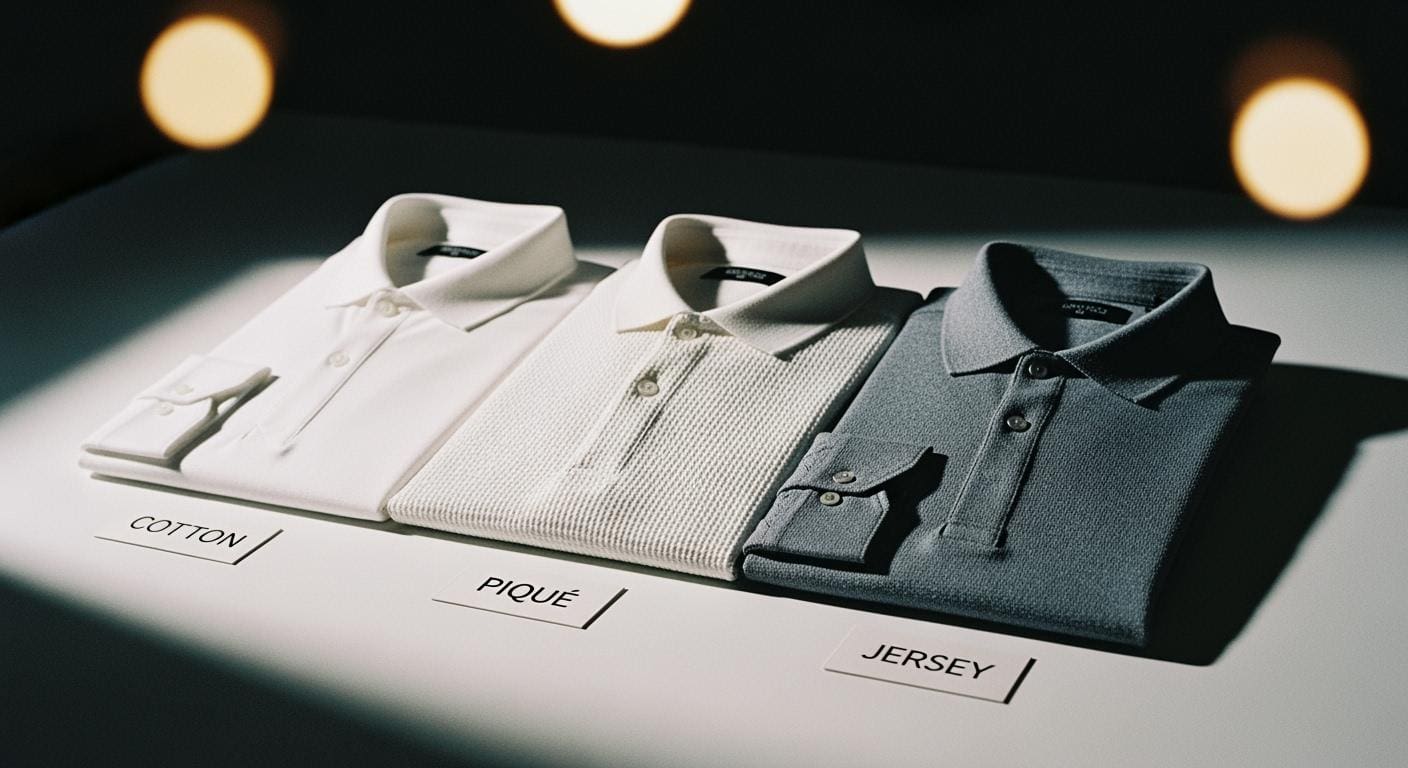
Choosing the right polo shirt material depends on your needs. If you want softness, cotton feels gentle on your skin and works well for everyday comfort. For breathability and a classic look, piqué cotton stands out in men’s polo shirts. Jersey cotton offers flexibility and a smooth finish. Here is a quick comparison:
Fabric | Comfort | Breathability | Durability | Best Use |
|---|---|---|---|---|
Cotton | High | High | Moderate | Everyday, Office |
Piqué | Medium | Very High | High | Sports, Smart |
Jersey | Very High | High | Moderate | Relaxed, Layering |
You notice the fabric affects how cool, durable, and stylish your poloshirts herren feel.
Key Takeaways
Cotton polo shirts offer high comfort and breathability, making them ideal for everyday wear and office settings.
Piqué fabric provides excellent breathability and durability, making it a great choice for sports and smart-casual occasions.
Jersey polo shirts are soft and flexible, perfect for relaxed days and layering under jackets or hoodies.
Choose cotton for casual outings, piqué for active days, and jersey for comfort during leisure activities.
Consider your climate: cotton and piqué work well in hot weather, while jersey is suitable for casual wear but may show sweat marks.
Always check care instructions to prevent shrinking and fading, especially with cotton fabrics.
Test different fabrics in-store to find the best fit and comfort for your body type and lifestyle.
Explore sustainable options like bamboo and recycled polyester for eco-friendly polo shirt choices.
Quick Comparison of Best Polo Shirt Fabrics
At-a-Glance Table: Cotton, Piqué, Jersey
Choosing the right fabric can make a big difference in how your polo shirt feels and performs. Here is a quick table to help you compare the most popular options:
Fabric Type | Comfort | Breathability | Durability | Best Uses |
|---|---|---|---|---|
Cotton | Soft and breathable | High | Moderate (may shrink) | Casual outings, layering |
Piqué | Structured and breathable | High | High (holds shape) | Workwear, uniforms, outdoor activities |
Jersey | Soft and flexible | Moderate | Moderate | Casual wear, layering, hot weather |
You can see that cotton stands out for its soft feel and high breathability. Piqué offers a more structured look and holds its shape well, making it a strong choice for active days or when you want a crisp appearance. Jersey gives you extra flexibility and a smooth finish, which feels great for relaxed settings or when you need to move freely.
Key Differences Overview
When you pick a polo shirt, you want to match the fabric to your needs. Each material brings something unique to the table:
For office settings, you get the best results with structured fabrics like cotton or piqué. These materials give you a polished look and help you avoid oversized fits.
If you play sports or stay active, you benefit from fabrics that wick moisture and dry quickly. Many brands use piqué for athletic fits because it holds its shape and lets your skin breathe.
For casual wear, soft and breathable cotton polos work best. You enjoy comfort all day, and classic fits in solid colors give you versatility for many occasions.
Tip: If you want the best polo shirt fabrics for everyday comfort, start with cotton. For a classic, sporty look, try piqué. When you need something soft and flexible for hot weather or layering, jersey is a smart pick.
You should also think about durability. Cotton feels soft but may shrink over time if you do not follow care instructions. Piqué resists stretching and keeps its shape, even after many washes. Jersey offers comfort but may not last as long as piqué if you wear it often.
The best polo shirt fabrics depend on your lifestyle. Cotton works for most casual and office settings. Piqué fits well for sports and smart-casual events. Jersey suits relaxed days and hot climates. By understanding these differences, you can choose the right polo shirt for any occasion.
Why Fabric Choice Matters for Comfort and Breathability
Impact on Comfort
You notice the difference in comfort as soon as you put on a polo shirt. The fabric touches your skin all day, so its qualities matter. Some materials feel soft and breathable, while others may trap heat or feel rough. When you choose a fabric, you want it to provide a smooth touch and keep you comfortable during any activity.
Breathability lets air circulate, keeping you cool in hot weather.
Softness gives you a smoother feel compared to standard cotton blends.
Moisture-wicking adapts to various activities, enhancing comfort throughout the day.
A soft and breathable fabric can make your day easier, especially if you move a lot or spend time outdoors. You avoid irritation and stay fresh, even when the temperature rises.
Role of Breathability
Breathability plays a key role in how you feel throughout the day. When your shirt allows air to flow, you stay cooler and sweat less. This is especially important if you live in a warm climate or have an active lifestyle. Soft and breathable fabrics help your body release heat and moisture, so you avoid feeling sticky or uncomfortable.
Tip: Choose soft and breathable materials for your polo shirt if you want to stay dry and cool. These fabrics help wick away moisture and prevent overheating.
You also benefit from moisture control. Fabrics that manage moisture well keep you feeling dry, even during intense activities. Soft and breathable shirts often dry faster, so you do not have to worry about sweat marks or lingering dampness.
Suitability for Activities and Climate
The right fabric makes your polo shirt suitable for different activities and climates. Textile research shows that fabric choice affects performance in various conditions. For example, materials with high air permeability work best in hot and humid weather, giving you more comfort. Lightweight polyester fabrics offer low thermal resistance, making them ideal for sports and outdoor activities. On the other hand, tight-knitted modal blends have less air flow, which may not suit active wear in warm climates.
You should match your shirt to your needs:
For sports or outdoor work, pick a soft and breathable fabric that handles moisture well.
For office or casual wear, choose a material that feels comfortable and keeps you cool.
In hot climates, select shirts that allow air to move and wick away moisture quickly.
A soft and breathable polo shirt adapts to your lifestyle. You stay comfortable, dry, and confident, no matter where your day takes you.
Cotton Polo Shirts: Comfort and Versatility
Feel and Texture
When you choose a cotton polo shirt, you notice the difference in feel right away. Cotton gives you a soft, natural touch that many people find comfortable against the skin. Most users praise the comfort of cotton, saying things like, “Most comfortable shirt I have purchased lately. Great for work and play.” However, not every cotton shirt feels the same. Some people report that certain shirts feel scratchy or rough, especially if the cotton quality is low or the fabric is not finished well. You may also find that some shirts wrinkle more than others, which can affect how they feel and look after washing.
Here is a quick look at what users say about the feel and texture of cotton shirts:
User Comment | Sentiment |
|---|---|
Most comfortable shirt I have purchased lately. Great for work and play. | Positive |
The shirt material is too scratchy and uncomfortable. | Negative |
Comfortable polo shirt. | Positive |
Not same. One washed and did not wrinkle, other was very wrinkled. One is scratchy. | Mixed |
You see that most people enjoy the softness, but you should check the fabric quality before buying.
Breathability and Cooling
Cotton stands out for its excellent breathability. When you wear a cotton shirt, air moves easily through the fibers. This helps you stay cool, especially in warm weather. Laboratory tests show that cotton offers better breathability than many synthetic fabrics. For example, when dry, cotton allows more airflow than performance polyester. This means you feel cooler and more comfortable during daily activities.
Feature | Performance Polyester | 100% Cotton |
|---|---|---|
Breathability | Good | Excellent (when dry) |
Moisture Management | Wicks sweat away | Absorbs and holds sweat |
However, cotton absorbs sweat instead of wicking it away. If you sweat a lot, the fabric can feel heavy and damp. This can lead to discomfort in hot or humid conditions. You may want to choose lighter cotton or blends if you plan to wear your shirt for sports or outdoor work.
Note: Cotton keeps you cool and comfortable in most situations, but it may not dry as quickly as synthetic fabrics.
Durability and Care
You want your shirt to last, so durability matters. Cotton offers moderate durability. With daily use, a cotton shirt may last one to two years. If you wear it less often and care for it properly, it can last much longer. Washing your shirt in cold water and using gentle detergent helps preserve the fabric. Avoiding high heat in the dryer also prevents shrinking and fading.
A cotton shirt may last for one to two years with daily use.
If you wear it less frequently and wash it carefully, it can last for many years.
Proper washing methods, such as using cold water and avoiding excessive detergent, can extend the lifespan.
You should also know that cotton can shrink or lose color over time if you do not follow care instructions. Some shirts may wrinkle more than others, depending on the weave and finish. By taking care of your shirt, you keep it looking and feeling good for longer.
Cotton remains a top choice for men’s polo shirts because it balances comfort, breathability, and reasonable durability. You get a shirt that feels great, keeps you cool, and lasts when you care for it properly.
Best Uses for Cotton
Cotton stands out as a reliable choice for many situations. You can wear it almost anywhere and feel comfortable. The natural fibers help you stay cool and relaxed. You get a classic look that fits many occasions.
Everyday Wear
You want a shirt that feels good all day. Cotton gives you that comfort. The soft texture makes it easy to wear for hours. You can pair it with jeans, shorts, or chinos. You get a casual style that works for running errands, meeting friends, or relaxing at home.
You enjoy breathability, which helps you stay fresh.
You avoid irritation because cotton feels gentle on your skin.
You get a shirt that moves with you, making daily tasks easier.
Many people choose cotton for everyday wear because it adapts to different activities. You can wear it in warm weather and still feel cool. You do not have to worry about overheating. Cotton absorbs moisture, so you stay dry during light activity.
Office and Business Casual
You want to look sharp at work. Cotton helps you achieve a polished appearance. The fabric holds color well, so your shirt looks neat. You can wear a cotton polo shirt with dress pants or khakis. You get a business casual style that fits most office environments.
You present a professional image without sacrificing comfort.
You avoid stiff fabrics that restrict movement.
You choose from many colors and patterns to match your style.
Cotton works well for meetings, presentations, and daily office tasks. You stay comfortable during long hours. You do not feel restricted, and you maintain a clean look. Cotton resists pilling, so your shirt stays smooth after many washes.
Tip: Choose high-quality cotton for office wear. You get better durability and a more refined finish.
Pros and Cons
You need to weigh the strengths and weaknesses before choosing cotton for your wardrobe. Here is a quick overview:
Pros | Cons |
|---|---|
Soft and comfortable | May shrink if not washed properly |
Breathable and cool | Can wrinkle easily |
Versatile for many occasions | Absorbs moisture, may feel damp |
Easy to style | Moderate durability |
Gentle on skin | May fade over time |
Cotton offers many benefits for daily and office wear. You get comfort, style, and flexibility. You need to care for it properly to avoid shrinking or fading. You can rely on cotton for a classic look and a pleasant feel.
Piqué Polo Shirts: Classic Style and Structure
What is Piqué?
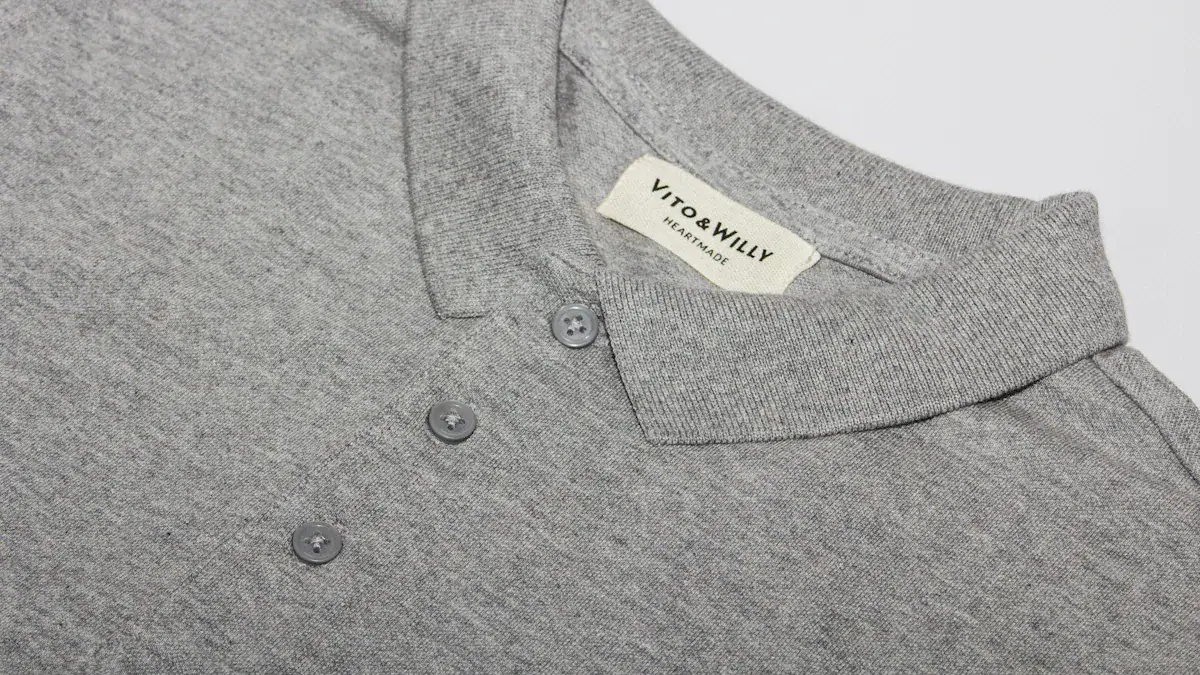
You may notice that pique stands out from other fabrics because of its unique texture and structure. Piqué fabric is a woven textile with a raised pattern, often described as waffle-like or honeycomb. Manufacturers use a double weaving technique to create this effect, which gives the material its signature look and feel. Piqué was originally used for collars and cuffs of dress shirts, but now you find it as the main fabric in many polo shirts.
Here is a quick overview of how pique fabric is made and what makes it special:
Characteristic/Process | Description |
|---|---|
Definition | Piqué fabric is a woven textile with a distinct raised pattern, originally used for collars and cuffs of dress shirts. |
Characteristics | It is breathable, durable, and has a light to medium weight (150–250 GSM), making it suitable for year-round wear. |
Manufacturing Process | The fabric is made by weaving yarns on a loom, creating a waffle-like texture, and can be made from cotton or cotton-polyester blends. |
Weaving Technique | Double weaving creates the raised pattern, enhancing texture and breathability. |
Final Steps | The fabric is dyed, treated, and then cut and sewn into products like polo shirts. |
You get a fabric that is breathable, comfortable, and durable. Piqué is also low-maintenance, so you can machine wash and dry your shirts without much worry.
Texture and Fit
When you touch a pique polo shirt, you feel the difference right away. The raised pattern gives the fabric a textured surface, which feels more substantial than regular cotton or jersey. This texture helps the shirt hold its shape and resist wrinkles, so you look neat throughout the day. The fit of pique shirts tends to be structured, offering a tailored look that works well for both casual and semi-formal occasions.
You may prefer pique if you want a shirt that looks crisp and polished. The fabric’s thickness provides a bit of weight, which helps the shirt drape nicely on your body. You avoid the clinginess that sometimes comes with jersey fabrics. Many people choose pique for uniforms or professional settings because it maintains its appearance after repeated wear.
Tip: If you want a shirt that keeps its shape and resists wrinkles, pique is a smart choice.
Breathability in Piqué
Piqué fabric excels in breathability. The unique weaving technique creates small air pockets, allowing air to flow through the shirt and keeping you cool. Textile studies show that pique offers excellent airflow compared to other fabrics. You stay comfortable even in warm weather or during physical activity.
Feature | Cotton Polo | Pique Polo Shirt |
|---|---|---|
Breathability | Good | Excellent airflow |
You benefit from moisture management as well. Piqué helps wick away sweat, so you feel dry and fresh. The combination of breathability and durability makes pique a top choice for active wear and everyday use. You can rely on this fabric to keep you comfortable, whether you are at work or enjoying outdoor activities.
Durability and Maintenance
You want your shirts to last. Piqué fabric gives you impressive durability because of its unique weave. The raised texture resists stretching and sagging, so your shirt keeps its shape after many wears. You notice that piqué shirts rarely pill or fray, even if you wash them often. The double weaving technique strengthens the fabric, making it less likely to tear compared to lighter knits.
When you care for piqué, you find maintenance straightforward. Machine washing works well for most shirts. You should use cold water to preserve color and prevent shrinkage. Drying on low heat helps maintain the fabric’s structure. You avoid ironing most of the time because piqué resists wrinkles. If you need to iron, use a medium setting and turn the shirt inside out.
Tip: Always check the care label before washing your piqué shirts. Some blends may need special attention.
Piqué shirts handle frequent washing better than many other fabrics. You can wear them for sports, work, or casual outings without worrying about rapid wear and tear. The fabric’s thickness protects against minor snags and stains. You get a shirt that stays looking fresh and crisp, even after months of use.
Best Uses for Piqué
Piqué stands out for its versatility. You see this fabric in many settings, from athletic fields to business meetings. The structured look and breathable feel make it a favorite for men who want style and function.
Sports and Active Wear
You need a shirt that moves with you and keeps you cool. Piqué works well for sports and active wear because the weave allows air to circulate. The fabric wicks moisture away, so you stay dry during intense activity. Many athletes and coaches choose piqué for uniforms because it holds up under pressure and frequent washing.
You get excellent breathability for outdoor sports.
The shirt resists stretching, so it keeps its shape.
You avoid feeling sticky or overheated.
Piqué’s durability means you can wear it for tennis, golf, or team sports. The classic look also fits in at the gym or on the sidelines.
Smart Casual Settings
You want to look polished without feeling overdressed. Piqué gives you a refined appearance that works for smart casual events. The textured surface adds visual interest, making your outfit stand out. You can pair a piqué shirt with chinos, slacks, or even a blazer.
You achieve a crisp look for dinners, meetings, or social gatherings.
The shirt maintains its structure, so you avoid a sloppy fit.
You choose from many colors and patterns to match your style.
Piqué transitions easily from day to night. You feel comfortable at work, then head out for dinner without changing your outfit.
Pros and Cons
You should weigh the benefits and drawbacks before choosing piqué for your wardrobe. Here is a quick overview:
Pros | Cons |
|---|---|
Holds shape well | Can feel heavier than jersey |
Excellent breathability | May cost more than cotton |
Resists wrinkles and pilling | Texture may not suit everyone |
Durable and long-lasting | Less stretch than jersey |
Suitable for many occasions | Can be less soft than cotton |
Piqué offers a balance of style, durability, and comfort. You get a shirt that works for sports, business, and casual wear. You may find the texture less soft than other fabrics, but the benefits often outweigh the drawbacks.
Jersey Polo Shirts: Softness and Flexibility
What is Jersey?
You may recognize jersey fabric from your favorite T-shirts, but it also plays a key role in modern polo shirts. Jersey is a knitted textile, not woven, which gives it a unique combination of softness and flexibility. Manufacturers use different types of jersey to create shirts with specific qualities. Here is a quick overview:
Type of Jersey Fabric | Characteristics |
|---|---|
Single jersey | Lightweight, stretchy, one flat side and one piled side, often used for T-shirts. |
Double jersey | Heavier, less stretchy, two flat sides. |
Interlock jersey | Thicker, double-knit fabric, serves as a formal alternative for polo shirts. |
Jacquard jersey | Features complex patterns created during the knitting process. |
Clocqué jersey | Textured, with a blistered or quilted appearance. |
Stretch jersey | Blended with elastane or spandex for enhanced stretch, commonly used in activewear. |
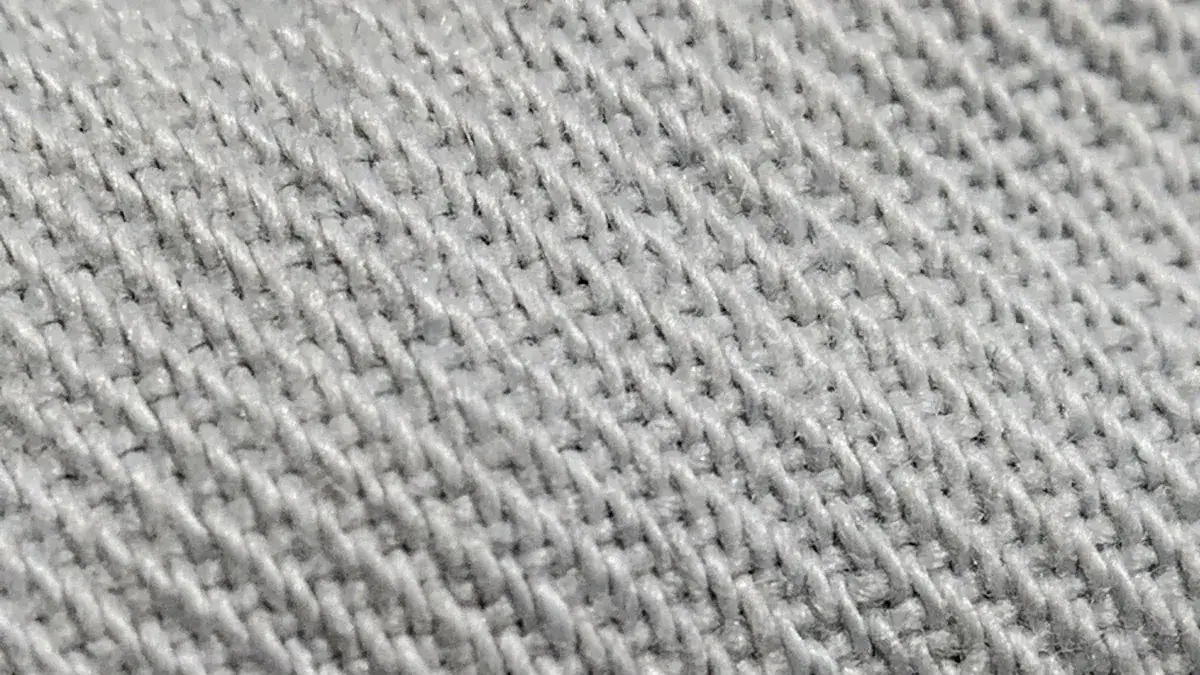
Jersey fabric stands out for its considerable stretchiness. You get a close-knit structure that feels highly absorbent and breathable. The fabric drapes attractively, which depends on the material blend. Many brands choose jersey for polo shirts because it feels soft and adapts well to movement.
Feel and Stretch
When you put on a jersey polo shirt, you notice the difference in comfort right away. The fabric feels soft against your skin and moves with your body. Jersey’s stretch comes from its knitted construction, which allows the shirt to expand and contract as you move. This makes it stretchable enough for active lifestyles, whether you are running errands or relaxing at home.
User feedback highlights the softness and flexibility of jersey compared to other fabrics. Take a look at this comparison:
Feature | Jersey | Pique |
|---|---|---|
Softness | Soft and stretchy | Slightly textured and firm |
Breathability | Less breathable | More breathable |
Collar Quality | Criticized for structure | Better collar structure |
Ideal Use | Casual wear, lighter activities | Sports, summer wear |
You may prefer jersey for casual wear because it feels gentle and does not restrict movement. Some users mention that the collar on jersey polos lacks structure, which can affect the overall look. If you value comfort and flexibility, jersey offers a great option.
Tip: Choose jersey polo shirts for days when you want maximum comfort and freedom of movement.
Breathability in Jersey
Breathability matters when you want to stay cool and dry. Jersey polo shirts, especially those designed for performance, enhance airflow and moisture management. The fabric’s close-knit structure allows air to circulate, creating a microclimate that helps regulate your body temperature. You benefit from moisture-wicking capabilities, which pull sweat away from your skin and speed up drying.
You may find that jersey is less breathable than pique, but it still provides a comfortable wearing experience. Many brands blend jersey with performance fibers to improve breathability for active use. If you spend time outdoors or in warm environments, jersey can help you stay comfortable throughout the day.
Note: Jersey polo shirts work well for casual and leisure activities, but you should consider pique or technical blends for intense sports or very hot weather.
Durability and Care
Jersey fabric offers good durability for everyday wear. You will notice that jersey polo shirts resist pilling and tearing better than some lightweight knits. The stretch in the fabric helps the shirt keep its shape after many wears. You can wash jersey shirts in a machine, which makes care easy. Use cold water and a gentle cycle to protect the fibers. Avoid high heat in the dryer to prevent shrinking or damage. Hang your shirt to dry if you want to keep it looking new for longer.
Jersey fabric does not wrinkle easily. You can fold or pack your shirt without worrying about deep creases. If you see minor wrinkles, a quick steam or light iron will smooth them out. You should check the care label for any special instructions, especially if your shirt contains a blend of fibers. Some jersey shirts include spandex or polyester for extra stretch, which may need lower heat during washing and drying.
Tip: Wash your jersey polo shirts inside out to reduce fading and keep the fabric soft.
Best Uses for Jersey
Jersey polo shirts fit many parts of your lifestyle. The soft texture and flexible fit make them a favorite for relaxed days and casual outings.
Relaxed and Leisure Wear
You want comfort when you spend time at home or with friends. Jersey fabric feels gentle on your skin and moves with you. You can wear a jersey polo shirt for weekend errands, coffee runs, or backyard gatherings. The shirt keeps you cool and comfortable, even if you stay active. Many people choose jersey for travel because it packs well and resists wrinkles.
Enjoy comfort during long car rides or flights.
Stay cool while walking or running errands.
Look casual but put-together for informal events.
Layering Options
Jersey polo shirts work well as a base layer. The fabric sits smoothly under jackets, sweaters, or hoodies. You can add layers for warmth without feeling bulky. The stretch in jersey helps the shirt fit close to your body, so you avoid bunching or discomfort. You can wear a jersey polo shirt under a blazer for a smart-casual look or pair it with a zip-up hoodie for a sporty style.
Note: Choose neutral colors for your base layer if you want more outfit options.
Pros and Cons
You should consider both the strengths and weaknesses of jersey fabric before you buy. Here is a quick table to help you decide:
Pros | Cons |
|---|---|
Soft and flexible | Less structured collar |
Easy to care for | May lose shape over time |
Resists wrinkles | Not as breathable as piqué |
Great for layering | Can show sweat marks |
Comfortable for daily wear | Durability varies by blend |
Jersey polo shirts give you comfort and flexibility for many situations. You get easy care and a relaxed fit. If you want a shirt for casual wear or layering, jersey is a smart choice.
Other Popular Polo Shirt Fabrics
When you explore the types of polo shirt fabrics beyond cotton, piqué, and jersey, you find several innovative options. These materials offer unique benefits for comfort, breathability, and style. Let’s look at some of the most popular alternatives.
Cotton-Polyester Blends
You often see cotton-polyester blends in modern polo shirts. This combination brings together the best qualities of both fibers. Cotton gives you softness and breathability, while polyester adds strength and moisture-wicking ability. Many brands use durable poly-cotton blends to create shirts that last longer and resist shrinking.
You get a shirt that feels comfortable and dries quickly.
Polyester fibers help the shirt keep its shape after many washes.
The blend makes maintenance easier, so you spend less time ironing.
Here’s a quick comparison:
Fabric Type | Comfort | Breathability | Moisture-Wicking | Durability |
|---|---|---|---|---|
Cotton-Polyester Blend | Good | High | High | Very Good |
If you want a polo shirt for active days or frequent wear, this blend offers a practical choice. You also find that polyester in the blend helps prevent wrinkles and fading.
Bamboo and Linen
Bamboo and linen stand out among the softest polo fabric options. Bamboo feels silky and smooth against your skin. It has natural antibacterial properties and excellent moisture-wicking, making it a smart pick for hot weather. Linen, on the other hand, gives you a crisp, cool feel with superior airflow.
Bamboo keeps you fresh and dry, even on humid days.
Linen allows air to move freely, so you stay cool.
Both fabrics come from sustainable sources, which helps the environment.
You may notice that linen wrinkles more easily and needs gentle care. Bamboo, while soft and comfortable, sometimes requires chemical processing during production.
Fabric | Comfort | Breathability | Moisture-Wicking | Sustainability |
|---|---|---|---|---|
Bamboo | Excellent | High | Excellent | Sustainable |
Linen | Good | High | Moderate | Natural |
Note: If you want a shirt for summer or travel, bamboo and linen offer lightweight comfort and breathability.
Silk and Performance Fabrics
Silk brings a touch of luxury to the types of polo shirt fabrics. You feel a smooth, cool sensation when you wear silk. It offers high breathability but does not wick moisture as well as polyester or bamboo. Silk polo shirts work best for special occasions or when you want a refined look.
Performance fabrics, often made from polyester or recycled polyester, focus on moisture management and durability. You see these materials in athletic and golf polos. They wick sweat away, dry fast, and resist stains. Many performance shirts use textured pique knits to boost airflow and comfort.
Silk feels elegant and soft, perfect for dressier events.
Performance fabrics keep you dry and comfortable during sports or outdoor activities.
Recycled polyester supports sustainability, but you should know it can contribute to microplastic pollution.
Fabric Type | Comfort | Breathability | Moisture-Wicking | Best Use |
|---|---|---|---|---|
Silk | Excellent | High | Low | Luxury, Events |
Performance (Polyester) | Moderate | Moderate | High | Sports, Active |
You have many choices when it comes to types of polo shirt fabrics. Each material brings something different to your wardrobe, whether you want the softest polo fabric, a shirt for sports, or a sustainable option.
Side-by-Side Comparison: Best Fabric for Polo Shirts
Comfort and Fit
You want the best fabric for polo shirts that feels good all day. Comfort matters most when you wear a shirt for hours. Cotton gives you a soft touch and natural breathability. You notice that cotton adapts to your body and feels gentle against your skin. Jersey fabric offers even more comfort with its stretch and flexibility. You move freely, and the shirt follows your shape. Piqué provides a structured fit, which helps you look sharp. The texture feels firm, and the shirt holds its form.
When you think about how a polo shirt should fit, you want the sleeves to sit mid-bicep and the hem to fall just below your belt. The best polo shirts use fabrics that balance comfort and structure. Cotton and jersey work well for relaxed fits. Piqué suits you if you prefer a tailored look.
Tip: Try on different fabrics to see which one matches your comfort needs and style. The best fabric for polo shirts should never feel tight or restrict movement.
Breathability and Climate
You need a shirt that keeps you cool in warm weather. Breathability helps you stay dry and comfortable. Cotton stands out for its airflow. You feel fresh, even on hot days. Jersey also lets air pass through, but it absorbs moisture quickly. You may notice sweat marks if you stay active. Piqué uses a special weave that creates tiny air pockets. These pockets boost breathability and help wick moisture away.
Polyester blends offer strong moisture-wicking. You stay dry during sports or outdoor activities. Linen gives you lightweight comfort, but it fits a niche market for summer wear. The best fabric for polo shirts depends on your climate. Cotton works for most seasons. Piqué and polyester excel in heat and humidity.
Here is a table showing how style and appearance preferences for polo shirt fabrics vary by region and demographic:
Fabric Type | Characteristics | Popularity Trends |
|---|---|---|
Cotton | Breathable, comfortable | Leading choice due to natural properties |
Polyester | Durable, moisture-wicking | Steady expansion with functional apparel trends |
Blends | Combines cotton/polyester | Moderate increase in popularity for comfort/function |
Linen | Lightweight, breathable | Niche market for summer wear |
You see that cotton remains the top pick for comfort. Polyester gains ground for active wear. Blends offer a balance of comfort and function. Linen appeals to those who want the best fabric for polo shirts in hot climates.
Durability and Longevity
You want your men’s polo shirts to last. Durability depends on the fabric and how you care for it. Cotton feels soft, but it may shrink or fade after many washes. You extend its life by washing in cold water and air drying. Piqué resists stretching and holds its shape. You notice fewer wrinkles and less pilling. Jersey offers moderate durability. The stretch helps the shirt keep its fit, but it may lose shape over time.
Polyester stands out for strength. You get a shirt that resists stains and dries fast. Blends combine the best features of cotton and polyester. You enjoy comfort and long-lasting wear. The best fabric for polo shirts gives you a balance of comfort and durability. You choose cotton for everyday use. Piqué works for frequent wear. Polyester suits you if you need a shirt for sports or tough conditions.
Note: Always check the care label. Proper washing and drying help your shirt last longer and keep its fit.
You see that the best polo shirts use fabrics that match your lifestyle. Cotton, piqué, and jersey each offer unique benefits. Polyester and blends add durability for active days. When you know how a polo shirt should fit and feel, you make better choices for comfort and longevity.
Style and Appearance
You want your shirt to look good and match your personal style. The fabric you choose affects the overall appearance and how others see you. Cotton gives you a classic, smooth look. You notice that cotton polos often come in solid colors and subtle patterns. The finish feels soft and the shirt drapes naturally. This style works well for both casual and business settings.
Piqué fabric stands out with its textured surface. The raised weave creates a pattern that adds depth and interest. You get a shirt that looks structured and polished. Many brands use piqué for traditional designs, including contrast collars and cuffs. The texture helps the shirt hold its shape, so you maintain a crisp look throughout the day.
Jersey fabric offers a modern, relaxed appearance. The knit construction gives you a smooth finish and a slight sheen. You see jersey polos in sporty styles and bold colors. The fabric stretches, so the shirt fits close to your body. This style works best for casual outings and layering.
Here is a table to help you compare the style and appearance of each fabric:
Fabric | Appearance | Typical Styles | Visual Texture |
|---|---|---|---|
Cotton | Classic, smooth | Solid, subtle patterns | Minimal |
Piqué | Structured, textured | Traditional, sporty | Raised, patterned |
Jersey | Modern, relaxed | Sporty, fitted | Smooth, slight sheen |
Tip: Choose piqué if you want a shirt that looks sharp and holds its shape. Pick cotton for a timeless style. Try jersey for a laid-back, athletic look.
Best for: Casual, Sports, Office
You need a shirt that fits your lifestyle. Each fabric works best for different occasions. Cotton suits you for everyday wear and office settings. The soft feel and classic look make it easy to dress up or down. You can pair a cotton polo shirt with jeans for a casual day or with slacks for work.
Piqué excels in sports and smart-casual events. The breathable weave keeps you cool during activity. The structured fit gives you a professional edge at meetings or social gatherings. You see piqué polos on golf courses, tennis courts, and in business-casual offices.
Jersey works best for relaxed days and layering. The stretch and softness make it comfortable for travel, errands, or lounging at home. You can wear a jersey polo under a jacket or hoodie for extra warmth.
Here is a quick guide to help you choose the right fabric for each occasion:
Casual Wear: Cotton or jersey for comfort and easy style.
Sports and Active Use: Piqué for breathability and structure.
Office and Business Casual: Cotton or piqué for a polished look.
Note: Match your shirt to your activity and setting. You get the best results when you choose a fabric that fits your needs.
How to Choose the Best Polo Shirt Fabrics for Your Needs
Match to Lifestyle and Activities
You should always think about your daily routine before picking a fabric. If you spend most of your time at the office or in meetings, you want a shirt that looks sharp and feels comfortable. Cotton and piqué fabrics work well for business casual settings. Cotton gives you a soft touch, while piqué holds its shape and resists wrinkles. If you play sports or stay active, look for moisture-wicking blends or performance fabrics. These help you stay dry and cool during exercise or outdoor activities. For relaxed weekends or travel, jersey fabric offers flexibility and comfort. It stretches with your movements and feels gentle on your skin.
Your body type also plays a role in choosing the right fabric. Here is a helpful table to guide your decision:
Body Type | Recommended Fabrics | Reasoning |
|---|---|---|
Average or Thin | Cotton, Silk, Similar Blends | These fabrics provide a sleek, modern look. Avoid piqué if you want to appear broader. |
Larger Frame | Piqué Cotton | The textured fabric hugs the body without highlighting problem areas, creating a flattering effect. |
Cotton, Silk, Synthetic Blends | These may cling to certain areas, making them less flattering for larger body types. |
Tip: Choose fabrics that match your activities and flatter your body shape for the best results.
Consider Climate and Season
Climate affects how comfortable you feel in your shirt. In hot or humid weather, you want fabrics that breathe well and wick away moisture. Cotton and linen keep you cool because they allow air to flow. Piqué also works well in warm climates due to its airy weave. For cold seasons, look for heavier cotton or jersey blends. These provide warmth and still feel soft against your skin. If you live in a place with changing seasons, consider owning shirts in different fabrics so you can switch as needed.
Hot climates: Choose lightweight, breathable fabrics like cotton, linen, or piqué.
Cool climates: Pick thicker cotton or jersey for extra warmth.
Note: Always check the fabric weight and weave when shopping for a new shirt.
Personal Style Preferences
Your personal style should guide your fabric choice. If you prefer a classic look, cotton and piqué offer timeless appeal. Piqué gives you a structured, traditional appearance, while cotton feels smooth and versatile. For a modern or sporty vibe, jersey fabric works well. It drapes nicely and comes in many colors. Silk blends add a touch of luxury for special occasions. Think about how you want your shirt to fit and look. Some fabrics hug the body, while others provide a looser fit.
Classic style: Choose cotton or piqué.
Sporty or relaxed style: Try jersey or performance blends.
Dressy occasions: Consider silk or high-quality cotton.
Remember, the best fabric for your polo shirt is the one that fits your lifestyle, climate, and personal taste.
Tips for Trying and Testing
You want to make sure your new shirt feels comfortable and fits your lifestyle. Trying and testing different fabrics helps you find the best option. Here are some practical tips to guide you through the process:
Visit Stores for Hands-On Experience
Touch the fabric before you buy. You can feel the softness, thickness, and texture. Try on several shirts to compare how each material sits on your body. Move your arms and shoulders to check flexibility.Check the Label for Fabric Details
Read the care and composition label inside the shirt. Look for information about the percentage of cotton, polyester, or other fibers. Labels often include washing instructions. This helps you understand how to care for the shirt and how long it might last.Test for Breathability
Hold the shirt up to the light. You can see how tightly the fabric is woven. Looser weaves usually allow more airflow. If you want a shirt for hot weather, choose a fabric that lets light pass through easily.Assess Fit and Comfort
Try the shirt in your usual size. Check if the sleeves sit at mid-bicep and the hem falls just below your belt. Move around to see if the shirt restricts your movement. You want a fit that feels natural and does not pinch or sag.Evaluate Stretch and Structure
Gently pull the fabric at the sides. Jersey fabrics stretch more than piqué or traditional cotton. If you prefer a structured look, choose a shirt that holds its shape when stretched.Ask for Recommendations
Speak with store staff or read online reviews. Other buyers often share useful feedback about durability, comfort, and care. You can learn which brands offer the best value.
Tip: Wash a new shirt before wearing it for a full day. This helps you see if the fabric shrinks, wrinkles, or loses color.
Test Method | What to Look For | Why It Matters |
|---|---|---|
Touch and Feel | Softness, texture | Comfort on skin |
Try-On | Fit, movement | Everyday usability |
Label Check | Fiber content, care | Maintenance, longevity |
Light Test | Airflow, weave | Breathability |
You can use these steps to find a polo shirt that matches your needs. Testing different fabrics gives you confidence in your choice. You get a shirt that feels good, looks sharp, and lasts longer.
International Trends: Poloshirts Herren and Global Styles
What Does “Poloshirts Herren” Mean?
You may see the term “poloshirts herren” when you shop online or browse fashion catalogs. This phrase comes from German, where “Herren” means “men.” So, “poloshirts herren” refers to men’s polo shirts. Many European brands use this term to label their collections for male customers. You find it on websites, product tags, and style guides. If you search for poloshirts herren, you discover a wide range of designs, colors, and fabrics tailored for men. The phrase helps you identify men’s styles quickly, especially when you explore international fashion markets.
Tip: When you look for poloshirts herren, you often find sizing charts and fit guides that match European standards. Always check measurements to ensure a good fit.
Differences in Fabric Preferences Worldwide
You notice that fabric choices for poloshirts herren vary across countries and regions. In Germany and much of Western Europe, brands favor piqué cotton for its classic texture and durability. You see poloshirts herren made from piqué in business settings, sports clubs, and casual wear. Many European men prefer the structured look and breathability of piqué, especially for summer.
In the United States, you find a broader mix of fabrics. Cotton remains popular for its softness and comfort. Jersey knits also attract attention for their flexibility and relaxed fit. American brands often offer poloshirts herren in blends that combine cotton and polyester. These blends provide easy care and moisture-wicking properties, which suit active lifestyles.
Asian markets show different trends. You see poloshirts herren made from lightweight synthetic fabrics. These shirts focus on performance, quick drying, and resistance to wrinkles. Many Asian consumers choose technical blends for travel and outdoor activities. You also notice a growing interest in sustainable materials like bamboo and recycled polyester.
Here is a table that highlights global fabric preferences for poloshirts herren:
Region | Popular Fabrics | Key Features |
|---|---|---|
Western Europe | Piqué cotton | Structured, breathable |
United States | Cotton, jersey, blends | Soft, flexible, easy care |
Asia | Synthetics, bamboo | Lightweight, quick-drying |
You see that cultural factors, climate, and fashion trends influence these choices. If you want a classic look, European piqué poloshirts herren offer timeless style. For comfort and versatility, American cotton and jersey options give you more flexibility. Asian technical fabrics suit you if you need performance and easy maintenance.
Note: When you shop for poloshirts herren internationally, pay attention to fabric descriptions and care instructions. Each region offers unique benefits that match different lifestyles and climates.
Common Myths About Polo Shirt Materials
Cotton vs. Piqué: Are They the Same?
You might think cotton and piqué mean the same thing when you shop for shirts. Many people confuse these terms because both fabrics often use cotton fibers. In reality, cotton describes the fiber, while piqué refers to the weave. Cotton polos feel smooth and soft. Piqué polos have a textured, structured surface. The difference in weave changes how the shirt looks, feels, and performs.
Here is a table to help you see the differences:
Feature | Cotton Polo | Piqué Polo Shirt |
|---|---|---|
Texture | Smooth and soft | Textured and structured |
Weight | Light to medium | Slightly heavier |
Breathability | Good | Excellent airflow |
Stretch | More stretch | Less stretch |
Look | Casual and relaxed | Crisp and polished |
Best Use | Everyday wear | Workwear, sports, events |
Wrinkle Resistance | May wrinkle more | Resists wrinkles better |
You get a casual, relaxed look with cotton. Piqué gives you a crisp, polished style. Piqué shirts hold their shape better and resist wrinkles. Cotton polos offer more stretch and feel lighter. You should choose based on your needs and style.
Is Jersey Only for T-Shirts?
You may hear that jersey fabric belongs only in T-shirts. This idea does not match what you find in stores today. Jersey is a knitted fabric known for its softness and flexibility. Many brands use jersey for polo shirts because it stretches and feels gentle on your skin. Jersey polos work well for relaxed days, travel, and layering.
Jersey polos feel soft and flexible.
You get a smooth finish and easy movement.
The fabric resists wrinkles and packs well for trips.
Jersey does not limit you to T-shirts. You can enjoy its comfort in many types of shirts, including polos.
Do All Polo Shirts Shrink or Fade?
You might worry that every polo shirt will shrink or lose color after washing. This myth comes from past experiences with low-quality fabrics or poor care. Not all polos shrink or fade. The risk depends on the material and how you wash the shirt. Cotton polos may shrink if you use hot water or high heat in the dryer. Piqué shirts resist shrinking and fading better because of their weave and structure. Jersey polos hold their shape if you follow care instructions.
Tip: Wash your shirts in cold water and air dry them to keep their color and fit.
You can avoid shrinking and fading by reading the care label and choosing quality fabrics. Modern polos use blends and treatments that help them last longer.
You see clear differences among cotton, piqué, and jersey fabrics. Cotton feels soft and suits daily wear. Piqué gives you structure and breathability for sports or smart occasions. Jersey offers flexibility for relaxed days. Choose cotton for comfort, piqué for active or office settings, and jersey for leisure.
Tip: Pick the polo shirt fabric that matches your lifestyle and climate. You make a confident choice when you know your needs.
FAQ
What is the difference between cotton, piqué, and jersey fabrics?
Cotton feels soft and smooth. Piqué has a textured, structured surface. Jersey offers stretch and flexibility. Each fabric gives you a different look and comfort level.
How do I choose the right size for a polo shirt?
Check the brand’s sizing chart. Try the shirt on if possible. Make sure the sleeves sit mid-bicep and the hem falls just below your belt.
Can I wear a polo shirt for sports?
You can wear it for sports. Piqué and performance blends work best because they breathe well and wick moisture away. These fabrics help you stay cool and dry.
How should I wash my polo shirt to prevent shrinking?
Wash your shirt in cold water. Use a gentle cycle. Air dry or use low heat in the dryer. Always read the care label for best results.
Which fabric is best for hot weather?
Cotton and piqué fabrics keep you cool in hot weather. Both allow air to flow and help you avoid overheating. Jersey works for casual wear but may show sweat marks.
Do polo shirts wrinkle easily?
Cotton may wrinkle more than other fabrics. Piqué resists wrinkles because of its weave. Jersey stays smooth and packs well for travel.
Are there sustainable options for polo shirts?
You can find sustainable options. Bamboo, linen, and recycled polyester offer eco-friendly choices. These fabrics help reduce environmental impact.
Can I layer a polo shirt under a jacket?
You can layer it under a jacket. Jersey works well as a base layer because it stretches and sits smoothly. Cotton and piqué also fit under blazers for a smart look.