

Is a 3 in 1 Jacket the Smartest Choice for All Seasons
Table of Contents
Display
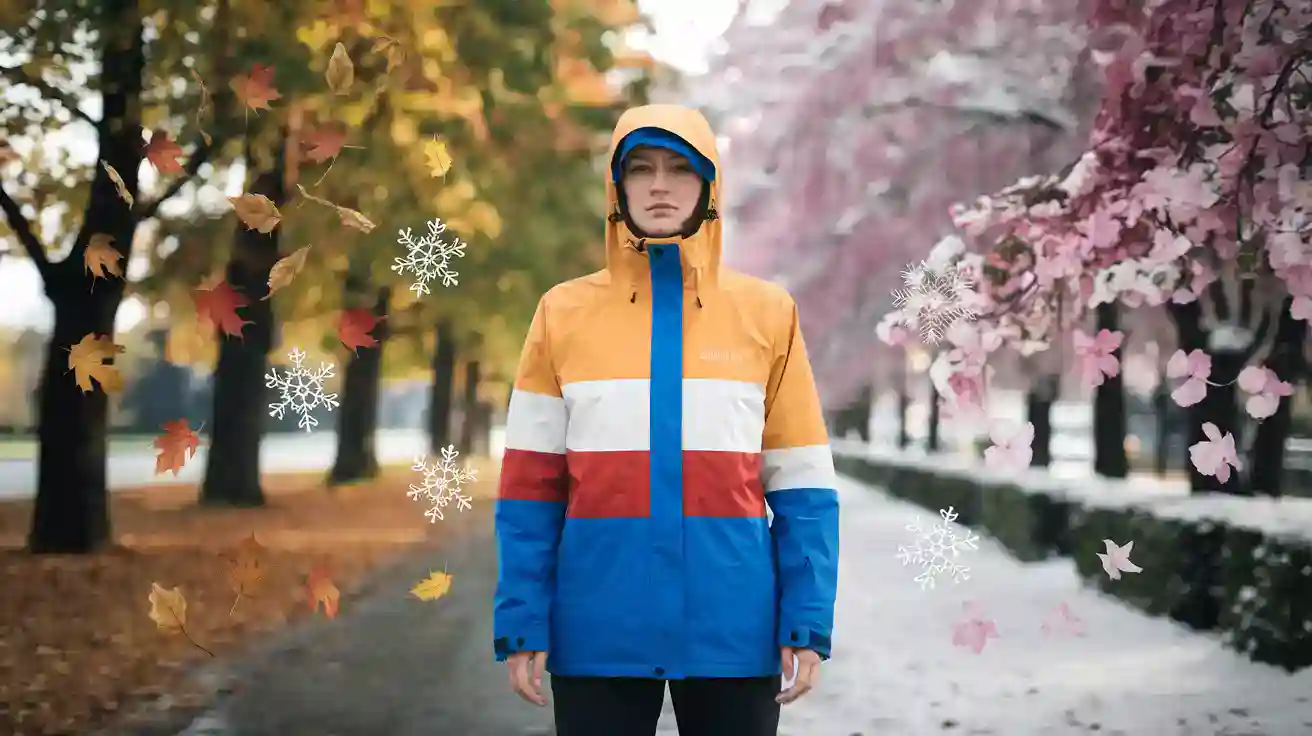
Is a 3 in 1 jacket the smartest choice for all seasons? You get impressive versatility, warmth, and utility, but you may notice some drawbacks. Many users say the inner layer is not waterproof, and the jacket can feel stiff. You might appreciate multiple pockets and good breathability, especially if you enjoy activities like hiking or skiing. Check out the most common pros and cons below:
| Pros | Cons |
|---|---|
| Versatility for rain, cold, and winter | Inner thermal layer not waterproof |
| Warmth and waterproofing combined | Hood non-removable, small for helmets |
| Breathability, 8 pockets | Stiff feel, less athletic |
| Inner layer looks good alone | No adjustable draw cord on inner hem |
Think about your own comfort, style, and needs before choosing a 3-in-1 jacket.
Key Takeaways
- A 3 in 1 jacket offers great versatility by combining an outer shell and an inner insulating layer for different weather conditions.
- You can wear the shell alone for rain, the inner layer alone for cool days, or both together for cold winter weather.
- These jackets save space and money by replacing multiple jackets with one adaptable piece of clothing.
- Some drawbacks include a bulky feel, limited adjustability, and fit issues when layers are combined.
- Look for durable materials like nylon or polyester and features like adjustable hoods and multiple pockets for better comfort and protection.
- Try on jackets with both layers zipped together to check fit and mobility before buying.
- 3 in 1 jackets work best for travelers, commuters, students, and outdoor enthusiasts who want convenience over specialized performance.
- Proper care, like gentle washing and reapplying water repellent, helps your jacket last longer and perform well.
Quick Verdict
Main Pros
You get a lot of value from a 3 in 1 jacket. The main advantage is versatility. You can wear the outer shell for rain, the inner layer for cool days, or combine both for winter. This system gives you options for changing weather. Many people like the convenience of having one jacket that works for different seasons. You also save space in your closet and suitcase. Some models offer good breathability and plenty of pockets, which helps if you hike or travel often.
Tip: If you want a single solution for rain, wind, and cold, a 3 in 1 jacket can simplify your gear.
Main Cons
You may notice some drawbacks when you use a 3 in 1 jacket. Outdoor gear testers point out several design issues:
- The fixed mid-layer limits your ability to adjust warmth.
- Extra zippers can cause bunching and discomfort.
- Cold air sometimes leaks in along the zipper, especially when layers are combined.
- The jacket often feels bulky and heavy.
- Pockets may become hard to reach when you zip layers together.
- The fit can feel boxy, and the style may not look as sharp as single-layer jackets.
Expert reviews also say that single-layer jackets or mix-and-match layering systems give you better comfort and protection. For example, the Patagonia Powder Town outperforms the North Face Thermoball Triclimate in breathability, waterproofing, and fit. Many users find that 3 in 1 jackets do not match the performance of dedicated jackets for serious outdoor use.
Who Benefits
A 3 in 1 jacket works best for you if you want one jacket for many situations. You benefit most if you travel, commute, or spend time outdoors in mild to moderate weather. This jacket suits people who want convenience and do not need the highest level of technical performance. If you prefer simple solutions and do not want to buy several jackets, this option makes sense. However, if you need top performance for skiing, mountaineering, or harsh winter conditions, you may want to choose separate jackets for better fit and comfort.
3 in 1 Jacket Basics
How It Works
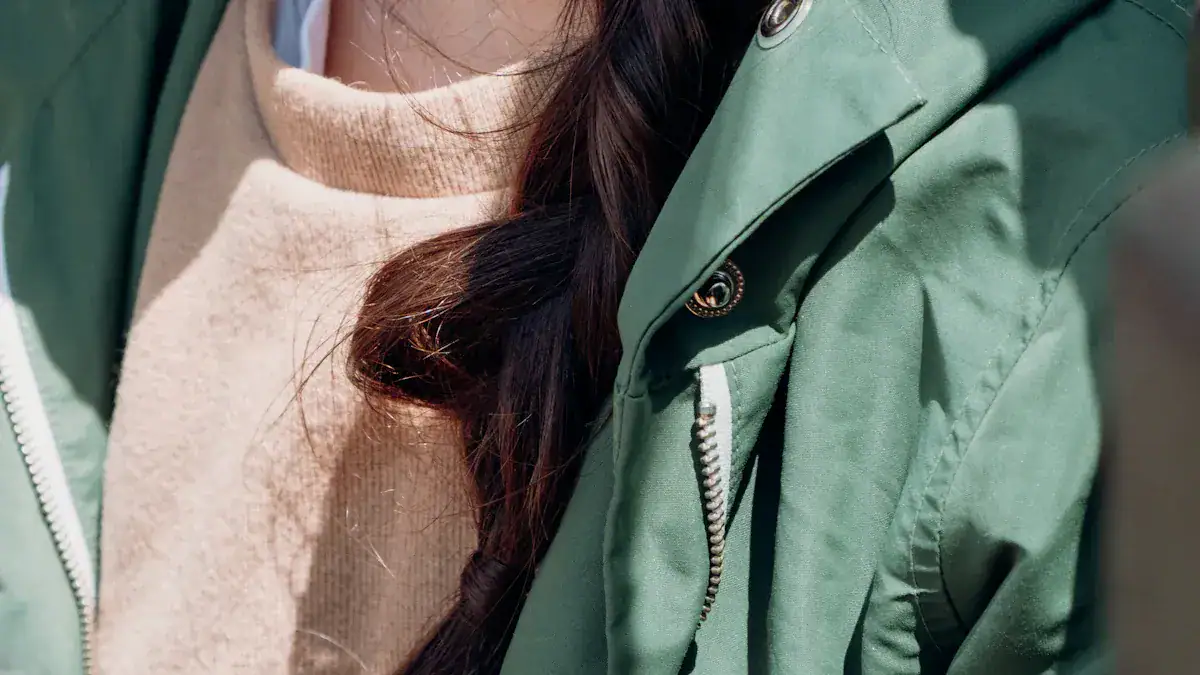
A 3 in 1 jacket gives you three ways to wear one piece of outerwear. You get an outer shell that protects you from wind and rain. Inside, you find a zip-in insulating layer that adds warmth. You can wear the shell alone on rainy days, the inner layer alone on cool, dry days, or both together when you need extra protection. This system lets you adjust your comfort level as the weather changes.
Tip: You can quickly switch between layers without carrying extra gear. This makes a 3 in 1 jacket a smart choice for travel or outdoor activities.
Types
You will see several types of 3 in 1 jackets. Some use a fleece liner for the inner layer, which feels soft and works well for mild cold. Others use a synthetic insulated liner, which traps more heat and keeps you warmer in winter. Some jackets use down insulation for extra warmth, but these may not handle wet weather as well. The outer shell can be lightweight for city use or more rugged for hiking and skiing.
- Fleece-lined: Good for mild cold and casual use.
- Synthetic insulated: Better for colder weather and wet conditions.
- Down insulated: Very warm, but less effective if it gets wet.
Each type offers a different balance of warmth, weight, and weather protection.
Materials
The materials in a 3 in 1 jacket affect how long it lasts and how well it keeps you dry. Most outer shells use nylon or polyester. Nylon usually gives you higher durability, so it resists tears and scrapes. Polyester tends to be more naturally water-repellent and dries faster. Many jackets add a DWR (Durable Water Repellent) finish to help water bead up and roll off the surface.
Here is a quick look at some popular models and their materials:
| Jacket Model | Outer Material | Inner Material | Durability | Weather Resistance Features |
|---|---|---|---|---|
| North Face Carto Triclimate | 75D x 75D DryVent Nylon | 50D x 50D Polyester | High durability (nylon outer) | Dual DWR finish, water resistant |
| Columbia Men’s Eager Air | 210T Nylon (Hydra Cloth 3000) | Polyester insulation (250g) | Durable nylon outer shell | OmniShield DWR waterproofing |
| Patagonia Snowshot | 75D Polyester | Inner insulation (Thermogreen) | Durable polyester shell | Solid DWR waterproofing, ski-specific features |
| Under Armour Women’s Sienna | UA Storm outer shell | Polyester insulation | Durable outer shell | DWR finish, 10,000 mm hydrostatic waterproof rating |
You can see that nylon gives you better durability, while polyester offers good water resistance. DWR treatments and tight fabric weaves help keep you dry in rain or snow. When you choose a 3 in 1 jacket, check the materials to match your needs for strength and weather protection.
Performance
Winter
Warmth
You want a jacket that keeps you warm when temperatures drop. A 3 in 1 jacket gives you flexibility because you can wear both the shell and the inner layer together. Many brands use high-quality materials for the inner layer. For example, some models use 700-fill down, which compares well to many dedicated winter jackets. You can adjust your warmth by removing or adding the inner layer. This system works well for most cold days, especially if you move between indoor and outdoor spaces. While some dedicated jackets use even higher fill power, you still get strong performance from a 3 in 1 design.
Note: The ability to change layers helps you stay comfortable in changing winter conditions.
Weather Resistance
You need protection from snow, wind, and rain in winter. Most 3 in 1 jackets use a water-resistant shell. This shell can handle light snow and short rain showers. However, it may not protect you as well as a fully waterproof jacket during heavy rain or wet snow. Fully waterproof jackets use special seam-taped membranes and advanced coatings. These features keep you dry for longer periods. If you expect long exposure to wet weather, you may want to choose a dedicated waterproof shell.
Spring & Fall
Adaptability
Spring and fall bring unpredictable weather. You might face chilly mornings, warm afternoons, and sudden rain. A 3 in 1 jacket lets you adapt quickly. Wear the shell alone for wind or light rain. Use the inner layer alone for cool, dry days. Combine both layers if the temperature drops. This flexibility means you do not need to carry extra clothing.
- You can pack away the inner layer when you do not need it.
- You can zip the layers together in seconds.
Comfort
Comfort matters in mild seasons. The inner layer often feels soft and light. The shell blocks wind without feeling too heavy. Some users notice that the jacket can feel bulky when both layers are combined. You may also find that the fit is not as sleek as a single-layer jacket. Still, the breathability and quick adjustments make it a practical choice for everyday use.
Summer
Lightweight Use
You may not need much warmth in summer, but sudden rain or wind can surprise you. The outer shell of a 3 in 1 jacket works well as a lightweight rain jacket. It packs easily into a bag and provides basic protection. You can leave the inner layer at home to avoid extra weight.
Overheating
Wearing both layers in summer can cause overheating. The inner layer adds warmth, which you likely do not need in hot weather. Stick to the shell alone for the best comfort. Remember, the shell is usually water-resistant, not fully waterproof, so it works best for short showers rather than all-day storms.
Tip: For summer hikes or travel, use only the shell to stay cool and dry.
Versatility

Layering Options
You can adjust your comfort with a 3 in 1 jacket by using different layering combinations. Outdoor enthusiasts often start with a moisture-wicking base layer. This layer keeps sweat away from your skin. Next, you add an insulating mid layer. The 3 in 1 jacket gives you choices for this layer:
- Fleece: soft, breathable, and great for mild cold or stable weather.
- Synthetic insulation: keeps you warm even if it gets wet, but feels heavier than down.
- Down: very warm and light, best for dry, cold days.
The outer shell protects you from wind and rain. Many shells use waterproof or windproof materials. Features like adjustable hoods and pit zips help you control airflow and temperature. You can wear the shell alone during rain or wind, the inner layer alone on cool, dry days, or both together for full protection. This system gives you strong functionality for changing weather.
Tip: Many skiers and snowboarders use 3 in 1 jackets at resorts. You can add or remove layers as the weather changes throughout the day.
Travel Benefits
A 3 in 1 jacket helps you pack smarter for trips. You do not need to bring several jackets for different weather. For example, the Patagonia Tres 3-in-1 Parka combines three jackets in one. This means you can handle rain, wind, or cold with a single item. You save time when packing and reduce the number of clothes in your bag.
However, you should know that 3 in 1 jackets are bulkier than most travel jackets. They take up more space in your luggage and may weigh more than a thin raincoat or a light fleece. These jackets fit better in a travel backpack or checked suitcase than in a small carry-on. You get fewer items to pack, but you might need to plan for the extra size.
- You gain weather adaptability with one jacket.
- You carry fewer pieces of clothing.
- You may need a larger bag for travel.
Note: If you want to travel light, check the packed size of your 3 in 1 jacket before your trip.
Comfort & Fit
Mobility
You want a jacket that lets you move freely, whether you walk to school, hike a trail, or play outside. Many 3 in 1 jackets use stretch panels in key areas, such as under the arms or across the back. These panels help you reach, bend, and twist without feeling restricted. Some jackets also use lightweight materials for the inner layer, which adds warmth but does not weigh you down. Adjustable cuffs and hems keep the jacket in place as you move. You can zip or unzip the layers quickly, so you stay comfortable during different activities.
Tip: Look for jackets with articulated sleeves or gusseted underarms if you need extra mobility for sports or outdoor adventures.
Fit Issues
You may notice that 3 in 1 jackets do not always fit perfectly. Many users mention several common problems:
- Sleeves often fit awkwardly, either too long or too short.
- The inner insulating layer and the outer shell sometimes do not match in length.
- The design limits how well you can mix and match with other layers you own.
- Some jackets, like the North Face ThermoBall Snow Triclimate, feel too long for everyday use.
- The way the layers attach can make it hard to put on or take off the jacket quickly.
- You might find the fit boxy or bulky, especially when both layers are zipped together.
Trying on a 3 in 1 jacket before you buy helps you avoid these issues. Move your arms, zip and unzip the layers, and check if the sleeves and body length feel right. You want a jacket that fits well in both single-layer and combined modes.
Adjustability
3 in 1 jackets stand out for their adjustability. You can change the jacket to match the weather or your activity. Many models include features that help you get a better fit and more comfort. Here is a quick comparison:
| Feature/Aspect | 3-in-1 Jackets | Traditional Jackets |
|---|---|---|
| Adjustability Features | Removable liners, adjustable hoods, modular layers, multiple pockets | Usually fixed design, fewer adjustments |
| Versatility | High—wear layers separately or together for different conditions | Low—often single-purpose |
| User Satisfaction | High—users like the flexibility and comfort | Lower—less adaptable |
| Cost-effectiveness | Saves money by replacing several jackets | May need to buy more jackets |
| Use Cases | Great for travel, school, work, and outdoor fun | Best for one activity or weather type |
You also get extra features in many hybrid jackets:
- Adjustable cuffs and drawcord hems help seal out wind and rain.
- Insulated hoods with drawcords keep your head warm and dry.
- Water-resistant zippers and reflective details add safety and protection.
These features let you customize your jacket for any situation. You can tighten the hood in a storm, loosen the cuffs for more airflow, or remove the inner layer when you get too warm. This level of adjustability makes 3 in 1 jackets a smart choice for anyone who faces changing weather or wants one jacket for many uses.
3 in 1 Jacket Pros and Cons
Advantages
You get several strong benefits when you choose a 3 in 1 jacket. Outdoor gear review sites highlight the top three advantages:
- Versatility: You can wear the inner insulating layer, the outer waterproof shell, or both together. This flexibility lets you use the jacket in many weather conditions and for different outdoor activities.
- Convenience: You do not need to buy or carry several jackets. One 3-in-1 jacket covers most of your needs, so you save space and avoid extra weight.
- Layering and Adaptability: You can easily add or remove layers. This design helps you adjust to changing temperatures and weather, which keeps you comfortable and protected.
Many users say this jacket works well for travel, school, and outdoor fun. You can quickly switch from a rain shell to a warm coat with insulation. This efficiency means you spend less time worrying about what to wear and more time enjoying your day.
If you want one jacket that handles rain, wind, and cold, a 3 in 1 jacket gives you a simple, effective solution.
Drawbacks
You should also know about the main drawbacks before you buy. Customer feedback often points out these issues:
| Drawback | Explanation |
|---|---|
| High Price | The 3 in 1 jacket often costs almost as much as buying separate jackets, so you may not save much money. |
| Use of Snaps/Buttons | Some inner layers use snaps or buttons instead of zippers, which can feel less secure and less versatile. |
| Moisture in Pockets | The outer shell’s moisture-wicking design sometimes causes vapor to build up in the pockets. This makes them risky for storing electronics for long periods. |
| Hood Fit and Adjustment | Many users dislike the hood because it can be hard to adjust or does not fit well. This issue depends on personal preference. |
You may also notice other common complaints. Many people say the jacket feels bulky, especially when you zip both layers together. The fit can seem boxy, and the style may not look as sharp as a single-layer jacket. Some users report that the insulation in the inner layer does not match the warmth or quality of a dedicated winter coat. You might find that the jacket does not pack down as small as you want for travel.
You should try on different models and check the fit, hood, and pocket design before you decide. This helps you avoid surprises and pick the best option for your needs.
Comparison
Traditional Layering
You may have heard about the traditional layering system for outdoor clothing. This method uses three separate layers: a base layer, a mid layer, and an outer shell. Each layer serves a different purpose. The base layer wicks moisture away from your skin. The mid layer provides insulation and traps heat. The outer shell protects you from wind and rain.
Traditional layering gives you more flexibility than a single heavy insulated jacket. You can add or remove layers as the weather changes. This helps you stay comfortable during different activities. For example, you might wear only a base layer and shell while hiking uphill, then add a mid layer when you stop to rest. The air pockets between layers add a bit of extra warmth, which can help on cold days.
Some people find that layering saves money. You can mix and match pieces you already own. You do not need to buy a new jacket for every season. However, you need to make sure your outer shell is roomy enough to fit over your other layers. This can make the fit feel bulky. Sometimes, you may notice that the extra fabric adds weight.
Note: Layering works best if you want to adjust your clothing often or if you enjoy outdoor sports where your activity level changes.
Separate Jackets
You might prefer using separate jackets for different seasons. For example, you could have a rain shell for wet days, a fleece for cool weather, and a puffy insulated jacket for winter. This approach lets you choose the best jacket for each situation. You get the highest performance from each piece because it is designed for a specific purpose.
A single insulated jacket, like a 3 in 1, offers instant comfort and quick protection in harsh weather. You do not need to think about which layers to wear. This can be helpful during storms or strong winds. The warmth-to-weight ratio is often better because there is only one inner lining, one outer lining, and one zipper. This design reduces bulk and keeps you warmer.
However, separate jackets take up more space in your closet and bag. You may need to spend more money to buy several jackets. Some people like to combine a vest with a parka for extra warmth and versatility. Your choice depends on your personal needs, activity level, and local climate.
Tip: If you want simplicity and quick protection, a single insulated jacket works well. If you want more options and cost savings, consider traditional layering or separate jackets.
Style
Appearance
You notice that 3 in 1 jackets often blend function with modern style. Many brands design these jackets with clean lines and a slightly relaxed fit. You see features like adjustable hoods, multiple pockets, and subtle branding. These details give you a look that works both on the trail and in the city.
Fashion trend reports show that buyers like you often want more than just performance. You may prefer jackets made from eco-friendly materials, such as recycled polyester or organic cotton. This choice supports sustainability and helps reduce your environmental impact. You also see a rise in gender-neutral designs. These jackets fit a wide range of body types and appeal to everyone.
Retro-inspired looks have become popular. You might spot jackets with 70s or 80s silhouettes and bold accents. Some brands add reflective elements or smart textiles for extra safety and tech appeal. These features help you stand out and stay visible, especially at night.
Tip: If you want a jacket that matches your values and style, look for options with sustainable fabrics and modern design touches.
Color Options
You find a wide range of color choices when you shop for 3 in 1 jackets. Brands offer classic colors like black, navy, and gray. These shades work well for school, work, or travel. You can also choose brighter colors if you want to make a statement.
Many new collections feature bold palettes, including neon greens, reds, and blues. Retro color blocking and contrasting zippers add a fun twist. Some jackets use earth tones, such as olive or tan, for a more natural look. You may also see limited-edition prints or patterns that reflect current trends.
| Color Style | Description | Best For |
|---|---|---|
| Classic Neutrals | Black, navy, gray | Everyday, work, travel |
| Bold/Neon | Bright greens, reds, blues | Outdoor sports, youth |
| Earth Tones | Olive, tan, brown | Hiking, casual wear |
| Retro/Patterned | Color blocking, vintage prints | Trendy, urban settings |
You can match your jacket to your personality or activity. If you want to stay visible outdoors, choose a bright or reflective style. For a timeless look, stick with neutral shades.
Occasions
You can wear a 3 in 1 jacket for many occasions. Outdoor experts recommend these jackets for trekking, winter hiking, and snowshoeing. The design lets you adjust your layers for changing weather. You wear the outer shell alone for rain or wind. You use the insulated inner layer for cool autumn days. You combine both layers for cold winter conditions.
You also find these jackets work well for lifestyle and urban use. The modern appearance fits in at school, work, or around town. Features like waterproofing, 3M Thinsulate® insulation, and wind protection keep you comfortable during daily commutes or weekend adventures.
- Trekking and hiking
- Snowshoeing and winter sports
- School and work
- Urban and casual outings
Note: You get the most value from a 3 in 1 jacket when you need one piece of outerwear for many different settings. This flexibility makes it a smart choice for active and busy lifestyles.
Durability
Wear & Tear
You want your jacket to last through many seasons. Most 3 in 1 jackets use tough fabrics like nylon or polyester. These materials resist rips and scrapes when you hike, travel, or play outside. You notice that the outer shell often stands up well to rough use. Brands add features like reinforced seams and abrasion-resistant panels. These details help protect high-wear areas such as elbows and shoulders.
You may see some signs of wear after months of use. Zippers sometimes snag or break. Velcro patches can lose grip. The inner liner may pill or flatten, especially if you wash it often. Some jackets show fading after long exposure to sunlight. You can check the durability rating before you buy. Look for jackets with double stitching and strong hardware.
Tip: If you use your jacket for sports or outdoor work, choose models with extra reinforcement. You get more life from your gear.
Here is a quick table to help you compare durability features:
| Feature | What to Look For | Why It Matters |
|---|---|---|
| Reinforced Seams | Double or triple stitching | Prevents tearing |
| Abrasion Panels | Extra fabric on elbows/shoulders | Reduces wear in key spots |
| Quality Zippers | YKK or metal zippers | Less likely to break or jam |
| Durable Water Repellent | DWR coating | Keeps jacket effective longer |
Care
You keep your jacket in good shape with proper care. Most brands recommend gentle washing. Use cold water and mild detergent. You should close all zippers and Velcro before washing. This step protects the hardware and fabric. Avoid bleach and fabric softeners. These chemicals can damage the water-repellent coating.
Dry your jacket by hanging it up. Tumble drying on low heat works for some models, but always check the label first. You can restore the DWR finish with a spray-on treatment. This step helps your jacket shed water after many washes. Store your jacket in a cool, dry place. Avoid leaving it packed tightly for long periods. This habit keeps the insulation fluffy and the shell smooth.
Note: Regular care extends the life of your jacket. You save money and keep your gear ready for any adventure.
Follow these steps for best results:
- Read the care label before cleaning.
- Wash with cold water and gentle soap.
- Zip and fasten all closures.
- Air dry or use low heat if allowed.
- Reapply DWR spray as needed.
You protect your investment with these simple habits. Your jacket stays strong, looks good, and performs well year after year.
Value
Cost
You want to know if a 3 in 1 jacket is worth the price. Most 3 in 1 jackets cost between $120 and $350. Some high-end models from brands like Patagonia or Arc’teryx can cost even more. You pay for the combination of two jackets in one: a weatherproof shell and an insulated liner. The price often reflects the quality of materials, the number of features, and the brand reputation.
Here is a quick comparison of typical prices:
| Jacket Type | Average Price Range |
|---|---|
| 3 in 1 Jacket | $120 – $350 |
| Rain Shell Only | $60 – $200 |
| Insulated Jacket | $80 – $250 |
| Fleece Midlayer | $40 – $120 |
You may notice that buying a 3 in 1 jacket sometimes costs as much as buying two separate jackets. However, you get the benefit of a matched system. The layers zip together easily, and you do not have to worry about compatibility. You also get extra features, like more pockets and adjustable hoods, which can add value.
Tip: If you shop during sales or off-season, you can often find 3 in 1 jackets at a lower price.
When It Saves Money
A 3 in 1 jacket can save you money in several situations. You get three wearing options with one purchase. This means you do not need to buy a separate rain shell, insulated jacket, and midlayer. You also save on storage space and packing for trips.
You save the most money if:
- You need a jacket for multiple seasons.
- You want to avoid buying several jackets for different weather.
- You travel often and want to pack light.
- You do not already own a good rain shell or insulated jacket.
Let’s look at a simple example:
If you buy a rain shell for $120 and an insulated jacket for $150, you spend $270. A 3 in 1 jacket with both features might cost $200. You save $70 and get a system designed to work together.
You also save time. You do not need to shop for separate pieces or worry about matching colors and fits. For students, parents, or anyone on a budget, this can make a big difference.
However, if you already own a good shell or midlayer, you may not save as much. Some people prefer to buy high-quality separate jackets for specific activities. In that case, a 3 in 1 jacket may not offer the best value.
Note: Think about your wardrobe and your needs before you buy. If you want one jacket for many uses, a 3 in 1 jacket can be a smart investment.
Common Issues
Zippers
You may notice that zippers cause some of the most common frustrations with 3 in 1 jackets. Many repair specialists see these problems every week. Zippers can get stuck or only zip up on one side. Sometimes, the teeth do not line up, or the slider becomes damaged or loose. You might find that fabric or thread gets caught in the zipper path, which leads to jams and makes the jacket hard to use.
- Zippers getting stuck
- Only one side zipping up
- Misaligned zipper teeth
- Slider damage or looseness
You can often fix these issues at home. Try lubricating the zipper with graphite or a bar of soap. Gently realign the teeth if they look crooked. If the slider feels worn or loose, you may need to replace it. Most repair shops replace the slider instead of the whole zipper, which saves time and money. Make sure you use the correct size and style of slider for your jacket. Regularly clean the zipper track to keep out dirt and debris. This simple habit helps your zippers last longer and work better.
Tip: If your zipper keeps sliding down, a locking slider can help keep it in place.
Liner Shifting
You might feel the inner liner move around when you wear your 3 in 1 jacket. This shifting can make the jacket feel bulky or uneven. Sometimes, the liner bunches up at the sleeves or hem. You may notice this problem most when you take the jacket on and off or when you move your arms a lot.
Manufacturers use snaps, loops, or zippers to attach the liner to the shell. If these fasteners come loose, the liner can twist or slide out of place. This makes the jacket less comfortable and harder to adjust. You can check the attachment points before wearing the jacket. Make sure all snaps or zippers are secure. If you find a loose fastener, try to fix it right away. Some users sew extra loops or use small safety pins to keep the liner in place.
Note: A well-secured liner helps your jacket feel more comfortable and look better.
Sizing
Finding the right size in a 3 in 1 jacket can be tricky. You may notice that the fit changes when you add or remove layers. Some jackets feel roomy with just the shell, but tight when you zip in the liner. Others feel bulky or boxy, especially if you have a slim build. Sleeve lengths and body lengths may not match perfectly between the shell and liner.
You should always try on the jacket with both layers zipped together. Move your arms and bend your elbows to check for tight spots. Make sure the sleeves cover your wrists and the hem sits where you want it. If you plan to wear thick sweaters underneath, consider sizing up. Some brands offer “athletic” or “relaxed” fits, so check the sizing chart before you buy.
- Try on both layers together
- Check sleeve and body length
- Consider your usual layering habits
Tip: If you shop online, read customer reviews about fit. Many buyers share helpful advice about sizing for different body types.
Who Should Buy
Ideal Users
You benefit most from a 3 in 1 jacket if you want flexibility and value in your outerwear. This jacket works well for people who face changing weather or need one solution for many situations. If you travel often, you save space in your luggage by packing one jacket instead of several. Students and commuters also find this jacket useful because it adapts to cold mornings, rainy afternoons, and mild evenings.
You should consider a 3 in 1 jacket if you:
- Enjoy outdoor activities like hiking, camping, or walking in different seasons.
- Need a jacket that handles rain, wind, and cold without switching between multiple coats.
- Want to save money by buying one jacket that covers several needs.
- Have limited closet space or want to simplify your wardrobe.
- Prefer convenience and quick adjustments to your clothing.
Tip: If you plan to hike or spend time outdoors, look for jackets with reinforced seams and durable materials. These features help your jacket last longer on rough trails.
Material quality plays a big role in comfort and performance. You want a jacket that feels good, moves with you, and stands up to daily use. Fit matters, too. Make sure the jacket allows you to layer underneath and move your arms freely. Adjustable hoods, cuffs, and multiple pockets add to the jacket’s usability. If you value versatility and cost-effectiveness, a 3 in 1 jacket gives you both.
Here is a quick table to help you decide if this jacket matches your needs:
| User Type | Why It Works Well |
|---|---|
| Travelers | Packs three jackets into one |
| Students | Handles changing weather at school |
| Commuters | Adapts to cold, rain, and wind |
| Outdoor Enthusiasts | Offers durability and weather protection |
| Minimalists | Reduces closet clutter |
Who Should Avoid
You may want to skip a 3 in 1 jacket if you need specialized performance or a sharp, tailored look. Athletes and serious hikers often prefer separate jackets for better fit and technical features. If you spend long hours in heavy rain or extreme cold, a dedicated waterproof shell or insulated parka will keep you drier and warmer.
You should avoid a 3 in 1 jacket if you:
- Need a jacket for formal events or business settings. Most 3 in 1 designs look casual and may not match dress clothes.
- Want the lightest or most compact gear for backpacking. These jackets can feel bulky and take up more space than single-layer options.
- Have a slim or athletic build and want a fitted look. The boxy shape of many 3 in 1 jackets may not suit your style.
- Already own high-quality rain shells or insulated jackets. You gain less value from adding another multi-use jacket.
Note: Always consider your main activities, local climate, and personal style before choosing a jacket. Try on different models to check the fit and comfort. Your needs should guide your decision.
A 3 in 1 jacket gives you strong versatility, solid value, and easy adaptability for most seasons. You may find some drawbacks, such as bulk or fit issues, but many users enjoy the convenience. Think about your climate, activities, and style before you decide.
- Try on different models in-store.
- Read user reviews for real-world feedback.
Remember: The best jacket matches your needs and keeps you comfortable all year.
FAQ
How do you wash a 3 in 1 jacket?
You should remove the inner liner before washing. Use cold water and mild detergent. Close all zippers and Velcro. Air dry or tumble dry on low if the label allows. Always check the care instructions on your jacket.
Can you wear the inner layer by itself?
Yes, you can wear the inner layer alone. It works well for cool, dry days. Many people use it as a light jacket or sweater. The style and warmth depend on the material used in your jacket.
Are 3 in 1 jackets fully waterproof?
Most 3 in 1 jackets use a water-resistant shell. Some offer full waterproofing with seam-sealed construction. Always check the product details. For heavy rain, you may want a dedicated rain jacket.
Do 3 in 1 jackets work for skiing or snowboarding?
You can use a 3 in 1 jacket for skiing or snowboarding in mild to moderate conditions. Look for models with snow skirts, helmet-compatible hoods, and good insulation. For extreme cold or wet weather, a dedicated ski jacket may perform better.
How do you keep the liner from shifting?
You should fasten all snaps, loops, or zippers that attach the liner to the shell. If the liner still shifts, check for missing or broken attachments. Some people add small safety pins or sew extra loops for a more secure fit.
Are 3 in 1 jackets good for travel?
Yes, you can pack one jacket for many weather conditions. You save space and reduce the number of clothes in your bag. Some models feel bulky, so check the packed size before your trip.
What should you look for when buying a 3 in 1 jacket?
Check the fit with both layers together. Look for strong zippers, adjustable hoods, and durable materials. Make sure the jacket feels comfortable and matches your climate needs. Read reviews for real-world feedback.
Can you replace the inner liner with another brand?
Most 3 in 1 jackets use unique attachment systems. You usually cannot swap liners between brands. Some brands offer compatible liners within their own product lines. Always check compatibility before buying a new liner.