

How to Order Personalized Shirts in Bulk for Australian Events
Table of Contents
Display
You can order personalized shirts in bulk for Australian events by planning ahead and selecting a reliable supplier. Start by confirming your shirt quantities and gathering accurate sizing information from your group. Choose a printing method that matches your event needs. Make sure to discuss delivery timelines with your supplier. When you focus on these steps, you simplify the process of getting personalized shirts australia for your next event.
Key Takeaways
Plan ahead by confirming shirt quantities and gathering accurate sizing information from your group.
Choose a reliable supplier who understands your event needs and can recommend suitable shirt styles.
Estimate the right number of shirts by confirming your guest list and ordering extra for last-minute changes.
Select the appropriate printing method based on your design needs and budget, with screen printing being ideal for large orders.
Collect accurate sizing data using surveys and provide a size chart to help participants choose correctly.
Review and approve a digital proof before production to ensure your design meets expectations.
Communicate clearly with your supplier about deadlines and special requests to avoid delays.
Conduct a thorough quality check upon delivery to ensure all shirts meet your standards and specifications.
Event Planning
Planning your order for custom group t-shirts starts with understanding the purpose of the shirts and the specific needs of your event. Careful planning helps you avoid common mistakes and ensures everyone receives a shirt that fits and represents your event well.
Shirt Purpose
Event Type
The type of event shapes your shirt design and material choices. For example, a corporate giveaway often calls for subtle branding, while a team-building event benefits from bold, visible designs. The table below shows common event types and the best design placement options:
Event Type | Design Placement Options |
|---|---|
Corporate Giveaways | Left chest or sleeve for subtle branding |
Team Building/Events | Full front or full back for visibility and fun |
Promotional/Marketing | Full front and full back for maximum impact |
Branding Goals
You should match your branding goals to your shirt design. If you want your logo to stand out, choose a large print area. For a more professional look, select a small logo on the chest or sleeve. Always consider how the shirt will represent your brand during and after the event.
Quantity Estimate
Guest Count
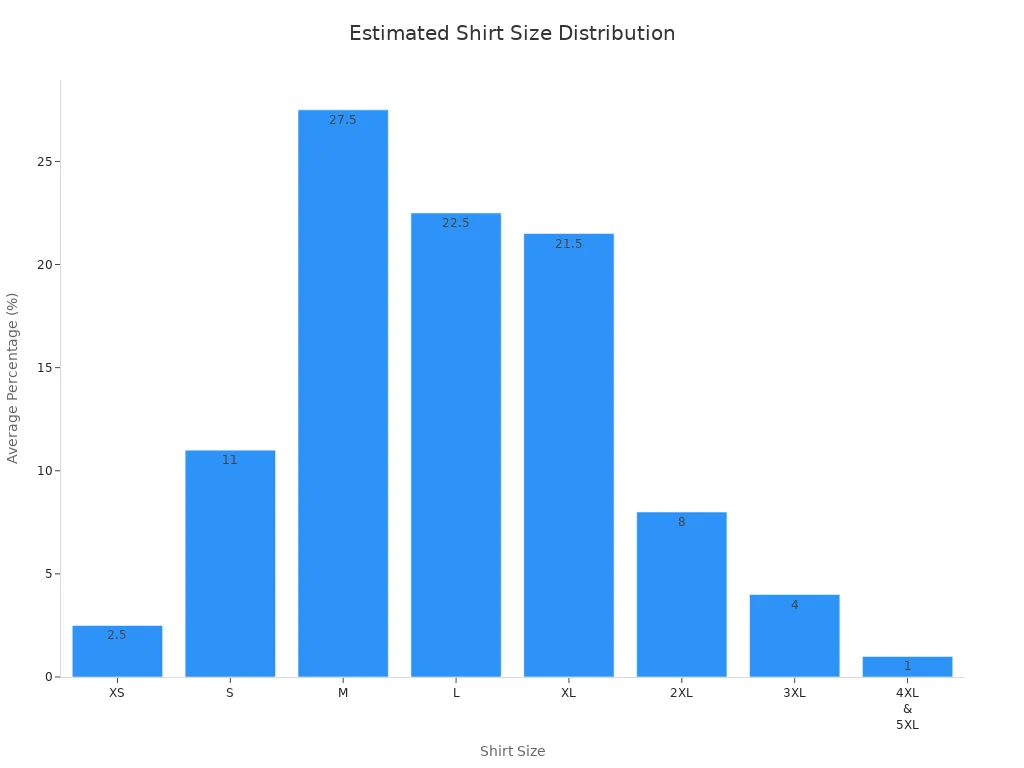
Start by confirming your guest list. Use a percentage-based approach to estimate the number of shirts in each size. This method reduces guesswork and helps you order the right mix of sizes. The chart below shows the average percentage of each size needed for large Australian events:
Extras
Always order extra shirts. Include buffer sizes to cover last-minute sign-ups or size swaps. Ignoring size diversity or forgetting to include buffer sizes can lead to shortages and disappointed guests. You should also consider the group’s demographics and fabric preferences when finalizing your order.
Budget
Cost Factors
Bulk orders often come with discounts, which lower the cost per shirt. Basic custom group t-shirts in Australia usually range from $15 to $25 each. AS Colour tees can cost between $12 and $25 per unit, depending on the print method and order volume. Premium options may exceed $50 per shirt.
Quality vs. Price
You need to balance quality and price. Higher-quality shirts last longer and feel better, but they cost more. If your event is a one-time occasion, a basic shirt may be enough. For ongoing use or promotional purposes, investing in premium shirts can boost your brand image.
Tip: Plan your budget early and get quotes from several suppliers. This helps you find the best value for your custom group t-shirts without sacrificing quality.
Sizing Accuracy
Getting group t-shirt sizes right is essential for a successful event. You want everyone to feel comfortable and confident in their personalized shirts. Accurate sizing also helps you avoid waste and extra costs.
Data Collection
Surveys
You can start by collecting size information directly from your group. Use a simple survey or online form to ask each participant for their preferred size. Make sure to categorize responses by gender or age if your group includes a mix of people. This step helps you spot trends and plan for the most common group t-shirt sizes.
Standard Sizes
Always refer to the specific size chart provided by your supplier. Share this size chart with your group before they select their sizes. Many people guess their size based on what they wear at home, but different brands use different measurements. When you use the supplier’s size chart, you help everyone choose the right fit. Remind your group to check the measurements on the size chart and compare them to a shirt they already own.
Tip: Double-check the completed surveys for missing or unclear answers. If you find gaps, reach out to those individuals for clarification. This extra step ensures your final list of group t-shirt sizes matches your group’s needs.
Here is a simple process you can follow to collect accurate group t-shirt sizes:
Ask everyone to submit their size using a survey.
Provide the supplier’s size chart for reference.
Review all responses for accuracy.
Order extra shirts in the most common sizes.
Confirm any unclear or missing information before finalizing your order.
Mixed Groups
Extra Sizes
When you order for a mixed group, you should plan for a range of group t-shirt sizes. Order extra shirts in popular sizes like M, L, and XL. This buffer helps you handle last-minute changes or unexpected guests.
Inclusive Sizing
Choose a supplier that offers inclusive sizing. Not every group fits into standard size ranges. Some people may need sizes outside the usual options. Check the size chart for extended sizes and make sure everyone in your group feels included.
Sizing Pitfalls
Australian vs. International
Sizing can get tricky in Australia. There is no single standard for group t-shirt sizes. Brands often create their own size chart, which leads to confusion. Some brands use vanity sizing, making shirts larger than the measurements suggest. The average Australian woman wears a size 14-16, but this may not match the label on every shirt. Always use the supplier’s size chart and never assume that a size from one brand will match another.
Note: If you order shirts from an international supplier, compare their size chart to an Australian one. This step helps you avoid surprises when the shirts arrive.
By following these steps, you can collect accurate group t-shirt sizes and avoid common mistakes. Always use the supplier’s size chart, check your data, and plan for a diverse group. This approach ensures everyone gets a shirt that fits and enjoys your event.
Shirt Styles & Materials
Choosing the right shirt style and material for your event helps you create custom apparel that stands out and feels comfortable. You can select from a range of popular options that suit different occasions and group preferences.
Style Options
T-Shirts
T-shirts remain the top choice for custom apparel at Australian events. You can pick from classic fits, vintage-inspired cuts, or oversized styles. Many groups prefer T-shirts because they offer comfort and versatility. Designs often feature bold graphics, logos, or cultural references. You can use T-shirts for festivals, team-building days, or promotional giveaways.
Polos
Polos give your custom apparel a polished look. You might choose polos for corporate events, golf days, or conferences. The collar and button design add a professional touch. Polos work well with subtle branding, such as a small logo on the chest or sleeve. You can select from lightweight or heavyweight fabrics depending on your needs.
Long Sleeves
Long sleeve shirts provide extra coverage and warmth. You can use them for outdoor events, cooler seasons, or activities that require sun protection. Many groups choose long sleeves for nature exploration or sportswear themes. You can add custom prints to the sleeves or front for a unique effect.
Tip: Match the shirt style to your event’s atmosphere and the activities planned. This helps everyone feel comfortable and engaged.
Here is a table showing the most popular shirt styles, materials, and design trends for Australian events:
Shirt Style | Materials | Colors | Prints & Styles |
|---|---|---|---|
Soft premium cotton, vintage-wash | Bold reds, yellows, monochrome | Cultural references from music, sports, and TV, vintage-inspired fits | |
Urban Street Art | Heavyweight cotton blends | Dark tones with bright graffiti | Oversized cuts with street-inspired artwork |
Nature Exploration | Moisture-wicking polyester blends | Earthy tones like burnt orange | Designs featuring national parks, wildlife, and hiking motifs |
Bold Logo Tees | High-quality cotton blends | Bright and neutral tones | Oversized brand logos |
Retro Sportswear Revival | Vintage-style cotton | Classic sports team hues | Throwback designs inspired by old-school sportswear |
Festival-Ready Graphic Tees | Lightweight cotton blends | Vibrant neon shades | Eye-catching graphics inspired by festival art |
Indigenous-Inspired Prints | Organic cotton | Deep earth tones | Traditional Aboriginal motifs, dot paintings, native animal designs |
Custom Illustrations and Art Prints | Soft cotton with stretch | Dark base colors | Hand-drawn and pop-art-inspired graphics |
Material Choices
Selecting the right material for your custom apparel affects comfort, durability, and print quality. You can choose from several options:
Material | Advantages |
|---|---|
100% Cotton | Soft, breathable, ideal for casual wear. |
Cotton-Poly Blends | More durable, less shrinkage, great for activewear. |
Polyester | Best for sublimation printing, ideal for sportswear. |
Cotton
Cotton feels soft and breathable. You can use it for casual events or when comfort matters most. Cotton works well with most printing methods and suits a wide range of custom apparel designs.
Polyester
Polyester resists wrinkles and dries quickly. You might choose polyester for sports events or outdoor activities. This material works best with sublimation printing, which produces vibrant, long-lasting designs.
Blends
Cotton-poly blends combine the best features of both materials. You get durability, less shrinkage, and comfort. Many groups select blends for activewear or events that require shirts to last longer.
Color Selection
You can make your custom apparel memorable by choosing colors that match your event theme and branding goals.
Event Theme
Shirts designed for milestone celebrations, such as FKG’s 50th Anniversary, use special colors to enhance the atmosphere and make the event feel unique.
Conference organizers often select colors that help participants stand out and create a unified look.
Branding
You should match your shirt colors to your brand’s palette. Bright colors attract attention at festivals or promotional events. Neutral tones work well for corporate gatherings. You can use color to reinforce your message and create a cohesive group identity.
Note: When you plan your custom apparel, consider how color choices affect the mood and visibility of your group. The right colors help your shirts become a highlight of the event.
You can create custom apparel that fits your event perfectly by selecting the right style, material, and color. This approach ensures your shirts look great, feel comfortable, and support your branding goals.
Printing Methods
Choosing the right printing method for your personalized shirts can make a big difference in quality, cost, and appearance. You have several options available in Australia, each with unique benefits and limitations. Let’s explore the most popular methods so you can select the best fit for your event.
Screen Printing
Screen printing stands out as the most common choice for bulk orders. You use this method when you want vibrant colors and durable designs. The process involves pushing ink through a mesh screen onto the shirt, creating a smooth and long-lasting finish. You get the best value when you order large quantities because the setup costs spread across many shirts. Bulk screen printing for events works well for simple logos and bold graphics.
Screen printing offers several advantages:
Wide range of ink colors
Excellent durability
You may notice that screen printing produces designs that resist fading and cracking, even after many washes. If you need custom screen printing services for a big event, this method gives you professional results at a reasonable price.
Tip: Choose screen printing for cotton t-shirts and hoodies. You get a soft feel and vibrant colors that last.
DTG & Digital
Direct-to-garment (DTG) printing uses advanced digital technology to print your design directly onto the fabric. You upload your artwork, and the printer applies ink in full color. DTG works best for small batches or designs with lots of detail and color gradients. You get flexibility with this method, but the cost per shirt is higher compared to screen printing.
DTG printing offers these benefits:
No setup fees for small runs
Unlimited color options
Ideal for photo-quality prints
You may find that DTG prints fade more quickly than screen-printed designs. The ink sits on the surface of the fabric, which can lead to less durability over time. If you want to print a few shirts with complex artwork, DTG gives you creative freedom.
Vinyl Transfer
Vinyl transfer uses heat to apply cut-out vinyl designs onto shirts. You select this method for names, numbers, or simple graphics. The process works well for small orders and personalization. You get a raised, textured feel on the fabric, which stands out visually.
Vinyl transfer offers these features:
Great for custom names and numbers
Fast turnaround for small batches
Works on many fabric types
You should know that vinyl designs may peel or crack after repeated washing. This method suits events where you need personalized shirts quickly, but it may not be the best choice for large bulk orders.
Here’s a table comparing embroidery and screen printing to help you decide:
Feature | Embroidery | Screen Printing |
|---|---|---|
Design Detail | Best for simple logos | Great for detailed and multi-color graphics |
Color Options | Limited to available thread colors | Wide range of ink colors and blending options |
Setup Time | Fast setup for small runs | Longer setup, especially for designs with multiple colors |
Cost | More expensive per piece | Economical for large quantities |
Fabric Compatibility | Best on thick fabrics like polos | Best on soft fabrics like cotton t-shirts and hoodies |
Order Volume | Good for small batches | Better for large orders |
Feel on Fabric | Textured and raised feel | Soft and smooth finish |
Eco-Impact | Produces less waste but uses thread materials | Uses inks and chemicals that may be less eco-friendly |
Screen printing remains the most cost-effective option for large orders. You get long-lasting designs and a smooth finish. DTG and vinyl transfer give you flexibility for small runs and personalized touches. Consider your event size, design needs, and budget before choosing a printing method.
Embroidery
Embroidery gives your personalized shirts a premium, professional look. You see this method often on polos, uniforms, and corporate apparel. The process uses threads to stitch your design directly onto the fabric. This creates a textured, raised effect that stands out from printed designs.
You should consider embroidery when you want your logo or text to last. The threads resist fading and washing, so your shirts look sharp even after many wears. Embroidery works best for simple logos, names, or small graphics. Complex images or large, colorful designs do not translate well to this method.
Key Benefits of Embroidery:
Long-lasting and durable
Professional appearance
Works on thick fabrics like polos, jackets, and caps
Resists fading and cracking
Drawbacks to Keep in Mind:
Higher cost per shirt, especially for large designs
Limited color blending (uses thread colors, not ink)
Not ideal for thin t-shirts or lightweight fabrics
Best for small logos or text, not detailed artwork
Tip: Choose embroidery for staff uniforms, sports teams, or corporate gifts. You create a polished impression that lasts.
Here is a quick comparison table to help you decide if embroidery fits your needs:
Feature | Embroidery | Screen Printing |
|---|---|---|
Durability | Excellent | Very Good |
Detail Level | Simple graphics | Complex graphics |
Cost for Bulk | Higher | Lower |
Fabric Suitability | Thick fabrics | Most fabrics |
Color Options | Limited thread | Unlimited ink |
Feel on Shirt | Raised, textured | Smooth, flat |
You should talk to your supplier about the type of fabric you plan to use. Embroidery works best on sturdy materials. Thin shirts may pucker or stretch under the stitches. If you want a large, colorful design, screen printing or digital printing may suit you better.
Note: Many Australian suppliers offer digitizing services. This means they convert your logo into a format suitable for embroidery machines. Always ask for a sample or proof before you approve the final run.
You can combine embroidery with other printing methods. For example, you might embroider a logo on the chest and use screen printing for a large back design. This approach gives your shirts a unique, high-quality finish.
When you choose embroidery, you invest in shirts that make a strong impression. Your team or guests will notice the difference in quality and durability.
Suppliers in Australia
Local Printers
You can find many local shirt printing suppliers across Australia. Local printers offer several advantages for bulk personalized shirt orders. You get faster communication and support when you work with a supplier in your area. Local businesses often understand the needs of Australian events and can recommend the best shirt styles for your climate and audience.
When you choose a local printer, you support your community and reduce shipping times. Many local suppliers offer in-person consultations, which help you finalize your design and check fabric samples. You can also visit their facilities to see print quality firsthand. Some local printers provide rush services for last-minute orders, which is helpful if your event date is close.
Here is a table to help you evaluate local shirt printing suppliers in Australia:
Criteria | Description |
|---|---|
Printing Techniques | Various methods including DTG, screen printing, DTF, and more for vibrant and durable prints. |
Product Selection | A diverse range of apparel including t-shirts, hoodies, and specialty items. |
Order Requirements | No minimum order requirement, accommodating both small and large orders. |
Customisation Tools | User-friendly online design tools for easy design creation. |
Pricing | Competitive pricing, especially for small to medium runs. |
Turnaround Times | Quick production times, ideal for projects with tight deadlines. |
Eco-Friendly Practices | Use of sustainable materials and eco-friendly inks. |
Shipping Options | Australia-wide shipping to ensure accessibility for all customers. |
Tip: Ask your local printer about eco-friendly options. Many now use sustainable materials and water-based inks.
Reviews & Portfolios
You should always check reviews and portfolios before choosing a supplier. Reviews from other customers give you insight into the supplier’s reliability, print quality, and customer service. Look for feedback on turnaround times and how the supplier handles issues or last-minute changes.
A strong portfolio shows you the supplier’s range and skill. You can see examples of past work, including different shirt styles, printing methods, and design complexity. Portfolios help you judge if the supplier can handle your specific needs. If you want a unique design or special material, look for similar projects in their portfolio.
You can use these steps to evaluate a supplier’s reputation:
Read recent online reviews on Google, Facebook, or independent platforms.
Ask the supplier for references from past clients.
Review their website or social media for photos of completed orders.
Check if they have experience with events similar to yours.
Note: Suppliers with many positive reviews and a diverse portfolio usually deliver better results.
Quotes & Samples
Getting a quote and sample is a key step in the ordering process. Most Australian suppliers make this process simple and transparent. You can follow these steps to get started:
Submit your design or logo to the supplier.
Tell them your desired quantities, shirt styles, and delivery location.
Approve the quote and place your order.
The supplier prints and ships your shirts directly to your door.
You can also request printed samples or digital proofs before you confirm your order. Samples help you check the fabric quality, print accuracy, and color matching. Many suppliers offer free, no-obligation quotes. If you have never ordered custom shirts before, most suppliers provide guidance to help you through the process.
Provide your design, preferred shirt style, and quantity for a tailored quote.
Ask for a printed sample or proof to ensure you are happy with the design and print quality.
Take advantage of free quotes and expert advice, especially if this is your first time ordering in bulk.
Tip: Always review your sample or proof carefully. This step helps you avoid surprises and ensures your shirts look exactly as you expect.
By choosing reputable local suppliers, checking reviews and portfolios, and requesting quotes and samples, you set yourself up for a smooth and successful bulk shirt order for your Australian event.
Minimum Orders
When you order personalized shirts in bulk, you need to understand minimum order requirements. Minimum order quantity (MOQ) means the smallest number of shirts a supplier will produce in one run. Some suppliers set a high MOQ, while others let you order any quantity you want. Knowing these policies helps you plan your event and manage your budget.
You find that many Australian suppliers offer flexible options. Some companies require a minimum of 50 shirts per design or color. This rule often applies when you choose complex designs or special printing methods. Other suppliers have no minimum order at all. You can order just one shirt if you need a sample or a small batch for a special group.
Here is a table showing how different suppliers handle minimum orders:
Supplier | Minimum Order Requirement | Notes |
|---|---|---|
Hook and Eye UK | 50 units per design/color | MOQ varies based on design complexity |
Dubinik | No minimum requirement | Discounts available for 20 items or more |
You see that suppliers like Hook and Eye UK set a minimum of 50 units for each design or color. This policy works best for large events or when you want to keep costs low per shirt. The MOQ may change if your design uses many colors or special techniques. On the other hand, Dubinik lets you order any quantity. You get more flexibility, especially for small teams or exclusive events. If you order 20 or more shirts, you can access bulk discounts.
Tip: Always ask your supplier about their minimum order policy before you start your design. This step helps you avoid surprises and ensures you meet your event needs.
You should also consider how minimum orders affect your timeline. Large MOQs often mean longer production times. No-minimum suppliers can deliver small batches quickly, which helps if you need shirts on short notice. Some companies offer rush services for urgent orders, but you may pay extra for faster delivery.
When you compare suppliers, look for those that match your group size and event goals. If you plan a big festival or corporate event, a higher MOQ can save you money. For smaller gatherings or last-minute needs, choose a supplier with no minimum order. This approach gives you control over your order size and budget.
You make better decisions when you understand minimum order requirements. Always check with your supplier, review their policies, and choose the option that fits your event best.
Design Finalization
Finalizing your shirt design is a key step before you place a bulk order. You want your shirts to look sharp and professional. Careful preparation and review help you avoid costly mistakes.
Artwork Prep
You should prepare your artwork files with care. High-quality files make a big difference in print results. Follow these best practices for preparing your design:
Set up your art file using the best settings for t-shirt printing.
Create your design at the actual print size.
Convert all fonts to outlines if you use Adobe Illustrator.
Resize your artboard to fit the outer edges of your design.
Export your final design as a PNG with a transparent background.
Upload your saved PNG file to the supplier’s design tool.
For most artwork, use EPS files or Adobe Illustrator (.ai) files. These formats keep your design crisp and clear. Avoid sending files in MS Word or PowerPoint. These programs do not support high-quality printing.
Tip: Always check your supplier’s file requirements before you submit your design. This step helps you avoid delays.
Printing Approval
You need to approve a digital proof before your shirts go into production. This proof shows you exactly how your design will look on the shirt. The approval process usually follows these steps:
Request a quote by sharing your shirt style, quantity, and design.
Receive advice and a digital mockup from your supplier.
Approve the proof and confirm your order, including pricing and timelines.
Production begins, often with strict quality checks.
Your shirts ship quickly with tracking across Australia.
Take your time to review the proof. Check the placement, colors, and spelling. If you see any issues, ask for changes before you approve.
Note: Approving the proof is your last chance to catch errors before printing starts.
Common Mistakes
Many people make the same mistakes when ordering bulk shirts. You can avoid these problems by learning from others. Here is a table of frequent design errors and how to prevent them:
Mistake | Description | How to Avoid |
|---|---|---|
You risk shortages if there are misprints or defects. | Always order at least 5% extra and check the supplier’s policy. | |
Failing to Provide a Print-Ready Design | Low-resolution images cause poor print quality and font changes. | Submit high-resolution vector files and discuss requirements. |
Not Testing a Sample Before Bulk Order | Skipping samples can lead to shirts that do not meet your expectations. | Order a small test batch to confirm quality and fit. |
You can prevent most issues by preparing your artwork carefully, reviewing proofs, and ordering extra shirts. These steps help you get the best results for your event.
Placing Bulk Orders
Placing bulk orders for personalized shirts in Australia involves several important steps. You need to provide accurate information, understand payment terms, and confirm every detail before production begins. This process ensures your shirts arrive on time and meet your expectations.
Order Details
When you place bulk t-shirt orders, you must supply specific information to your supplier. Accurate details help prevent mistakes and delays. Most Australian suppliers require the following:
Requirement | Description |
|---|---|
Artwork Submission | Submit your artwork for the shirts. |
Quantity | Specify the number of shirts needed. |
Shirt Style | Indicate the style of shirts you want to order. |
Mixing Sizes and Colors | You can mix sizes and colors in one order, provided the print remains the same. |
You should prepare your artwork in advance and double-check your design files. List the exact quantity for each size and color. If your group needs a mix of sizes or colors, confirm that your supplier allows this under the same print design. Clear communication at this stage helps you avoid errors and ensures your bulk orders match your event needs.
Tip: Create a checklist with all order details before you contact your supplier. This step helps you organize your information and speeds up the ordering process.
Payment Terms
Understanding payment terms is essential when you place bulk orders. Australian suppliers usually outline their policies clearly. You should review these terms before you finalize your order. The table below summarizes common payment and refund policies:
Aspect | Details |
|---|---|
Cancellation of Orders | Subject to a 33% restocking fee, unless waived by the supplier. |
Eligible Returns | Faulty or damaged items, garments with faulty prints. |
Non-Returnable Items | Change of mind, incorrect size selection, items with wear and tear. |
Return Shipping Charges | Customers are responsible for return shipping costs. |
Refunds | Considered on a case-by-case basis if replacement is not feasible. |
Most suppliers require a deposit or full payment before production starts. You should ask about accepted payment methods, such as credit card, bank transfer, or PayPal. If you need to cancel your order, expect a restocking fee unless the supplier offers an exception. Only faulty or misprinted items qualify for returns. You cannot return shirts due to a change of mind or incorrect size selection. If you receive damaged goods, contact your supplier immediately to arrange a replacement or refund.
Note: Always read the supplier’s terms and conditions before you pay. This step protects you from unexpected fees or issues.
Confirmation
After you submit your order and payment, your supplier will confirm the details. Reliable Australian suppliers follow a clear process to keep you informed:
Suppliers manage the shipment process efficiently and reliably, ensuring timely delivery.
They provide all necessary documentation and keep you informed about the shipping status.
Quality control is integrated throughout the production cycle, ensuring that garments meet specifications.
You will receive an order confirmation, usually by email. This document lists your shirt styles, sizes, colors, artwork, and delivery address. Review this confirmation carefully. If you spot any errors, notify your supplier immediately. During production, suppliers perform quality checks to ensure your shirts meet your specifications. Once your order ships, you receive tracking information so you can monitor delivery.
Tip: Save all order confirmations and shipping documents. These records help you resolve any issues quickly.
Placing bulk orders for personalized shirts in Australia becomes straightforward when you follow these steps. Provide complete order details, understand payment and refund policies, and confirm every aspect of your order. This approach ensures your bulk orders arrive on time and meet your event goals.
Delivery & Quality
Production Time
You need to plan for production time when you order personalized shirts in bulk. Production time means how long it takes for your shirts to be printed and ready for shipping. Most Australian suppliers offer several options. Some can print and prepare your shirts in just 24 hours. This fast turnaround works well if you have a last-minute event. Many suppliers finish orders in 3 to 4 days, which suits most tight deadlines. For larger or more complex orders, you should expect a production time of up to two weeks.
Here is a table that shows typical production times for bulk shirt orders in Australia:
Production Time | Description |
|---|---|
24 Hours | Custom printed t-shirts and merchandise can be ready the next day. |
3-4 Days | Products can be ready for quick order turnaround, ideal for tight deadlines. |
2 Weeks | Most items can be custom printed and delivered within two weeks. |
Tip: Always confirm production time with your supplier before you place your order. This step helps you avoid delays and ensures your shirts arrive before your event.
Shipping Options
After production, your shirts need to reach you on time. Australian suppliers offer several shipping options. Regular post is the standard choice. You can use the Australia Post calculator to estimate delivery time. Sometimes, delays happen in remote or busy areas. If you need your shirts quickly, you can choose express postage. Suppliers use services like TGE, Startrack Express, or Australia Post Express. These options deliver your shirts faster and provide more reliable timelines.
You can compare shipping methods in the table below:
Shipping Method | Description |
|---|---|
Regular Post | Use Aus Post calculator for estimated shipping time. Delays may occur in some areas. |
Express Postage | Options include TGE, Startrack Express, or Australia Post Express, with the fastest option chosen. |
Note: Express shipping costs more, but it gives you peace of mind if your event date is close.
Order Tracking
You should always track your order once it ships. Most suppliers send you an email with tracking information as soon as your shirts are ready for delivery. If your order includes multiple parcels, you receive separate emails for each one. Tracking helps you know where your shirts are and when they will arrive. You can plan your event setup with confidence.
Tracking Method | Description |
|---|---|
Track My Orders | An email with tracking information is sent when the order is ready, with separate emails for multiple parcels. |
Tip: Save your tracking emails and check them regularly. If you notice any delivery issues, contact your supplier or the shipping company right away.
You can ensure a smooth delivery process by understanding production times, choosing the right shipping option, and tracking your order. These steps help you receive your personalized shirts on time and in perfect condition.
Quality Check
You want your personalized shirts to arrive in perfect condition. A thorough quality check helps you catch problems early and ensures your group receives shirts that meet your expectations. When your bulk order arrives, you should follow a clear inspection process. This step protects your investment and keeps your event running smoothly.
Here is a step-by-step guide to checking the quality of your shirts:
Inspect the Clothing Material
Start by feeling the fabric. Check for softness, thickness, and any irregularities. Hold the shirt up to the light to spot thin areas or flaws. High-quality shirts feel smooth and even. If you notice rough patches or loose threads, set those shirts aside for further review.Check Packing and Labeling
Open each box carefully. Look for correct labeling on every package. Each shirt should match your order details, including size, color, and design. Labels should be clear and accurate. If you find shirts in the wrong size or color, contact your supplier right away.Test the Apparel On-Site
Try a few shirts on different people in your group. Check the fit and comfort. Gently stretch the seams and tug at the sleeves to test stitch strength. Rub a damp cloth over the print to see if any color comes off. This simple test helps you spot weak stitching or poor print quality.Review Laboratory Test Results (If Provided)
Some suppliers include lab test reports for large orders. These tests check for colorfastness, shrinkage, and fabric durability. Read these reports to confirm your shirts meet safety and quality standards. If your order does not include lab results, you can request them for future orders.Engage in Total Quality Management
Involve your team in the inspection process. Assign different people to check packing, sizing, and print quality. Keep a checklist and record any issues. This team approach helps you catch more problems and improves your quality control for future events.
Tip: Take photos of any defects or issues you find. Share these with your supplier to speed up replacements or refunds.
A careful quality check gives you peace of mind. You know your shirts will look great and last through your event. When you follow these steps, you build trust with your group and set a high standard for future orders.
Tips for Success
Timeline Planning
You can avoid last-minute stress by planning your bulk shirt order timeline carefully. Start by forecasting demand. Look at last year’s event data to predict how many shirts you need. Notify your logistics partner four to six weeks before your event. Early communication helps your supplier prepare inventory and schedule production.
Follow these steps to keep your order on track:
Forecast demand using previous event data.
Contact your logistics partner at least a month in advance.
Make sure your inventory arrives and gets shelved early.
Test your fulfillment systems to prevent errors.
Set clear order cut-off dates and share them with your group.
You should also check product pages for estimated handling times. In-stock items usually ship in three to five business days. On-request items may take seven to ten business days. Express shipping speeds up delivery, but does not shorten handling time. Always communicate special requirements to your supplier.
Aspect | Details |
|---|---|
Handling Time | Listed on each product page |
Shipping Options | Standard: $14.00, Express: $18.00 |
Important Notes | Express Post does not affect handling time |
Customer Expectations | Share special requirements early |
Tip: Set reminders for each step in your timeline. You reduce the risk of missing deadlines and ensure your shirts arrive before your event.
Supplier Communication
Clear communication with your supplier makes the bulk ordering process smoother. You should share your order details, deadlines, and any special requests early. Effective communication reduces lead times and helps your supplier plan capacity. Real-time order tracking lets you monitor progress and adjust plans if needed.
Australian brands have improved their processes by using digital tools for collaboration. For example, one company reduced sample iterations by 40% and cut lead times by nine days after switching to a shared platform. You can ask your supplier about order tracking and capacity planning options.
Share your event date and shirt requirements early.
Use digital tools for real-time updates.
Confirm order details and ask questions if anything is unclear.
Note: Good communication builds trust and helps you solve problems quickly.
Feedback
You can improve future bulk shirt orders by collecting feedback after your event. Ask your group to review the shirts and share their opinions. Use this feedback to refine your process and make better choices next time.
Feedback Mechanism | Description |
|---|---|
Solicit and Showcase Reviews | Encourage reviews to boost credibility and attract new customers. |
Continuously Optimize | Use analytics and feedback to improve checkout and shirt designs. |
You should showcase positive reviews to build trust with future event participants. Analyze feedback to spot areas for improvement, such as sizing accuracy or design quality. Update your process based on what you learn.
Tip: Create a simple survey for your group. You gather valuable insights and make your next bulk order even better.
You can simplify the process of ordering personalized shirts australia by following a clear plan. Start with event goals, gather accurate sizes, and select the right shirt style. Choose a trusted supplier for personalized shirts australia and review proofs before confirming your order. Use this checklist for success:
Define your event merchandise needs
Collect sizing data for personalized shirts australia
Pick styles and printing methods
Track delivery and check quality
When you plan ahead, personalized shirts australia become a highlight of your event.
FAQ
How do you estimate the right number of shirts for your event?
You start by confirming your guest list. Add a buffer for unexpected attendees. Review past event data if available. Always order a few extra shirts to cover last-minute changes.
What is the best way to collect sizing information from your group?
You use a simple survey or online form. Share the supplier’s size chart with everyone. Ask participants to compare measurements with a shirt they already own. This method helps you manage size variability.
Can you mix shirt styles and colors in one bulk order?
You can mix styles and colors if your supplier allows it. Most suppliers let you combine different sizes and colors under the same print design. Always confirm this option before placing your order.
What printing method works best for large events?
Screen printing suits large events. You get vibrant colors and durable designs. This method offers the best value for bulk orders. Ask your supplier about bulk order discounts for screen printing.
How long does it take to receive your shirts after ordering?
Production usually takes three to ten days. Express shipping speeds up delivery. You receive tracking information once your order ships. Always check with your supplier for specific timelines.
What should you do if some shirts arrive with defects?
You inspect all shirts upon arrival. Take photos of any defects. Contact your supplier immediately. Most suppliers offer replacements or refunds for faulty items. Keep your order confirmation and documentation handy.
Are there eco-friendly options for personalized shirts?
You can choose shirts made from organic cotton or recycled materials. Many Australian suppliers offer water-based inks and sustainable packaging. Ask your supplier about eco-friendly choices during the quoting process.
How do you get help with design or artwork preparation?
You reach out to your supplier’s design team. Many suppliers offer online design tools and expert advice. You can request a digital proof before production starts. This step helps you avoid common design mistakes.