

Comparing Hi Vis Shirt Fabrics for Comfort and Safety
Table of Contents
Display
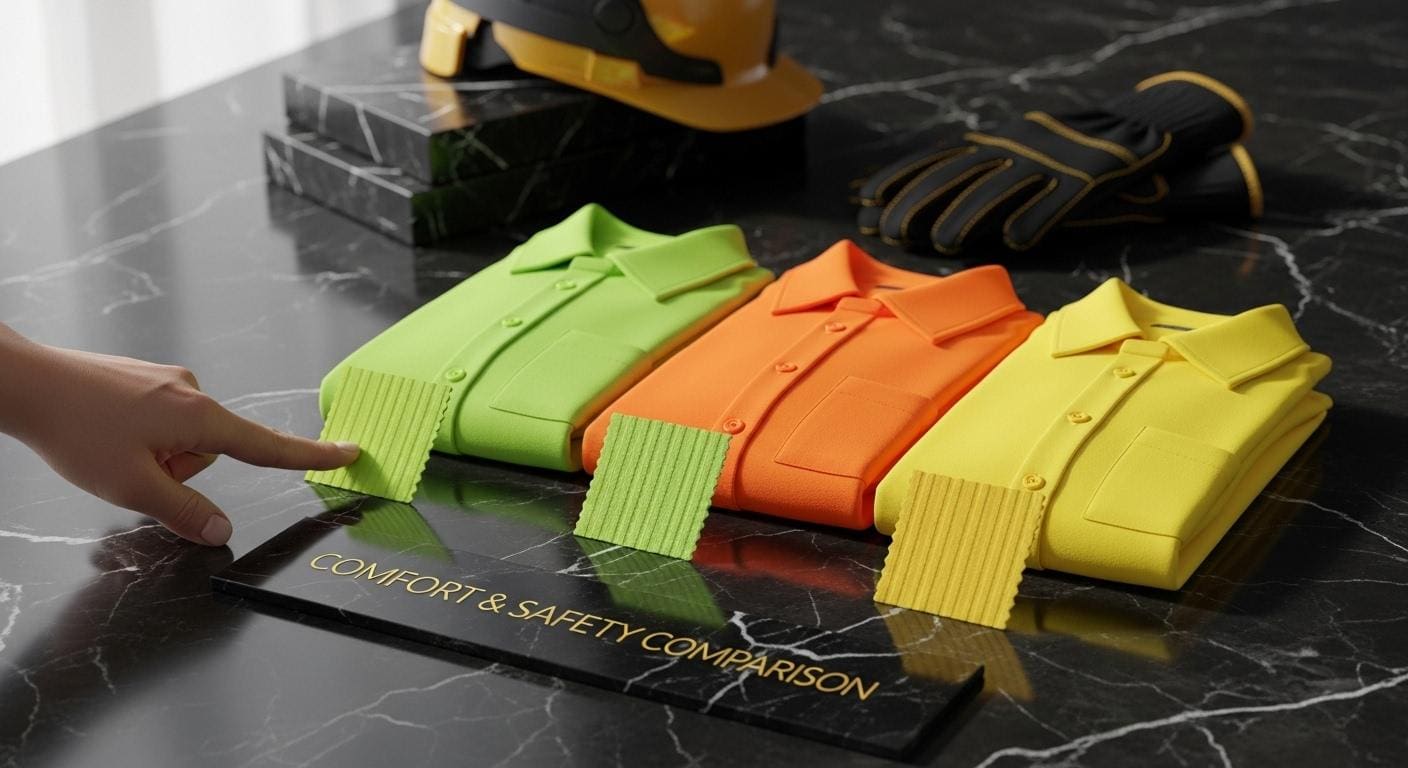
I find that fabric selection plays a critical role in both comfort and safety for high visibility shirts. Industry research shows that synthetic fabrics in hi-vis shirts offer flame resistance but often trap heat, while cotton dries slowly and manages heat poorly. Wool and cotton blends can help workers reduce heat strain, especially in active or hot environments. When I choose a hi vis shirt, I always consider climate, job demands, and ease of care to ensure safety and comfort.
Key Takeaways
Choose the right fabric for your work environment to ensure comfort and safety.
Synthetic fabrics offer moisture-wicking properties, keeping you cool and dry during physical activity.
Fluorescent colors and reflective tape enhance visibility in both daylight and low-light conditions.
Blended fabrics combine the comfort of cotton with the durability of polyester, making them a great choice for daily wear.
Regularly inspect your hi-vis shirts for wear and fading to maintain safety compliance.
Follow proper care instructions to extend the lifespan of your hi-vis shirts and keep them looking bright.
Consider the climate when selecting fabrics; moisture-wicking options are best for hot weather.
Invest in high-quality materials to save money in the long run by reducing the need for frequent replacements.
Fabric Choice
Selecting the right fabric for hi-vis shirts shapes my experience on the job. I always pay close attention to how the material affects comfort, safety, and maintenance. The choice of fabric determines how visible I am in different lighting, how well my shirt manages moisture, and how long it lasts after repeated use.
Comfort Impact
I notice that comfort depends on how well the shirt allows air to flow and how it handles sweat. When I wear shirts made from synthetic fabrics with high air permeability, I feel cooler and drier, especially during physical activity. Research supports this observation. For example, studies show that shirts with higher air permeability improve sweat evaporation and reduce humidity next to the skin. I have summarized these findings in the table below:
Study | Findings | Fabric Type | Comfort Impact |
|---|---|---|---|
Brazaitis et al. | Increased sweat evaporation with higher air permeability | Synthetic t-shirts | Improved comfort during exercise |
Kaplan and Okur | Lower thermal comfort ratings with low air permeability | Various t-shirts | Poorer comfort ratings |
Herten et al. | Lower microclimate humidity with higher air permeability | Higher air permeability shirts | Enhanced comfort during activity |
When I work in hot environments, I prefer hi-vis shirts that use moisture-wicking fabrics. These shirts keep me dry and comfortable, even when I sweat. Cotton feels soft but dries slowly, which can make me feel clammy after a long shift.
Safety Impact
Safety remains my top priority. The fabric in hi-vis shirts must enhance visibility in all conditions. I look for shirts that use fluorescent materials because they create bright colors like neon yellow, red, and orange. These colors stand out during the day. At night, retroreflective tape on the shirt bounces light back to its source, making me visible to drivers and machinery operators. I rely on the combination of fluorescent fabrics and reflective elements to stay safe in low-light situations. This approach ensures that workers like me remain visible whether the sun is up or down.
Fluorescent materials boost daytime visibility by reemitting UV light.
Retroreflective tape provides nighttime safety by reflecting headlights.
Bright colors and reflective tape together maximize visibility for workers.
Durability
Durability matters when I wash and wear my hi-vis shirts every week. I have compared polyester, cotton, and blended fabrics to see which lasts the longest. Polyester stands out for its resistance to fading and shrinking. It dries quickly and keeps its shape after many washes. Cotton feels soft but wears out faster and fades over time. Blended fabrics offer a balance, combining the comfort of cotton with the durability of polyester. I use the table below to guide my choices:
Fabric Type | Durability Characteristics | Notes |
|---|---|---|
Polyester | Highly durable, moisture-wicking, fast drying, fade and shrink resistant | Ideal for heavy use, retains shape after multiple washes |
Cotton | Less durable, absorbs moisture, slower drying, potential for fading and wear | Soft and breathable but may not hold up under heavy use |
Blended | Combines strengths of both, more durable than cotton, fast drying, retains shape well | Offers a balance of comfort and durability, popular in custom apparel market |
I always choose hi-vis shirts based on the demands of my job and the climate. The right fabric keeps me comfortable, visible, and protected, while also saving me money in the long run.
Hi Vis Shirt Materials
When I choose a hi vis shirt, I always look at the materials first. The most common options in the safety apparel industry are polyester, cotton, and blended fabrics. Each one offers unique benefits and drawbacks for comfort, safety, and durability. I rely on both my experience and industry data to make the best choice for my work environment.
Material | Market Share |
|---|---|
Polyester | 16.14.1 |
Cotton | 16.14.2 |
Blended | 16.14.3 |
Others | 16.14.4 |
Polyester
Comfort
I find polyester hi-vis shirts lightweight and easy to wear, especially during long shifts. Polyester mesh fabrics offer excellent breathability, which keeps me cool when I work outdoors or in hot conditions. In laboratory tests, polyester mesh outperforms standard polyester and even cotton blends for airflow. I notice that polyester dries quickly after washing, so I never have to wait long before wearing my shirt again.
Fabric Type | Breathability |
|---|---|
Polyester Mesh | Excellent |
Polyester | Good |
Fabric Type | Drying Time (minutes) |
|---|---|
Polyester |
Safety
Polyester stands out for its ability to hold bright, fluorescent colors. This feature makes me more visible during the day. The fabric also works well with retroreflective tape, which is essential for nighttime safety. I trust polyester to maintain its color and reflective properties after many washes, so I stay visible and compliant with safety standards.
Pros
Dries quickly, which saves me time and keeps me comfortable.
Maintains color and shape after repeated washing.
Lightweight and breathable, especially in mesh form.
Works well with reflective tape for maximum visibility.
Cons
Can trap heat if not designed with mesh or ventilation.
May feel less soft against the skin compared to cotton.
Sometimes causes static buildup, which can be uncomfortable.
Cotton
Comfort
Cotton feels soft and natural against my skin. I prefer cotton hi vis shirts when I want maximum comfort during long hours. The fabric absorbs moisture well, but it dries much slower than polyester. After washing, I often wait up to an hour for a cotton shirt to dry. In hot or humid conditions, cotton can feel heavy and damp, which reduces comfort.
Fabric Type | Drying Time (minutes) |
|---|---|
Cotton | 50–70 |
Safety
Cotton holds fluorescent dyes, but not as well as polyester. After several washes, I notice the colors start to fade, which can reduce my visibility. Cotton also absorbs moisture, which sometimes affects the performance of reflective tape. For jobs that require strict compliance, I check my cotton shirts often to make sure they still meet safety standards.
Pros
Feels soft and comfortable for all-day wear.
Absorbs sweat, which can help in mild climates.
Natural fiber, which some workers prefer for sensitive skin.
Cons
Dries slowly, which can be inconvenient.
Loses color after repeated washing, reducing visibility.
Can feel heavy and damp in hot or humid environments.
Blends
Comfort
Blended hi vis shirts combine the best features of cotton and polyester. I often choose a 50/50 cotton-polyester blend for a balance of comfort and durability. These shirts feel soft like cotton but dry faster and weigh less. Laboratory tests show that a 65% polyester and 35% cotton blend is nearly 35% more breathable than pure polyester and 15% lighter. I notice less heat buildup and better moisture management with blends.
Fabric Type | Breathability | Weight Comparison | Strength Comparison |
|---|---|---|---|
65% Polyester/35% Cotton | Nearly 35% more breathable | 15% lighter than 100% polyester | 75% stronger than poplin workwear fabrics |
Safety
Blended fabrics hold color well and resist fading better than pure cotton. After many washes, my blended shirts still look bright and keep me visible. They also work well with reflective tape, so I stay compliant with safety regulations. I trust blends for both indoor and outdoor jobs.
Fabric Type | Color Retention After Washes | Performance Comparison |
|---|---|---|
Blended (Cotton-Polyester) | Outperforms pure cotton | |
Pure Cotton | Moderate | Loses color after washes |
Pure Polyester | High | Maintains color well |
Pros
Balances comfort and durability for daily wear.
Dries faster than cotton and resists shrinking.
Maintains color and shape after many washes.
Offers better breathability and lighter weight than pure polyester.
Cons
May not feel as soft as 100% cotton.
Can cost more than single-fiber shirts.
Some blends may pill or show wear over time.
Tip: I always check the label for fabric composition before buying a hi vis shirt. Blended options often give me the best mix of comfort, safety, and long-term value.
Hi-Vis Moisture Wicking Shirts
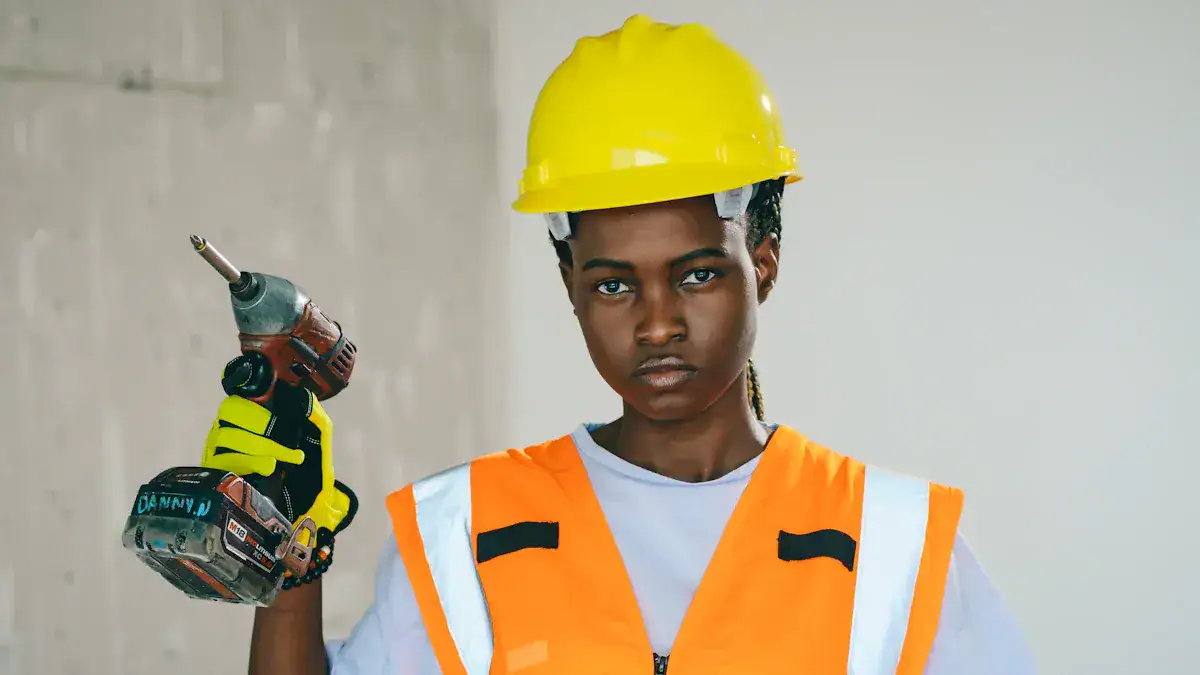
Moisture Management
I always prioritize moisture management when selecting hi-vis moisture wicking shirts for demanding work environments. These shirts use advanced technology to draw sweat away from my skin, which keeps me dry and comfortable throughout my shift. I have noticed that moisture-wicking fabrics help regulate my body temperature, especially during high-intensity activities or when I work outdoors in the summer. Traditional hi-vis shirts often leave me feeling overheated and sticky, but hi-vis moisture wicking shirts keep me up to four times cooler. This difference allows me to maintain focus and efficiency, even in hot climates.
Tip: I recommend choosing hi-vis moisture wicking shirts with breathable mesh panels for maximum airflow. This design prevents sweat-soaked clothing and reduces discomfort during long hours on the job.
Comfort in Activity
Comfort is essential for me, especially when I move constantly or perform physically demanding tasks. Hi-vis moisture wicking shirts excel in active settings because they keep me dry and prevent chafing. I find that these shirts allow me to work without distraction, since I do not have to worry about sweat buildup or irritation. The lightweight construction and quick-drying properties of hi-vis moisture wicking shirts make them ideal for workers who need to stay comfortable and maintain high visibility in any situation.
Moisture-wicking technology draws sweat away from the skin.
These shirts help regulate body temperature and prevent discomfort.
Hi-vis moisture wicking shirts ensure that workers remain dry, which is crucial for maintaining focus and efficiency in hot environments.
I have tested several brands and always notice a significant improvement in comfort when I wear hi-vis moisture wicking shirts compared to standard cotton or polyester options.
Best Uses
I rely on hi-vis moisture wicking shirts in a variety of work environments. Safety guidelines recommend these shirts for jobs that require high visibility and comfort, especially in hot or high-risk conditions. I use the following table to match ANSI class requirements with recommended environments:
ANSI Class | Description |
|---|---|
Class 3 | Designed for high-risk environments needing visibility from 360 meters or more, ideal for severe weather or night operations. |
Class 2 | Suitable for areas with vehicle traffic over 25 mph, where attention may be diverted from approaching vehicles. |
Class 1 | Used in low-risk environments with traffic speeds not exceeding 25 mph. |
I have found that hi-vis moisture wicking shirts are especially valuable in construction, roadwork, and emergency services. These industries require shirts that comply with ANSI Class 2 or 3 standards to ensure maximum visibility and durability. For transportation and warehousing, I prefer lightweight hi-vis moisture wicking shirts that support long shifts and keep me cool.
Essential features for safety and comfort include:
Reflective striping for enhanced visibility
Breathable fabric for moisture control
Durability to withstand repeated use
Industry-specific design for compliance
Different industries have tailored safety requirements for hi-vis moisture wicking shirts. Construction and roadwork demand heavy-duty shirts that meet strict standards, while indoor jobs may benefit from lighter, more breathable options. I always select hi-vis moisture wicking shirts that match my work environment and personal comfort needs.
Hi-Vis Safety
Visibility
When I work on a construction site, I know that visibility can mean the difference between a safe shift and a dangerous one. High-visibility clothing helps me stand out in busy environments, especially when heavy equipment moves nearby. I always look for safety shirts that use bright fluorescent colors and wide reflective stripes. These features catch the eye during the day and shine under headlights at night. In my experience, the best safety t-shirts combine both fluorescent fabric and reflective tape for maximum visibility.
I rely on reflective elements to keep me visible from every angle. This is especially important in construction zones where workers move around vehicles and machinery. Reflective stripes on ansi class 3 clothing wrap around the torso and arms, making sure I stay visible even when I turn or bend. For lower-risk areas, ansi class 2 clothing provides enough visibility for workers near slower traffic. I always match my hi-vis shirt to the level of risk on the job.
Note: I use the following table to check which ANSI class fits my work environment:
Performance Class | Description |
|---|---|
ANSI Type O, Class 1 | Minimum visibility for off-road environments. |
ANSI Type R or P, Class 2 | Minimum for workers near roadways and temporary traffic control zones. |
ANSI Type R or P, Class 3 | Maximum visibility for complex backgrounds and full range of movement. |
Compliance
I never compromise on compliance because worker safety depends on it. I always check that my safety shirts meet ANSI and OSHA standards. These standards set the minimum requirements for color, reflective material, and design. For construction, I choose ansi class 3 clothing when I need the highest level of visibility, especially in complex or high-traffic areas. For less hazardous tasks, ansi class 2 clothing usually meets the requirements.
Safety t-shirts must have enough reflective tape and bright color to pass inspections. I make sure my shirts have the right amount of reflective material and that the colors remain vibrant. This helps me avoid safety violations and keeps my team protected. In construction, compliance is not just a rule—it is a key part of enhanced safety for everyone on site.
Color Retention
Color retention matters to me because faded shirts lose their effectiveness. I have noticed that polyester safety shirts hold their color much better than cotton after repeated washing and sun exposure. When I compare different fabrics, I see clear differences:
Polyester shows almost no color change after 50 hours of UV exposure.
Cotton fades noticeably, losing its brightness quickly.
Blended fabrics keep their color better than 100% cotton, even after many washes.
I always choose hi-vis shirts made from polyester or blends for long-term use. This ensures my high-visibility clothing stays bright and effective, even after months of tough construction work. Reflective stripes also last longer on these fabrics, so I do not have to replace my shirts as often. For me, color retention is a sign of quality and a guarantee of ongoing worker safety.
Comparison Table
Pros and Cons
When I compare hi vis shirt fabrics, I always weigh the pros and cons before making a decision. Each material brings unique strengths and weaknesses to the table. I rely on my experience and industry research to guide my choices. The table below summarizes what I have learned about the most common hi vis shirt fabrics:
Fabric Type | Pros | Cons |
|---|---|---|
– Soft and breathable, keeping me cool. | – May shrink if not treated. | |
100% Polyester | – Excellent color retention. | – Can trap heat if not ventilated. |
100% Cotton | – Feels soft and natural. | – Dries slowly. |
Moisture-Wicking Hi Vis | – Keeps me dry and cool. | – May cost more. |
Tip: I always check the care label and fabric blend before buying. This helps me avoid surprises after washing and ensures my shirt lasts longer.
Best Environments
I match my hi vis shirt fabric to the environment where I work. The right choice keeps me comfortable and safe, no matter the conditions. Industry experts recommend specific fabrics for different settings. I use the following table to guide my selections:
Environment | Features | |
|---|---|---|
Warm Weather | Lightweight, breathable, moisture-wicking fabrics | Keeps me cool and comfortable |
Cold Weather | Heavier fabrics with long sleeves, water-repellent | Insulated linings for extra warmth |
General Use | 100% polyester or performance blends | Moisture-wicking for comfort and durability |
For outdoor summer work, I choose moisture-wicking shirts with mesh panels. These shirts help me stay cool and dry, even during intense activity. In winter, I switch to heavier hi vis shirts with insulated linings. These keep me warm without sacrificing visibility. For warehouse or indoor jobs, I prefer lightweight polyester or blends. These options balance comfort and durability for long shifts.
I always consider the climate and job demands before picking a hi vis shirt.
The right fabric helps me stay focused, safe, and productive throughout my workday.
Note: If I work in an environment with strict safety standards, I make sure my shirt meets ANSI or OSHA requirements for visibility and reflectivity.
Practical Tips
Durability
When I select hi vis shirts, I always consider durability as a top priority. My work shirts face frequent washing, exposure to sunlight, and rough handling on the job. I have learned that polyester and blended fabrics hold up better than cotton. These materials resist fading, shrinking, and tearing, which means I do not have to replace them as often. I check for reinforced stitching and quality reflective tape because these features extend the life of my shirts. For heavy-duty tasks, I choose shirts with double-stitched seams and abrasion-resistant panels. This approach saves me money and keeps me compliant with safety standards.
Maintenance
Proper maintenance keeps my hi vis shirts looking bright and performing well. I follow a routine that helps extend their lifespan and maintain visibility. Here is a table that summarizes the best care practices for polyester, cotton, and blends:
Care Aspect | Recommendations |
|---|---|
Washing Guidelines | Wash separately from regular clothing. Use mild detergent. Follow manufacturer’s water temperature instructions. Use gentle cycle. |
Drying Techniques | Air-dry on a line when possible, away from direct sunlight. Use low heat if using a dryer. |
Ironing and Pressing | Iron at low temperature. Use a pressing cloth to protect reflective tape. |
Stain Removal | Treat stains promptly with mild remover. Avoid harsh chemicals. Consider professional cleaning for stubborn stains. |
Storage Recommendations | Hang on padded or wooden hangers. Store in a cool, dry place away from sunlight and chemicals. |
Inspecting and Replacing | Regularly inspect for wear. Replace if visibility standards are not met. |
I always check the care tag before washing. I avoid bleach, fabric softeners, and dry cleaning because these can damage the fabric and reflective tape. I wash my shirts inside-out and with similar colors to prevent color transfer. For stubborn stains, I use a mild stain remover and never scrub too hard. I hang my shirts on padded hangers to keep their shape and store them in a cool, dry place. Regular inspection helps me spot fading or worn reflective tape early, so I can replace shirts before they become a safety risk.
Tip: I avoid washing hi vis shirts with items that have Velcro, as this can cause snags and reduce the shirt’s lifespan.
Climate Suitability
Climate plays a big role in how comfortable and effective my hi vis shirts feel. In hot weather, I prefer shirts made from moisture-wicking polyester or advanced blends. These fabrics help manage sweat and keep me cool. Field studies show that shirts with high moisture permeability and good thermal insulation, like Bi-DTF, maintain comfort longer in both cool (15°C) and hot (35°C) conditions. Other fabrics tend to lose comfort quickly as temperatures change.
Fabric Type | Temperature (°C) | Moisture Permeability | Thermal Insulation | Comfort Level |
|---|---|---|---|---|
Bi-DTF | 15 | Higher than others | Excellent | Maintained longer in comfort zone |
Bi-DTF | 35 | Comparable to Coolmax | Good | Efficient perspiration management |
Other Fabrics | 15/35 | Lower than Bi-DTF | Poor | Rapid temperature drop, discomfort |
For cold weather, I switch to heavier shirts with better insulation. I always match my shirt’s fabric to the season and my activity level. This strategy keeps me comfortable and visible, no matter the environment.
Cost
When I shop for hi vis shirts, I always compare the cost of different fabrics before making a decision. Price plays a major role in my selection, especially when I need to outfit an entire crew or replace shirts frequently due to wear and tear. I have noticed that the cost of hi vis shirts varies depending on the type of fabric used. Polyester, cotton, and blends each have their own price range, which affects my budget and long-term planning.
I often start by looking at the average cost per meter for each fabric. Polyester usually offers the most affordable option. Cotton tends to cost more, while blends fall somewhere in between. I use the following table to guide my purchases:
Fabric Type | Average Cost per Meter |
|---|---|
100% Polyester | |
100% Cotton (Combed) | $1.30–$1.80 |
Poly-Cotton Blend | $1.10–$1.50 |
Polyester shirts help me save money when I need durable, high-visibility clothing for outdoor work. The lower price allows me to buy extra shirts for backup or rotate them more often. Cotton shirts feel softer, but the higher cost makes me think twice before buying them in bulk. I choose cotton only when comfort is my top priority or when I work in mild climates. Blended shirts strike a balance between price and performance. I find that blends offer good durability and comfort without breaking the bank.
I also consider the long-term value of each fabric. Polyester shirts last longer and resist fading, which means I do not need to replace them as often. This durability offsets the initial cost and saves me money over time. Cotton shirts may require more frequent replacement due to fading and wear, increasing my overall expenses. Blended shirts provide a middle ground, offering reasonable longevity and comfort at a moderate price.
Tip: I always factor in maintenance costs when choosing hi vis shirts. Polyester and blends require less care and hold up better after repeated washing. Cotton shirts may need special treatment to maintain their color and softness, which adds to the total cost.
When I plan my budget for safety apparel, I look beyond the price tag. I weigh the upfront cost against durability, comfort, and maintenance. This approach helps me choose hi vis shirts that deliver the best value for my team and keep everyone safe on the job.
Recommendations
Outdoor Work
When I work outdoors, I always prioritize weather resistance and comfort. I have tested many hi vis shirt fabrics in different climates. I find that nylon, polyester, and blended fabrics each offer unique advantages for outdoor tasks. Nylon stands out for its durability and water resistance, making it my top choice during rainy seasons or when I expect rough conditions. Polyester dries quickly and resists wrinkles, which helps me stay comfortable after sudden downpours. Blended fabrics, especially polyester-cotton blends, give me a balance of comfort and durability for everyday use.
Here is a table I use to compare outdoor hi vis shirt fabrics:
Fabric Type | Properties | Pros | Cons | Best Use |
|---|---|---|---|---|
Nylon | Durable, lightweight, water-resistant | Very durable, good water resistance | Less breathable, can generate static | Rainy days, rugged outdoor work |
Polyester | Durable, quick-drying, retains shape | Dries quickly, maintains color | Not as breathable, can retain odors | Frequent washing, wet or humid environments |
Blended Fabrics | Comfort and durability combined | Versatile, balances comfort and strength | Properties vary by blend | Everyday outdoor work, changing conditions |
Tip: I always choose nylon or polyester for unpredictable weather. For long days in the sun, I prefer blends that keep me cool and comfortable.
Industrial Settings
In industrial environments, I know that my hi vis shirts must withstand tough conditions. I expect to replace my shirts about every six months, but I check for signs of wear even sooner. Heavy dirt, UV exposure, and abrasive surfaces can break down fabric quickly. I always look for shirts with high durability and breathability. Chemical-resistant options like PVC or neoprene protect me from hazardous spills. I make sure my shirts comply with safety standards such as NFPA 2112 for fire safety and EN 13034 for chemical protection.
When I select hi vis shirts for industrial work, I focus on these features:
Breathability to help manage heat
Resistance to wear and tear for long-lasting use
Chemical-resistant fabrics for added protection
Compliance with industry safety regulations
Note: I always inspect my shirts for physical or visual deterioration. If I see fading, tears, or damaged reflective tape, I replace them immediately to maintain safety.
Emergency Services
For emergency services, I need hi vis shirts that balance visibility, comfort, and rapid drying. I prefer shirts made from 100% recycled polyester. These shirts meet Type R, Class 2 certification and feature reflective tape for maximum visibility. The lightweight, breathable fabric keeps me comfortable during long shifts. Moisture-wicking treatment ensures my shirt dries quickly, even after intense activity or exposure to rain. I appreciate a relaxed fit, which allows me to move freely and respond quickly in urgent situations. High-quality polyester also provides the durability I need for repeated use.
100% recycled polyester for sustainability and strength
Certified visibility with reflective tape
Lightweight and breathable for comfort
Moisture-wicking for rapid drying
Relaxed fit for mobility
I recommend these shirts for workers in emergency services who need to stay visible, comfortable, and ready for action at all times.
Indoor Jobs
When I work indoors, I focus on comfort and practicality. Indoor environments, such as warehouses, manufacturing plants, and distribution centers, present different challenges than outdoor or industrial settings. I do not have to worry about rain or extreme temperatures, but I still need to stay visible and comfortable during long shifts.
I always choose lightweight hi vis shirts for indoor jobs. Polyester and polyester-cotton blends work best for me. These fabrics breathe well and keep me cool under artificial lighting. I avoid heavy or insulated shirts because they trap heat and make me sweat. Moisture-wicking options help manage sweat, especially when I move boxes or operate machinery.
Tip: I recommend shirts with mesh panels for extra ventilation. Mesh panels keep air flowing and prevent overheating, even in busy warehouses.
I pay close attention to the fit and flexibility of my shirts. Indoor jobs often require bending, lifting, and reaching. I prefer shirts with a relaxed fit and some stretch. This design allows me to move freely and stay productive throughout my shift.
Visibility remains important indoors. I look for shirts with bright fluorescent colors and reflective tape. Overhead lighting and moving equipment can create shadows and blind spots. Reflective elements help me stand out, reducing the risk of accidents. I check that my shirts meet ANSI Class 1 or 2 standards, which are usually sufficient for indoor environments.
Here is a quick comparison of recommended hi vis shirt features for indoor jobs:
Feature | Benefit |
|---|---|
Lightweight fabric | Keeps me cool and comfortable |
Moisture-wicking | Manages sweat and prevents discomfort |
Mesh panels | Improves airflow and reduces heat |
Relaxed fit | Allows easy movement |
Reflective tape | Enhances visibility in low light |
I also consider maintenance. Indoor jobs can be messy, but shirts do not face the same wear as outdoor gear. I wash my shirts regularly and choose fabrics that resist fading and shrinking. Polyester and blends hold up well after many washes, saving me money over time.
For workers in indoor settings, I recommend prioritizing comfort, breathability, and visibility. The right hi vis shirt keeps me safe and productive, no matter how busy the warehouse or plant gets.
After comparing each hi vis shirt fabric, I see that polyester and blends offer the best mix of comfort and safety for most workers. Cotton feels soft but fades quickly. I always match my hi vis shirt to my job and climate. Before buying, I weigh the pros and cons of each option. I also check safety standards and try different fabrics to find what works best for me.
Choose fabric based on your work environment.
Review safety standards before making a decision.
FAQ
What is the best fabric for hi vis shirts in hot weather?
I always choose moisture-wicking polyester or advanced blends for hot weather. These fabrics keep me cool and dry by moving sweat away from my skin. Mesh panels add extra breathability, which helps me stay comfortable during long shifts outdoors.
How do I keep my hi vis shirt looking bright?
I wash my hi vis shirts separately using mild detergent. I avoid bleach and fabric softeners. I hang shirts to dry away from direct sunlight. Regular inspection helps me spot fading or worn reflective tape early, so I can replace shirts before they become a safety risk.
Can I iron my hi vis shirt?
I use a low temperature setting when ironing hi vis shirts. I always place a pressing cloth over reflective tape to prevent damage. High heat can ruin both the fabric and the reflective elements, so I stay cautious during ironing.
How often should I replace my hi vis shirt?
I replace my hi vis shirts when I notice fading, tears, or damaged reflective tape. For heavy-duty work, I inspect shirts every few months. I never compromise on safety, so I replace shirts as soon as they no longer meet visibility standards.
Are blended fabrics safe for industrial work?
I trust blended fabrics for most industrial jobs. They balance comfort and durability. I always check that the blend meets ANSI or OSHA standards for visibility and reflectivity. For chemical or fire hazards, I select specialized fabrics with added protection.
Do hi vis shirts shrink after washing?
Polyester and blends rarely shrink, even after many washes. Cotton shirts may shrink if I use hot water or high dryer heat. I follow care instructions closely to maintain the shirt’s fit and performance.
What should I look for in a hi vis shirt for indoor jobs?
I look for lightweight, breathable fabrics like polyester or blends. Mesh panels improve airflow. I prefer shirts with a relaxed fit for easy movement. Bright colors and reflective tape help me stay visible under artificial lighting.