

Global Chain Convenience Store Uniform Checklist: 10 Core ODM Customization Parameters
Table of Contents
Display
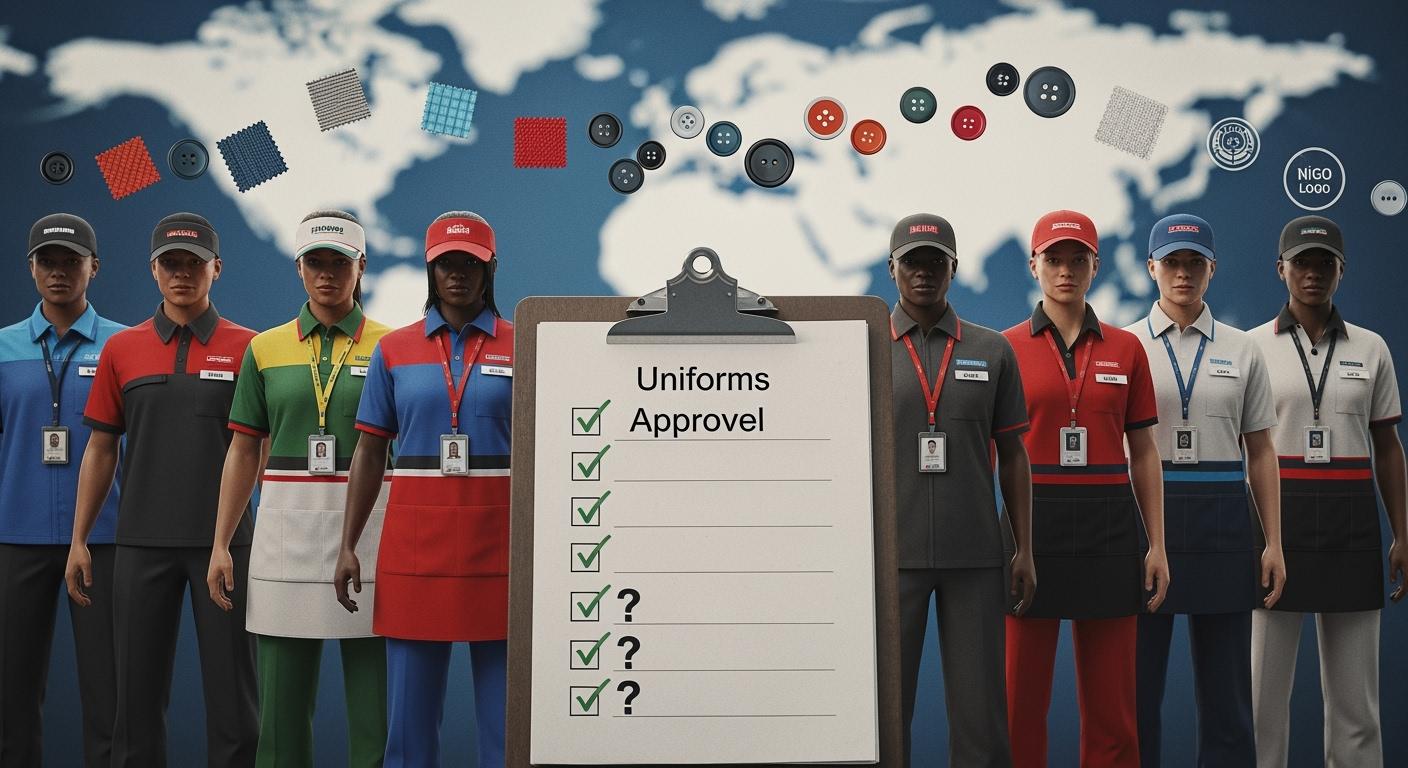
You play a key role in shaping the brand of any global chain convenience store by choosing the right uniforms. When you select professional uniforms, you ensure every employee becomes a part of a consistent brand image. High-quality uniforms support comfort and safety, which boosts operational efficiency and morale.
Aspect | Evidence |
|---|---|
Brand Image | Customized uniforms featuring logos and brand colors enhance brand recognition and create a consistent experience for customers. |
Employee Comfort | Innovations in textile technology contribute to employee comfort, which is essential in service-driven industries. |
Operational Efficiency | Comfortable uniforms ensure that employees are safe and comfortable while performing their duties, thus improving operational efficiency. |
You want uniforms that reflect your commitment to quality and sustainability. Leading workwear manufacturers now offer advanced materials and practical features to meet these needs.
Key Takeaways
Choose high-quality, durable fabrics for uniforms to ensure comfort and longevity. This protects your investment and keeps employees looking professional.
Maintain consistent branding across all locations by using the same colors, logos, and designs. This builds trust and enhances customer recognition.
Select uniforms with ergonomic features to support employee mobility and safety. This reduces the risk of injuries and improves overall productivity.
Incorporate eco-friendly materials into your uniforms to show commitment to sustainability. This attracts eco-conscious customers and boosts your brand image.
Ensure uniforms meet local safety regulations to protect employees and maintain quality. This builds trust with your team and customers.
Fabric Choices for Global Chain Convenience Store Uniforms
Selecting the right fabric for uniforms in a global chain convenience store shapes your brand image and supports daily operations. You want materials that stand up to frequent washing and constant movement. High-quality customized workwear starts with strong fabric choices. Workwear manufacturers help you source high-quality fabrics that meet your needs for durability, comfort, and climate adaptability.
Durable Workwear Materials
You need uniforms that last. Durable workwear materials resist tears, stains, and fading. Polyester blends and cotton-rich fabrics offer strength and comfort. You can choose custom blends that balance breathability with toughness. Workwear manufacturers use advanced manufacturing techniques to reinforce seams and stress points. This approach ensures your uniforms maintain their quality over time. You protect your investment and keep your team looking professional.
Tip: Ask your supplier about abrasion-resistant finishes and double-stitching for extra durability.
Climate Adaptable Fabrics
Your global chain convenience store operates in many regions. Climate adaptable fabrics keep employees comfortable in hot, cold, or humid environments. Lightweight, moisture-wicking materials help staff stay cool in warm climates. Insulated or layered workwear provides warmth in colder areas. You can request customization for seasonal changes or local weather patterns. Workwear manufacturers offer custom solutions, such as mesh panels for ventilation or water-repellent coatings for rainy locations.
Climate adaptable uniforms improve employee comfort.
You support operational efficiency by reducing distractions from uncomfortable clothing.
Customization ensures your uniforms fit the needs of each location.
Choosing high-quality fabrics and working with experienced manufacturers gives you confidence in your uniforms. You build a strong brand and deliver consistent quality across every store.
Color Schemes and Brand Identity
Consistent Branding Across Locations
You want your global chain convenience store to stand out in every market. Uniforms play a key role in building a strong brand image. When you use the same colors, logos, and design elements across all locations, you create a seamless customer experience. Customers know what to expect when they see your staff in professional uniforms. This consistency builds trust and reinforces your brand.
Consistent branding leads to a seamless customer experience.
It builds trust and reinforces brand identity.
Uniformity in quality and presentation enhances loyalty and recognition.
You also help customers feel confident in your services. When you use the same branding elements, you show reliability and strengthen your professional image. Customers recognize your uniforms and connect them with quality service.
Tip: Choose colors that match your store signage and marketing materials for maximum impact.
Colors serve as powerful tools in branding. They can evoke emotions and shape how customers react to your store. For example, blue often signals trust and reliability. Many brands use blue to show these qualities. Red creates excitement and urgency, which is why you see it in many fast-food chains. By understanding color psychology, you can select uniforms that boost brand recognition and improve the customer experience.
Fade-Resistant Uniforms
You want your uniforms to look sharp and vibrant every day. Faded colors can hurt your brand and make your staff look less professional. High-quality, fade-resistant fabrics keep your uniforms looking new, even after many washes. This helps you maintain a consistent professional image and ensures your brand colors stay true.
You should ask your workwear manufacturer about special dyes and treatments that protect against fading. This investment in quality pays off by keeping your uniforms attractive and reliable for longer periods.
Logo Placement on Professional Uniforms
Embroidery vs. Print Techniques
You want your uniforms to display your brand with clarity and style. The method you choose for logo placement affects both the appearance and the durability of your uniforms. Embroidery and printing are the two main techniques. Each offers unique benefits and drawbacks. The table below compares these options to help you make an informed decision:
Technique | Advantages | Disadvantages |
|---|---|---|
Embroidery | – Premium look, adds elegance to uniforms. | – Higher cost, especially for larger designs or small orders. |
– Superior durability, withstands wear and washing. | – Detail limitations, intricate designs are challenging. | |
– Color retention, thread colors do not fade. | – Fabric sensitivity, can feel stiff on lightweight fabrics. | |
Printing | – Cost efficiency, economical for large quantities. | – Relative durability, not as long-lasting as embroidery. |
– Color precision, allows for exact color matching. | – Material restrictions, some fabrics are unsuitable for printing. | |
– Design freedom, handles complex artwork well. | – Casual appearance, may not convey sophistication for formal settings. |
Embroidery gives your uniforms a premium look and supports a professional image. It works well for logos that need to last through many washes. Printing allows for more detailed designs and exact color matching. You may prefer printing for large orders or when you want to showcase intricate artwork. Consider your budget, the complexity of your logo, and the type of fabric when making your choice.
Visibility and Compliance
You need your uniforms to meet safety standards and support your brand image. The ANSI 107 standard guides you in ensuring high visibility for staff, especially in busy or hazardous environments. This standard helps you comply with OSHA regulations. Placing your company logo on uniforms not only helps with identification but also aligns with safety requirements. High-visibility elements, such as reflective strips or bright colors, make your staff easy to spot. You show your commitment to quality and safety by following these guidelines. Consistent logo placement across all uniforms strengthens your brand and builds trust with customers.
Tip: Work with your supplier to ensure your logo remains visible and compliant with local regulations in every region where your global chain convenience store operates.
Sizing and Fit for Diverse Workforces
Global Sizing Standards
You manage a global chain convenience store with employees from many backgrounds. You need uniforms that fit everyone well. Global sizing standards help you achieve this goal. These standards use clear measurements for chest, waist, hips, and height. You can work with your workwear supplier to select sizing charts that match international norms. This approach reduces confusion and returns. It also helps you maintain consistency across all locations.
Size Label | Chest (inches) | Waist (inches) | Hips (inches) |
|---|---|---|---|
XS | 32-34 | 26-28 | 32-34 |
S | 35-37 | 29-31 | 35-37 |
M | 38-40 | 32-34 | 38-40 |
L | 41-43 | 35-37 | 41-43 |
XL | 44-46 | 38-40 | 44-46 |
Tip: Ask your workwear manufacturer for sample size sets. You can use these samples to check fit before placing a large order.
Inclusive Fit Options
You want every team member to feel comfortable and confident in their uniforms. Inclusive fit options make this possible. You can offer a range of cuts, such as regular, slim, and relaxed. You can also provide options for different body shapes and heights. This flexibility supports your brand values and shows respect for your diverse workforce.
Offer both men’s and women’s fits.
Provide adjustable features like elastic waistbands or side vents.
Include extended sizes for broader coverage.
When you invest in inclusive workwear, you improve employee satisfaction. You also boost the quality and durability of your uniforms. Well-fitting uniforms reduce wear and tear, which helps maintain a professional appearance. Your brand benefits from a team that looks unified and feels valued.
Functional Design Features in Workwear

Pockets and Storage Solutions
You need uniforms that help your team stay organized and efficient. Smart pocket placement in workwear makes a big difference in daily tasks. When you choose uniforms with well-designed pockets, you give employees quick access to pens, notepads, scanners, or mobile devices. This feature supports faster service and reduces wasted time searching for tools. You can request special compartments for items like ID cards or cash pouches, which adds security and convenience. Many global chain convenience store managers find that custom storage solutions improve workflow and help maintain a neat appearance. Well-placed pockets also protect valuables from falling out, which supports your brand’s reputation for quality and reliability.
Tip: Ask your supplier about reinforced pocket seams to extend the life of your uniforms.
Ergonomic Mobility
You want your staff to move freely and safely during busy shifts. Ergonomic mobility features in workwear support natural movement and reduce the risk of injuries. Uniforms with stretchable materials, such as spandex blends, allow employees to bend, reach, and lift with less strain. Built-in supports like back or knee pads can improve posture and prevent common workplace injuries. Lightweight and breathable fabrics keep your team comfortable, even in demanding environments.
By focusing on ergonomic design, you create a safer and more productive workplace. Integrating ergonomic workwear with mobile safety tools enhances both physical and procedural safety. This approach leads to faster response times and comprehensive safety coverage. You also lower medical costs by minimizing fatigue and discomfort.
Built-in support for comfort and safety
Enhanced flexibility with stretchable materials
Functional design for convenience and efficiency
Lightweight and breathable for all-day wear
When you invest in high-quality workwear, you show your commitment to employee well-being and brand excellence. These features help your global chain convenience store deliver consistent service and maintain a professional image.
Safety and Regulatory Compliance
High-Visibility Elements
You must prioritize safety when you select uniforms for your global chain convenience store. High-visibility elements play a key role in protecting your staff. You can choose custom high-visibility uniforms with reflective strips or bright colors. These features help customers and coworkers see employees clearly, especially in busy parking lots or during night shifts. You improve employee safety by making sure your team stands out in any environment. High-visibility uniforms also support your brand by showing your commitment to safety and quality. You send a clear message that you value both your staff and your customers.
Note: High-visibility uniforms reduce accidents and help you meet safety standards in many regions.
Meeting Local Regulations
You must follow local safety regulations to protect your employees and your business. Uniforms must meet strict guidelines to ensure employee safety and maintain quality. You should require employees to wear clean uniforms at the start of each shift. You must replace uniforms if they become damaged or worn out. Employees should not wear uniforms outside food-preparation areas. You should avoid pockets above the waist and buttons on garments to prevent contamination. You must also make sure employees wear disposable gloves and avoid jewelry when handling food. These steps help you meet safety codes and protect your brand reputation.
You can work with your supplier to design uniforms that meet all local safety requirements. This approach ensures you provide a safe workplace and maintain high standards. You show your commitment to employee safety and quality every day. When you follow these rules, you build trust with your team and your customers.
Easy-Care and Maintenance for Uniforms
Washability and Stain Resistance
You want uniforms that look fresh and professional every day. Easy-care features help you maintain a high standard of appearance for your team. When you select uniforms for your global chain convenience store, focus on fabrics that resist stains and wash easily. High-quality, durable materials keep their color and shape, even after many washes. You can extend the life of your uniforms by following a few simple steps:
Turn uniforms inside out before washing to protect the fabric.
Separate light and dark items to maintain color integrity.
Use mild detergents and avoid bleach unless the care label allows it.
Air-dry or use a low heat setting in the dryer to prevent shrinkage.
Dry uniforms promptly to reduce wrinkles and odors.
A rotation system prevents excessive wear on individual uniforms. This practice helps you keep your team looking sharp and supports your brand image. Regular cleaning and proper care also protect the quality of your uniforms.
Tip: Invest in stain-resistant uniforms and establish a cleaning schedule to ensure consistent maintenance.
Training for Uniform Care
You can improve the longevity of your uniforms by training your staff on proper care. Start by teaching employees to check the care instructions on each label. Encourage frequent cleaning to avoid stains and odors. Remind your team to wash dark and light colors separately. Show them how to use suitable detergents for each fabric type. Avoid overloading the washing machine to prevent damage.
Review care labels before washing.
Clean uniforms regularly.
Use mild detergents and avoid harsh chemicals.
Wash colors separately to prevent bleeding.
When you provide clear training, you help your staff protect the quality of their uniforms. This effort supports your brand and reduces replacement costs. Well-maintained uniforms reflect your commitment to professionalism and consistency.
Sustainable Materials in Global Chain Convenience Store Uniforms
Eco-Friendly Fabric Choices
You can make a positive impact by choosing eco-friendly fabrics for your uniforms. These materials help reduce your environmental footprint and show your commitment to responsible practices. Many options exist for eco-friendly uniforms that meet the needs of a global chain convenience store. You can select from organic cotton, hemp, bamboo, and alpaca wool. Each of these sustainable materials offers unique benefits for your brand and supports high quality.
Fabric Type | Sustainable Properties |
|---|---|
Organic Cotton | Produced without chemicals or pesticides, making it one of the most eco-friendly options. |
Hemp | Absorbs more CO2 than typical plants, regarded as a zero carbon raw material. |
Bamboo | Fast-growing, requires minimal inputs, and absorbs more CO2 than other trees. |
Alpaca Wool | Less harmful to the environment compared to many other clothing materials. |
You can use these eco-friendly fabrics to create uniforms that look professional and last longer. These choices also help your brand stand out as a leader in sustainability. Employees feel proud to wear uniforms made from eco-friendly materials, and customers notice your efforts.
Tip: Ask your supplier about the latest eco-friendly fabric blends that combine comfort, durability, and style.
Certifications and Responsible Sourcing
You want to ensure that your uniforms come from responsible sources. Certifications help you verify the quality and eco-friendly nature of your uniforms. Many recognized certifications exist for sustainable materials and ethical production. These certifications include WRAP, Amfori BSCI, OEKO-TEX Standard 100, Sedex Membership, SMETA, RSC, C-TPAT, GOTS, OCS 100, GRS, and LEED.
Certification | Description |
|---|---|
WRAP | Ensures factories follow lawful, safe, and humane manufacturing practices. |
Amfori BSCI | Promotes fair labor conditions and non-discrimination across supply chains. |
OEKO-TEX Standard 100 | Tests fabrics and apparel for harmful substances, confirming safety for skin contact. |
GOTS | Covers the full process of manufacturing textiles from certified organic fibers. |
GRS | Verifies recycled content and ensures responsible production practices. |
You can ask your supplier for proof of these certifications. This step helps you maintain high quality and eco-friendly standards for your uniforms. Responsible sourcing builds trust with your employees and customers. It also strengthens your brand and supports your commitment to sustainable materials.
Customization Flexibility and Regional Adaptations
Seasonal Uniform Variations
You manage a global chain convenience store that operates in many climates. You need uniforms that adapt to changing seasons. Seasonal uniform variations help your team stay comfortable and productive all year. In summer, you can choose lightweight shirts and moisture-wicking fabrics. These materials keep employees cool and dry. In winter, you can select insulated jackets or layered options. This approach protects your staff from cold temperatures and keeps them focused on their work.
You can work with your supplier to plan for seasonal changes. Many manufacturers offer customization options for different weather conditions. You can request short sleeves, long sleeves, or even water-resistant outerwear. This flexibility ensures your uniforms meet the needs of every location. You maintain high quality and support your brand image by providing the right gear for each season.
Tip: Review climate data for each region before placing your uniform order. This step helps you choose the best options for your team.
Localized Design Elements
You want your uniforms to reflect local culture while maintaining a strong brand identity. Localized design elements allow you to connect with customers in each region. You can add small touches, such as unique trims, patterns, or colors that match local preferences. This approach shows respect for local traditions and helps your brand stand out.
You can also include regional languages or symbols on name tags. This detail makes your team more approachable and builds trust with customers. Customization at the local level does not mean sacrificing quality. You can keep your core design consistent while adding features that celebrate local culture.
Add regional colors or motifs to collars or sleeves.
Use local language for staff names or greetings.
Adjust fit or style to match local trends.
You show your commitment to both quality and community by adapting your uniforms for each market.
Accessories and Custom Manufactured Bags
Accessories and custom manufactured bags play a vital role in your global chain convenience store uniform program. You want every detail to support your brand and help your employees work efficiently. Uniforms go beyond shirts and pants. You should include worn accessories like headwear, gloves, belts, and badges. These items enhance the look and function of your uniforms. Carried accessories, such as utility belts and bags, add practicality and reinforce your brand identity.
Branded Bags for Staff
Branded bags are essential for your staff. You use bags to carry daily essentials, documents, or devices. Bag manufacturing focuses on durability and style. You want bags that match your uniforms and display your brand logo. The global bag market offers many options for custom manufactured bags. You can choose bags that fit your needs and budget. Bag manufacturing ensures quality and consistency. You gain control over your brand image by using branded bags. The table below shows how branded bags support your operations:
Aspect | Description |
|---|---|
Ensures consistent brand image across multiple locations by eliminating one-off purchases. | |
Operational Efficiency | Streamlines ordering processes, reducing time and errors through automation and integration. |
Visibility and Budget Control | Centralized ordering provides insights into spending, allowing for better budgeting and forecasting. |
You can rely on bag manufacturing to deliver quality bags that last. The global bag market continues to grow, giving you access to new materials and designs.
Additional Uniform Items
You can expand your uniforms with extra items for every season and role. Many programs include custom lightweight t-shirts for summer, branded moisture-wicking short-sleeve dress shirts, and logo-branded hooded sweatshirts. You may also provide insulated jackets for cold weather, custom-logo polo shirts, branded button-up shirts, maternity tops, and outerwear options. Durable work pants and accessories like name tags complete your uniforms. Bag manufacturing can also supply matching accessories to keep your team looking unified.
You show your commitment to quality and brand consistency by choosing the right accessories and custom manufactured bags. Uniforms with well-designed bags and accessories help your employees perform their best every day.
You can achieve consistency, comfort, and a strong brand presence for your global chain convenience store by following these 10 ODM parameters for uniforms. Expert workwear manufacturers, like those with LEED Gold or GRS certifications, help you ensure quality and sustainability. Uniforms with verified recycled content and safe materials support your brand values. Review your procurement strategy to keep your uniforms modern, functional, and aligned with your quality standards.
Certification | Description |
|---|---|
Global Recycled Standard (GRS) | Verified recycled content and sustainable production |
Standard 100 by OEKO-TEX® | Safety from harmful substances through rigorous testing |
FAQ
What is ODM customization for uniforms?
ODM customization lets you design uniforms that match your brand. You choose fabrics, colors, and features. Your supplier then produces uniforms based on your needs. This process helps you create a unique and consistent look for your team.
How do I choose the right fabric for different climates?
You should select lightweight, moisture-wicking fabrics for hot areas. For cold regions, pick insulated or layered materials. Ask your supplier for fabric samples. Test them for comfort and durability before making a decision.
Why is logo placement important on uniforms?
Logo placement makes your brand easy to recognize. You help customers identify staff quickly. Proper placement also supports safety and meets local regulations. Always check guidelines for each region where you operate.
Can I get uniforms in sizes for all employees?
Yes, you can order uniforms in a wide range of sizes. Workwear manufacturers offer global sizing standards and inclusive fit options. You ensure every team member feels comfortable and confident.
How do sustainable uniforms benefit my brand?
Sustainable uniforms show your commitment to the environment. You attract eco-conscious customers and employees. These uniforms often use recycled or organic materials. You also support responsible sourcing and ethical production.