

Fleece jacket
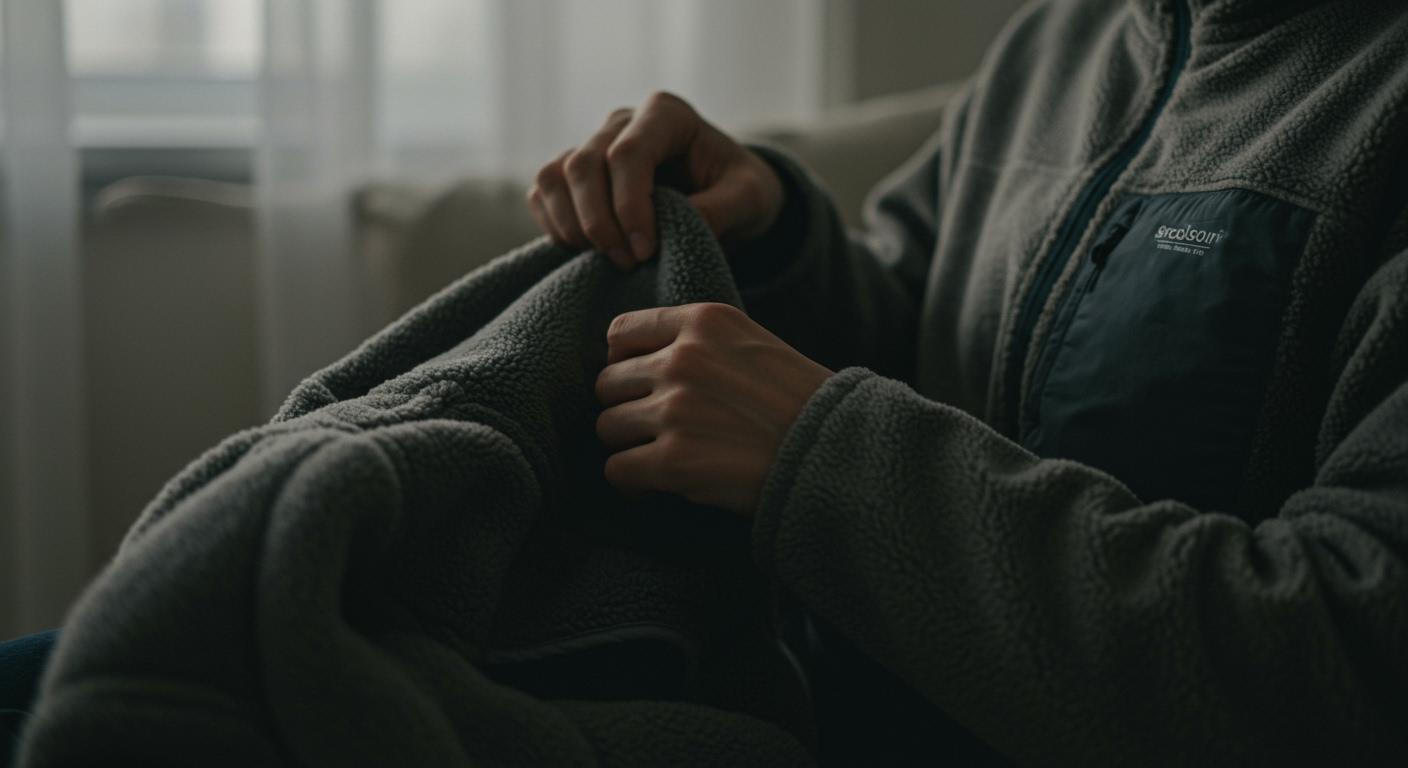
When I reach for a fleece jacket, I want something that keeps me warm and feels soft against my skin. I notice that people choose these jackets for comfort and versatility in chilly weather. Surveys show that fleece jackets stand out for warmth, comfort, and adaptability compared to other types.
Fleece jackets account for approximately 62% of the global fleece jackets and vests market.
I see why so many outdoor enthusiasts and everyday users rely on this essential layer for activities from hiking to running errands.
Key Takeaways
Fleece jackets provide warmth and comfort, making them ideal for outdoor activities and everyday wear.
Look for fleece jackets made from recycled materials to make a more sustainable choice and reduce environmental impact.
Choose the right weight of fleece jacket based on your activity: lightweight for running, midweight for hiking, and heavyweight for extreme cold.
Layer your fleece jacket effectively: start with a moisture-wicking base layer, add fleece for insulation, and top with a waterproof shell if needed.
Pay attention to fit when selecting a fleece jacket; a snug fit works best for active pursuits, while a looser fit is great for casual wear.
Fleece jackets are versatile and can be used for various activities, from hiking and camping to running errands and traveling.
Care for your fleece jacket by washing it gently, air drying, and storing it properly to maintain its softness and performance.
Consider the features you need, such as pockets and adjustable details, to enhance your fleece jacket experience.
What Is a Fleece Jacket
When I think about a fleece jacket, I picture a soft, warm layer that helps me stay comfortable in cold weather. I use it for outdoor activities like hiking or for running errands on chilly days. The main purpose of a fleece jacket is to provide warmth and comfort without feeling heavy or bulky. I find that it works well as a midlayer under a shell or as a standalone piece when the weather is mild.
Material
Synthetic Fibers
I notice that most fleece jackets use synthetic fibers. Polyester is the most common material. Manufacturers create different types of polyester fleece, such as Polar Fleece, Microfleece, Sherpa Fleece, and Blizzard Fleece.
Polyester fleece feels soft and traps heat well.
Some jackets blend polyester with other fibers to improve durability or stretch.
I like how these materials make the jacket lightweight and easy to care for.
Recycled Content
I see more brands focusing on sustainability. Many fleece jackets now use recycled polyester, often made from plastic bottles or old garments.
The market shows a shift toward eco-friendly products.
Recycled fleece jackets help reduce waste and lower the environmental impact compared to virgin polyester.
Some options use organic wool, which is biodegradable and produced with fewer chemicals.
Tip: I always check the label to see if my fleece jacket uses recycled materials. This helps me make a more sustainable choice.
Purpose
I wear a fleece jacket because it keeps me warm and feels comfortable against my skin. The insulating properties of fleece come from its ability to trap air in the fibers.
Fleece jackets offer good warmth, but they do not match the insulation of batt-type materials or down.
The warmth-to-weight ratio of fleece is lower than some alternatives, but I appreciate how it balances warmth with breathability.
I use my fleece jacket for layering, which lets me adjust to changing temperatures.
I also consider the environmental impact. Synthetic fleece uses a lot of energy and water during production and can shed microplastics when washed. Recycled materials help reduce some of these effects, but natural fibers like wool remain more sustainable.
Virgin polyester relies on fossil fuels.
Recycled polyester uses plastic bottles, which lowers the carbon footprint.
Both types can release microplastics, so I try to wash my fleece jacket less often and use a filter bag.
I choose a fleece jacket for its comfort, versatility, and the growing availability of sustainable options. I find it a practical choice for both outdoor adventures and everyday life.
Fleece Jacket Features
Warmth
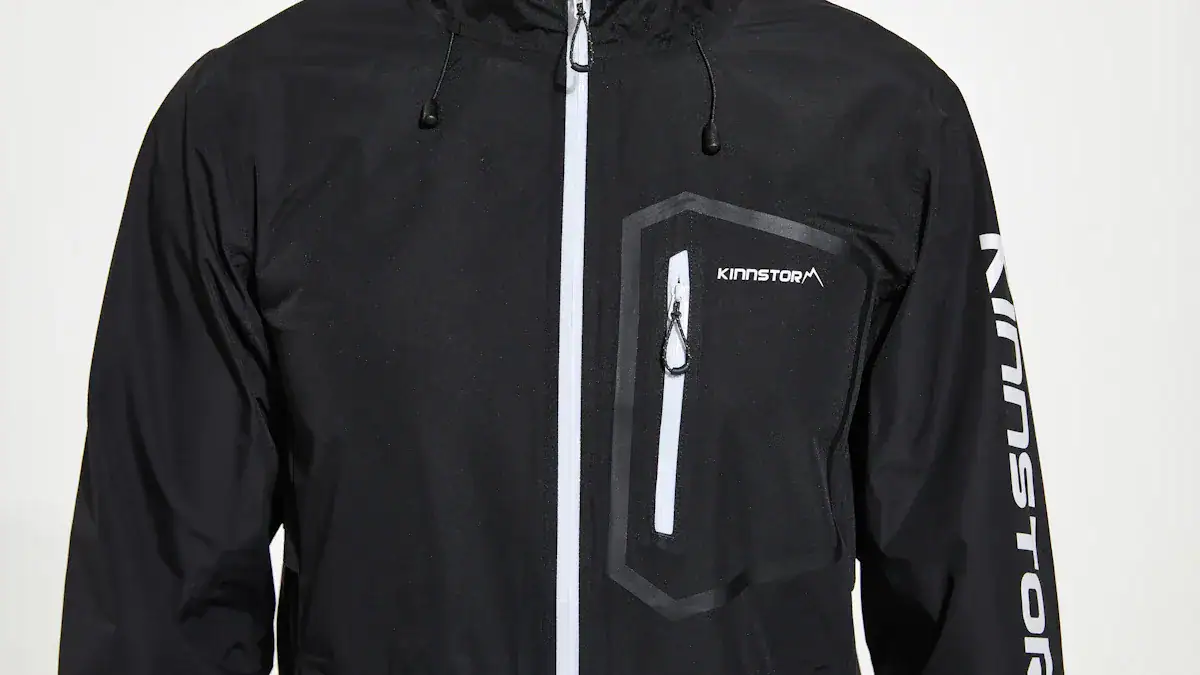
When I put on a fleece jacket, I feel a noticeable boost in warmth. The soft fibers trap air, which helps insulate my body against cold temperatures. I often choose fleece for chilly mornings or cool evenings because it keeps me comfortable without making me sweat. The warmth depends on the thickness and density of the material. I learned that the average thermal rating, or CLO value, for fleece jackets from major brands is about 0.09 clo/oz./yd². This means fleece provides reliable insulation for its weight. I find that heavier fleece jackets offer more warmth, while lighter ones work well for mild conditions. Some brands add extra layers or wind-resistant panels to improve heat retention, which I appreciate when the wind picks up.
Tip: I layer my fleece jacket under a waterproof shell during winter hikes. This combination keeps me warm and dry.
Breathability
I notice that breathability is one of the main reasons I reach for a fleece jacket during active pursuits. The fabric allows moisture and heat to escape, which helps me stay dry when I move around. I compared fleece to other jacket types and found that it offers moderate breathability. Softshell jackets breathe better, but fleece provides higher insulation. Down jackets keep me warmer but do not let moisture out as easily. Here is a simple comparison:
Jacket Type | Breathability | Insulation | Water Resistance |
|---|---|---|---|
Softshell | High | Moderate | Good |
Fleece | Moderate | High | Low |
I use fleece for activities like hiking or running because it balances warmth and breathability. When I sweat, the jacket does not trap moisture, so I stay comfortable.
Lightweight
I always appreciate how light a fleece jacket feels. I can pack it in my backpack or wear it all day without feeling weighed down. The weight varies depending on the type of fleece. Lightweight or microfleece jackets weigh about 7 to 8.5 ounces per yard, which makes them perfect for layering or travel. Medium-weight fleece ranges from 11 to 13.5 ounces, and heavyweight options go up to 17 ounces. Here is a quick breakdown:
Fleece Type | Grams per Yard | Ounces |
|---|---|---|
Lightweight/Microfleece | 100 | 7 to 8.5 |
Medium/Regular Weight | 200 | 11 to 13.5 |
Heavy Weight | 300 | 14 to 17 |
I choose lightweight fleece for running or as a midlayer. Heavier fleece works better for colder days or when I need extra warmth. The low weight makes fleece jackets easy to carry and wear, which is important for outdoor adventures and everyday use.
Versatility
I reach for my fleece jacket when I want a layer that adapts to many situations. I wear it on brisk morning walks, during outdoor adventures, and even when I relax at home. The versatility of fleece stands out because it works well in different climates and activities.
I use my fleece jacket as a midlayer when I hike in cold weather. I start with a base layer to wick away sweat, then add my fleece for warmth. If the wind picks up or rain falls, I put on a shell jacket over the fleece. This system keeps me comfortable and dry. I notice that fleece jackets trap heat, so I stay warm without feeling bulky. The breathability helps me avoid overheating when I move quickly or climb hills.
I like that fleece jackets come in many styles and weights. I choose a lightweight version for running or layering under a heavier coat. For camping trips, I pick a thicker fleece to stay cozy around the fire. Some brands offer wind-resistant panels or reinforced elbows, which add durability and protection. I find these features useful when I spend time outdoors or work in rough conditions.
I appreciate how easy it is to layer fleece. The soft fabric slides over other clothes without bunching up. I can adjust my outfit by adding or removing layers as the temperature changes. This flexibility makes fleece jackets a smart choice for travel, unpredictable weather, and active lifestyles.
Here is a table that shows how fleece jackets perform as midlayers in layering systems for cold weather activities:
Feature | Description |
|---|---|
Insulation Properties | Fleece jackets trap heat effectively, making them ideal for cold weather activities. |
Breathability | They allow moisture to escape, preventing overheating during physical activities. |
Comfort | Modern fleece fabrics are designed for comfort, enhancing the overall layering experience. |
Variety | Available in different knits and weights, allowing users to choose based on specific needs. |
I rely on my fleece jacket for quick-drying performance. If I get caught in light rain or sweat during a workout, the fabric dries faster than cotton or wool. I also notice that fleece resists pilling and holds its shape after many washes. This durability means I can use my jacket for years without losing comfort or style.
Tip: I always pack a fleece jacket when I travel. It works as a pillow on long flights, a blanket in chilly hotels, and a layer for unexpected weather.
I see that fleece jackets suit many activities, from hiking and camping to running errands and lounging at home. The combination of warmth, breathability, and easy layering makes them one of the most versatile pieces in my wardrobe.
Types of Fleece Jackets

Lightweight
When I look for a jacket that feels barely there, I reach for a lightweight fleece. These jackets use thin, soft fabric that makes them perfect for layering or wearing alone on cool days. I find that lightweight fleece works best for activities like running, hiking, or traveling. The material dries quickly and packs down small, so I can easily fit it in my backpack. I notice that lightweight fleece jackets often have a simple design, with fewer pockets and minimal bulk. The breathability stands out, which helps me stay comfortable when I move around.
I choose lightweight fleece when I want a layer that does not restrict my movement. The fabric stretches well, and I can wear it under a heavier coat if the temperature drops. I see many brands offer these jackets in bright colors and slim fits, which makes them stylish for everyday wear.
Tip: I always pack a lightweight fleece for travel. It works as a pillow on flights and keeps me warm in chilly airports.
Midweight
I reach for a midweight fleece when I need more warmth without feeling weighed down. These jackets use thicker fabric than lightweight versions, which gives me extra insulation for colder days. I wear midweight fleece for hiking in the fall, camping, or layering under a shell in winter. The balance between warmth and breathability makes midweight fleece a popular choice.
I read customer reviews before buying a midweight fleece. Every rating I found gave it 4 or 5 stars. One customer described their midweight fleece jacket as “warm and comfortable with big pockets.” I agree with this review. The pockets hold my phone and gloves, and the jacket keeps me cozy during outdoor activities.
Here is a quick comparison of features:
Type | Warmth | Weight | Best Use |
|---|---|---|---|
Lightweight | Low | Very Low | Mild weather, travel |
Midweight | Medium | Moderate | Hiking, layering, camping |
Heavyweight | High | High | Extreme cold, winter sports |
Heavyweight
When I face freezing temperatures, I rely on a heavyweight fleece. These jackets use thick, plush fabric that traps heat and blocks wind. I wear heavyweight fleece for winter sports, snowshoeing, or working outside in cold weather. The extra bulk gives me maximum warmth, and the durability stands out.
I checked consumer ratings for heavyweight fleece jackets. Every review gave it 4 or 5 stars. One person said their heavyweight fleece felt “very durable and warm.” I agree with this statement. The jacket lasts for years and keeps me comfortable in harsh conditions.
I notice that heavyweight fleece jackets often have reinforced elbows and wind-blocking panels. These features add protection and make the jacket suitable for tough environments. I choose heavyweight fleece when I need a reliable layer for extreme cold.
Note: I always wash my heavyweight fleece less often to keep the fabric soft and strong.
Styles
When I shop for a fleece jacket, I see a wide range of styles that suit different needs and preferences. I notice that brands offer options for men and women in many colors and fits. I like how I can choose a style that matches my activity or personal taste.
Full-Zip
I reach for a full-zip fleece when I want flexibility. The zipper lets me adjust ventilation easily. I wear it open when I feel warm or zip it up when I need extra insulation. Full-zip jackets work well for layering. I find them practical for hiking, travel, and everyday use. Many brands add zippered pockets, which help me keep my phone and keys secure. I see that full-zip styles come in classic and modern designs. Some have a slim fit, while others offer a relaxed cut.
Pullover
I choose a pullover fleece for simplicity and comfort. Pullovers have no front zipper, so they feel lighter and less bulky. I wear them when I want a clean look or when I need a quick layer. The design usually features a crew neck or a quarter-zip at the collar. I like how pullovers trap heat and keep me warm during outdoor activities. They pack down small, which makes them easy to carry. I notice that pullovers are popular among athletes and casual wearers.
Hooded
I grab a hooded fleece when I need extra protection from wind or cold. The hood shields my head and neck, which helps me stay warm on brisk days. I use hooded styles for camping, hiking, or running errands in chilly weather. Some hooded fleece jackets have adjustable drawstrings, so I can tighten the hood for a snug fit. I see that hooded options come in both full-zip and pullover designs. Many brands offer these jackets in bold colors and patterns.
Non-Hooded
I prefer non-hooded fleece jackets for layering under other coats. Without a hood, the jacket fits smoothly under a shell or parka. I wear non-hooded styles for work, travel, or casual outings. These jackets often feature a stand-up collar, which adds warmth around my neck. I find non-hooded fleece easy to style with scarves or hats. The simple design makes them versatile for different occasions.
Tip: I always check the fit and style before buying. Men’s fleece jackets account for over half the market, but I see more women’s styles with unique colors and cuts. Brands now offer eco-friendly options, which I appreciate for sustainability.
Here is a table that shows the main features of each style:
Style | Main Features | Best For |
|---|---|---|
Full-Zip | Adjustable, easy layering, pockets | Hiking, travel, daily |
Pullover | Lightweight, simple, heat retention | Sports, casual, layering |
Hooded | Extra warmth, wind protection | Outdoor, cold weather |
Non-Hooded | Streamlined, easy layering, versatile | Work, travel, everyday |
I see that fleece jackets come in many styles, colors, and fits. Men’s jackets dominate the market, but women’s options are growing fast. I notice that lightweight and eco-friendly styles remain popular. I like having choices that match my lifestyle and values.
Choosing a Fleece Jacket
Fit
When I shop for a fleece jacket, I pay close attention to the fit. The right fit makes a big difference in comfort and performance. I always consider how I plan to use the jacket and what feels best for my body type. Here are some factors I keep in mind:
Intended use: I pick a snug fit for running or hiking. For casual wear, I prefer a looser fit.
Body type: My muscular friends often choose tighter fits, while those with larger frames go for something roomier.
Weather conditions: I wear a tighter fit in cold weather for better insulation. On milder days, a looser fit feels more breathable.
Personal style: Some people like a sporty look, while others want a relaxed, casual appearance.
Thickness and weight: Thicker jackets feel bulkier, so I check if the fit still allows easy movement.
Material type: Stretchy fabrics help me move naturally and stay comfortable.
Fit for layering: I size up if I plan to wear the jacket over other layers. For a midlayer, I stick with a closer fit.
Tip: I always try on the jacket with the clothes I plan to wear underneath. This helps me find the best fit for layering.
Weight
Weight plays a big role in how I choose a fleece jacket. I think about when and where I will wear it. Lightweight jackets feel great for travel or active days. They pack down small and do not weigh me down. Midweight options give me more warmth without feeling bulky. I reach for these when I need extra insulation but still want to move freely. Heavyweight fleece keeps me warm in freezing weather. I use these for winter sports or when I spend long hours outside.
I also look at the thickness of the fabric. Thicker fleece means more warmth but less packability. I balance weight and warmth based on my needs. If I plan to layer, I pick a lighter jacket. For solo use in cold weather, I go heavier.
Activity
The activity I plan to do shapes my choice of fleece jacket. When I hike or backpack, I want an ultralight jacket. These breathe well and wick away moisture, which keeps me dry and comfortable. For casual outings, I like a roomier fit and a midweight jacket. This gives me comfort and style for everyday use. If I go skiing or biking, I choose a snug fit. This helps with movement and keeps in heat.
I notice that features matter too. For active sports, I look for jackets with stretch panels and good breathability. For travel, I want something that packs easily and dries fast. When I need maximum warmth, I pick a heavyweight fleece with wind-blocking panels.
Note: I always match my jacket to my main activity. This way, I stay comfortable and get the most out of my fleece jacket.
Climate
When I choose a fleece jacket, I always think about the climate where I plan to wear it. Different weather conditions call for different features. I want to stay comfortable and protected, so I look for specific qualities in the jacket.
Breathability helps me release body heat when I hike or move quickly. I avoid jackets that trap too much warmth because I do not want to overheat.
Comfort matters to me. I want the fabric to feel soft against my skin, especially if I wear the jacket for long hours.
Warmth depends on the thickness of the fleece. I pick a thicker jacket for cold days and a thinner one for mild weather.
Wind resistance becomes important when I face strong gusts. Some jackets have extra panels or tighter weaves to block the wind, which helps me stay warm without losing breathability.
I match my jacket to the climate. In dry, cold places, I choose a thick, wind-resistant fleece. In milder or damp weather, I prefer a lighter, more breathable option. I always check the forecast before heading out, so I can pick the right jacket for the day.
Features
I pay close attention to the features when I shop for a fleece jacket. The right details make my outdoor experience much better. I look for practical elements that fit my needs and activities.
Pockets
Pockets make a big difference for me. I use them to store my phone, keys, or snacks. Some jackets have zippered pockets, which keep my items secure when I move around. I like hand-warmer pockets for cold days. Chest pockets help me reach small items quickly. I notice that full-zip jackets often have more pockets than pullovers. I always check the pocket placement and size before I buy.
Adjustable Details
Adjustable features help me customize the fit of my jacket. I look for drawcord hems, which let me tighten the bottom and keep out cold air. Some jackets have adjustable cuffs, so I can seal in warmth or roll up the sleeves. Hoods with drawstrings give me extra protection from wind and rain. Thumbholes keep my sleeves in place when I hike or run. These small details add comfort and flexibility.
Here is a table that shows some of the most valued features among outdoor enthusiasts:
Feature | Description |
|---|---|
Hooded jackets work best in cold conditions. Non-hooded styles fit well under outer shells. | |
Thumbholes | Keep sleeves in place during active use, especially in performance fleeces. |
Full-Zip vs Pullover | Full-zip jackets offer more features like pockets and stretchy panels. Pullovers are lighter and more compact. |
I always think about my main activity and the climate before I pick a fleece jacket. The right features help me stay comfortable and prepared for any adventure.
Uses for Fleece Jackets
I use my fleece jacket in many situations. Its versatility stands out, making it a favorite for both outdoor adventures and daily routines. I rely on it as a midlayer during winter, which helps me stay warm without feeling bulky.
Outdoor
Hiking
I wear my fleece jacket when I hike on cool mornings. The fabric keeps me warm as I start my climb. I choose grid fleece for uphill hikes because it stretches and breathes well. This helps me regulate my temperature and stay comfortable. I notice that ultra breathable fleece works best when I move quickly and need to release heat.
Camping
I pack my fleece jacket for every camping trip. Conventional fleece feels soft and cozy when I relax by the campfire. I wrap myself in it after a long day of hiking. The warmth and comfort help me unwind. I use it as a pillow or blanket inside my tent. The jacket dries quickly if it gets damp, so I never worry about morning dew.
Snow Sports
I layer my fleece jacket under a shell when I ski or snowboard. The insulation traps heat, keeping me warm on the slopes. I prefer heavyweight fleece for extra protection against cold wind. The jacket fits well under my outer layers, so I can move freely. I find that grid fleece works for cross-country skiing because it breathes and stretches.
Tip: I always choose a fleece jacket as a midlayer for winter sports. It keeps me warm and lets me adjust my layers as the weather changes.
Here are some common outdoor activities where fleece jackets excel:
Easy strolls in the park
Relaxing by the campfire
Hiking uphill on cool days
High-output activities like trail running
Everyday
I reach for my fleece jacket when I run errands or walk my dog. The lightweight design makes it easy to wear all day. I like how it looks with jeans or athletic pants. The jacket keeps me comfortable in chilly classrooms or offices. I use it as a layer when I meet friends outside. The style fits many occasions, from casual outings to school events.
Travel
I always pack my fleece jacket for trips. It folds down small, so I save space in my suitcase. The comfort helps me relax on long flights or bus rides. I use it as a blanket in cold airports or hotels. The jacket dries fast if I wash it during my travels. I compare it to other travel jackets and see that fleece offers great packability and comfort.
Type of Fleece Jacket | Packability | Comfort |
|---|---|---|
Lightweight | High | Good |
Midweight | Moderate | Better |
Heavyweight | Low | Best |
I choose lightweight fleece for travel because it packs easily and keeps me warm. Midweight fleece works for cooler destinations. Heavyweight fleece gives me the most comfort when I visit cold places.
Note: I always bring a fleece jacket on trips. It adapts to changing weather and helps me feel at home wherever I go.
Fleece Jacket Care
Washing
I always start by reading the care label on my fleece jacket. The label gives me specific instructions for cleaning. I check for stains before washing. If I see any, I pre-treat them with a gentle solution. I turn my jacket inside out and place it in a mesh laundry bag. This step helps prevent snagging and keeps the fibers smooth.
I use cold or warm water and select a gentle cycle on my washing machine. I avoid bleach, fabric softeners, and dryer sheets because they can damage the fleece and reduce its softness. I prefer liquid detergent without soap flakes. Before washing, I empty all pockets and zip up the jacket. This keeps the shape and protects the zippers.
Here is a simple washing routine I follow:
Read the care label for instructions.
Pre-treat stains with a gentle solution.
Turn the jacket inside out and place it in a mesh bag.
Wash on a gentle cycle with cold or warm water.
Use liquid detergent and avoid fabric softeners.
Zip up all pockets and close fasteners.
Tip: I always check the jacket after washing to make sure stains are gone and the fabric feels soft.
Step | Instruction |
|---|---|
1 | Use liquid detergent without fabric softeners or soap flakes. |
2 | Ensure all pockets are empty and zips are done up. |
3 | Select a low to medium spin cycle at 30°C or 40°C. |
4 | Air-dry the garment; do not tumble-dry or iron. |
5 | Check and lubricate zips and cordlocks before storage. |
Drying
After washing, I choose to air dry my fleece jacket. I lay it flat on a clean towel or hang it up in a cool, dry place. I avoid direct sunlight because it can fade the color and weaken the fibers. If I need to use a dryer, I set it to low heat and check the jacket often. High heat can cause pilling and shrinkage.
I never iron my fleece jacket. The heat from an iron can melt the synthetic fibers and ruin the texture. I also avoid wringing out the jacket because twisting can stretch the fabric.
Note: I find that air drying helps my fleece jacket keep its shape and softness for a longer time.
Storage
I store my fleece jacket in a cool, dry place. I keep it away from direct sunlight to preserve its color and quality. For long-term storage, I use a garment bag. The bag protects the jacket from dust and damage. I avoid folding my fleece jacket for long periods. Folding can crumple the fibers and reduce insulation. I prefer to hang my jacket or lay it flat.
Storage Practice | Description |
|---|---|
Use garment bags | Garment bags provide extra protection, especially for long-term storage or in areas prone to damage. |
Keeping fleece away from direct sunlight helps preserve its original condition. | |
Avoid prolonged folding or pressing | Folding can crumple fibers and reduce insulating abilities; hanging or laying flat is recommended. |
I check the zippers and cordlocks before storing my jacket. I lubricate them if needed to keep everything working smoothly. These steps help me extend the lifespan of my fleece jacket and maintain its performance.
Tip: I always store my fleece jacket properly so it stays soft, warm, and ready for my next adventure.
Fleece Jacket vs Other Jackets
Down
When I compare my fleece jacket to a down jacket, I notice several differences. Down jackets use natural insulation from duck or goose feathers. These jackets feel very warm and light. I reach for a down jacket when I need maximum warmth in freezing temperatures. The insulation traps heat better than fleece. Down compresses easily, so I can pack it into a small space. I find down jackets less breathable than fleece. If I sweat, the jacket holds moisture inside. Down loses warmth when wet, which makes it less reliable in damp conditions. Fleece keeps me warm even if it gets wet. I wash my fleece jacket in a machine, but down needs special care and gentle washing.
Feature | Fleece Jacket | Down Jacket |
|---|---|---|
Warmth | Good | Excellent |
Weight | Light | Ultra-light |
Breathability | Moderate | Low |
Care | Easy | Delicate |
Wet Conditions | Stays warm | Loses insulation |
Tip: I choose fleece for wet or unpredictable weather. I pick down for dry, cold days when I need extra warmth.
Softshell
I often compare my fleece jacket to softshell jackets. Softshells use woven synthetic fabrics. These jackets feel stretchy and flexible. I wear a softshell when I need protection from wind or light rain. Softshell jackets breathe better than fleece. I stay cooler during high-output activities like biking or climbing. Softshells resist water, so I stay dry in light rain. Fleece jackets focus on insulation and comfort. I use fleece as a midlayer in cold weather. Softshells work well as outer layers for active sports.
Softshell jackets offer more breathability and water resistance than fleece.
Fleece jackets provide better insulation and comfort.
I use softshells for active outdoor activities.
I wear fleece jackets for colder conditions or as a midlayer.
I wash both jackets in a machine, but softshells need gentle cycles to protect the water-resistant coating.
Wool
I sometimes wear wool jackets instead of fleece. Wool comes from sheep and feels natural and soft. Wool insulates well and keeps me warm in cold weather. I notice wool breathes better than fleece. Wool resists odors, so I wear it for several days without washing. Wool stays warm when wet, but it dries slowly. Fleece dries much faster. Wool jackets weigh more than fleece and cost more. I wash wool by hand or use a gentle cycle. Fleece needs less care and dries quickly.
Feature | Fleece Jacket | Wool Jacket |
|---|---|---|
Warmth | Good | Good |
Weight | Light | Heavy |
Breathability | Moderate | High |
Care | Easy | Delicate |
Odor Resistance | Low | High |
Note: I choose wool for natural warmth and odor resistance. I pick fleece for easy care and quick drying.
Unique Benefits of Fleece Jackets
I reach for my fleece jacket because it balances warmth, comfort, and breathability. Fleece dries fast and stays warm when wet. I find it easy to wash and care for. The lightweight design makes it perfect for layering. Fleece jackets offer many styles and fits, so I always find one that matches my needs. I rely on fleece for outdoor adventures, travel, and everyday wear. The versatility stands out compared to other jackets.
When I choose a fleece jacket, I look for features that make a real difference. Outdoor gear experts highlight these top benefits:
Breathability that keeps me comfortable during activity
Reliable warmth in cold conditions
I always consider my own needs and style before buying. Adding a fleece jacket to my wardrobe gives me a practical layer for any season. I find it easy to match with my favorite outfits and activities.
FAQ
How do I layer a fleece jacket for cold weather?
I start with a moisture-wicking base layer. I add my fleece jacket for insulation. On top, I wear a waterproof shell if it rains or snows. This system keeps me warm and dry.
Can I wear a fleece jacket in wet conditions?
I wear my fleece jacket in light rain. It dries quickly if it gets damp. For heavy rain, I add a waterproof outer layer because fleece does not block water.
What activities suit a fleece jacket best?
I use my fleece jacket for hiking, camping, and running errands. It works well for travel and outdoor sports. I also wear it at home when I want comfort and warmth.
How do I prevent pilling on my fleece jacket?
I wash my fleece jacket inside out on a gentle cycle. I avoid high heat and harsh detergents. Air drying helps keep the fabric smooth and soft.
Is a fleece jacket good for travel?
I always pack my fleece jacket for trips. It folds down small and dries fast. I use it as a blanket or pillow on flights. The lightweight design makes it easy to carry.
What is the difference between microfleece and heavyweight fleece?
I choose microfleece for light warmth and easy layering. Heavyweight fleece gives me more insulation for cold weather. Microfleece feels thinner and packs smaller than heavyweight options.