

What Are the Best and Worst Methods for Printing Custom Hoodies
Table of Contents
Display
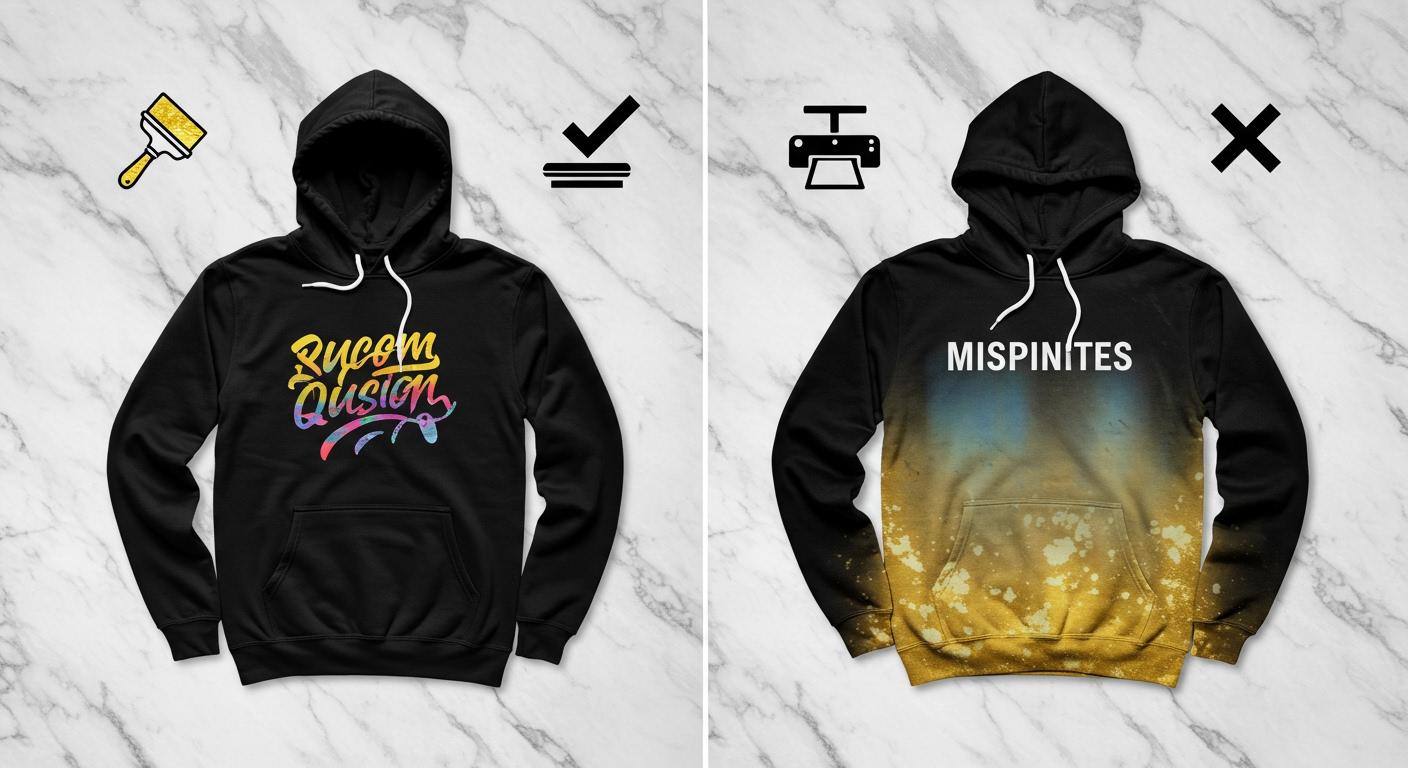
If you want the best results for custom hoodies, screen printing works great for bulk orders and simple designs, offering durability and high flexibility with inks and effects. Direct-to-garment excels at detailed, colorful artwork and small batches but may fade faster. Embroidery gives a premium look, while heat transfer creates vibrant images but lacks lasting power. You see the main differences in print quality, durability, cost, and design flexibility when you compare these methods.
Key Takeaways
Screen printing is ideal for bulk orders and simple designs. It offers vibrant colors and durability.
Direct-to-garment (DTG) printing excels at detailed, colorful artwork. It works best for small batches.
Sublimation printing is perfect for all-over designs on polyester. It provides vibrant, fade-resistant prints.
Heat transfer printing allows for quick, flexible designs. It is great for small orders but may lack durability.
Embroidery gives a premium look and is very durable. It works best for simple designs and logos.
Choose the right method based on your order size. Screen printing is cost-effective for large orders, while DTG is better for small runs.
Consider the fabric type when selecting a printing method. Not all methods work on every fabric.
For maximum durability, embroidery is the best choice. It withstands many washes without losing quality.
Custom Hoodie Printing Methods
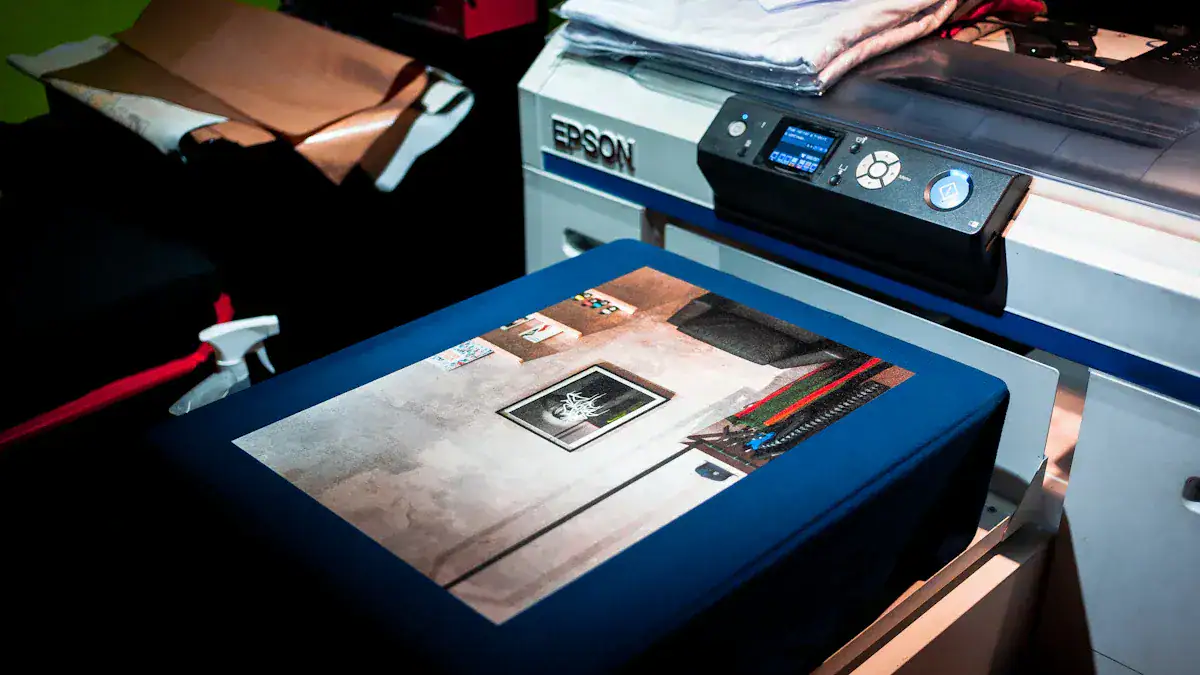
When you explore custom hoodies, you find several printing methods that stand out for their reliability, versatility, and popularity. These customization methods help you achieve different looks, durability levels, and price points. The most common methods include screen printing, direct-to-garment printing, and sublimation printing. Each method offers unique advantages for apparel customization.
Screen Printing
Screen printing remains one of the most popular methods for custom hoodies. You use this technique when you want vibrant colors and long-lasting prints. Screen printing works well on various fabrics, making it a top choice for personalized clothing. You often see this method used for bulk orders because it keeps costs low and maintains consistent quality. If you want bold designs or simple graphics, screen printing delivers excellent results.
Tip: Screen printing suits large orders and simple designs best. You get the most value when you print many hoodies at once.
Here’s a quick look at why screen printing leads in custom hoodie printing:
Method | Advantages |
|---|---|
Screen Printing | Durable, vibrant colors, cost-effective for bulk orders, works on various fabrics. |
Direct-to-Garment (DTG)
DTG, or direct-to-garment printing, uses digital printing technology to apply ink directly onto the fabric. You choose DTG when you want high detail and vibrant colors, especially for complex designs. This method excels at small batches, so you can create custom hoodies with intricate artwork or photographs. DTG gives you flexibility for one-off prints and lets you experiment with different types of t-shirt printing methods.
Note: DTG works best for small orders and detailed designs. You get sharp images and a soft feel on your custom hoodies.
Here’s how DTG compares to other customization methods:
Method | Advantages |
|---|---|
DTG | High detail, vibrant colors, ideal for complex designs and small batches. |
Sublimation
Sublimation printing uses heat to transfer dye into the fabric. You select sublimation printing when you want all-over designs or seamless color transitions. This method works best on polyester hoodies and gives you vibrant, fade-resistant prints. Sublimation printing stands out for its ability to cover the entire garment, making it ideal for custom t-shirts and hoodies with full-coverage artwork.
Tip: Sublimation printing suits polyester fabrics and colorful, edge-to-edge designs. You get long-lasting prints that resist fading.
Global adoption of these printing methods continues to grow. Countries like China, the USA, Germany, the UK, and Japan lead the way in custom hoodie printing due to expanding textile sectors and personalization trends.
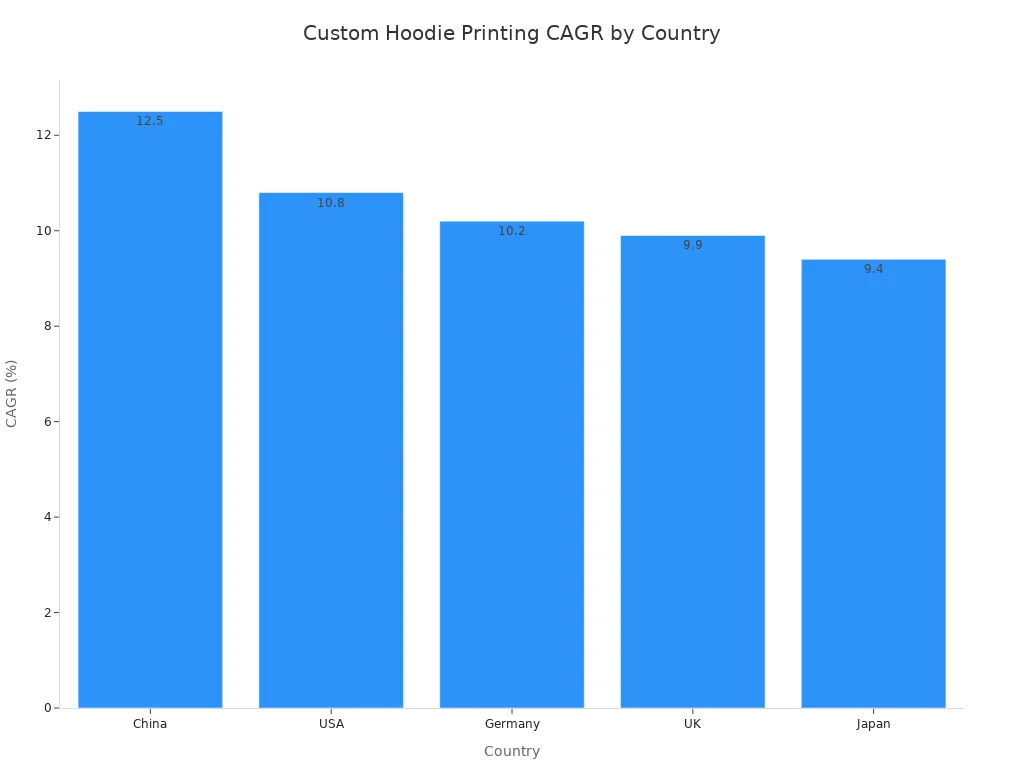
You see that screen printing, dtg, and sublimation printing dominate the market because they offer reliable results for custom designs and meet the needs of apparel customization worldwide.
Heat Transfer
Heat transfer printing lets you create vibrant, eye-catching designs on hoodies. You use this method by applying a printed image or vinyl cutout onto the fabric with heat and pressure. Many small businesses and individuals choose heat transfer because it works well for short runs and custom orders.
You can select from several types of heat transfer, such as:
Vinyl Heat Transfer: You cut designs from colored vinyl sheets and press them onto the hoodie.
Digital Heat Transfer: You print your design onto special transfer paper, then use heat to apply it to the fabric.
Tip: Heat transfer works best for bold graphics and photos with many colors. You get sharp images and a smooth finish.
Heat transfer offers flexibility for different fabrics and design styles. You can print on cotton, polyester, or blends. You also get the option to add names or numbers, which makes this method popular for sports teams and events. However, heat transfer prints may crack or peel after repeated washing. The prints often feel thicker than other methods.
Feature | Heat Transfer Printing |
|---|---|
Durability | Moderate |
Color Vibrancy | High |
Best For | Small orders, custom names |
Fabric Types | Cotton, polyester, blends |
Embroidery
Embroidery gives your custom hoodies a premium, textured look. You use embroidery to stitch your design directly into the fabric with colored threads. This method stands out for its durability and professional appearance.
You often see embroidery used for logos, monograms, and simple graphics. The raised stitching adds depth and a tactile feel to your hoodie. Embroidery resists fading and washing, so your design stays sharp for a long time.
Note: Embroidery works best for small, simple designs. You get a classic look that lasts.
You can choose from a wide range of thread colors. However, embroidery does not suit highly detailed or photo-realistic images. The process costs more than printing, especially for large or complex designs.
Advantages of Embroidery:
Long-lasting and durable
Premium, professional appearance
Works well on thick hoodie fabrics
Limitations:
Not ideal for detailed or large designs
Higher cost for complex artwork
Other Methods
You may find other methods for customizing hoodies, though they appear less often. Some of these include:
Appliqué: You sew fabric shapes onto the hoodie for a layered effect.
Puff Printing: You use a special ink that expands when heated, creating a raised, 3D texture.
Discharge Printing: You remove the hoodie’s dye in specific areas to create a soft, vintage look.
These methods offer unique effects and textures. You might choose them for special projects or to achieve a specific style. However, they often require more expertise and may not suit all fabrics or designs.
If you want something truly unique, consider these alternative methods. They help your custom hoodie stand out from the crowd.
Pros and Cons of Each Method
Screen Printing Pros and Cons
When you consider screen printing for custom hoodies, you see clear pros and cons. This method stands out for its vibrant, long-lasting designs and cost efficiency, especially for large batches. You get consistent, professional-quality results with screen printing, which works well on many materials. The thick ink layer makes your designs pop and gives you high-quality prints that last.
However, screen printing has disadvantages. The setup process takes time, and it does not suit one-off or small-run orders. If you want detailed designs or multiple colors, you need extra steps, which increases cost and complexity. Screen printing works best for simple designs and may not be ideal for highly detailed prints.
Advantages | Disadvantages |
|---|---|
Produces vibrant, long-lasting designs | Setup process takes time |
Cost-efficient for large batches | Not ideal for one-off or small-run orders |
Versatile on various materials | Designs with multiple colors require additional steps |
Consistent, professional-quality results | Better suited for simple designs |
Thick ink layer makes designs stand out | May not be suitable for highly detailed prints |
You can expect screen printing to last through 30–50 washes on average, and with proper care, up to 100 washes. Sometimes, the print can outlast the hoodie itself. You may notice fading or cracking after heavy use, especially compared to embroidery, which resists these issues.
Tip: Choose screen printing for bulk orders and simple graphics. You get the most value and durability with this method.
DTG Printing Pros and Cons
DTG, or direct-to-garment printing, uses digital printing to apply ink directly onto your custom hoodies. This method gives you full-color, high-detail printing capabilities. You can print intricate artwork, photographs, or detailed designs without color limitations. DTG printing is ideal for small batch orders and print-on-demand services, making it a top choice for custom t-shirts and hoodies.
You do not need setup fees for multiple colors, and you can personalize each hoodie easily. DTG uses water-based, non-toxic inks, which makes it more eco-friendly and reduces waste. The cost per unit stays consistent, so you benefit from this method for small orders or unique designs. However, DTG printing has disadvantages. The production speed is slower than screen printing, and the pre-treatment process can take time. DTG works best on 100% cotton or high cotton blends, limiting your fabric options. Colors may appear less vibrant, and this method is not as cost-effective for designs with few colors or large solid areas.
Here’s a summary of the pros and cons:
Pros of DTG Printing | Cons of DTG Printing |
|---|---|
Full-color, high-detail printing capabilities | Higher cost per unit for large orders |
No color limitations or setup fees for multiple colors | Slower production speed |
Ideal for small batch orders and print-on-demand services | Limited fabric options – best on cotton |
Allows for personalization and one-off designs | Pre-treatment process can be time-consuming |
More eco-friendly, with water-based inks and minimal waste | Not cost-effective for simple designs or large solid areas |
Excellent for intricate designs | Colors may be less vibrant |
DTG printing excels at detailed designs and full-color prints.
You get flexibility for customization and personalization.
The cost per unit does not decrease with larger orders, unlike traditional methods.
Note: Use DTG printing for small orders, complex artwork, or when you want to experiment with customization methods.
Sublimation Pros and Cons
Sublimation printing offers unique advantages for custom hoodies, especially when you want vibrant, all-over designs. This method uses heat to bond dye at a molecular level with synthetic fibers, mainly polyester or polyester blends. You get bright, saturated colors that remain vibrant over time. Sublimation printing delivers sharp images and prevents fading, cracking, or peeling, even after repeated washing.
You benefit from enhanced longevity, as blends like 70/27/3 polyester-cotton-elastane help hoodies last longer and keep them looking new. Sublimation printing works best on light-colored polyester fabrics, allowing for limitless hues and fast turnarounds. The permanent bonding of the ink ensures your designs stay sharp and colorful.
However, sublimation printing has limitations. You can only use this method on polyester or materials with high polyester content, which restricts your fabric choices. Sublimation does not work well on cotton or dark-colored fabrics.
Here’s a breakdown of the pros and cons:
Benefit | Description |
|---|---|
Enhanced Longevity | Polyester blends help hoodies last longer and look new after many washes. |
Molecular Bonding | Ink bonds at a molecular level, ensuring vibrant colors are deeply embedded. |
Durability and Appearance | Works best on polyester, maintaining appearance after many washes. |
Limitation | Description |
|---|---|
Limited to Polyester and Polyester Blends | Only compatible with polyester fabrics, restricting substrate options. |
Sublimation printing delivers bright, saturated colors that remain vibrant.
The ink bonds permanently, so your designs will not crack, peel, or flake.
You get limitless color options and sharp images, making this method popular for apparel customization.
Tip: Choose sublimation printing for edge-to-edge designs on polyester hoodies. You get long-lasting, vibrant results with this customization method.
Heat Transfer Pros and Cons
When you choose heat transfer for custom hoodies, you get a fast and flexible printing method. This process uses heat and pressure to apply designs onto fabric. You can create full-color images, names, and numbers with ease. Many people like heat transfer because it works well for small orders and personalized apparel.
Here are the main pros and cons of heat transfer printing:
Strengths | Description |
|---|---|
Efficiency | |
Customization and Personalization | You can add unique designs, names, and numbers easily. |
Full-Color Capability | You can print multi-color and photorealistic images with a simple setup. |
Weaknesses | Description |
|---|---|
Durability/Washability | Prints last 15-25 washes, which is less than screen printing or DTG. |
Print Feel (“Hand”) | Some prints feel thick or stiff, which can affect comfort. |
Substrate Limitations | Some fabrics do not hold the print well, so vibrancy and permanence may vary. |
Tip: If you want vibrant, detailed designs for a special event or a small batch, heat transfer works well. For long-lasting prints, screen printing offers better durability.
You should know that heat transfer prints may crack or peel after repeated washing. In comparison, screen printing lasts over 50 washes, and DTG lasts 30-40 washes. Heat transfer gives you flexibility, but you trade off some longevity.
Embroidery Pros and Cons
Embroidery stands out when you want a premium, professional look for your custom hoodies. This method stitches your design directly into the fabric, which gives you a textured and durable result. You often see embroidery used for logos, monograms, and simple graphics.
Let’s look at the pros and cons of embroidery compared to printed designs:
Aspect | Embroidery | Printed Designs |
|---|---|---|
Durability | Prints may crack or peel over time | |
Professional Appearance | Premium, tactile, and eye-catching | Flat and less noticeable |
Perceived Value | Higher, seen as quality | Lower, seen as less premium |
Cost | More affordable |
You pay more for embroidery, especially for complex or large designs. However, you get a product that lasts hundreds of washes and keeps its shape. Embroidery works best on thick, high-quality fabrics. If you want a hoodie that looks and feels premium, this method delivers.
Note: Embroidery is not ideal for detailed images or large, colorful artwork. For those designs, screen printing or DTG may suit you better.
Other Methods Pros and Cons
You can also explore less common methods like vinyl cutting, appliqué, puff printing, and discharge printing. These techniques give you unique textures and effects, but they come with their own pros and cons.
Pros | Cons |
|---|---|
Larger design elements | Less design complexity |
Lower durability | |
Lower overall costs | Stiff fabric surface |
Vinyl cutting and appliqué work well for bold, simple shapes.
Puff printing creates a raised, 3D effect, but may not last as long as screen printing.
Discharge printing gives a vintage look, but only works on certain fabrics.
You should remember that alternative methods often require more expertise. They may not match the print quality or durability of screen printing or embroidery. For detailed images, digital printing methods like DTG are better. For large orders, screen printing remains the most cost-effective choice.
Tip: Try these methods if you want your hoodie to stand out with a special effect or texture. For everyday wear and long-lasting results, stick with mainstream options.
Comparing Customization Methods
Print Quality Comparison
When you compare print quality for custom hoodies, you notice clear differences between each method. Screen printing gives you vivid, high-quality prints that work well for bold graphics. You see this method used for custom t-shirts and hoodies when you want strong colors and a smooth finish. DTG, or direct-to-garment printing, produces sharp, vibrant, full-color results. This method excels at complex artwork and detailed images. Sublimation printing keeps prints light and vibrant, especially on polyester fabrics, and allows for edge-to-edge customization. Heat transfer printing creates bright images, but the printed area can feel thicker and less natural. Embroidery stands out with its unique tactile stitching, giving your custom hoodie a premium look, but it works best for simple designs.
Here’s a quick table to help you compare print quality and design complexity:
Method | Print Quality | Design Complexity |
|---|---|---|
Screen Printing | Vivid, high-quality prints | Handles bold, simple graphics |
DTG | Sharp, vibrant, full-color | Excels at detailed, complex images |
Sublimation Printing | Light, vibrant, seamless | Ideal for all-over designs |
Heat Transfer Printing | Bright, smooth finish | Good for photos, less for detail |
Embroidery | Tactile, premium stitching | Limited to simple, small designs |
Tip: For the best print quality on detailed artwork, choose dtg or sublimation printing. For bold logos, screen printing remains a top choice.
Durability Comparison
Durability matters when you want your custom hoodie to last. Screen printing offers a durable option for casual garments. With proper care, screen prints can last five to ten years. You should wash your hoodie inside out and avoid harsh detergents to extend the life of the print. DTG prints hold up well but may fade faster than screen prints after many washes. Sublimation printing bonds the dye to the fabric, so your custom design resists fading, cracking, or peeling. Heat transfer printing lasts for about 15 to 25 washes before you notice signs of wear. Embroidery provides unmatched durability. Even after repeated washing, embroidered designs keep their color and shape.
A recent comparison showed that embroidered hoodies maintained their integrity and color after multiple washes, while printed hoodies showed cracking and fading. This makes embroidery the best method for longevity.
Screen printing: Lasts 5–10 years with proper care.
DTG: Good durability, but may fade over time.
Sublimation printing: Excellent resistance to fading and cracking.
Heat transfer printing: Moderate durability, best for short-term use.
Embroidery: Unparalleled durability, ideal for long-lasting custom hoodies.
Cost Comparison
Cost plays a big role in choosing a printing method for your custom hoodie. Screen printing and embroidery require setup before production, so you see higher costs for small orders. These methods become more affordable as you increase your order size. Digital printing, including dtg and sublimation printing, has no setup fees and no minimum order requirement. This makes digital printing a smart choice for one-off custom hoodies or small batches.
Here’s a table showing average costs per hoodie for different methods and order sizes:
Printing Method | Order Quantity | Average Cost per Hoodie |
|---|---|---|
Screen Printing | 6 units | $40.84 |
Embroidery | 6 units | $45.83 |
DTG | 6 units | $42.26 |
Sublimation | 6 units | $43.73 |
Heat Transfer | 6 units | $40.08 |
Note: For large orders, screen printing offers the best value. For small custom runs, digital printing methods like dtg and sublimation printing keep costs lower.
You should consider both the upfront cost and the long-term value when choosing a method for your custom hoodie project.
Color Options Comparison
You want your custom hoodie to stand out with the right colors. Each printing method gives you different levels of color flexibility and design freedom. Direct-to-garment (DTG) printing lets you use unlimited colors in a single pass. You can create detailed and vibrant designs without worrying about extra costs for more colors. Dye sublimation covers the entire hoodie with edge-to-edge graphics, which means you can print seamless patterns and gradients. Heat transfer printing also supports intricate designs and smooth gradients, making it a good choice for photos or complex artwork.
Printing Method | Color Options | Design Flexibility |
|---|---|---|
Direct-to-Garment (DTG) | Unlimited colors in a single pass | Ideal for detailed and vibrant designs |
Dye Sublimation | Edge-to-edge graphics | Covers entire garments, enhancing flexibility |
Heat Transfer Printing | Intricate designs and gradients | Versatile for design placement |
Embroidery works differently. You choose from a set of thread colors, so you cannot match every shade or create smooth gradients. Photographic images and fine details are hard to reproduce with embroidery because of thread and stitch limitations. Sublimation printing also has some limits. It works best on polyester fabrics, and dark hoodies can make colors look less vibrant. Achieving perfect color matching can be tricky with both embroidery and sublimation.
Tip: For the widest range of colors and the most design freedom, try DTG or sublimation printing. If you want a classic look, embroidery offers a unique texture but fewer color choices.
Best for Small vs. Large Orders
You need to pick the right printing method based on your order size. Some methods work better for small batches, while others shine with large runs.
DTG: Best for small to medium-sized orders and complex designs. You avoid setup fees and can print one-off hoodies easily.
Screen Printing: Best for large orders, especially if you use up to 8 colors. You get lower costs per hoodie as your order size increases.
DTF (Direct-to-Film): Good for lower budgets and polyester fabrics, but results may not last as long.
Sublimation: Great for full garment coverage on polyester, works well for both small and large orders if you want all-over prints.
Embroidery: Best for smaller, simpler designs with up to 8 colors. You get a unique, premium look.
Printing Method | Best For |
|---|---|
DTG | Small to medium-sized orders, complex designs |
Screen Printing | Large orders, up to 8 colors |
DTF | Lower budgets, polyester, not long-lasting |
Sublimation | Full garment coverage, polyester |
Embroidery | Small, simple designs, premium look |
Note: For a single hoodie or a small batch, DTG or heat transfer gives you flexibility and detail. For team orders or events, screen printing saves you money.
Eco-Friendly Options
You may want to consider the environmental impact of your printing choice. DTG printing stands out as the most eco-friendly option. It uses water-based inks that are less harmful to the environment. The digital process creates minimal waste because you print only what you need. You do not need screens or stencils, so you avoid extra materials and chemicals.
Screen printing, on the other hand, uses solvent-based or plastic-based inks. The process requires screens and chemicals, which leads to more waste. Cleaning screens uses a lot of water and releases harmful VOCs (volatile organic compounds) into the air. Overproduction is common with screen printing, which can result in unused hoodies ending up in landfills.
Screen printing creates more waste and uses hazardous chemicals.
DTG printing on demand helps reduce overproduction and saves resources.
If you want a sustainable choice, DTG printing offers the lowest environmental impact for custom hoodies.
Choosing the Right Method for Custom Hoodies
For Small Orders
When you want to print just a few custom hoodies, you need a method that does not require high setup costs. DTG printing stands out for small batches. This method lets you print detailed and colorful designs without extra fees for each color. You can order one or two hoodies and still get high-quality results. Heat transfer printing also works well for small orders. You can use this method to add names, numbers, or photos to each hoodie. You do not need to worry about minimum order requirements.
Here are some practical tips for small orders:
Choose DTG or heat transfer printing for flexibility and low upfront cost.
Avoid screen printing for small batches because setup costs make each hoodie expensive.
Consider the complexity of your designs. DTG handles intricate artwork better than heat transfer.
Tip: If you run a small business or want a one-off gift, DTG printing gives you the best balance of quality and cost for custom hoodies.
For Bulk Orders
If you need a large number of custom hoodies, screen printing is the most cost-effective method. This technique spreads the setup cost over many units, so your price per hoodie drops as your order grows. You get consistent, vibrant prints that last through many washes. Screen printing works best for simple or bold designs with limited colors.
When planning a bulk order, keep these points in mind:
Ordering in bulk reduces your per-unit cost.
Screen printing is ideal for team uniforms, events, or company merchandise.
You should finalize your designs before starting production, as changes can increase cost.
Method | Best For | Cost Efficiency |
|---|---|---|
Screen Printing | Bulk Orders | High |
DTG | Small Orders | Moderate |
Heat Transfer | Small Orders | Moderate |
Note: For large events or business promotions, screen printing helps you save money and ensures your custom hoodies look professional.
For Complex or Colorful Designs
You may want to print custom hoodies with detailed artwork or many colors. In this case, DTG printing and sublimation printing are your best options. DTG lets you print photo-quality images and complex graphics directly onto the fabric. You do not pay extra for more colors. Sublimation printing works well for all-over designs on polyester hoodies. This method creates vibrant, seamless prints that resist fading.
When choosing a method for complex or colorful designs, consider these factors:
DTG printing excels at detailed, multi-color artwork on cotton hoodies.
Sublimation printing is perfect for edge-to-edge designs on polyester.
Screen printing can handle some complexity, but each color adds to the cost and setup time.
Tip: Research different t-shirt printing methods to find the best fit for your design needs. Always match your printing method to your fabric and artwork style.
For Budget-Friendly Printing
You want to save money when printing custom hoodies. The best way to do this is to match your order size and design to the right printing method. Screen printing gives you the lowest price per hoodie for large orders. You pay a setup fee, but the cost drops as you print more hoodies. For small batches or one-off designs, DTG (direct-to-garment) and heat transfer printing help you avoid high setup costs.
Here are some tips to keep your printing project affordable:
Choose simple designs. Fewer colors and less detail lower your costs.
Order in bulk. Screen printing becomes much cheaper as your order size grows.
Use heat transfer or DTG for small runs. These methods do not require setup fees.
Limit print locations. Printing on just the front or back saves money.
Printing Method | Best For | Cost Efficiency |
|---|---|---|
Screen Printing | Large orders | Very High |
DTG | Small orders | Moderate |
Heat Transfer | Small runs, custom names | Moderate |
Tip: If you run a small business or need team hoodies, plan your order size and design in advance. This helps you get the best price.
For Maximum Durability
You want your custom hoodies to last through many washes and heavy use. Embroidery stands out as the most durable option. The stitched design resists fading, cracking, and peeling. Screen printing also offers strong durability, especially with proper care. Sublimation printing works well for polyester hoodies and keeps colors vibrant for a long time.
To get the most durable results:
Pick embroidery for logos or simple graphics. The threads hold up over time.
Use screen printing for large, bold designs. The ink bonds well with the fabric.
Choose sublimation for polyester hoodies. The dye becomes part of the fabric.
Method | Durability Level | Best Use Case |
|---|---|---|
Embroidery | Excellent | Logos, small graphics |
Screen Printing | Very Good | Bold, simple designs |
Sublimation | Very Good | All-over prints on polyester |
Note: Always wash your hoodies inside out and avoid harsh detergents. This helps any print last longer.
For Professional or Premium Look
You want your custom hoodies to look high-end and professional. Embroidery gives you a classic, textured finish that stands out. Many companies use embroidery for staff uniforms and branded apparel. You can also choose screen printing with specialty inks, like metallic or puff ink, for a unique effect.
Consider these options for a premium appearance:
Embroidery: Best for logos, monograms, and simple graphics. The raised stitching adds value.
High-quality screen printing: Use specialty inks or effects for a standout look.
Appliqué or puff printing: These methods add texture and depth.
Method | Premium Features | Ideal For |
|---|---|---|
Embroidery | Raised, textured, long-lasting | Logos, uniforms, branding |
Specialty Screen | Metallic, puff, or glitter ink | Fashion, standout designs |
Appliqué | Layered fabric, unique texture | Custom, creative projects |
If you want your hoodies to impress, invest in embroidery or specialty printing. These methods show attention to detail and quality.
T-Shirt Printing Methods vs. Hoodie Printing
When you look at custom apparel, you might wonder if you can use the same t-shirt printing methods for hoodies. The answer depends on several factors. You need to consider fabric, design, cost, and durability. Each garment has unique qualities that affect how different types of t-shirt printing methods perform.
Fabric Differences
T-shirts usually use lightweight cotton or cotton blends. Hoodies often use thicker materials like fleece, French terry, or heavyweight cotton. These fabric differences matter when you choose a custom printing method. For example, direct-to-garment works best on smooth, flat cotton surfaces. You get crisp, detailed prints on t-shirts. On hoodies, the thicker weave can absorb more ink and reduce sharpness. Screen printing adapts well to both t-shirts and hoodies, but you may need to adjust ink thickness for hoodies. Sublimation only works on polyester, so you use it for custom polyester hoodies or performance t-shirts. Embroidery stands out on hoodies because the fabric supports the weight of the stitching. On thin t-shirts, embroidery can feel heavy or cause puckering.
Tip: Always match your printing method to the fabric type for the best results.
Design Considerations
You have more design freedom with t-shirts because the surface is flat and smooth. Hoodies have seams, pockets, and zippers that can interrupt your artwork. When you use different types of t-shirt printing, you can place large graphics across the chest or back. On hoodies, you need to plan around the pocket and seams. Some printing methods, like heat transfer, may not adhere well to textured or ribbed hoodie fabrics. Embroidery works well for small logos on the chest or sleeve of a hoodie. For t-shirts, you can use large, detailed designs with digital printing. Always check the printable area before you finalize your custom design.
T-shirts: Best for large, detailed prints and full-color artwork.
Hoodies: Best for logos, simple graphics, or text.
Cost and Durability Factors
You will notice cost differences between t-shirts and hoodies. Hoodies cost more to produce and print because of their thicker fabric and larger size. Screen printing remains cost-effective for both, especially for bulk custom orders. Direct-to-garment and heat transfer cost more per piece, but they work well for small runs. Durability also changes with the garment. Screen printing and embroidery last longer on hoodies due to the sturdy fabric. Heat transfer prints may crack or peel faster on hoodies because of the fabric’s stretch and thickness. Sublimation gives you long-lasting color on polyester t-shirts and hoodies, but only if you use the right material.
Note: Always factor in garment type, design placement, and order size when you choose between t-shirt and hoodie printing.
If you want to explore different types of t-shirt printing methods, test your design on both garments. You will see how fabric and construction affect the final look and feel of your custom apparel.
You see that screen printing and embroidery deliver the best results for custom hoodies when you want durability and a professional look. DTG and sublimation work well for detailed or colorful designs. Heat transfer offers flexibility but less longevity.
Assess your order size, design complexity, and budget before choosing a method.
Tip: Match your printing method to your fabric and design for the best custom outcome.
FAQ
What is the most durable method for printing custom hoodies?
Embroidery gives you the longest-lasting results. The stitched design resists fading, cracking, and peeling. You can wash embroidered hoodies many times without losing quality.
Can you print detailed photos on hoodies?
You can print detailed photos using DTG or sublimation. DTG works best on cotton hoodies. Sublimation creates vibrant, photo-quality prints on polyester. Both methods capture fine details and color gradients.
Which method is best for small orders?
DTG and heat transfer work well for small batches. You avoid setup fees and minimum order requirements. You can print one or two hoodies without extra cost.
Do all printing methods work on any fabric?
No. Screen printing and DTG work best on cotton. Sublimation only works on polyester. Heat transfer can print on cotton, polyester, or blends. Always match your method to your hoodie’s fabric.
How do you care for printed hoodies?
Wash your hoodie inside out in cold water. Avoid bleach and harsh detergents. Air dry or use a low-heat setting. This helps your print last longer and keeps colors bright.
Are eco-friendly printing options available?
Yes. DTG uses water-based inks and produces less waste. You can choose this method for a more sustainable option. Screen printing creates more waste and uses chemicals.
Can you combine printing methods on one hoodie?
You can combine methods, like screen printing with embroidery. This gives your hoodie a unique look. Make sure your printer has experience with mixed techniques.
What is the cheapest way to print custom hoodies?
Screen printing offers the lowest price per hoodie for large orders. For small runs, DTG or heat transfer keeps costs down. Simple designs with fewer colors also save money.