

Supermarket Uniform Color Coding: Department-Specific Customization for Overseas Chains
Table of Contents
Display
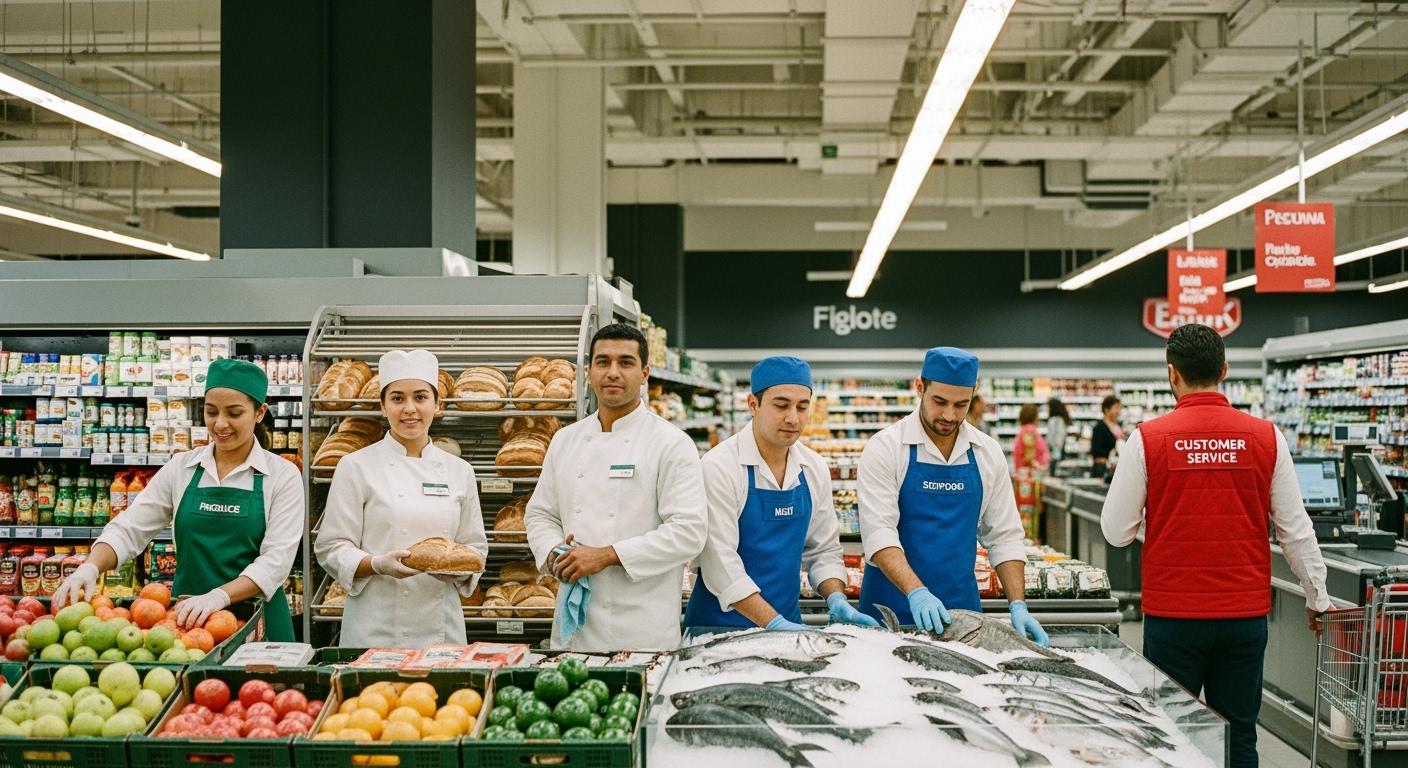
You see department-specific retail workwear every time you walk into a major overseas grocery chain. Department-specific retail workwear helps you spot staff quickly and know who has special training. You rely on department-specific retail workwear to show which team members have authority. Department-specific retail workwear uses color coding to make each role clear. When you notice department-specific retail workwear in action, you also see how uniforms support branding. Supermarkets choose colors like black for authority, blue for trust, and green for freshness. These colors help customers connect with staff and feel confident about service.
Key Takeaways
Department-specific uniforms help customers quickly identify staff roles, enhancing the shopping experience.
Color coding in uniforms reinforces brand identity, making it easier for customers to connect with the store’s values.
Using safety colors improves staff visibility, reducing confusion and enhancing safety in busy environments.
Well-designed uniforms boost employee morale and productivity by ensuring comfort and functionality.
Regular updates to uniforms keep the appearance fresh, reflecting the store’s commitment to quality and professionalism.
Involving staff in uniform design fosters engagement and ensures uniforms meet their needs for comfort and safety.
Customizing uniforms for different departments enhances professionalism and helps customers find the right staff for assistance.
Clear communication and training about uniform policies promote consistency and adherence to brand standards across all locations.
Benefits of Department-Specific Retail Workwear
Staff Identification and Role Clarity
You notice the difference when you walk into a store where staff wear department-specific uniforms. Color coding in grocery store uniforms helps you spot employees and understand their roles right away. You do not have to guess who can help you with a question or who has the authority to solve a problem.
Uniforms help you identify employees quickly, which makes your shopping experience smoother.
Different colors or designs show which department each staff member belongs to, so you know who to approach for help.
This visual system makes it easier for you to interact with staff and get the service you need.
When grocery store uniforms use colors that match the store’s branding, you see a stronger brand presence. You recognize staff roles more easily, and you feel more confident about who can assist you.
Customer Experience Enhancement
You want a positive experience every time you visit a grocery store. Grocery store uniforms play a big part in shaping how you feel about the store and its staff. The colors and styles of uniforms send messages about the store’s values and professionalism.
Aspect | Evidence |
|---|---|
Brand Identity | Uniforms convey the brand’s image and values, influencing customer perceptions without words. |
Role Recognition | Color-coded uniforms help customers identify staff roles, facilitating easier interactions. |
Psychological Impact | First impressions are formed quickly; uniforms instill trust and credibility in customers. |
Color-coded grocery store uniforms reinforce brand identity and help you recognize staff members. When you see a consistent look among employees, you feel more trust and loyalty toward the store. Uniforms also signal to you that the person is a worker, which makes it easier to ask for help. The colors chosen for uniforms can even affect your mood and how you respond to staff.
Tip: Stores that invest in clear, color-coded uniforms often see higher customer satisfaction and repeat visits.
Operational Efficiency
You benefit from efficient service when staff wear department-specific grocery store uniforms. Employees know their roles, and you know who to approach for specific needs. This system reduces confusion and saves time for both you and the staff.
Visual differentiation streamlines customer interactions.
Staff can focus on their tasks without interruption, since you can find the right person quickly.
The store runs more smoothly, and you get better service.
Grocery store uniforms do more than just look good. They help the store operate efficiently, improve your experience, and support the store’s branding goals.
Branding and Recognition
You notice the power of branding every time you walk into a grocery store. The colors and styles of uniforms do more than help you find staff—they shape your perception of the store’s brand identity. When you see a team dressed in coordinated colors, you instantly connect those shades with the store’s values and promises. Uniforms act as a moving billboard, reinforcing the store’s image with every customer interaction.
Color choices play a big role in how you recognize and remember a brand. Different colors trigger different feelings and expectations. For example, blue often signals trust and reliability, while red creates a sense of excitement or urgency. Black suggests sophistication and authority, and green brings to mind calmness and freshness. You can see how these associations work in the table below:
Color | Association | Application in Branding |
|---|---|---|
Blue | Trust, reliability | Common in financial institutions and tech brands |
Red | Excitement, urgency | Used in sales promotions and fast-food branding |
Green | Calmness, relaxation | Ideal for spas and wellness brands |
Black | Sophistication, authority | Prevalent in luxury retail and high-end services |
When a grocery chain selects uniform colors that match its logo or store design, you experience a seamless brand message. You start to associate those colors with the store’s quality and service. This connection builds trust and makes the store stand out in your memory. You may even feel more comfortable asking for help when you see a familiar color scheme.
Uniforms also help you spot staff quickly, but their impact goes deeper. They create a sense of unity among employees and show that everyone represents the same brand. You see this unity as a sign of professionalism and care. When you visit different locations of the same chain, consistent uniforms help you recognize the brand instantly, no matter where you are.
Tip: Stores that invest in thoughtful color choices for uniforms often see stronger customer loyalty and better brand recall.
You might not always notice the details, but your brain picks up on these visual cues. Over time, the right color choices in uniforms help you remember the store and trust its staff. This is why branding and recognition go hand in hand in the world of grocery retail.
Customizing Grocery Store Uniforms by Department
Cashiers and Front-End Staff
When you enter a supermarket, cashiers and front-end staff are often the first people you see. Their appearance sets the tone for your shopping experience. You want to recognize them quickly, so color coding plays a key role in their uniforms. The best uniforms for grocery staff at the front end use colors that stand out and match the store’s brand identity. Blue often signals trust and belonging, while red can show confidence and energy. Black suggests authority and professionalism, which helps you feel secure when handling payments or asking for help.
Here is a table that shows how different colors influence your perception of cashiers and front-end staff:
Color | Meaning/Attributes |
|---|---|
White | Purity and cleanliness |
Black | Power, authority, sophistication, and knowledge |
Green | Calming |
Purple | Royal and implies specialized or premium services |
Orange | Warm, vibrant, playful or casual setting |
Silver | Prestigious, excellent for IT or technology services |
Red | Stimulating, represents confidence |
Blue | Trustworthiness and belonging |
Gold | Royal or elite, fosters a sense of prestige |
Brown | Reliability |
When you design grocery store uniforms for cashiers, you should also consider comfort and durability. Cashiers spend long hours standing and interacting with customers. Uniforms for grocery staff at the front end need to allow easy movement and stay neat throughout the day. High-quality materials help uniforms last longer and look professional, which saves money over time.
Tip: Choose safety colors like red or blue for cashiers to make them easy to spot and to support a sense of trust and security at the checkout.
Stockers and Inventory Teams
Stockers and inventory teams work behind the scenes to keep shelves full and organized. You may not interact with them as much, but you still need to identify them quickly when you have questions about products or stock levels. The best uniforms for grocery staff in these roles focus on practicality and visibility. Bright colors like orange or green help you spot stockers in busy aisles. These colors also signal energy and freshness, which fits the active nature of their work.
When you design grocery store uniforms for stockers, you should prioritize comfort and safety. Stockers move heavy boxes and climb ladders, so uniforms must allow flexibility and protect against minor injuries. Durable fabrics reduce wear and tear, making uniforms last longer. Reflective strips or patches can add an extra layer of safety, especially in large stores or warehouses.
A well-designed uniform for stockers supports both brand identity and employee satisfaction. You want your team to feel comfortable and proud of their appearance. This boosts morale and helps your store run smoothly.
Aspect | Description |
|---|---|
Brand Identity | Uniforms serve as a visual representation of the business, enhancing brand visibility and trust. |
Employee Comfort | Well-designed uniforms improve employee satisfaction and productivity by allowing ease of movement. |
Durability | High-quality, long-lasting uniforms reduce waste and save costs over time. |
Sustainability | Eco-friendly practices in uniform production minimize environmental impact and support sustainability. |
Industry-Specific Needs | Custom solutions cater to the unique demands of different supermarket roles, ensuring functionality. |
Note: When you customize your uniforms for stockers, you support both safety and brand recognition.
Deli, Bakery, and Fresh Food
Deli, bakery, and fresh food departments require special attention when you design grocery store uniforms. You expect staff in these areas to look clean and professional because they handle food directly. Uniforms in white or light colors signal cleanliness and freshness. These colors help you trust that your food is safe and prepared in a hygienic environment.
Clean uniforms, gloves, and neat fingernails are essential for staff in these departments. Customers notice these details, and they influence your perception of food safety. The best uniforms for grocery staff in fresh food areas use materials that resist stains and are easy to wash. Aprons, hats, and hairnets add extra protection and reinforce a sense of professionalism.
Factor | Importance Rating | Performance Rating |
|---|---|---|
Clean uniforms | High | Low |
Clean fingernails | High | Low |
Wearing gloves while handling food | High | Low |
When you design grocery store uniforms for deli and bakery staff, you should also consider customization. Embroidered logos or department names help you identify staff and add a personal touch. You can use color coding to separate bakery staff from deli workers, making it easier for customers to find the right person for their needs.
Tip: Uniforms for grocery staff in fresh food departments should always look spotless to build customer trust and support your store’s reputation for quality.
Management and Supervisors
You rely on management and supervisors to keep the store running smoothly. Their presence gives you confidence that someone can handle problems or answer tough questions. You can spot managers quickly when they wear distinct grocery store uniforms. Many stores choose darker colors like black or navy for management. These colors show authority and professionalism. Managers often wear tailored shirts, blazers, or vests to set them apart from other staff.
You notice that managers often have name tags or badges with their titles. This helps you know who is in charge. Some stores add subtle details, such as embroidered logos or colored piping, to make management uniforms unique. These small touches help you recognize leadership at a glance.
Tip: When you see a manager in a sharp uniform, you feel more comfortable asking for help or sharing feedback.
Managers need uniforms that look professional but also allow movement. They walk the sales floor, help customers, and solve problems. Breathable fabrics and a good fit keep them comfortable during long shifts. You see that clear, consistent uniforms for management support both authority and approachability.
Security and Loss Prevention
You want to feel safe when you shop. Security and loss prevention teams play a key role in creating a secure environment. Grocery store uniforms for security staff use colors and designs that signal authority and readiness. You often see dark hues like black or navy blue. These colors show seriousness and professionalism. Navy blue looks less harsh than black and hides dirt well, which is important for daily wear.
Some stores use lighter shades for a more approachable look. In warmer climates, khaki or gray uniforms help security staff stay cool and blend into the environment. High-visibility safety colors, such as neon yellow or orange, make security staff easy to spot in emergencies or during traffic management.
Here is a table that shows how different colors affect the impact of security uniforms:
Color | Psychological Impact | Use Case |
|---|---|---|
Dark hues | Authority, professionalism, seriousness | Corporate and private security roles |
Navy blue | Less harsh than black, dirt-resistant | Formal presence in security contexts |
Lighter shades | Approachability, less intimidating | Community policing and retail security roles |
Khaki/Gray | Blends well in urban settings, heat-reflective | Suitable for warmer climates |
High-visibility | Enhances detection in low-light conditions | Traffic management and emergency response |
You notice that security uniforms often include patches, badges, or reflective strips. These features help you identify security staff quickly. Clear uniforms for security and loss prevention help you feel safe and support the store’s reputation for safety.
Office and Support Staff
Office and support staff keep the store running behind the scenes. You may not see them as often, but their appearance still matters. Grocery store uniforms for office staff use colors that show professionalism and match the store’s brand. You might see white for cleanliness, black for power, or blue for trust. Some stores use green to show growth or orange to create a lively atmosphere. Purple and gold suggest premium services, while silver adds a modern touch.
White: Signifies cleanliness, ideal for service roles.
Black: Represents power and professionalism, often worn by specialists.
Green: Symbolizes growth, commonly used by landscapers.
Purple: Associated with luxury, suggesting premium services.
Orange: Energetic and fun, creating a lively workplace.
Silver: Used by tech companies to convey distinction.
Red: Evokes excitement in customers.
Blue: Represents loyalty and trust.
Yellow: Conveys peace and inspiration.
Gold: Suggests elite status, similar to silver.
You want office uniforms to last and look good. Durability is important because staff move around and handle many tasks. Stain resistance keeps uniforms looking fresh, even after spills. Easy-care fabrics make it simple to keep uniforms clean and neat.
Durability: Essential for the busy grocery environment.
Stain Resistance: Important for maintaining a polished appearance.
Easy Care: Fabrics that are easy to clean help keep uniforms looking fresh.
Many stores choose suppliers like Lands’ End Outfitters for their office uniforms. You see a wide range of styles, colors, and fits. This helps the store create a unified brand image across all locations. When you see well-dressed office staff, you know the store values professionalism and teamwork.
Incorporating Brand Colors and Identity

Matching Uniforms for Grocery Staff to Brand Palette
When you walk into a grocery store, you notice how the staff uniforms reflect the company’s brand identity. Incorporating brand colors into uniforms helps you recognize employees and builds a strong connection with the store’s image. Leading grocery chains select colors that match or complement their brand palette. This choice makes staff easy to spot and strengthens the store’s presence in your mind.
You can use several strategies to match uniforms to your brand palette. The table below shows some of the most effective methods:
Strategy | Description |
|---|---|
Use Accents Sparingly | Add small pops of color to avoid clutter. |
Choose Complementary Shades | Pick shades that work well with your main brand colors. |
Prioritize Functionality | Select classic color combinations that last and look professional. |
Leverage Contrast | Use high-contrast colors for visibility and safety colors. |
Build Around Your Logo | Make sure uniform colors highlight your logo for better recognition. |
When you use these strategies, you create a unified look that customers remember. You also help staff feel like part of a team.
Logo Placement and Custom Details
You see logos on uniforms every time you shop. The placement and style of these logos matter. When you put the logo on the chest, back, or sleeve, you make it more visible to customers. Custom details, such as embroidery or screen printing, add a professional touch and help your brand stand out.
Embroidered or printed logos increase visibility.
Uniforms act as mobile advertisements, spreading your brand message.
A consistent look across all roles builds trust and loyalty with customers.
You can also add custom touches like colored piping, department names, or unique badges. These details make each role clear and support a strong brand identity.
Tip: Consistency in logo placement and custom details helps customers recognize your staff and trust your brand.
Using Thread Colors and Fabrics for Branding
You might not think about thread colors or fabric choices, but they play a big role in branding. High-quality polyester embroidery thread keeps colors bright and resists fading from sunlight or cleaning chemicals. This means your uniforms stay sharp and attractive, even after many washes.
Uniforms with company logos and brand colors turn your staff into walking billboards. This visual consistency helps customers remember your store and builds a lasting impression. When you choose durable fabrics, you also save money by reducing the need for frequent replacements.
Note: The right thread and fabric choices keep your uniforms looking new and help reinforce your brand every day.
Selecting Colors and Materials for Uniforms
Color Meanings in Grocery Store Uniforms
You see color everywhere in a grocery store, but you may not realize how much it shapes your experience. The colors you choose for uniforms send strong messages to both customers and staff. For example, blue can make you feel trust, while green brings freshness to mind. Red can create excitement or urgency. These associations help you connect with the brand and influence how you interact with employees.
When you select colors for grocery store uniforms, you must consider more than just style. You need to think about branding, symbolism, and the emotions each color evokes. Safety color standards play a big role in this process. You want to use safety colors and high-visibility shades in areas where visibility is critical. For example, stockers working in busy aisles benefit from high-visibility clothing that meets safety standards. This approach helps prevent accidents and ensures everyone can spot staff quickly.
Branding: Uniform colors reinforce your store’s identity.
Symbolism: Each color sends a message to customers and staff.
Visibility: High-visibility colors improve safety and make staff easy to find.
Safety color codes: Following safety color codes ensures compliance and protects your team.
You can see how companies like Best Buy and Starbucks use color to make staff stand out and build brand recognition. When you follow safety color codes and safety color standards, you create a safer and more welcoming environment.
Comfort, Fit, and Functionality
You want your team to feel comfortable and confident in their uniforms. Comfort, fit, and functionality matter as much as appearance. Most workers say comfort and mobility are their top priorities. If you choose breathable and flexible fabrics, your staff can move freely and perform tasks efficiently. Modern uniforms allow bending, lifting, and twisting without restriction.
Comfort: Breathable fabrics keep staff cool during busy shifts.
Fit: Proper sizing ensures everyone looks professional and feels at ease.
Functionality: Uniforms with pockets, adjustable features, and reinforced seams support daily tasks.
You also need to consider safety standards and safety color codes when designing uniforms. For example, high-visibility accents or reflective strips can boost visibility in high-traffic areas. This not only meets safety standards but also helps customers find staff quickly. When you focus on comfort and functionality, you improve morale and productivity.
Tip: Uniforms that fit well and allow easy movement help your team deliver better service.
Durability and Maintenance
You want uniforms that last and look good after many washes. Durability and easy maintenance are essential in a busy grocery environment. High-quality materials resist wear and tear, which means fewer replacements and lower costs. Easy-care fabrics save time and keep uniforms looking polished.
Feature | Description |
|---|---|
Breathable fabrics | Help teams stay cool under pressure and maintain comfort during busy shifts. |
Easy-care materials | Reduce maintenance time and effort, ensuring uniforms look polished. |
Moisture management | Keeps employees comfortable by drawing perspiration away from the skin. |
Stain resistance | Simplifies cleaning and extends the life of the uniforms. |
Reinforced seams | Enhances durability, reducing the need for replacements in demanding settings. |
You should also think about sustainability. Choosing eco-friendly materials and ethical suppliers supports your brand’s values and appeals to environmentally conscious customers. When you select uniforms that meet safety color standards, offer high visibility, and are easy to maintain, you create a better experience for both staff and shoppers.
Note: Durable, easy-to-clean uniforms help your team look professional every day and support your store’s reputation for quality.
Implementation Strategies for Overseas Chains
Consistency Across Locations
You want your supermarket chain to promote brand consistency across all locations. A consistent color scheme in uniforms helps customers recognize your staff and trust your brand, no matter where they shop. You can use clear communication to explain your uniform policy to every team member. Regular audits help you check if each store follows the guidelines. You also need comprehensive training so staff understand the importance of safety signs and safety colors in their daily work. When you set clear expectations, you make it easier for everyone to follow the same standards.
Here is a table that shows key strategies for keeping your uniform policy consistent:
Strategy | Description |
|---|---|
Clear Communication | Ensure all staff understand the execution strategy clearly. |
Comprehensive Training | Implement training programs to align staff with new sales tactics. |
Regular Audits | Conduct surprise visits and audits to monitor execution and progress. |
Adaptation to Local Markets | Formulate a uniform strategy while considering local challenges and opportunities. |
You can use safety signs and safety signage in break rooms and staff areas to remind employees about uniform rules and safety procedures. This approach helps you maintain high standards and keeps your brand strong.
Adapting to Local Preferences
You operate in many countries, so you must respect local customs and preferences. You can adjust your uniforms to fit cultural expectations without losing your brand identity. For example, you might offer specialty items or create ethnic food sections to serve local tastes. You can also provide halal or kosher certifications for products, which shows respect for religious needs. Staff training helps your team understand and meet these diverse requirements.
The table below highlights ways you can adapt to local preferences:
Strategy | Description |
|---|---|
Specialty Items | Offering products that cater to specific cultural tastes and preferences. |
Ethnic Food Sections | Creating dedicated areas in stores for ethnic foods, making them easily accessible to customers. |
Halal and Kosher Certifications | Ensuring that products meet religious dietary requirements for Muslim and Jewish customers. |
Staff Training | Training employees to understand and cater to diverse dietary needs of customers. |
You can also use safety signs in multiple languages to help all staff and customers understand important messages. This practice supports both safety and inclusion.
Training and Communication
You need a strong plan to introduce new uniforms in your stores. Start by announcing changes early and asking for feedback from your team. Review their suggestions and write a clear company policy. Give your staff enough time to adjust to the new uniforms, including fittings and storage. After you launch the new system, check in with your team to see how things are going. Make changes if you find any problems.
Here is a simple process you can follow:
Announce early and gather feedback from employees.
Review feedback and document the company policy.
Budget time for transition, including fittings and storage.
Circle back to your team after implementation to address issues.
You can use safety signs and safety signage during training sessions to reinforce key points. These reminders help everyone remember the rules and stay safe. When you communicate clearly and listen to your staff, you build a positive work environment and make your uniform system a success.
Quality Control and Updates
Supplier Selection
You need to choose suppliers who understand the importance of compliance and regulations in every step of the uniform process. When you select a supplier, you should look for those who use high-quality materials and follow strict construction methods. This focus on quality helps you meet compliance standards and ensures your uniforms last longer. You also want suppliers who offer strong customer service and support, from your first conversation to any questions after delivery. Reliable suppliers respond quickly and give honest advice about compliance and regulations.
Here is a table to help you compare supplier criteria:
Criteria | Description |
|---|---|
Quality | Focus on suppliers that prioritize high-quality materials and durable construction methods. |
Customer Service | Strong support throughout the process, from initial discussions to post-completion queries. |
Reliability | Evaluate if suppliers are consistent in their responses and provide honest advice. |
You should also check customer reviews to see if the supplier has a good reputation for compliance and regulations. Always ask about lead times and make sure the supplier can deliver on schedule. When you review these factors, you help your store meet all compliance requirements and avoid problems with regulations.
Feedback and Review
You play a key role in keeping your uniform system up to date with compliance and regulations. Regular feedback from staff helps you spot issues early. You can set up a simple review process where employees share their thoughts about comfort, fit, and compliance with regulations. This feedback lets you make changes before small problems become big ones.
You should also review your uniforms at set times during the year. Look for signs of wear, check if the uniforms still meet compliance standards, and make sure they follow current regulations. If you find gaps, you can work with your supplier to fix them quickly. This ongoing review process keeps your store in line with all compliance and regulations.
Tip: Encourage open communication so staff feel comfortable sharing feedback about compliance and regulations.
Managing Uniform Updates
You need a clear plan to manage updates to your uniforms. Start by digitizing your operations. Use modern retail solutions to track uniform inventory and monitor compliance in real time. Mobile communication tools help you send updates to all employees and collect feedback about compliance and regulations. Task management apps make it easy to assign uniform-related tasks and check that everyone follows the latest regulations.
When you update your uniforms, always check that new designs meet compliance and regulations. This includes following safety colors and making sure all features match current regulations. You should also train staff on any changes so they understand the new compliance requirements.
Digitize operations to track compliance and regulations.
Use mobile tools for fast communication about compliance.
Assign tasks and monitor progress to ensure compliance with regulations.
By following these steps, you keep your store ready for any changes in compliance or regulations. You also show your commitment to safety and quality.
Overcoming Challenges in Uniform Customization
Budget and Cost Management
You face several challenges when you try to manage the cost of uniforms for your grocery chain. Uniform customization often brings hidden expenses that can affect your budget. You need to identify and analyze all uniform costs before you make decisions. This includes direct costs, such as purchasing and customizing, and indirect costs, like storage and payroll for managing distribution.
Develop a cost-effective uniform strategy.
Transition to a managed uniform program for better efficiency.
You should understand the different types of costs involved. Direct costs are easy to see, but indirect and hidden costs can surprise you. For example, time spent managing uniforms can increase payroll expenses. If you do not track uniforms, you may order more than you need, which wastes money. Storing extra uniforms takes up space that you could use for other business needs. Poorly fitting uniforms can lower employee satisfaction, which leads to higher turnover and more replacement costs.
Challenge | Description |
|---|---|
Payroll Costs | Time spent managing uniforms can lead to significant payroll expenses due to inefficiencies. |
Missing Uniforms | Lack of tracking can result in uniforms that are ordered but never used, leading to unnecessary costs. |
Storage Costs | Storing uniforms takes up valuable space that could be used for other business needs. |
Employee Satisfaction | Poorly fitting uniforms can lead to low morale and high turnover, increasing replacement costs. |
You can build a cost-effective strategy by optimizing inventory and assessing your needs. A managed uniform program helps you reduce administrative work and improves cost predictability. This approach also supports occupational health and safety by ensuring you always have enough uniforms that meet protection standards. When you control costs, you can invest more in hazard prevention and safety protocols.
Tip: Review your uniform program regularly to spot hidden costs and improve efficiency.
Cultural Sensitivities
You operate in many regions, so you must respect cultural differences when you customize uniforms. Some colors or designs may have special meanings in certain cultures. You need to research local customs before you choose safety colors or styles. This helps you avoid misunderstandings and shows respect for your staff and customers.
You should also consider religious beliefs that may affect uniform requirements. For example, some employees may need extra protection or specific garments for occupational health and safety reasons. You can offer options that meet both safety and cultural needs. This approach helps you create an inclusive workplace and reduces the risk of hazard exposure.
Note: Listening to your staff about cultural preferences can help you design uniforms that support both protection and occupational health and safety.
Staff Feedback and Engagement
You improve your uniform program when you involve your staff in the process. Employees know what works best for their daily tasks and what hazards they face. You should ask for feedback about comfort, fit, and protection. This helps you find out if uniforms meet occupational health and safety standards.
You can use surveys or team meetings to gather opinions. When you act on feedback, you show your staff that you value their input. This increases engagement and helps you spot potential hazard risks early. Employees who feel heard are more likely to follow safety protocols and take pride in their uniforms.
Encourage open communication about uniform needs.
Adjust designs to improve protection and comfort.
Train staff on new safety protocols and uniform features.
When you focus on staff engagement, you create a safer and more productive workplace. You also support occupational health and safety by making sure uniforms provide the right level of protection against every hazard.
You improve staff efficiency and customer trust when you use department-specific uniforms in your grocery chain. Choose safety colors that match your brand and help customers spot staff quickly. Review your current system, ask for feedback, and update designs as needed. Balance consistency with local needs for the best results. Start evaluating your uniforms today to boost your brand and customer experience.
FAQ
What is the main purpose of color coding in supermarket uniforms?
Color coding helps you identify staff roles quickly. You know who can assist you and which team members have authority. This system improves your shopping experience and supports store branding.
How do safety colors impact staff visibility in grocery stores?
Safety colors make staff easy to spot in busy aisles. You notice employees faster, which reduces confusion and improves safety for both workers and shoppers.
Can uniforms be customized for different departments?
You can customize uniforms for each department. This approach helps you recognize staff specialties and creates a professional look across the store.
Why should supermarkets update their uniforms regularly?
Regular updates keep uniforms looking fresh and professional. You see staff who wear clean, modern uniforms, which builds trust and reflects the store’s commitment to quality.
How do uniforms support brand identity?
Uniforms use brand colors and logos to reinforce the store’s image. You connect these visual cues with the company, which increases recognition and loyalty.
What materials work best for supermarket uniforms?
You want uniforms made from durable, easy-care fabrics. These materials resist stains and wear, helping staff look neat and feel comfortable during long shifts.
How can staff give feedback about uniforms?
You can share feedback through surveys or team meetings. Your input helps managers improve comfort, fit, and safety features in future uniform designs.
Tip: Staff feedback leads to better uniforms and a safer workplace.
Question | Quick Answer |
|---|---|
Can uniforms affect morale? | Yes, comfortable uniforms boost morale. |