

Understanding Polo Sweater Materials and Fabrics Made Simple
Table of Contents
Display
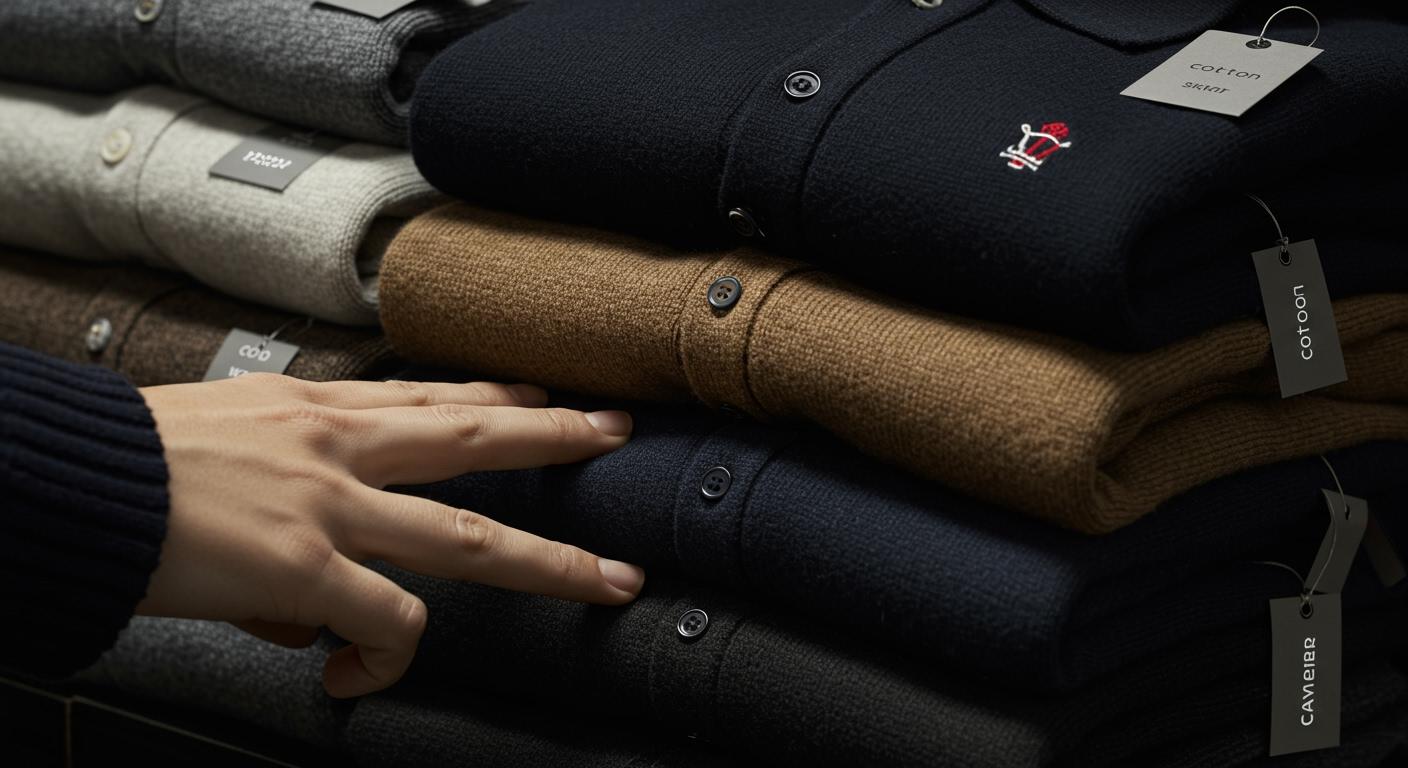
When you shop for polo sweaters or a classic polo shirt, you will notice several popular materials. The most common fabrics include wool, cotton, cashmere, synthetic fibers, and blends. Each option brings unique benefits:
Characteristics | Market Trends | |
|---|---|---|
Wool | Warmth, durability, moisture-wicking | Premium quality, popular in colder climates |
Cotton | Softness, breathability, versatility | Growing interest in natural, sustainable options |
Cashmere | Exceptional softness, luxury feel | High demand in luxury markets |
Synthetic fibers | Easy care, affordability | Favored for price and technology improvements |
Blends | Mix of comfort, performance, and value | Appeals to many preferences |
Your choice of fabric affects how your polo feels, how long it lasts, and how it fits your style. Fine wool offers warmth and a sleek look, while cotton blends give you durability for everyday wear. Consider what matters most to you—comfort, durability, or style—when choosing your next polo.
Key Takeaways
Polo sweaters come in various materials like cotton, polyester, wool, and silk, each offering unique benefits.
Cotton is soft, breathable, and versatile, making it ideal for everyday wear in different climates.
Polyester dries quickly and resists wrinkles, making it a practical choice for sports and active days.
Wool, especially merino wool, provides warmth and moisture-wicking properties, perfect for colder weather.
Silk adds a luxurious feel and is best for special occasions, but requires delicate care.
Blended fabrics combine the strengths of different materials, offering comfort, durability, and easy maintenance.
Consider your climate and activities when choosing a fabric; cotton for warmth, polyester for sports, and wool for cold weather.
Sustainable options like organic cotton and recycled polyester help reduce environmental impact while providing comfort.
Polo Sweaters: Main Fabrics

Cotton
Cotton stands out as one of the most popular fabric choices for polo sweaters and polo shirts. You will notice its soft touch and natural breathability right away. Cotton fabric feels comfortable against your skin, making it ideal for long days at school, work, or casual outings. Many people choose cotton because it works well in different climates and seasons. You can wear a cotton polo shirt on a warm day and still feel cool, or layer it under a jacket when it gets chilly.
Here is a quick look at the main features, advantages, and disadvantages of cotton as a fabric for polo sweaters:
Feature | Description |
|---|---|
Advantages | – Comfortable: Soft and breathable, ideal for long wear. |
– No Pilling: Maintains a clean appearance compared to other fibers. | |
– Versatile for All Seasons: Good breathability, especially in warmer weather. | |
Disadvantages | – Stiffness: Can feel rougher than wool or cashmere, reducing comfort. |
– Less Fluffy: Not as warm as wool due to less fluffiness. | |
– Heavier: Can feel bulky, especially in cold weather. |
Piqué Cotton
Piqué cotton is a special type of knit fabric often used in classic polo shirts. You can recognize it by its textured, waffle-like pattern. This texture helps air flow through the fabric, which keeps you cool and comfortable. Piqué cotton also holds its shape well, so your polo looks crisp even after many washes. If you want a traditional look with extra breathability, piqué cotton is a smart choice.
Regular Cotton
Regular cotton uses a smooth, flat knit. This fabric feels soft and gentle on your skin. You might prefer regular cotton if you like a simple, clean appearance for your polo shirt. It works well for both casual and semi-formal settings. Regular cotton polos are easy to care for and last a long time if you wash them properly.
Polyester
Polyester is a synthetic fabric that has become very common in polo shirts and polo sweaters. You will find that polyester fabric dries quickly and resists wrinkles, which makes it easy to care for. Polyester fabric stands out for its durability and absorbency. It dries faster than many other fabrics, so sweat and stains do not show as much. This makes polyester a practical choice for active days or sports.
You might notice that polyester fabric can only hold a small amount of moisture—about 0.4 percent—while cotton can absorb up to 7 percent. This means polyester fabric manages moisture more efficiently, especially when you need to stay dry. Modern polyester blends use advanced patterns to wick moisture away from your body, helping you feel comfortable during exercise or outdoor activities. Polyester fabric is lightweight, so you can wear it for both casual and active settings. If you want a polo shirt that keeps its shape and color after many washes, polyester is a reliable option.
Tip: Choose polyester polo shirts for gym class, sports, or any activity where you expect to sweat. You will appreciate how quickly the fabric dries and how easy it is to maintain.
Blends
Blended fabrics combine the best qualities of different materials. You will often see blends in polo shirts and polo sweaters because they offer a balance of comfort, performance, and value. Blends can improve stretch, durability, and moisture management.
Cotton-Polyester
Cotton-polyester blends mix the softness and breathability of cotton with the strength and quick-drying ability of polyester. This fabric blend feels comfortable and lasts longer than pure cotton. You will find that cotton-polyester polos resist shrinking and wrinkling, so they look good even after many washes. These blends work well for school uniforms, workwear, or everyday use.
Cotton-Spandex
Cotton-spandex blends add a small amount of stretch to the fabric. You will notice that these polos move with your body, making them perfect for active days or when you want extra comfort. The cotton keeps the fabric soft and breathable, while the spandex gives it flexibility. Cotton-spandex polos are great for sports, travel, or any time you want a little more freedom to move.
Note: Blended fabrics can offer the best of both worlds. You get the comfort of cotton and the performance of polyester or spandex, all in one polo shirt.
Wool
Wool stands out as a classic choice for polo sweaters. You will notice that wool fabric feels warm, soft, and comfortable. Many people choose wool for its natural ability to regulate temperature. Wool keeps you warm in cold weather and cool when it gets warmer. This fabric also wicks moisture away from your skin, so you stay dry and comfortable all day.
Wool comes in different types, but merino wool is the most popular for polo sweaters. Merino wool feels softer and less itchy than regular wool. You can wear merino wool polo shirts directly on your skin without discomfort. The fibers in merino wool are finer and smoother, which gives the fabric a luxurious feel.
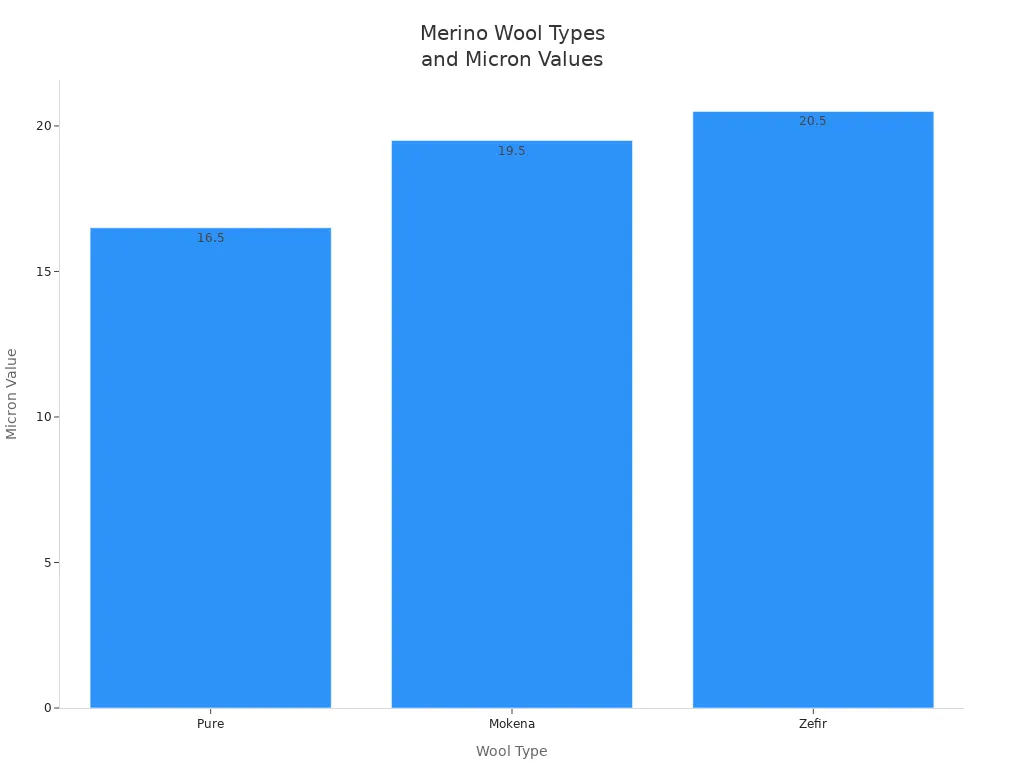
Here is a table showing the unique properties of different merino wool types used in polo sweaters:
Type | Micron | Properties |
|---|---|---|
Pure | 16.5 | Skin soft superfine merino wool, exceptional comfort, itch-free, soft luxurious feel. |
Mokena | 19.5 | Skin soft extra fine merino wool, perfect for base layers, exceptional comfort, itch-free. |
Zefir | 20.5 | Superwash merino wool, fine long-staple fibers, outstanding next-to-skin comfort. |
You can see how the micron value affects softness. Lower micron numbers mean finer fibers and a softer fabric. Merino wool polo shirts offer a premium experience, especially if you want comfort and style.
Pros of Wool Polo Sweaters:
Excellent warmth for cold days
Natural moisture-wicking keeps you dry
Soft and comfortable, especially with merino wool
Odor-resistant and breathable
Cons:
Needs gentle washing and careful drying
Can be more expensive than cotton or polyester
Some people may have wool allergies
Tip: Choose merino wool polo sweaters if you want a soft, itch-free fabric that works well in both cool and mild weather.
Merino Wool
Merino wool stands out for its fine fibers and smooth texture. You will find that merino wool polo shirts feel much softer than regular wool. The fabric does not itch, so you can wear it all day. Merino wool also resists odors and dries quickly. This makes it a smart choice for travel, work, or outdoor activities.
You can wear merino wool polo sweaters as a base layer or on their own. The fabric stretches naturally, so you get a comfortable fit. Merino wool also holds its shape well, even after many washes. If you want a premium fabric that combines comfort, performance, and style, merino wool is a top pick.
Silk
Silk brings a touch of luxury to polo sweaters. You will notice that silk fabric feels smooth, cool, and lightweight. Silk polo shirts have a natural sheen that adds elegance to your outfit. The fabric drapes well and feels soft against your skin.
Silk works best for special occasions or when you want a dressier look. The fabric breathes well and helps regulate body temperature. However, silk polo shirts need gentle care. You should hand wash or dry clean them to keep the fabric looking its best.
Pros of Silk Polo Sweaters:
Luxurious, soft, and smooth feel
Lightweight and breathable
Elegant appearance
Cons:
Needs delicate care and cleaning
Can wrinkle easily
Higher price than cotton or polyester
Note: Choose silk polo shirts for formal events or when you want to add a touch of sophistication to your style.
Other Options
Some polo sweaters use specialty or less common fabrics. You might find pique weft knit fabric in certain polo shirts. This fabric has a textured surface that feels durable and breathable. Pique weft knit fabric resists pilling and keeps its shape, making it a great choice for both casual and semi-formal settings.
Other materials, such as linen or bamboo, sometimes appear in polo shirts. Linen fabric feels cool and airy, perfect for hot weather. Bamboo fabric offers softness and natural antibacterial properties. These specialty fabrics give you more choices for comfort and style.
Key Benefits of Specialty Fabrics:
Pique weft knit fabric: Durable, breathable, and resists pilling
Linen: Cool and lightweight for summer
Bamboo: Soft, eco-friendly, and odor-resistant
You can explore these options if you want something different from cotton, polyester, or wool. Specialty fabrics let you match your polo shirt to your lifestyle and personal taste.
Types of Polo Shirt Fabrics
When you explore the types of polo shirt fabrics, you will notice how the knit and weight of the fabric change the way your polo feels and performs. The right choice depends on your comfort needs, the season, and your activities. Let’s break down the main categories you will find in polo sweaters and shirts.
Lightweight Knits
Lightweight knits use cotton or polyester yarns to create a soft, breathable fabric. You will feel comfortable wearing these polos during warm weather or indoors. Cotton lightweight knits allow air to flow, keeping you cool and dry. Polyester lightweight knits add durability and help the fabric resist wrinkles. Many people choose lightweight knitwear for casual outings or school days because the fabric feels gentle on your skin.
Benefits of Lightweight Knits:
Soft and breathable fabric
Easy to layer under jackets
Ideal for spring and summer
Tip: If you want a polo shirt for hot days, look for lightweight cotton or polyester knits. You will stay comfortable and avoid overheating.
Thicker Knits
Thicker knits, such as piqué knit, use cotton or polyester fibers to create a more substantial fabric. You will notice that these polos feel heavier and provide extra warmth. Thicker knits enhance the durability and style of polo shirts. This fabric is ideal for various occasions, providing a polished appearance that is suitable for both casual and semi-formal settings. Cotton piqué knits hold their shape well and resist stretching out. Polyester thicker knits add strength and help the fabric last longer.
Knit Type | Main Material | Features | Best Use Cases |
|---|---|---|---|
Piqué Knit | Cotton | Textured, durable | School, work, events |
Jersey Knit | Polyester | Smooth, flexible | Sports, travel |
You can wear thicker knit polo sweaters when you need extra warmth or want a more structured look. These fabrics work well in cooler climates or during fall and winter.
Performance Fabrics
Performance fabrics use advanced cotton and polyester blends to give your polo shirt special features. Modern polo shirts often incorporate advanced features such as moisture-wicking and stretch capabilities. These attributes ensure that the fabric keeps the wearer dry and comfortable while allowing for a full range of motion. Additionally, many polos are designed with wrinkle-free and odor-fighting technologies, enhancing their practicality for various activities.
Key Performance Features:
Moisture wicking qualities keep you dry
Stretch fabric allows easy movement
Wrinkle-free and odor-resistant properties
If you play sports or stay active, you will benefit from performance polo shirts. Cotton-polyester blends combine softness and durability, while polyester-spandex blends add flexibility. These fabrics help you stay comfortable whether you are at the gym, on the field, or traveling.
Note: Choose performance fabrics if you want a polo shirt that works as hard as you do. You will appreciate the moisture management and stretch during any activity.
You can see how the types of polo shirt fabrics affect comfort, style, and practicality. Cotton and polyester materials offer different benefits, and the right fabric makes your polo shirt perfect for your lifestyle.
Why Fabric Choice Matters for Polo Shirts
Comfort
When you choose a polo shirt, comfort should be your top priority. The fabric you select will decide how the shirt feels on your skin throughout the day. Cotton stands out for its softness and breathability. You will notice that cotton fabric allows air to circulate, which helps you stay cool and dry. Many people prefer cotton for everyday wear because it feels gentle and natural. Polyester fabric, on the other hand, offers moisture wicking qualities that keep you dry during physical activities. For example, Carhartt’s polos use 100% polyester jersey with moisture-wicking and odor-fighting features, making them ideal for sports or busy days. Nike’s Micro Pique polos use lightweight fabric with stretch and breathability, so you can move freely and stay comfortable whether you are at work or on the field. The best material for polo shirts often depends on your comfort needs and daily activities.
Durability
Durability matters when you want your polo shirt to last. The fabric and construction both play a role in how well your shirt holds up over time. Cotton fabric is strong, but polyester fabric resists shrinking, fading, and wrinkling even after many washes. Blended fabrics, such as cotton-polyester, combine the strengths of both materials for added durability. You should also pay attention to the knit and thread used in your polo. Piqué knit and tightly woven fabrics resist pilling and keep their shape. Polyester thread is often chosen for its strength and resistance to pilling, while rayon thread looks luxurious but does not last as long. Modern polo shirts from brands like Nike and Carhartt use advanced technologies, such as Dri-FIT and snag-resistant fabrics, to improve both comfort and durability. These features make polo shirts suitable for school, work, or outdoor adventures.
Key factors that boost durability:
Stitch density between 0.4–0.45mm prevents puckering.
Piqué knit and tightly woven fabric resist wear and tear.
Polyester thread increases the shirt’s lifespan.
Moisture-wicking and snag-resistant properties protect the fabric.
Style
The fabric you choose also affects the style and appearance of your polo shirt. Cotton polos look soft and casual, perfect for summer or relaxed outings. Performance polos made from polyester fabric offer a sporty look and work well for outdoor activities. Piqué knit polos have a textured weave that gives a polished, semi-formal appearance, making them great for both casual and dressier occasions. Jersey knit polos feel soft and lightweight, giving you a laid-back style. The types of polo shirt fabrics you pick can help you match your look to your lifestyle, whether you want something classic, sporty, or modern. If you want the best material for a sports polo, look for polyester or blends with moisture wicking qualities. For classic style, cotton or piqué knitwear remains a favorite.
Remember: The right fabric and material will help you feel confident, comfortable, and stylish in any setting.
Performance
You want your polo shirt to keep up with your active lifestyle. The performance of a fabric depends on how well it handles sweat, movement, and changing weather. When you choose a polo for sports or outdoor activities, you need a fabric that supports comfort and durability. Polyester stands out as the best material for a sports polo because it dries quickly and resists wrinkles. This fabric also keeps its shape after many washes. Cotton feels soft and breathable, but polyester fabric manages moisture better during intense workouts.
Performance polos use special materials and advanced technology to help you stay comfortable. You will find that these fabrics wick sweat away from your skin, so you stay dry even when you move a lot. The best material for polo shirts in active settings often blends polyester with a bit of spandex for stretch. This combination lets you move freely and keeps the fabric from losing its shape.
Key features that boost performance in polo shirts:
Moisture-wicking fabric draws sweat away from your body.
Polyester blends dry fast and resist fading.
Stretchy materials like spandex add flexibility.
Lightweight knitwear increases breathability and comfort.
You should look for performance polos if you play sports, travel, or spend time outdoors. These types of polo shirt fabrics help you stay cool, dry, and comfortable all day. Cotton and polyester blends offer the right mix of comfort and durability for most activities. If you want the best material for polo shirts that can handle sweat and movement, choose a performance fabric.
Care
Taking care of your polo sweaters and shirts helps them last longer and look better. Each fabric and material needs special attention to keep its quality. Cotton polos need gentle washing to prevent shrinking and fading. Polyester polos are easy to care for and keep their color after many washes. Performance fabrics need mild detergents and low heat to protect their stretch and shape.
Follow these steps to care for your polo shirt:
Soak and gently swirl to release dirt.
Rinse thoroughly and press out water.
Lay flat to dry.
You should avoid fabric softeners because they can clog the fibers and reduce breathability. Always check the care label before washing. Air drying helps preserve the shape and elasticity of your polo. Here is a quick guide for different fabrics:
Fabric Type | Care Practices |
|---|---|
Piqué Cotton | Wash inside out in cold water with gentle detergent, avoid bleach, tumble dry low or air dry. |
Polyester Blends | Easy to care for, resist fading, maintain shape; wash in cold water with gentle detergent. |
Performance Fabrics | Wash in cold water, avoid high heat, and use mild detergents; air dry to preserve shape and elasticity. |
Proper care keeps your polo shirt looking new and feeling comfortable. You protect the fabric, maintain the color, and extend the life of your favorite polo. Good care practices also help you get the most out of your investment in quality materials and knitwear.
Most Comfortable Polo Shirt Fabric
Choosing the most comfortable polo shirt fabric can make a big difference in how you feel throughout the day. You want a fabric that feels soft, keeps you cool, and fits your lifestyle. The comfort of your polo depends on the material, the way it handles moisture, and how it sits against your skin. Let’s explore how cotton, polyester, wool, silk, and blends compare for comfort.
Cotton vs. Polyester
When you look for comfort in polo shirts, cotton and polyester stand out as the most common options. Cotton fabric feels soft and natural. You will notice that cotton polo shirts allow air to flow, which helps you stay cool in warm weather. Many people prefer cotton because it does not trap odors and feels gentle against the skin. Polyester fabric, on the other hand, dries quickly and manages moisture well. You might choose polyester if you want a polo that keeps you dry during sports or active days.
Cotton is generally more comfortable and breathable than polyester, especially in hot weather.
Polyester has better moisture-wicking properties but lacks the breathability of cotton.
Cotton does not trap odors, enhancing wearer satisfaction.
100% cotton polo shirts are popular for their superior natural breathability and soft feel.
Cotton absorbs moisture but retains it longer when wet, which may affect comfort.
If you want the most comfortable polo shirt fabric for everyday wear, cotton is a top choice. You will enjoy the softness and breathability, especially during summer. Polyester works best when you need quick drying and easy care, but it may not feel as soft as cotton.
Here is a quick comparison of comfort levels based on consumer surveys and expert reviews:
Fabric Type | Description |
|---|---|
100% Supima Cotton | Known for its softness and lightweight texture, this fabric is highlighted for its comfort and breathability, making it ideal for summer wear. |
100% Merino Wool | Offers an ultralight texture with moisture-wicking properties, providing comfort and odor resistance, suitable for both casual and professional settings. |
Tip: If you want a polo shirt for hot days or sensitive skin, choose 100% cotton. For sports or travel, polyester offers easy care and moisture management.
Wool and Silk
Wool and silk offer unique comfort features that set them apart from other materials. Wool fabric, especially merino wool, feels soft and regulates temperature. You will notice that wool polo sweaters keep you warm in cold weather and cool when it gets warmer. Wool absorbs moisture and resists odors, so you stay comfortable all day. Silk fabric feels smooth and lightweight. You might choose silk if you want a luxurious feel and breathability. Silk polo shirts work well for sensitive skin and special occasions.
Fabric | Comfort Characteristics |
|---|---|
Wool | Moisture absorption, temperature regulation, breathability, elasticity, insulation, stain resistance, and fire resistance. |
Silk | Lightweight, breathable, luxurious feel, moisture absorption, and suitability for sensitive skin. |
You can wear wool polo sweaters for both casual and professional settings. Silk polos add elegance and comfort, but they need gentle care. If you want a premium feel, both wool and silk offer excellent comfort.
Note: Wool is perfect for cooler climates and active days. Silk suits formal events and those who want a soft, smooth fabric.
Blends for Comfort
Blended fabrics combine the best qualities of different materials to enhance comfort. You will find that cotton-polyester blends offer softness, breathability, and durability. These blends keep you cool and dry during activities. Cotton adds comfort, while polyester improves moisture management and easy maintenance. Some blends include spandex for extra stretch, making the fabric move with your body.
Fabric blends enhance breathability and moisture-wicking abilities.
They provide a balance of comfort and durability.
Blended fabrics keep the wearer cool and dry during activities.
Cotton offers softness, while polyester adds durability and moisture management.
Blended fabrics are ideal for performance and easy maintenance.
If you want a polo that feels comfortable and lasts longer, choose a blend. You get the softness of cotton, the quick-drying power of polyester, and sometimes the flexibility of spandex. Blends work well for school, work, and sports.
Tip: Try cotton-polyester blends for a balance of comfort and easy care. If you want extra stretch, look for blends with spandex.
Practical Advice for Maximum Comfort
Choose 100% cotton for softness and breathability in everyday polos.
Pick merino wool for temperature regulation and odor resistance in polo sweaters.
Select silk for a lightweight, luxurious feel on special occasions.
Opt for blends if you want comfort, durability, and easy maintenance.
Look for performance fabrics with moisture-wicking and stretch features for active days.
You can find the most comfortable polo shirt fabric by thinking about your daily activities, climate, and personal preferences. The right material helps you feel confident and relaxed, whether you wear your polo for school, work, or play.
Comparing Polo Sweater Materials
Quick Comparison
When you compare polo sweaters, you notice that each fabric and material brings unique qualities to your wardrobe. You want to find the most comfortable polo shirt fabric for your needs, so it helps to look at how each fabric performs in real life. Cotton fabric gives you excellent breathability and a soft touch. You feel cool and comfortable, especially on warm days. Polyester fabric stands out for its quick-drying ability and easy care. You can wash polyester polo shirts often, and they keep their shape and color. Wool fabric, especially merino wool, offers warmth and comfort in cold weather. You stay cozy, and the fabric resists odors. Silk fabric feels smooth and luxurious, perfect for special occasions. Blended fabrics combine the best features of each material, giving you comfort, stretch, and durability.
You should also think about how each fabric fits your lifestyle. If you want a polo shirt for sports or active days, polyester fabric works best. It wicks moisture and dries fast. For daily wear, cotton fabric feels gentle on your skin. Wool fabric keeps you warm in winter, while silk fabric adds elegance. Blends give you flexibility and easy care.
Tip: Choose the fabric that matches your main activity. For school or work, cotton or blends work well. For sports, pick polyester. For cold weather, try merino wool.
Summary Table
You can use the table below to compare the key features of major polo sweater materials. This summary helps you see which fabric or material fits your needs best.
Fabric/Material | Warmth | Breathability | Care Requirements | Best For |
|---|---|---|---|---|
Cotton | Cooler, less insulation | Excellent airflow, sweat-wicking | Machine washable, quick-drying | Everyday wear, comfort |
Polyester | Moderate warmth | Good, but less than cotton | Easy care, resists wrinkles | Sports, active use, easy care |
Wool (Merino) | Very warm, traps air | Good, regulates temperature | Needs gentle washing, air dry | Cold weather, odor resistance |
Silk | Light warmth | Breathable, smooth on skin | Delicate, hand wash or dry clean | Special occasions, luxury feel |
Blends | Varies by mix | Balanced, often improved airflow | Usually easy care, durable | Versatile, all-around use |
You can also see how knit type affects comfort and care. Knitted polo sweaters feel warmer because the fabric traps air. Cotton polo shirts feel cooler because the fabric lets air flow. You can wash cotton fabric in a machine, but knitted fabrics need more delicate handling.
Feature | Knitted Polo | Cotton Polo |
|---|---|---|
Warmth | Generally warmer due to air trapping | Cooler due to better airflow |
Breathability | Varies with knit density; can feel warmer | Excellent airflow and sweat-wicking |
Care Requirements | Requires delicate handling | Machine washable and quick-drying |
If you want easy care, polyester fabric and cotton fabric are your best choices. For athletic use or cold weather, merino wool fabric stands out. You get comfort, odor resistance, and temperature control.
Fabric Type | Best For | Key Features |
|---|---|---|
Merino Wool | Easy care, Athletic use, Cold weather | Comfort, odor resistance, temperature regulation |
You can now match the right fabric and material to your needs. Think about comfort, durability, and how much care you want to give your polo. The right choice helps you feel confident and comfortable every day.
Choosing the Right Material
Climate
You should always consider your local climate when picking the right fabric for your polo. The weather affects how comfortable you feel in different materials. Cotton fabric works well in warm or humid climates because it allows air to flow and absorbs sweat. Linen fabric also keeps you cool and feels light on your skin. If you live in a place with hot summers, these options help you stay comfortable all day.
Wool fabric, especially merino wool, provides warmth and insulation. You will appreciate this material in colder regions or during winter. Wool also manages moisture, so you stay dry even if you sweat. Silk fabric offers a lightweight feel and works for mild climates, but it does not provide much warmth. Polyester fabric adapts to many climates. It dries quickly and resists moisture, making it a good choice for both hot and cool weather. Blended fabrics, like cotton-polyester, balance breathability and warmth, so you can wear them year-round.
Tip: For hot weather, choose cotton or linen. For cold weather, pick wool or a wool blend. Polyester fabric works for all seasons if you want easy care and quick drying.
Activities
Your daily activities should guide your fabric choice. If you play sports or stay active, you need a fabric that manages sweat and allows movement. Polyester fabric stands out for athletic use. It wicks moisture, dries fast, and keeps its shape after many washes. Many performance polo shirts use polyester or polyester blends for these reasons.
If you want a polo for school or work, cotton fabric gives you comfort and a classic look. Cotton-polyester blends also work well for busy days because they resist wrinkles and last longer. For travel, you might prefer polyester fabric because it packs easily and does not wrinkle. Wool fabric suits outdoor activities in cold weather, while silk fabric adds a touch of luxury for special events.
Choose polyester fabric for sports and travel.
Pick cotton or blends for daily wear.
Select wool for outdoor activities in winter.
Use silk for formal occasions.
Style Preferences
Your style preferences help you decide which fabric and material fit your wardrobe. Polo sweaters come in many styles, and each fabric creates a different look and feel. You can find standard sweater polos made from cotton, merino wool, or cashmere. These pair well with jeans or chinos for a classic style. Johnny collar sweater polos use sleek fabrics and look great with pleated trousers and loafers. Buttoned cardigan polos are perfect for layering and work with shorts or tank tops. Long sleeve sweater polos offer versatility and can be worn under suits or sport coats.
Sweater polos use materials like silk, cotton, linen, and wool. Cotton and linen fabric give you a relaxed, breathable look for warm weather. Wool fabric adds warmth and a refined touch for cooler days. Silk fabric brings elegance and a smooth finish, perfect for dressier occasions. Polyester fabric offers a sporty style and easy care, making it popular for modern polo shirts.
For a classic look, choose cotton or merino wool.
For a sporty style, pick polyester fabric.
For luxury, try silk or cashmere.
For layering, use buttoned cardigan polos in wool or blends.
Note: Match your fabric and material to your personal style and the occasions you attend. The right choice helps you feel confident and comfortable in any setting.
Allergies
If you have sensitive skin or allergies, you need to pay close attention to the fabric in your polo shirt. Some materials can cause itching or irritation, especially if you react to certain fibers. You want to choose a fabric that feels gentle and does not trigger discomfort.
Many people with allergies find that natural fabric options work best. Cotton stands out as a top choice. This fabric is soft, breathable, and strong. You can wear a cotton polo shirt all day without worrying about irritation. Silk is another excellent fabric for allergy-prone users. Its natural protein fibers make it lightweight and breathable. You will notice that silk feels smooth on your skin and rarely causes allergic reactions. Alpaca fabric is also a smart pick. Unlike wool, alpaca lacks lanolin, which makes it hypoallergenic and soft. You can enjoy the warmth of alpaca without the itchiness that some other materials cause.
Here are some recommended fabric options for sensitive skin:
Cotton: Soft, breathable, and strong; suitable for sensitive skin.
Silk: Lightweight, breathable, and ideal for allergy-prone users due to its natural protein fibers.
Alpaca: Hypoallergenic and soft, lacking lanolin, making it perfect for sensitive skin.
You should avoid fabric blends that contain wool if you have a wool allergy. Some people also react to synthetic fabric like polyester. If you notice redness or itching after wearing a polyester polo, try switching to a natural fabric. Always check the label before buying new polo shirts. Look for polos made from 100% cotton or silk if you want to reduce the risk of irritation.
Tip: Wash new polo shirts before wearing them. This removes any chemicals or residues from the fabric that could cause a reaction.
Budget
Your budget plays a big role in choosing the right fabric and material for your polo sweaters. You want to get the best value without sacrificing comfort or style. Some materials cost more, but you can still find affordable options that look and feel great.
Polyester fabric is one of the most budget-friendly choices. You can find many polo shirts made from polyester at a low price. This fabric is durable, easy to care for, and resists wrinkles. If you want a polo for everyday use or sports, polyester gives you good value. Cotton fabric also offers a balance between price and comfort. You can find cotton polos in many price ranges. They feel soft and breathable, making them a smart choice for daily wear.
If you want a touch of luxury, cashmere is a premium material. Cashmere polo sweaters feel soft and warm. While cashmere costs more than cotton or polyester, you can find affordable options that offer good value. Cashmere polos work for both casual and dressy occasions. With proper care, a cashmere sweater can last for years, making it a worthwhile investment.
Here is a quick guide to help you match your budget with the right fabric:
Fabric | Price Range | Value Features |
|---|---|---|
Polyester | Low | Durable, easy care, affordable |
Cotton | Low-Mid | Soft, breathable, versatile |
Cashmere | Mid-High | Luxurious, long-lasting with proper care |
Silk | High | Elegant, lightweight, best for special occasions |
You can save money by choosing blends. Cotton-polyester blends combine the comfort of cotton with the durability of polyester. These polos often cost less than pure wool or silk options. Always consider how often you will wear the polo and how much care it needs. A higher-priced fabric may last longer if you take care of it.
Note: Investing in quality fabric pays off over time. A well-made polo shirt in the right material can serve you for many seasons.
Caring for Polo Shirts
Taking care of your polo sweaters and shirts helps you keep them looking sharp and feeling comfortable. Each fabric and material needs special attention to maintain its quality and extend its life. You can follow these simple tips for washing, drying, and storing your favorite polo.
Washing
You should always check the care label before washing any polo shirt. Different fabrics and materials need different washing methods. Cotton and polyester polos handle warm or hot water well. Wool and silk polos need more gentle care. Use a mild detergent for all types of fabric to prevent damage.
Material | Washing Method |
|---|---|
Cotton | Use warm or hot water |
Polyester | Use warm or hot water |
Wool | Check care label for specific temp |
Silk | Hand wash or gentle cycle |
For wool and silk, hand washing or using a gentle cycle protects the fabric. Avoid harsh chemicals and bleach. Turn your polo inside out before washing to protect the outer surface. This step helps reduce pilling and keeps colors bright.
Tip: Wash similar colors together to prevent color transfer. Use a mesh laundry bag for delicate polos to avoid snags.
Drying
The way you dry your polo shirt affects its shape and feel. Cotton and polyester polos can go in the dryer on medium to high heat, but air drying helps preserve the fabric and saves energy. Wool and silk polos need extra care. Lay them flat on a drying rack or a clean towel. Turn the garment over from time to time to help it dry evenly.
Hang drying works well for most polos. Use sturdy hangers and avoid direct sunlight to prevent fading.
Flat drying is best for wool and silk. This method maintains the shape and prevents stretching.
Air drying minimizes fabric stress, reduces shrinkage, and helps keep colors vibrant.
Material | Drying Method |
|---|---|
Cotton | Dry on medium to high heat |
Polyester | Dry on medium to high heat |
Wool | Air dry or flat dry |
Silk | Air dry, avoid sunlight |
Note: Air drying is energy-efficient and environmentally friendly. It also helps your polo last longer.
Storage
Proper storage keeps your polo sweaters and shirts in top condition. Fold cotton and polyester polos neatly and store them in a cool, dry place. For wool and silk polos, fold them gently and avoid hanging, as this can stretch the fabric. Use cedar blocks or lavender sachets to keep moths away from wool polos.
Store polos away from direct sunlight to prevent fading.
Keep polos in breathable fabric bags if you store them for a long time.
Avoid overcrowding your closet to prevent wrinkles and fabric stress.
Taking these steps helps you protect the fabric, maintain the shape, and enjoy your polo for many seasons.
Sustainable Polo Sweater Fabrics

Organic Cotton
You can choose organic cotton fabric for your polo sweaters if you want a sustainable option. Farmers grow organic cotton without harmful pesticides or synthetic fertilizers. This process protects the soil and water. You help support healthier ecosystems when you pick organic cotton. The fabric feels soft and breathable, making it comfortable for everyday wear. You will notice that organic cotton polo shirts look and feel just like regular cotton, but they have a smaller environmental impact. Many brands now offer organic cotton materials in their collections. You can find organic cotton polos in a range of styles and colors.
Benefits of organic cotton fabric:
Uses less water than conventional cotton
Reduces chemical pollution
Supports fair labor practices
Tip: Look for certifications like GOTS (Global Organic Textile Standard) when you shop for organic cotton polo shirts. These labels help you find genuine sustainable fabric.
Recycled Polyester
Recycled polyester fabric gives you a way to enjoy the durability of polyester while reducing waste. Manufacturers create recycled polyester by turning plastic bottles or old textiles into new fibers. You help keep plastic out of landfills when you choose recycled polyester polo shirts. The fabric dries quickly, resists wrinkles, and holds its shape after many washes. You can wear recycled polyester polos for sports, travel, or daily activities. Many brands blend recycled polyester with other materials to improve comfort and performance.
Fabric Type | Sustainability Features |
|---|---|
Recycled Polyester | Made from plastic bottles or textile waste, giving new life to materials, often blended for durability. |
You will find that recycled polyester fabric feels just as strong and flexible as traditional polyester. The material supports circular fashion by reusing resources. You can help reduce your carbon footprint by picking recycled polyester polo shirts.
Why choose recycled polyester fabric?
Reduces plastic waste
Saves energy compared to making new polyester
Offers the same quick-drying and easy-care benefits
Note: Check for labels like “Recycled Content” or “rPET” when you shop for recycled polyester polos. These tags show that the fabric comes from recycled sources.
Responsible Wool
Responsible wool fabric gives you warmth and comfort while supporting animal welfare and environmental care. You can find responsible wool in polo sweaters made from merino or other types of wool. Farmers follow strict guidelines to protect sheep and land. Responsible wool material comes from flocks that graze ethically and live in healthy conditions. You help support better farming practices when you choose responsible wool polo shirts.
Responsible wool fabric feels soft and regulates temperature. You can wear responsible wool polos in cold weather and stay comfortable. Many brands offer traceable wool materials, so you know where your fabric comes from. You can look for certifications like the Responsible Wool Standard (RWS) to find ethical wool products.
Features of responsible wool fabric:
Supports animal welfare
Protects land and water
Offers traceability from farm to polo shirt
Tip: Choose responsible wool polos if you want a warm, sustainable fabric that supports ethical farming.
You can explore other eco-friendly fabric options for polo sweaters, such as hemp, Tencel, and recycled cashmere. These materials offer unique benefits for sustainability and comfort. Hemp fabric resists pests and uses little water. Tencel fabric comes from wood pulp and feels soft. Recycled cashmere supports ethical grazing and traceability.
Fabric Type | Sustainability Features |
|---|---|
Cashmere | Look for recycled or responsibly sourced options with traceability and ethical grazing practices. |
Hemp | Naturally resistant to pests, requires minimal water, and creates strong, breathable fabrics. |
Tencel (Lyocell) | Produced from sustainably sourced wood pulp in a closed-loop process, known for its softness and drape. |
You can make a positive impact by choosing sustainable fabric and material for your next polo shirt.
Other Eco-Friendly Options
You have more choices than just organic cotton, recycled polyester, or responsible wool when you want sustainable fabric for your polo. Many brands now use innovative materials that help protect the environment and give you comfort. These options let you enjoy your favorite polo shirt while making a positive impact.
Hemp fabric stands out as a strong and eco-friendly material. Hemp grows quickly and needs little water or pesticides. You will notice that hemp fabric feels breathable and durable. It resists mold and blocks UV rays, making it a smart choice for summer polo shirts. Hemp fabric also softens with each wash, so your polo gets more comfortable over time.
Tencel fabric comes from wood pulp, usually from eucalyptus trees. Manufacturers use a closed-loop process to make Tencel, which means they recycle almost all water and solvents. You will find that Tencel fabric feels smooth and cool against your skin. It absorbs moisture well and resists wrinkles, so your polo shirt stays fresh all day. Tencel fabric also breaks down naturally, which helps reduce waste.
Bamboo fabric offers another sustainable option for polo shirts. Bamboo grows fast and does not need much water or chemicals. The fabric feels soft and silky, and it has natural antibacterial properties. You will enjoy wearing a bamboo polo on hot days because the fabric wicks moisture and keeps you dry. Bamboo fabric also resists odors, so your polo stays fresh longer.
Recycled cashmere gives you luxury and sustainability in one fabric. Brands collect old cashmere garments and turn them into new fibers. This process saves resources and reduces waste. Recycled cashmere fabric feels soft and warm, perfect for cooler weather. You can wear a recycled cashmere polo sweater and know you are supporting a circular fashion system.
Here is a quick table to help you compare these eco-friendly fabric options for your next polo:
Fabric | Source | Key Benefits | Best Use Cases |
|---|---|---|---|
Hemp | Hemp plant | Durable, UV protection, breathable | Summer, outdoor wear |
Tencel | Wood pulp | Soft, moisture-wicking, eco-friendly | Everyday, travel |
Bamboo | Bamboo plant | Soft, antibacterial, odor-resistant | Hot weather, sports |
Recycled Cashmere | Old cashmere | Luxurious, sustainable, warm | Sweater polos, winter |
Tip: When you shop for polo shirts, check the label for these sustainable fabric options. You can help the planet and enjoy high-quality materials at the same time.
You have many choices for eco-friendly fabric in polo sweaters. Each material offers unique benefits for comfort, style, and sustainability. By picking the right fabric, you support a cleaner future and get a polo that fits your lifestyle.
You now understand how fabric and material choices shape the comfort, durability, and style of polo sweaters and polo shirts. Cotton, wool, silk, and polyester each offer unique benefits. Polyester fabric dries fast and resists wrinkles, while cotton fabric feels soft and breathable. Wool fabric keeps you warm, and silk fabric adds luxury. Blends combine the best features. When you shop for polo shirts, match the fabric and material to your climate, activities, and style. Use this guide to pick the best polo for your lifestyle. The right fabric makes every polo shirt feel just right.
FAQ
What is the best fabric for sensitive skin?
You should choose cotton or silk. Both feel soft and rarely cause irritation. Cotton breathes well and absorbs moisture. Silk feels smooth and gentle. Avoid wool if you have allergies.
How do I prevent my polo sweater from shrinking?
Wash your polo in cold water. Use a gentle cycle. Lay it flat to dry. Avoid high heat in the dryer. Always check the care label for specific instructions.
Can I wear a wool polo sweater in warm weather?
Yes, you can. Merino wool regulates temperature and wicks moisture. You stay cool and dry. Choose lightweight wool for the best comfort in warmer months.
Are blended fabrics durable?
Blended fabrics last longer than pure cotton. Polyester or spandex blends resist shrinking and wrinkling. You get a strong, flexible polo that keeps its shape after many washes.
How do I remove wrinkles from my polo shirt?
Hang your polo in the bathroom while you shower. Steam helps release wrinkles. For stubborn creases, use a warm iron on low heat. Always check the care label first.
What makes piqué cotton different from regular cotton?
Piqué cotton has a textured, waffle-like pattern. This design increases airflow and helps the fabric hold its shape. Regular cotton feels smoother and looks flat.
Is recycled polyester as comfortable as regular polyester?
Yes, recycled polyester feels just as soft and flexible. You get the same quick-drying and easy-care benefits. Plus, you help reduce plastic waste.
How can I tell if my polo is made from sustainable fabric?
Check the label for certifications like GOTS (organic cotton) or RWS (responsible wool). Look for terms such as “recycled,” “organic,” or “eco-friendly.” These show the fabric supports sustainability.