

Custom Workwear Fabric: Which Material Fits Supermarket vs. Gas Station Use?
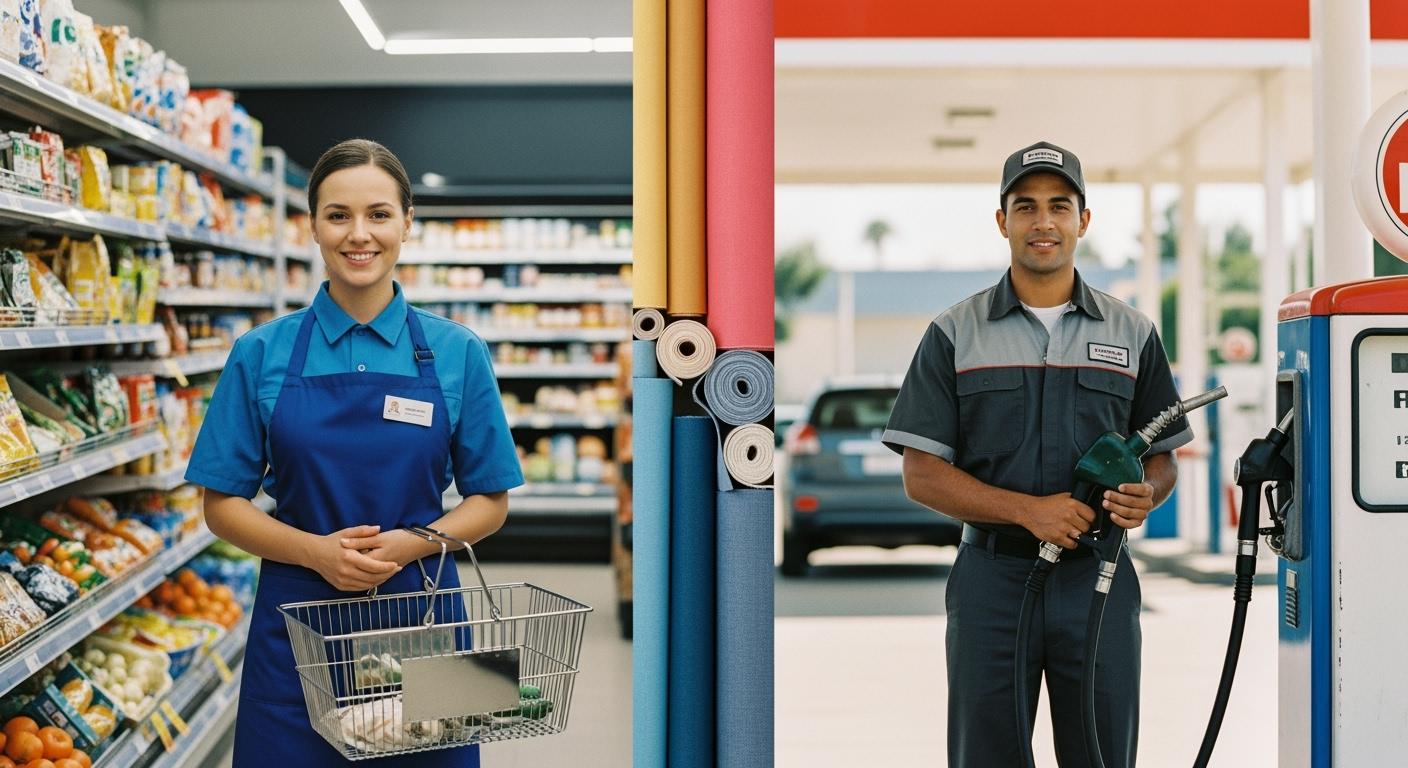
You should choose Custom Workwear Fabric based on your work environment. For supermarkets, poly-cotton blends with stain resistance offer comfort and easy care. Gas stations require flame-resistant or durable synthetic fabrics for safety. The right choice protects your team, maintains a professional look, and controls costs. Consider the table below to see how different fabrics impact safety and expenses in retail and fuel service jobs:
| Fabric Type | Safety Features | Cost Range | Industry Benefits |
|---|---|---|---|
| Polyester | Flame-resistant, moderate heat resistance | $2.00 to $5.00/yard | Low-maintenance, reduces replacement costs |
| Nylon | Durable, chemical-resistant, flame retardant | $6.00 to $12.00/yard | Excellent for heavy-duty performance |
| Flame-Resistant | Self-extinguishing, withstands extreme heat | $10.00 to $30.00/yard | Long-term protection, reduces injury risk |
| High-Visibility | Enhances worker visibility, meets legal standards | Varies | Essential for safety in low-light/high-traffic areas |
Key Takeaways
- Choose poly-cotton blends for supermarket uniforms. They offer comfort, stain resistance, and durability.
- Select flame-resistant fabrics for gas station uniforms. These materials protect against burns and chemical exposure.
- Prioritize comfort and mobility in supermarket workwear. Lightweight and breathable fabrics help staff stay cool during long shifts.
- Ensure uniforms maintain a professional appearance. Fabrics that resist wrinkles and hold their shape enhance brand image.
- Request safety certifications for gas station fabrics. Compliance with NFPA and OSHA standards is crucial for employee safety.
- Consider specialty finishes like stain resistance and moisture-wicking. These features improve uniform longevity and comfort.
- Test fabric samples in real work conditions. This step ensures the chosen materials meet the specific demands of each environment.
- Evaluate total cost of ownership. High-quality fabrics may have a higher upfront cost but reduce long-term maintenance and replacement expenses.
Workwear Needs by Environment

Supermarket Demands
Spills and Stains
You face frequent spills in a supermarket setting. Liquids like milk, sauces, and cleaning agents often end up on uniforms. You need workwear that resists stains and repels moisture. Waterproof materials help prevent slips and maintain hygiene. Bacteria-resistant fabrics also play a crucial role, as you handle food and come into contact with various contaminants daily. Chemical-resistant options protect you from burns caused by sanitizers and disinfectants.
Tip: Choose uniforms with stain-resistant coatings to extend their lifespan and reduce replacement frequency.
Comfort and Mobility
You spend long hours on your feet, moving between aisles, stocking shelves, and assisting customers. Lightweight, breathable fabrics keep you cool and comfortable throughout your shift. Flexible materials allow you to bend, reach, and lift without restriction. Proper fit and ergonomic design support your mobility and reduce fatigue.
Appearance
Your uniform represents your brand. Clean, crisp workwear projects professionalism and builds customer trust. Fabrics that hold their shape and resist wrinkles help you maintain a polished look, even during busy shifts. Easy-care materials simplify laundering and keep uniforms looking fresh.
Gas Station Demands
Fuels and Chemicals
Gas station environments expose you to gasoline, benzene, and other hazardous chemicals. Uniforms must resist chemical permeation to protect your skin. Studies show that gasoline can quickly penetrate many fabrics, so you need specialized materials that act as a barrier. Regular laundering becomes essential, as uncleaned clothing increases your exposure to harmful solvents. Effective fabric choices also help prevent cross-contamination, keeping both you and others safe.
Heat and Flame Risks
You may encounter open flames, sparks, or hot surfaces while working near fuel pumps or inside service bays. Flame-resistant fabrics provide critical protection, reducing the risk of burns and injuries. These materials self-extinguish and withstand high temperatures, making them a smart investment for your safety.
Outdoor Conditions
You often work outdoors, facing sun, wind, and rain. Durable, weather-resistant fabrics shield you from the elements. High-visibility options improve your safety in low-light or high-traffic areas, ensuring drivers and coworkers can see you clearly.
Key Differences
Supermarkets and gas stations present unique challenges that shape your uniform needs:
- Supermarkets demand hygiene, stain resistance, and comfort for indoor, customer-facing roles.
- Gas stations require chemical resistance, flame protection, and durability for outdoor, high-risk tasks.
Your choice of Custom Workwear Fabric directly affects safety, comfort, and maintenance costs. High-quality materials lower long-term expenses by reducing repairs and replacements. Investing in the right fabric not only protects you but also enhances your company’s reputation and employee satisfaction.
Custom Workwear Fabric Options
Poly-Cotton Blends (e.g., 65/35)
Poly-cotton blends, such as the popular 65% cotton and 35% polyester mix, have become a staple in Custom Workwear Fabric for both supermarkets and gas stations. You benefit from a fabric that balances comfort, durability, and cost-effectiveness. The blend retains the breathability of cotton while leveraging the strength and resilience of polyester.
Pros and Cons
- Pros:
- Increased durability compared to 100% cotton, making it ideal for high-traffic environments.
- Cost-effective due to stable polyester pricing, which helps you manage uniform budgets.
- Maintains comfort and breathability, so your team stays cool and comfortable.
- Less affected by cotton price fluctuations, providing predictable costs for your business.
- Cons:
- May not offer the same softness as pure cotton.
- Can pill over time with heavy use.
- Not inherently flame-resistant, so not suitable for all gas station tasks without additional treatment.
Tip: Choose poly-cotton blends with specialty finishes for added stain resistance in supermarket settings.
100% Cotton
Cotton remains one of the most widely used Custom Workwear Fabric types in retail. You appreciate its natural feel, breathability, and comfort, especially during long shifts. Cotton works well for general-purpose uniforms but has limitations in environments with high safety risks.
Pros and Cons
- Pros:
- Highly breathable and comfortable for all-day wear.
- Absorbs moisture, keeping you cool in indoor environments.
- Easy to dye, allowing for a wide range of uniform colors.
- Cons:
- Less durable than blends; may wear out faster in high-traffic areas.
- Prone to shrinking and wrinkling, which can affect appearance.
- Requires careful maintenance: wash separately, use mild detergents, air dry, and store away from sunlight to extend lifespan.
- Not suitable for hazardous environments without chemical or flame-resistant treatments.
Regularly inspect cotton uniforms for loose seams or tears to maximize their service life.
Polyester and Polyester/Nylon Blends
Polyester and polyester/nylon blends offer advanced performance for Custom Workwear Fabric, especially where stain resistance and moisture management are priorities. You gain uniforms that withstand frequent washing and tough conditions.
| Feature | Polyester | Polyester/Nylon Blend |
|---|---|---|
| Stain Resistance | Excellent | Excellent |
| Moisture Management | Dries 50% faster, wicks sweat away | Balances absorbency and quick drying |
| Durability | Lasts 2-3 times longer than cotton | Strong, resists fading and tearing |
| Easy Care | Less ironing, machine washable | Wrinkle-resistant, easy to clean |
| Comfort | Lightweight and breathable | Soft like cotton, breathable |
Pros and Cons
- Pros:
- Outstanding stain resistance, ideal for supermarket spills and gas station grime.
- Superior moisture management keeps you dry and comfortable.
- Long-lasting and easy to care for, reducing replacement costs.
- Polyester/nylon blends add extra strength and softness.
- Cons:
- May feel less natural than cotton, especially in hot climates.
- Can retain odors if not washed properly.
- Not naturally flame-resistant; choose treated options for fuel service roles.
For high-risk environments, always select polyester blends with certified flame-resistant finishes.
Linen and Wool
Linen and wool rarely serve as the first choice for Custom Workwear Fabric in supermarkets or gas stations. You may consider linen for specialty uniforms in upscale retail or hospitality settings. Linen feels cool and lightweight, which helps in warm indoor environments. It resists static and absorbs moisture, but it wrinkles easily and lacks durability for heavy-duty tasks. You should avoid linen for gas station work due to its low resistance to abrasion and chemicals.
Wool offers natural flame resistance and insulates well against cold. You might use wool blends for outerwear or winter uniforms, especially if your team works outdoors in colder climates. Wool resists odors and maintains its shape, but it can feel heavy and requires special care. You should not use wool for tasks involving direct contact with fuels or chemicals, as it absorbs liquids and may degrade over time.
Note: Reserve linen and wool for specific roles where appearance or insulation matters more than durability or chemical resistance.
When to Use
- Choose linen for customer-facing roles in climate-controlled environments.
- Select wool blends for outdoor winter gear or when flame resistance is a priority.
- Avoid both fabrics for high-risk, high-traffic, or chemical-exposed positions.
Flame-Resistant Fabrics
You need flame-resistant fabrics when safety is your top concern, especially at gas stations. These materials protect you from burns and injuries by self-extinguishing when exposed to flames or high heat. Flame-resistant options include treated cotton, aramid fibers, and specialized blends. You should always check that your uniforms meet recognized safety standards.
Types and Benefits
- Treated Cotton: Offers comfort and breathability with added flame resistance. Suitable for moderate-risk environments.
- Aramid Fibers (e.g., Nomex): Provide high-level protection, resist heat, and maintain strength after repeated washing.
- Blended Fabrics: Combine durability, comfort, and flame resistance for versatile use.
Industry standards help you verify the safety of flame-resistant Custom Workwear Fabric. The table below summarizes key certifications:
| Standard | Overview | Importance |
|---|---|---|
| NFPA 2112 | Specifies minimum performance requirements for flame resistant fabrics. | Ensures protective clothing can withstand thermal exposures, crucial for worker safety in hazardous environments. |
| NFPA 70E | Outlines safety requirements for electrical hazards, including PPE. | Essential for preventing injuries from arc flash incidents, enhancing workplace safety. |
| ASTM F1506 | Specifies performance requirements for fabrics used by electrical workers. | Provides reliable protection against arc flash hazards, enhancing worker safety in high-risk environments. |
Tip: Always confirm that your supplier provides documentation for these certifications.
Specialty Finishes
Specialty finishes enhance the performance of your uniforms. You can select finishes based on your work environment and daily challenges.
Stain Resistance
Stain-resistant finishes help you maintain a clean, professional appearance. These coatings repel liquids and prevent deep stains from food, beverages, or chemicals. You will find stain resistance especially valuable in supermarkets, where spills happen often. Uniforms with this finish require less frequent replacement and reduce your laundry workload.
Moisture Wicking
Moisture-wicking finishes draw sweat away from your skin and speed up evaporation. You stay dry and comfortable, even during long shifts or in hot conditions. This feature benefits both supermarket and gas station staff, improving comfort and reducing the risk of skin irritation.
Note: When choosing Custom Workwear Fabric, ask about available specialty finishes to match your team’s needs.
Supermarket: Best Fabrics
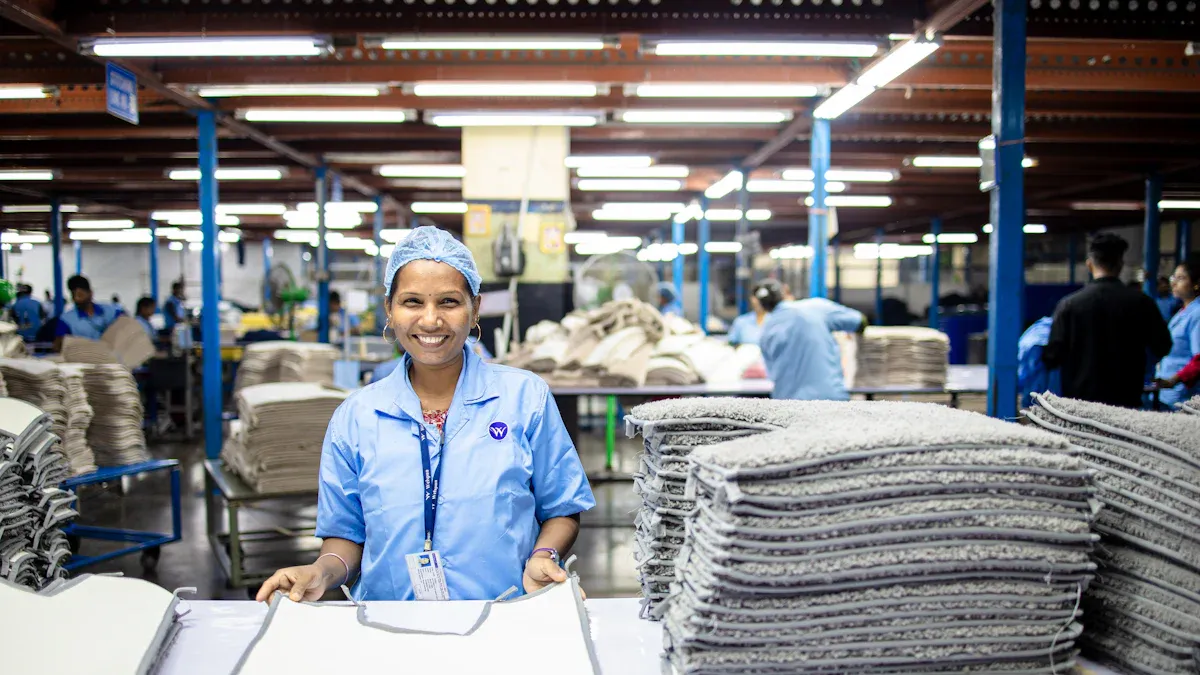
Top Choices
Poly-Cotton Blends
You will find poly-cotton blends as the most popular choice for supermarket uniforms. This fabric combines the breathability of cotton with the durability of polyester. You benefit from a uniform that dries about 40% faster than pure cotton, which keeps you comfortable during long shifts. Poly-cotton blends also wick moisture away from your skin, reducing discomfort and lost time due to chafing by nearly 18%. In field trials, these blends have lowered heat stress incidents by up to 28%, making them a smart option for busy supermarket environments.
Treated Cotton
Treated cotton offers a natural feel and excellent breathability. You enjoy the comfort of cotton while gaining some resistance to stains and spills. However, you should know that the stain-resistant properties may fade after repeated washing. Treated cotton works best when you want a soft, easy-to-wear uniform for customer-facing roles. You must monitor the fabric’s condition to ensure it continues to provide the protection you need.
Polyester with Stain Resistance
Polyester uniforms with stain-resistant finishes help you maintain a crisp, professional appearance. These fabrics resist wrinkles and dry quickly, which simplifies your laundry routine. You can rely on polyester to keep its shape and color, even after many washes. However, some stain-resistant treatments may lose effectiveness over time, especially if you wash uniforms frequently. You should check with your supplier about the long-term performance of these finishes.
Tip: Always request fabric swatches and performance data from your supplier before making a final decision.
Industry Best Practices Table:
| Fabric Type | Key Attributes | Suitability for Supermarket Uniforms |
|---|---|---|
| Cotton | Breathable, comfortable, easy to wear | Good for comfort but may wrinkle easily; often blended with polyester for durability |
| Polyester | Durable, wrinkle-resistant, quick-drying | Ideal for maintaining a crisp appearance and easy maintenance |
| Blends | Combines natural and synthetic fibers | Offers balance of comfort, durability, and maintenance, suitable for various applications |
Why These Fabrics Work
Comfort
You spend hours on your feet, moving between aisles and helping customers. Poly-cotton blends and treated cotton provide the breathability and softness you need for all-day comfort. Moisture-wicking properties in these fabrics keep you dry and reduce the risk of heat stress. Polyester blends add lightweight strength, so you do not feel weighed down during your shift.
Easy Care
You need uniforms that are easy to clean and maintain. Polyester and poly-cotton blends resist wrinkles and stains, which means you spend less time ironing and more time focusing on your work. Treated cotton offers some stain resistance, but you should remember that this benefit may decrease after repeated washes. Always follow care instructions to extend the life of your uniforms.
- Many supermarket managers test fabrics in real-world conditions before making a selection.
- They evaluate durability, comfort, and style, then review cost and maintenance needs.
- Quality control ensures that your uniforms meet consistent standards.
Professional Look
Your uniform represents your store’s brand. Polyester and poly-cotton blends help you maintain a crisp, polished appearance throughout your shift. These fabrics hold their shape and color, even after frequent washing. When you choose Custom Workwear Fabric with stain resistance, you project a clean and professional image to every customer.
Note: Sample testing and quality control play a key role in ensuring your uniforms look sharp and last longer.
Uniform Fabric Selection Process Table:
| Step | Description |
|---|---|
| Material Evaluation | Review requirements for durability, comfort, and style. |
| Sample Testing | Test potential fabrics in real-world retail environments. |
| Cost Analysis | Identify best price points through manufacturer network. |
| Presentation Package | Provide fabric swatches and performance data for informed decisions. |
| Quality Control | Monitor production to maintain consistent material standards. |
| Inventory Management | Stock selected materials to support ongoing uniform needs. |
Gas Station: Best Fabrics
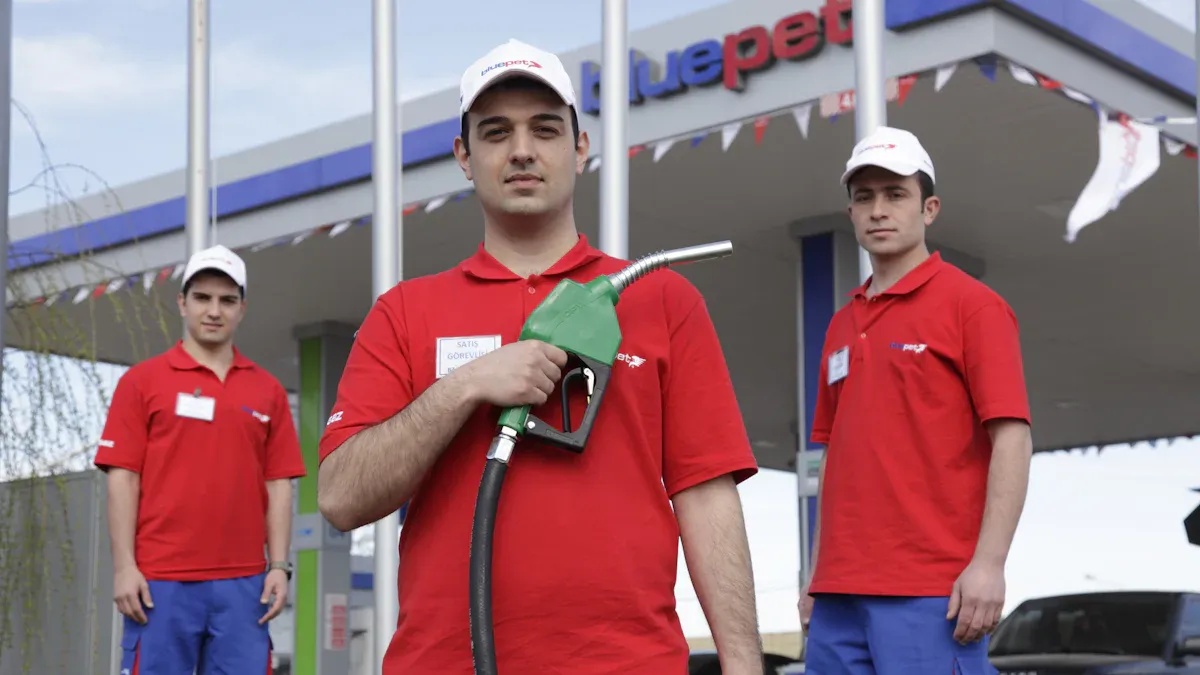
When you select uniforms for gas station staff, you must prioritize safety, durability, and comfort. The right fabric protects your team from chemical exposure, heat, and outdoor conditions. You also need to consider cost and ease of care, since uniforms face tough daily use.
Top Choices
Flame-Resistant Blends
Flame-resistant blends set the standard for safety in fuel service environments. These fabrics use advanced fibers, such as aramid or treated cotton, to self-extinguish when exposed to flames. You reduce the risk of burns and injuries by choosing uniforms that meet strict fire protection standards. Flame-resistant blends also withstand repeated laundering, so you maintain protection over time.
Tip: Always check for certified flame-resistant labeling before purchasing uniforms for fuel attendants or mechanics.
Durable Synthetics
Durable synthetics, including polyester, nylon, and blends, offer strong resistance to abrasion, chemicals, and moisture. You benefit from uniforms that last longer and require less frequent replacement. Polyester stands out for its water resistance and strength, while nylon adds flexibility and toughness. These fabrics help your team stay comfortable and dry, even during outdoor shifts.
Here is a comparison of popular fabric options for gas station uniforms:
| Fabric | Durability | Comfort | Safety Features |
|---|---|---|---|
| Linen | High | Moderate | Strong, dries easily |
| Cotton | Moderate | High | Affordable, soft, fairly durable |
| Flannel | High | High | Excellent for tough work, comfortable |
| Polyester | High | Moderate | Strong, water-resistant |
| Wool | High | High | Breathable, flame retardant |
| Denim | High | Moderate | Sturdy, protects against scratches |
You see that polyester and wool provide excellent durability and safety features. Wool offers natural flame resistance, making it suitable for colder climates or layered uniforms. Polyester delivers strength and water resistance, which helps your team handle spills and outdoor conditions.
Treated Poly-Cotton
Treated poly-cotton blends combine the comfort of cotton with the durability of polyester. When you add flame-resistant or chemical-resistant finishes, these fabrics become versatile options for various gas station roles. You get uniforms that feel soft, resist stains, and maintain their shape after many washes. Treated poly-cotton works well for cashiers and attendants who need both comfort and protection.
Meeting Safety Standards
OSHA/NFPA Compliance
You must ensure that your uniforms comply with industry safety standards. The Occupational Safety and Health Administration (OSHA) and the National Fire Protection Association (NFPA) set requirements for protective clothing in hazardous environments. Gas station uniforms should pass vertical flammability tests and provide thermal protective performance (TPP). Arc-rated fabrics must meet ATPV or Ebt ratings and include proper labeling.
| Requirement Type | Standards/Regulations | Key Points |
|---|---|---|
| Flash Fire Protection | CGSB 155.20 / NFPA 2112 | – Vertical flammability test – Thermal protective performance (TPP) – Limited burn to 40% in flash fire simulations |
| Arc Flash Protection | ASTM F1506 / CSA Z462 | – Arc-rated fabrics must meet ATPV or Ebt ratings – Durability through laundering – Proper labeling required |
You protect your staff and meet legal obligations by choosing fabrics that meet these standards. Always request documentation from your supplier to confirm compliance.
Practical Considerations
Balancing safety, comfort, and cost is essential when you select Custom Workwear Fabric for gas station uniforms. You want fabrics that are durable, breathable, and easy to care for. Breathable materials keep your team cool and comfortable, while easy-care options simplify laundry routines. Different roles require specific fabric characteristics. Cashiers benefit from lightweight and stretchy uniforms, while fuel attendants need durable and visible fabrics for outdoor work.
- You choose durable, breathable, and easy-care fabrics to maintain employee comfort and safety compliance.
- Breathable and easy-care fabrics help employees stay cool and look polished during busy shifts.
- You match fabric characteristics to job roles: cashiers need comfort and flexibility, fuel attendants need durability and visibility.
Note: Sample testing and feedback from your team help you refine your uniform choices and ensure long-term satisfaction.
You make informed decisions by considering safety standards, fabric performance, and the needs of each role. The right uniform fabric protects your staff, supports compliance, and enhances your brand image.
Customization Tips
Embroidery and Logos
You want your uniforms to reflect your brand and withstand daily wear. Embroidery remains the most durable method for adding logos to workwear. Polyester thread stands out for its strength and color retention. You can expect polyester embroidery to last over 50 washes without fading. Even after 200 industrial wash cycles, it retains 95% of its original color intensity. This thread resists chlorine bleach and harsh chemicals, making it ideal for gas station and supermarket environments.
Cotton twill and woven fabrics provide a stable base for embroidery. These materials hold logos crisply and prevent distortion. You maintain a professional appearance, even after repeated laundering. The table below summarizes the best combinations for durability:
| Fabric Type | Customization Method | Durability Characteristics |
|---|---|---|
| Polyester Thread | Embroidery | Strong, elastic, resists fading, maintains color through industrial laundering |
| Cotton Twill | Embroidery | Holds logos crisply, supports embroidery without distortion, ideal for workwear |
| Woven Fabrics | Embroidery | Provides stable foundation, prevents puckering, maintains stitch definition beautifully |
Tip: Choose embroidery with polyester thread for uniforms that face frequent washing and exposure to chemicals.
Color Selection
You shape customer perceptions and employee satisfaction through your choice of uniform colors. Bright colors like yellow and red create a cheerful atmosphere and draw attention. These shades can enhance customer interactions in supermarkets and gas stations. Red evokes excitement, while green suggests freshness and nature. When you select colors that align with your brand values, you reinforce your company’s image.
Uniform color also affects how your team feels about their work. Employees who wear comfortable and stylish uniforms often feel more pride in their roles. This pride leads to higher job satisfaction and better customer service. You build a positive reputation by choosing colors that look professional and make your team feel valued.
Uniforms that employees enjoy wearing can boost morale and engagement, which benefits your brand’s reputation.
Fit and Sizing
You ensure safety and comfort by providing uniforms that fit well. Proper fit prevents workplace hazards. Breathable, moisture-wicking fabrics help regulate temperature and keep your team comfortable. You want uniforms that allow freedom of movement, especially for physically demanding tasks.
Ill-fitted clothing can distract employees and reduce performance. Oversized uniforms may get caught in machinery, while tight garments restrict movement and cause discomfort. You should always check that uniforms fit well to avoid constant adjustments during work. A well-fitted uniform lets your team focus on their tasks without distraction.
- Proper fit prevents hazards and supports productivity.
- Breathable fabrics enhance comfort during long shifts.
- Freedom of movement is essential for active roles.
Always prioritize fit and comfort when selecting custom workwear for your team.
Balancing Customization and Performance
You want your uniforms to look sharp and represent your brand, but you also need them to perform well on the job. Striking the right balance between customization and fabric performance ensures your team feels comfortable, stays safe, and looks professional shift after shift.
When you add logos, names, or other custom touches, you must consider how each method affects the uniform’s lifespan and cost. Some techniques offer great visual impact but may not hold up under heavy use. Others provide long-lasting results but come with a higher price tag. The table below helps you compare popular customization methods:
| Customization Method | Cost Impact | Durability Impact |
|---|---|---|
| Screen Printing | Cost-effective for large orders | May wear out faster in high-use environments |
| Embroidery | Higher cost for larger logos | Long-lasting and professional |
| Heat Transfers & Sublimation | More affordable for larger logos | Maintains vibrancy |
| Emblems & Patches | Higher upfront costs | Last the garment’s lifetime |
You see that embroidery and emblems provide the best durability, making them ideal for uniforms that face frequent washing or tough conditions. Screen printing works well for large orders but may fade or crack over time, especially in high-traffic roles. Heat transfers and sublimation keep colors bright and crisp, which helps your team stand out, but you should check how these finishes hold up after repeated laundering.
Tip: For gas station uniforms, choose customization methods that withstand exposure to chemicals and frequent washing. For supermarket staff, prioritize options that resist stains and maintain a polished look.
Customization goes beyond logos. You also need to think about fit and functionality. Uniforms that fit well and offer practical features boost employee satisfaction and productivity. The following table outlines key considerations:
| Fit and Functionality Considerations | Description |
|---|---|
| Gender-Inclusive Sizing | Ensures better fit for all employees |
| Stretch & Flexibility | Enhances movement at a higher cost |
| Pockets & Functional Features | Improves usability, but may increase costs |
You improve morale and reduce turnover when you offer gender-inclusive sizing. Stretch fabrics and ergonomic designs help your team move freely, which is crucial for active roles in both supermarkets and gas stations. Adding pockets or other functional features makes uniforms more practical, though it can raise costs.
Balancing customization and performance means making smart choices. Start by identifying your top priorities—whether that’s durability, cost, or appearance. Test samples in real work conditions. Gather feedback from your team. Adjust your selections based on what works best for your environment and budget.
Note: The best uniforms combine strong branding with comfort and durability. When you invest in quality customization and performance, you support your team and strengthen your company’s image.
Quick Decision Guide
Supermarket Checklist
You can streamline your fabric selection process for supermarket uniforms by following a structured checklist. This approach helps you address all critical factors and ensures your team receives the best possible workwear for their environment.
- Identify your working environment. Assess whether your staff works in hot or cold conditions, indoors or outdoors, and if the area is wet or dry. Consider the hygiene level required for food handling and customer interaction.
- Determine main hazards. List potential risks such as oil, cleaning chemicals, abrasion, sharp tools, or exposure to heat and sparks.
- Evaluate worker movement. Observe if your team kneels, climbs, lifts heavy items, or performs fine motor tasks. This step helps you select fabrics that support mobility and comfort.
- Compare fabric blends. Review options like CVC (chief value cotton) for comfort and hygiene, TC (tetron cotton) for durability and oil resistance, or high-strength blends for abrasion-prone areas.
- Choose fabric weight (GSM). Match the fabric’s weight to your climate and the activity level of your staff. Lighter fabrics suit warm environments, while heavier options provide durability in high-traffic zones.
- Add reinforcements. Consider extra protection at knees, elbows, pockets, or tool loops to extend garment life.
- Ask for test reports. Request ISO 12947 abrasion, ISO 13934 tensile, and ISO 105 colorfastness reports from your supplier to verify performance.
- Request wash test samples. Simulate industrial laundry conditions to ensure the fabric maintains its quality after repeated cleaning.
Tip: Always test fabric samples in real working conditions before making a final decision.
Gas Station Checklist
Selecting the right fabric for gas station uniforms requires a focus on safety, comfort, and cost-effectiveness. Use this checklist to guide your decision:
- Safety. Review the specific safety requirements of your work environment. Confirm that all fabrics comply with standards such as NFPA 2112 and NFPA 70E.
- Comfort. Ensure the uniforms offer comfort by considering fabric weight, moisture absorption, breathability, and softness. Comfortable uniforms encourage consistent use and improve morale.
- Total Cost of Ownership. Calculate the overall investment, including purchase price, maintenance, and expected garment lifespan. High-quality workwear often reduces long-term costs.
Uniforms that meet safety standards and provide comfort support both compliance and employee satisfaction.
When to Consult Experts
You should consult a workwear specialist or supplier when you face any of the following situations:
- You need to interpret complex safety standards or certifications.
- Your team works in environments with multiple hazards or unique requirements.
- You want to test new fabrics or customization options before a large rollout.
- You require guidance on balancing cost, durability, and branding.
Note: Expert advice can help you avoid costly mistakes and ensure your uniforms deliver the performance and protection your team needs.
You make the best choice for your team when you match fabric to the demands of your workplace. Poly-cotton blends and stain-resistant polyester work well for supermarkets. Flame-resistant and durable synthetics protect gas station staff. Review the key factors below before you decide:
| Key Factor | Description |
|---|---|
| Durability and Wear | High abrasion resistance and tear strength for tough conditions |
| Comfort and Breathability | Moisture-wicking, breathable materials for long shifts |
| Cost-Effectiveness | Bulk buying and long-lasting fabrics lower your expenses |
| Sustainability | Certified fabrics support eco-friendly practices |
Use the decision guide and always request fabric samples from suppliers to ensure the best fit for your needs.
FAQ
What is the most cost-effective fabric for supermarket uniforms?
You get the best value from poly-cotton blends. These fabrics balance durability, comfort, and price. You also reduce replacement costs because they resist stains and wear.
Do gas station uniforms need to be flame-resistant?
You must use flame-resistant fabrics for any role near fuel pumps or open flames. This choice protects your team and ensures compliance with OSHA and NFPA standards.
How do I maintain stain resistance in uniforms?
You should follow the manufacturer’s care instructions. Wash uniforms promptly after spills. Avoid harsh chemicals that can strip specialty finishes. Regular maintenance extends the life of stain-resistant coatings.
Can I customize uniforms without sacrificing performance?
You can add embroidery or patches using polyester thread. These methods withstand frequent washing and exposure to chemicals. Always test samples to confirm durability.
Which fabric is best for hot climates?
You should choose lightweight poly-cotton or moisture-wicking polyester. These fabrics keep your team cool and dry. They also resist odors and dry quickly after washing.
How do I verify fabric safety certifications?
You should request documentation from your supplier. Look for labels showing compliance with NFPA 2112, NFPA 70E, or ASTM F1506. Certified fabrics ensure your uniforms meet industry safety requirements.
What is the recommended fabric weight (GSM) for workwear?
You should select 180–220 GSM for supermarket uniforms. For gas stations, choose 220–280 GSM for added durability and protection. Heavier fabrics last longer in high-risk environments.