

Best Practices for Custom Hoodie Projects for Clubs and Businesses
Table of Contents
Display
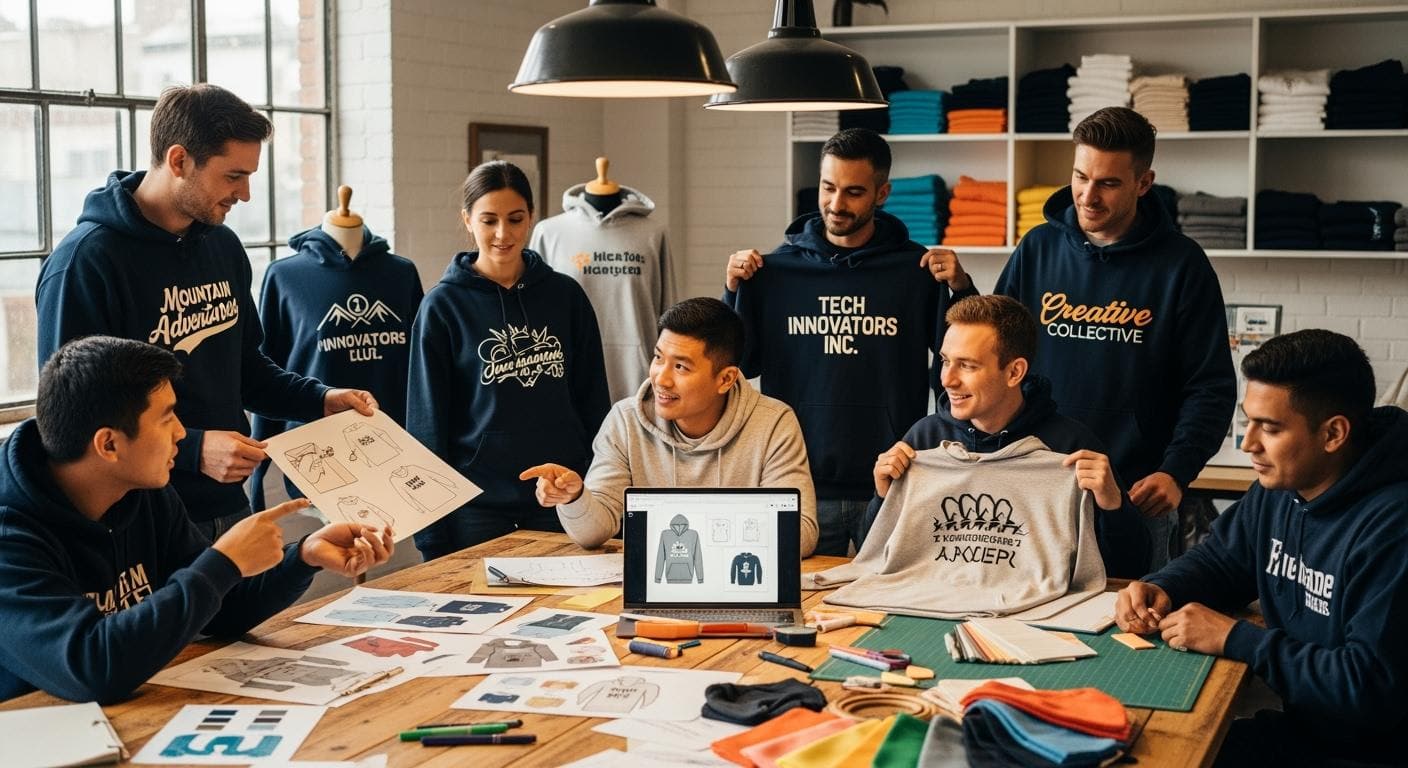
You strengthen your club or business by planning your custom hoodie project with a clear brand identity. Careful planning and a strong vision help you create designs that reflect your values and attract loyal supporters. Custom hoodies can boost unity and pride, as 75% of students feel a stronger sense of belonging when wearing school-branded apparel. Businesses also benefit, since 83% of customers feel more loyal to a brand that gives them a promotional product. Define your niche and audience before you begin to maximize impact.
Key Takeaways
Define your goals for custom hoodies to ensure they meet your club or business needs.
Foster team unity and pride by using matching hoodies that create a sense of belonging.
Choose the right materials and styles to enhance comfort and durability for your custom hoodies.
Gather feedback from your members to design hoodies that reflect their preferences and needs.
Select a reliable supplier to ensure high-quality production and timely delivery of your hoodies.
Use online design tools to visualize your ideas and create mockups before placing orders.
Plan effective distribution strategies to maximize reach and engagement with your custom hoodies.
Leverage promotional opportunities by encouraging members to share their hoodie experiences on social media.
Define Your Custom Hoodie Goals
Setting clear goals for your custom hoodie project helps you achieve the best results for your club or business. You start by identifying the needs of your group or organization. When you understand what drives your members or customers, you create custom hoodies that serve a real purpose.
Identify Group or Business Needs
Team Unity
You want your group to feel connected. Custom hoodies foster group identity and build a sense of belonging. Matching apparel boosts team spirit and motivation, especially before important events. Hoodies also create lasting memories for members, reminding them of shared experiences.
Brand Promotion
Custom hoodies increase visibility for your club or business. When members wear your design, they act as walking advertisements. Hoodies enhance brand awareness and establish a unified appearance. Businesses use custom hoodie projects as marketing tools to engage customers and celebrate achievements.
Tip: Consider how your custom hoodies will represent your group’s values and image. A strong design can make your club or business stand out.
Here is a table showing the most common goals for custom hoodie projects:
Goal | Description |
|---|---|
Fostering group identity | Custom hoodies help create a visual representation of the group’s identity and pride. |
Building a sense of belonging | Wearing matching apparel enhances feelings of inclusion and community among members. |
Creating lasting memories | Custom hoodies serve as keepsakes that remind members of shared experiences and events. |
Boosting team spirit | Matching apparel can increase motivation and camaraderie, especially before events. |
Increasing visibility | Wearing custom hoodies acts as free advertising for clubs and organizations. |
Celebrating achievements | Custom apparel can commemorate milestones and successes within the group. |
Enhancing brand awareness | Businesses use hoodies to promote their brand and establish a unified appearance. |
Utilizing as a marketing tool | Hoodies can be used in promotional campaigns to engage customers and enhance brand visibility. |
Set Clear Objectives
You need to set specific objectives for your custom hoodie project. This step ensures that your design meets the needs of your audience and fits your timeline.
Timeline
Decide when you need your custom hoodies. Planning ahead allows you to avoid delays and ensures everyone receives their apparel on time. You should create a project overview and describe your target audience in detail. Consider how members will interact with the design and when they will wear it.
Quantity & Sizing
Determine how many custom hoodies you need and what sizes to order. You tailor the design to the specific needs of your audience, ensuring functionality and appeal. Consolidate team input to avoid conflicting directions. Provide specific feedback about design elements and explain the reasoning behind changes. Choose materials that enhance comfort and durability, and make sure branding elements fit seamlessly into the design.
Note: Understanding your audience and their needs helps you select the right style, quantity, and features for your custom hoodie project.
By following these steps, you create custom hoodies that unite your group, promote your brand, and leave a lasting impression.
Build Your Custom Hoodie Brand
Building a strong brand for your custom hoodies helps you stand out and connect with your audience. You create a lasting impression when you focus on brand identity and understand what your members or customers want.
Brand Identity Elements
Logo & Colors
Your logo and color choices shape how people see your club or business. You select colors that match your group’s personality and values. A bold logo on your custom hoodie makes your brand easy to recognize. You use consistent colors to build trust and create a unified look. Many clubs choose school colors, while businesses often use brand colors to reinforce their image. You place your logo where it gets noticed, such as on the chest or sleeve.
Element | Purpose | Example |
|---|---|---|
Logo | Boosts recognition and brand recall | School crest, company emblem |
Colors | Sets mood and builds unity | Team colors, brand palette |
Messaging
You communicate your values and mission through messaging. A short slogan or tagline on your custom hoodie can inspire pride and motivate your group. You keep your message simple and positive. You choose words that reflect your club’s spirit or your business’s goals. You make sure the message matches your audience’s expectations.
Tip: You test your messaging with a small group before finalizing the design. This helps you avoid misunderstandings and ensures your message resonates.
Target Audience
Member Preferences
You design custom hoodies that your members want to wear. You gather feedback about style, fit, and color. You use surveys to collect information about shopping habits and preferences. You organize focus groups to discuss fashion choices and brand expectations. You analyze competitors to see what works for similar groups. You use analytics tools to understand the age, location, and interests of your audience.
Surveys help you learn what styles your members prefer.
Focus groups give you insights into what motivates your audience.
Competitor research shows you what appeals to similar groups.
Analytics tools reveal trends in your audience’s behavior.
Use Cases
You consider how your custom hoodie will be used. You design for events, daily wear, or special occasions. You choose materials and styles that fit the purpose. You create hoodies for sports teams, staff uniforms, or club merchandise. You think about comfort, durability, and style. You make sure your design matches the needs of your group.
Note: You review use cases with your members to ensure your custom hoodies fit their lifestyle and expectations.
You build a brand that stands out when you focus on identity and audience. You create custom hoodies that people want to wear and share.
Best Custom Hoodies: Material & Style

When you start choosing the best custom hoodie for your club or business, you need to understand how material and style shape the final product. The right fabric and design make your custom hoodies comfortable, durable, and appealing.
Hoodie Types
Pullover vs. Zip-Up
You see two main hoodie styles: pullover and zip-up. Pullover hoodies offer a cozy, relaxed fit and work well for casual wear. Zip-up hoodies give you versatility for layering and make it easy to put on or take off. Many clubs and businesses prefer zip-up hoodies for events and team uniforms because they suit different weather conditions.
Description | |
|---|---|
Vintage Sports Logos | Appeals to nostalgia and sports fans, often featuring classic team logos. |
Minimalistic Typography | Simple designs with clean fonts, appealing to modern aesthetics. |
Oversized Hoodies | Popular for comfort and style, offering a relaxed fit. |
Zip-up Hoodies | Versatile for layering, easy to put on and take off. |
Graphic Hoodies | Bold designs with unique graphics, attracting attention and personal style. |
Fit Options
You choose from regular, slim, or oversized fits. Oversized hoodies remain popular for their comfort and style. Regular fits work well for most groups, while slim fits suit those who want a modern look. You match fit options to your members’ preferences and the intended use.
Tip: Survey your group to find out which hoodie styles and fits they prefer. This helps you create the best custom hoodies for your audience.
Material Selection
Cotton, Polyester, Blends
You select fabric based on comfort, durability, and style. Cotton feels soft and breathable, making it ideal for casual wear. Polyester offers strength and resilience, which works well for activewear. Cotton-polyester blends combine the benefits of both materials, giving you versatility.
Material | Advantages | Disadvantages |
|---|---|---|
Cotton | Soft, breathable, comfortable, good moisture absorption | Can shrink and deform after washing, less durable |
Polyester | Strong, resilient, resistant to fading and wrinkling | Poor water absorption, can irritate sensitive skin |
Cotton-Polyester Blend | Combines benefits of both materials, various blends available | N/A |
Comfort & Durability
You want your custom hoodies to last and feel good. Higher GSM fabrics provide better insulation and warmth. Synthetic fabrics like polyester increase durability. Soft, breathable materials enhance comfort. You choose fabric based on how and where your group will use the hoodies.
Fabric Type | Warmth | Durability | Comfort | Style Preferences |
|---|---|---|---|---|
Cotton | Medium | Low | High | Casual Wear |
Polyester | High | High | Medium | Activewear |
Cotton-Polyester | Varies | Medium | High | Versatile |
Warmth increases with higher GSM fabric.
Durability improves with synthetic fabric.
Comfort depends on softness and breathability.
Style preferences guide your fabric choice.
Supplier & Brand Choices
Compare Brands
You compare brands to find the best custom hoodies for your project. Look for brands with a proven track record and positive reviews. Check their experience and expertise in producing custom hoodie orders.
Evaluate Suppliers
You evaluate suppliers using several criteria:
Customization options: Check the range of styles, colors, and sizes.
Design capabilities: See if they offer mock-ups and have an in-house design team.
Production capacity and timeline: Make sure they can handle your order size and deliver on time.
Quality control: Ask about inspections and certifications.
Pricing and transparency: Request detailed quotes and look for hidden fees.
Ethical practices: Choose suppliers committed to sustainable production.
Note: Choosing the best custom hoodie supplier ensures you get high-quality fabric, reliable service, and the best custom hoodies for your club or business.
You create custom hoodies that stand out when you focus on fabric, style, and supplier quality. The best custom hoodies combine comfort, durability, and visual appeal, making your group proud to wear them.
Custom Hoodie Design Tips

Logo Placement
You make a strong impression with the right design placement on your custom hoodies. The location of your logo affects visibility and style. You want your logo to stand out and represent your group or business clearly. The most effective options for logo placement balance aesthetics and attention.
Ideal For | Advantages | |
|---|---|---|
Center Chest | Small to medium-sized logos | Excellent visibility, central focal point, versatile for various styles, combines well with other elements. |
Left Chest | Smaller logos | Understated look, pairs well with larger back logos, subtle brand showcase. |
Back | Larger logos | Ample space for details, creates a focal point, flexible in size and placement. |
Sleeves | Smaller logos or secondary branding | Unique placement, adds personality, subtle brand showcase. |
Neck Label | Small logos | Discreet branding, conveys a premium feel, consistent across styles. |
Seam-to-Seam | Logo-based patterns | Bold design, seamless look, attention-grabbing. |
You choose the center chest for maximum visibility. You use the left chest for a subtle effect. You select the back for larger, detailed logos. You add sleeve logos for extra personality. You create a premium feel with neck label branding. You design bold patterns with seam-to-seam placement. You match your logo placement to your group’s style and the message you want to send.
Tip: You test different logo placements with mockups before finalizing your design. This helps you see which option looks best and fits your brand.
Front, Back, Sleeve
You decide where to place your logo based on how your members will wear the hoodie. You use the front for easy recognition. You choose the back for dramatic impact. You add sleeve logos for a unique touch. You combine placements for a layered branding effect. You consider how each placement works with your overall design.
Color & Graphics
You create eye-catching custom hoodies by focusing on color and graphics. You select a color scheme that matches your brand and appeals to your audience. You use standout artwork to attract attention. You choose typography that is stylish and easy to read. You think about design placement for maximum impact.
You use custom artwork to make your hoodies memorable.
You select a color scheme that fits your brand identity.
You pick typography that is clear and attractive.
You plan design placement to highlight your graphics.
Group Colors
You choose group colors that reflect your club or business. You use school colors for clubs or brand colors for businesses. You make sure your color choice matches your logo and graphics. You create a unified look by using consistent colors across all designs based on online communities. You ask your members for feedback on color preferences.
Print vs. Fabric Colors
You decide between print colors and fabric colors for your custom hoodies. You use print colors for logos, graphics, and text. You select fabric colors for the base of the hoodie. You make sure your print colors contrast well with the fabric. You avoid colors that blend together and reduce visibility. You test different combinations to find the most appealing look.
Note: You check how your colors appear in different lighting conditions. This helps you avoid surprises when your hoodies arrive.
Print vs. Embroidery
You choose between print and embroidery for your custom hoodie designs. Each method offers unique benefits for durability and appearance.
Feature | Embroidery | Print (Screen Printing) |
|---|---|---|
Durability | Superior durability; does not peel or fade | May crack or fade over time |
Appearance | Premium, tactile aesthetic; high-end look | Can look less professional; may lose quality |
Embroidery is stitched into the fabric. You get a design that will not peel or fade.
Embroidered designs stay vibrant after many washes. You keep your hoodies looking new.
Embroidery adds depth and texture. You achieve a polished and professional look.
Print allows for more detailed graphics and a wider range of colors. You create bold and colorful designs.
Print may crack or fade over time. You need to consider how often your hoodies will be worn and washed.
Pros & Cons
You weigh the pros and cons of each method before making a decision.
Embroidery Pros:
Lasts longer and resists wear.
Looks premium and adds texture.
Works well for simple logos and text.
Embroidery Cons:
Costs more for large or complex designs.
Limited in color blending and fine detail.
Print Pros:
Allows for detailed and colorful graphics.
Costs less for large designs.
Works well for bold artwork and creative patterns.
Print Cons:
May fade or crack with frequent washing.
Can look less professional if not done well.
Tip: You choose embroidery for logos that need a premium look and durability. You select print for creative designs with lots of color and detail.
You create custom hoodies that stand out when you pay attention to logo placement, color, graphics, and decoration method. You make choices that fit your brand and meet your group’s needs.
Online Design Tools
Online design tools make custom hoodie projects easier and more creative. You can use these platforms to upload your logo, adjust designs, and see realistic previews before you order. These tools help you avoid mistakes and ensure your hoodies look exactly how you want.
Upload Logos
You start by uploading your logo to the design platform. Most online tools accept common file types like PNG, JPEG, or SVG. You drag and drop your logo onto the hoodie template. You can resize, rotate, or move your logo to fit your vision. Some platforms let you adjust transparency or add effects for a unique look.
Tip: Use a high-resolution logo file. This keeps your design sharp and professional on the final hoodie.
Many tools offer brand-specific templates. For example, Mockup Mark and Mock It provide templates for popular hoodie brands. You can match your design to the exact style you plan to order. This step helps you see how your logo will appear on different hoodie types and colors.
Create Mockups
After uploading your logo, you create a mockup. A mockup is a digital preview of your custom hoodie. You can try different colors, placements, and graphics. This process helps you spot design issues before production.
Here are some of the most user-friendly online design tools for creating hoodie mockups:
Tool Name | Features | Pricing |
|---|---|---|
Mockey AI | Free AI designs, 1,000+ mockups, many styles/colors | Free |
Vexels | Customization control, detailed edits | Paid |
Artboard Studio | Flexibility, creative freedom | Paid |
Photoshop + Bulk Mockup | Fast bulk creation, automation | Paid |
Pacdora | 3D views, AI-generated visuals | Paid |
Mockey AI gives you a wide range of templates for men, women, and kids. You can use it for free and get quick results.
Vexels and Artboard Studio let you control every detail. You can edit colors, graphics, and placements with precision.
Photoshop with Bulk Mockup works best if you need to create many designs at once. You save time on large orders.
Pacdora offers 3D previews. You see your hoodie from every angle before you order.
Note: Free tools like Mockey work well for basic needs. Paid tools offer more features and creative control.
To create a mockup, you follow these steps:
Choose your hoodie style and color.
Upload your logo or artwork.
Adjust placement, size, and effects.
Preview the design on a digital hoodie.
Download or share the mockup for feedback.
You can share your mockup with your team or customers. This step helps you collect feedback and make changes before you finalize the order. You avoid costly mistakes and ensure everyone is happy with the design.
Online design tools give you the power to visualize your ideas and make confident decisions. You save time, reduce errors, and create custom hoodies that your group will love.
Custom Hoodie Business Planning
Planning your custom hoodie business helps you avoid surprises and maximize your resources. You need to understand costs, manage payments, and follow legal requirements to run a successful operation.
Budget & Cost
Budgeting is the first step for your custom hoodie business. You estimate expenses before you start production. You look at the base price and customization fees to set realistic expectations.
Base Price
You pay an average of $12 to $25 for each hoodie. Some premium options cost up to $50. Manufacturing a basic sweatshirt usually costs between $5 and $20. You compare prices from different suppliers to find the best value.
Average hoodie price: $12–$25
Premium hoodie price: Up to $50
Basic sweatshirt manufacturing cost: $5–$20
You choose a price point that matches your quality standards and budget.
Customization Fees
Customization adds extra costs to your custom hoodie business. You pay for printing, embroidery, and special features. The number of print locations, printing method, and additional requests affect the final price.
Factor | Description |
|---|---|
Order Quantity | Higher quantities lower per-unit costs due to discounts. |
Brand Name | Well-known brands cost more because of reputation and quality. |
Printing Locations | More print locations increase the price. |
Printing Method | Digital, screen printing, and embroidery have different costs. |
Shipping Timeline | Faster shipping raises the overall cost. |
Sizing | Larger sizes may cost more to print. |
Additional Customizations | Unique requests add to the price. |
You review these factors to control your expenses and avoid overspending.
Tip: You request detailed quotes from suppliers to understand all costs before placing an order.
Payment & Orders
Efficient payment and order management keep your custom hoodie business running smoothly. You use reliable systems to track orders and handle group payments.
Group Payments
You simplify payments by using platforms that support customization and personal branding. These systems let you collect payments from multiple members and track order status in real time. You integrate order management tools with HR systems or internal platforms for easy coordination.
Platforms support customization for personal branding.
Real-time tracking and status updates help you manage orders.
Integration with HR tools streamlines group payments.
Reliable customer support assists with payment issues.
Vendor management tools organize inventory and suppliers.
You choose a payment system that fits your business size and needs.
Bulk Discounts
Bulk orders save money for your custom hoodie business. Many suppliers offer discounts for large quantities. Printify, for example, provides transparent pricing and lets you compare providers. Their Premium plan costs $29 per month and gives you a 20% discount on products. You use bulk discounts to increase your profit margins and offer better prices to your customers.
Note: You negotiate with suppliers for the best bulk rates and monitor your inventory to avoid over-ordering.
Legal Requirements
Legal compliance protects your custom hoodie business and builds trust with customers. You follow local laws and secure the right licenses to operate safely.
Licenses & Permits
You consult a qualified professional to learn about legal requirements in your area. You register your business to protect yourself from personal liability and gain legal benefits. You choose a business structure that fits your goals, such as sole proprietorship, partnership, limited liability company, limited liability partnership, or corporation.
Register your business for legal protection.
Select a structure that matches your needs.
Check if you need a business license or permit.
Obtain licenses for copyrighted material to avoid infringement.
Trademark your business name to secure your brand identity.
You review these steps before launching your custom hoodie business to avoid legal problems.
Tip: You keep records of all licenses and permits and renew them as required by law.
You build a strong foundation for your custom hoodie business by planning your budget, managing payments, and following legal requirements. Careful preparation helps you grow your business and serve your customers with confidence.
Production & Quality Control for Custom Hoodies
You need to manage production and quality control carefully to deliver custom hoodies that meet expectations. Choosing the right production method and maintaining high standards ensures your club or business receives hoodies that look great and last long.
Print-On-Demand vs. Bulk
You face two main options for producing custom hoodies: print-on-demand and bulk printing. Each method offers unique benefits and challenges.
Feature | Print on Demand | Bulk Printing |
|---|---|---|
Printing Time | After order is placed | Before selling, all at once |
Inventory Needed | No | Yes |
Upfront Cost | Very Low | High |
Cost Per Item | Higher | Lower |
Storage Space | Not required | Required |
Shipping Time | Slower (1–2 days extra for printing) | Faster (items are ready to ship) |
Customization | Easy to customize each product | Same design for all |
Risk of Unsold Inventory | None | High (if items do not sell) |
Best For | New businesses, low-budget startups | Established businesses, bulk orders |
Print-on-demand lets you create hoodies only when someone places an order. You avoid upfront costs and storage needs. This method works well for limited runs or when you want to test new designs. You can personalize each hoodie easily, which helps if your group wants unique names or numbers.
Bulk printing requires you to order a large quantity at once. You pay more upfront and need space to store inventory. However, you get a lower cost per hoodie and faster shipping because items are ready to go. Bulk printing suits established clubs or businesses with proven demand and recurring events.
Tip: Choose print-on-demand for small groups, special events, or when you want to avoid leftover stock. Select bulk printing for large orders, ongoing programs, or when you need better profit margins.
Limited Runs
You use print-on-demand for limited runs. This approach helps you launch exclusive designs or short-term campaigns without risking unsold inventory. You can offer special edition hoodies for fundraisers, team milestones, or seasonal events.
Event-Specific Designs
You create event-specific designs using either method. Print-on-demand works best for one-time events or when you expect unpredictable demand. Bulk printing fits recurring events, tournaments, or annual celebrations where you know how many hoodies you need.
Disadvantages of Print-on-Demand | |
|---|---|
Cost efficiency | Lower profit margins |
No need for storage | Variability in quality |
Seamless personalization | Potential delays in customer service |
Less waste | Fewer finishing and materials choices |
Low risk | |
Worldwide distribution |
Supplier Communication
Clear communication with your supplier helps you avoid mistakes and ensures your hoodies match your vision. You need to share all details and review proofs before production begins.
Order Details
You provide your supplier with complete information about your order. Include your design files, hoodie style, color, quantity, and sizes. Double-check every detail for accuracy. You also confirm payment terms and methods before placing your order.
Share design files in high resolution.
Specify hoodie type, color, and size breakdown.
Confirm payment terms and accepted methods.
Review digital proofs to ensure your design looks correct.
Double-check all information before finalizing the order.
Note: Careful review of digital proofs helps you catch errors before production starts.
Sample Requests
You request samples from your supplier before committing to a large order. Samples let you check fabric quality, print accuracy, and fit. You use samples to test comfort and durability. If possible, ask for a sample with your actual design to see how it looks on the finished product.
Tip: Samples help you avoid surprises and give you confidence in your supplier’s capabilities.
Quality Assurance
You need strong quality assurance practices to deliver hoodies that meet your standards. Quality control starts before production and continues until delivery.
Final Inspection
You inspect hoodies at different stages to catch defects early. Visual checks help you spot printing errors, color mismatches, or stitching problems. You test fabric samples for strength and comfort. You use templates to verify sizes before assembly.
Perform visual inspections during and after production.
Test fabric samples for durability and flaws.
Authenticate sizes using templates or digital patterns.
Collect feedback from members or customers to identify issues.
Typical Cause | Best Practice Solution | |
|---|---|---|
Print cracking/fading | Inferior ink or curing | Use top-grade inks, proper curing, wash testing |
Color variation | Inconsistent dye lots or oversight | One-batch dyeing, pre-approved lab dips |
Sizing/fit inconsistency | Manual pattern grading | Digital patterns, laser cutting, strict QC |
Delayed delivery | Supplier or logistics issues | Dual-source, inventory buffer, timeline plans |
Defects in bulk | Poor QC or unclear standards | Third-party QC, enforce standards, supplier audits |
Alert: Always test a sample hoodie by washing and wearing it before approving the full order. This step helps you spot problems with print durability or fit.
Issue Resolution
You address quality issues quickly to maintain trust and satisfaction. If you find defects, contact your supplier with clear photos and descriptions. You request replacements or refunds as needed. You keep records of all communications and solutions.
Document all issues with photos and notes.
Communicate problems to your supplier promptly.
Request replacements or refunds for defective items.
Track recurring issues to improve future orders.
Tip: Build a relationship with your supplier based on honesty and clear expectations. Reliable suppliers respond quickly and help resolve problems.
You ensure your custom hoodie project succeeds by choosing the right production method, communicating clearly with suppliers, and maintaining strict quality control. Careful planning and attention to detail help you deliver hoodies your group will wear with pride.
Consider How Your Custom Hoodies Will Be Used
When you plan a custom hoodie project, you need to consider how your custom hoodies will be used. This step helps you maximize value for your club or business and ensures your hoodies reach the right people in the best way.
Distribution Strategies
You have several options for getting hoodies to your members or customers. The right strategy depends on your group’s size, location, and preferences.
Pickup vs. Delivery
You can organize a pickup event where members collect their hoodies in person. This method works well for clubs that meet regularly or businesses with a central office. Pickup events create excitement and give you a chance to connect with your group. You can also offer delivery for convenience. Shipping hoodies directly to members saves time and reaches people who cannot attend in person. You may use local couriers or national shipping services.
To boost distribution success, you can:
Use social media marketing to announce pickup times or delivery options.
Collaborate with influencers to promote your hoodie launch.
Run paid ads to inform your audience about how to get their hoodies.
Send email updates with pickup details or tracking information.
Member Feedback
You improve your custom hoodie project by collecting feedback from members. Feedback helps you understand what works and what needs improvement.
Satisfaction Surveys
You can use surveys after distribution to measure satisfaction. Platforms like Zigpoll, Typeform, or SurveyMonkey make it easy to gather quick responses. You may conduct quarterly surveys to assess product quality and overall experience. Sharing feedback with your design team helps refine future hoodie projects. Collecting demographic data also guides design decisions.
Method | Description |
|---|---|
Surveys | Deploy short, targeted surveys after purchases or support interactions. |
Customer Insights | Gather insights using platforms for quick data. |
Trend Analysis | Analyze trends to prioritize product and service improvements. |
Quarterly Satisfaction Surveys | Assess product quality and overall experience. |
Feedback Sharing | Share feedback with design and engineering teams. |
Demographic Data Collection | Inform design decisions through surveys or research platforms. |
Insights for Refinement | Refine materials, fit, or add new features based on feedback. |
You use feedback to adjust materials, fit, or add new features. This process helps you create hoodies that members want to wear.
Promotional Use
Custom hoodies offer powerful promotional opportunities. You can increase brand visibility and build community spirit.
Brand Visibility
You can run contests or giveaways on social media to encourage sharing of branded hoodies. Event marketing works well when you offer hoodies at relevant gatherings. Limited edition releases create urgency and drive loyalty. Community building turns members into brand ambassadors when they wear your hoodies in public. Pop-up experiences at special events generate buzz and memorable moments.
Promotional Use | Description |
|---|---|
Social Media Engagement | Contests or giveaways encourage sharing and boost visibility. |
Event Marketing | Hoodies at events attract attention and resonate with the audience. |
Limited Edition Releases | Urgency and exclusivity drive customer action and loyalty. |
Community Building | Members become brand ambassadors by wearing hoodies publicly. |
Pop-Up Experiences | Custom apparel at pop-up events creates buzz and memorable brand experiences. |
Sharing Success Stories
You can highlight member achievements or group milestones by sharing photos and stories of people wearing your hoodies. These stories inspire others and strengthen your brand’s reputation. You may feature testimonials on your website or social media. Success stories show how your custom hoodies unite your group and promote your brand.
Tip: Encourage members to post photos with their hoodies and tag your club or business. This simple action increases reach and builds a sense of pride.
By planning distribution, gathering feedback, and using hoodies for promotion, you ensure your project delivers lasting impact for your club or business.
You can achieve great results with your custom hoodie project by following a few key steps:
Finalize your design and colors.
Select a trusted supplier and approve digital proofs.
Confirm sizing and shipping details.
Custom hoodies boost brand visibility and loyalty, as seen with Iron Goat Coffee, where customers became brand ambassadors and sales increased. Choosing the right fabric, logo placement, and reliable suppliers ensures quality and satisfaction. Start your project with confidence and use these best practices to create hoodies your group will love.
FAQ
What is the best material for custom hoodies?
You get the best comfort and durability from cotton-polyester blends. Cotton feels soft and breathable. Polyester adds strength and helps the hoodie keep its shape. Blends combine these benefits for everyday wear.
How do you choose the right hoodie size for your group?
You collect size information from your members before ordering. Use a sizing chart from your supplier. Ask everyone to check their measurements. This step helps you avoid returns and ensures a good fit.
Can you order just one custom hoodie?
Many suppliers offer print-on-demand services. You can order a single hoodie for a sample or personal use. Bulk orders usually cost less per item, but single orders are possible with the right supplier.
What is the difference between screen printing and embroidery?
Screen printing uses ink for colorful and detailed designs. Embroidery uses thread for a textured, premium look. Embroidery lasts longer, but screen printing works better for complex graphics.
How long does it take to receive custom hoodies?
Production time depends on your supplier and order size. Most orders take 1–3 weeks. Rush options may be available for an extra fee. Always confirm timelines before placing your order.
How do you care for custom hoodies to make them last?
Wash hoodies inside out with cold water. Use mild detergent. Avoid bleach and high heat. Air dry or use a low setting in the dryer. These steps help keep colors bright and prints looking new.
Can you use copyrighted images on custom hoodies?
You need permission to use copyrighted images or logos. Using them without approval can lead to legal issues. Always check image rights before adding them to your design.
What should you do if your custom hoodies arrive with defects?
Contact your supplier right away.
Provide photos of the defects.
Request a replacement or refund.
Keep records of your communication.
Most reputable suppliers will resolve the issue quickly.