

How to Pick the Best Custom Work Shirts for Long-Lasting Teamwear
Table of Contents
Display
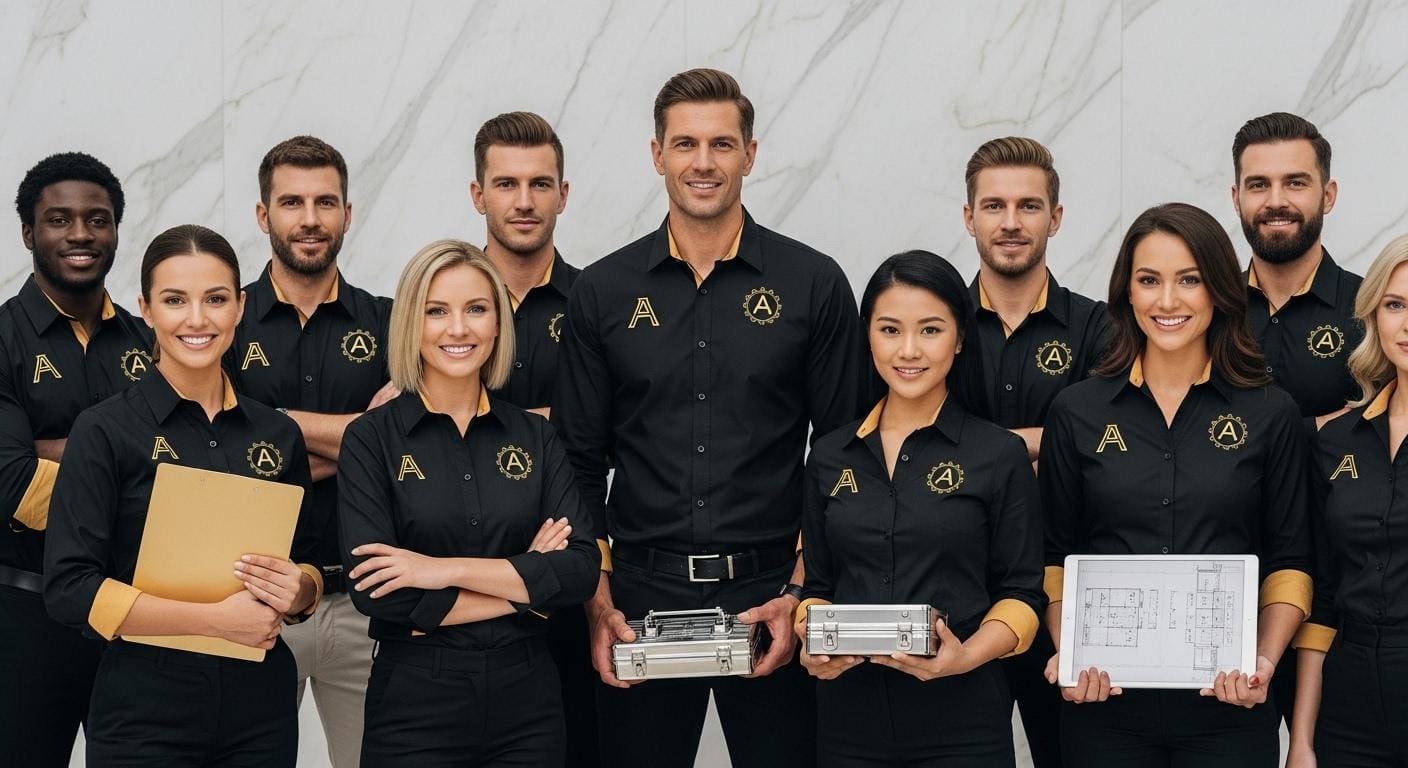
Imagine your team arrives at work only to find that their custom uniforms look faded, stretched, or stained. This scenario can damage your professional image and lower team pride. Durable custom work shirts and high-quality custom apparel ensure your team apparel stands up to daily wear, supports team identity, and keeps everyone comfortable. When you choose comfortable clothes and matching uniforms, you help your team feel confident and focused. Custom workwear with the right design and fabric gives your corporate apparel a polished look. Custom designs and comfortable uniforms make a difference every day. You need custom uniforms that fit your workwear needs, support your branding, and reflect your design standards. Consider how custom design, custom fabric, custom construction, custom decoration, custom sizing, custom color, custom fit, and custom logo placement all contribute to a strong, unified team.
Durable fabrics and quality custom design help custom work shirts retain shape and color, supporting a professional image.
High-quality custom apparel and visible, comfortable uniforms boost team pride and make your team memorable.
Consistent custom branding in your custom team apparel and custom corporate apparel signals focus and reliability.
Key Takeaways
Choose durable fabrics to maintain the shape and color of custom work shirts, enhancing your team’s professional image.
Select comfortable and high-quality custom apparel to boost team pride and create a memorable presence.
Match uniforms to your team’s work environment, considering factors like indoor vs. outdoor settings and exposure to dirt.
Prioritize flexibility and breathability in fabrics for high-movement roles, ensuring comfort during active tasks.
Consider climate when selecting fabrics; moisture-wicking materials work best in hot weather, while layering options are ideal for cold conditions.
Ensure consistent branding through color choices and logo placement, reinforcing your company’s image and visibility.
Invest in quality construction features like reinforced seams and double-stitching to extend the lifespan of your custom shirts.
Evaluate suppliers based on reputation and guarantees, focusing on long-term value rather than just initial cost.
Team Needs
Choosing the right custom uniforms for your team starts with a close look at daily tasks and the work environment. You want uniforms that support your team’s comfort, safety, and brand recognition. Each factor below helps you match team apparel to real-world needs.
Work Environment
Indoor vs. Outdoor
Your team’s workspace shapes the best shirt choice. Indoor roles, such as retail or office jobs, often benefit from breathable cotton twill. This fabric keeps your team comfortable and looking sharp. Outdoor jobs, like construction or landscaping, require more protection. UV-resistant fabrics shield against sun exposure, while water-resistant and quick-dry materials help your team stay dry during rain or sweat. No-pill fleece and softshell jackets work well for outdoor workers who need warmth and mobility.
Exposure to Dirt
Some jobs expose uniforms to dirt, grease, or chemicals. In these cases, you need shirts that resist stains and last through frequent washing. The table below highlights features that help uniforms stand up to tough conditions:
Feature | Benefit |
|---|---|
Water-resistant | Reduces the impact of outdoor elements |
Stain-repellent coatings | Resists dirt and stains, enhancing longevity |
Ripstop technology | Prevents tearing, increasing durability |
Lasts through 2X more washes | Extends lifespan of the shirt |
Polyester-blend fabrics | Outperforms cotton in durability tests |
Heavyweight cotton-polyester blends and reinforced seams help uniforms resist wear and tear. Spandex-reinforced cuffs and waistbands keep their shape, even after many industrial washes. This means your team apparel will look good and last longer, even in messy environments.
Activity Level
High-Movement
If your team moves a lot—lifting, reaching, or bending—choose flexible, breathable fabrics. Performance blends with a bit of stretch allow freedom of movement. Reinforced seams and ripstop technology prevent tears, so your team can work hard without worrying about their uniforms.
Sedentary Roles
For team members who spend most of their day sitting, such as office staff or receptionists, comfort and a polished look matter most. Breathable cotton twill or wrinkle-resistant fabrics keep uniforms looking fresh all day. These options help maintain a professional appearance, which supports your branding and builds trust with customers.
Climate
Hot Weather
In hot climates, moisture-wicking and lightweight fabrics keep your team cool and dry. Antimicrobial and odor-resistant materials are essential for healthcare and food service, where hygiene matters. These features help your team stay comfortable and confident, even during long shifts.
Cold Conditions
Cold weather calls for layering. No-pill fleece and softshell jackets provide warmth without restricting movement. Layering options let your team adjust to changing temperatures, ensuring comfort and productivity.
Tip: Always match your team apparel to the specific demands of your industry and climate. This approach keeps your team comfortable and supports brand recognition.
Branding
Branding shapes how people see your team. When you choose custom work shirts, you want every detail to support your company’s image. The right choices in formality and visibility help your team stand out and look professional.
Formality
You set the tone for your workplace with the style of your uniforms. Some industries need a polished, business-like look. Others benefit from a more relaxed style. Think about your company’s culture and the impression you want to make. For example, a law office or bank often chooses button-down shirts with subtle colors. These shirts send a message of trust and reliability. In creative fields, you might pick shirts with bold colors or unique patterns to show off your brand’s personality.
Logo placement affects both visibility and comfort. The traditional left chest position works well for business wear with logo designs, it’s professional without being overwhelming.
You should also consider the fabric and fit. Durable materials like cotton-polyester blends keep uniforms looking sharp after many washes. A tailored fit gives your team a neat appearance. When everyone wears the same style, your team looks unified and ready to serve customers.
Visibility
Visibility matters for both safety and brand recognition. In some jobs, your team needs to stand out to stay safe. High-visibility shirts use bright colors and reflective stripes. These features help others see your team, even in low light or busy environments.
Fabric choices should be robust and suitable for the work environment, such as polyester and cotton-polyester blends for durability and breathability.
Design features must prioritize safety, including bright colors and retro reflective stripes to enhance visibility in hazardous conditions.
Logo placement is crucial for brand visibility, with common positions being the center chest or back, ensuring the logo is easily identifiable.
You want your logo to be easy to spot but not distracting. Many companies place logos on the left chest, center chest, or back. These spots make your brand visible without getting in the way of work.
Choose high visibility colors like yellow, neon green, and orange to meet safety standards.
Position logos strategically to enhance brand recognition without compromising safety features.
Incorporate breathable and moisture-wicking fabrics to ensure comfort for workers in various climates.
Effective branding goes beyond just adding a logo. You create a strong visual identity by using your company’s colors and keeping the same style across all team apparel. This approach helps customers remember your team and trust your services. When you focus on both formality and visibility, your uniforms support your branding goals and help your team look their best.
Custom Work Shirts: Fabric Choices
Choosing the right fabrics for custom work shirts is essential for long-lasting teamwear. You want shirts that combine comfort, durability, and a professional design. High-quality custom apparel starts with quality fabrics from reputable manufacturers. When you select custom workwear, you invest in durable workwear that supports your team and brand.
Cotton
Comfort
Cotton remains a popular choice for custom work shirts because of its natural softness and breathability. You feel comfortable throughout the day, especially in indoor environments or roles that require a polished look. Cotton allows air to circulate, which helps regulate body temperature and keeps you feeling fresh. Many teams prefer cotton for its gentle touch and classic design.
Longevity
Cotton offers comfort, but it does not match the durability of synthetic fabrics. You may notice that pure cotton shirts wrinkle easily and show signs of wear after repeated washing. Cotton shirts work best for casual settings where comfort is the main priority. If you want shirts that last longer, consider blends that combine cotton with other fibers.
Note: Pure cotton shirts provide excellent comfort, but you need to iron them regularly and watch for shrinkage after washing.
Blends
Durability
Blended fabrics, especially cotton-polyester blends, deliver the best of both worlds. You get the comfort of cotton and the durability of polyester. These blends resist shrinking, wrinkling, and tearing, making them ideal for custom work shirts that face daily use. Textile industry research highlights several durable options:
Cotton: Known for comfort and breathability, but less durable than polyester.
Polyester: Highly durable and moisture-wicking, perfect for rigorous activities.
Cotton-Polyester Blends: Combine comfort and durability, offering a versatile solution for custom workwear.
Cotton-polyester blends help your team maintain a professional appearance, even after many washes. You spend less time on maintenance and enjoy shirts that keep their shape and color.
Maintenance
Blended shirts simplify your daily routine. You wash them in cool or warm water and dry them at medium heat. Minimal ironing is needed, which saves you time and energy. The table below compares maintenance requirements for 100% cotton shirts and cotton blend shirts:
Feature | 100% Cotton Shirts | Cotton Blend Shirts (70/30 or 60/40) |
|---|---|---|
Washing Temperature | Warm water (40 °C) | Cool or warm water (30–40 °C) |
Drying Method | Tumble dry low | Tumble dry at medium heat |
Ironing Requirement | Daily ironing at 180 °C | Minimal to no ironing (light press) |
Shrinkage | Up to 5% (if not preshrunk) | Less than 2% |
Energy/Time Cost Savings | N/A | Reduces by 50% |
Appearance Retention | N/A | Extends by 30–40% |
You notice that cotton blend shirts retain their appearance longer and require less effort to maintain. This makes them a smart choice for custom apparel in busy work environments.
Performance Fabrics
Moisture-Wicking
Performance fabrics offer advanced features for custom work shirts. Moisture-wicking materials pull sweat away from your skin, keeping you dry and comfortable. You benefit from superior garments that reduce distractions and help you focus on your tasks. The optimal blend of hydrophobic and hydrophilic fibers improves moisture transport, which is important for teams working in hot or humid conditions.
Benefit | Description |
|---|---|
Superior Garments Reduce Distraction | High-quality moisture-wicking fabrics maintain their performance over time, reducing distractions for workers in varying weather conditions. |
Improved Comfort | The optimal blend of hydrophobic and hydrophilic fibers enhances moisture transport, improving comfort for workers. |
Enhanced Layering Capabilities | Factors like vertical wicking rate and breathability are crucial for selecting fabrics that manage moisture effectively, especially when layering garments. |
You can layer performance shirts with jackets or vests, which helps your team adapt to changing climates.
Stain Resistance
Performance fabrics also resist stains, which is vital for custom workwear in messy environments. You spend less time worrying about spills or dirt. These fabrics maintain their design and color, even after frequent washing. The average lifespan of non-iron shirts made from performance fabrics reaches about two years before showing signs of wear. This extended durability supports your team’s professional image and reduces replacement costs.
Tip: Choose performance fabrics for custom work shirts when you need moisture control, stain resistance, and long-lasting design.
Selecting the right fabric for your custom work shirts means balancing comfort, durability, and maintenance. Cotton delivers softness, blends offer durability and easy care, and performance fabrics provide advanced features for demanding roles. You create high-quality custom apparel by focusing on quality fabrics and thoughtful design. Your team benefits from custom workwear that looks great, feels comfortable, and stands up to daily challenges.
Construction
When you choose custom work shirts for your team, construction details make a big difference in how long the shirts last and how comfortable your team feels. Paying attention to stitching, collars, closures, and fit ensures your custom shirts stand up to daily wear and support your team’s performance.
Stitching
Reinforced Seams
Reinforced seams are essential for any custom shirt designed for tough jobs. You want shirts that hold up under stress, especially at the shoulders, sides, and sleeves. Reinforced stitching adds extra strength to these high-stress areas, so your shirts resist tearing and fraying. This feature is especially important if your team works in environments where uniforms face frequent pulling or stretching.
Feature | Impact on Durability |
|---|---|
Reinforced stitching | Enhances strength in high-stress areas |
Tear-resistant materials | Increases lifespan under frequent use |
Heavy-duty fabric | Provides resistance to wear and tear |
You can see that reinforced seams, combined with tear-resistant materials, extend the life of your custom work shirts. This means fewer replacements and a more professional appearance over time.
Double-Stitching
Double-stitching is another sign of quality construction. You will notice two rows of stitches along the seams, which helps prevent unraveling and adds durability. Double-stitched seams are less likely to split, even after repeated washing and heavy use. When you select custom shirts with double-stitching, you invest in uniforms that maintain their shape and structure.
Tip: Always check the inside of the shirt for neat, even stitching. This small detail signals a commitment to quality and long-lasting custom apparel.
Collars & Closures
Buttons vs. Snaps
The choice between buttons and snaps affects both function and style. Buttons offer a classic look and work well for formal settings. Snaps provide quick and easy closure, which is helpful for jobs that require frequent changes or where safety is a concern. Snaps also reduce the risk of catching on equipment, making them a smart choice for industrial or outdoor roles.
Buttons: Traditional, professional appearance; best for office or customer-facing roles.
Snaps: Fast, secure, and easy to use; ideal for active or hazardous environments.
You should match the closure style to your team’s daily tasks and the level of formality you want in your custom work shirts.
Reinforcement
Collars and closures take a lot of wear, especially if your team moves often or works outdoors. Reinforced collars keep their shape and prevent curling, even after many washes. Reinforced plackets (the fabric strip where buttons or snaps attach) add strength and help the shirt maintain a crisp, professional look. These features show attention to detail and ensure your custom shirts look sharp for longer.
Fit
Range of Motion
A good fit is about more than just size. You want custom shirts that allow your team to move freely and stay comfortable all day. Shirts with a relaxed or ergonomic fit give your team a full range of motion, which is important for jobs that involve lifting, reaching, or bending. Stretch fabrics can also help, increasing mobility and reducing fatigue.
Material Type | Benefits | Impact on Performance |
|---|---|---|
Breathable fabrics | Allow air circulation and regulate temperature | |
Moisture-wicking materials | Keep workers dry and comfortable | Boosts output in warm settings |
Stretch fabrics | Enhance mobility and freedom of movement | Increases productivity by 15-20% |
When you choose custom work shirts with these features, you help your team stay focused and productive, even during long shifts.
Tailoring
Tailoring gives your custom shirts a polished, professional look. A tailored fit means the shirt follows the natural lines of the body without being too tight or too loose. This not only looks better but also boosts confidence and comfort. You can request custom sizing or adjustments to ensure every team member gets the right fit. Well-tailored shirts help your team present a unified, high-quality image to customers and clients.
Note: A proper fit supports comfort and confidence. When your team feels good in their uniforms, they perform better and represent your brand with pride.
What to Look for in Construction
When you evaluate custom work shirts, focus on these construction features:
Feature | Description |
|---|---|
Material and Durability | Durable materials like heavy-duty cotton and polyester blends, double-stitched seams, and reinforced areas to withstand wear and tear. |
Comfort | Breathable fabrics and relaxed fit for full range of motion in various weather conditions. |
Safety Features | Bright colors and reflective strips for visibility, meeting safety standards like ANSI and ISEA. |
Functionality | Pockets for tools and moisture-wicking fabrics to keep workers dry and comfortable. |
Choose shirts that meet safety standards if your team works outdoors or at night.
Look for moisture-wicking and UV-protective fabrics for added comfort and protection.
Select custom options for logos, pockets, and other features that match your team’s needs.
By focusing on construction details, you ensure your custom work shirts deliver both quality and comfort. Your team benefits from uniforms that last, fit well, and support their daily tasks.
Decoration Methods
Choosing the right decoration method for your custom work shirts shapes how your team looks and how long your uniforms last. Each method offers unique benefits for custom apparel. You should consider your team’s needs, your brand image, and the expected wear and tear on your shirts.
Embroidery
Durability
Embroidery stands out for its high durability. The stitching process creates a strong bond with the fabric, so your custom logo or design stays sharp even after many washes. You can trust embroidered custom shirts to hold up in demanding environments. Embroidery resists fading and fraying, making it a top choice for frequent use.
Professional Look
Embroidery gives your custom work shirts a premium, professional appearance. This method works well for corporate settings where you want your team to look polished. You can use embroidery for logos, names, or emblems. The raised texture adds depth and quality to your custom apparel.
Feature | Embroidery | Printing |
|---|---|---|
Durability | Less durable; may fade or peel over time | |
Professional Look | Premium appearance; ideal for corporate wear | More casual; vibrant but less formal |
Design Complexity | Limited for intricate designs | Excellent for detailed and multi-colored graphics |
Cost | Higher cost for complex designs | Generally more cost-effective for larger runs |
Embroidery offers greater durability than printing, making it suitable for custom shirts that see frequent use.
Printing
Longevity
Printing methods, such as screen printing and dye sublimation, provide excellent options for custom work shirts. Screen printing is known as the gold standard for durability. It withstands many wash cycles without fading, so your custom designs stay vibrant. Dye sublimation works best for polyester shirts. It creates a permanent bond with the fabric, so prints do not crack, peel, or fade over time.
Screen printing and dye sublimation both deliver long-lasting results for custom teamwear.
You can rely on these methods for marketing shirts that need to last.
Color Options
Printing allows for a wide range of colors and detailed graphics. You can create custom shirts with bold, multi-colored designs that stand out. This method works well for large logos, slogans, or artwork. Printing is also cost-effective for bigger orders, making it a smart choice for custom uniforms with complex designs.
Printing gives you flexibility in design, but embroidery provides a more formal look for custom work shirts.
Heat Transfer
Suitability
Heat transfer decoration offers versatility for custom work shirts. You can use this method for small batches, special events, or unique designs. Heat transfer works well for personal use or when you need custom shirts quickly. The process allows you to apply detailed images and vibrant colors to your custom apparel.
Pros & Cons
You should know that heat transfer prints can fade, crack, or peel after repeated washing and wearing. This makes them less durable for high-wear environments. The prints are vulnerable to damage, so they may not last as long as embroidery or screen printing on custom work shirts.
Heat transfer is cost-effective for small runs of custom shirts.
The method is versatile and suitable for special projects or start-ups.
The prints may not offer the same durability as other decoration methods.
For custom work shirts that face heavy use, choose embroidery or screen printing for better durability.
When you select a decoration method for your custom work shirts, think about how often your team will wear them, the image you want to project, and how long you need the shirts to last. The right choice helps your custom apparel look great and stand up to daily challenges.
Color & Logo
Color Selection
Hiding Dirt
Choosing the right color for your team’s work shirts can make a big difference in how clean and professional your team looks. Darker shades like navy, black, and charcoal do a great job of hiding dirt and stains. In many work settings, especially those with frequent exposure to dust or grease, lighter colors show stains more easily. When you select deep colors, you help your team maintain a neat appearance throughout the day. High-visibility shirts are important for safety in construction or roadwork, but for most indoor or low-risk environments, darker colors keep uniforms looking fresh longer.
Tip: If your team works in environments where dirt is common, prioritize darker shades to reduce the appearance of stains and extend the life of your shirts.
Brand Consistency
Color also plays a key role in reinforcing your brand identity. You should always match your shirt colors to your company’s established color palette. This creates a strong, unified look and helps customers recognize your team instantly. Use color psychology to connect with your audience. For example, blue often signals trust, while red can show energy and passion. Look for complementary shades on the color wheel to make your logo stand out. Consistent use of your brand colors across all apparel strengthens your brand’s message and makes a lasting impression.
Choose shirt colors that complement your logo for a cohesive appearance.
Use the same shades across all team apparel to reinforce brand recognition.
Avoid random color choices that might confuse customers or weaken your brand image.
Logo Placement
Visibility
Where you place your logo on a work shirt affects how easily people notice your brand. The left chest is a classic spot for uniforms, offering a professional look without being too bold. For promotional shirts, the center front placement maximizes visibility. On polo shirts, you can use the left chest or even the right sleeve for added impact. Jackets and outerwear often feature logos on the chest or sleeve, while larger logos can go on the back panel if space allows.
Garment Type | Recommended Placement | Notes |
|---|---|---|
T-Shirts | Center front, left chest | Center for promotions, left chest for work |
Polo Shirts | Left chest, right sleeve | Embroidery works well here |
Jackets/Outerwear | Chest, sleeve, back panel | Use larger logos on the back if possible |
Team Uniforms | Left chest, sleeve, back yoke | Multipoint coverage for team visibility |
Consistency
Consistent logo placement across all shirts helps your team look organized and professional. When every team member wears a shirt with the logo in the same spot, your brand appears more reliable and trustworthy. Consider the size and shape of your logo when choosing placement. Make sure the decoration method matches the fabric and shirt style for the best results. Consistency in both color and logo placement ensures your teamwear always supports your brand image.
Sizing & Fit
Choosing the right size and fit for your custom work shirts helps every team member feel confident and look professional. You want everyone to feel included and comfortable, no matter their body type or job role. Paying attention to sizing options and fit details ensures your team can move freely and perform at their best.
Size Range
Unisex Options
Unisex sizing gives you flexibility when outfitting a diverse team. These shirts use measurements that work for both men and women. You can simplify ordering and inventory by choosing unisex options. Most suppliers offer a wide range of sizes, from XS to 5XL. This range covers most body shapes and makes it easier to find a shirt that works for everyone.
Tip: Always check the supplier’s size chart before placing your order. Sizes can vary between brands.
All Body Types
You want every team member to feel included. Look for suppliers that offer extended sizing and different cuts. Some brands provide tall, petite, or plus-size options. This approach ensures a better fit for all body types. When you offer a full size range, you show your team that you value their comfort and confidence.
Size Option | Description | Benefit |
|---|---|---|
Regular | Standard fit for most people | Works for general team needs |
Tall | Longer sleeves and torso | Ideal for taller individuals |
Petite | Shorter sleeves and torso | Better fit for shorter people |
Plus Size | Wider cut, more room | Comfort for larger body types |
Comfort
Layering
Layering is important for teams that work in changing temperatures. You should choose shirts with enough room to wear over a base layer or under a jacket. A good fit allows for easy movement without feeling bulky. Layering options help your team stay warm in winter and cool in summer.
Choose shirts with a relaxed fit for easy layering.
Avoid shirts that are too tight, as they restrict movement and trap heat.
Adjustability
Adjustable features make work shirts more versatile. Look for options like side vents, adjustable cuffs, or stretch panels. These details let each person customize their fit. Adjustable shirts work well for teams with a wide range of body shapes. They also help your team stay comfortable during long shifts.
Note: Adjustable features can extend the life of your shirts by allowing for small changes in body size or layering needs.
Selecting the right sizing and fit for your custom work shirts supports team morale and productivity. When everyone feels comfortable and confident, your team can focus on their work and represent your brand with pride.
Care & Maintenance
Taking care of your custom work shirts helps you keep them looking sharp and lasting longer. Simple habits in washing, stain removal, and storage can make a big difference in the lifespan and appearance of your teamwear.
Washing
Preventing Fading
You want your shirts to keep their color and shape. Always check the care label before washing. Use cold water and a mild detergent to help preserve the fabric and prevent fading. Avoid bleach, which can weaken fibers and cause colors to fade quickly. Turn shirts inside out before washing to protect the outer surface and any printed or embroidered designs.
Fabric Type/Printing Method | |
|---|---|
General Custom T-Shirts | Use mild detergent, wash in cold water, avoid bleach, tumble dry low or air dry. |
Tri-Blends | Machine wash cold, gentle cycle, mild detergent, avoid bleach, tumble dry low or air dry. |
Screen-Printed | Turn inside out, wash in cold water, gentle cycle, mild detergent, avoid fabric softeners, air dry. |
Heat Transfer | Turn inside out, wash in cold water, gentle cycle, mild detergent, tumble dry low or air dry. |
Direct-to-Garment (DTG) | Turn inside out, wash in cold water, gentle cycle, mild detergent, air dry. |
Custom Embroidered Shirts | Turn inside out, wash in cold water, gentle cycle, mild detergent, air dry. |
General Tips | Wash less frequently, avoid overloading the washer, separate colors, use a mesh bag, read care labels. |
Tip: Air drying your shirts helps maintain their color and prevents shrinkage.
Decorated Areas
Decorated areas, such as logos or embroidery, need extra care. Always turn shirts inside out before washing. Use a gentle cycle and avoid high heat when drying. This protects the decoration from cracking, peeling, or fraying. Iron decorated areas on low heat or place a cloth between the iron and the shirt.
Stain Removal
Common Stains
Work shirts often face tough stains. Knowing how to treat them quickly keeps your shirts looking professional. Here are some common stains and the best ways to remove them:
Stain Type | |
|---|---|
Starchy Stains | Rinse with cold water, pretreat with all-purpose stain remover or liquid laundry detergent, then wash. |
Protein-based Stains | Pretreat with enzymatic stain remover or laundry detergent, rinse in cold water to avoid setting the stain. |
Dye and Pigment Stains | Use oxygen bleach for removal, ensuring initial rinsing is done with cold water. |
Grease Stains | Use warm water to emulsify oils and fats for easier removal. |
General Advice | Always follow care instructions on the label and be cautious with water temperature to prevent setting stains. |
Quick Fixes
Act fast when a stain happens. Blot, do not rub, to avoid spreading the stain. Rinse with the right water temperature for the stain type. Pretreat with a stain remover or mild detergent before washing. For stubborn stains, repeat the process or soak the shirt before washing.
Note: Always test stain removers on a hidden area first to avoid damage.
Storage
Shirt Rotation
Proper storage and rotation help your shirts last longer and look better. Hang shirts on sturdy hangers and button the collar to help them keep their shape. Let shirts air out for about twenty-four hours before putting them back in the closet. Make sure shirts are completely dry before storing to prevent mildew.
Allow shirts to recover by hanging them with space to breathe.
Use sturdy hangers for heavy shirts to avoid stretching.
Do not overcrowd your closet. Give each shirt room to prevent wrinkles and creases.
Rotate your shirts. Try to have three to five shirts and alternate them daily. This gives each shirt time to recover and reduces wear.
Store off-season shirts clean and folded in breathable containers.
Tip: Never wear the same shirt two days in a row. Rotation extends the life of your workwear and keeps your team looking fresh.
Value & Suppliers
Choosing the right custom work shirts means thinking beyond the initial price tag. You want to make sure your investment pays off over time. High-quality custom workwear gives your team a professional look and saves money in the long run.
Cost vs. Longevity
Cost Per Wear
When you compare shirts, look at the cost per wear, not just the upfront price. A cheaper shirt may seem like a good deal, but it can wear out quickly. You end up replacing it more often, which increases your total spending. A well-made custom shirt lasts longer and keeps its shape and color. This means you buy fewer replacements and your team always looks sharp.
Tip: Calculate cost per wear by dividing the shirt’s price by the number of times you expect to use it. A durable shirt with a higher price often costs less per use than a bargain option that wears out fast.
Choosing Suppliers
Reputation
You want to work with suppliers who specialize in durable workwear and custom apparel. Reputable companies use advanced fabrics and reinforced stitching to make sure your custom work shirts last. They offer customization options that fit your industry’s needs. Many also use eco-friendly materials, such as organic cotton or recycled polyester, which meet strict standards for sustainability.
Feature | Description |
|---|---|
Advanced Fabrics | Breathable and anti-static for comfort and protection. |
Reinforced Stitching | Extends shirt life and reduces replacements. |
Customization Options | Tailored to your industry for better function and durability. |
Eco-Friendly Materials | Organic cotton and recycled polyester, certified for sustainability (ISO 14001, GOTS). |
Customers often praise these suppliers for the comfort and durability of their shirts. High satisfaction rates, sometimes as high as 98%, show that these companies deliver consistent quality. You also benefit from a quick customization process and top-notch materials.
Samples & Guarantees
Top suppliers want you to feel confident in your order. Many offer sample shirts so you can check the fit, fabric, and logo placement before making a large purchase. They also back their products with strong guarantees.
Guarantee/Policy | Description |
|---|---|
Free alterations or remakes if the shirt does not fit as promised. | |
Hassle-Free Returns | Easy returns or store credit if the shirt does not meet your expectations. |
Durability Guarantee | Warranties or long-wear promises that highlight craftsmanship. |
Customer Service | Fast responses and simple channels for exchanges or alterations. |
You should always ask about these policies before placing your order. A good supplier stands behind their custom work shirts and makes sure your team gets the best value.
Note: Prioritize quality over the lowest price. Working with established manufacturers who focus on durable custom workwear helps you save money and keep your team looking professional.
You can create lasting uniforms by following a few simple steps. Start by assessing your team’s needs, then select quality fabrics and check construction details. Choose the right decoration method and always prioritize comfort and durability. Industry experts recommend you:
Pick high-quality materials for comfort and longevity.
Select timeless styles that match your brand.
When you invest in high-quality custom work shirts, you help your team look professional and unified. Quality apparel boosts morale, increases brand recognition, and saves money over time. Consult reputable suppliers and focus on long-term value instead of short-term savings.
FAQ
What is the best fabric for custom work shirts?
Cotton-polyester blends offer durability and comfort. You get easy care and long-lasting color. Performance fabrics work well for moisture control and stain resistance. Choose the fabric that matches your team’s daily tasks.
How do you keep custom shirts looking new?
Wash shirts in cold water with mild detergent. Turn them inside out before washing. Air dry when possible. Avoid bleach and high heat. These steps help you maintain color and shape.
Which decoration method lasts the longest?
Embroidery provides the highest durability. You see logos and designs stay sharp after many washes. Screen printing also offers long-lasting results, especially for large orders. Heat transfer works best for small batches but may fade faster.
How do you choose the right size for everyone?
Check the supplier’s size chart. Measure each team member for accuracy. Look for unisex options and extended sizes. You ensure a comfortable fit for all body types by offering a wide range of sizes.
What colors hide stains best?
Dark shades like navy, black, and charcoal hide dirt and stains well. You keep uniforms looking clean throughout the day. High-visibility colors work for safety but show stains more easily.
Can you order sample shirts before buying?
Most reputable suppliers offer sample shirts. You can check fit, fabric, and logo placement before placing a large order. Ask about sample policies to avoid surprises.
How do you remove tough stains from work shirts?
Treat stains quickly. Blot, do not rub. Use a stain remover or mild detergent. Rinse with the correct water temperature for the stain type. Repeat if needed. Always follow care instructions on the label.
What should you look for in a supplier?
Choose suppliers with strong reputations for quality and durability. Look for guarantees, easy returns, and customization options. You benefit from better service and long-lasting shirts.