

How to Pick the Right Maintenance Uniform for Workplace Safety
Table of Contents
Display

Imagine a technician struggling to move freely because their uniform restricts motion. This situation can lead to accidents and lower morale. Choosing the right maintenance uniform keeps you safe on the job and boosts your confidence. Research shows that uniforms designed for comfort increase employee satisfaction and create a sense of pride. High-quality, functional uniforms not only protect you but also help you perform your best every day.
Key Takeaways
Assess workplace hazards before choosing uniforms. Understanding risks helps select the right protective gear.
Involve your team in the uniform selection process. Employee feedback ensures comfort and functionality.
Choose uniforms that allow flexibility and movement. Comfort boosts productivity and reduces safety risks.
Select materials that resist stains and wear. Durable fabrics save money and maintain a professional appearance.
Ensure uniforms meet safety standards and regulations. Compliance protects your team and avoids legal issues.
Prioritize visibility with bright colors and reflective strips. High-visibility uniforms enhance safety in low-light areas.
Regularly inspect and maintain uniforms. Proper care extends the life of workwear and keeps employees safe.
Update uniforms based on ongoing feedback and changing needs. Regular reviews ensure continued safety and satisfaction.
Assess Workplace Hazards
Before you choose a maintenance uniform, you need to understand the hazards your team faces every day. Each maintenance job comes with unique risks. A careful assessment helps you select uniforms that offer the right protection and comfort.
Identify Job Roles
Start by listing all maintenance roles in your facility. Each role may involve different tasks and hazards. For example, an HVAC technician faces different risks than a janitorial worker or a machine operator. You should:
Select the job to be analyzed. Focus on jobs with high injury rates or those involving hazardous materials.
Break down the job into steps. Document each action from start to finish.
Identify potential hazards and their risks. Evaluate how likely and severe each risk is.
Determine preventive measures. Use the hierarchy of controls to reduce hazards.
Implement safety measures. Make sure everyone knows and follows safe procedures.
Monitor effectiveness. Adjust your approach based on feedback and results.
Tip: Involve your team in this process. Workers often know the hazards they face better than anyone else.
Pinpoint Safety Risks
You must identify the specific risks for each job. Use methods like workplace inspections, job safety analysis, and worker involvement. These approaches help you spot hazards that uniforms need to address.
Method | Description |
|---|---|
Hazard Identification | Recognize potential hazards in the workplace. |
Workplace Inspections | Walk through the facility to observe conditions and behaviors. |
Break down tasks to find hazards at each step. | |
Worker Involvement | Ask workers about practical hazards they encounter. |
Incident Analysis | Review past incidents to find recurring hazards. |
Chemical Exposure
If your team handles chemicals, uniforms must resist spills and splashes. Chemical-resistant fabrics and proper closures protect skin from burns and irritation.
Electrical Hazards
Electrical work requires uniforms made from non-conductive materials. Flame-resistant fabrics and covered fasteners reduce the risk of shock and burns.
Physical Injuries
Physical hazards include cuts, scrapes, and impacts. Reinforced stitching and durable fabrics help prevent injuries from sharp edges or heavy equipment.
Evaluate Team Movement
Maintenance staff often move through tight spaces, climb ladders, or work in awkward positions. Uniforms should allow flexibility, durability, and breathability. Features like ripstop fabric and moisture-wicking material keep workers comfortable and safe.
Feature | Benefit |
|---|---|
Flexibility | Lets you bend, twist, and move freely. |
Durability | Prevents wear and tear, so uniforms last longer. |
Breathability | Keeps you cool and dry during active work. |
Moisture-wicking | Reduces chafing and discomfort. |
Ripstop fabric | Stops small tears from spreading, keeping uniforms intact. |
Remember: The right uniform starts with a clear understanding of your workplace hazards. This step ensures you protect your team and meet safety standards.
Work Uniforms and Safety Standards

OSHA and Industry Compliance
You must ensure that work uniforms meet all legal requirements to protect your team. OSHA regulations require you to provide personal protective equipment (PPE) when hazards exist. This includes work uniforms that act as a barrier against injuries, illnesses, and fatalities. You need to keep uniforms clean and in good repair. If a uniform becomes damaged or ineffective, you must replace or dispose of it.
Tip: Regularly inspect work uniforms for wear and tear. Replace any item that no longer offers full protection.
Industry standards also shape your choices. For example, flame-resistant uniforms protect against flash fires and sparks. Arc flash protection shields workers from electrical burns. High-visibility uniforms help prevent accidents in low-light or high-traffic areas. The table below shows how different features align with common standards:
Feature | What It Protects Against | Common Standards |
|---|---|---|
Flame Resistance (FR) | Flash fires, sparks, welding heat | NFPA 2112, EN ISO 11612 |
Arc Flash Protection | Electrical arc energy, thermal burns | ASTM F1506, NFPA 70E |
High Visibility (Hi-Vis) | Poor lighting, moving vehicles | ANSI/ISEA 107, EN ISO 20471 |
You should match work uniforms to the hazards your team faces. For example, if your staff works near moving vehicles, high-visibility uniforms are essential. If they handle electrical systems, arc-rated garments are a must.
Company Policies
Your company’s policies guide the selection and use of work uniforms. These policies often specify required items, such as branded shirts, pants, and safety shoes. They may allow minor personal touches, but always expect a professional appearance. You must follow guidelines for uniform care and maintenance. Some companies provide instructions for cleaning and repairing uniforms, while others expect you to handle these tasks.
Most policies also cover grooming and hygiene. Clean uniforms and neat appearance help create a safe and tidy workplace. Enforcement ensures everyone follows the rules. If you do not comply, you may face disciplinary action.
Note: Always review your company’s uniform policy before making changes or requesting new items.
Documentation Needs
You need to keep records to show that your work uniforms meet all safety and legal requirements. Proper documentation helps you during audits and inspections. You should maintain several types of records:
Type of Documentation | Description |
|---|---|
Internal Documentation | Aligns employees with company policies and ethical practices. |
Regulatory Documentation | Shows compliance with government or industry laws. |
Operational Documentation | Supports real-time compliance and incident management. |
Policies and Procedures | Defines how your organization operates within regulatory boundaries. |
Employee Training Records | Proves that employees have completed required training. |
Certifications and Accreditations | Confirms that uniforms meet industry standards and legal requirements. |
You should also keep records of site audits, safety manuals, and any disciplinary actions related to uniform use. These documents help you identify areas for improvement and prove compliance if an incident occurs.
Keeping accurate records protects your company and your team. It also shows your commitment to safety and professionalism.
Environmental and Visibility Needs

Choosing the right maintenance uniform means thinking about where and how you work. Environmental factors like lighting, temperature, and weather can change what you need from your uniform. Visibility also plays a big role in keeping you safe, especially in busy or low-light areas.
Indoor vs. Outdoor Work
You need to match your uniform to your work environment. Indoor maintenance usually focuses on comfort and practicality. You want uniforms that let you move easily and stay comfortable during long shifts. You do not need to worry much about weather, but you should think about lighting and workspace layout. Poor lighting can cause eye strain and lower productivity, so uniforms should help you stay visible and comfortable.
Outdoor maintenance brings more challenges. You face sun, rain, wind, and sometimes snow. Your uniform must protect you from these elements. You may need wide-brimmed hats for sun, rain gear for wet days, and sturdy boots for rough ground. High-visibility vests become important when you work near roads or heavy machinery.
Indoor Maintenance Work: Focus on comfort and practicality.
Outdoor Maintenance Work: Use weather-appropriate gear like hats, rain jackets, gloves, boots, and high-visibility vests.
Outdoor Workers: Wear clothing with fluorescent materials, reflective strips, and contrasting colors for better visibility.
Tip: Always check your work area before your shift. Make sure your uniform matches the day’s conditions.
Temperature and Weather
Temperature and weather affect your comfort and safety. You should choose uniforms with the right materials and features for your climate. In hot weather, look for uniforms with venting and moisture-wicking finishes. Lighter fabrics and colors help reflect sunlight and keep you cool. In cold or wet weather, heavier fabrics and water-resistant coatings keep you warm and dry.
Pick uniforms with venting for breathability in heat.
Match fabric weight to your job for comfort.
Choose looser fits carefully, as they can trap heat.
Select lighter colors to reflect sunlight.
Use moisture-wicking finishes to manage sweat.
Make sure uniforms are easy to clean and maintain.
Offer a range of sizes for everyone on your team.
Breathable fabrics like cotton and linen help regulate temperature. Synthetic materials can also work if they allow airflow. The weave and fiber type matter, too. Lighter weaves suit hot days, while heavier ones work better in the cold.
Lighting Factor | Impact on Uniform Selection |
|---|---|
Improper Lighting | Can cause eye strain and lower satisfaction, so uniforms should support comfort and visibility. |
Boosts alertness and comfort, so uniforms should be visible and comfortable in these settings. | |
Natural vs. Artificial Lighting | Affects decision-making and ergonomics, so uniforms should adapt to different lighting. |
Enhanced Visibility Uniforms
Visibility is key for safety, especially outdoors or in low-light areas. You should wear uniforms that help others see you clearly. High-visibility uniforms use bright colors and reflective strips to catch attention. These features protect you when you work near moving vehicles or machinery.
Class 2 Uniforms: Use at least 0.50 m² of fluorescent material and 0.13 m² of reflective tape. Good for moderate-risk jobs like city roadwork.
Class 3 Uniforms: Use at least 0.80 m² of fluorescent material and 0.20 m² of reflective tape. Needed for high-risk jobs like highway maintenance.
EN ISO 20471 Compliance: Ensures uniforms meet strict standards for durability and safety.
Note: Always check the visibility rating of your uniform. The right class can save your life in high-risk environments.
You should choose uniforms that fit your work setting. Indoors, focus on comfort and visibility in artificial light. Outdoors, pick weather-resistant and high-visibility gear. This approach keeps you safe and comfortable, no matter where you work.
Choosing the Right Maintenance Uniform
Selecting the right maintenance uniform goes beyond just meeting safety standards. You need to focus on comfort, fit, and the practical features that help your team work efficiently. Involving employees in the selection process ensures that uniforms meet real-world needs and boost morale.
Comfort and Fit
Comfort plays a major role in how well you perform your job. When you wear a maintenance uniform that fits properly, you move freely and stay focused on your tasks. Poorly fitting uniforms can restrict movement and cause discomfort, leading to lower job satisfaction and even safety risks.
To evaluate comfort and fit, you should:
Organize fitting sessions where employees try on uniforms during typical work activities. This helps you see how the uniform performs in real situations.
Offer custom sizing options, including gender-specific cuts, to accommodate different body types. Customization ensures everyone feels comfortable and confident.
Use sturdy, comfortable fabrics that stand up to daily wear. High-quality uniforms made from these materials improve team cohesion and overall satisfaction.
Gather feedback during fitting sessions to identify any issues with mobility or comfort before finalizing your choice.
When you prioritize comfort, you support both safety and productivity. Employees who feel good in their uniforms work better and take more pride in their appearance.
Employee Feedback
You should always involve your team when choosing a maintenance uniform. Employees know what works best for their daily routines. Their input helps you select uniforms that offer both comfort and functionality.
Ways to gather and use employee feedback include:
Set up a system for collecting feedback, such as regular surveys or suggestion boxes.
Organize feedback sessions where employees can discuss their experiences and suggest improvements.
Involve employees in the design process. Ask for opinions on style, materials, and features.
Conduct wear tests to evaluate comfort and durability. Use the results to make adjustments before rolling out new uniforms.
Stay open to making changes based on feedback. Customization based on real-world input leads to higher satisfaction and professionalism.
Listening to your team shows respect and helps you create a uniform program that truly meets their needs.
Functionality Features
A maintenance uniform must do more than look good. It should support the tasks you perform every day. The right workwear includes features that make your job easier and safer.
Feature | Description |
|---|---|
Lets you carry tools and supplies without restricting movement. | |
Reinforced stress points | Extends the life of the uniform by strengthening high-wear areas like knees and elbows. |
Ventilation features | Keeps you cool in hot environments with mesh panels for airflow. |
High-visibility elements | Improves safety in low-light conditions with reflective strips for 360-degree visibility. |
Bright color schemes | Makes you stand out against backgrounds and helps others identify your role quickly. |
Reinforced seams | Prevents tearing during tough tasks, maintaining protection. |
Chemical-resistant zippers | Protects against damage from cleaning agents, increasing uniform durability. |
Adjustable cuffs/collars | Allows customization for comfort and safety during different tasks. |
Pockets and Tool Loops
Pockets and tool loops are essential for maintenance staff. These features let you keep tools and equipment within easy reach, which increases efficiency and safety. Reinforced pockets prevent wear and tear, while secure tool loops keep items from falling out during movement. You can work faster and avoid unnecessary trips to your toolbox.
Mechanics workwear often includes extra pockets and loops for carrying tools.
Secure storage means you do not lose important items while working.
Easy access to tools helps you stay focused and productive.
Adjustable Elements
Customization is key to a good fit and safe workwear. Adjustable elements let you tailor your maintenance uniform to your body and the task at hand. Common adjustable features include:
Elastic waists for flexibility and comfort.
Drawstrings for a secure fit.
Ratchet systems for precise adjustments.
Buckle and strap systems for reliability and safety.
These options allow you to change the fit as needed throughout the day. Customization helps you stay comfortable, reduces distractions, and supports safe movement.
Choose maintenance uniforms with adjustable features to ensure every team member gets the right fit and maximum protection.
By focusing on comfort, employee feedback, and smart functionality, you can select high-quality uniforms that keep your team safe, satisfied, and ready for any challenge.
Durability and Fabric Selection
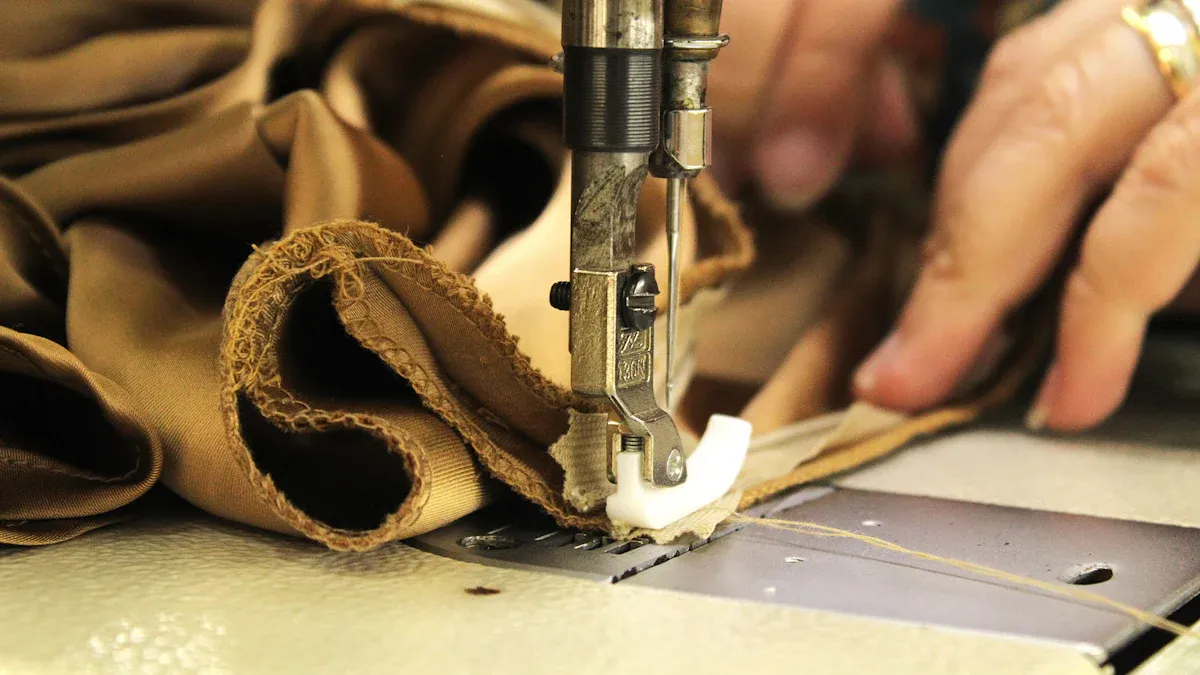
Selecting the right fabric for maintenance uniforms is essential if you want to maximize durability and maintain a professional appearance. You need uniforms that withstand daily wear, resist damage, and stay comfortable throughout long shifts. The right choices help you protect your team and get the best value from your investment.
Durable Materials
You should focus on materials that offer proven strength and long-lasting performance. Some fabrics stand out for their ability to handle tough work environments:
Polyester provides toughness, breathability, and moisture-wicking properties. This fabric works well for uniforms that need to last through repeated use and washing.
Nylon offers exceptional strength and stretch. It resists abrasion better than cotton and even outperforms polyester in many cases. You can rely on nylon for jobs that involve frequent movement or contact with rough surfaces.
When you choose these materials, you increase the durability of your uniforms and reduce replacement costs. High-quality fabrics also help your team stay comfortable and focused on their tasks.
Reinforced Stitching
Stitching plays a major role in how long your uniforms last. You should look for uniforms with reinforcement in high-stress areas. These spots include side seams, underarms, and the crotch, which often face the most strain during work.
Uniforms with bar tacks—tight, dense stitches—at pockets, belt loops, and seams hold up better under pressure. Double or triple needle stitching at the shoulders, seat, and knees adds extra strength. These features prevent rips and tears, even during demanding tasks.
Tip: Inspect your uniforms regularly for loose threads or worn seams. Early repairs can extend the life of your workwear and maintain its quality.
Stain and Tear Resistance
Maintenance work often exposes uniforms to spills, dirt, and sharp objects. You should select fabrics with special treatments that boost both stain and tear resistance. Performance fabric finishes improve usability and longevity, making uniforms easier to clean and harder to damage.
Teflon-coated fabrics resist water, oil, and stains. This coating keeps liquids from soaking in, so your uniforms stay cleaner and require less frequent washing. Durable press finishes help uniforms keep their shape and reduce wrinkling, which means less ironing and a neater appearance.
Fabric Treatment | Benefit |
|---|---|
Teflon Coating | Blocks stains and repels liquids |
Performance Finishes | Adds antimicrobial and stain resistance |
Durable Press Finishes | Maintains shape and reduces wrinkling |
By choosing uniforms with these advanced treatments, you ensure your team looks professional and stays protected. You also make uniform care easier, which supports both safety and quality in your workplace.
Uniform Care and Maintenance
Proper uniform care and maintenance keeps your team safe, comfortable, and looking professional. You need to follow the right steps to make sure your uniforms last and always look their best. When you focus on uniform care and maintenance, you protect your investment and support a positive workplace.
Cleaning Guidelines
You should always start with high-quality, stain-resistant uniforms. Regular cleaning is a key part of uniform care and maintenance. A set cleaning schedule helps you keep clean uniforms ready for every shift. Make sure you train your team on the best ways to clean and care for their workwear.
Gather the right chemicals and equipment for cleaning.
Read the care labels on each uniform. Different fabrics need different cleaning methods.
Sort uniforms by color and fabric to prevent fading and color bleeding.
Pre-treat stains before washing. Each type of stain may need a special treatment.
Use a suitable detergent for the fabric and soil level.
Follow the recommended water temperature on the care label.
Choose the correct washing cycle for each fabric type.
Avoid overloading the washer. This prevents damage and ensures a thorough clean.
Dry uniforms promptly to reduce wrinkles and odors.
Select the right heat level and drying time based on the care label.
Store clean uniforms in a dry, clean area to prevent mildew.
Inspect uniforms regularly for wear and tear. Make repairs as soon as you notice a problem.
Rotate uniforms to distribute wear evenly and extend their lifespan.
When you follow these cleaning guidelines, you keep clean uniforms available and maintain a high standard of uniform care and maintenance.
Longevity Tips
You can extend the life of your uniforms with a few simple practices. Uniform care and maintenance does not stop at cleaning. You need to pay attention to how you handle and store your workwear.
Use proper cleaning techniques and follow the manufacturer’s instructions.
Address minor repairs, like loose threads or small tears, right away.
Store uniforms on hangers in a clean, dry place.
Rotate uniforms so each one gets equal use.
These steps help you get the most out of your uniforms. Good uniform care and maintenance saves money and keeps your team looking sharp.
Professional Appearance
A professional look starts with clean uniforms. Uniform care and maintenance supports safety and morale. When you wear clean uniforms, you feel more confident and motivated. This leads to better performance and a stronger team spirit.
Source | Key Point |
|---|---|
Clean Uniforms | Well-fitted, clean uniforms boost employee confidence and motivation, leading to improved performance and morale. |
Arizona Uniform | Professional attire enhances feelings of confidence and capability, resulting in increased productivity and engagement. |
Prudential Uniforms | Uniforms create a sense of pride and belonging among employees, fostering a positive workplace environment. |
You set a standard for your workplace when you focus on uniform care and maintenance. Clean uniforms show that you value safety, teamwork, and professionalism. This attention to detail helps everyone feel proud to be part of your organization.
Review and Update Uniforms
Uniform needs change over time. You must review and update your maintenance uniforms regularly to keep your team safe and comfortable. This process helps you catch problems early and make improvements that matter.
Gather Ongoing Feedback
You need to know how your team feels about their uniforms. The best way to do this is by collecting feedback often. Here are some effective methods:
Conduct Satisfaction Surveys
Distribute surveys to your staff on a regular basis. Ask clear questions about fit, comfort, fabric quality, and overall satisfaction. Use both multiple-choice and open-ended questions to get honest opinions.Analyze Feedback for Program Adjustments
Review the survey results and look for patterns. If many employees mention the same issue, you know where to focus your efforts. Use this information to adjust your uniform program and solve problems quickly.Foster Continuous Employee Engagement
Create open channels for feedback. Encourage your team to share their thoughts anytime, not just during surveys. Suggest a suggestion box, regular meetings, or a digital platform for comments.
Tip: When you listen to your team, you show that you value their comfort and safety. This builds trust and improves morale.
Pilot Testing
Before you roll out new uniforms to everyone, test them with a small group. Pilot testing lets you see how the uniforms perform in real work situations. Choose a group of employees from different roles. Give them the new uniforms and ask for detailed feedback after a trial period.
During the pilot, pay attention to:
How the uniforms hold up during daily tasks
Any issues with fit, comfort, or durability
Suggestions for changes or improvements
You can use a simple table to track feedback:
Issue Noted | Number of Reports | Suggested Change |
|---|---|---|
Tight sleeves | 3 | Offer larger sizes |
Weak seams | 2 | Reinforce stitching |
Poor ventilation | 4 | Add mesh panels |
Pilot testing helps you avoid costly mistakes. You can fix problems before you invest in uniforms for the whole team.
Regular Updates
Uniforms wear out and safety standards change. You need a schedule to review and update your uniforms. Use these recommended checkpoints:
Daily Visual Checks: Inspect uniforms before each use. Look for visible defects, stains, or damage.
Weekly Inspections: Examine high-wear areas like knees, elbows, and seams. Replace or repair items as needed.
Monthly Comprehensive Evaluation: Review all uniforms for overall condition. Check that they still meet safety standards and company policies.
Note: Regular updates keep your team safe and your uniforms compliant. You also show your commitment to quality and professionalism.
By gathering feedback, testing new options, and updating uniforms on a set schedule, you create a safer and more comfortable workplace. Your team will notice the difference.
You can create a safer workplace by following these steps when choosing maintenance uniforms:
Select flexible, resilient clothing to reduce accidents.
Choose stain-resistant, easy-to-clean uniforms for cleanliness.
Prioritize comfort to boost focus and productivity.
Use bright colors for visibility in hazardous areas.
Distinguish roles with different designs.
Provide space for tools and equipment.
Invest in durable uniforms for long-term savings.
Regular uniform evaluations help you spot hazards and keep your team satisfied. When you involve employees and update uniforms, you support safety and a strong professional image. Start reviewing your uniforms today for ongoing improvement.
FAQ
What is the most important feature in a maintenance uniform?
You should focus on safety first. Choose uniforms that protect against the specific hazards in your workplace. Comfort and durability also matter because they help you work better and longer.
How often should you replace maintenance uniforms?
Inspect your uniforms regularly. Replace them when you see signs of wear, damage, or fading. Most companies review uniforms every 6 to 12 months.
Can you wash maintenance uniforms at home?
Always check the care label. Some uniforms need special cleaning to keep protective features. If allowed, use mild detergent and avoid bleach to extend the life of your uniform.
Why do some uniforms have reflective strips?
Reflective strips help others see you in low-light or high-traffic areas. You stay safer when you wear high-visibility uniforms, especially outdoors or near moving vehicles.
How do you choose the right size for a uniform?
Try on different sizes during fitting sessions. Move around to test comfort and flexibility. Ask for custom sizing if standard options do not fit well.
What should you do if your uniform gets damaged at work?
Report the damage to your supervisor right away. Stop using the uniform until you repair or replace it. Wearing damaged uniforms can put you at risk.
Are maintenance uniforms considered personal protective equipment (PPE)?
Some uniforms count as PPE if they protect you from hazards like chemicals or fire. Check your company’s safety policy and OSHA guidelines to know when uniforms qualify as PPE.
 English
 Русский
 Deutsch (Sie)
 العربية
 Español
 Français