

Best Fishing Jackets for Every Weather Condition
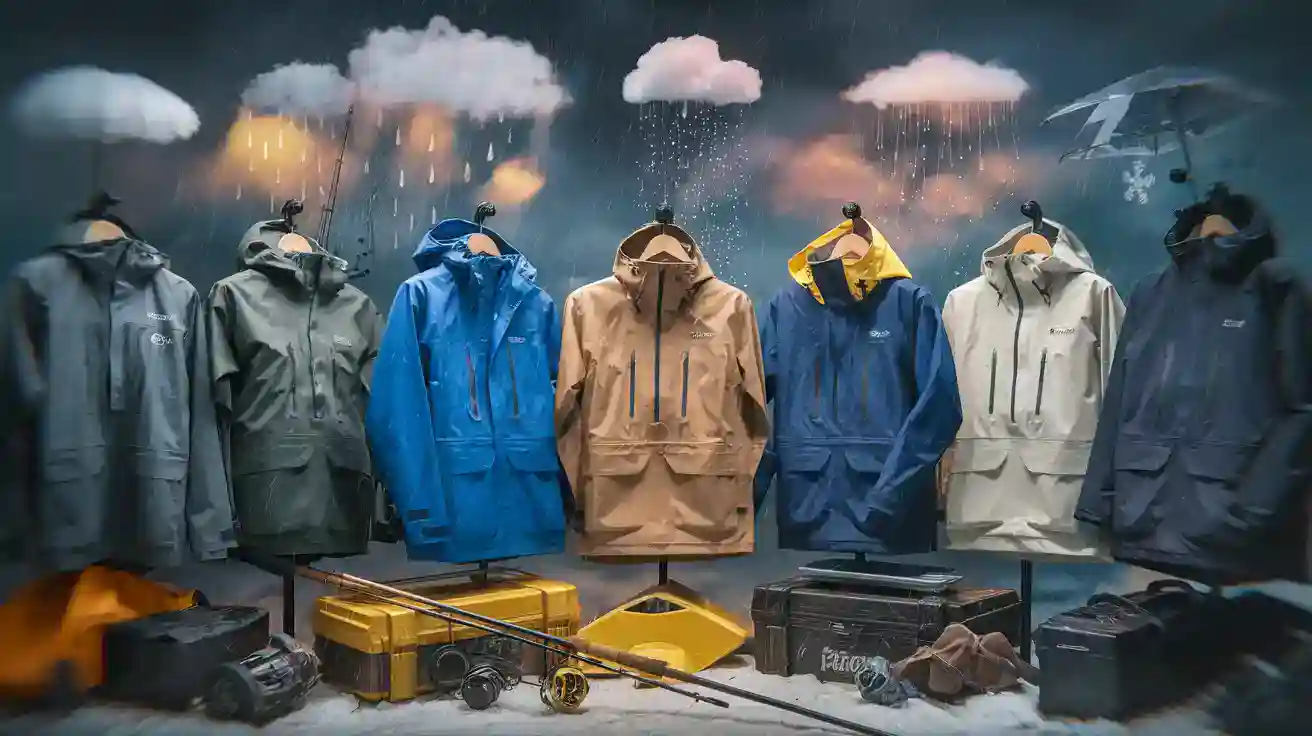
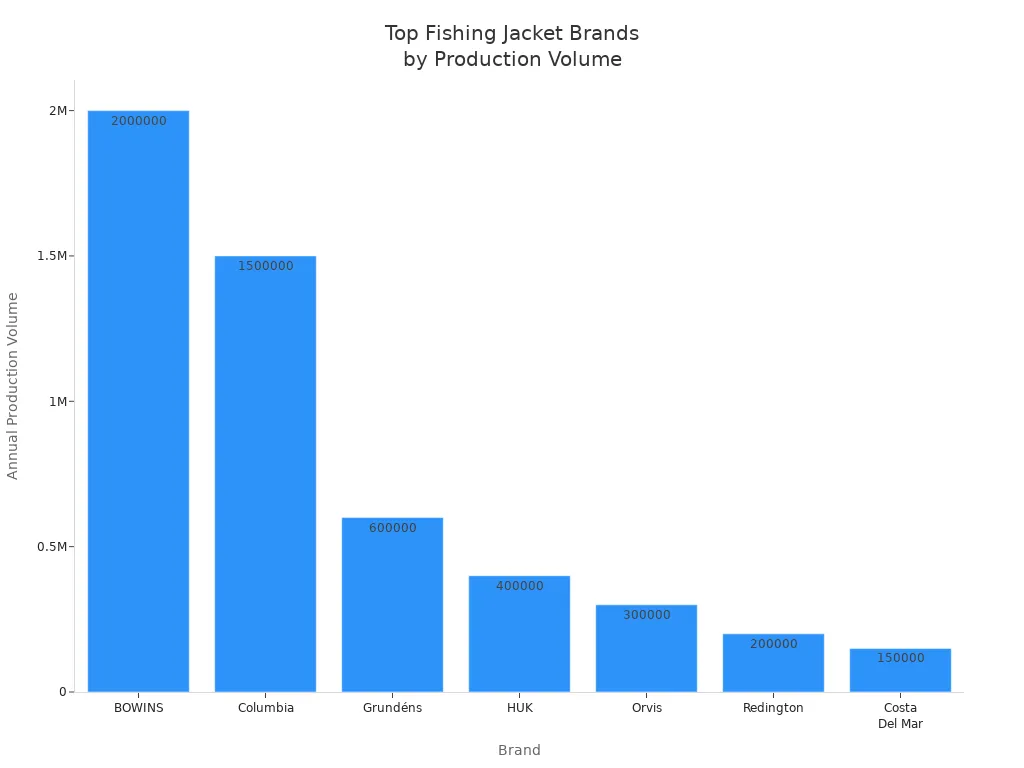
You need a fishing jacket that matches every weather condition. Simms, Grundéns, Frogg Toggs, Gill, and AFTCO stand out for quality and innovation. When you choose a fishing jacket, you boost comfort, stay safe, and improve your performance on the water. Top brands like Simms and Grundéns offer advanced waterproofing and durability, while AFTCO and Frogg Toggs deliver comfort and versatility. The chart below shows how these brands lead the market:
Key Takeaways
- Choose a fishing jacket with strong waterproofing to stay dry in rain and spray.
- Look for breathable fabrics that let sweat escape to keep you comfortable all day.
- Pick jackets with durable materials and reinforced seams for long-lasting use.
- Adjustable features like cuffs, hoods, and waistbands improve fit and protection.
- Select lightweight, packable jackets with sun protection for mild weather fishing.
- For cold weather, prefer synthetic insulation and windproof fabrics to stay warm and dry.
- Fishing rain jackets should have taped seams and ventilation to block water and manage moisture.
- Test jacket fit carefully with your fishing layers to ensure comfort and freedom of movement.
What Makes a Good Fishing Jacket
Choosing the right fishing jacket means understanding what sets the best options apart. You want a jacket that keeps you dry, moves with you, and stands up to tough conditions. Let’s break down the most important qualities.
Key Qualities
Waterproofing
You need a jacket with a reliable waterproof system. This feature keeps you dry during sudden downpours or when spray hits you on a windy day. Top brands like Grundéns use thick PVC coatings on poly/cotton blends, which deliver outstanding waterproof protection. Unlike traditional water-repellent fabrics, these jackets never “wet out,” even in harsh conditions. Grundéns jackets such as the Gage Weather Watch and Buoy X Bibs offer high waterproof ratings, ranging from 12,000 to 15,000 mm. These numbers show how well the jacket resists water under pressure, making them ideal for both recreational and commercial anglers.
| Product / Feature | Waterproof Rating (mm) | Breathability (g/m²/24h) | Weight | Durability & Performance |
|---|---|---|---|---|
| Gage Weather Watch Jacket | 15,000 | 10,000 | 1.2 lbs | High waterproofing, breathable, durable |
| Buoy X Bibs | 12,000 | N/A | 1.0 kg | Quick-dry polyester, durable for commercial use |
| Durability Improvement | N/A | N/A | N/A | 20% longer lifespan with reinforced seams |
| Weather Protection | N/A | N/A | N/A | 95% dryness in heavy rain |
Breathability
A good fishing jacket must be breathable. This quality lets sweat and moisture escape, so you stay comfortable even when you work hard or the sun comes out. Jackets with advanced materials like GORE-TEX or a DWR (Durable Water Repellency) finish balance waterproof protection with breathability. You avoid feeling clammy or overheated, which is especially important during long days on the water.
Durability
Durability matters because fishing can be rough on gear. You want a jacket that resists abrasion, stains, and fish slime. Grundéns Herkules bibs, for example, have a reputation for lasting nearly 20 years with minimal damage. Reinforced seams and tough fabrics help your jacket last through many seasons.
Tip: Look for jackets with glove-friendly zippers and deep, easily accessible pockets. These features make it easier to handle gear and keep essentials close.
Comfort and Fit
Adjustability
You need a jacket that fits well and adapts to your body. Adjustable cuffs, waistbands, and hoods help you seal out water and wind. These features also let you customize the fit for comfort and mobility. Many anglers report that adjustable hoods are especially useful for blocking wind or adding warmth. When you can tweak your jacket’s fit, you stay comfortable and focused on fishing.
Range of Motion
Casting, rowing, and moving around the boat require freedom of movement. Jackets with ergonomic designs and stretch panels support a full range of motion. Articulated sleeves and flexible fabrics prevent chafing and restriction. You can cast, reach, and handle gear without feeling held back.
Versatility
A versatile fishing jacket adapts to changing weather and fishing styles. You want lightweight, comfortable designs that work over waders or base layers. Multiple pockets, including fleece-lined ones, add warmth and storage. Some jackets offer insulation for cold days, while others focus on ventilation for warm weather. Brand reputation and price also play a role, but the best jackets combine protection, comfort, and function.
Key features anglers look for in fishing jackets:
- Waterproofing, windproofing, and breathability
- Durability and abrasion resistance
- Comfort and flexibility for casting
- Ample, accessible pockets for gear
- Adjustable hoods, cuffs, and waistbands
- Advanced materials like GORE-TEX or DWR
- Insulation for cold weather
- Lightweight design for layering
When you choose a jacket with these qualities, you stay dry, comfortable, and ready for any fishing adventure.
Mild Weather Jackets
When you fish in mild weather, you want a jacket that feels light and keeps you comfortable. You do not need heavy insulation or bulky layers. Instead, you should look for fishing jackets that offer breathability, quick-dry fabrics, and sun protection. These features help you stay cool and dry, even when the sun shines or a light breeze picks up.
Lightweight Jackets
Lightweight fishing jackets work best for warm spring mornings, summer afternoons, or early fall trips. You can move easily and pack them without taking up much space. Many anglers prefer jackets that fit over base layers or waders. You get flexibility and comfort without overheating.
Packable Options
Packable jackets make your fishing trips easier. You can fold them into a small pouch or stuff them into your backpack. This feature helps when the weather changes quickly. You stay prepared without carrying extra weight. The Frogg Toggs Ultra-Lite Jacket stands out for its minimalistic design and waterproof protection. The Patagonia Swiftcurrent Wading Jacket also packs down small and uses recycled nylon for durability.
Here is a comparison of top-rated lightweight jackets for mild weather:
| Jacket Name | Key Features & Suitability for Mild Weather |
|---|---|
| Skwala RS Jacket | High build quality, light, packable, fits over layers, wind-cutting, well-articulated for movement. Ideal for mild weather due to breathability and design. |
| Orvis Clearwater Wading Jacket | Very breathable, multiple pockets, rear D-ring for net attachment, three-layer nylon shell for dryness and breathability, budget-friendly. Suitable for mild weather. |
| Frogg Toggs Ultra-Lite Jacket | Extremely lightweight, very affordable, completely waterproof, minimalistic design focused on keeping dry, good for mild conditions. |
| Patagonia Swiftcurrent Wading Jacket | Made from recycled nylon, snag-free design, low-profile pockets, fully waterproof, very light (~22 oz), easy to pack. Great for mild weather fishing. |
Sun Protection
You need sun protection when you spend hours on the water. Many fishing jackets use UPF-rated fabrics like polyester and nylon. These materials block harmful rays and help prevent sunburn. UPF 50+ rated jackets shield your skin and reduce long-term damage. Quick-dry fabrics also help maintain UV protection, since wetness can lower the effectiveness of sun-blocking materials.
Mild Weather Features
You should look for features that keep you comfortable and safe. Quick-dry fabrics wick moisture away and dry fast. You avoid feeling damp or chilled after a splash or light rain. Ventilation panels and looser cuts improve airflow, so you do not overheat. Jackets like the Grundens Tourney and AFTCO Barricade offer excellent breathability and UV protection.
- Quick-dry fabrics wick moisture away and dry rapidly, preventing discomfort and chill from wetness.
- UV protection, especially UPF 50+ rated clothing, shields from harmful sun rays, reducing sunburn and long-term skin damage.
- Lightweight, breathable materials with these features enhance comfort and performance by maintaining dryness, sun safety, and mobility.
- Quick-drying fabrics help maintain UV protection effectiveness since wetness can reduce UPF ratings.
- These combined features make fishing jackets suitable for mild weather by balancing protection, comfort, and performance.
Tip: Choose a fishing jacket with adjustable cuffs and a hood. You can block wind or sun when conditions change.
You get the most out of your fishing trips when you pick a jacket designed for mild weather. You stay dry, cool, and protected from the sun. You also enjoy freedom of movement and easy packing.
Fishing Jackets for Rain
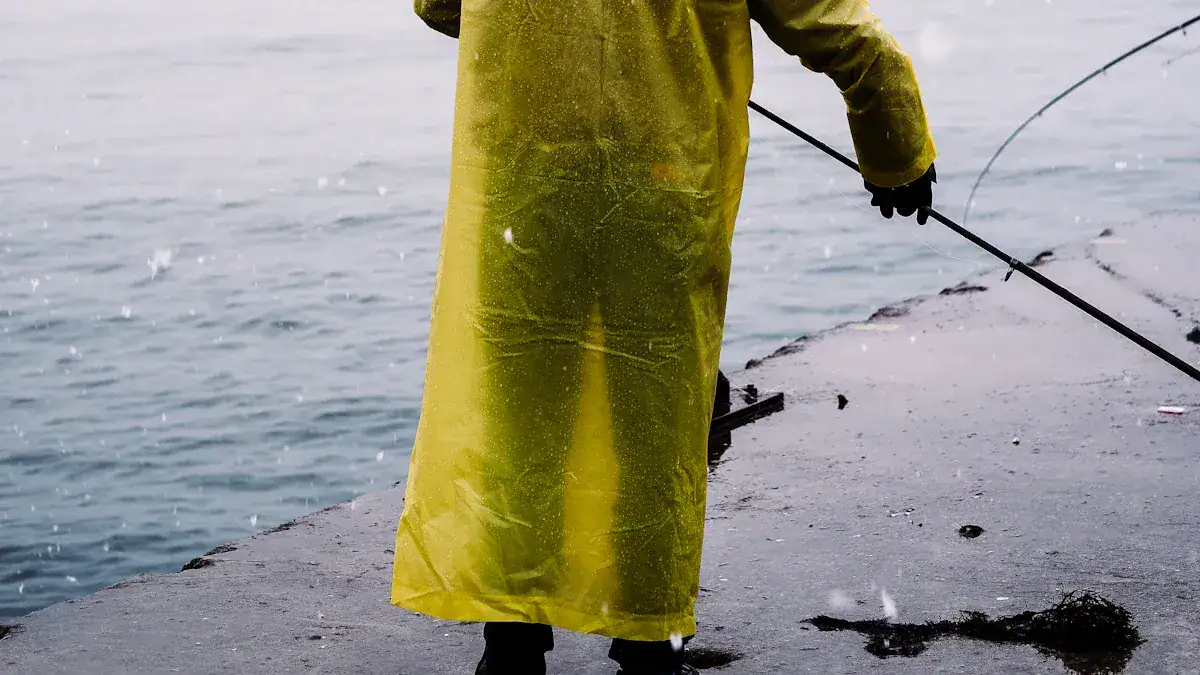
Rain can turn a fishing trip into a challenge. You need fishing rain gear that keeps you dry, comfortable, and focused. Top brands like Simms, Frogg Toggs, and AFTCO Barricade offer reliable solutions for wet conditions. Let’s explore what makes these fishing jackets stand out for rain protection.
Waterproof Jackets
You want a fishing jacket that blocks out rain and keeps you dry. Simms ProDry and AFTCO Barricade lead the way with advanced waterproof materials. Frogg Toggs Pilot II delivers dependable performance at a lower price. These jackets use high-tech fabrics and smart design features to keep water out.
| Jacket Model | Waterproof Rating | Waterproof Material & Features |
|---|---|---|
| Simms ProDry | 20,000 mm | Three-layer Gore-Tex, windproof, DWR finish |
| AFTCO Barricade | 20,000 mm (20K) | 4-layer Japanese fabric, DWR finish |
| Frogg Toggs Pilot II | Confirmed waterproof | Waterproof and breathable, budget-friendly |
You get maximum rain protection with Simms ProDry and AFTCO Barricade. Both use materials rated at 20,000 mm, which means they resist heavy rain and wind. Frogg Toggs Pilot II does not list a numeric rating, but anglers trust it for completely waterproof performance at a lower cost.
Taped Seams
Taped seams play a key role in keeping you dry. Manufacturers seal the stitching lines with waterproof tape, so water cannot seep through. You stay protected even during heavy rain. Here’s how taped seams help:
- Taped seams seal stitching lines to prevent water penetration.
- Fully taped seams provide added water resistance by sealing every seam.
- These features enhance overall waterproof performance and user comfort in wet conditions.
You should look for fishing rain gear with fully taped seams. This detail makes a big difference when you face steady rain or splashes.
Adjustable Hoods
Adjustable hoods help you customize your fit and block out rain. You can cinch the hood tight or loosen it with one hand. Many hoods include visors and vertical adjustment straps for better coverage. Some designs even fit over helmets for extra protection. Key benefits include:
- Adjustable hoods allow you to fit the hood snugly around your head and face.
- Two-way adjustable or cinchable hoods improve coverage and comfort.
- Extended lower backs and waist drawstrings add protection from rain.
You stay dry and comfortable when your hood fits well and shields your face from rain.
Breathable Rain Gear
You need fishing rain gear that lets sweat escape while keeping rain out. Breathability matters because you move and work hard while fishing. Jackets with breathable membranes and ventilation features help you avoid overheating.
Popular fishing rain gear often has breathability ratings around 5,000g/m²/24h. This score means moisture can escape, so you stay comfortable during active fishing. Simms uses GORE-TEX technology, which manages moisture and keeps you dry. Brands like Huk add ventilation zippers and reinforced panels for extra comfort.
Ventilation
Ventilation features help you regulate temperature and stay dry inside your jacket. You find underarm zippers, mesh panels, and adjustable cuffs in many fishing jackets. These details let air flow and prevent heat buildup. You stay cool and focused, even when the rain stops and the sun comes out.
Moisture-Wicking
Moisture-wicking fabrics pull sweat away from your skin and spread it across the surface for quick evaporation. You avoid feeling clammy or overheated. Quick-drying materials prevent the jacket from absorbing water, so you stay comfortable. Breathable construction lets sweat escape while blocking rain. Here’s what moisture-wicking technology does for you:
- Pulls sweat away from your body, keeping you cool and dry.
- Quick-drying capabilities reduce discomfort from sweat and wetness.
- Evaporation creates a cooling effect and regulates body temperature.
- Breathable waterproof materials maintain dryness and comfort.
You get the best results when your fishing rain gear combines moisture-wicking fabrics with waterproof protection.
Budget Options
You do not need to spend a fortune to get completely waterproof fishing rain gear. Frogg Toggs Pilot II stands out as a budget-friendly choice. You get reliable waterproof performance and breathability at a lower price. Other affordable options include Highlander Munro V2 and Outdoor Research Foray 3L.
| Jacket Name | Price (approx.) | Waterproof Rating | Breathability | Weight | Key Features & Performance Highlights |
|---|---|---|---|---|---|
| Frogg Toggs Pilot II | $90 | Confirmed waterproof | Good | Lightweight | Completely waterproof, breathable, affordable, easy to pack, glove-friendly zippers, longer back for extra coverage. |
| Highlander Munro V2 | $232 | 20,000 mm | 15,000 | 580g | Fully waterproof, excellent value, heavy, suitable for winter, long underarm zips for ventilation. |
| Outdoor Research Foray 3L | Moderate | Fully waterproof | High | Not specified | Excellent breathability, full-length side vents, soft recycled fabric, comfortable, less stiff hood. |
You get dependable rain protection with Frogg Toggs Pilot II. Many anglers praise it for being completely waterproof and easy to wear. Features like glove-friendly zippers and longer backs add comfort and coverage. Highlander Munro V2 offers high waterproof ratings and good value, while Outdoor Research Foray 3L provides better breathability and ventilation at a moderate price.
Tip: Choose fishing rain gear with PVC material for extra durability. Features like longer backs and glove-friendly zippers make your fishing experience easier and more comfortable.
You stay dry, comfortable, and ready for any weather when you pick the right waterproof fishing clothing. Whether you want premium protection or a budget option, you find fishing jackets designed for every rainy day.
Cold Weather Fishing Jackets
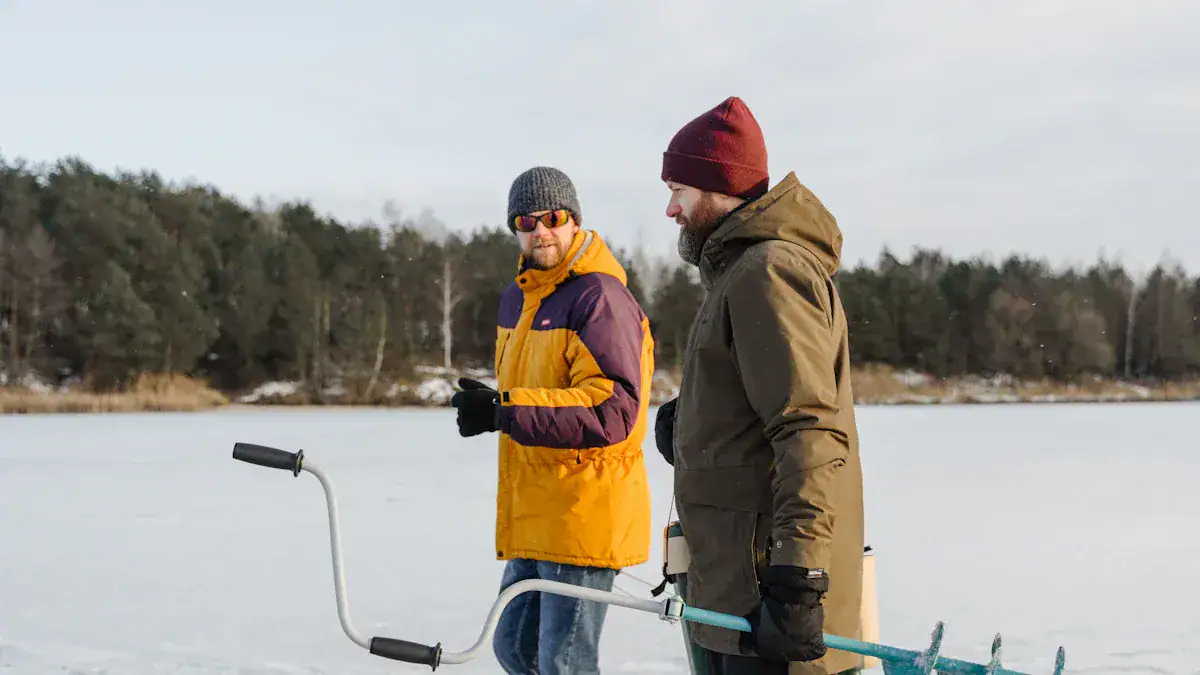
When you fish in cold weather, you need gear that keeps you warm, dry, and comfortable. The right cold weather fishing jackets combine insulation, windproofing, and smart layering systems. Top choices include the Simms Challenger Insulated, Bulkley Insulated, Gill Winter Angler, and Pelagic Cold Weather gear. These jackets help you stay focused on fishing, even when temperatures drop or the wind picks up.
Insulated Jackets
Insulated jackets trap body heat and block cold air. You want a jacket that balances warmth, moisture management, and durability. The best options use advanced materials and construction to keep you comfortable in harsh conditions.
Synthetic vs. Down
You face a choice between synthetic and down insulation. Down offers excellent warmth for its weight and packs down small. However, down loses its insulating power when wet. Synthetic insulation performs better in wet environments. It retains warmth even if it gets damp and dries faster than down. Many anglers prefer synthetic insulation for fishing because it stands up to rain, splashes, and humidity.
| Aspect | Synthetic Insulation | Down Insulation |
|---|---|---|
| Warmth when dry | Less warmth per weight, but improving with new tech | Warmer for its weight, very packable |
| Warmth when wet | Retains warmth, dries quickly | Loses loft and warmth, dries slowly |
| Moisture resistance | Maintains insulation in wet conditions | Struggles in prolonged moisture |
| Suitability for fishing | Preferred for wet, cool conditions | Less ideal for wet fishing trips |
Synthetic insulation is recommended for fishing jackets used in wet and cold environments. You get reliable warmth and moisture resistance, which is critical for long days on the water. Some brands blend Merino wool with synthetics to boost comfort, stretch, and odor resistance. Merino wool stands out for its natural heat retention and moisture-wicking properties, making it a top choice for cold weather.
Tip: Choose synthetic insulation if you expect rain, snow, or high humidity. Down works best in dry, cold climates.
Windproofing
Windproofing keeps cold air from stealing your body heat. Top jackets use waterproof and breathable fabrics like Gore-Tex or Toray. These materials block wind and water while letting sweat escape. Fully taped seams prevent wind and moisture from sneaking in through stitching. Polyurethane-coated nylon shells, like those in the Grundéns Dark and Stormy Jacket, offer strong wind resistance and waterproofing. Neoprene cuffs seal your wrists, blocking up to 95% of wind and water entry. Adjustable hems and cuffs let you fine-tune the fit for maximum protection.
| Windproof Feature | Benefit | Example Product |
|---|---|---|
| Gore-Tex/Toray fabrics | Blocks wind and water, breathes well | Simms Challenger Insulated |
| Fully taped seams | Stops wind and water at seams | Gill Winter Angler |
| Polyurethane-coated nylon shell | Superior wind and water resistance | Grundéns Dark and Stormy |
| Neoprene cuffs | Seals wrists, prevents wind entry | Grundéns Dark and Stormy |
| Adjustable fit features | Customizes protection and comfort | Striker Ice Climate Jacket |
You stay warmer and more comfortable when your jacket blocks wind and keeps heat close to your body.
Layering Systems
Layering lets you adapt to changing weather and activity levels. A good system uses base layers, mid-layers, and outer shells to manage warmth and moisture.
Removable Liners
Some cold weather jackets include removable liners. These liners add insulation for extra warmth but can be taken out when temperatures rise. For example, the Striker Ice Climate Jacket features a Thermadex liner that increases warmth without bulk. You can wear the liner alone on milder days, making your jacket more versatile. Removable liners let you customize your insulation level, so you stay comfortable in a wide range of conditions.
- Removable liners provide adjustable warmth.
- You can wear the liner separately for mild weather.
- The system adds versatility and reduces bulk.
Base Layers
Base layers sit next to your skin and manage moisture. They wick sweat away, keeping you dry and comfortable. Merino wool base layers excel at this job. They create a microclimate that helps regulate your body temperature and prevent chilling. Base layers also reduce the shock of cold fabric touching your skin. When you combine a moisture-wicking base layer with an insulated jacket, you get a system that keeps you warm and dry all day.
- Base layers wick sweat and prevent chilling.
- They regulate temperature and improve comfort.
- Merino wool offers natural odor resistance and heat retention.
Note: Proper layering allows you to add or remove pieces as needed. You can adapt to changing weather and activity levels, maintaining comfort and mobility.
Heated Jackets
Heated jackets take warmth to the next level. These jackets use battery-powered heating elements to deliver heat directly to your core. Top models like the Venture Heat Men’s MAX 26W Heated Down Jacket and the Ororo Men’s Soft Shell Heated Jacket feature multiple heat zones and long battery life. The iHood Heated Soft Shell Jacket stands out for its waterproofing and six heat zones, making it ideal for wet, cold fishing trips.
| Heated Jacket Model | Heat Zones | Insulation Type | Waterproofing | Performance in Extreme Cold |
|---|---|---|---|---|
| Venture Heat MAX 26W | 4 | Down | Yes | Warmth at -15°F |
| Ororo Men’s Soft Shell | 3 | Synthetic | Yes | Reliable in snow, long battery life |
| iHood Heated Soft Shell | 6 | Synthetic | Yes | Tested in rainstorms, stays warm |
Advanced heated jackets use technologies like Termovent® for moisture management and Graphene linings for even heat distribution. Matrix® insulation provides lightweight warmth, keeping you comfortable down to -20°C (-4°F). Waterproofing features like DWR treatments and seam sealing ensure you stay dry, even in extreme cold.
Callout: Heated jackets are perfect for anglers who fish in freezing temperatures or stay out for long hours. You get consistent warmth and protection, even when the weather turns harsh.
When you choose a cold weather fishing jacket, look for insulation, windproofing, and a flexible layering system. Top models like the Simms Challenger Insulated, Bulkley Insulated, Gill Winter Angler, and Pelagic Cold Weather gear keep you warm, dry, and ready for any winter fishing adventure. You can also consider a cool weather rain suit that is insulated for added warmth, giving you the best protection against cold, wind, and wet conditions.
Extreme Weather Gear
Fishing in extreme weather demands gear that goes beyond standard protection. You need jackets that handle both freezing cold and scorching heat. Top choices like the Barricade Elite, Simms Bulkley, and specialized spray jackets give you the confidence to fish in any condition.
Storm Protection
Heavy-Duty Waterproofing
When storms hit, you want a jacket that keeps every drop out. Heavy-duty waterproofing uses thick materials, such as 650 gsm PVC, to create a strong barrier against water and wind. This level of protection ensures you stay warm and dry, even during the harshest downpours. Jackets like the Barricade Elite and Simms Bulkley feature high waterproof ratings, often between 10,000 and 20,000 mm, so you can trust them in relentless rain or icy spray. These jackets form the core of any all-weather suit, giving you reliable coverage when you need it most.
Reinforced Seams
Storm-ready jackets use reinforced seams to stop leaks before they start. Double welded or fully taped seams seal off vulnerable areas, preventing water from sneaking in. This construction also boosts durability, helping your jacket resist tearing and wear over time. You get a longer-lasting jacket that stands up to repeated use in tough environments.
Tip: Look for reflective tape and neon accents on your all-weather suit. These features improve visibility in low light, adding a layer of safety during storms.
Hot Weather Jackets
Maximum Breathability
Hot and humid days require a different approach. You need a jacket that is very breathable, allowing sweat and heat to escape. Lightweight fabrics and mesh panels help keep you cool. Many summer and all-weather rain suit options use advanced materials that wick moisture and dry quickly. This design prevents overheating and keeps you comfortable during long hours in the sun.
UV Protection
Sun protection is just as important as staying cool. Many top hot weather jackets offer UPF 30-plus or UPF 50 ratings, blocking harmful UV rays. Here is a quick comparison of leading options:
| Product Name | Breathability Features | UV Protection Rating | Additional Notes |
|---|---|---|---|
| Anetik Low-Pro Tech Hoody | PrimoLite mesh for ultra-breathability | UPF 30-plus | Featherlight, popular for big-game fishing |
| Poncho Ultra-Lite Shirt | Lightweight, fast-drying | UPF 50-plus | Stretch fabric, wrinkle-release, versatile |
| AFTCO Adapt Tactical Phase Change Shirt | Mesh ventilation, quick-dry material | UPF 50 | Adapts to body temp, SpeedVent hood |
| Scales Loose Lines Performance Hoodie | Laser-vented side panels | UPF 50-plus | Cooling fabric, thumbholes for extra coverage |
You protect your skin and stay cool, even under intense sun.
Convertible Jackets
You face changing weather on the water. Convertible jackets adapt to these shifts with smart features. Many models transform from a compact carry bag to a waterproof jacket or even a full body suit. You get protection from wind and rain, plus the ability to retain body heat when temperatures drop. Features like rubberized zippers, taped seams, and adjustable hoods seal out the elements. Fleece-lined hand-warmer pockets and elastic bottoms add comfort and flexibility.
- Convertible jackets often include removable insulation layers for warmth.
- Adjustable ventilation systems let you release heat during activity.
- Modular layering systems allow you to add or remove pieces as the weather changes.
- These jackets work well as part of an all-weather suit, giving you year-round versatility.
You stay ready for anything, from freezing mornings to hot afternoons, with a jacket that adapts as quickly as the weather.
Choosing a Fishing Jacket
Assessing Weather
You need to start by understanding the weather conditions you will face while fishing. Weather can change quickly, so preparing for different scenarios helps you stay comfortable and safe. Consider these important factors:
- Think about the type of weather you expect: rain, wind, or cold.
- Choose a jacket with waterproofing for heavy rain or splashes.
- Look for breathability in base and mid-layers to manage sweat and moisture.
- Insulation in your jacket helps you stay warm during cold or windy days.
- Make sure your jacket allows free movement and does not restrict your casting.
- Quiet materials help you avoid spooking fish with unnecessary noise.
- Use a layering system: a moisture-wicking base layer, an insulating mid-layer, and a protective outer shell.
- The outer shell should fit comfortably over other layers and shield you from rain and waves.
- Regional climate matters. If you fish in areas with frequent rain, you need higher waterproof ratings. In milder climates, lighter and more adjustable jackets work well.
By thinking ahead and choosing the right gear, you can handle unpredictable weather and enjoy your time on the water.
Matching Features
You should match your jacket’s features to your fishing style and environment. Fly fishing, for example, often requires advanced technical features. Breathability, heat and moisture management, and strong water- and wind-proofing help you stay comfortable during long hours in changing weather. Jackets from brands like Simms, Patagonia, and Filson offer options for different needs. If you fish in cold weather, look for jackets that support layering and provide insulation. For wet conditions, prioritize waterproofing and taped seams. If you wade in rivers, flexibility and freedom of movement become essential. The best wading jacket for you will combine these features, letting you adapt to your fishing environment and stay protected. When you align your jacket’s features with your fishing style, you improve both comfort and performance.
Budget and Quality
You should balance your budget with the quality and durability you need. High-quality fishing jackets usually cost more, but they offer better materials and construction. For example, a heavy-duty jacket like the Stormline Crew 255 PVC Fishing Rain Jacket costs around $160. It uses thick, abrasion-resistant PVC and features like double welded seams, a strong zipper, and an adjustable hood. Premium jackets from Simms or AFTCO use multi-layer breathable fabrics and angler-specific designs. These jackets last longer and perform better in harsh conditions. Budget options, such as Frogg Toggs, provide reliable water resistance and breathability at a lower price. However, they may not last as long under tough use. If you fish often or in rough weather, investing in a higher-quality jacket pays off over time. If you fish occasionally or in mild conditions, a budget jacket may meet your needs. Always consider how often you fish and the environments you face when deciding on the best wading jacket for you.
Fit and Testing
Finding the right fit for your fishing jacket makes a big difference in comfort and safety. You want a jacket that feels good, moves with you, and stays secure during all your activities. Many anglers overlook fit, but it can affect your performance and willingness to wear the jacket on every trip.
You should start by checking the manufacturer’s sizing chart. Most brands base sizing on chest measurements or weight. This step helps you avoid jackets that are too loose or too tight. Position the jacket midway around your torso, then fasten the bottom buckle and zip the front zipper. Buckle any additional torso straps from the bottom up, tightening each one as you go. Adjust the shoulder straps last for a snug fit.
Testing the fit is just as important as choosing the right size. Try the ‘thumb test’ by placing your thumbs under the shoulder straps and pushing up. The jacket should stay in place and not ride up. If it moves, you need to tighten the straps or try a different size. You should also perform basic movements like sitting, squatting, twisting, and reaching overhead. These actions help you see if the jacket restricts your range of motion or causes discomfort.
Comfort matters most. If your jacket feels uncomfortable, you are less likely to wear it, even if it offers great protection. Look for jackets with multiple adjustment points. These features let you customize the fit, but keep in mind that more straps can make the jacket harder to put on and may snag on gear. Many anglers recommend crotch straps because they prevent the jacket from riding up in the water, which improves safety.
You should test your jacket in real conditions whenever possible. Water trials let you check flotation, freeboard, and head positioning. These tests show how well the jacket supports you and keeps your face above water. Observing these details helps you choose the best wading jacket for you, especially if you fish in deep or fast-moving water.
Here is a simple checklist for fit and testing:
- Use the sizing chart for chest or weight measurements.
- Position the jacket correctly on your torso.
- Fasten and tighten all buckles and straps.
- Perform the thumb test to check for riding up.
- Move around to test comfort and flexibility.
- Consider crotch straps for added security.
- Try water trials to assess flotation and safety.
Tip: Always try on your jacket with the layers you plan to wear while fishing. This step ensures a proper fit and helps you stay comfortable in changing weather.
Choosing the best wading jacket means paying attention to fit and testing. You improve your safety, comfort, and overall fishing experience by following these steps.
You can find the best fishing jacket by matching your needs to the weather and your fishing style. Grundens and Simms offer reliable options for harsh conditions, while Frogg Toggs and Montbell suit lighter use. Comfort, protection, and versatility matter most. Choose a jacket with breathable fabric, adjustable features, and durable materials.
| Brand/Model | Best Use | Key Feature |
|---|---|---|
| Grundens Neptune | Extreme wet conditions | 100% waterproof, affordable |
| Simms Challenger | Fly fishing | Flexible, fleece pockets |
| Frogg Toggs Ultra-Lite2 | Budget, light rain | Lightweight, packable |
Tip: Always try on your jacket with your usual layers to check fit and comfort.
FAQ
What is the best material for a fishing jacket?
You should look for jackets made from GORE-TEX, PVC, or high-quality nylon. These materials provide excellent waterproofing and breathability. They also resist wear and tear, making them ideal for fishing in different weather conditions.
How do I clean and maintain my fishing jacket?
You should always follow the care label instructions. Most jackets need gentle washing with mild detergent. Avoid fabric softeners. Hang your jacket to dry. Regular cleaning helps maintain waterproofing and extends the jacket’s lifespan.
Can I use my fishing jacket for other outdoor activities?
Yes, you can use your fishing jacket for hiking, camping, or boating. Many jackets offer versatile features like windproofing and sun protection. These qualities make them suitable for various outdoor adventures.
How do I know if my jacket is truly waterproof?
Check the waterproof rating on the label. Ratings above 10,000 mm indicate strong protection. Look for taped seams and water-resistant zippers. You can also test by spraying water on the jacket and checking for leaks.
What features should I look for in a summer fishing jacket?
Choose a lightweight jacket with high breathability and UPF sun protection. Ventilation panels and quick-dry fabrics help keep you cool. Adjustable cuffs and hoods add comfort during hot weather.
How should a fishing jacket fit?
Your jacket should allow free movement without being too loose. Try it on with your usual fishing layers. Adjust cuffs, waist, and hood for a snug fit. Move your arms to ensure the jacket does not restrict your motion.