

Airline stewardess uniforms around the world revealed
Table of Contents
Display
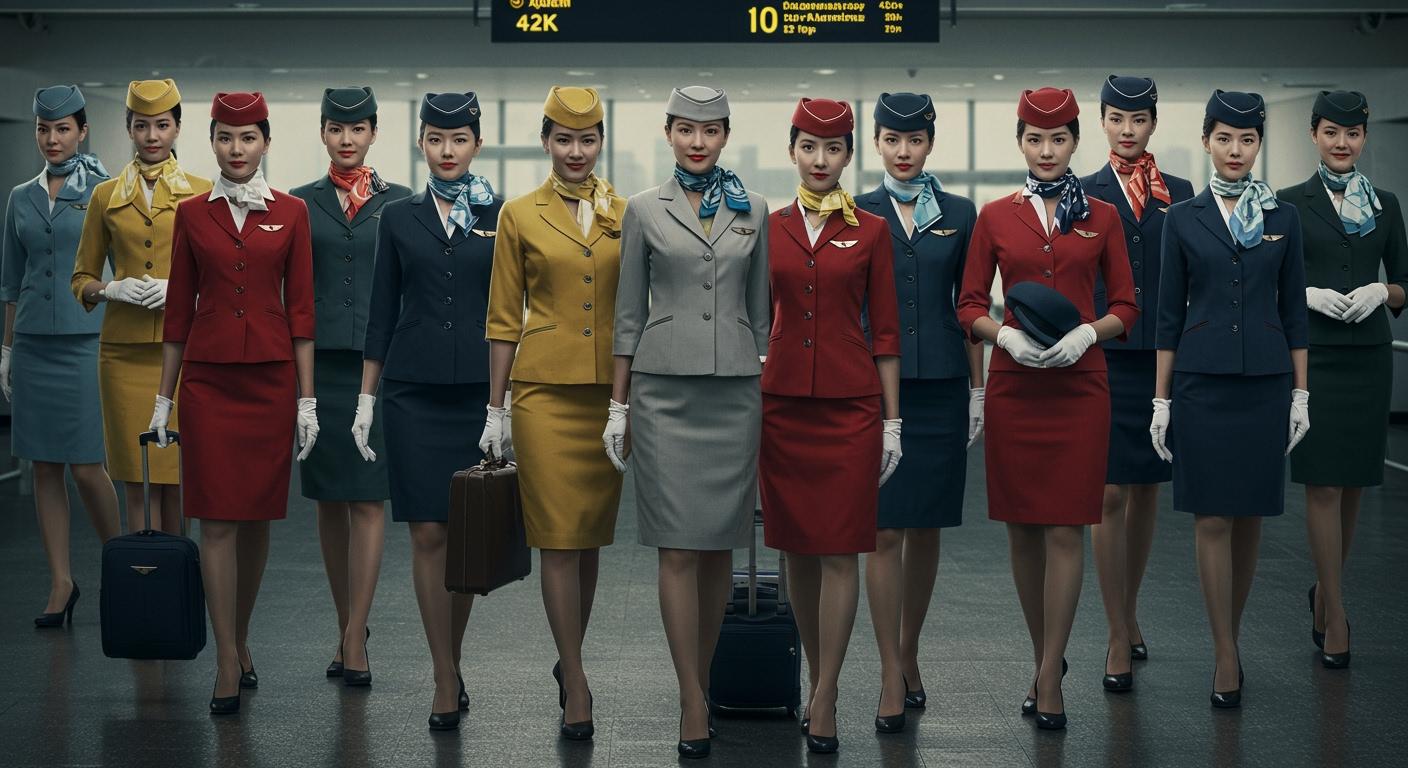
You see airline stewardess uniforms in every corner of the world, each one telling a story about local culture, fashion, and the needs of the job. Uniforms serve as both a symbol of professionalism and a reflection of identity for attendants. The variety is striking:
The collection contains 1917 uniforms
These uniforms are from 637 different airlines
Uniform design has changed over time:
In the 1940s, wartime needs shaped tailored, practical uniforms.
Airlines like Delta moved away from nurse-inspired looks.
Structured jackets and dark colors projected authority and military style.
Key Takeaways
Airline stewardess uniforms reflect local culture and identity, showcasing unique styles from around the world.
Uniform designs have evolved over decades, shifting from conservative styles to modern, comfortable, and functional attire.
Regional differences in uniforms highlight cultural pride, with Asian airlines often incorporating traditional elements and European airlines focusing on elegance.
Uniforms play a crucial role in airline branding, acting as visual representations that build trust and recognition among passengers.
Comfort and practicality are key in modern uniform design, with airlines prioritizing breathable fabrics and ergonomic styles for long shifts.
Sustainability is becoming a priority, with airlines using eco-friendly materials to reduce environmental impact.
Gender inclusivity is on the rise, allowing attendants to choose uniforms that match their identity and comfort preferences.
Future trends may include smart fabrics and continued evolution towards more inclusive and sustainable designs.
Airline Stewardess Uniforms: Global Overview
Key Differences
You notice airline stewardess uniforms vary greatly across continents. Each region brings its own style, color palette, and cultural touch. In Asia, you often see elegant dresses with traditional patterns. European airlines favor tailored suits and classic lines. North American carriers choose practical designs that focus on comfort and professionalism. African airlines sometimes blend local textiles and motifs into their uniforms, creating a vibrant look.
Uniforms have changed a lot over the decades. In the 1940s and 1950s, airlines preferred conservative styles. Attendants wore navy blue, dark green, or brown in winter, and lighter shades in summer. The 1960s and 1970s brought bold fashion. You saw hot pants, short dresses, and eye-catching prints. By 2011, airlines returned to tame, modern designs. Some attendants complained about uniforms being ‘too sexy,’ which led to more modest styles.
Uniforms do more than just look good. They help attendants feel comfortable and confident while working long hours in the air.
Here is a quick look at how styles and colors have changed over time:
Decade | Common Styles | Common Colors |
|---|---|---|
1940s-1960s | Conservative, similar designs | Navy blue, dark green, brown (winter); light blue, light green, beige (summer) |
1960s-1970s | Fashionable, hot pants, short dresses | Eye-catching prints, vibrant colors |
2011 | Tame, modern designs | Complaints about being ‘too sexy’ |
Uniforms and Airline Branding
You see that flight attendant uniforms play a key role in airline branding. Uniforms act as moving advertisements. When you board a plane, the colors, logos, and styles instantly remind you of the airline’s identity. Airlines use uniforms to build trust and create a sense of reliability.
Consistency matters. Airlines want attendants to look the same in every country. This unified image helps passengers recognize the brand and feel comfortable. Uniforms must also meet safety standards. Airlines show their commitment to quality by making sure uniforms are both stylish and safe.
Evidence Description | Explanation |
|---|---|
Uniforms serve as a constant visual representation of the airline’s brand, reinforcing brand identity and trust among passengers. | |
Importance of consistent branding | Uniforms must maintain a consistent look across all locations to ensure a unified brand image, which is crucial for passenger perception. |
Compliance with branding and safety | Ensuring that uniforms meet branding and safety standards reflects the airline’s commitment to quality and customer experience. |
Flight attendant uniforms reflect the airline’s values and goals. You can see how each airline uses uniforms to stand out in a crowded market. Attendants become ambassadors for their airline, showing off the brand every time they greet passengers.
Regional Styles

Asia
East Asia
You see East Asian airlines set a high standard for elegance and cultural pride in airline stewardess uniforms. Hainan Airlines stands out with uniforms designed by Lawrence Xu. These uniforms blend the traditional cheongsam, a classic Chinese dress, with modern elements. The print of the mythical roc bird on the fabric symbolizes flight and ambition. Attendants wear these uniforms with modern grey jackets, creating a balance between heritage and contemporary style. This approach honors Chinese culture while meeting the needs of today’s aviation industry.
Japan Airlines and Korean Air also highlight tradition in their uniforms. You notice subtle nods to national identity, such as cherry blossom motifs or hanbok-inspired lines. These details help attendants feel connected to their roots and present a welcoming image to travelers from around the world.
Southeast Asia
Southeast Asian airlines often use uniforms to celebrate local culture and hospitality. Thai Airways and Bangkok Airways provide excellent examples. Thai Airways combines Western-style suits with traditional Thai dress. Attendants may wear a silk sabai, a traditional shoulder cloth, during boarding and greeting. Bangkok Airways collaborates with high-fashion designers to create uniforms that reflect both modern style and cultural heritage. You see vibrant colors and intricate patterns that make each uniform unique.
Singapore Airlines is famous for its sarong kebaya, designed by Pierre Balmain. This uniform uses batik fabric and features patterns inspired by Southeast Asian art. The design helps attendants stand out and reinforces the airline’s reputation for exceptional service.
South Asia
In South Asia, airlines often draw inspiration from local textiles and traditional garments. Air India’s uniforms include the sari, a classic Indian dress, paired with a tailored jacket. This combination allows attendants to move comfortably while honoring Indian heritage. SriLankan Airlines uses uniforms with motifs from the national flower, the blue water lily. These details help create a sense of pride and identity for attendants.
You notice that airlines in this region focus on vibrant colors and luxurious fabrics. The uniforms reflect the warmth and hospitality that South Asian carriers want to share with their passengers.
Europe
Western Europe
Western European airlines place a strong emphasis on sophistication and comfort in flight attendant uniforms. You see elegant cuts, high-quality textiles, and individual size adjustments. Uniforms often include trouser jackets or skirt jackets paired with blouses. Airlines like Air France have a long history of working with top designers, such as Christian Dior and Christian Lacroix. These collaborations result in stylish uniforms that enhance the self-esteem of attendants.
British Airways uses tailored pinstriped suits with vibrant accents, designed by Julien MacDonald. Lufthansa’s retro-inspired uniforms, created by Strenesse, feature elegant blazers and dresses. Alitalia’s uniforms, shaped by designers like Mila Schon and Giorgio Armani, offer a military-inspired look that remains iconic. Western European airlines use uniforms to project professionalism and reinforce their brand identity.
Eastern Europe
Eastern European airlines also value elegance but often add regional flair. You may notice uniforms with bold colors and unique patterns that reflect local traditions. Airlines in this region focus on practical elements, such as stain-resistant and easy-care fabrics. These features help attendants stay comfortable and look polished during long flights.
Uniforms in Eastern Europe often include tailored jackets and skirts, with details that highlight the airline’s colors and logo. The combination of style and practicality ensures that attendants can perform their duties efficiently while representing their airline with pride.
North America
United States
In the United States, airlines prioritize comfort, durability, and brand recognition in their uniforms. Delta Air Lines, for example, uses a color palette of deep navy blues, rich burgundy, bright red, and white. These colors reflect the airline’s heritage and identity. Uniforms feature functional elements designed for breathability and comfort, which help attendants work efficiently during long shifts. The iconic widget logo appears on many pieces, symbolizing Delta’s culture and history.
Tip: When you travel with a major U.S. airline, look for the small details in the uniforms. These often tell you about the airline’s story and values.
Canada & Mexico
Canadian and Mexican airlines also focus on practicality and national identity. Air Canada’s uniforms use shades of blue and gray, inspired by the country’s landscapes. The maple leaf logo appears on scarves and pins, reminding you of Canadian pride. Aeromexico’s uniforms feature navy and red, with silver accents that reflect the airline’s modern image. Attendants wear tailored jackets and scarves with Aztec-inspired patterns, connecting the uniforms to Mexico’s rich history.
You see that North American airlines use uniforms to create a sense of unity and professionalism. The designs help attendants feel comfortable and confident while representing their airline’s brand.
Middle East
Gulf Carriers
You notice that Gulf carriers set a global standard for style and cultural representation in airline uniforms. Emirates, for example, designs its stewardess uniforms to reflect both local culture and national identity. The cream-colored suit and distinctive red hat symbolize the desert dunes of the United Arab Emirates. The cream chiffon scarf, draped elegantly, features seven pleats that represent the seven Emirates. This design approach highlights the role of cabin crew as cultural ambassadors. You see how these uniforms connect the crew to the heritage and identity of their country.
Riyadh Air introduces a modern twist to traditional style. The uniforms feature bold colors and a ’60s-inspired look. Luxurious textures, such as cashmere coats and tailored dresses, create a sophisticated silhouette. The pillbox hat, reimagined for today, blends modern Saudi elegance with classic aviation style. You recognize how Gulf carriers use uniforms to express both tradition and innovation.
Other Middle East
Other Middle Eastern airlines also incorporate cultural and religious elements into their uniforms. You might see modest cuts, long sleeves, and headscarves that respect local customs. Airlines in this region often choose colors that reflect their national flags or landscapes. For example, you may notice deep greens, rich blues, or sandy tones. These choices help attendants feel proud of their heritage while maintaining a professional appearance. Uniforms in the Middle East balance cultural respect with the demands of modern air travel.
Africa
North Africa
In North Africa, airlines design uniforms to reflect both local culture and the region’s climate. You often see traditional colors and styles that honor the heritage of countries like Egypt and Morocco. Lightweight fabrics help attendants stay comfortable in hot weather. Some airlines include elements of traditional dress, such as scarves or embroidered details, to showcase national identity. The uniforms must also adapt to cooler temperatures on certain routes, so you may notice layers or jackets as part of the ensemble.
Sub-Saharan Africa
Sub-Saharan African airlines celebrate diversity and heritage through their uniforms. You see vibrant patterns and bold colors inspired by local textiles. The uniforms are practical, using materials that suit both tropical and cooler climates. Some airlines allow attendants to wear traditional African outfits during service, which highlights cultural pride.
Vivajets has received recognition for its cabin crew uniform design that emphasizes African heritage.
The uniform was showcased at Lagos Fashion Week 2024.
Renowned Ivorian designer Loza Maléombho created the design.
You observe that African airlines use uniforms to tell a story about their people and environment. The focus on comfort and adaptability ensures that attendants can perform their duties in any condition.
Oceania
Australia & New Zealand
You find that airlines in Australia and New Zealand lead the way in promoting inclusivity and comfort. Qantas, for example, has relaxed its gender-specific uniform rules. Female attendants no longer have to wear heels, and male attendants may wear makeup if they choose.
Qantas has announced its plans to relax gender-specific uniforms, allowing females not to wear heels and permitting males to wear makeup. This shift reflects a broader trend towards equitable appearances that align with personal preferences, contrasting with more traditional uniform policies seen in other regions.
This approach sets Oceania apart from other regions, where traditional uniform policies remain common. The focus on personal choice and comfort helps attendants feel confident and respected.
Pacific Islands
Airlines in the Pacific Islands use uniforms to celebrate indigenous culture and natural beauty. Hawaiian Airlines stands out for its commitment to local tradition.
Hawaiian Airlines incorporates indigenous Hawaiian elements in their flight attendant uniforms.
The 1992 uniform was inspired by traditional Hawaiian quilts, featuring indigenous plants and flowers.
The 2009 uniform included designs by local designer Emma Howard, showcasing Native Hawaiian-inspired elements.
The current 2016 uniform, designed by Sig Zane, features the Kū Mākou print with cultural symbols like ‘ohe kapala and lehua blossoms.
You see how these uniforms evolve to reflect the airline’s identity and the spirit of the islands. The use of local motifs and fabrics connects attendants to their heritage and creates a welcoming atmosphere for travelers.
Influences on Flight Attendant Uniforms
Cultural Impact
You see that culture shapes flight attendant uniforms in many ways. When airlines first introduced uniforms, they often reflected the values of the time. Early flight attendants wore outfits that looked like nurse uniforms. This choice showed a focus on safety and care, which matched what society expected from attendants. After World War II, airlines added military-inspired features to uniforms. This change reflected the influence of history and the importance of discipline and order.
As society changed in the 1960s, so did uniforms. Airlines began to use more fashionable and expressive designs. Designers created bold looks that matched the spirit of the era. You notice that some airlines, like Singapore Airlines, use uniforms that highlight local identity. The sarong kebaya, for example, connects attendants to Southeast Asian tradition and art. Airlines also face challenges when balancing cultural expectations with modern ideas. The debate over skirt policies for male and female attendants shows how uniforms must adapt to new views on gender roles.
Early uniforms emphasized nursing backgrounds, showing care and safety.
Post-war designs added military elements, reflecting discipline.
The 1960s brought expressive styles, influenced by cultural movements.
Airlines like Singapore Airlines use traditional garments to show local pride.
Uniform policies often change as society debates gender and cultural norms.
Uniforms do more than cover the body. They tell a story about where you come from and what your airline values.
Branding & Corporate Image
You notice that airlines use uniforms as a key part of their brand. The colors, fabrics, and logos all work together to create a strong image. When you see a flight attendant, you often recognize the airline right away because of these design choices. Airlines want you to feel a certain way when you see their uniforms. Some use luxury fabrics and elegant cuts to show that they offer a premium experience. Others choose modern, simple designs to appeal to a wider audience.
Uniforms help create a professional look for attendants. This appearance builds trust and makes passengers feel safe. Airlines also use color to influence how you feel. For example, Delta uses deep navy blues and rich burgundy to reflect its heritage. The famous widget logo appears on many parts of the uniform, reminding you of the airline’s story. Accent colors can also show different work groups, such as bold red for flight attendants and midnight blue for other staff.
Uniforms reflect the airline’s brand through design, color, and fabric.
The look of the uniform can suggest luxury or modernity.
Passengers often judge the airline based on the appearance of attendants.
Color choices affect emotions and reinforce brand identity.
Logos and accent colors help you identify the airline and the role of each crew member.
Airline | Signature Colors | Logo Placement | Style Focus |
|---|---|---|---|
Delta | Navy, Burgundy, Red | Widget on lapel | Heritage, Modernity |
Singapore Air | Blue, Gold | Batik motif | Tradition, Elegance |
Emirates | Cream, Red | Hat, Scarf | Luxury, Culture |
Climate & Practicality
You find that climate and practical needs play a big role in uniform design. Airlines select fabrics that help attendants stay comfortable during long flights. In warm climates, natural fibers like cotton and wool allow the skin to breathe. These materials help keep attendants cool and dry. In colder regions, airlines may choose thicker fabrics or add layers to protect against the cold. Synthetic materials like polyester are popular because they last a long time and are easy to clean.
Modern uniforms often use advanced fabrics that wick away moisture and regulate temperature. This technology helps attendants feel fresh and ready to work, even on long-haul flights. Airlines also consider the need for movement and safety. Uniforms must allow attendants to move quickly and perform their duties without restriction.
Many airlines now use materials that adjust to temperature changes, making sure attendants stay comfortable in any weather.
You see that uniforms sometimes change for extreme climates. For example, airlines flying to arctic regions may provide extra layers or insulated jackets. In tropical areas, uniforms use lightweight fabrics and short sleeves to keep attendants cool.
Airlines choose breathable fabrics for hot climates.
Thicker materials and layers protect against cold.
Advanced textiles help regulate body temperature.
Uniforms must be easy to care for and durable.
Practical design ensures safety and comfort for attendants.
Regulations & Safety
You see that safety and regulations shape every detail of airline stewardess uniforms. International organizations set strict standards to protect crew and passengers. Airlines must follow rules from bodies like ICAO, FAA, and EASA. These groups expect uniforms to support safety, allow quick movement, and never block access to emergency equipment.
| Regulatory Body — Influence on Uniform Design | | ICAO — Broad safety expectations influencing design elements for crew uniforms, particularly for safety and professionalism. | | FAA — Mandates that uniforms do not interfere with crew duties or safety equipment access, requiring flame-resistant materials for certain roles. | | EASA — Expects uniforms to support operational safety, including fire protection and ease of movement, ensuring non-obstruction of emergency equipment. |
You notice that airlines balance safety requirements with style in creative ways. Uniforms must look professional and represent the brand, but they also need to keep you safe. Designers use flame-resistant fabrics, add reflective strips, and make sure pockets and seams do not get in the way. Airlines choose materials that allow you to move freely and stay comfortable during emergencies.
Cabin crew uniforms serve as a visual representation of an airline’s brand, emphasizing brand identity.
Functionality is prioritized, with uniforms designed for comfort and ease of movement, incorporating safety features like reflective materials.
The passenger experience is enhanced by stylish and well-groomed crew members, contributing to overall satisfaction.
You see how different airlines approach this balance:
Singapore Airlines uses breathable fabrics that combine tradition with safety.
Emirates selects flame-resistant materials while keeping an elegant look.
Delta Air Lines features durable, water-resistant fabrics with practical pockets.
Technology continues to improve uniform safety. Smart fabrics now monitor health metrics, helping crew members stay safe and alert. Some uniforms include built-in communication devices, allowing hands-free contact with other crew members. These innovations make your job easier and help you respond quickly in emergencies.
Uniforms must meet strict safety standards, but they also show the airline’s commitment to style and comfort. You wear a uniform that protects you and helps you perform your duties with confidence.
Iconic Flight Attendant Uniforms
Asian Icons
You discover that Asian airlines set global standards for memorable flight attendant uniforms. These uniforms often blend tradition with innovation, creating looks that stay in your mind long after your flight. Many airlines in Asia use local fabrics, colors, and patterns to express national pride and hospitality.
Hong Kong Airlines chooses skirts for women, focusing on comfort and style. You notice how the design allows attendants to move easily while maintaining a polished look.
Air India gives women a choice between yellow saris and kurtas or a formal black ensemble. This flexibility lets attendants showcase Indian heritage while staying professional.
Thai Airways stands out with its unique purple uniforms. Attendants wear a fresh purple flower on the lapel, adding a touch of elegance and warmth.
Singapore Airlines features the longest-serving uniform in the skies since 1968. The sarong kebaya, made from batik fabric, highlights Southeast Asian artistry and tradition.
Korean Air’s uniforms, designed by Gianfranco Ferré, include hairpins that represent traditional Korean accessories. You see how these details connect attendants to their culture.
China Airlines blends traditional Mandarin gowns with modern Western fashion. The result looks futuristic and honors both heritage and progress.
You recognize that Asian airlines use uniforms to tell stories about their countries. Each design choice reflects values, history, and a commitment to service.
Middle Eastern Styles
You notice that Middle Eastern airlines, especially Emirates, have created some of the most luxurious and recognizable uniforms in the world. These uniforms use high-quality materials and feature distinctive elements that set benchmarks in aviation. The iconic red hat and veil remain a signature part of the female uniform, while the updated design includes an a-line skirt and a single-breasted jacket with a belt. Male attendants wear a new waistcoat and updated tie, presenting a refined image.
The use of elegant hats and scarves not only adds style but also reflects cultural influences. You see how these uniforms project a premium service ethos, making passengers feel special from the moment they board. The attention to detail and commitment to luxury help Middle Eastern airlines stand out globally.
When you travel with a Middle Eastern carrier, you experience a blend of tradition and modernity through their uniforms.
European Classics
You find that European airlines have shaped the history of flight attendant uniforms with timeless designs. Airlines in this region often collaborate with famous fashion houses to create uniforms that balance elegance and practicality. You see tailored suits, crisp blouses, and classic accessories that project professionalism.
British Airways uses pinstriped suits with bold accents, designed to make attendants look sharp and confident. Air France partners with designers like Christian Lacroix to produce uniforms that combine French chic with comfort. Lufthansa’s uniforms feature retro-inspired blazers and dresses, reflecting German precision and style.
Airline | Signature Feature | Designer Collaboration |
|---|---|---|
British Airways | Pinstriped suits | Julien MacDonald |
Air France | French chic blouses | Christian Lacroix |
Lufthansa | Retro blazers | Strenesse |
You observe that European airlines use uniforms to reinforce their brand identity and create a sense of trust. The classic styles remain influential, inspiring airlines around the world.
American & Oceanic Highlights
You see that airlines in North America and Oceania have played a major role in shaping the evolution of flight attendant uniforms. These regions often lead with innovation, comfort, and a strong sense of identity. Uniforms here reflect both the spirit of adventure and the diversity of the cultures they represent.
Hawaiian Airlines stands out as a symbol of island heritage. The uniforms feature prints inspired by native Hawaiian plants and traditional quilt patterns. Designers like Sig Zane have created looks that celebrate the islands’ natural beauty. You notice that each uniform tells a story, using colors and motifs that connect you to the land and its people. Attendants wear these uniforms with pride, welcoming travelers with a sense of aloha.
Qantas, the flag carrier of Australia, has also made headlines with its approach to inclusivity and modern style. The airline allows crew members to choose uniforms that match their gender identity and personal comfort. You see options like tailored pants, skirts, and even sneakers. This flexibility helps attendants feel confident and respected. The uniforms use bold reds and deep blues, reflecting the Australian landscape and Qantas’ iconic branding.
Alaska Airlines offers a modern take on tradition. The company worked closely with designer Luly Yang, who listened to employees through focus groups and surveys. You find practical features like deeper pockets and longer shirts, which make daily tasks easier for attendants. The new uniforms blend heritage with a fresh look, showing how employee feedback can shape design.
Luly Yang gathered input from flight attendants to improve comfort and functionality.
Uniforms now include deeper pockets and longer shirts for practical use.
The design honors Alaska Airlines’ heritage and employee pride.
American Airlines has a long history of adapting its uniforms to changing times. In the 1970s, the airline introduced flowered smocks and moved away from strict, tailored suits. This shift reflected broader fashion trends and a desire to stand out against competitors like Braniff, which used bold marketing and colorful uniforms. You see how American Airlines invested in updating its look to enhance its brand image and keep up with the evolving industry.
American Airlines updated uniforms in response to competition and fashion trends.
The 1970s saw a move from tailored suits to more fashionable, expressive designs.
Uniform changes helped strengthen the airline’s brand and appeal.
Uniforms in America and Oceania do more than provide a dress code. They express the airline’s values, adapt to employee needs, and reflect the changing world of aviation.
You can compare these airlines in the table below:
Airline | Signature Features | Unique Approach |
|---|---|---|
Hawaiian Airlines | Indigenous prints, local motifs | Celebrates island heritage |
Qantas | Gender-inclusive options, sneakers | Focuses on comfort and choice |
Alaska Airlines | Practical design, employee input | Blends tradition and function |
American Airlines | Fashion-forward, brand evolution | Adapts to trends and rivals |
You see that American and Oceanic airlines continue to set trends in uniform design. They balance tradition with innovation, always keeping the needs of both crew and passengers in mind.
Flight Attendant Fashion Trends
Comfort & Functionality
You see a major shift in flight attendant fashion as airlines focus on comfort and practicality. Today, airlines want you to feel at ease during long flights. Designers now create uniforms that support your body and help you move freely. Many airlines use ergonomic designs that reduce fatigue and allow for natural movement. High-performance fabrics have become popular because they stretch and breathe, keeping you comfortable throughout your shift.
You notice that footwear has changed, too. Airlines like Emirates and KLM now offer more choices beyond traditional heels. You can choose sneakers or other supportive shoes, which makes a big difference when you spend hours on your feet. This change helps attendants avoid discomfort and injuries.
Ergonomic designs enhance comfort and support.
High-performance fabrics allow for stretch and breathability.
Airlines now offer sneakers and other comfortable footwear options.
Uniforms support movement and reduce fatigue during long shifts.
Functionality matters just as much as comfort. Uniforms must help you perform your duties efficiently. You need pockets in the right places, easy-to-care-for materials, and silhouettes that do not restrict your movement. Airlines understand that attendants work in many environments, so they design uniforms to adapt to different temperatures and tasks.
Sustainability
You see another important trend in flight attendant fashion: sustainability. Airlines now care about the impact of uniforms on the environment. Many companies use eco-friendly materials like Piñatex, recycled hemp, and rubber made from ocean waste. These fabrics help reduce pollution and save resources.
Sustainable fabrics such as Piñatex and recycled hemp lower environmental impact.
Ocean-recycled rubber gives new life to waste materials.
All fabrics meet Oeko-Tex® Standard 100, which means they are free from harmful substances.
Uniforms are produced by suppliers who focus on reducing carbon footprints and support the circular economy.
You notice that airlines also choose partners who share their values. Many uniforms are now made in factories that use less energy and recycle more materials. This approach helps protect the planet while keeping attendants looking professional.
Designer Collaborations
You find that designer collaborations have become a highlight in flight attendant fashion. Airlines often team up with famous designers to create stylish and functional uniforms. These partnerships bring fresh ideas and modern looks to the industry. Designers use their skills to blend tradition with innovation, making sure uniforms reflect the airline’s brand and culture.
For example, you might see uniforms designed by Christian Lacroix for Air France or Vivienne Westwood for Virgin Atlantic. These collaborations often introduce new fabrics, bold colors, and unique details. You benefit from uniforms that look good and feel comfortable. Designer input also helps airlines move away from outdated styles and focus on what attendants need most.
When airlines work with top designers, you get uniforms that combine fashion, comfort, and practicality. This trend shows how flight attendant fashion continues to evolve with the times.
Gender Inclusivity
You see a growing movement toward gender inclusivity in flight attendant uniforms. Airlines now recognize that crew members come from diverse backgrounds and identities. Uniform policies have started to reflect this understanding. You notice that more airlines allow attendants to choose uniforms that match their gender identity or personal comfort.
Many airlines have updated their dress codes. Qantas, for example, lets you select from a range of uniform pieces, regardless of gender. You can wear pants, skirts, or dresses based on your preference. The airline also removed requirements for women to wear makeup or high heels. Virgin Atlantic introduced a similar policy. You can choose between “red” or “burgundy” uniforms, which are not tied to gender. This approach helps you feel respected and valued at work.
Airlines that support gender inclusivity create a more welcoming environment for both staff and passengers.
You see other airlines following this trend. Alaska Airlines updated its guidelines to allow all employees to wear pants, skirts, or dresses. The company also permits visible tattoos, nail polish, and hairstyles for everyone. United Airlines made headlines by introducing gender-neutral uniform options and removing restrictions on makeup and jewelry.
Here are some key changes you might notice:
Uniform options are no longer labeled “male” or “female.”
You can choose clothing that fits your identity and comfort.
Airlines allow a wider range of hairstyles, makeup, and accessories.
Dress codes now support non-binary and transgender crew members.
Airline | Gender-Inclusive Policy Example | Year Introduced |
|---|---|---|
Qantas | Uniform choice, no gender rules | 2023 |
Virgin Atlantic | Gender-neutral uniform options | 2022 |
Alaska Airlines | All styles for all genders | 2022 |
United Airlines | Gender-neutral uniforms, flexible dress | 2021 |
You see that these changes do more than update fashion. They help you feel safe and accepted at work. Passengers also notice when airlines support diversity and inclusion. This can improve the airline’s reputation and make travelers feel more comfortable.
Tip: When you fly, look for signs of inclusivity in the uniforms. These details show how airlines value every member of their team.
You can expect more airlines to adopt gender-inclusive policies in the future. The trend reflects a broader shift in society toward acceptance and equality. Airlines that lead in this area set a positive example for the entire industry.
You see airline stewardess uniforms tell stories about culture, branding, and history. Attendants wear designs that reflect national pride and airline identity. You notice how comfort, safety, and inclusivity shape what attendants wear today. Future uniforms may use smart fabrics and eco-friendly materials.
You can expect ongoing changes as airlines respond to new trends and passenger needs.
FAQ
What materials do airlines use for stewardess uniforms?
You often see airlines choose polyester, cotton, or wool blends. These fabrics last long and resist stains. Some airlines use advanced textiles that wick moisture and help regulate temperature.
Why do flight attendant uniforms look different in each country?
You notice uniforms reflect local culture, climate, and airline branding. Airlines use colors, patterns, and styles to show national pride and create a unique identity.
Can flight attendants choose what they wear?
You sometimes get options. Airlines like Qantas and Virgin Atlantic let you pick pants, skirts, or dresses. Some airlines allow gender-neutral choices. Most airlines still require you to follow dress codes.
How do uniforms support safety on board?
You see uniforms use flame-resistant fabrics and practical designs. Pockets, easy movement, and clear visibility help you respond quickly in emergencies.
Tip: Uniforms must never block access to safety equipment.
Do airlines work with fashion designers for uniforms?
You find many airlines team up with famous designers. For example, Air France worked with Christian Lacroix. Designer collaborations help create stylish and functional uniforms.
Are stewardess uniforms eco-friendly?
You see more airlines use sustainable materials like recycled polyester or Piñatex. Eco-friendly uniforms help reduce waste and support environmental goals.
Airline | Eco-Friendly Material Used |
|---|---|
Delta | Recycled polyester |
Air New Zealand | Organic cotton |
Lufthansa | Oeko-Tex® certified wool |