

7 Easy Steps to Order Bulk Polo Uniforms for Your Team
Table of Contents
Display

A strong team identity starts with the right polo uniforms. When you choose custom polo shirts, you reinforce unity and boost performance. Nearly 95% of teams prefer jerseys with ergonomic design and advanced sweat-wicking, which directly supports better teamwork. In the United States, demand for custom polo uniforms continues to rise, especially as organizations seek uniforms that work as hard as your team. With an efficient ordering process, you can confidently manage your wholesale order and ensure your team looks professional in every game.
Key Takeaways
Start by defining your team’s vision. Involve all members to create excitement and ensure representation.
Choose a design that reflects your team’s identity. Balance creativity with practicality for a functional look.
Select the right fabric for comfort and durability. Consider options like cotton, polyester, or blends based on your team’s activities.
Confirm the style and color of your polos. Match these choices to your team’s brand image and the psychological impact of colors.
Prepare your logo for digitizing. Use high-resolution files and simplify designs for clarity in embroidery or printing.
Gather accurate measurements for sizing. This step helps avoid ordering mistakes and ensures a comfortable fit for everyone.
Request quotes from multiple suppliers. Provide detailed information to get accurate pricing and explore bulk discounts.
Track your order progress. Use supplier tracking tools to stay informed and ensure timely delivery of your uniforms.
Develop Your Polo Uniforms Concept
Set Team Vision
You begin your journey to custom polo shirts by setting a clear vision for your team. A strong concept helps you create uniforms that reflect your team’s values and goals. When you define your vision, you give every member a sense of belonging. Consider what your team stands for and how you want others to perceive your group.
Tip: Involve your team in the early stages. When you gather input, you build excitement and ensure everyone feels represented.
The most common factors teams consider when developing a uniform concept include:
Color psychology
Design balance
Material quality
Team input
Brand consistency
These elements guide your choices and help you create a unified look.
Choose Initial Design
Once you set your vision, you move to the design phase. You select colors, patterns, and graphics that match your team’s identity. Custom polo shirts allow you to experiment with different design options. You can choose bold colors for energy or subtle tones for professionalism. You also decide on graphics, such as logos or mascots, that make your polo uniforms unique.
The design process involves balancing creativity with practicality. You want your uniforms to stand out, but you also need them to be functional. You should think about how your design will look in action and how it will represent your team during events.
Here is a table showing the most frequently chosen design elements for team polo uniforms:
Design Element | Description |
|---|---|
Branding Methods | Options include printing (screen printing, digital printing, etc.) and embroidery. |
Logo Placement | Common placements are on the right chest, left chest, collar, sleeves, and back yoke. |
Styles | Available styles include men’s, ladies’, and children’s styles, with variations like fitted and long sleeve. |
Fabrics | Common fabrics are cotton, polyester, and a cotton-polyester mix, each with unique properties. |
Features | Important features include placket design, stitching type, fabric weight, cuffed sleeves, side vents, and moisture-wicking properties. |
Select Polo Style
You finalize your concept by selecting the right polo style for your team. Custom options let you choose between classic, fitted, or long-sleeve designs. You match the style to your team’s activities and preferences. For example, you might pick moisture-wicking fabrics for sports teams or heavier materials for outdoor events.
You also decide on details such as collar type, sleeve length, and placket design. These choices affect comfort and appearance. When you select the right style, you ensure your custom polo shirts meet your team’s needs and look professional.
You complete this step by reviewing all design elements and confirming your choices. This process sets the foundation for a successful order and helps you create polo uniforms that your team will wear with pride.
Pick the Right Fabric for Uniforms
Selecting the right fabric for your polo uniforms ensures your team stays comfortable and looks sharp. You need to compare fabric types, consider comfort and durability, and match the material to your team’s activities.
Compare Fabric Types
When you evaluate fabrics, you encounter several options. Each type offers unique benefits and drawbacks. The most common choices include cotton, polyester, and blends.
Cotton
Cotton stands out for its breathability and soft feel. You get a natural fiber that feels gentle against the skin and works well in hot weather. Cotton is hypoallergenic and does not irritate sensitive skin. However, it tends to shrink and wrinkle after washing. Cotton holds moisture longer, which can be helpful in hot climates but less ideal for high-intensity sports. You may need to replace cotton shirts more often due to wear.
Polyester
Polyester offers strength and flexibility. You benefit from quick-drying properties and resistance to wrinkles and shrinking. Polyester is inexpensive and lasts longer than cotton. It resists dye migration and keeps its color over time. On the downside, polyester does not breathe as well as cotton and may stick to perspiring skin. It is also sensitive to temperature changes.
Blends
Blended fabrics combine the comfort of cotton with the durability of polyester. You get moderate breathability and a balanced feel. Blends are popular for uniforms because they offer reasonable cost and improved longevity. They provide a natural look and feel while maintaining strength and shape.
Here is a table comparing performance and cost for each fabric type:
Fabric Type | Performance Characteristics | Cost Considerations |
|---|---|---|
Cotton | Excellent breathability, soft feel, but prone to shrinking and wrinkling. | Generally lower cost, but may require more frequent replacement due to wear. |
Polyester | Quick-drying, durable, but less breathable than cotton. | Often higher initial cost, but longevity can justify the investment. |
Cotton-Poly Blends | Combines comfort of cotton with durability of polyester, moderate breathability. | Reasonable cost, balances comfort and durability, popular for uniforms. |
Performance Fabrics | Advanced moisture-wicking, UV protection, and stretch, ideal for high-intensity use. | Higher cost due to specialized features, but offers superior performance benefits. |
Consider Comfort and Durability
You want your team to feel comfortable and confident. Experts recommend piqué fabric for polo uniforms because it is robust, soft, and absorbent. Piqué provides high comfort and durability, making it ideal for sports and frequent use. Jersey fabric feels lightweight and casual but lacks the structure needed for quality polo shirts. Interlock fabric offers warmth and stretch, giving a premium feel and moderate durability.
Fabric Type | Comfort | Durability |
|---|---|---|
Pique | High | High |
Jersey | Medium | Low |
Interlock | High | Medium |
Tip: Choose piqué for a balance of comfort and long-lasting wear.
Match Fabric to Team Activities
You must match the fabric to your team’s activity level. For high-activity sports, polyester and specialty fabrics excel. These materials wick moisture, resist odors, and dry quickly. Nylon also provides strength and natural stretch, making it suitable for intense movement. Specialty fabrics offer features like antimicrobial protection and flame resistance, though they cost more.
Fabric Type | Advantages | Limitations |
|---|---|---|
Polyester | Moisture-wicking, durable, odor-resistant, lightweight, breathable | None specified |
Nylon | Strong, lightweight, moisture-wicking, quick-drying, natural stretch | None specified |
Specialty Fabrics | Tailored for specific needs (e.g., antimicrobial, flame-resistant) | Often more expensive |
You ensure your team’s uniforms deliver the right performance and comfort by choosing the best fabric for your needs.
Select Polo Shirt Style and Color
Choose Polo Style
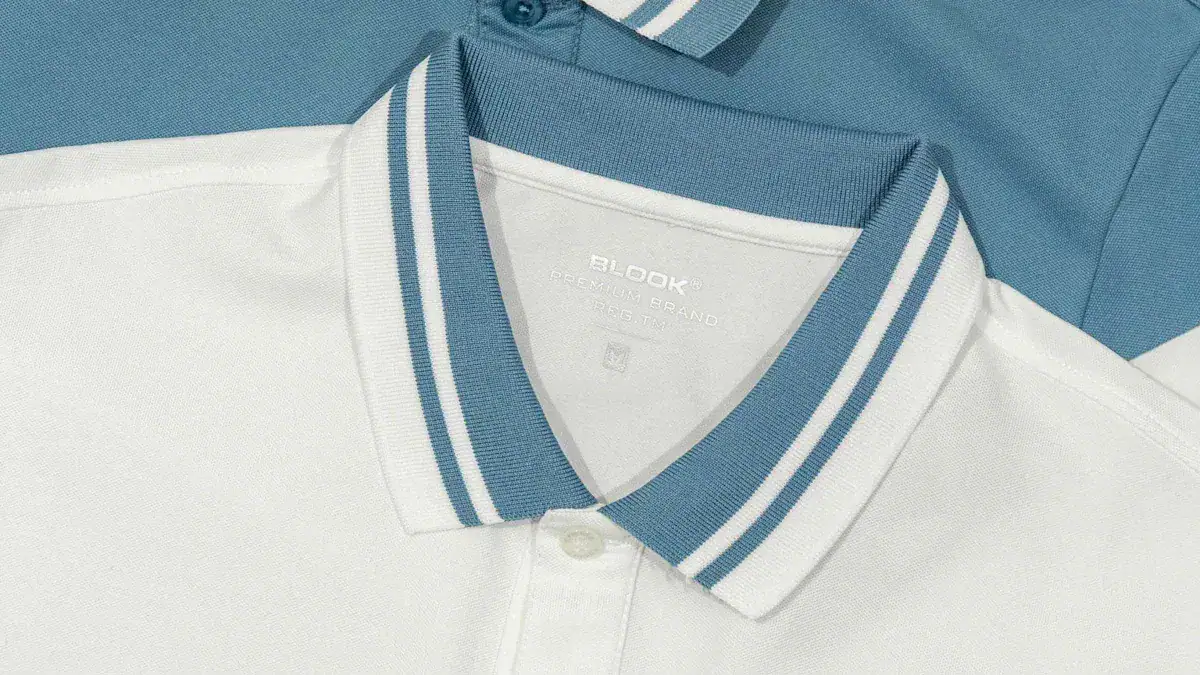
You set the tone for your team’s image when you select the right polo style. The current market offers a wide range of options, each designed to meet different needs. Sports line polos, featuring moisture-wicking materials, have gained popularity among athletic teams. Oversized and cropped fits provide comfort and a modern look. You can experiment with 1 or 2 button polos for a structured appearance. Sustainable polo shirts, made from recycled polyester or organic cotton, appeal to teams focused on eco-friendly practices. Premium quality fabrics deliver enhanced comfort, while printed polos showcase unique designs and patterns. Retro-inspired polos with bold colors and athleisure styles suit both casual wear and workouts.
Polo Shirt Style | Description |
|---|---|
Sports Line (Performance) | Moisture-wicking, ideal for athletic activities. |
New Polo Fits | Oversized and cropped for comfort and style. |
1 and 2 Button Polos | Structured look with fewer buttons. |
Sustainable Polo Shirts | Eco-friendly materials, trending among conscious teams. |
Luxurious feel for enhanced comfort. | |
Printed Polos | Unique designs and patterns. |
Retro Polo Shirts | Bold colors and patterns, inspired by classic styles. |
Athleisure Polo Shirts | Flexible, comfortable, suitable for casual and active wear. |
Tip: Match the style of your polo uniforms to your team’s activities and brand image for maximum impact.
Decide on Team Colors
You create a strong sense of identity when you choose your team colors. Teams often select colors based on psychological impact. Red signals aggression and dominance, which can intimidate opponents. Warm colors amplify energy, while cooler shades promote calmness. Consistent colors foster unity and loyalty among players and fans. You should identify the dominant traits of your team, select a color that represents your desired identity, and consider team dynamics to ensure harmony.
Teams consider the psychological impact of colors.
Colors affect emotions and focus.
Consistent colors build identity and loyalty.
Identify your team’s strengths.
Choose a color that reflects your team’s identity.
Select a color that supports a productive environment.
When you select jersey colors, symbolism matters. White often represents simplicity and superiority. Teams like Real Madrid use white kits to project confidence and tradition.
Confirm Style Preferences
You finalize your design by confirming style preferences. Consider the occasion and select colors that fit the setting. Neutral colors such as black, white, and navy work well for professional environments. Brighter colors suit casual settings and help your team stand out. You should also choose sleeve lengths and button options that appeal to your staff. The fabric selection depends on the conditions your team faces. For high humidity, pique or polyester offers excellent moisture-wicking. Poly/cotton blends hold their shape for extended wear. Pure cotton provides a professional look for formal settings. Jersey or pique fabrics work best for active movement.
Condition | Recommended Fabric | Why It Works |
|---|---|---|
High Humidity | Pique or Polyester | Moisture-wicking |
Extended Wear | Poly/Cotton Blend | Holds shape, easy maintenance |
Formal Settings | Pure Cotton | Professional appearance |
Active Movement | Jersey or Pique | Flexible, durable |
Note: You ensure your branded polos meet every need when you align style, color, and fabric with your team’s requirements.
You complete this step by reviewing all design elements and confirming your choices. This process guarantees your uniforms reflect your team’s vision and deliver comfort and performance.
Upload Logo and Customize Design

Prepare Logo for Digitizing
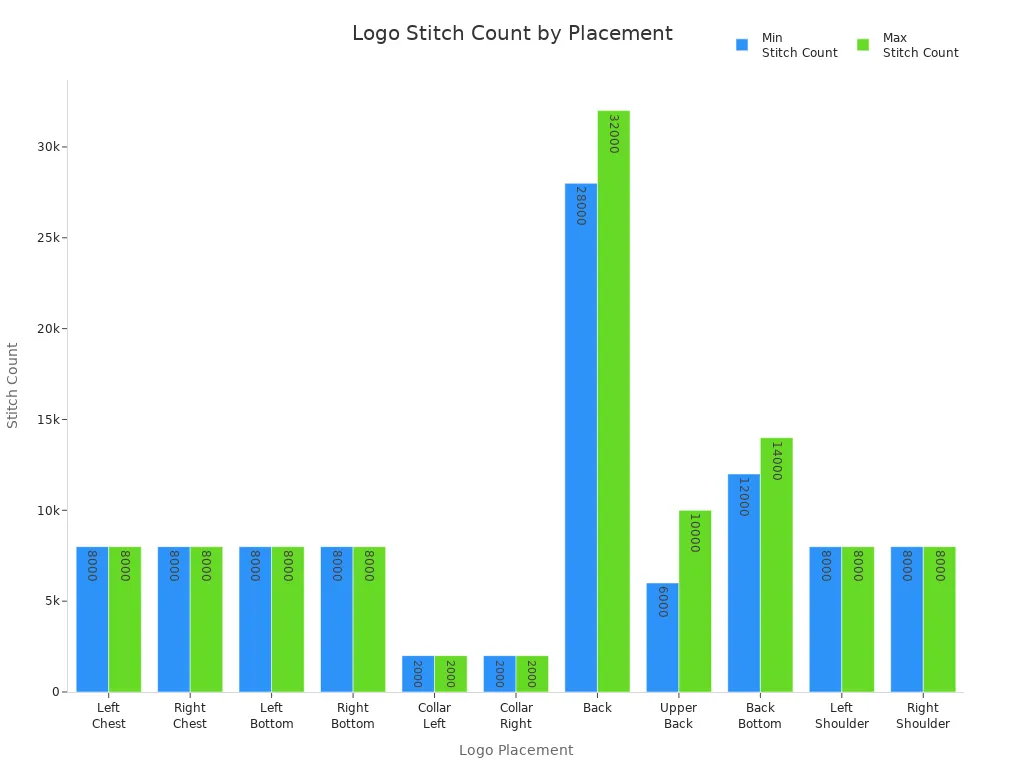
You start the customization process by preparing your logo for digitizing. This step ensures your custom polo shirts display crisp, professional branding. You need to simplify your design so it fits within the recommended size limits. For embroidered logos, keep the width at 4 inches or less to maintain clarity. Circles work best at 2.5 inches diameter for chest placements, while squares should measure 3 inches per side. Horizontal layouts look sharp at 3 to 3.75 inches wide. You preserve detail by removing complex elements from your logo design.
Tip: Choose high-resolution files for digitizing. Vector formats like .AI or .EPS deliver the best results for embroidery and printing.
Consider the fabric type when preparing your logo. Cotton, polyester blends, and 100% polyester offer durability and moisture-wicking properties. Match your logo colors to the shirt for maximum visibility and brand consistency. Performance features such as moisture-wicking and anti-odor properties enhance the comfort and longevity of your custom polo shirts.
Logo Size | Stitch Count | |
|---|---|---|
Left Chest | 4″H x 4″W | Approximately 8,000 |
Right Chest | 4″H x 4″W | Approximately 8,000 |
Collar Left | 1″H x 4″W | Approximately 2,000 |
Back | 16″H x 14″W | 32,000–28,000 |
Upper Back | 3″H x 10″W | 6,000–10,000 |
Decide Logo Placement
You enhance your team’s branding by selecting the right logo placement. The left chest remains the most popular spot for custom polo shirts, offering a classic look and strong visibility. Place the logo 5.5–8 inches down from the shoulder seam and 4–6 inches from the center. The right chest provides an alternative if the left is occupied or you want to differentiate your design. Sleeves work well for secondary branding, with logos sized at 2–3 inches wide above the sleeve band. The back delivers bold branding, especially for larger teams or events, with sizes ranging from 5–12 inches wide and positioned 2–3 inches below the collar. Collars offer a subtle, refined touch, ideal for high-end custom designs.
Note: Review embroidered logo placements with your supplier to ensure your design meets technical requirements and maintains brand integrity.
Add Names or Numbers
You personalize your custom polo shirts by adding names or numbers. This customization boosts team spirit and helps with identification during events. You choose from several methods, each suited to different fabrics and design needs. Sublimation works best for polyester, fusing ink into the material for vibrant, long-lasting results. Heat press offers affordability and versatility for cotton and blends, though designs sit on top of the fabric. Embroidery creates a textured, premium look, ideal for formal branding but requires more time and investment.
Production time and cost depend on the material, design complexity, number of colors, order quantity, and additional customization like names or numbers. You streamline your order by finalizing these details early in the design process.
Sublimation: Best for polyester, vibrant and durable.
Heat Press: Works on cotton and blends, affordable.
Embroidery: Premium look, durable, time-intensive.
Tip: Discuss customization options with your supplier to balance cost, production time, and branding impact.
You complete this step by confirming your logo, placement, and personalization choices. This process ensures your custom polo shirts deliver professional branding and unique team identity.
Get Accurate Quotes for Custom Polo Shirts
Request Quotes from Suppliers
You need to gather accurate quotes before you place your order for custom polo shirts. Suppliers require specific information to provide precise bulk pricing. You should prepare the following details:
Quantity of polo shirts needed
Number of ink or thread colors in your design
Contact information, such as email and ZIP code
Design notes describing your vision
Design files, if available
Supplying clear design notes and logo files helps suppliers understand your options and deliver cost-effective solutions. Many suppliers offer no minimum order, making it cost-effective for small groups and teams. You can request quotes for wholesale embroidered polo shirts, corporate uniforms, or custom designs with no minimum order requirements.
Tip: The more details you provide about your design and logo, the more accurate your quote will be.
Compare Pricing and Discounts
Bulk pricing for custom polo shirts varies based on order size, shirt quality, decoration method, and design complexity. Most orders average around $30 per shirt, but prices can range from $18 to $80 per piece. You benefit from volume discounts when you increase your order size. For example, ordering between 25 and 100 pieces unlocks significant savings and ensures color consistency across your corporate uniforms.
Ordering in bulk reduces per-piece costs and supports cost-effective purchasing.
Increasing your order from 6 to 30 pieces can save 10-15% per shirt.
Suppliers typically provide volume discounts, allowing you to save more as you order more units.
You should ask about bulk pricing options and any discount for recurring orders. Many suppliers offer no minimum order, which is ideal for small teams or corporate groups seeking wholesale embroidered polo shirts. You can also find options that are cost-effective for small groups.
Review Customization Options
Suppliers offer a wide range of customization options for wholesale embroidered polo shirts. You can choose from screen printing, digital printing, or embroidery to match your design needs. The table below summarizes the most popular options:
Customization Method | Description |
|---|---|
Screen Printing | Ideal for larger orders, offers vibrant colors. |
Digital Printing | Suitable for smaller-scale orders, detailed designs. |
Embroidery | Provides a professional look, durable and long-lasting. |
You can select options that best fit your logo, design, and corporate branding. Many suppliers provide no minimum order, so you can order custom polo shirts for any group size. You should review all available options, including design placement, logo size, and decoration method, to ensure your uniforms meet your corporate standards.
Note: Suppliers often offer options for no minimum order, making it easy to order custom designs for small or large teams.
You complete this step by comparing pricing, discounts, and customization options. This process ensures you receive cost-effective, high-quality custom polo shirts tailored to your team’s design and branding needs.
Confirm Sizing and Fit for Bulk Order
Gather Team Measurements
Accurate sizing starts with precise measurements. You should use a soft, flexible measuring tape and ask each team member to stand straight and relaxed. Take measurements over snug clothing to avoid extra bulk. Focus on key areas such as the chest, waist, hips, and inseam. Consistency matters. Measure each player individually and double-check the results to prevent mistakes.
“Measuring athlete’s allows you to easily and reliably find the athlete’s correct size and most importantly takes the guess work out of sizing.” – Team Wear
The following table outlines the main areas to measure and how to do it correctly:
Measurement | How to Measure | Notes |
|---|---|---|
Chest | Measure around the fullest part with arms relaxed at the sides | Keep the tape level and snug |
Waist | Measure around the navel area | Use the natural waistline as a reference |
Hip | Measure around the widest part of the hips | Keep feet together |
Torso | Measure from one shoulder, through the legs, and back to the same shoulder | Follow the body’s natural contours |
Leg Length | Measure the inside leg from crotch to the floor | Keep the tape straight |
You reduce the risk of ordering the wrong sizes when you follow these steps. This process also helps you avoid costly returns and ensures every team member feels comfortable in their uniform.
Review Size Charts
After collecting measurements, you need to compare them with the supplier’s size charts. Wholesale polo shirts often have inconsistent sizing, which can make fit unpredictable. Retail polos usually offer standardized sizes that match real-world wear more closely. You should always review the size chart provided by your supplier and match each team member’s measurements to the chart.
If you notice that the size chart does not align with your measurements, contact the supplier for clarification. Some suppliers may offer sample shirts for fitting. This step helps you avoid surprises and ensures your team receives uniforms that fit as expected.
Choose Fit Type
Selecting the right fit type is essential for both comfort and appearance. Polo uniforms come in a variety of styles to suit different preferences and activities. You can choose from options such as:
Short Sleeve Polos
Pique Polos
Long Sleeve Polos
Wool Polos
Golf Polos
Rugby Shirts
Consider your team’s needs and the environment in which they will wear the uniforms. Short sleeve and lightweight polos work well for warm climates or active sports. Long sleeve and wool polos provide extra warmth for cooler conditions. Pique polos offer a classic look and durability, making them a popular choice for many teams.
Tip: Ask your team for feedback on fit preferences before finalizing your order. This approach increases satisfaction and ensures everyone feels confident in their new uniforms.
You complete this step by confirming measurements, reviewing size charts, and selecting the best fit type for your team. This careful approach guarantees your bulk polo order delivers comfort, style, and a professional appearance.
Place Your Wholesale Order and Track Delivery
Finalize Order Details
You reach the final stage of your bulk polo uniform process when you confirm every detail of your order. Review your design files, logo placements, color selections, and sizing information. Double-check the quantity for each size and style to avoid shortages or excess inventory. Ensure that all customization options, such as embroidery or printing, match your team’s vision. You should verify the billing and shipping addresses to prevent delivery delays. Many suppliers provide a summary sheet or digital proof before production begins. Take time to review this document and request changes if needed. When you approve the final details, you set the stage for a smooth production process.
Tip: Request a digital mockup or sample photo before production starts. This step helps you visualize the finished product and catch any errors early.
Communicate with Supplier
Effective communication with your supplier ensures a successful bulk order experience. You should establish clear channels for updates and problem resolution. Assign a point person on your team to manage all supplier interactions. This approach keeps information consistent and prevents misunderstandings. Clearly outline your communication needs, including preferred methods such as email, phone, or live chat. Many suppliers offer multiple support channels, including AI chatbots and dedicated teams for bulk orders. These options provide quick answers and specialized assistance.
Best Practice | Description |
|---|---|
Ensure timely and clear communication when handling large orders. | |
Multiple Support Channels | Use live chat, email, or AI chatbots for quick problem resolution. |
Specialized Support Team | Work with a dedicated team for bulk order inquiries. |
Assign a Point Person | Designate a leader to manage supplier communication. |
Define Communication Needs | Clearly outline required data and preferred communication methods. |
Note: Consistent communication helps you resolve issues quickly and keeps your order on track.
Confirm Delivery Timeline
You need to confirm the delivery timeline with your supplier before production begins. Most bulk custom polo shirt orders arrive within 8 to 15 business days. The average delivery time is about 10 business days. If you need uniforms urgently, ask about rush options. Some suppliers can complete rush orders in as little as 4 business days, not including shipping. Always clarify whether the timeline includes production and shipping. Request tracking information once your order ships so you can monitor progress and prepare for arrival.
Standard delivery: 8–15 business days
Average delivery: 10 business days
Rush orders: as fast as 4 business days (production only)
Tip: Confirm all delivery dates in writing and set reminders to follow up with your supplier.
You ensure a smooth experience when you finalize order details, communicate effectively, and confirm delivery timelines. These steps help you avoid delays and guarantee your team receives high-quality polo uniforms on schedule.
Track Order Progress
You need to monitor your bulk polo uniform order from production to delivery. Tracking your order ensures you stay informed and respond quickly to any issues. Suppliers now offer advanced tracking options that make this process easier and more transparent.
Most suppliers provide order tracking portals. You log in to view your order status, estimated delivery date, and shipment updates. These portals often send automatic notifications when your order moves through production, packaging, and shipping stages. You receive alerts for delays or changes, which helps you plan for your team’s needs.
Some suppliers use RFID inventory tracking. This technology gives you precise updates on your uniform inventory. RFID tags attach to each item, allowing you to see where your uniforms are at every stage. You reduce losses and improve accountability with this system. RFID tracking works well for large orders and organizations that need strict inventory control.
Suppliers also offer real-time tracking and reporting dashboards. These dashboards show your order history, usage trends, and spending. You access this information from any device, making it easy to manage your order on the go. Real-time tracking helps you forecast demand and avoid stockouts. You see which items move quickly and adjust future orders based on actual usage.
Inventory visibility tools provide another layer of control. You track inventory levels and SKU movement in real time. This feature helps you predict when you need to reorder and prevents shortages. You maintain a steady supply of uniforms for your team.
Here is a table summarizing the most common tracking options suppliers offer:
Tracking Option | Description |
|---|---|
RFID Inventory Tracking | Enables precise tracking of uniform inventory, improving accountability and reducing losses. |
Real-Time Tracking & Reporting | Provides visibility into order history, usage trends, and spending through an easy-to-use dashboard. |
Inventory Visibility | Offers real-time tracking on inventory levels and SKU movement to forecast demand and reduce stockouts. |
You should check with your supplier to see which tracking options they provide. Ask for access to tracking portals or dashboards before your order ships. Set reminders to review your order status regularly. If you notice any delays or discrepancies, contact your supplier immediately.
Tip: Use real-time tracking tools to keep your team informed. Share updates with key members so everyone knows when to expect delivery.
You gain peace of mind when you track your order progress. Advanced tracking options help you manage your bulk polo uniform order efficiently and ensure your team receives uniforms on time.
You can streamline the process of ordering bulk polo uniforms by following these seven steps. Teams often face challenges such as managing diverse sizing needs, coordinating distribution, and controlling costs. The table below outlines these common obstacles:
Challenge | Description |
|---|---|
Managing Diverse Sizing Needs | Different body types require well-fitting uniforms for comfort and morale. |
Coordinating Uniform Distribution | Distributing uniforms across locations can be complex with varying needs and timelines. |
Controlling Costs | Budget constraints make balancing quality and affordability difficult. |
Managing Production Lead Times | Delays in production can lead to missed deadlines and shortages. |
Maintaining Brand Consistency | Multiple vendors may cause inconsistencies in color, fabric, and fit. |
When you order only what you need, you gain flexibility and reduce excess inventory. Teams experience benefits such as a more professional image, improved team spirit, and enhanced customer loyalty. Take the next step and order your custom polos today to elevate your team’s identity and performance.
FAQ
How do you choose the best fabric for your team’s polo uniforms?
You should consider comfort, durability, and activity level. Polyester works well for sports. Cotton feels soft for casual wear. Blends offer balance. Ask your supplier for fabric samples before you decide.
Can you order different sizes and styles in one bulk order?
Most suppliers allow you to mix sizes and styles in a single order. You need to provide a breakdown of quantities for each size and style when you place your order.
What is the typical turnaround time for bulk polo uniform orders?
Production usually takes 8 to 15 business days. Rush options may be available. You should confirm delivery timelines with your supplier before finalizing your order.
How do you prepare your logo for embroidery or printing?
Tip: Use high-resolution vector files (.AI, .EPS, or .PDF). Simplify your design for clarity. Confirm logo size and placement with your supplier to ensure the best results.
Can you add individual names or numbers to each polo shirt?
You can personalize each shirt with names or numbers. Methods include embroidery, heat press, or sublimation. You should specify personalization details when you submit your order.
What happens if some team members need different fits or custom sizing?
Suppliers often offer custom sizing or fit adjustments. You should provide accurate measurements for each member. Review the supplier’s size chart and request samples if possible.
Are there discounts for large bulk orders?
Order Quantity | Typical Discount |
|---|---|
25–50 | 10%–15% |
51–100 | 15%–20% |
101+ | 20%+ |
You save more as your order size increases. Ask your supplier about volume discounts.
Related guide: What First-Time Buyers Should Know Before Ordering Custom Polo Shirts from a Manufacturer — a practical pre-order checklist covering fabrics, logo methods, sizing, and sampling for your first custom polo project.