

A Complete Guide to Work Jumpsuits for Mechanics and Industrial Workers
Table of Contents
Display
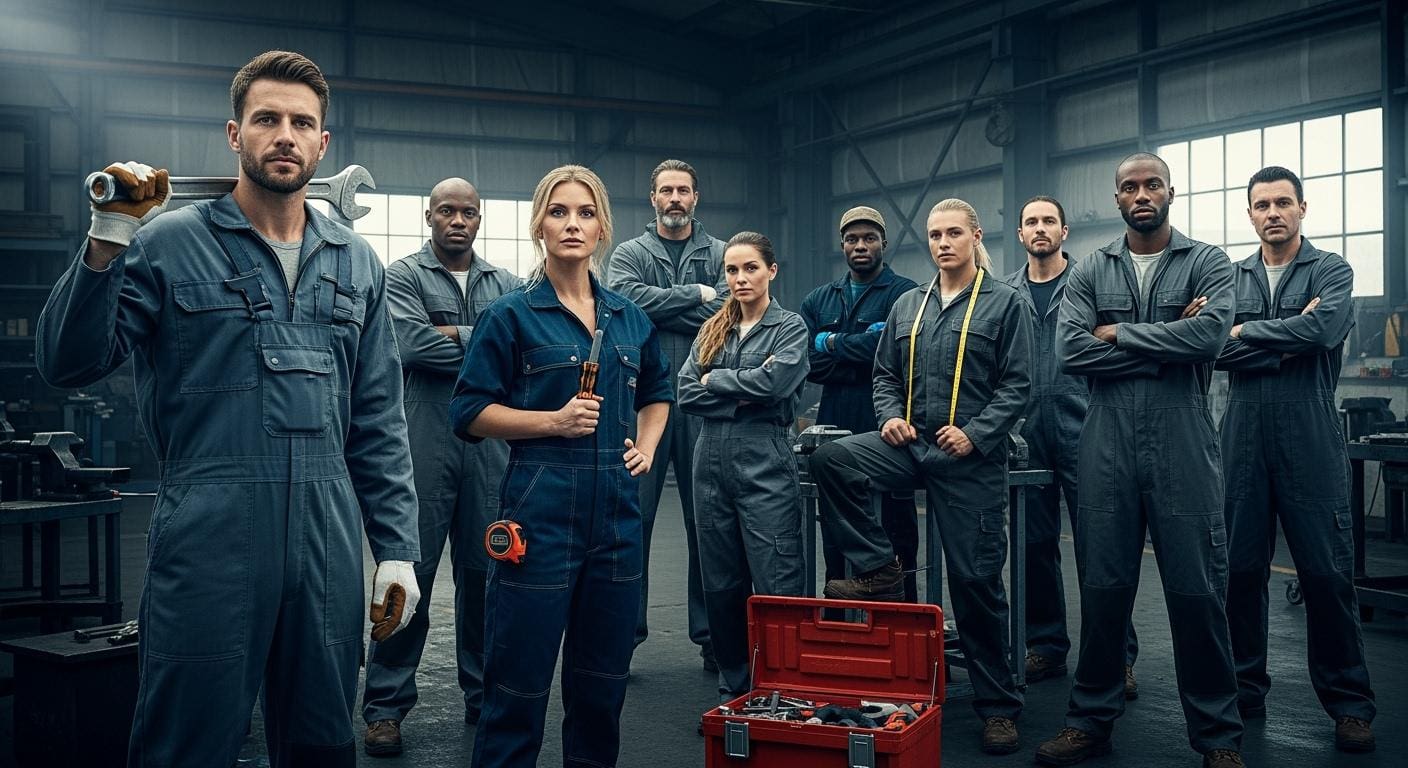
Imagine starting your shift with confidence, knowing your work jumpsuit shields you from hazards and keeps you comfortable all day. You need workwear that meets safety standards, resists oil and grease, and offers the right fit for unrestricted movement. Well-designed auto mechanic uniforms and work uniforms protect mechanics and workers against cuts and spills, while ergonomic work clothes with reinforced areas and multiple pockets boost efficiency. Moisture-wicking fabrics and adjustable features in work uniforms enhance comfort, letting you focus on the job. Consider your specific job demands as you choose the best work clothes for lasting durability and easy maintenance.
Key Takeaways
Work jumpsuits provide essential protection against hazards like chemicals, cuts, and electrical risks, ensuring safety on the job.
Comfortable workwear enhances productivity; choose jumpsuits that fit well and allow for easy movement to stay focused.
Branded uniforms improve professionalism and customer trust, making your team stand out in a competitive market.
Select the right type of jumpsuit based on your job demands; coveralls offer full-body protection, while bib overalls provide flexibility.
Consider specialty jumpsuits for specific hazards, such as flame-resistant or chemical-resistant options, to ensure maximum safety.
Regular maintenance, including washing and inspecting for damage, extends the life of your work jumpsuit and keeps you safe.
Investing in high-quality workwear may cost more upfront but leads to long-term savings through durability and reduced replacement needs.
Customization options, like adding logos or extra pockets, enhance functionality and team identity, making your workwear more effective.
Why Work Jumpsuits Matter
Protection & Safety
You face daily risks in industrial environments. A work jumpsuit acts as your first line of defense. Protective clothing shields you from sharp edges, moving machinery, and unexpected spills. Specialized materials in protective workwear block harmful chemicals, which is essential for mechanics working with solvents or in chemical plants. Arc-rated jumpsuits reduce the risk of electrical injuries, giving you peace of mind when working near live circuits. Personal protective clothing helps you avoid cuts, abrasions, and impacts.
Coveralls provide a barrier against impacts, cuts, and abrasions.
Specialized materials shield you from chemical exposure.
Arc-rated jumpsuits protect against electrical hazards.
You need safety features that match your job. Reinforced seams, flame-resistant fabrics, and secure closures keep you protected throughout your shift. Industrial work wear is designed to meet strict safety standards, so you can focus on your tasks without worrying about your well-being.
Productivity & Efficiency
Comfortable workwear improves your performance. When you wear protective clothing that fits well and moves with you, you stay focused and productive. Uncomfortable uniforms cause stress and pain, which lowers your efficiency. Lightweight and flexible jumpsuits let you move freely, making it easier to solve problems and handle tools.
Comfortable work attire reduces stress and boosts productivity.
Lightweight and flexible clothing increases engagement and problem-solving.
Wearing uniforms enhances professionalism and recognition, which boosts motivation and output.
A structured dressing routine separates work from leisure, reducing stress.
Dressing well improves mood and self-confidence, leading to better performance.
You notice the difference when you wear the right work jumpsuit. You feel motivated and confident, which helps you tackle tough jobs. Sociometer theory shows that dressing for your role increases self-esteem and motivation. The concept of enclothed cognition suggests that appropriate attire boosts your confidence and performance.
Appearance & Branding
Your workwear does more than protect you. It shapes how customers and colleagues see you. Branded uniforms make you look professional and trustworthy. When you wear a clean, well-designed work jumpsuit, you represent your company’s values.
Statistic | Impact |
|---|---|
Increases customer trust | |
Branded uniforms increase trust by up to 40% | Enhances brand perception |
70% of customers are more likely to engage with employees in branded uniforms | Boosts customer interaction |
Custom uniform designs can boost brand recognition by 35% | Improves brand visibility |
Companies with well-designed uniforms see a 15% increase in customer satisfaction | Enhances overall brand image |
Custom work uniforms lead to a 50% increase in brand recognition | Strengthens brand identity |
25% boost in brand recall among customers | Improves customer memory of the brand |

You help build your company’s reputation every time you put on your industrial work wear. Branded workwear increases customer trust and satisfaction, making your team stand out in a competitive market.
Types of Work Jumpsuits & Coveralls

Standard Coveralls
You rely on standard coveralls for full-body protection in demanding environments. These garments shield your arms, legs, and torso from hazards such as chemicals, sparks, and debris. You find coveralls in many industrial settings because they offer consistent coverage and meet strict safety standards. You benefit from features like reinforced seams, heavy-duty zippers, and multiple pockets for tools. Standard coveralls often use flame-resistant or chemical-resistant materials, which help you stay safe during welding, painting, or maintenance tasks. You choose coveralls when you need reliable protection and compliance with workplace regulations.
Bib Overalls vs. Coveralls
You may wonder whether bib overalls or coveralls suit your job best. Bib overalls, sometimes called dungarees, cover your torso and legs but leave your arms exposed. You get freedom of movement and breathability, which makes overalls ideal for warm climates or jobs with less risk of chemical exposure. Coveralls, on the other hand, protect your entire body, including arms and legs. You need coveralls for tasks that involve hazardous materials or environments.
Tip: Choose bib overalls for comfort and flexibility in lighter-duty work. Opt for coveralls when you require maximum protection.
Feature | Coveralls | Bib Overalls |
|---|---|---|
Body Coverage | Full body (arms, legs, torso, sometimes head) | Torso and legs only; arms exposed |
Protection | High (chemical, flame, particle, infectious agents) | Moderate (dust, paint, light debris) |
Materials | Flame-resistant, chemical-resistant, waterproof, insulated | Durable denim, canvas, cotton blends |
Comfort | Can feel hot/restrictive; some breathable fabrics | Loose and breathable; good for warm climates |
Pockets & Utility | Multiple tool pockets, sometimes limited due to a tight fit | Large bib pocket, multiple tool pockets, and loops |
Standards | ISO, CE, ANSI Class 3 | Lower standards; may need extra PPE |
You select overalls for jobs that require flexibility and comfort, such as carpentry or light maintenance. You wear coveralls when you need to meet higher safety standards in industrial environments.
Specialty Jumpsuits
You encounter specialty jumpsuits designed for specific hazards. These garments provide targeted protection and meet industry regulations.
Flame-Resistant
You need flame-resistant jumpsuits in oil and gas, electric utilities, and metal manufacturing. These work jumpsuits protect you from fire and arc flash risks. Regulations in these industries require flame-resistant coveralls to keep you safe during hot work or when handling flammable materials.
Chemical-Resistant
You wear chemical-resistant jumpsuits in chemical manufacturing, processing plants, and emergency response. These coveralls shield you from hazardous spills and splashes. You follow strict safety protocols and industry standards that mandate chemical-resistant protection.
High-Visibility
You use high-visibility jumpsuits when working near moving vehicles or in low-light conditions. These garments feature bright colors and reflective strips, helping you stay visible and safe. You find high-visibility coveralls essential in construction, roadwork, and warehouse operations.
Note: Always check your workplace requirements before choosing specialty jumpsuits. Industry regulations often specify the type of protection you need.
Disposable vs. Reusable
When you choose between disposable and reusable work jumpsuits, you need to consider the hazards you face and how often you use your gear. Disposable coveralls give you immediate protection in environments with high contamination risk. You wear them once and then discard them, which eliminates the chance of carrying hazardous materials outside the work area. This option works well in jobs like asbestos removal, healthcare, or chemical spill response, where contamination control is critical.
Reusable coveralls, on the other hand, offer durability and strength. You can rely on them for repeated use in tough industrial settings. These garments withstand harsh conditions and provide long-term value, especially when you work in environments with mechanical hazards or need flame-resistant or chemical-resistant protection. You must clean and maintain reusable coveralls thoroughly after each use to ensure ongoing safety.
Here’s a quick comparison to help you decide:
Type | Advantages | Disadvantages |
|---|---|---|
Disposable | Cheaper | Mechanically less strong |
No cleaning necessary | Harmful to the environment | |
More comfortable to wear | ||
Reusable | Durable | Expensive |
Mechanically strong | Need thorough cleaning | |
Uncomfortable to wear |
You should think about your work environment before making a choice. In high-contamination areas, disposable coveralls prevent the spread of hazardous substances. You simply remove and dispose of them after your shift, which keeps you and your coworkers safe. In contrast, reusable coveralls suit jobs where you face repeated exposure to mechanical risks or need specialized protection. These garments last longer and can handle rough treatment, but you must invest time and resources in cleaning and maintenance.
Tip: If you work in a setting where contamination is a daily concern, disposable coveralls offer peace of mind. For jobs that demand rugged protection and repeated use, reusable coveralls provide better value over time.
You may also encounter overalls in some workplaces. While overalls offer comfort and flexibility, they do not provide the same level of full-body protection as coveralls. You should reserve overalls for lighter-duty tasks or environments with lower contamination risks.
In healthcare or asbestos removal, disposable coveralls help prevent the spread of hazardous materials.
In high-risk industrial settings, reusable coveralls made from specialized materials deliver the durability you need.
You should always follow your workplace safety protocols when choosing between disposable and reusable options.
By weighing the pros and cons, you can select the right workwear for your specific job. Your choice impacts not only your safety but also your comfort and the environment.
Key Features in Industrial Workwear
Durability & Reinforcement
You depend on your work jumpsuit to withstand tough conditions every day. Mechanics and industrial workers face constant exposure to sharp tools, heavy machinery, and abrasive surfaces. You need coveralls and overalls that offer exceptional durability and reinforcement. Manufacturers use long-lasting materials and expert craftsmanship to ensure your workwear stands up to repeated use. Reinforced fabrics such as ripstop and twill resist tearing and abrasion, giving you confidence in hazardous environments. Double stitching strengthens seams, preventing unraveling when you move or bend. Durable hardware, including heavy-duty zippers and buttons, secures your protective clothing and maintains its integrity under stress.
Material/Technique | Description |
|---|---|
Long-lasting materials | Fabrics engineered to withstand harsh conditions, ensuring durability and performance. |
Reinforced fabrics | Use of ripstop or twill for superior resistance against tearing and abrasion. |
Double stitching | Reinforces seams to prevent unraveling under pressure, enhancing overall strength. |
Durable hardware | Sturdy components like zippers and buttons designed for heavy use and secure fastening. |
Expert craftsmanship | Skilled workers ensure precision in construction, contributing to the garment’s longevity. |
You benefit from functional design features that extend the life of your coveralls and overalls. When you choose workwear with reinforced knees, elbows, and stress points, you reduce the risk of premature wear. You save money and avoid frequent replacements by investing in garments built for durability.
Safety Standards
You must ensure your protective clothing meets strict safety standards. Industrial environments expose you to fire, chemicals, and electrical hazards. Coveralls and overalls designed for mechanics often comply with regulations that protect workers from these risks. Safety standards such as NFPA 2112 and ASTM F1506 set criteria for flame-resistant garments, ensuring they self-extinguish when exposed to flames. EN ISO 11612 focuses on heat and flame protection, while ASTM F739 and EN 14605 address chemical resistance. IEC 61482 and ASTM F2675 provide guidelines for arc-rated clothing, protecting you from thermal hazards.
Standard | Description |
|---|---|
NFPA 2112 | Sets criteria for flame-resistant garments to ensure they self-extinguish when exposed to flames. |
ASTM F1506 | Outlines performance requirements for FR clothing for electrical workers to protect against arc flashes. |
EN ISO 11612 | Focuses on clothing protection against heat and flames. |
ASTM F739 | Sets performance requirements for protective clothing against liquid chemicals. |
EN 14605 | Applies to protective clothing against liquid chemicals, ensuring splash and spray protection. |
IEC 61482 | International standard for clothing against thermal hazards of electric arcs. |
ASTM F2675 | Focuses on performance testing of arc-rated clothing for electrical safety. |
You protect yourself and your team by selecting workwear that meets these standards. Always check the labels and certifications before purchasing coveralls or overalls. You reduce the risk of injury and comply with workplace regulations by wearing garments tested for specific hazards.
Tip: Look for safety certifications on your work jumpsuit to ensure you meet industry requirements and maximize protection.
Oil & Grease Resistance
You encounter oil and grease daily as a mechanic or industrial worker. Protective coveralls and overalls with oil and grease resistant treatments keep your workwear clean and functional. OilBlok technology repels oil and grease, preventing stains and maintaining a professional appearance. You find that OilBlok-treated garments withstand multiple washes without losing effectiveness. Cleaning becomes easier, as oil and grease stains can be wiped away quickly.
OilBlok repels oil and grease, keeping your clothes clean and stain-free.
OilBlok fabric treatment maintains effectiveness after repeated washing.
OilBlok-treated workwear is easier to clean, with stains easily wiped away.
Secondary flame-resistant garments must undergo rigorous testing to ensure they protect against hazardous chemicals and debris. If oil, gas, or grease penetrate your protective clothing, they can damage the primary garments underneath. You cannot clean these underlying clothes effectively, which increases risk. By choosing coveralls and overalls with advanced oil and grease resistance, you safeguard both your outer and inner layers.
You maintain a professional look and extend the life of your work jumpsuit by investing in oil and grease resistant workwear. Functional design features such as easy-clean fabrics and stain-repellent treatments help you stay focused on your tasks without worrying about your appearance.
Pockets & Tool Storage
You rely on efficient pocket and tool storage to keep your workflow smooth and organized. The right work jumpsuit gives you quick access to essential tools, reducing downtime and boosting productivity. Utility pockets set a new standard for performance and functionality in demanding environments. These pockets are not just an afterthought—they are designed with your daily tasks in mind.
Utility pockets enhance efficiency by keeping tools and accessories within easy reach.
Multi-pocket layouts provide ample space for everything you need, from screwdrivers to small parts.
Versatile pocket storage options allow you to organize your gear for fast retrieval.
Durable pocket construction withstands the rigors of industrial work, ensuring your storage solutions last as long as your jumpsuit.
Specialized pockets, such as pen slots, tool loops, and secure zippered compartments, cater to the specific needs of mechanics and industrial professionals.
A well-designed pocket system saves you time and effort. You no longer need to search for tools or worry about losing small items. Instead, you stay focused on the job, knowing that everything you need is right at your fingertips.
Tip: Choose workwear with reinforced utility pockets if you carry heavy or sharp tools. Reinforcement prevents premature wear and extends the life of your jumpsuit.
Closures & Fastenings
Closures and fastenings play a critical role in both safety and usability. You need secure systems that keep your jumpsuit closed during movement and protect you from workplace hazards. The type of closure you select affects not only how easily you can put on or remove your jumpsuit but also how well it protects you throughout your shift.
Holding Strength | Vulnerability | Usability | Safety | Noise Level | |
|---|---|---|---|---|---|
Zipper | High | Moderate | High | High | Low |
Button | High | Moderate | Moderate | High | Low |
Buckle | Moderate | Moderate | Moderate | Moderate | Low |
Velcro | Low | Low | High | Low | High |
Pressure Fastener | Low | High | Moderate | Low | Moderate |
Zippers and buttons offer high holding strength and safety, making them ideal for industrial settings. You benefit from quick and secure fastening, which reduces the risk of accidental exposure to hazards. Buckles provide moderate security and are often used for adjustable straps or waistbands. Velcro offers convenience but may not hold up under heavy use or in environments with high debris. Pressure fasteners are easy to use but can be vulnerable to accidental opening.
Note: For maximum safety and reliability, select jumpsuits with heavy-duty zippers or reinforced buttons. Avoid Velcro in dusty or oily environments, as it can lose effectiveness.
Ventilation & Comfort
You spend long hours in your work jumpsuit, often in hot or physically demanding conditions. Ventilation and comfort features are essential for maintaining your focus and well-being. Breathable materials allow air to circulate, helping your body regulate temperature and prevent overheating. Moisture-wicking fabrics draw sweat away from your skin, keeping you dry and comfortable throughout your shift.
Breathable fabrics promote air exchange and help dissipate excess heat.
Moisture-wicking materials prevent stickiness and chafing by keeping your skin dry.
Lightweight designs give you flexibility and freedom of movement, which is crucial for physically demanding tasks.
Enhanced air circulation reduces the risk of heat stress and supports your body’s natural cooling mechanisms.
You notice the difference when you wear a jumpsuit designed for comfort. You move freely, stay cool, and avoid distractions caused by discomfort. These features not only protect your health but also help you maintain productivity during long shifts.
Tip: Look for jumpsuits with mesh vents or underarm eyelets if you work in high-temperature environments. These features further improve airflow and comfort.
Fabric & Material Guide
Cotton & Blends
Cotton remains a popular choice for work jumpsuits because you value comfort and breathability during long shifts. You experience softness and natural airflow, which helps you stay cool in warm environments. Cotton blends, such as cotton-polyester or cotton-modal, offer enhanced durability and wrinkle resistance. These blends balance comfort with strength, making them suitable for demanding industrial tasks. You benefit from versatility, as manufacturers tailor blends for moisture resistance or added fire protection.
Pros & Cons
Property | Pure Cotton | Cotton-Polyester Blend | Cotton-Modal Blend |
|---|---|---|---|
Softness | Very soft | Less soft | Very soft |
Durability | Low | High | Medium |
Wrinkle Resistance | Poor | Excellent | Good |
Breathability | Excellent | Good | Excellent |
Absorbency | Excellent | Good | Excellent |
Pros:
You enjoy exceptional softness and breathability with pure cotton.
Cotton blends provide balanced comfort and durability, making your jumpsuit last longer.
Blended fabrics can be cost-effective, helping you manage your budget.
You find cotton-polyester blends ideal for wrinkle-free workwear and outdoor gear.
Cotton-modal blends deliver extra softness, perfect for loungewear or lighter-duty uniforms.
Cons:
Pure cotton may wear out faster and wrinkle easily, requiring more frequent replacement.
Blends can sacrifice some softness for durability.
You may notice reduced absorbency in some blends, which affects moisture management.
Tip: Choose cotton blends if you need a balance of comfort, durability, and easy maintenance in your work jumpsuit.
Polyester & Synthetics
Polyester and other synthetic fibers dominate industrial workwear because you demand durability and resistance to harsh conditions. You benefit from quick-drying properties and minimal shrinkage, which keeps your jumpsuit looking sharp after repeated washes. Synthetic fabrics resist wear and tear, making them suitable for heavy-duty environments. You also appreciate their wrinkle resistance, which maintains a professional appearance throughout your shift.
Pros & Cons
Pros:
You get outstanding durability, which means your jumpsuit withstands tough jobs.
Polyester resists shrinking and wrinkling, so you spend less time on garment care.
Quick-drying properties help you stay comfortable in wet or humid conditions.
Synthetic fibers offer strong resistance to industrial hazards, including abrasion and chemicals.
Cons:
You may experience less breathability compared to natural fibers, which can lead to discomfort in hot environments.
Synthetic fabrics tend to trap odors, requiring more frequent washing.
Polyester production impacts the environment, contributing to plastic pollution and resource consumption.
Note: If you prioritize longevity and resistance to industrial hazards, polyester and synthetics deliver reliable performance. Consider environmental factors when selecting these materials.
Denim & Rugged Fabrics
Denim and other rugged fabrics, such as canvas and twill, provide unmatched durability for heavy-duty work jumpsuits. You rely on these materials when you need protection against rigorous wear and tear. Heavy denim traps air, offering insulation in cold conditions, while maintaining breathability in milder temperatures. Canvas and twill add strength and comfort, making them suitable for tough jobs that demand resilience.
Pros & Cons
Attribute | Description |
|---|---|
Durability | Heavy denim and canvas offer exceptional longevity and withstand tough use. |
Resistance to Wear | These fabrics resist abrasion, making them reliable for demanding tasks. |
Insulation Properties | Thick structure provides warmth in colder environments. |
Breathability | You stay comfortable in moderate temperatures, avoiding overheating. |
Pros:
You benefit from superior durability and resistance to wear, which extends the life of your jumpsuit.
Denim and canvas insulate well, keeping you warm during cold shifts.
Twill balances strength and comfort, offering a tear-resistant weave.
Rugged fabrics maintain breathability, supporting comfort in various climates.
Cons:
You may find denim and canvas heavier, which can restrict movement during physically demanding tasks.
These fabrics may require more care to prevent stiffness or fading.
Limited flexibility compared to lighter blends can affect comfort over long periods.
Tip: Select denim or rugged fabrics for maximum protection and durability in heavy-duty industrial settings. Opt for lighter blends if you need greater flexibility and comfort.
Specialty Materials
Flame-Resistant
You work in environments where fire hazards pose a constant threat. Flame resistant materials protect you from sudden ignition and intense heat. These fabrics play a vital role in industries such as oil and gas, electrical utilities, and petrochemical plants. You rely on garments that resist ignition and self-extinguish, reducing the risk of severe burns.
Manufacturers use two main types of flame-resistant fabric. Inherent fabrics contain fibers engineered at the molecular level to provide consistent protection throughout the life of the garment. You benefit from reliable safety, even after repeated washing and heavy use. Treated fabrics start with a base material, such as cotton blended with polyester, and receive a chemical treatment that enhances flame resistance. You gain flexibility in choosing workwear that balances comfort, cost, and protection.
Type of FR Fabric | How It Works | Durability | Comfort | Typical Use Cases |
|---|---|---|---|---|
Inherent | Built-in at fiber level | High | Good | Electrical, oil & gas, petrochemical |
Treated | Chemical finish applied | Moderate | Excellent | Welding, maintenance, general industry |
Tip: Always check the label for certification. Look for standards such as NFPA 2112 or ASTM F1506 to ensure your jumpsuit meets industry requirements.
Flame resistant materials help you stay safe in high-risk situations. You reduce the chance of injury and comply with workplace safety regulations by choosing the right fabric for your job.
Chemical-Resistant
You face chemical hazards in many industrial settings. Chemical-resistant workwear shields you from dangerous liquids, acids, and solvents. These garments use advanced coatings and tightly woven fibers to block penetration and prevent skin contact.
You select chemical-resistant coveralls when working in laboratories, manufacturing plants, or emergency response situations. The material resists splashes and spills, giving you confidence during hazardous tasks. Some chemical-resistant fabrics also offer secondary protection against flames, making them suitable for environments with multiple risks.
Feature | Benefit |
|---|---|
Liquid repellency | Prevents chemicals from soaking through |
Seam sealing | Blocks entry points for hazardous agents |
Easy cleaning | Reduces contamination risk |
Multi-hazard options | Combines chemical and flame resistance |
Note: Replace chemical-resistant workwear immediately if you notice damage or wear. Compromised garments cannot guarantee your safety.
You improve your protection and maintain compliance by choosing the right specialty material for your work environment. Always match your workwear to the specific hazards you encounter.
Safety Standards for Work Jumpsuits

OSHA Compliance
You must follow OSHA guidelines when you select work jumpsuits for industrial environments. OSHA sets strict rules to protect workers from hazards. You need to wear protective clothing that meets these requirements. OSHA expects you to use garments that shield you from chemicals, heat, and sharp objects. You should check labels and product descriptions for OSHA compliance before you buy. Employers often require proof that your jumpsuit meets these standards. You reduce risk and improve safety when you choose OSHA-approved workwear.
Tip: Always review your company’s safety manual. OSHA updates its standards regularly, so you need to stay informed about changes that affect your protective gear.
NFPA & ANSI
You rely on NFPA and ANSI standards to guide your choice of protective jumpsuits. These organizations set benchmarks for flame resistance, high-visibility, and general protection. Manufacturers design workwear to meet these standards, so you can trust the level of safety provided. You find that NFPA 2112 focuses on flame-resistant properties, while ANSI/ISEA 107 covers high-visibility needs. ISO 13688 sets general requirements for protective clothing. You should look for certification tags or product details that mention these standards.
Standard | Description |
|---|---|
ANSI/ISEA 107 | High-visibility applications |
NFPA 2112 | Flame resistance |
ISO 13688 | General protective standards |
You improve your safety by choosing jumpsuits that meet these benchmarks. You also help your employer comply with industry regulations. You should ask your supplier for documentation if you have questions about certification.
Industry Certifications
You need to check for industry certifications when you buy protective workwear. Certifications prove that your jumpsuit passed tests for durability, flame resistance, and chemical protection. You often see marks from organizations such as UL, CE, or CSA. These certifications show that your protective clothing meets international safety standards. You should look for symbols or numbers on the label. You gain peace of mind knowing your gear will perform under pressure.
UL: Tests for fire and electrical safety.
CE: Indicates compliance with European safety standards.
CSA: Certifies products for Canadian workplaces.
Note: You should replace your jumpsuit if it loses certification or shows signs of damage. Certified protective gear keeps you safe and helps you meet workplace requirements.
Comfort & Fit
Sizing & Measurement
You need to get the sizing right when choosing a work jumpsuit. Proper fit is not just about looking good; it directly impacts your safety and ability to perform tasks. When your workwear fits well, you move freely and stay protected from hazards. Ill-fitting gear can restrict your movement or leave excess material that gets caught in machinery. You should always take accurate measurements and compare them to the manufacturer’s sizing chart before making a purchase.
Choosing the correct size for safety clothing is essential for workplace safety, compliance, and comfort.
Accurate measurements and reviewing the manufacturer’s chart are crucial steps.
A well-fitting piece of safety gear ensures that you can perform your job confidently while remaining protected.
The right size affects protection, mobility, and compliance.
Ill-fitting gear can reduce visibility and restrict movement, which can compromise safety.
Proper fit prevents excess material that could interfere with work tasks.
Tip: Measure your chest, waist, hips, and inseam. Double-check these numbers against the sizing guide for each brand. Never guess your size.
Adjustability
You benefit from adjustability features that help you achieve the best fit for your body type and work tasks. Adjustable cuffs, waistbands, and hems let you customize your work jumpsuit for maximum comfort and fit. These features allow you to adapt your workwear to different layers or changing conditions on the job. Ergonomic design supports a full range of motion, while reinforced stress points add durability where you need it most.
Customization options for specific needs
Breathable, moisture-wicking fabrics for comfort
Reinforced stress points for durability
Strategically placed pockets for tool accessibility
You should look for jumpsuits with adjustable straps or elastic inserts. These details help you fine-tune the fit and keep your workwear secure during active tasks. Customization options also let you adapt your gear for seasonal changes or personal preferences.
Range of Motion
You need a work jumpsuit that allows you to bend, stretch, and reach without restriction. A good fit supports your natural movements and prevents fatigue during long shifts. Manufacturers design modern workwear with gusseted underarms, articulated knees, and stretch panels. These features give you the flexibility to handle tools, climb ladders, or work in tight spaces.
A table can help you compare key features that improve range of motion:
Feature | Benefit |
|---|---|
Gusseted underarms | Increases reach and flexibility |
Articulated knees | Supports kneeling and bending |
Stretch panels | Enhances comfort and fit |
Action back | Improves upper body movement |
You should test your jumpsuit by performing typical work movements before committing to a purchase. If you can squat, reach overhead, and twist comfortably, you have found the right balance of comfort and fit. This attention to detail ensures you stay productive and safe throughout your workday.
Seasonal Options
You face different challenges in your work environment as the seasons change. Choosing the right work jumpsuit for each season helps you maintain comfort and fit throughout the year. You need to consider temperature, humidity, and weather conditions when selecting your industrial workwear.
Spring and Summer:
During warmer months, you want lightweight and breathable fabrics. Cotton blends and moisture-wicking synthetics keep you cool and dry. Mesh vents and underarm eyelets improve airflow, reducing the risk of overheating. Short-sleeve jumpsuits or those with zip-off sleeves offer flexibility for hot days. Light colors reflect sunlight and help you stay comfortable during long shifts.
Fall and Winter:
Colder weather demands insulated and wind-resistant jumpsuits. You benefit from quilted linings, fleece interiors, and thermal layers. Heavy-duty fabrics like canvas or denim provide extra warmth and block cold winds. Adjustable cuffs and storm flaps seal out drafts. You may need to layer thermal underwear beneath your jumpsuit for added insulation. Darker colors absorb heat and hide stains from wet or muddy conditions.
Tip: Always check the manufacturer’s recommendations for layering. Proper layering improves comfort and fit without restricting movement.
Rainy or Wet Conditions:
Waterproof or water-resistant jumpsuits protect you from rain and splashes. Sealed seams and storm flaps prevent water from seeping in. Quick-drying materials help you stay dry if you get caught in a downpour. You should look for jumpsuits with adjustable hoods and cuffs to keep water out.
Extreme Heat or Cold:
In extreme heat, you need jumpsuits with advanced ventilation and UV protection. Some workwear includes cooling technology or built-in sun shields. For extreme cold, insulated jumpsuits with windproof shells and thermal linings keep you warm. You should ensure your jumpsuit allows enough room for layering without sacrificing fit.
Here’s a quick reference table for seasonal work jumpsuit features:
Season | Key Features | Recommended Fabrics |
|---|---|---|
Spring/Summer | Breathable, moisture-wicking, light color, mesh vents | Cotton blends, synthetics |
Fall/Winter | Insulated, windproof, dark color, adjustable cuffs | Canvas, denim, fleece |
Rainy/Wet | Waterproof, sealed seams, quick-dry, adjustable hood | Treated synthetics, PVC |
Extreme Heat | UV protection, advanced ventilation | Technical synthetics |
Extreme Cold | Thermal lining, windproof shell | Insulated blends, fleece |
You should always match your work jumpsuit to the season for optimal comfort and fit. This approach keeps you safe, productive, and comfortable no matter the weather.
Maintenance & Durability
Cleaning & Care
You maintain your work jumpsuit by following the care label instructions. Manufacturers design these labels to guide you in washing, drying, and storing your garments. Regular cleaning keeps your jumpsuit functional and extends its lifespan. You should wash your coveralls after each shift, especially if you work in environments with oil, grease, or chemicals. Use mild detergents and avoid harsh chemicals that can weaken the fabric. Air drying helps preserve the material and prevents shrinkage.
You benefit from having multiple sets of uniforms. Rotating your jumpsuits reduces wear and tear, especially in physically demanding jobs. This practice allows each garment to recover between uses, which improves comfort and durability. You keep your coveralls clean and well-maintained to ensure they last longer and perform reliably.
Follow care labels for proper maintenance.
Clean your jumpsuit regularly to maintain functionality.
Rotate multiple sets to reduce wear and tear.
Air dry when possible to preserve fabric strength.
Store in a cool, dry place to prevent mildew and odors.
Tip: Inspect your jumpsuit after each wash. Look for signs of damage or excessive wear. Early detection helps you address issues before they affect performance.
Stain & Odor Resistance
You face tough stains and persistent odors in industrial settings. Oil, grease, and chemicals can leave marks that are difficult to remove. Modern work jumpsuits often feature stain-resistant treatments that repel liquids and prevent deep penetration. These finishes make cleaning easier and help you maintain a professional appearance.
Odor resistance is equally important. Moisture-wicking fabrics and antimicrobial treatments reduce the buildup of sweat and bacteria. You stay comfortable and fresh throughout your shift. If your jumpsuit develops stubborn odors, soak it in a solution of water and baking soda before washing. This method neutralizes smells without damaging the fabric.
Stain-resistant finishes simplify cleaning.
Antimicrobial treatments fight odor-causing bacteria.
Moisture-wicking materials keep you dry and fresh.
Pre-soak with baking soda for tough odors.
Note: Avoid using bleach or strong chemicals, as these can break down protective coatings and reduce the effectiveness of stain and odor resistance.
Repair & Replacement
You extend the life of your work jumpsuit by inspecting it regularly. Routine checks help you catch small issues before they become major problems. The inspection process identifies 97% of repairs early, allowing you to address them quickly. You should look for loose seams, broken zippers, and worn fabric at stress points.
Quick repairs keep your jumpsuit in service and minimize downtime. Many suppliers offer repair and replacement services at no charge, which helps you maintain a consistent work wardrobe. You benefit from a proactive approach that emphasizes regular inspections and timely fixes. When your jumpsuit shows signs of irreparable damage, replace it promptly to maintain safety and compliance.
Inspect your jumpsuit after each use.
Repair minor damage immediately.
Use supplier repair services when available.
Replace garments that no longer meet safety standards.
Tip: Keep a spare jumpsuit on hand. This practice ensures you always have reliable workwear, even during repairs or replacements.
Longevity
You want your work jumpsuit to last as long as possible. Longevity depends on several factors, including fabric quality, construction, maintenance, and how you use your garment. When you invest in a high-quality jumpsuit, you reduce replacement costs and maintain consistent protection on the job.
Key Factors That Affect Longevity:
Factor | Impact on Longevity | What You Can Do |
|---|---|---|
Stronger fibers resist wear | Choose premium materials | |
Stitching & Seams | Reinforced seams prevent tearing | Inspect for loose threads |
Hardware Durability | Heavy-duty zippers/buttons last | Test closures regularly |
Maintenance Routine | Proper care extends lifespan | Follow cleaning instructions |
Work Environment | Harsh conditions cause faster wear | Rotate jumpsuits if possible |
You should select jumpsuits made from durable fabrics such as ripstop cotton, canvas, or technical synthetics. These materials withstand repeated washing and exposure to chemicals, oil, and abrasion. Manufacturers often reinforce stress points, including knees, elbows, and pockets. You benefit from double or triple stitching, which keeps seams intact even after heavy use.
Tip: Always check the manufacturer’s warranty or guarantee. Some brands offer extended coverage for defects or premature wear.
You play a crucial role in maximizing the lifespan of your workwear. Regular inspections help you spot early signs of damage. When you notice fraying, thinning fabric, or broken hardware, address these issues immediately. Quick repairs prevent small problems from becoming major failures.
Best Practices for Extending Longevity:
Rotate multiple jumpsuits to reduce daily wear.
Store your garment in a cool, dry place away from direct sunlight.
Avoid harsh chemicals or bleach during cleaning.
Hang your jumpsuit instead of folding to prevent creases and stress on seams.
Use garment bags for storage if you work in dusty or oily environments.
You should also consider how your work environment affects longevity. High temperatures, chemical exposure, and frequent contact with rough surfaces accelerate wear. If you work in extreme conditions, choose jumpsuits with specialized coatings or treatments. Oil- and stain-resistant finishes help maintain appearance and function.
Note: Replace your jumpsuit when you see irreparable damage or when it no longer meets safety standards. Wearing compromised gear increases your risk of injury.
You get the best value from your investment by choosing quality workwear and maintaining it properly. Longevity means more than just durability—it ensures you stay safe, comfortable, and professional every day.
Cost vs. Value in Workwear
Price Ranges
You face a wide range of prices when you shop for industrial workwear. Entry-level coveralls start at around $25, while premium options can exceed $150. The price depends on the material, safety features, and brand reputation. Basic jumpsuits offer minimal protection and durability. Mid-range products include reinforced seams, specialty fabrics, and extra pockets. High-end coveralls feature advanced technologies such as flame resistance, chemical protection, and ergonomic design.
Price Tier | Typical Features | Who Should Buy? |
|---|---|---|
Budget ($25-$50) | Basic protection, limited durability | Occasional/light use |
Mid ($50-$100) | Reinforced seams, more pockets, blends | Regular industrial tasks |
Premium ($100+) | Specialty fabrics, certifications, extras | High-risk/professional |
Tip: You should match your budget to your job requirements. Investing in the right tier helps you avoid unnecessary expenses and ensures you get the protection you need.
Quality vs. Budget
You often weigh quality against budget when you choose workwear. Low-cost options may save you money upfront, but they usually wear out faster and offer less protection. High-quality coveralls last longer and keep you safer. You notice the difference in stitching, fabric strength, and comfort. The importance of quality overalls becomes clear when you face tough conditions or hazardous environments.
Consider these factors before you decide:
Durability: Premium materials resist tears and stains.
Safety: Certified garments meet industry standards.
Comfort: Ergonomic designs reduce fatigue.
Maintenance: Quality items require less frequent replacement.
You should avoid sacrificing safety for savings. Cheap workwear may cost less, but it can lead to higher expenses if you need to replace it often or if it fails to protect you.
Note: You protect yourself and your investment by choosing quality over price. Reliable coveralls support your productivity and safety every day.
Long-Term Savings
You achieve long-term savings by investing in durable workwear. High-quality coveralls reduce replacement costs and minimize downtime. You spend less on repairs and avoid the risk of injury from worn-out gear. Over time, premium products deliver better value than budget alternatives.
Here is a simple comparison:
Factor | Low-Cost Workwear | High-Quality Workwear |
|---|---|---|
Initial Cost | Low | High |
Replacement Rate | Frequent | Rare |
Safety Level | Basic | Advanced |
Comfort | Limited | Superior |
Total Cost (Year) | High | Lower |
You should calculate the total cost of ownership, not just the purchase price. Reliable coveralls last longer and perform better, which saves you money and keeps you safe.
Callout: You maximize your investment by choosing workwear that balances cost and value. Quality gear pays off in safety, comfort, and long-term savings.
Choosing Automotive Workwear
Assessing Work Environment
You need to evaluate your work environment before selecting automotive workwear. Start by identifying the hazards you face daily. If you work around chemicals, sharp tools, or heavy machinery, you require uniforms that offer maximum protection. Consider the temperature and humidity in your workspace. Hot environments demand breathable fabrics, while cold settings call for insulated coveralls. You should also think about exposure to oil, grease, and other contaminants. If spills are common, choose overalls with stain-resistant finishes.
Create a checklist to guide your decision:
List the physical hazards present in your shop or facility.
Note the climate and typical weather conditions.
Identify tasks that require extra mobility or flexibility.
Determine if you need flame-resistant or chemical-resistant materials.
A table can help you compare your needs:
Hazard Type | Recommended Feature |
|---|---|
Chemicals | Chemical-resistant fabric |
Heat | Breathable, moisture-wicking |
Cold | Insulated, windproof |
Oil/Grease | Stain-resistant treatment |
Sharp Objects | Reinforced seams and panels |
You improve safety and comfort by matching your uniforms to your environment.
Prioritizing Safety & Comfort
You must prioritize safety and comfort when choosing auto mechanic uniforms. Safety features protect you from workplace injuries. Look for coveralls with reinforced knees, flame-resistant fabrics, and secure closures. Comfort matters just as much. If your uniforms restrict movement, you lose efficiency and risk fatigue. Select overalls with ergonomic designs, adjustable cuffs, and stretch panels. Moisture-wicking materials keep you dry during long shifts.
Follow these best practices for selecting overalls:
Check for compliance with safety standards such as OSHA and NFPA.
Test the fit by performing typical work movements.
Choose uniforms with ventilation features for hot environments.
Opt for adjustable elements to customize the fit.
Inspect the garment for reinforced stress points.
Tip: You should always try on new uniforms before purchasing. Move, bend, and reach to ensure the fit supports your tasks.
Customization Options
You can enhance your automotive workwear with customization options. Custom uniforms improve team identity and brand recognition. Add your company logo, employee names, or department labels for a professional look. You may also select colors that match your brand or improve visibility in the shop. Some suppliers offer tailored fits, extra pockets, or tool loops to meet your specific needs.
Consider these customization choices:
Embroidered logos and names
High-visibility colors or reflective strips
Additional pockets for tools and accessories
Tailored sizing for better fit
Specialized fabric treatments for added protection
Note: Customization increases the value of your uniforms and helps your team stand out. You should consult with your supplier to explore available options.
You make a smart investment by choosing overalls and coveralls that match your work environment, prioritize safety and comfort, and reflect your brand. Custom features and thoughtful selection ensure your automotive workwear supports you every day.
Reviews & Recommendations
You make smarter choices when you rely on real-world feedback. Reviews and recommendations help you avoid costly mistakes and find work jumpsuits that truly perform in automotive and industrial settings. Before you buy, take time to research what other mechanics and industrial workers say about the products you consider.
Where to Find Reliable Reviews:
Manufacturer websites often feature customer testimonials.
Online retailers like Amazon, Grainger, and Work ‘N Gear provide user ratings and detailed feedback.
Industry forums and social media groups connect you with professionals who share honest opinions.
Trade publications and safety blogs sometimes publish in-depth product comparisons.
Tip: Look for reviews from users who work in environments similar to yours. Their experiences will match your needs more closely.
What to Look for in Reviews:
Comments on durability after months of use
Feedback about comfort during long shifts
Notes on fit, sizing accuracy, and adjustability
Reports on how well the jumpsuit resists stains, oil, and wear
Opinions about ventilation and breathability
Experiences with customer service and warranty claims
A table can help you organize your findings:
Review Factor | Why It Matters | What to Watch For |
|---|---|---|
Durability | Ensures long-term value | Reports of seams or zippers failing |
Comfort | Reduces fatigue and distraction | Comments on fabric softness, fit |
Safety Features | Protects you from hazards | Mentions of compliance, certifications |
Maintenance | Saves time and money | Ease of cleaning, stain removal |
Sizing | Prevents returns and exchanges | Notes on true-to-size or running small/large |
How to Use Recommendations:
Ask coworkers or supervisors which brands they trust.
Request samples or trial periods from suppliers if possible.
Check if your employer has a preferred vendor or recommended list.
Compare top-rated products before making a final decision.
Note: Peer recommendations often highlight issues you will not find in marketing materials. Trust the experience of those who do similar work.
You gain confidence when you combine online reviews with personal recommendations. This approach helps you select workwear that meets your safety, comfort, and durability needs. Take time to read, ask, and compare before you invest in your next work jumpsuit.
When you select work jumpsuits, focus on safety, durability, comfort, fit, and value. Use this guide as your checklist to review the key factors in choosing overalls. Assess your job requirements and workplace conditions before you buy. Make sure your choice matches your daily tasks and environment.
Investing in quality workwear helps you stay safe, productive, and professional every day.
FAQ
What size work jumpsuit should you choose?
You should measure your chest, waist, hips, and inseam. Compare these numbers to the manufacturer’s sizing chart. If you fall between sizes, select the larger option for better mobility.
How often should you wash your work jumpsuit?
You should wash your jumpsuit after each shift, especially if exposed to oil, grease, or chemicals. Regular cleaning maintains safety and extends the garment’s lifespan.
Can you wear a work jumpsuit in hot weather?
You can wear lightweight, breathable jumpsuits in hot weather. Look for moisture-wicking fabrics and mesh vents. These features help you stay cool and comfortable during long shifts.
What is the difference between flame-resistant and flame-retardant jumpsuits?
Flame-resistant jumpsuits use fibers that resist ignition. Flame-retardant jumpsuits have a chemical treatment that slows burning. Both protect you from fire hazards, but flame-resistant options offer longer-lasting protection.
How do you repair a damaged work jumpsuit?
You should inspect your jumpsuit for loose seams or broken zippers. Use heavy-duty thread for minor repairs. For major damage, contact your supplier or replace the garment to maintain safety.
Are disposable coveralls safe for industrial work?
Disposable coveralls protect you from contamination and hazardous materials. You should use them in high-risk environments, such as chemical spill response or healthcare. Always check if they meet safety standards.
Can you customize your work jumpsuit with a company logo?
You can add logos, names, or department labels to your jumpsuit. Customization improves team identity and brand recognition. Many suppliers offer embroidery or printing services for professional results.
What features should you look for in a mechanic’s jumpsuit?
You should look for reinforced knees, multiple pockets, oil-resistant fabric, and secure closures. These features improve durability, safety, and efficiency in automotive and industrial settings.