

What are work coveralls and how are they used in different industries
Table of Contents
Display

Work coveralls are one-piece garments that you wear to shield your body from hazards, dirt, and harsh weather. You rely on coveralls to maintain protection in demanding environments. Many industries, such as construction, healthcare, and manufacturing, use this workwear to meet strict safety standards.
Safety remains a top priority, and coveralls help you reduce risks while staying comfortable on the job.
Key Takeaways
Work coveralls provide full-body protection against hazards like chemicals, fire, and extreme weather.
Different types of coveralls exist, including disposable and reusable options, tailored for specific tasks and environments.
High-visibility coveralls enhance safety by making workers more visible in low-light conditions.
Coveralls help maintain hygiene in sensitive industries, preventing contamination in healthcare and food processing.
Always check compliance labels on coveralls to ensure they meet safety standards for your specific job.
Proper fit and comfort in coveralls are essential for effective protection and ease of movement during work.
Regular inspection and maintenance of coveralls extend their lifespan and ensure ongoing safety.
Selecting the right coveralls based on job hazards is crucial for maximizing protection and compliance.
What Are Work Coveralls
Definition and Main Features
You use work coveralls as protective clothing that covers your entire body, including arms and legs, in a single piece. This design helps you shield yourself from workplace hazards, dirt, and harsh weather. Occupational safety organizations classify high visibility coveralls as High Visibility Safety Apparel (HVSA), which improves your visibility in low-light environments. Regulations require you to wear high visibility workwear as part of personal protective equipment (PPE).
Tip: You should always check for compliance labels on your coveralls to ensure they meet safety standards for your job.
Work coveralls come with a range of features that help you stay safe and comfortable. The table below shows some of the most common features you will find across different brands:
Feature | Description |
|---|---|
Water Resistance | Durable water-repellent fabrics keep you dry while you work. |
Flame Resistance | Flame-resistant fabrics and treatments protect you from burns. |
Hazmat Protection | Shields you from harmful biological, thermal, and chemical agents. |
Breathability | Certain styles allow airflow, which keeps you comfortable and reduces sweating. |
Insulation | Insulating materials like polyester taffeta help you stay warm in cold conditions. |
Compliance Standards | Certifications such as ASTM F1506 and NFPA 2112 indicate flame and heat resistance. |
Types of Work Coveralls
You can choose from several types of coveralls, each designed for specific tasks and hazards. The table below outlines the main types, their materials, features, and where you might use them:
Type of Coverall | Materials | Features | Suitability |
|---|---|---|---|
Disposable Coveralls | Polyethylene, polypropylene | Cost-effective, breathable, easy to put on and take off, limited chemical protection | Low-risk industries like food processing, cleaning services, light manufacturing |
Chemical-Resistant Coveralls | Tyvek, PVC, neoprene | Excellent chemical resistance, durable, sealed seams, limited breathability | Chemical processing, pharmaceuticals, hazardous waste management |
Flame-Resistant Coveralls | Nomex, Kevlar, treated cotton | Self-extinguishing, high resistance to flames, may include reflective strips | Welding, foundries, oil and gas industries |
Biological Hazard Coveralls | Microporous film, impermeable fabrics | Protects against biological hazards, sealed seams, limited breathability | Healthcare, laboratories, waste management |
Multi-Hazard Coveralls | Blend of flame-resistant and chemical-resistant materials | Comprehensive protection, durable, may include high-visibility strips | Petrochemical plants, electrical utilities, heavy manufacturing |
Disposable Coveralls
You often use disposable coveralls in industries where hygiene and contamination control matter most. These coveralls are lightweight and easy to discard after use. You see them in food production, utilities maintenance, manufacturing, power generation, oil and gas extraction, and construction sites. Workers rely on disposable coveralls to protect against bacteria, chemicals, oil, grease, and physical hazards.
Reusable Coveralls
Reusable coveralls offer durability and long-term protection. You choose these when you need to withstand repeated exposure to hazards or harsh environments. They are made from sturdy materials like cotton blends, treated synthetics, or flame-resistant fabrics. You find reusable coveralls in manufacturing, construction, and heavy industry, where you need reliable protection day after day.
Specialized Coveralls (e.g., electrical, flame-resistant)
Specialized coveralls address unique risks in your workplace. Flame-resistant coveralls protect you from burns and heat in welding or oil and gas jobs. Chemical-resistant coveralls shield you from hazardous substances in laboratories or chemical plants. You also find biological hazard coveralls in healthcare and research settings, where you must prevent contamination. Multi-hazard coveralls combine several protective features for complex environments like petrochemical plants or electrical utilities.
Primary Uses
You depend on work coveralls for full-body protection in hazardous environments. Coveralls help you meet safety standards and reduce risks from fire, chemicals, and harsh weather. You also use them to prevent contamination in hygiene-sensitive industries, such as healthcare and food processing. High-visibility coveralls make you more visible in low-light conditions, which lowers accident risks.
The table below highlights how you use coveralls in different sectors and the standards they must meet:
Sector | Type of Coveralls | Key Standards |
|---|---|---|
Medical | Type 5B/6B | EN14126, EN13982-1 Type 5B |
Pharmaceutical | Type 4B/5B/6B | EN14126, EN1149-5 |
Construction | Type 5/6 | EN13982-1 Type 5, EN13034 Type 6 |
Asbestos Work | Type 5B | EN13982-1 Type 5B |
Paint Spraying | Type 4/5/6 | EN14605 Type 4B |
Industrial Cleaning | Type 4B/5B/6B | EN14605 Type 4B, EN13982-1 Type 5B |
Food Processing | Category I | EN13034 Type 6 |
Agriculture | Type 4B/5B/6B | EN14605 Type 4B, EN13982-1 Type 5B |
Petrochemical | Type 3B/4B | EN14605 Type 3B, EN13982-1 Type 5B |
Cleanrooms | Type 4B/5B/6B | EN14126 |
You gain full-body coverage, which protects you from fire, chemicals, and extreme weather.
You can select coveralls with features tailored to your specific hazards, such as flame resistance or chemical resistance.
You meet PPE regulations by wearing coveralls, which is essential for your safety.
You prevent contamination and maintain product integrity in hygiene-sensitive industries.
You improve your visibility and reduce accident risks with high-visibility coveralls.
You see that work coveralls play a vital role in keeping you safe, comfortable, and compliant with workplace standards.
Key Benefits of Coveralls
Protection from Hazards
You rely on coveralls to shield yourself from a wide range of workplace hazards. These garments act as a barrier, helping you avoid injuries and exposure to dangerous substances.
Physical and Mechanical Hazards
You face risks from sharp objects, rough surfaces, and moving machinery. Coveralls help you reduce cuts, scrapes, and abrasions. Scientific reviews show that personal protective equipment, including coveralls, can limit exposure to hazards like pesticides in agriculture. Researchers use both laboratory and field tests to measure how well coveralls protect you. Some studies suggest that real-world conditions may affect the level of protection, so you should always check for proper fit and compliance.
Coveralls help you avoid direct contact with rough surfaces.
You stay safer around moving equipment and tools.
Laboratory and field tests confirm the effectiveness of coveralls, but you must wear them correctly for best results.
Chemical and Biological Hazards
You encounter chemicals and biological agents in many industries. Coveralls provide a barrier that helps you avoid skin contact and contamination. Forensic scientists use coveralls as part of their minimum standard protective gear. You can change disposable coveralls easily if they become contaminated, which helps you maintain a clean working environment.
Coveralls help you minimize direct contact with hazardous materials.
You prevent contamination of sensitive evidence or products.
Disposable coveralls offer quick changes when contamination occurs.
Weather and Environmental Protection
You work in environments with extreme temperatures, rain, or wind. Coveralls keep you dry and warm. Insulated designs help you maintain comfort in cold conditions. Water-resistant fabrics protect you from rain and moisture. You stay productive and safe, even when the weather turns harsh.
Insulated coveralls help you stay warm in cold weather.
Water-resistant materials keep you dry during rain.
You maintain comfort and safety in changing environments.
Hygiene and Contamination Control
You need to keep your workspace clean and free from contaminants. Coveralls help you prevent the spread of dirt, dust, and biological agents. In healthcare, food processing, and laboratories, you use coveralls to maintain hygiene standards. You reduce the risk of cross-contamination by wearing clean coveralls and changing them as needed. Disposable options make it easy for you to switch to a fresh garment when necessary.
Tip: Always inspect your coveralls for damage before use. Replace them if you notice tears or contamination.
Compliance with Safety Standards
You must follow strict safety standards in your workplace. Coveralls help you meet these requirements. Manufacturers design coveralls to comply with international standards for protection against chemicals, biological agents, and physical hazards. The table below lists some of the main standards that apply to coveralls in industrial settings:
Standard | Description |
|---|---|
AS/NZS4501.2 (EN ISO 13688) | Specifies performance requirements for protective clothing, including ergonomics, health impact, comfort, and marking. |
EN 14126 | Determines performance requirements against infective agents, including tests for resistance to blood, bodily fluids, and microbial penetration. |
ISO 16603 | Tests resistance to penetration by blood and bodily fluids. |
ISO 16604 | Tests resistance to blood-borne pathogens. |
EN ISO 22610 | Tests resistance to wet microbial penetration. |
ISO 22611 | Tests resistance to liquid aerosol penetration. |
ISO 22612 | Tests resistance to penetration by biologically contaminated dry particles. |
You should always check that your coveralls meet the required standards for your job. This helps you stay safe and compliant with workplace regulations.
Hazards and Environments for Work Coveralls
Common Workplace Hazards
You encounter many occupational hazards in your daily work. Coveralls help you manage these risks by providing reliable protection. You need to understand the specific dangers you face so you can choose the right gear.
Chemical Exposure
You may work with chemicals in agriculture, manufacturing, or laboratories. Chemical exposure can cause skin irritation, burns, or long-term health problems. You reduce these risks by wearing chemical-resistant coveralls and gloves. Studies show that using certified coveralls and gloves lowers your exposure to pesticides and other harmful substances. You must select garments that fit well and meet industry standards, since effectiveness can vary.
Chemical-resistant coveralls and gloves lower operator exposure to pesticides.
Proper use of protective garments minimizes health risks from chemicals.
Effectiveness depends on the type and fit of coveralls.
Fire, Heat, and Arc Flash
You face fire and heat hazards in welding, oil and gas, and electrical work. Flame-resistant coveralls protect you from burns and heat injuries. You need arc flash coveralls when you work near electrical equipment. These garments shield you from sudden bursts of energy that can cause severe injuries. You should always check for compliance labels to ensure your coveralls meet safety requirements.
Dust, Particulates, and Debris
You work in environments with dust, particulates, and debris, such as construction sites or factories. Coveralls keep these particles off your skin and clothing. You stay cleaner and reduce the risk of respiratory problems. Disposable coveralls offer a quick solution when you need to change garments often. You maintain hygiene and comfort by choosing the right style for your job.
Biological Agents and Infection Risks
You may encounter biological agents in healthcare, food processing, or research labs. Antimicrobial coveralls protect you from bacteria and pathogens. You lower the risk of infection by wearing garments with sealed seams and proper closures. You help prevent contamination and keep your workspace safe.
Tip: Always inspect your coveralls before use. Replace them if you see damage or contamination.
High-Risk Work Environments
You work in high-risk environments where specialized coveralls are essential for regulatory compliance and safety. You must select the right type of coveralls for your job to ensure maximum protection.
Environment | Required Coveralls Type | Purpose |
|---|---|---|
Medical & Laboratories | Antimicrobial | Protects against bacteria and pathogens |
Welding & Oil/Gas | Flame-resistant (FR) | Shields from burns and heat |
Electrical Work | Arc flash | Guards against electrical arc injuries |
Chemical Processing | Chemical spill protection | Prevents contact with hazardous chemicals |
Construction & Roadwork | High-visibility | Improves worker visibility and safety |
Flammable Gas/Liquid Areas | Antistatic | Reduces risk of static discharge |
You rely on coveralls to meet strict safety standards in these environments. You protect yourself from occupational hazards by choosing garments designed for your specific risks. You improve your safety and comfort at work by understanding the hazards and selecting the right coveralls.
Industry Uses of Work Coveralls
Construction and Manufacturing
You work in environments where safety is critical. Construction sites expose you to falling debris, dangerous machinery, and hazardous materials. Manufacturing plants present risks like chemical splashes and sparks from welding operations. You need work coveralls to shield your body from these threats and maintain compliance with safety regulations.
The table below shows the specific hazards you face in these industries:
Industry | Specific Hazards Addressed |
|---|---|
Construction | Falling debris, dangerous machinery, hazardous materials |
Manufacturing | Chemical splashes, sparks from welding operations |
You choose coveralls that match your workwear needs. On construction sites, you often select durable, reusable coveralls made from cotton blends or treated synthetics. These garments resist tearing and provide full-body coverage. High-visibility coveralls help you stay visible around heavy equipment and moving vehicles. You also use disposable coveralls for short-term tasks or when working with hazardous dust and particulates.
In manufacturing, you rely on specialized coveralls for tasks like welding or chemical handling. Flame-resistant coveralls protect you from sparks and heat. Chemical-resistant coveralls shield you from splashes and spills. You maintain hygiene and safety by changing into clean coveralls before entering sensitive areas.
Tip: Always inspect your coveralls for damage before starting work. Replace them if you see any tears or contamination.
Oil, Gas, and Chemical Industries
You face some of the most hazardous conditions in oil, gas, and chemical industries. Work coveralls provide essential protection by covering your entire body except for your head, hands, and feet. You need garments that block liquids, aerosols, and particulates while allowing heat and sweat to escape.
You often choose coveralls made from non-woven fabrics. These materials keep you comfortable and safe during long shifts. The fit and design of your coveralls create a barrier against chemicals and biological substances. You rely on specialized workwear to meet strict safety standards.
You use Tychem® 400 coveralls for protection against hazardous dry particles and light liquid splashes.
You select Tychem® 2000 garments when you need at least 30 minutes of protection against more than 40 chemical challenges, including oil-based drilling muds.
You wear Tychem® 5000 and 6000 coveralls for rigorous activities, gaining a barrier against a wide range of chemicals, including solvents.
DuPont™ Tychem® garments are flexible, durable, and lightweight. You perform your tasks safely while staying protected from hazardous substances. You choose disposable coveralls for short-term jobs or when contamination risks are high. For ongoing work, you select reusable coveralls with chemical-resistant coatings.
Note: Always check the chemical compatibility of your coveralls before entering hazardous areas.
Healthcare and Sanitation
You work in healthcare and sanitation where hygiene and infection control matter most. You need coveralls that meet strict standards for protection against infectious agents. You choose garments that block contaminated liquids and resist viral penetration.
You rely on coveralls that meet the following standards:
EN 14126 defines performance requirements for materials in protective clothing against infectious agents. It includes test methods like ISO 16603 and ISO 16604 for evaluating penetration resistance to contaminated liquids.
NFPA 1999 addresses protective clothing for emergency medical operations. It includes performance criteria and test methods for both disposable and reusable garments, using ASTM F1671 for viral penetration resistance.
EN 14126 and NFPA 1999 are specifically used for coveralls, while ANSI/AAMI PB70 and EN 13795 apply to gowns.
You select disposable coveralls for tasks that require frequent changes, such as patient care or cleaning contaminated areas. You use reusable coveralls for ongoing protection in laboratories and sanitation work. You help prevent the spread of infection by wearing coveralls with sealed seams and proper closures.
Tip: Always follow your facility’s guidelines for donning and doffing coveralls to reduce contamination risks.
Food Processing and Agriculture
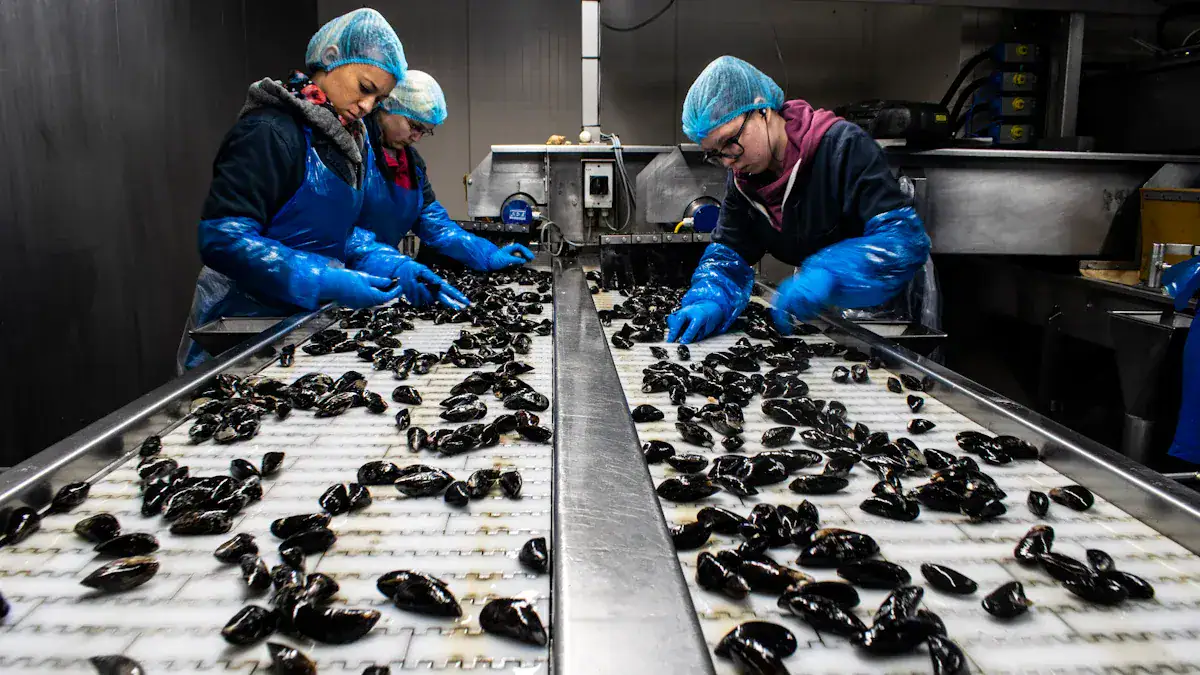
You work in food processing and agriculture where hygiene and safety are critical. You rely on coveralls to protect food products from contamination and maintain customer trust. These garments help you meet strict hygiene standards and prevent the spread of pathogens such as Norovirus and Salmonella.
You use coveralls to block dirt, dust, and biological agents from coming into contact with food. You also prevent cross-contamination between work areas. Many facilities implement TRSA Hygienically Clean Certification and use G-Trak technology to track uniform cleanliness. You receive regular training on uniform hygiene practices to ensure you follow best procedures.
Here is how coveralls contribute to food safety and hygiene:
You implement TRSA Hygienically Clean Certification to verify garment cleanliness.
You utilize G-Trak technology to monitor the hygiene status of uniforms.
You train employees regularly on proper uniform hygiene.
You also follow HACCP (Hazard Analysis and Critical Control Points) to identify contamination risks. Proper laundering of coveralls is essential to avoid introducing contaminants into food production areas.
Key Point | Description |
|---|---|
HACCP | You use this method to identify and control contamination points. |
Cross-Contamination | Coveralls help you prevent the spread of pathogens between work zones. |
Hygienic Laundering | You ensure uniforms are properly cleaned to avoid contamination. |
You protect food products from contamination.
You maintain customer trust in food safety.
You ensure compliance with hygiene standards.
Disposable coveralls are common in food processing because you can change them quickly when contamination occurs. You use reusable coveralls in agriculture for durability and protection against pesticides and harsh weather. You select garments that meet food safety regulations and help you maintain a clean working environment.
Tip: Always inspect your coveralls before entering food production areas. Replace them if you notice any damage or contamination.
Automotive and Electronics
You work in automotive and electronics manufacturing where you face unique hazards. You need coveralls to protect yourself and sensitive products from electrostatic discharge (ESD), contamination, and fire risks. Anti-static coveralls are essential for controlling ESD, which can damage integrated circuits and microprocessors.
You use coveralls to prevent dust, fibers, and other contaminants from affecting product quality. You also shield yourself from fire hazards caused by flammable materials and static charges. You maintain safety and product integrity by wearing garments designed for hazardous environments.
You protect sensitive electronic components from damage.
You prevent contamination in manufacturing areas.
You ensure safety from fire hazards due to flammable materials.
You maintain product quality and employee safety.
You select anti-static coveralls for electronics manufacturing to reduce the risk of fire or explosion from static charges. You also use flame-resistant coveralls in automotive plants where welding and cutting operations occur. Disposable coveralls are useful for short-term tasks or when working in clean assembly areas.
Note: Always follow your facility’s guidelines for wearing and maintaining coveralls to maximize protection.
Pharmaceuticals, Research, and Cleanrooms
You work in pharmaceuticals, research, and cleanroom environments where contamination control is vital. You rely on specialized coveralls designed to be lint-free and non-shedding. These garments prevent even the smallest particles from contaminating sensitive products and experiments.
You choose coveralls made from microporous and ESD-safe fabrics to maintain cleanroom integrity. These materials block dry particulate matter and some offer liquid barrier protection. You use disposable coveralls for tasks that require frequent changes and reusable coveralls for ongoing protection in controlled environments.
Specialized coveralls help you comply with strict industry standards. You protect yourself and your work from contamination, ensuring the safety and quality of pharmaceutical products and research outcomes.
Tip: Always wear clean, properly fitted coveralls in cleanrooms. Change garments as required to maintain a sterile environment.
Materials and Features of Coveralls

Common Materials
Cotton and Cotton Blends
You often choose cotton and cotton blends for work coveralls because they offer comfort and breathability. Cotton feels soft against your skin and absorbs moisture, which helps you stay cool during long shifts. Cotton blends add durability and resist tearing, making them suitable for construction and manufacturing. You benefit from easy laundering and a natural feel, which encourages you to wear your coveralls properly.
Synthetics and Treated Fabrics
You rely on synthetics like polyester and nylon when you need extra durability and resistance to chemicals. These fabrics withstand abrasion and harsh environments. Many synthetic coveralls feature chemical treatments that boost fire resistance or repel liquids. You find these options in industries where exposure to flames, chemicals, or biological agents is common.
Chemically treated fabrics enhance fire resistance, while inherent fabrics maintain their protective qualities throughout their lifespan.
Water-repellent coatings help prevent liquid spills and oils from soaking through, which increases durability in tough environments.
Anti-microbial treatments prevent odors and bacteria, which is especially useful in food processing and healthcare.
Treated fabrics can be heavier, giving you better protection against fire hazards.
You must maintain treated fabrics properly. Avoid bleach and fabric softeners to keep fire-resistant properties intact.
Coatings and Protective Treatments
You benefit from coatings and treatments that add specialized protection to your coveralls. Manufacturers apply water-repellent coatings to keep you dry in wet conditions. Flame-resistant treatments shield you from sparks and heat. Some coveralls feature anti-static coatings, which reduce the risk of static discharge in electronics or flammable environments. You also find anti-microbial finishes that help you maintain hygiene in healthcare and food processing.
Key Design Features
Closures, Fastenings, and Seams
You need secure closures and strong seams to keep hazards out. Zippers, snaps, and hook-and-loop fastenings make it easy for you to put on and remove your coveralls quickly. Reinforced seams prevent tearing and help your garment last longer. You stay protected and comfortable, even when you move or bend during work.
Pockets, Reinforcements, and Fit
You use pockets to store tools and equipment, which keeps your hands free and improves efficiency. Many coveralls include multiple pockets, so you can organize your gear. Reinforced knees and elbows add durability, especially when you kneel or lean on rough surfaces. Adjustable shoulder straps and ergonomic designs allow you to customize the fit, which helps you move easily and stay comfortable.
Breathability and Comfort
You need breathable coveralls to prevent overheating and discomfort. Breathable fabrics allow air to circulate, which keeps you cool and focused on your tasks. Comfortable coveralls encourage you to wear protective gear correctly, reducing the risk of accidents.
Key Points | Explanation |
|---|---|
Overheating Prevention | Breathable coveralls help prevent overheating, which can distract you and lead to improper use of protective gear. |
Comfort Encouragement | Comfortable coveralls promote proper wear, reducing the likelihood of compromising your safety. |
Enhanced Morale | Improved comfort leads to better morale, allowing you to focus on tasks without discomfort. |
Reduced Breaks | Comfortable coveralls decrease the need for frequent breaks, enhancing productivity. |
Safety Focus | You are less likely to lose focus when you feel comfortable, which reduces the probability of accidents. |
Breathable fabrics prevent overheating and discomfort.
Proper fit and comfort lead to correct usage of protective gear.
Enhanced morale and focus on tasks.
Reduced likelihood of accidents due to increased attention.
Tip: Always select coveralls with the right materials and features for your job. This helps you stay safe, comfortable, and productive.
Choosing and Caring for Work Coveralls
Selecting the Right Coveralls
Assessing Job and Hazard Requirements
You need to match your workwear to your job’s specific risks. Start by identifying the hazards you face, such as chemicals, fire, or dust. Choose garments that offer the right level of protection for your tasks. The table below helps you compare important criteria when selecting work coveralls:
Criteria | Description |
|---|---|
Durability | High-quality fabric extends the service life and comfort of coveralls. |
Safety | Good coveralls provide protection from stains and workplace hazards. |
Cost-effectiveness | Coveralls are relatively inexpensive and can be easily replaced. |
Comfort | Lightweight and comfortable coveralls facilitate movement and task performance. |
Material | High-quality materials make coveralls easy to wash and maintain. |
Sizing, Fit, and Comfort
You should always check the fit before purchasing. Well-fitted coveralls allow you to move freely and stay comfortable during long shifts. Look for adjustable features, such as elastic cuffs or waistbands, to improve comfort. Try on different sizes to find the best match for your body shape.
Compliance and Certification
You must ensure your workwear meets industry standards, especially in regulated environments. Review certifications to confirm that your coveralls provide the necessary protection. The table below lists common certifications and their purposes:
Certification | Description |
|---|---|
EN 13982-1 | Protection against solid airborne particles, ensuring effective defense against hazardous dust. |
EN 13034 | Protection against light liquid chemical splashes, relevant for Type 6 coveralls. |
EN 1149-5 | Focused on anti-static properties, crucial in environments with electrostatic discharge risks. |
EN 14126 | Ensures protection against infective agents, vital in medical and laboratory settings. |
EN 1073-2 | Protection against nuclear particles, specifically Class 1, for radioactive contamination defense. |
EN 14116 | Ensures limited flame spread, providing protection in fire hazard environments. |
Maintenance and Care
Cleaning and Laundering
You extend the lifespan of your workwear by following proper cleaning routines. Use a commercial laundry program that removes contaminants without damaging the fabric. Track how many times each garment has been washed so you know when it is time for replacement.
Inspection and Replacement
You should inspect your gear regularly. Annual checks help you spot damage or wear. In high-risk settings, inspect more often. Remove any defective items from use immediately and keep extra replacements available.
Inspect PPE regularly based on your work environment.
Remove damaged or expired gear from service.
Keep spare coveralls ready for emergencies.
Storage Best Practices
You protect your investment by storing gear correctly. Place coveralls in clean, dry spaces away from sunlight and moisture. Use sturdy pegs or closets to prevent damage. Train your team on proper care and encourage reporting of defects.
Tip: Well-maintained coveralls provide reliable protection and help you meet safety standards every day.
You protect yourself from workplace hazards when you choose the right coveralls. These garments help you stay safe, maintain hygiene, and meet regulatory standards. You reduce risks from chemicals, fire, and harsh weather. The table below shows how coveralls shield you from common dangers across industries:
Hazard Type | Description |
|---|---|
Chemicals | Prevent direct contact with hazardous substances. |
Dirt and debris | Keep clothing clean in tough environments. |
Fire | Act as a barrier against flames. |
Cuts and abrasions | Guard against sharp objects. |
Weather conditions | Protect from rain, snow, and wind. |
Tip: Always assess your work environment and care for your gear to ensure lasting protection.
FAQ
What is the difference between disposable and reusable coveralls?
Disposable coveralls offer single-use protection. You wear them for tasks with high contamination risk. Reusable coveralls last longer. You clean and maintain them for repeated use in tough environments.
How do you know which coverall type suits your job?
You assess workplace hazards first. Check for chemical, fire, or biological risks. Choose coveralls with features that match your safety needs. Always review compliance labels before purchase.
Can you wash flame-resistant coveralls at home?
You should not wash flame-resistant coveralls at home. Use professional laundry services. They follow cleaning protocols that preserve protective properties and meet safety standards.
Are coveralls comfortable for long shifts?
Modern coveralls use breathable fabrics and ergonomic designs. You stay cool and move easily. Look for adjustable cuffs and waistbands to improve comfort during extended wear.
What certifications should you check before buying coveralls?
Certification | Purpose |
|---|---|
EN 14126 | Infective agent protection |
EN 13034 | Chemical splash resistance |
EN 1149-5 | Anti-static properties |
EN 13982-1 | Dust and particle defense |
How often should you inspect your work coveralls?
You inspect coveralls before each use. Look for tears, worn seams, or contamination. Replace damaged garments immediately to maintain safety and hygiene.
Can you use the same coveralls for different jobs?
You should not use the same coveralls for every job. Select garments based on specific hazards. Using task-appropriate coveralls improves your safety and meets workplace regulations.