

What are uniform services and why do they matter now
Table of Contents
Display
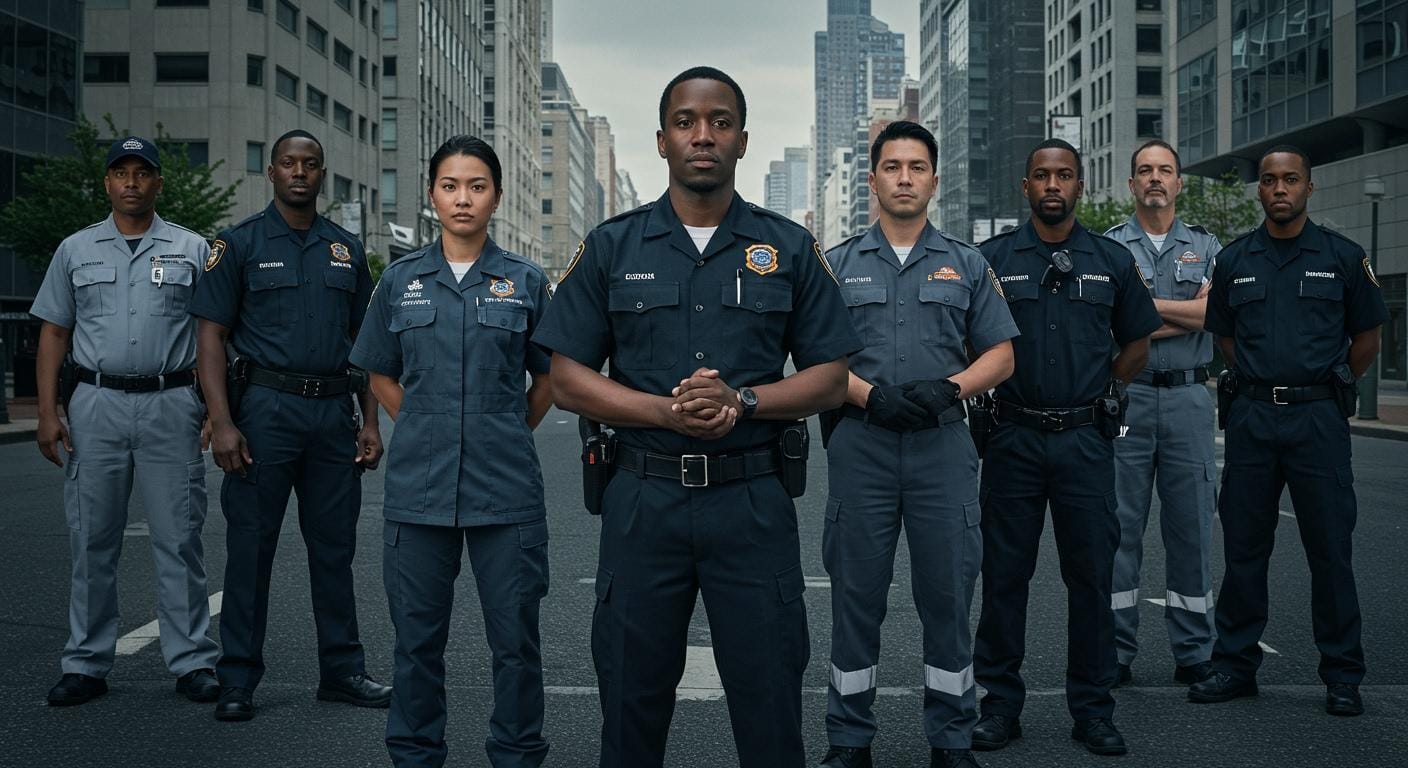
Uniform services refer to both the U.S. federal uniformed services—such as the Armed Forces, National Guard, and Public Health Service—and business-managed workwear programs that supply employees with standardized clothing. You see uniforms every day, from the military protecting the nation to workers in hospitals and restaurants. Uniforms support equality, clear communication, and legal protections. They also help businesses maintain hygiene and build a strong brand.
As of March 2025, U.S. federal uniformed services include:
2.07 million military personnel
788,470 civilians
Key Takeaways
Uniform services include federal uniformed services and business-managed workwear programs.
Uniforms promote equality and clear communication in workplaces and communities.
Managed workwear programs provide clean, professional uniforms, reducing laundry burdens for employees.
Uniforms enhance safety and hygiene, especially in industries like healthcare and food service.
Wearing uniforms boosts team morale and creates a sense of belonging among employees.
Uniform services help businesses maintain a professional image, which can increase customer trust.
Sustainability is becoming a priority in uniform services, with eco-friendly practices being adopted.
Technology is transforming uniform services, making them more customizable and efficient.
Uniform Services Overview
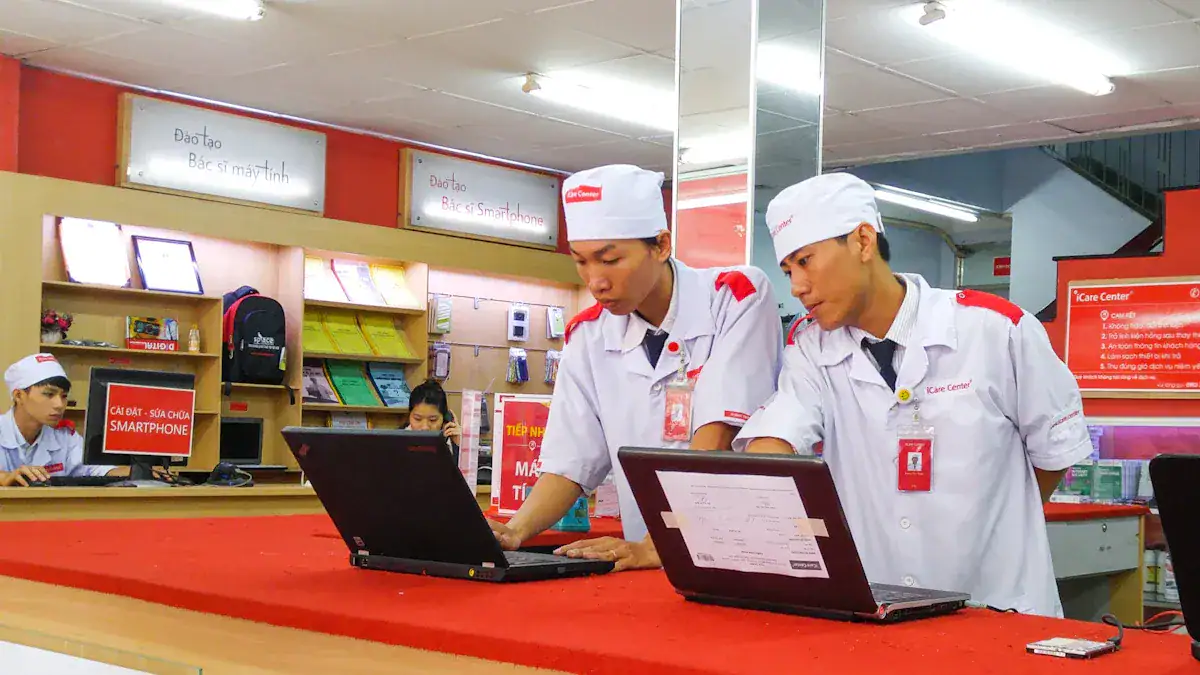
Uniform services play a vital role in society. You encounter them in national defense, public health, and everyday workplaces. These services create a sense of equality, improve security, and help you recognize roles and responsibilities. Uniformed services also support communication and workplace needs, making environments safer and more organized.
Federal Uniformed Services
Federal uniformed services protect the nation and serve communities. You see their impact in disaster response, public health, and national security. These organizations follow strict standards for uniforms, which help you identify authority and maintain discipline.
Military Branches
You can find eight main branches in the U.S. federal uniformed services. Each branch has a unique mission and set of responsibilities:
Army
Marine Corps
Navy
Air Force
Space Force
Coast Guard
Public Health Service Commissioned Corps
National Oceanic and Atmospheric Administration Commissioned Officer Corps
The department of defense oversees most of these branches, except for the Public Health Service and NOAA Corps, which operate under other federal agencies. Uniforms in these branches promote unity and help you distinguish ranks and roles.
Public Health and NOAA Corps
You may not realize that the Public Health Service Commissioned Corps and the NOAA Corps also count as uniformed services. These groups respond to health emergencies and environmental challenges. Their uniforms signal expertise and authority, especially during public health crises or natural disasters. Federal agencies rely on these teams for specialized support.
Business Uniform Services
Business uniform services provide managed workwear apparel programs for companies across the country. You benefit from these services through improved hygiene, safety, and brand recognition. Uniforms in the workplace help you feel part of a team and ensure compliance with industry standards.
Managed Workwear Program
A managed workwear program supplies, cleans, and maintains uniforms for employees. You receive clean and professional clothing regularly, which reduces the burden of laundry and replacement. These programs track inventory and replace worn items, so you always have reliable workwear apparel. Uniform services also help businesses meet health and safety regulations.
Tip: When you wear a uniform at work, you project a professional image and help customers identify staff quickly.
Industries Served
Business uniform service providers support a wide range of industries. You might see uniforms in places such as:
Industrial facilities
Automotive
Healthcare
Restaurants
Food and beverage
Education
Hospitality
Transportation
Manufacturing
Utilities
Medical
Uniform services adapt to the needs of each industry, offering specialized clothing for safety, hygiene, and branding. You notice the difference in environments where uniforms create a consistent and professional appearance.
How Uniform Services Work
Federal Service Structure
Federal uniformed services operate with clear structures and defined roles. You can join these services through voluntary or involuntary means. Each branch assigns duties based on your skills and the needs of the nation.
Voluntary and Involuntary Service
You may choose to serve in the military or other federal uniformed services. Voluntary service allows you to select your branch and role. Sometimes, the government calls individuals to serve involuntarily during national emergencies. Both paths require you to follow strict guidelines and wear official uniforms. These uniforms help you identify rank and responsibility. Federal law, such as the Uniformed Services Employment and Reemployment Rights Act (USERRA), protects your job and benefits when you return to civilian life.
Duties and Assignments
Your assignments depend on your branch and expertise. You might work in defense, disaster response, or public health. Duties range from field operations to technical support. Uniforms signal your authority and help others recognize your role. You follow a chain of command and complete tasks that support national security and public safety.
Managed Workwear Program Process
A managed workwear program helps your organization provide, maintain, and replace uniforms for employees. You benefit from a streamlined process that ensures you always have clean and professional workwear apparel.
Ordering and Delivery
You start by selecting the right uniforms for your team. The managed workwear program assists with design and branding. After you choose styles and features, the provider manufactures and sells the uniforms. Delivery brings the uniforms directly to your workplace. The program tracks which employees receive which garments, improving accountability.
Manufacturing and sale
Delivery to your organization
Distribution to employees
Inventory tracking and management
Cleaning and Maintenance
You rely on laundry service to keep uniforms clean and safe. The managed workwear program schedules regular laundry service, using effective cleaning agents and strict protocols. Staff receive training in proper cleaning techniques. The program documents every cleaning task to meet industry standards.
Protocol Aspect | Description |
|---|---|
Cleaning tasks occur at set intervals to ensure compliance and reduce errors. | |
Selection of Cleaning Agents | Providers use agents that fight contaminants and protect surfaces, with strict usage records. |
Equipment Management | Tools are color-coded and separated to prevent cross-contamination. |
Documentation | Every cleaning task is logged for audits and compliance. |
Staff Training | Employees learn proper cleaning habits and gowning procedures. |
Replacement and Inventory
Uniforms wear out over time. The managed workwear program monitors inventory and replaces garments as needed. You can expect a replacement cycle every year to eighteen months, depending on your work environment and how often you use the uniforms. The program handles replenishment for new hires and damaged items. You never worry about running out of uniforms or wearing unsafe clothing.
Tip: Regular laundry service and timely replacement keep your uniforms looking sharp and help you meet health and safety standards.
Why Uniform Services Matter
Equality and Communication
Uniform services help you experience equality in many environments. When you wear a uniform, you stand on equal ground with your peers. Uniforms remove distractions caused by personal clothing choices. You focus on your role and responsibilities. In federal uniformed services, uniforms show rank and position. You can identify leaders and team members quickly. In business settings, uniforms make it easy for customers to recognize staff. You see clear communication in action when uniforms display names, job titles, or company logos. This visibility helps you build trust and confidence in the people serving you.
Uniforms create a sense of unity. You feel part of a team, whether you work in healthcare, hospitality, or public safety.
Legal Protections
You receive important legal protections when you serve in federal uniformed services. Laws such as the Uniformed Services Employment and Reemployment Rights Act (USERRA) protect your civilian career. You do not lose your job or benefits because of military service. Employers must treat you fairly and cannot discriminate against you for serving your country.
Protection Type | Description |
|---|---|
Non-disadvantage | You do not face setbacks in your civilian career due to military service. |
Reemployment | You return to your civilian job promptly after completing your service. |
Non-discrimination | Employers cannot treat you unfairly because of your military service. |
Provision | Details |
|---|---|
Rehire Requirement | Employers must rehire you at the same position and pay you would have earned if not absent. |
Timeframe | You must resume work soon after finishing service, with rules based on service duration. |
Exceptions | Some conditions, such as serving more than five years with one employer, may affect rights. |
You gain protection from discrimination as an active or reserve military member.
Your employer must rehire you if you become deployed.
Actions based on your military service that harm your career violate the law.
Health and Safety
Uniform services play a key role in protecting your health and safety. In healthcare and food service industries, uniforms help you maintain high hygiene standards. You reduce the risk of cross-contamination when you wear clean clothes. A proper dress code supports strict food safety practices and helps you follow management rules.
Benefit | Description |
|---|---|
Hygiene Standards | Uniforms help you keep food handling areas clean and safe. |
Contamination Prevention | You prevent outside contaminants from reaching food products. |
Professionalism | You follow food safety rules and show commitment to quality. |
You promote food safety and brand recognition with a clear dress code.
You minimize cross-contamination risks by wearing clean uniforms.
You support strong food safety practices and professionalism through uniform policies.
Clean uniforms protect you and those around you. You help create a safer workplace and build trust with customers.
Branding and Morale
Uniforms do more than create a consistent look. You help shape your company’s brand every time you put on your uniform. When you wear clothing that displays your organization’s colors, logo, and style, you become a walking advertisement. Customers recognize your brand quickly. They remember your company for its professional appearance and attention to detail.
A strong brand identity starts with what you wear. Uniforms serve as a visual symbol of your organization’s values. You send a message of reliability and quality. High-quality uniforms show that your company cares about excellence. This impression can influence how clients and customers view your business.
You also experience the benefits of uniforms within your team. Uniforms foster a sense of unity. When everyone wears the same clothing, you feel like part of a group working toward a common goal. This shared identity builds camaraderie and teamwork. You notice that uniforms remove visual differences, making everyone feel equal. You do not have to worry about fashion trends or personal style. Instead, you focus on your work and your team.
Wearing a uniform can boost your pride in your job. You feel connected to your company and its mission. This sense of belonging often leads to higher morale. When you feel good about your appearance, your confidence grows. You perform better and support your coworkers more effectively.
Recent organizational studies highlight several ways uniforms contribute to branding and morale:
Contribution to Branding and Morale | Description |
|---|---|
Brand Identity | Uniforms serve as a visual embodiment of the brand, showcasing colors, logos, and style, enhancing brand visibility. |
Sense of Unity | Uniforms foster a sense of unity among employees, creating a cohesive work environment. |
Equality | A uniform dress code promotes equality, making all employees feel like equal parts of the organization. |
Employee Pride | Wearing a uniform instills pride and affiliation with the company, enhancing morale. |
Professional Appearance | High-quality uniforms reflect a company’s commitment to excellence, influencing client perceptions positively. |
You can see these effects in your daily work:
You establish a shared identity with your team, which fosters camaraderie.
You eliminate visual markers of hierarchy, which promotes equality and open communication.
You enhance your self-esteem and confidence, which positively influences both individual and team performance.
When you wear your uniform, you do more than follow a dress code. You help build your company’s reputation and strengthen your team’s spirit. Uniforms give you a sense of pride and purpose, which can make your workday more rewarding.
Benefits for Organizations and Individuals

Security and Compliance
You face many rules and regulations in today’s workplaces. Uniform services help you meet these requirements, especially in sectors like healthcare, finance, and education. When you use managed uniform programs, you support your organization’s efforts to protect sensitive data and maintain a secure environment. Uniforms can help you control access to restricted areas and make it easier to identify authorized personnel.
Many industries must follow strict compliance standards. Uniform services play a role in helping you address these requirements:
General Data Protection Regulation (GDPR): Sets rules for handling personal data.
Health Insurance Portability and Accountability Act (HIPAA): Protects health information.
Payment Card Industry Data Security Standard (PCI DSS): Secures cardholder data.
Sarbanes-Oxley Act (SOX): Ensures accurate financial records.
Federal Information Security Management Act (FISMA): Protects government information.
ISO/IEC 27001: Sets standards for information security management.
NIST Cybersecurity Framework: Offers best practices for cybersecurity.
California Consumer Privacy Act (CCPA): Protects consumer data.
New York Department of Financial Services (NYDFS): Requires cybersecurity for financial firms.
Gramm-Leach-Bliley Act (GLBA): Safeguards personal information.
Family Educational Rights and Privacy Act (FERPA): Protects student records.
American Recovery and Reinvestment Act (ARRA): Includes healthcare data privacy.
System and Organization Controls (SOC): Audits data security.
Federal Risk and Authorization Management Program (FedRAMP): Secures cloud services.
Uniforms help you meet these standards by supporting secure identification, access control, and hygiene protocols.
Professional Image
Uniforms shape how others see your organization. When you and your team wear clean, well-designed uniforms, you send a message of professionalism and care. In client-facing industries, your appearance can influence customer trust and loyalty.
65% of people in a Harris Interactive poll said that seeing employees in uniform made them feel better about the company.
Customers often believe that uniforms show a company cares about its staff, which can encourage them to choose your products or services.
A professional image starts with what you wear. Uniforms help you stand out, build trust, and create a positive first impression.
Employee Satisfaction
You want to feel comfortable and valued at work. Managed workwear programs can improve your daily experience. When you receive high-quality, durable uniforms, you notice better comfort and safety. You also benefit from efficient inventory management, which means you always have the right uniform when you need it.
High-quality uniforms boost operational efficiency and employee satisfaction.
Good inventory practices reduce shortages and waste, making your workday smoother.
Managed uniform programs give you more size and fit options, so you feel comfortable and confident.
Expert teams help design uniforms that meet safety and branding needs, creating a better experience for everyone.
When you feel good in your uniform, you work better and feel more connected to your team.
Cost and Efficiency
You want your organization to run smoothly and keep costs under control. Uniform services help you achieve both goals. When you use a managed uniform program, you avoid the high upfront costs of buying work apparel for every employee. You also eliminate the need to manage laundry, repairs, and replacements in-house. This approach lets you focus on your core business instead of worrying about uniforms.
Many organizations report significant cost savings after switching to a uniform service provider. For example, Happy Valley cut its uniform costs in half. The company also saw better worker productivity and morale because employees received comfortable, reliable uniforms. The following table highlights these results:
Organization | Cost Savings | Efficiency Improvements |
|---|---|---|
Happy Valley | 50% reduction in uniform costs | Improved worker productivity and morale. Reliable uniform service allows focus on core business activities. |
You can experience similar benefits in your workplace. Uniform services use advanced technology, such as RFID tracking, to keep tabs on every garment. This system ensures that employees always have the right uniforms when they need them. You spend less time on administrative tasks and more time on important work.
Here are some ways uniform services improve your efficiency:
Elimination of in-house management of uniforms.
Efficient tracking through RFID technology, reducing administrative headaches.
Consistent availability of clean uniforms, allowing staff to focus on their work.
You also save money in other ways. Consider these steps:
You do not need to purchase and maintain work apparel outright.
The uniform service handles cleaning, repairs, and replacements, which reduces upkeep costs.
Professional-looking uniforms enhance employee confidence and morale, which can lead to better performance.
By using a managed uniform program, you avoid hidden costs. You do not have to worry about lost or damaged uniforms. The provider tracks inventory and replaces items as needed. This process keeps your team looking sharp and ready for work.
Many uniform services offer systems like the Blue Chip System®. This technology ensures that each employee receives the correct garments on time. You benefit from efficient and error-free uniform tracking. The system reduces administrative burdens and streamlines your workflow.
Tip: When you let a professional service handle your uniforms, you free up resources and improve your bottom line. You also give your employees more time to focus on what matters most—their work.
Uniform services help you control expenses, boost efficiency, and create a more productive workplace. You see the results in your budget and in your team’s performance.
Choosing a Uniform Service Provider
Service Quality
You want your uniform service provider to deliver consistent, reliable results. Service quality affects your daily operations and employee satisfaction. When you evaluate providers, look for companies that guarantee on-time pickup and delivery. Reliable service prevents shortages and keeps your team ready for work. You should expect a clear service guarantee that outlines what you receive and how you can cancel if performance drops.
A dedicated account team helps you solve problems quickly. You get personalized support and fast responses to questions. Flexibility matters. You need to make routine changes without penalties, especially as your business grows or shifts. Transparency in billing lets you see exactly what you pay for, with no hidden charges.
Garment quality stands out as a top priority. High-quality uniforms made in certified plants last longer and feel comfortable. Regular inspections and automatic repairs or replacements keep uniforms looking sharp. If your team needs specialty protective garments, choose a provider with expertise in safety and compliance. Hygienic and eco-friendly laundering protects your staff and the environment. High-resolution garment emblems help your brand stand out.
Criteria | Description |
|---|---|
Reliable service prevents shortages and interruptions. | |
Service guarantee | Clear promise and cancellation process. |
Dedicated account team | Personalized support and quick responses. |
Flexibility | Easy routine changes without penalties. |
Transparency in billing | Clear invoices with no hidden charges. |
Garment quality | Durable, comfortable uniforms from certified plants. |
Maintenance | Regular inspections and automatic repairs or replacements. |
Specialty protective garments | Expertise in safety and compliance. |
Hygienic and eco-friendly laundering | Advanced cleaning and environmental protection. |
High-resolution garment emblems | Custom uniforms that represent your brand. |
Tip: Uniform quality depends on the provider’s integrity and strong quality control processes.
Customization
You want uniforms that reflect your brand and meet your team’s needs. Customization options let you create a unique look for your organization. Providers offer logo integration using professional techniques that ensure durability and visual appeal. You can request custom fabric patterns with brand elements woven into the material. Color matching helps you maintain a cohesive visual identity across all uniforms.
Position-specific designs allow you to tailor uniforms for different roles while keeping brand consistency. Seasonal adaptations give you options for summer and winter, so your team stays comfortable year-round.
Customization Option | Description |
|---|---|
Logo Integration | Durable, professional application of company logos. |
Custom Fabric Patterns | Unique fabrics featuring brand elements. |
Color Matching | Precise matching to brand standards. |
Position-Specific Designs | Tailored elements by role, maintaining consistency. |
Seasonal Adaptations | Uniforms for different seasons with consistent branding. |
You may want flexibility for employees to select their own apparel. Some providers offer access to top national brands, such as Sanmar workwear. You can manage ongoing uniform costs and distribution with a program like the cintas uniform program, which supports customization and efficient delivery.
Pricing
You need to understand the pricing models before you choose a provider. Most uniform service providers in the United States use weekly rental costs, which range from $4 to $15 per employee. The price depends on uniform complexity and materials. Service charges usually add 5% to 10% of weekly rental fees. You may see setup fees for name tags and logos, especially for replacements or size changes.
Providers charge for lost or damaged uniforms. Fuel surcharges may apply when fuel costs rise. If you need non-standard sizes, expect a size-premium charge. Watch for contract breaches, such as overcharging or unapproved fee increases, which sometimes exceed inflation rates.
Pricing Component | Description |
|---|---|
Average Rental Costs | |
Service Charge | 5%–10% of weekly rental charges. |
Setup Fees | Initial costs for name tags and logos. |
Lost/Damaged Fees | Charges for replacing or fixing uniforms. |
Fuel Surcharge | Additional charge based on fuel costs. |
Size-Premium Charge | Extra fee for non-standard sizes. |
Contract Breaches | Overcharging and unapproved fee increases. |
Note: Stability of supply and reliable maintenance help you control costs and avoid interruptions in business efficiency.
Sustainability
You play a key role in shaping your organization’s environmental impact when you choose a uniform service provider. Many leading providers now focus on sustainability, making it easier for you to support eco-friendly practices at work. You can help reduce waste, save resources, and protect the environment by selecting a provider that prioritizes green initiatives.
Uniform service providers have adopted several sustainable practices. You may notice these efforts in their daily operations:
Eco-friendly laundry methods that use less water and energy.
Reusable products, such as durable linens and uniforms, that minimize landfill waste.
Recycling programs for cardboard, plastics, and hangers.
Use of biodegradable soaps that avoid harmful chemicals.
Computer-controlled washers that recycle water and improve efficiency.
Responsible maintenance and disposal of fabrics to extend garment life.
You can see how these practices work in the following table:
Practice | Description |
|---|---|
Eco-friendly laundry methods | Providers use large-capacity, high-productivity machines to save water and energy. |
Recycling initiatives | Many recycle cardboard, plastics, and 35,000 to 45,000 hangers each week. |
Biodegradable soaps | Sustainable, lab-tested soaps keep harmful chemicals out of the water supply. |
Reduced water & energy use | Computer-controlled washers recycle over 30% of water and cut down on energy consumption. |
CWA Compliance | Providers follow EPA regulations and hold permanent wastewater permits to protect local waterways. |
You benefit from these efforts in several ways. Eco-friendly laundry practices help reduce your organization’s carbon footprint. When you use uniforms made from durable materials, you cut down on the number of garments sent to landfills. Recycling programs keep plastics and other materials out of the waste stream. Biodegradable soaps protect water quality and support healthier communities.
Providers also focus on sustainable maintenance. You receive uniforms that last longer and require fewer replacements. This approach saves resources and lowers costs for your business. When uniforms reach the end of their life, responsible disposal methods ensure minimal environmental impact.
You should ask potential providers about their sustainability policies. Look for companies that invest in new technology and follow strict environmental standards. Many providers now use computer systems to track water and energy use, making it easier to measure progress and set new goals.
Choosing a sustainable uniform service provider shows your commitment to the environment. You help your organization meet its sustainability goals and set a positive example for others.
By making sustainability a priority, you support a cleaner, greener future for your workplace and your community.
Future of Uniform Services
Technology
You see technology changing the way uniform services operate. New tools make uniforms more customizable, efficient, and cost-effective. Companies now use 3D printing to create unique designs and rapid prototypes. You benefit from digital fabric printing, which produces high-resolution prints and allows on-demand production. Automated cutting machines help providers deliver precise and consistent uniforms while reducing labor costs. These advancements speed up production and give you more choices for style and fit.
Technology | Key Benefits |
|---|---|
3D Printing | Customization, Rapid Prototyping, Complex Structures and Materials |
Digital Fabric Printing | High-Resolution Prints, On-Demand Production, Customization and Versatility, Cost-Effectiveness |
Automated Cutting | Precision and Consistency, Increased Production Speed, Material Optimization, Reduced Labor Costs |
You notice that technology also improves tracking and inventory management. Providers use RFID tags and smart systems to monitor uniforms, making sure you always have what you need. These changes help you save time and reduce waste.
Evolving Standards
Uniform standards continue to evolve as workplaces change. You see companies rethinking dress codes to support diversity and inclusion. Many organizations move away from strict rules and adopt flexible frameworks that let you express your personal style. Legal decisions now protect you from discrimination based on clothing choices, so businesses adapt their policies.
Companies are reimagining traditional dress code policies to foster diversity and inclusion.
Dress codes are shifting from strict standards to flexible frameworks that allow personal expression.
Legal rulings have broadened the understanding of discrimination, prompting businesses to adapt their dress codes.
HR plays a key role in creating a dress code that reflects company values and promotes a sense of belonging.
Restrictive dress codes can lead to employee frustration and decreased productivity.
Organizations are increasingly considering individual style in their dress code guidelines.
You benefit from dress codes that respect your background and values. A well-designed policy can boost your engagement and productivity. Companies gain from guidelines that reflect cultural values and allow personal expression. Neutral approaches help everyone feel included.
A well-designed dress code can enhance employee engagement and productivity.
Companies benefit from policies that reflect cultural values while allowing personal expression.
A neutral dress code approach respects diverse personal and cultural values.
Trends
You will see several important trends shaping uniform services over the next five years. Sustainability stands out as a top priority. Providers focus on eco-friendly materials and production methods to protect the environment. Customization grows in popularity, letting you wear uniforms that match your brand and personal needs. Functionality improves with smart fabrics and practical features, making your work easier and safer. Safety remains essential, with uniforms designed to keep you comfortable and protected.
Trend | Description |
|---|---|
Sustainability | Focus on eco-friendly materials and production methods. |
Customization | Increased demand for personalized uniforms to enhance branding. |
Functionality | Adoption of smart fabrics and practical features for improved efficiency. |
Safety | Emphasis on uniforms that ensure worker safety and comfort. |
Customized uniforms boost branding and improve functionality.
Functional uniforms enhance employee performance and safety.
Durable and multi-functional designs help reduce long-term costs.
You can expect uniform services to keep adapting to new technologies, workplace cultures, and environmental concerns. These changes help you work better, feel more comfortable, and support a greener future.
Uniform services shape your experience in both national and business settings. Uniforms give you practical benefits like safety and clear identification. They also carry symbolic meaning, reinforcing group identity and unity while sometimes limiting individual expression. As you look ahead, you will see uniforms become more versatile, sustainable, and personalized:
Future Trend | What You Can Expect |
|---|---|
Versatility | Uniforms that fit many roles and daily needs |
Technology | Virtual try-ons and better fit through new tools |
Well-being | Designs that support comfort and mental health |
Sustainability | Eco-friendly materials and practices |
Customization | Uniforms tailored to your preferences |
You can assess the impact of uniforms in your organization by gathering feedback, measuring satisfaction, and aligning uniforms with your values. Consider how uniforms help your team feel connected and represent your brand.
FAQ
What are the main benefits of using a uniform service?
You gain a professional image, improved hygiene, and better team unity. Uniform services help you save time and money. You also meet safety and compliance standards more easily.
How does a managed workwear program help your business?
You receive clean uniforms on schedule. The provider tracks inventory and replaces worn items. You avoid the hassle of laundry and repairs. Your team always looks sharp and ready.
Can you customize uniforms for your company?
You can choose colors, logos, and styles that match your brand. Providers offer options for different roles and seasons. Custom uniforms help you stand out and support your company’s identity.
How do uniform services ensure hygiene and safety?
Providers use strict cleaning protocols and high-quality detergents. You get uniforms that meet industry standards for cleanliness. Regular replacement cycles keep your workwear safe and presentable.
Are there legal protections for employees in federal uniformed services?
You receive job protection under laws like USERRA. Your employer must rehire you after service. You do not face discrimination because of your military duties.
What should you look for in a uniform service provider?
You should check service reliability, garment quality, customization options, and sustainability practices. Ask about pricing transparency and support. A good provider helps your business run smoothly.
Do uniform services support sustainability?
Many providers use eco-friendly laundry methods and recycle materials. You help reduce waste and protect the environment by choosing a sustainable uniform service.