

Uniform Differences by School Stage: Preschool to High School – Comfort Matters Most!
Table of Contents
Display
Have you ever wondered why uniforms feel so different from preschool to high school? Uniform Differences exist because each stage brings new needs, but comfort always matters most. You want your child to focus in class, not fidget with itchy fabrics. Research shows that comfortable uniforms can help students attend school more regularly, especially in low-income communities. Here’s how schools across the U.S. approach uniforms:
Educational Stage | |
|---|---|
Primary Schools | 23% |
Middle Schools | 18% |
High Schools | 10% |
Comfort in uniforms supports well-being, simplifies mornings, and helps students feel equal.
Key Takeaways
Comfort is essential for effective learning. Choose uniforms that allow students to focus on lessons, not discomfort.
Soft, breathable fabrics like cotton blends are ideal for preschoolers. They prevent irritation and support active play.
Elementary uniforms should be gender-neutral and adjustable. This promotes inclusivity and accommodates growth.
Middle school uniforms often shift to more formal styles. Ensure your child feels comfortable and confident in these changes.
High school uniforms can impact self-esteem. Encourage your child to express any discomfort and advocate for their needs.
Involve your child in uniform selection. Their input on fit and style can enhance comfort and confidence.
Uniforms promote equality and unity among students. They help reduce peer pressure related to fashion choices.
Prioritize comfort when shopping for uniforms. Look for durable, easy-care materials that support active lifestyles.
School Uniforms and Comfort
Comfort in Learning
You want your child to focus on lessons, not on the clothes they wear. Comfortable school uniforms play a crucial role in supporting concentration and classroom participation. When students feel at ease in their uniforms, they can engage more fully in learning activities. Teachers and administrators recognize that comfortable clothing helps students stay attentive and motivated. Many schools now choose activewear-inspired uniforms, which use breathable and flexible materials. These options allow students to move freely and participate in class without distraction. Studies show that clothing impacts cognitive function, mood, and performance. Discomfort from traditional uniforms can lead to fatigue and loss of focus. In Scotland, new guidelines even let students opt out of blazers to improve comfort, highlighting the growing awareness of this issue.
When students wear uncomfortable uniforms, you may notice these effects:
Children become distracted in class, fidgeting or adjusting their clothing.
Teachers sometimes label students as disruptive, when discomfort is the real cause.
Well-Being
Comfortable school uniforms do more than support learning; they also protect students’ well-being. When you choose uniforms that fit well and use soft fabrics, you help your child feel confident and secure. Uncomfortable uniforms can cause physical discomfort, such as itching or restricted movement. Over time, this discomfort may affect your child’s mood and self-esteem. Flexible and breathable uniforms help students feel good about themselves and encourage positive attitudes toward school. You want your child to feel included and valued, and comfortable uniforms can make a big difference.
Parent and Student Views
Parents and students often share concerns about the comfort of school uniforms. The most common issues include physical discomfort, psychological impact, and engagement problems. The table below summarizes these concerns:
Concern Type | Description |
|---|---|
Physical Discomfort | Issues such as restricted movement, poor ventilation, and uncomfortable fabric contribute to discomfort. |
Psychological Impact | Feelings of restriction, lack of self-expression, and conformity can negatively affect self-esteem and well-being. |
Engagement Issues | Discomfort in uniforms can hinder focus, participation in activities, and overall engagement in school. |
You want your child to feel comfortable and confident every day. Listening to student feedback and considering their needs helps you choose uniforms that support both learning and well-being. School uniforms should simplify routines and promote equality, but comfort remains the foundation for success.
Preschool Uniforms

Features
Preschool uniforms set the foundation for comfort and practicality in early childhood development. You notice that these uniforms differ from those worn by older students. They focus on making your child’s day easier and more enjoyable. You want your preschooler to feel secure and confident as they start their learning journey.
Fabrics
You see that fabric choice matters most for preschoolers. Schools select soft, breathable materials to prevent skin irritation and keep children comfortable throughout the day. Cotton blends and jersey knits are popular because they feel gentle against sensitive skin. These fabrics also withstand frequent washing, which is essential for active preschoolers.
Design
Design features in preschool uniforms prioritize simplicity and ease of use. You find elastic waistbands, Velcro fastenings, and pullover tops common in these uniforms. These elements allow your child to dress themselves with minimal help, which helps foster independence. You want your preschooler to build confidence by mastering basic self-care skills. Uniforms often avoid buttons, zippers, or complicated closures that can frustrate young children. Bright colors and playful patterns make uniforms appealing and help children feel connected to their learning community.
Uniforms help kids feel connected to a learning community, which can enhance their comfort in a school setting.
They promote independence by allowing children to dress themselves easily, fostering confidence.
Uniforms simplify the morning routine for families, reducing the time spent on outfit selection.
Comfort Needs
Preschoolers need uniforms that support their active lifestyle. You want your child to move freely during playtime, classroom activities, and outdoor exploration. Schools design preschool uniforms to allow unrestricted movement, so your child can run, jump, and climb without feeling constrained.
Coats emphasizes the importance of softness to minimize skin irritation and the need for security and freedom of movement, which are crucial for active play in preschool uniforms.
You notice that comfort in preschool uniforms goes beyond fabric and design. The right uniform helps your child feel safe and ready to learn. You want your preschooler to focus on making friends, exploring new ideas, and enjoying their day. Uniforms that prioritize comfort and independence support these goals and set a positive tone for future school experiences.
Preschool uniforms play a vital role in early childhood development. You see how they foster independence, simplify routines, and encourage active participation. When you choose uniforms that meet these needs, you help your preschooler thrive both inside and outside the classroom.
Elementary Uniforms
Styles
Elementary school uniforms reflect the active and diverse needs of young learners. You notice that schools often select styles that balance practicality with comfort. Many schools now offer options that suit a wide range of activities and body types.
Gender-Neutral
You see a growing trend toward gender-neutral uniforms in elementary schools. These options allow every child to feel comfortable and included, regardless of gender. Gender-neutral uniforms often feature simple polo shirts, shorts, or pants made from soft cotton blends. These materials breathe well and allow for movement, which is essential for energetic children. Adjustable waistbands and elastic elements help accommodate growth spurts, so your child can wear the same uniform throughout the school year. You want your child to feel confident and focus on learning, not worry about restrictive clothing.
Dresses with soft cotton blends provide breathability and flexibility.
Uniforms with adjustable waistbands and elastic features support comfort and growth.
Fit matters; uniforms should never feel tight or limit movement.
Seasonal
You recognize that seasonal changes require thoughtful uniform design. Schools often provide options for both warm and cool weather. In summer, lightweight fabrics keep children cool and comfortable. During colder months, you find uniforms with long sleeves, thicker materials, and layering options. These choices ensure your child stays comfortable throughout the year, regardless of the weather.
Comfort Factors
Comfort remains a top priority for elementary students. You want your child to move freely during recess, physical education, and classroom activities. Uniforms should support active play and not restrict movement. However, some traditional styles, such as skirts or dresses, may limit physical activity, especially for girls.
Research shows that restrictive uniforms can discourage girls from participating in sports and active play. Dr. Mairead Ryan highlights the importance of uniform design in either encouraging or restricting physical activity.
Evidence Description | Findings |
|---|---|
Impediments to physical activity | Inappropriate uniforms were identified as major barriers to girls participating in school sports. |
Impact of uniform type | Girls reported that traditional uniforms limited their ability to be active during break times, stating they were ‘held back from running.’ |
Comparison of uniform types | A study found that girls took significantly more steps during break times when wearing sports uniforms compared to traditional uniforms (p = 0.006). |
You want your child to feel comfortable expressing themselves and developing independence. When you choose uniforms that prioritize comfort and flexibility, you help your child participate fully in school life. Schools that offer sports uniforms or flexible options see higher levels of physical activity, especially among girls. You play a key role in advocating for uniforms that support your child’s well-being and growth.
Middle School Uniforms
Styles
Formality
When your child enters middle school, you notice a shift in uniform styles. Schools often introduce more formal uniforms at this stage. You may see requirements for blazers, button-up shirts, and dress shoes. This change marks a step away from the casual clothing of elementary years. The new formality aims to prepare students for greater responsibility and maturity. However, this transition can feel abrupt for many children. Some students struggle with the new expectations, especially if they have sensory sensitivities. The switch to stiffer fabrics and structured garments can cause discomfort. Labels, seams, and certain sock materials may irritate your child’s skin. You want to ensure that your child feels comfortable and confident, even as the dress code becomes stricter.
Personalization
Middle school is a time when students seek to express their individuality. Uniform policies often limit self-expression, but some schools allow small touches of personalization. You might notice students choosing unique backpacks, socks, or hair accessories. These small choices help your child feel seen and valued. Personalization supports individuality and helps students develop a sense of self. You want your child to feel proud of who they are, even within the boundaries of a uniform. Some schools now offer options like different shirt colors or relaxed dress days. These changes encourage individuality while maintaining a sense of unity.
Tip: Encourage your child to find subtle ways to express their individuality within the uniform policy. This can boost confidence and help them feel more comfortable at school.
Comfort
Comfort needs change as your child grows. Middle school students spend longer hours at school and participate in a wider range of activities. You want uniforms that support both academic focus and physical movement. The shift to formal uniforms can create new challenges. Some students experience discomfort from tight collars, stiff fabrics, or restrictive fits. Sensory sensitivities may make certain materials or clothing labels unbearable. You should pay attention to your child’s feedback about how their uniforms feel. Schools that listen to student concerns often adjust their policies to improve comfort.
You can help your child build independence by involving them in uniform choices. Let your child try on different sizes and styles to find what feels best. This process supports independence and helps your child advocate for their own needs. When students feel comfortable, they participate more fully in class and extracurricular activities. Comfortable uniforms also reduce distractions and help your child focus on learning.
Middle school uniforms often require a balance between formality and comfort.
Personalization options allow students to express individuality, even within strict dress codes.
Listening to your child’s comfort concerns can lead to better school experiences and greater independence.
High School Uniforms
Features
Dress Codes
You encounter more structured dress codes when your child enters high school. Schools often require collared shirts, ties, and specific pants or skirts. These guidelines aim to create a professional atmosphere and prepare students for future workplaces. Many high schools enforce strict rules about colors, logos, and even shoe types. You may notice that some schools allow blazers or sweaters, but they still expect students to follow precise standards. These dress codes can help reduce distractions and promote a sense of unity among students.
Choices
High school students sometimes have limited choices within the uniform policy. Some schools offer options like different shirt colors or the ability to choose between pants and skirts. Others allow students to wear school-branded outerwear or select from a range of approved shoes. You might see schools introduce casual Fridays or spirit days, giving students a chance to express themselves. These small choices can make a big difference in how comfortable and confident your child feels at school.
Comfort
Comfort becomes a complex issue for teenagers. High school uniforms often use standardized materials and fits, which do not always suit every body type. You may find that your child struggles with stiff collars, tight waistbands, or fabrics that irritate the skin. Teenagers also face unique comfort challenges related to body image. Many students compare their appearance to peers, which can lead to self-consciousness or negative self-perception. When uniforms do not fit well, students may feel exposed or uncomfortable, affecting their confidence and focus in class.
Tip: Encourage your child to speak up about any discomfort. Schools that listen to student feedback often make adjustments, such as offering more sizes or softer fabrics.
You want your child to feel comfortable and accepted, especially during these formative years. High school students often report that uniforms can highlight differences in body shape, making some feel out of place. The pressure to conform to a certain look can add stress, especially for those who already feel self-conscious.
The comfort needs of high school students differ from those in middle and elementary school. The following table highlights some key differences in how students experience their school environments:
Evidence | Description |
|---|---|
Stage-Environment Fit | Middle school students often experience a worse fit between their developmental needs and their environments compared to elementary and high school students. |
Relationship Needs | Young adolescents require positive, warm relationships, which are harder to establish in middle school due to organizational structures. |
Curriculum Challenges | Middle school curricula tend to be less experiential, conflicting with the developmental needs for experiential and emotional learning during early adolescence. |
You see that high school students generally adapt better to their environment than middle schoolers. However, the right uniform design still plays a crucial role in supporting comfort, confidence, and participation. When you advocate for uniforms that fit well and use comfortable materials, you help your child focus on learning and personal growth.
Uniform Differences by School Stage
Key Differences
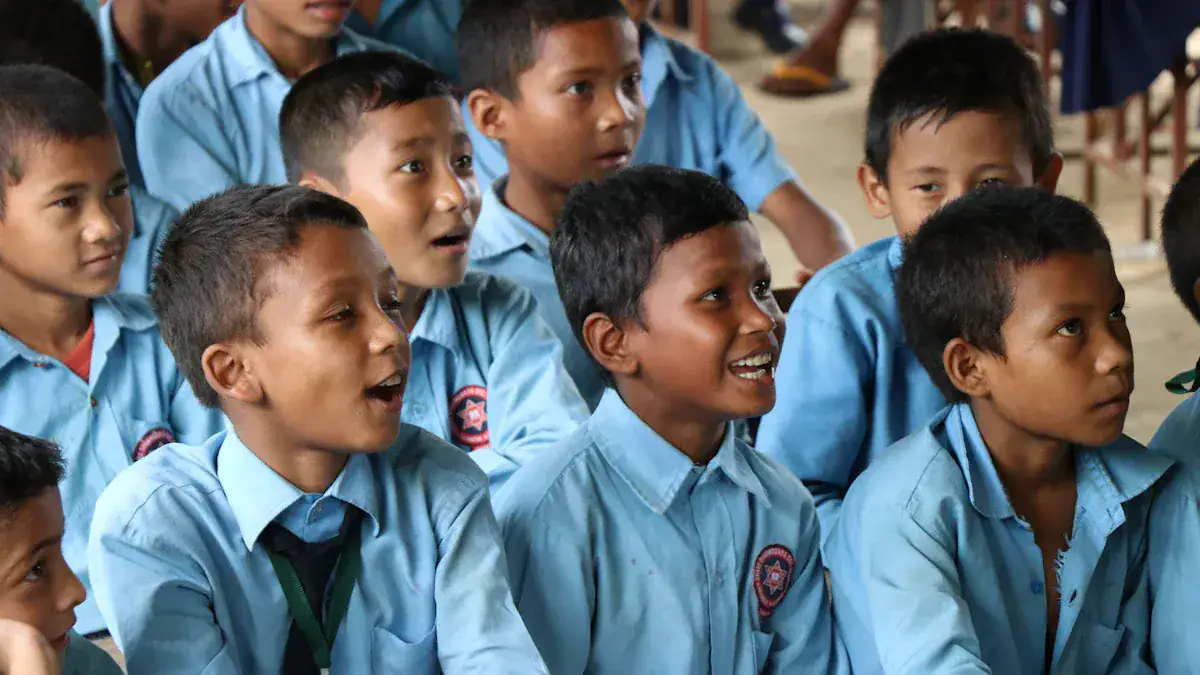
You encounter distinct uniform differences as your child progresses from preschool to high school. Each stage introduces new priorities in design, fabric, and policy. Preschool uniforms focus on softness and simplicity, supporting independence and active play. Elementary uniforms shift toward gender-neutral and seasonal options, balancing comfort with practicality. Middle school uniforms become more formal, often limiting self-expression and introducing stiffer materials. High school uniforms emphasize professional appearance, with stricter dress codes and fewer choices.
Internationally, you notice a growing trend toward activewear-inspired uniforms. Schools in Scotland, for example, now allow students to opt out of traditional blazers. This shift reflects a broader recognition that comfort enhances well-being and engagement. Uniform differences also arise from cultural expectations and climate. In warmer regions, schools favor lightweight fabrics, while colder climates require layering and heavier materials.
You see that fabric selection plays a crucial role in comfort at every stage. The following table summarizes common materials and their impact:
Fabric Type | Pros | Cons |
|---|---|---|
Cotton | Soft, breathable, hypoallergenic | Wrinkles easily, may shrink in wash |
Polyester | Durable, wrinkle-resistant, fast-drying | Less breathable, not ideal in hot weather |
Poly-Cotton Blends | Balanced comfort and durability | Can vary in quality depending on blend ratio |
Twill | Hard-wearing, wrinkle-resistant | Slightly heavier feel |
Wool and Wool Blends | Warm, natural fiber, great drape | Expensive, can be itchy, needs special care |
Gabardine | Tough, tightly-woven, stylish | Limited breathability |
Knit Fabrics | Stretchy, breathable, moisture-wicking | Less formal appearance |
You observe that uniform differences reflect not only age and activity level but also the need for inclusivity and adaptability. Schools that prioritize comfort in their uniform policies see higher student satisfaction and participation.
Comfort Comparison
You want to understand how comfort evolves with uniform differences at each school stage. Preschoolers benefit most from soft, flexible fabrics like organic cotton or bamboo blends. These materials prevent irritation and allow freedom of movement. As your child enters elementary school, you notice uniforms made from breathable, durable fabrics. Poly-cotton blends and knit fabrics support active play and withstand frequent washing.
Middle school introduces more structured garments. Twill and polyester blends offer durability but may sacrifice breathability. Students often report discomfort from tight collars and stiff materials. You should pay attention to your child’s feedback, as sensory sensitivities can affect their experience.
High school uniforms prioritize appearance and structure. Wool blends and gabardine provide a polished look but can feel heavy or itchy. Teenagers value fit and stain resistance, yet many struggle with standardized sizing. You see that comfort challenges increase as uniforms become more formal.
Consider these uniform differences in comfort across stages:
Preschool: Soft, stretchy fabrics; easy closures; playful designs.
Elementary: Gender-neutral styles; seasonal options; adjustable waistbands.
Middle School: Formality; limited personalization; stiffer materials.
High School: Strict dress codes; minimal choices; structured fits.
Note: Activewear-inspired uniforms, now popular in many regions, use breathable and stretchable materials. These options support physical activity and improve comfort for students at all ages.
You recognize that uniform differences shape your child’s daily experience. Schools that adapt policies to prioritize comfort—such as allowing activewear or flexible sizing—help students thrive. When you advocate for comfortable uniforms, you support your child’s well-being and engagement in learning.
Impact of School Uniforms
Equality
You want every student to feel valued and respected at school. Uniforms can help create a level playing field, reducing the pressure to wear certain brands or styles. When everyone wears the same outfit, you remove many visible signs of economic difference. This approach can help students focus on learning rather than comparing appearances.
A national study by the NAESP found that 72% of parents and 86% of school officials believe uniforms decrease peer pressure.
In a U.K. survey, 7 in 10 students felt that uniforms helped them fit in and reduced bullying.
Senior Vivi McCarthy shared that uniforms would reduce stress about looks, since everyone would wear the same thing.
Junior Owen Ludwig mentioned that uniforms help students who feel uncomfortable expressing themselves through clothing.
Uniforms send a clear message of equality, regardless of gender or socioeconomic background. You see fewer distractions related to fashion, which can help students develop a stronger sense of belonging. When you remove clothing-based judgments, you foster a more inclusive and nurturing environment. Students can build confidence and focus on their shared experiences, rather than worrying about fitting in.
Unity
Uniforms do more than promote equality; they also build unity within the student body. When you see everyone dressed alike, you notice a stronger sense of belonging and school pride. This unity can help reduce bullying and encourage positive relationships.
When asked about her reasoning behind supporting school uniforms at Poly, sophomore Olivia Rivera-Vasquez said, “The good thing about school uniforms is that they create a strong sense of unity around the school when everybody’s dressed the same.”
School uniforms reduce bullying by creating a sense of unity and community.
Wearing the same outfit fosters camaraderie and enhances school spirit.
Uniforms minimize visible socioeconomic differences, allowing for greater inclusion.
You notice that students feel more connected to their peers when they share a common identity. This sense of belonging can improve morale and make students more likely to participate in school activities. When you create a unified appearance, you help students feel part of something bigger than themselves.
Physical Activity
Uniforms can influence how active students are during the school day. You want students to move freely and participate in sports or play without restriction. However, some uniform styles may limit physical activity, especially for girls.
Study | Findings |
|---|---|
2023 Cross-sectional Study in Chile | Sport uniforms linked to higher cardiorespiratory fitness compared to formal uniforms. |
2012 Study in Australia | Girls had significantly lower mean daily steps in formal uniforms (933.3) than in sports uniforms (1,134.1) (p = 0.006). |
RCT in New South Wales | Increased light physical activity for girls in sport uniforms (0.62, p = 0.012) and reduced sedentary time for all students (−0.81, p = 0.014). |
A large-scale study involving over 1 million participants across 135 countries found a link between school uniforms and reduced physical activity, especially among primary school girls. Uniforms that restrict movement can decrease opportunities for exercise both during and after school. While there is no overall association between uniforms and physical activity, you should pay attention to gender differences. In regions where uniforms are common, girls often experience lower activity levels, which can affect their sense of belonging and well-being.
You can support students by advocating for uniforms that allow for movement and comfort. When you prioritize activewear-inspired designs, you help all students feel included and ready to participate fully in school life.
Morale
You notice that morale in schools often depends on how students feel about their uniforms. Uniforms can shape your child’s confidence, sense of belonging, and overall happiness at school. When students feel comfortable and accepted in what they wear, they tend to participate more in class and social activities. You want your child to walk into school feeling proud, not anxious or self-conscious.
Uniforms can boost morale by reducing the pressure to dress in a certain way. Many students feel relieved when they do not have to worry about keeping up with fashion trends or peer expectations. You see that uniforms create a sense of stability and routine, which helps students focus on learning. Some students report that uniforms make mornings less stressful, allowing them to start the day with a positive mindset.
However, you should recognize that uniforms do not always improve morale for every student. Some children feel restricted by strict dress codes or uncomfortable fabrics. Uniforms that do not fit well or accommodate diverse body types can lead to embarrassment and discomfort. You may notice that students with unique identities or preferences struggle to express themselves within rigid uniform policies. This lack of self-expression can lower self-esteem and increase anxiety.
Consider the following findings from recent studies:
Study Source | Findings |
|---|---|
Students without uniform policies had a higher self-perception than those with uniforms. | |
Oxford Brookes University | Students reported increased anxiety on non-uniform days, suggesting uniforms may positively impact mental health. |
General Observation | Uniforms can lead to embarrassment and discomfort, particularly for students with diverse body types and gender identities. |
You see that the impact of uniforms on morale varies widely. Some students feel more secure and less anxious when everyone dresses the same. Others experience lower self-perception or discomfort, especially if the uniform does not suit their body type or identity. You should listen to your child’s feedback and observe how they respond to their uniform. If your child feels anxious or unhappy, you may need to advocate for changes in the school’s policy.
Tip: Encourage your child to share their thoughts about their uniform. Open communication helps you understand their feelings and supports their well-being.
You play a key role in supporting your child’s morale. When you choose uniforms that fit well and allow for some personal expression, you help your child feel confident and included. Schools that offer flexible sizing, softer fabrics, and options for personalization often see higher morale among students. You can work with teachers and administrators to ensure that uniform policies promote comfort, acceptance, and positive mental health.
Morale in schools reflects how students feel about themselves and their environment. Uniforms can either support or hinder this feeling. By prioritizing comfort and inclusivity, you help your child thrive both academically and socially.
Choosing Comfortable Uniforms
Shopping Tips
You want your child to feel comfortable and confident in their school uniform every day. When you shop for uniforms, you should prioritize comfort, durability, and practicality. Start by reviewing your school’s dress code requirements. This step helps you avoid surprises and ensures you select approved styles and colors.
Consider shopping early in the season. Early shopping gives you access to the best deals and a full range of sizes. Uniform bundles can save you money and simplify the process. Involve your child in the shopping experience. When your child helps choose their uniform, they feel more invested and excited to wear it.
You should focus on breathable fabrics that support physical activity. Cotton blends and moisture-wicking materials keep your child cool and comfortable throughout the day. If your child finds wool itchy, choose alternatives like cotton sweaters. Sizing up allows for growth, especially in hem and sleeve lengths. You can buy extra shirts and socks, since these items tend to wear out quickly.
Tip: Order uniforms early to avoid last-minute stress and ensure you get the right fit and style for your child.
Here are practical tips to guide your shopping:
Review school uniform and dress code requirements before purchasing.
Shop uniform bundles for savings and convenience.
Start early to secure the best selection and prices.
Involve your child in choosing styles and fabrics.
Choose breathable, easy-care materials for comfort.
Size up to accommodate growth spurts.
Buy extra pieces for frequently used items.
Select alternatives to wool if your child has sensitivities.
Quality matters. Look for high-quality fabrics that are durable and easy to clean. Customization options, such as different colors and sizes, help you match your child’s preferences and the school’s branding. Reliable vendors with industry experience ensure timely delivery and a comprehensive product range.
Student Input
You play a key role in making sure your child’s voice is heard during the uniform selection process. Student feedback helps schools design uniforms that fit well and feel comfortable. You can encourage your child to share their preferences for fabric, fit, and style.
Schools often gather input through surveys or focus groups. Students can express what works best for their body type, which fabrics feel most comfortable, and which styles they prefer. Features like pockets or adjustable waistbands can make a big difference in daily comfort.
Aspect | Description |
|---|---|
Fit | Students provide feedback on how uniforms fit different body types. |
Fabric | Preferences for breathable and easy-care materials enhance comfort. |
Style | Input on preferred styles, colors, and garment types (pants, skirts) guides design choices. |
Additional Features | Suggestions for pockets or adjustable elements improve practicality and comfort. |
When you advocate for student input, you help create uniforms that support learning, confidence, and well-being. Your involvement ensures that comfort remains the top priority at every stage of your child’s education.
You see that comfort in school uniforms drives confidence and supports a warm and welcoming school environment. When you prioritize comfort, you help students thrive academically and emotionally. The table below highlights how thoughtful design meets students’ needs at every stage:
Key Aspect | Impact on Students |
|---|---|
Supports holistic wellness, enhancing academic performance and emotional well-being. | |
Comfort in Design | Creates nurturing spaces that foster a sense of belonging and readiness to face challenges. |
Commitment to Design | Ensures that educational environments meet the physiological, emotional, and intellectual needs of students. |
Balancing equality, unity, and physical activity remains essential. Schools now embrace inclusive sizing, tech-friendly features, and seasonal adaptability. You shape the future by listening to student feedback and advocating for comfort.
FAQ
What fabrics offer the most comfort for school uniforms?
You should look for cotton, poly-cotton blends, or moisture-wicking knits. These fabrics feel soft, breathe well, and resist irritation. They also handle frequent washing and daily wear, keeping your child comfortable throughout the school day.
How can you help your child adjust to a new uniform?
You can involve your child in choosing sizes and styles. Let them try on uniforms before school starts. Encourage them to share feedback about fit and comfort. This approach builds confidence and eases the transition.
Do uniforms really improve equality among students?
Uniforms reduce visible differences in clothing brands and styles. You help create a level playing field by supporting uniform policies. This approach minimizes peer pressure and helps students focus on learning instead of fashion.
What should you do if your child finds the uniform uncomfortable?
You should speak with school staff about your concerns. Ask if alternative fabrics or styles are available. Consider layering with soft undershirts or choosing larger sizes for a better fit. Your feedback can lead to positive changes.
Can uniforms limit physical activity?
Some traditional uniforms restrict movement, especially for girls. You can advocate for activewear-inspired options or sports uniforms. These designs support freedom of movement and encourage participation in physical activities during school hours.
How do you care for school uniforms to maintain comfort?
Wash uniforms in cold water with gentle detergent. Avoid harsh chemicals or high heat. You should check care labels for specific instructions. Regularly inspect for wear and replace items that lose softness or shape.
Are there ways for students to personalize their uniforms?
Many schools allow small touches like unique socks, hair accessories, or pins. You can encourage your child to express their personality within the dress code. Personalization helps students feel confident and connected to their school community.