

Top 3 Construction Vest Choices for Engineers
Table of Contents
Display
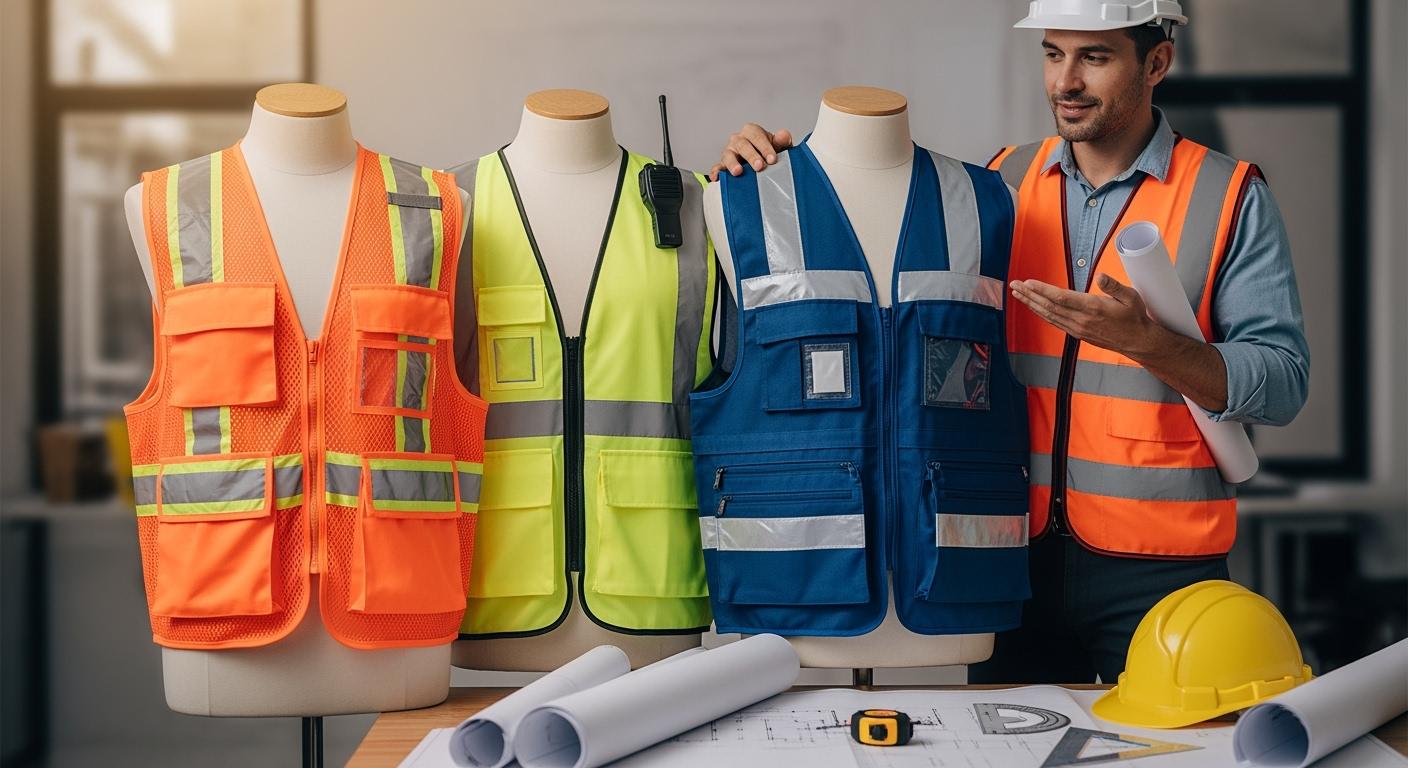
You want the best gear for safety and performance on site. The ML Kishigo Black Series Surveyors Vest offers advanced visibility and comfort. The SECO 8265/8365 Safety Utility Vest gives you excellent storage and durability. The Radians Engineer Safety Vest stands out as a reliable hi-vis vest for tough conditions. These construction vest options serve engineers who need ANSI-rated protection, high visibility, and practical features every day.
Key Takeaways
High visibility vests are essential for safety on construction sites. They help prevent accidents by making workers more visible to drivers and equipment operators.
Choose a vest that meets ANSI standards. Class 2 or Class 3 vests provide the best visibility for construction zones and high-risk environments.
Comfort is key when selecting a vest. Look for breathable materials that keep you cool during long hours of work.
Storage options matter. Select a vest with multiple pockets to keep tools and documents organized and easily accessible.
Durability is crucial. Invest in a vest made from high-quality materials that can withstand daily wear and tear.
Reflective tape enhances visibility, especially in low-light conditions. Ensure your vest has durable reflective features for maximum safety.
Regularly inspect your vest for wear and tear. Replace it if the reflective material fades or if the fabric shows signs of damage.
Consider your specific job needs when choosing a vest. Different roles may require different features, such as extra pockets or enhanced breathability.
Why Engineers Need a High Visibility Vest
Safety and ANSI Standards
You face many hazards on a construction site, but one of the most serious risks comes from low visibility. Many injuries happen when workers are not seen by drivers or equipment operators.
According to the U.S. Bureau of Labor Statistics:
305 out of 639 fatal injuries at road construction sites involved workers being struck by vehicles or mobile equipment.
38% of these workers were struck by construction equipment, and 33% by cars, vans, or tractor-trailers.
High visibility clothing helps reduce these “struck-by” deaths.
A high visibility vest makes you stand out, especially in busy or low-light environments. The American National Standards Institute (ANSI) sets standards for safety vests. You should know which class of vest fits your work:
Performance Class | Description | Suitable Environments |
|---|---|---|
Class 1 | Designed for low-risk environments with minimal traffic, suitable for speeds below 25 mph. | Warehouse work |
Class 2 | Ideal for environments with moderate traffic and speeds up to 50 mph. | Construction zones, public safety |
Class 3 | Offers maximum visibility for high-risk environments with traffic exceeding 50 mph. | Highway construction |
You need to choose a vest that meets the right ANSI class for your job. This ensures excellent visibility and protection.
Comfort and Breathability
You often wear your high visibility vest for long hours. Comfort matters as much as safety. Many modern vests use materials like high-tech composite laminates, nylon, and lightweight structural mesh. These materials keep you cool and comfortable, even in hot or humid weather.
Tip: Breathable materials help you stay focused and productive, no matter the climate.
A safety vest made from lightweight mesh or nylon allows air to flow. You can work year-round without feeling weighed down. This is important for engineers who move between indoor and outdoor tasks.
Storage and Functionality
You need more than just visibility. You need a vest that helps you do your job efficiently. Safety vests with pockets give you space to carry tools, radios, and documents. Features like a front flap radio pocket, lower cargo pockets, and large inside compartments make your work easier.
Multiple pockets let you organize tools and equipment.
Large inside pockets hold documents or tablets.
Easy-access pockets improve efficiency on the job.
Top-rated safety vests with pockets often have between five and ten storage compartments. This means you can keep everything you need within reach. A high visibility vest with functional storage supports your performance and safety every day.
Reflective tape and bright colors also play a big role in reducing accidents. Studies show that reflective markings can cut night-time accidents by up to 43% and lower injuries by over 60%. When you wear a high visibility vest with reflective tape, you increase your chances of being seen from all angles, in any light.
A high visibility vest is not just a requirement—it is a smart investment in your safety and efficiency.
Durability and Material Quality
You need a construction vest that stands up to daily wear and tear. Durability matters because your vest faces tough conditions on every job site. You might brush against rough surfaces, carry heavy tools, or work in rain and sun. A high-quality vest keeps you protected and saves you money over time.
Material quality plays a big role in how long your vest lasts. Manufacturers use advanced fabrics and construction methods to make sure your vest performs well. You want a vest that does not rip or fade easily. You also want one that keeps its shape and function after many washes.
Most top-rated engineer vests use a combination of strong and lightweight materials. These materials give you both comfort and toughness. Here are some features you should look for:
High-quality mesh fabric: This material allows air to flow, which keeps you cool. It also resists tearing, so your vest stays in good shape.
Durable reflective material: Bright reflective tape helps you stay visible in low light. Good tape does not peel or crack after repeated use.
Multiple reinforced pockets: You need pockets for tools, blueprints, and small gear. Reinforced stitching keeps these pockets from ripping, even when you carry heavy items.
Adjustable straps: These let you fit the vest snugly to your body. A secure fit prevents the vest from snagging or shifting while you work.
Strong zippers and fasteners: Quality closures keep your vest secure. They also last longer than cheap snaps or Velcro.
Tip: Check the stitching on your vest. Double or triple-stitched seams add strength and help your vest last longer.
You should also consider how the vest handles weather and washing. Some vests use water-resistant coatings to protect you from rain. Others use colorfast dyes that do not fade in the sun. Machine-washable vests save you time and keep your gear looking professional.
A durable vest gives you peace of mind. You can focus on your work without worrying about your gear failing. When you invest in a vest with high-quality materials, you get better safety, comfort, and value. Choose a vest that matches the demands of your job and you will see the benefits every day.
Best Construction Vest Reviews for Engineers
ML Kishigo Black Series Surveyors Vest
Features and Specifications
You want a construction vest that stands out for both safety and performance. The ML Kishigo Black Series Surveyors Vest delivers on both fronts. This hi-vis vest uses Ultra-Cool™ 100% polyester mesh, which gives you excellent breathability and comfort. The black bottom design hides dirt, so you look professional even after a long day on site. You get multiple pockets for tools and essentials, which helps you stay organized. The reinforced zipper closure adds durability, and the vest meets ANSI/ISEA 107 Type R Class 2 standards. This means you stay visible and protected in traffic or around heavy machinery.
Feature | Description |
|---|---|
Superior Visibility | Ultra-Cool™ 100% polyester mesh in high-visibility colors and reflective materials |
Heavy-Duty Black Bottom Design | Keeps dirt and grime out of sight, maintaining a clean appearance in rugged environments |
Functional Storage | Multiple pockets for tools and essentials, enhancing organization and efficiency |
Comfort and Durability | Breathable mesh and reinforced zipper closure for long-lasting use |
ANSI/ISEA Compliance | Meets ANSI/ISEA 107 Type R Class 2 standards for safety in traffic and heavy machinery environments |
Pros and Cons
Pros:
You get superior visibility in all lighting conditions.
The black bottom keeps your vest looking clean.
Multiple pockets help you carry everything you need.
Breathable mesh keeps you comfortable during long shifts.
The vest meets strict safety standards.
Cons:
The fit may feel snug if you wear heavy layers underneath.
The price is higher than some basic options.
Best Use Cases
You should choose this hi-vis vest if you work in environments with moving vehicles or heavy equipment. It works well for field engineers, surveyors, and inspectors who need to stay visible and organized. You will appreciate this construction vest if you value both comfort and a professional appearance.
SECO 8265/8365 Safety Utility Vest
Features and Specifications
You need a hi-vis vest that can handle tough conditions and keep you comfortable. The SECO 8265/8365 Safety Utility Vest uses durable mesh fabric, which gives you breathability during long days. High-quality reflective material ensures you stay visible in low-light situations. You get multiple pockets designed for tools, blueprints, and other essentials. Adjustable straps let you customize the fit, so the vest stays secure as you move.
High visibility with quality reflective material for low-light conditions
Durable mesh fabric for breathability and comfort during extended wear
Multiple pockets designed for tools and blueprints
Adjustable straps for a snug fit and secure closure
Rugged Oxford material for resistance to tough working conditions
Numerous multi-function pockets for carrying tools and equipment
Pros and Cons
Pros:
You stay visible in both daylight and nighttime conditions.
The mesh fabric keeps you cool and comfortable.
You have plenty of storage for tools and documents.
Adjustable straps give you a secure, custom fit.
The rugged material stands up to harsh environments.
Cons:
The vest may feel bulky if you carry many items.
Some users find the zipper less durable over time.
Best Use Cases
You should pick this construction vest if you need lots of storage and work in demanding environments. It suits engineers who carry blueprints, radios, or multiple tools. This hi-vis vest works well for utility engineers, project managers, and anyone who values durability and organization.
Radians Engineer Safety Vest
Features and Specifications
You want a hi-vis vest that balances visibility, comfort, and value. The Radians Engineer Safety Vest offers bright colors and reflective tape, which help you stand out in any environment. The lightweight mesh material keeps you cool, even during long shifts. You get several pockets for tools, pens, and small devices. The zipper closure makes it easy to put on and take off. This construction vest meets ANSI standards, so you know you are getting reliable protection.
Pros and Cons
Pros:
You get excellent visibility with bright colors and reflective tape.
The lightweight mesh provides comfort in warm weather.
Multiple pockets help you stay organized.
The vest offers good value for the price.
Easy zipper closure saves you time.
Cons:
The material may not be as rugged as higher-end vests.
Limited pocket space for larger items.
Best Use Cases
You should consider this hi-vis vest if you need reliable visibility and comfort for everyday tasks. It fits well for engineers who move between indoor and outdoor sites. This construction vest is a smart choice for entry-level engineers, interns, or anyone who wants a balance of safety and affordability.
Construction Vest Comparison Table
Safety and Visibility
You need a vest that keeps you safe and visible at all times. Each of the top three vests offers strong safety features. The ML Kishigo Black Series Surveyors Vest uses bright colors and wide reflective tape. The SECO 8265/8365 Safety Utility Vest includes high-quality reflective material. The Radians Engineer Safety Vest provides ANSI-rated visibility with bold colors and reflective stripes.
Vest Model | ANSI Rating | Reflective Tape | Visibility Features |
|---|---|---|---|
ML Kishigo Black Series | Type R Class 2 | Wide, durable | Ultra-bright mesh, black bottom |
SECO 8265/8365 Safety Utility Vest | Type R Class 2 | High-quality | Bright mesh, multi-angle tape |
Radians Engineer Safety Vest | Type R Class 2 | Standard | Bold colors, reflective stripes |
Tip: Always check the ANSI rating before you buy a vest. This rating tells you if the vest meets safety standards for your work environment.
Comfort and Fit
You spend long hours on site. Comfort matters as much as safety. The ML Kishigo vest uses lightweight mesh that lets air flow. The SECO vest features adjustable straps for a custom fit. The Radians vest uses soft mesh and a simple zipper closure.
ML Kishigo Black Series Surveyors Vest
Lightweight mesh keeps you cool.
Ergonomic design fits most body types.
SECO 8265/8365 Safety Utility Vest
Adjustable straps let you change the fit.
Breathable mesh reduces sweat.
Radians Engineer Safety Vest
Soft mesh feels light on your shoulders.
Zipper closure makes it easy to wear.
Note: Try on different vests before you choose one. A good fit helps you move freely and stay comfortable all day.
Storage Options
You need space for tools, documents, and devices. The ML Kishigo vest gives you multiple pockets for small and large items. The SECO vest offers extra compartments for blueprints and radios. The Radians vest includes basic pockets for pens and small tools.
Vest Model | Number of Pockets | Pocket Types | Storage Highlights |
|---|---|---|---|
ML Kishigo Black Series | 8+ | Tool, document, radio | Large inside pockets, flap pockets |
SECO 8265/8365 Safety Utility Vest | 10+ | Tool, blueprint, multi-use | Extra-large compartments |
Radians Engineer Safety Vest | 5+ | Pen, tool, small device | Simple, easy-access pockets |
Alert: If you carry many items, choose a vest with reinforced pockets. This prevents tearing and keeps your gear secure.
Durability
You want a construction vest that lasts through tough conditions. Durability matters because your vest faces daily wear and tear. The ML Kishigo Black Series Surveyors Vest uses reinforced stitching and a heavy-duty zipper. This design helps the vest resist rips and keeps the closure working smoothly. The black bottom panel hides stains and dirt, so you look professional even after a long day.
The SECO 8265/8365 Safety Utility Vest stands out for its rugged Oxford material. This fabric resists abrasions and holds up well against rough surfaces. You can trust the reinforced pockets to carry heavy tools without tearing. Adjustable straps also add to the vest’s lifespan by preventing stress on seams.
The Radians Engineer Safety Vest uses lightweight mesh. This material feels comfortable, but it may not handle sharp objects or heavy loads as well as the other two options. The zipper works well for everyday use, but it may wear out faster if you use the vest in harsh environments.
Tip: Check your vest for double or triple-stitched seams. These features add strength and help your vest last longer.
If you work in demanding conditions, choose a vest with reinforced pockets and strong closures. You will get more value from a vest that stays in good shape after many uses.
Price and Value
You want to make a smart investment when you buy a safety vest. Price and value help you decide which vest fits your budget and needs. Here is a quick look at the prices for the top choices:
Vest Name | Price |
|---|---|
ML Kishigo Black Series Surveyor Safety Vest | |
Radians Engineer Safety Vest | $46.39 |
SECO 8265/8365 Safety Utility Vest | N/A |
The ML Kishigo Black Series Surveyors Vest costs more than the other options. You pay for advanced features, extra durability, and a professional look. If you need a vest that lasts and keeps you comfortable, this option gives you strong value.
The Radians Engineer Safety Vest offers a lower price. You get reliable visibility and comfort for everyday tasks. This vest works well if you want a balance between cost and performance.
The SECO 8265/8365 Safety Utility Vest does not have a listed price, but it usually falls in the mid-range. You get extra storage and rugged materials, which can save you money over time if you carry many tools.
Note: Think about how often you will use your vest. A higher upfront cost can mean better value if the vest lasts longer and meets all your needs.
Choose a vest that matches your work environment and budget. You will stay safe and get the most out of your investment.
How to Choose the Best Safety Vest for Engineers
Assessing Work Environment
You need to start by looking closely at your work environment before choosing a safety vest. Each job site has unique risks and requirements. The right vest keeps you safe and comfortable while you work. Here are the main factors you should consider:
Industry-Specific Needs: Match your vest to your job. For example, construction and roadwork often require Class 2 or Class 3 vests. These vests offer higher visibility and more protection.
Visibility & Reflective Properties: Pick vests with bright colors and retroreflective strips. These features help you stand out in busy or low-light areas.
Material & Durability: Choose materials that fit your environment. Mesh works well in hot weather because it allows air to flow. Polyester offers durability for all-weather use.
Comfort & Fit: Make sure your vest fits well. A good fit prevents distractions and reduces the risk of accidents. Think about the layers you wear underneath.
You should also look at these site-specific details:
Traffic Speed & Proximity: If you work near fast-moving vehicles, you need a higher class vest.
Lighting Conditions: Your vest should keep you visible at dawn, dusk, or night.
Job Tasks: Some tasks require you to bend, reach, or move quickly. Your vest should not block your movement or reduce your visibility.
Tip: Walk around your site at different times of day. Notice how lighting and traffic change. This helps you pick the right vest for every shift.
Prioritizing High Visibility Features
You need to make visibility your top priority. High visibility vests use bright colors like neon yellow or orange. These colors catch the eye and help others see you from a distance. Reflective strips add another layer of safety. They bounce light back to drivers and equipment operators, making you visible even in low light or at night.
Look for these features when you choose a vest:
Wide, durable reflective tape that covers the front, back, and sides.
Bright, colorfast fabrics that do not fade after washing.
Patterns that break up your outline and make you stand out against any background.
Alert: Never choose a vest that blends in with your surroundings. Always pick the brightest option available for your job.
Evaluating Comfort and Fit
You will wear your safety vest for many hours each day. Comfort and fit matter as much as visibility. A vest made from breathable mesh polyester, like the Black Surveyors Safety Vest, helps you stay cool during long shifts. This material lets air flow and reduces sweat, especially in warm weather.
Try on different vests to find one that fits your body shape. The vest should not feel too tight or too loose. Adjustable straps or side panels help you get a snug fit. Make sure you can move your arms and shoulders freely. If you wear extra layers in cold weather, check that the vest still fits well over your clothing.
Note: A comfortable vest helps you focus on your work. You will feel less tired and more productive throughout your shift.
Considering Storage Needs
You need a safety vest that helps you carry your tools and essentials. Engineers often work with blueprints, radios, pens, and small devices. You want pockets that keep your gear organized and easy to reach. Top-rated vests offer different pocket layouts to match your daily tasks. Some vests focus on maximum storage, while others provide a balance between breathability and practicality.
Here is a quick comparison of common vest types and their storage features:
Vest Type | Best For | Features |
|---|---|---|
High-Visibility Vest | Professionals needing maximum storage | 7 pockets, reinforced detailing for rugged work |
Breathable Vest | Surveyors, engineers in warm climates | Breathable design, practical pocket layout |
Tech-Friendly Vest | Site managers, technicians | Breathable mesh, secure pockets for devices/tools |
You should check the number and size of pockets before you choose a vest. Large inside pockets hold documents or tablets. Flap pockets keep your tools secure. Reinforced stitching prevents tears when you carry heavy items. If you use electronic devices, look for secure compartments that protect them from dust and impact.
Tip: Make a list of the items you carry every day. Choose a vest that fits your workflow and keeps your gear safe.
Durability and Longevity
You want your safety vest to last through tough conditions. Durability matters because you face heat, cold, wind, rain, and snow on the job site. You need a vest that stands up to daily wear and tear. Synthetic fibers like nylon and polyester offer strong resistance to rips and fading. Some vests use blends that improve durability for specific tasks.
Consider Environmental Factors: Pick a vest that matches your climate. Water-resistant coatings help in rainy weather. Colorfast fabrics prevent fading in the sun.
Assess Job-Specific Requirements: Look for extra safety features. Cut resistance and flame resistance add protection for specialized tasks.
Evaluate Durability: Check the stitching and closures. Double or triple-stitched seams last longer. Strong zippers and reinforced pockets handle heavy use.
You should inspect your vest regularly. Look for signs of wear, such as frayed seams or broken zippers. Replace your vest if you see damage that could affect your safety.
Alert: A durable vest saves you money and keeps you safe. Do not ignore small tears or loose threads.
Budget Considerations
You want to make a smart investment when you buy a safety vest. High-quality vests may cost more at first, but they save you money over time. Durable materials reduce the need for frequent replacements. Regular inspections and maintenance help your vest last longer. If you choose a vest that resists wear and tear, you lower your risk of unexpected failures and extra costs.
Price and quality often go hand in hand. You should balance your budget with your safety needs. A cheap vest may wear out quickly and put you at risk. A well-made vest protects you and reduces liability for your team. You should think about how often you use your vest and what features matter most for your job.
Note: Investing in a reliable safety vest gives you peace of mind. You stay protected and avoid costly replacements.
You have learned about the ML Kishigo Black Series Surveyors Vest, SECO 8265/8365 Safety Utility Vest, and Radians Engineer Safety Vest. Each vest offers high visibility, comfort, and storage.
Field engineers benefit from rugged vests with extra pockets.
Surveyors need lightweight, breathable options.
Project managers should focus on ANSI compliance and professional appearance.
Always match your vest to your environment, job role, and safety guidelines.
Check ANSI certification before use.
Inspect your vest often and replace it if reflective material fades.
Choose features that fit your daily tasks.
Stay safe and visible on every job site.
FAQ
What ANSI class vest should you wear as an engineer?
You should wear a Class 2 or Class 3 vest. These classes provide high visibility for construction zones and roadwork. Always check your site’s safety requirements before choosing.
How do you clean a high visibility safety vest?
You should wash your vest in cold water with mild detergent. Air dry it to keep the reflective tape bright. Avoid bleach and high heat.
Can you wear a safety vest over a jacket?
Yes, you can wear a safety vest over a jacket. Choose a vest with adjustable straps or a larger size for a comfortable fit.
How often should you replace your safety vest?
Replace your vest when the reflective tape fades or the fabric tears. Inspect your vest regularly. A damaged vest does not protect you.
Do all construction vests have pockets?
Not all vests have pockets. You should check the product details. Engineers often need vests with multiple pockets for tools and documents.
Are high visibility vests required by law?
Many job sites require high visibility vests by law, especially for roadwork or heavy equipment zones. You should follow OSHA and local regulations.
What color safety vest is best for engineers?
You should choose neon yellow or orange. These colors stand out in most environments. Bright colors help drivers and equipment operators see you.
Can you personalize your safety vest with your company logo?
Yes, many suppliers offer customization. You can add your company logo or name. This helps with identification and promotes your brand.