

Where to print logos on custom jackets
Table of Contents
Display
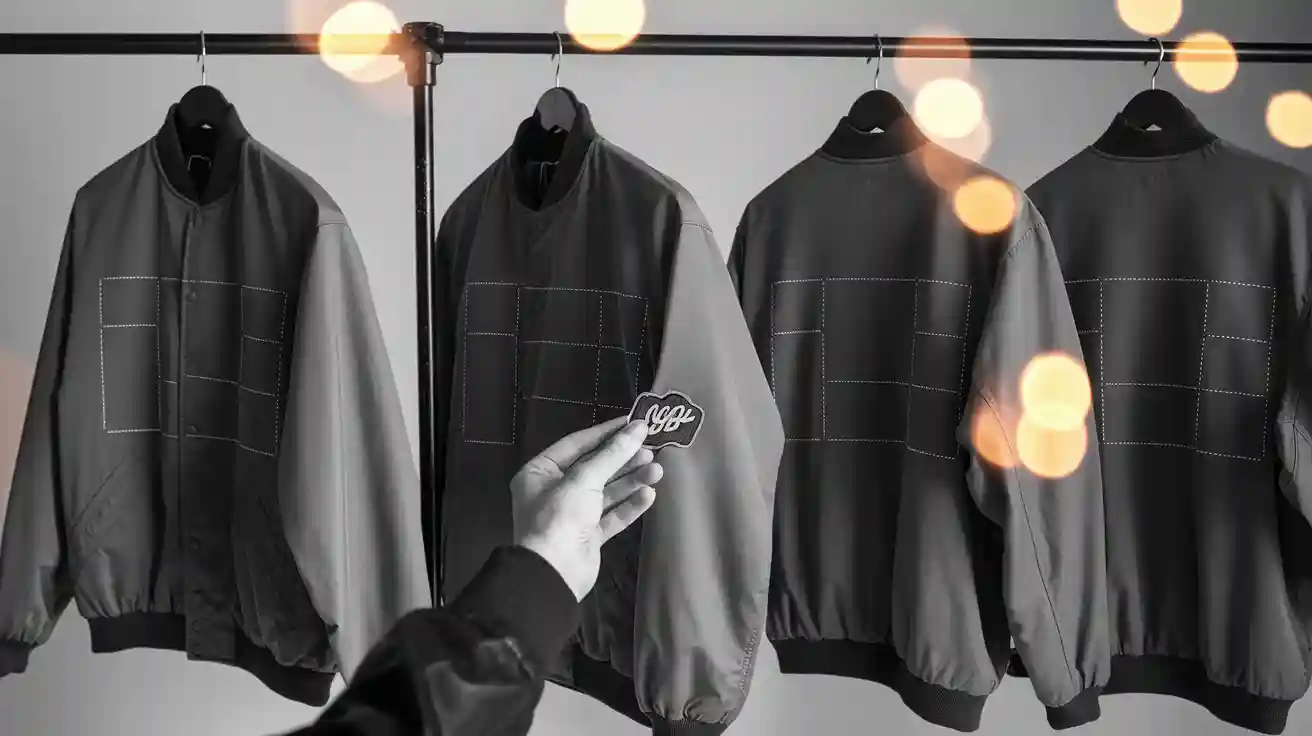
When I print logos on custom jackets, I focus on the most effective placements for visibility and impact. The left chest stands out as the top choice, offering strong brand recall and a polished look. The right chest provides balance, while the back works best for larger logos and maximum exposure. Modern brands often choose the sleeve, collar, or even the hood for a unique touch. I always consider the jacket style, logo size, and how the jacket will be used to ensure the branding feels intentional and memorable.
Key Takeaways
The left chest is the best spot for logos in professional settings, projecting reliability and familiarity.
Full front logos create a bold statement, ideal for promotional items or team uniforms.
Upper back placements enhance visibility for groups, making logos readable from a distance.
Sleeve logos offer a subtle branding option, perfect for secondary logos or personal touches.
Consider the logo size and shape when choosing placement; larger logos suit the back or full front.
Match logo placement to the jacket style for the best visual impact and durability.
Use online design tools to visualize logo placements before finalizing your order.
Choose the right printing method based on your logo’s complexity and the jacket’s fabric for optimal results.
Print logos on custom jackets: Placement options
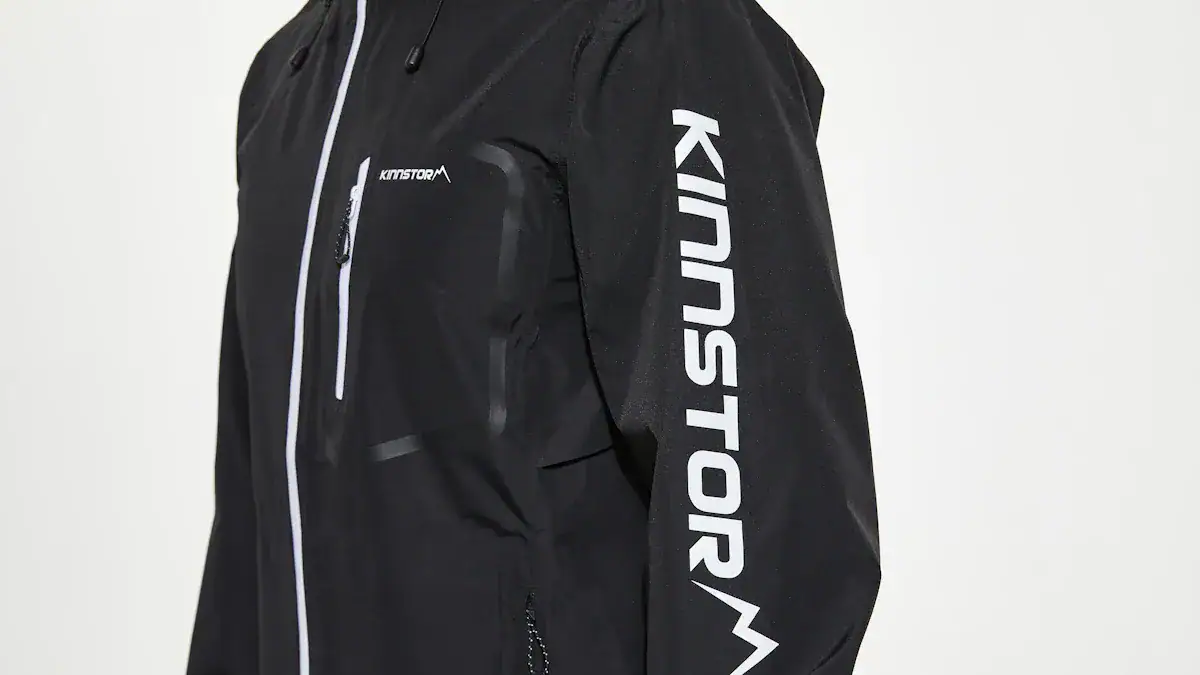
When I help clients print logos on custom jackets, I always start by discussing placement options. The right spot can elevate a brand’s presence and ensure the logo gets noticed in the right context. Let’s break down the most popular placements and how they work for different branding goals.
Front placements
Left chest
I find the left chest placement to be the gold standard for corporate and professional settings. This spot projects reliability and professionalism, making it ideal for uniforms and business apparel. Most people expect to see a logo here, so it feels familiar and trustworthy. I recommend this placement for subtle branding that still stands out in meetings or events. Softshell and fleece jackets often feature left chest logos because the area is flat and visible, even when the jacket is zipped up.
Tip: For the most polished look, I position the logo 3–4 inches below the shoulder seam.
Right chest
The right chest offers a balanced look, especially if the left side already displays a company logo or name. I use this spot for personalization, such as adding an employee’s name or a secondary logo. This placement works well for event staff or teams that want to differentiate roles. On puffers and performance jackets, the right chest remains visible and adds symmetry to the overall design.
Full front
When a client wants maximum impact, I suggest a full front logo. This placement covers the center chest area and works best for bold, statement-driven branding. I see this used often for promotional giveaways, team uniforms, or when the logo itself is a piece of art. The full front is especially effective on fleece and softshell jackets, where the smooth surface allows for large, vibrant prints using advanced DTF technology.
Left Chest | Corporate uniforms, event staff, everyday subtle branding |
Center Chest | Promotional giveaways, statement branding, event staff |
Full Front | Oversized graphics, team uniforms, maximum visual impact |
Back placements
Upper back
The upper back, often called the back yoke, is my go-to for group visibility. I recommend this spot for staff uniforms at events or for teams that need to stand out in a crowd. Placing the logo at eye level ensures it’s readable from a distance, which is crucial in busy environments. I typically size these logos between 12 and 14 inches wide for clear visibility. Softshell and puffer jackets both accommodate upper back logos well, especially when the goal is to capture attention from behind.
Full back
For clients who want their brand to be seen from afar, I suggest a full back logo. This placement provides the largest canvas, making it perfect for bold designs or detailed artwork. I use this for sports teams, promotional apparel, or when the logo needs to communicate a strong message. Full back prints work best on jackets with minimal seams, such as fleece or certain softshell styles, to ensure the design remains uninterrupted.
Note: Many providers like VistaPrint, Custom Ink, and 4imprint offer both upper and full back placements, giving you flexibility based on your branding needs.
Sleeve placements
Left sleeve
The left sleeve offers a subtle yet stylish branding opportunity. I recommend this placement for secondary logos, slogans, or even website URLs. It’s a great way to add detail without overwhelming the main design. Sleeve logos work especially well on performance and denim jackets, where the structure supports creative placements. I often use this spot for brands that want a modern, understated look.
Right sleeve
The right sleeve mirrors the left, providing balance and additional space for branding. I use this for event sponsors, team numbers, or to highlight a campaign. Sleeve placements allow for professional, minimalistic branding that enhances the jacket’s overall aesthetic. This method works across various jacket types, including puffers and softshells, and aligns with current trends in custom apparel.
Front: Most visible, ideal for capturing attention.
Back: Larger canvas for bold designs, effective for visibility from behind.
Sleeve: Subtle branding option, less intrusive but still impactful.
When I print logos on custom jackets, I always match the placement to the brand’s goals and the jacket’s style. Each option offers unique benefits, whether you want to make a bold statement or keep your branding understated.
Unique spots
Collar
I often recommend the collar for brands that want subtle yet memorable branding. Placing a logo on the collar creates a refined look. This spot works well for both inside and outside collar placements. When I print logos on custom jackets, I notice that the collar offers a unique opportunity for discreet branding. Many fashion-forward companies use this area to add a small logo or tagline. The collar placement stands out when the jacket is unzipped or the collar is popped. Softshell and fleece jackets provide a smooth surface for embroidery or small prints here. This trend reflects a shift toward creative logo placements in unexpected areas, making the collar a smart choice for brands seeking distinction.
Hood
The hood presents a bold canvas for creative branding. I suggest this spot for brands targeting a younger or more casual audience. A logo on the hood becomes highly visible when the hood is up, especially in outdoor or athletic settings. I have seen many streetwear brands use hood placements to great effect. This area supports both large and small logos, depending on the design. Puffer and fleece jackets with hoods allow for vibrant prints or embroidery. The hood placement transforms the jacket into a statement piece, perfect for promotional apparel or limited-edition releases.
Tip: Use contrasting colors for hood logos to maximize visibility, especially on darker fabrics.
Hem
The hem offers a subtle yet stylish branding option. I often use this spot for woven tags or small embroidered logos. The hem placement appeals to brands that value minimalism and sophistication. When customers want to print logos on custom jackets without overwhelming the design, I recommend the hem. This area works well on softshell and puffer jackets, where a small logo near the bottom edge adds a finishing touch. Current trends show that hem tags and prints are gaining popularity, as they allow for understated branding that still feels intentional.
Cuffs
Cuffs provide another unique location for logo placement. I like to use this area for small icons, initials, or brand marks. The cuff placement works best for brands that want to add a personal touch or highlight attention to detail. Embroidered logos on cuffs stand out on fleece and softshell jackets, especially when paired with matching thread colors. This spot remains visible when the wearer gestures or rolls up their sleeves. Cuff logos transform a simple jacket into a custom piece, enhancing both style and brand recognition.
Many providers, including VistaPrint and Custom Ink, offer these unique placement options. I always advise clients to consider how each spot aligns with their brand identity and target audience.
Choosing the best placement
Logo size and shape
When I advise clients on logo placement, I always start by evaluating the size and shape of their design. The dimensions of a logo play a crucial role in determining where it will look best on a jacket. Larger logos tend to make a bold statement, so I often recommend placing them on the back or full front for maximum visibility. Smaller logos work well on the left or right chest, sleeves, or even the collar for a more understated effect.
Large logos suit the back or full front, drawing attention and reinforcing brand identity.
Small logos fit perfectly on the chest, sleeve, or collar, offering subtle branding.
Circular or square logos adapt well to chest placements, while horizontal designs look balanced across the upper back or hem.
I always consider the jacket’s structure and the logo’s proportions. A well-sized logo ensures the design remains clear and professional, no matter where I place it.
Tip: I recommend visualizing your logo on a digital mockup before finalizing placement. Many online design tools allow you to preview how different sizes and shapes will appear on various jacket styles.
Placement | Recommended Dimensions |
|---|---|
Left Chest | Slightly larger than polos, consider fabric thickness for visibility |
Back | |
Importance | Larger, bolder logos are necessary for visibility on structured jackets |
Jacket style
Jacket style influences logo placement more than most people realize. I always match the logo location to the jacket’s material and cut. Fleece jackets hold stitches well, making them ideal for embroidered logos on the left chest or upper back. Softshell jackets offer a smooth surface, which allows for clean and professional embroidery or printing. Puffer jackets can accommodate embroidery beautifully when done correctly, especially on the chest or back.
Fleece jackets provide a luxurious look for embroidered logos.
Softshell jackets are popular for outdoor branding due to their stylish and functional design.
Puffer jackets work well for bold logos, especially when I want to print logos on custom jackets for promotional use.
The default placement for most jacket styles is the left chest, but I often personalize designs by adding logos to the right chest or under the main logo. Additional placements, such as sleeves or back yokes, can be specified during the order process to create a unique look.
Branding goals
Branding goals guide every decision I make about logo placement. If a client wants bold, high-impact branding, I suggest larger logos on the back or full front. These spots maximize visibility and help the brand stand out in crowded environments. For more discreet branding, I recommend smaller logos on the sleeve, collar, or hem. These placements offer subtlety while maintaining a professional appearance.
Bold branding: Choose back or upper chest for maximum exposure.
Discreet branding: Opt for sleeve, collar, or hem for a refined look.
Event or team use: Consider full front or back for group visibility.
I always align logo placement with the client’s goals, whether they want to attract attention or create a sophisticated, understated impression. Consulting with custom jacket providers can help refine these choices, and online design tools like LogoSoftwear or UPrinting make it easy to visualize different placements before making a final decision.
Audience and use
When I help clients choose logo placement, I always consider who will wear the jacket and how they will use it. The intended audience shapes every decision. For example, I recommend different placements for school teams, corporate staff, or promotional giveaways. Each group has unique needs and expectations.
Logos on visible areas like the chest or back improve brand visibility and recognition. I often suggest these spots for schools, sports teams, and businesses that want to stand out.
In corporate settings, logo placement can reflect the desired professional image. A left chest logo projects reliability, while a full back logo signals boldness.
Customization options allow for personal expression. I encourage clients to align logo placement with their audience’s identity and preferences.
I always ask clients about the jacket’s purpose. Will it be worn at events, in the office, or as part of a uniform? The answer guides my recommendations and ensures the logo placement supports the brand’s goals.
Visibility vs. subtlety
I often discuss the trade-offs between high visibility and subtlety with clients. The right choice depends on the brand’s objectives and the context in which the jacket will be worn.
High visibility placements, such as full front logos, enhance brand exposure. I find these especially effective for promotional events or when the goal is to attract attention.
Subtle placements, like sleeve or collar logos, create a more sophisticated appearance. These options work well for brands that want to maintain a refined look without dominating the overall design.
Each logo placement strategy aligns with different branding objectives and situational contexts. I help clients weigh these factors to find the best fit for their needs.
Practical tips
I always share practical advice to help clients achieve the best results when they print logos on custom jackets. Proper sizing and font choice make a significant difference in the final appearance.
Keep your custom jacket logo less than 3 inches tall by 4 inches wide. This size ensures clarity and prevents distortion.
For embroidered text, I recommend lettering at least 1/4 inch (6.3mm) tall. Smaller text can lose detail and become unreadable.
Use a block font without fine details smaller than 1/16 inch (1.5mm). This choice improves legibility and durability.
Online design tools make it easy to visualize logo placement before ordering. I often use these platforms to show clients how their design will look on different jacket styles.
Feature | Description |
|---|---|
Customization | Create personalized embroidered jackets with your company logo and branding. |
Design Placement Options | Choose from multiple design placements, including sleeves, front, and back. |
Visual Representation | See how designs will look on the actual product before ordering. |
I always recommend previewing your design using these tools to ensure the placement matches your vision.
How to print logos on custom jackets
When I help clients print logos on custom jackets, I always start by explaining the main printing methods. Each technique offers unique benefits and challenges. Choosing the right method depends on your design, budget, and the type of jacket.
Printing methods
Embroidery
I often recommend embroidery for clients who want a premium, durable finish. Embroidery uses machine-threaded sewing to stitch the logo directly onto the jacket. This method works best on thicker fabrics like fleece, softshell, or puffer jackets. Embroidery creates a raised, textured effect that adds depth and a professional look. It stands up well to frequent washing and heavy use. However, embroidery may not capture very intricate designs or tiny text. It also tends to cost more than other methods, especially for large logos.
Screen printing
Screen printing remains a popular choice for vibrant, long-lasting logos. I use this method for simple designs with bold colors. The process involves pushing ink through a stencil onto the fabric, then curing it with heat. Screen printing works well on cotton, polyester, and blends. It offers great color vibrancy and durability, especially for large orders. However, it is less suitable for complex, multi-color logos due to higher setup costs. Over time, screen-printed logos may fade or crack if not cared for properly.
Digital transfer
Digital transfer, including heat transfer and direct-to-garment (DTG) printing, allows for precise placement and detailed designs. I suggest this method for small batches or when clients want to print logos on custom jackets with intricate artwork. Digital transfer works on many fabrics and supports full-color images. The process involves printing the logo onto a special film, then using heat to bond it to the jacket. While this method offers flexibility and fast turnaround, it may not last as long as embroidery or screen printing. The design can peel or crack after repeated washing.
Printing Method | Pros | Cons |
|---|---|---|
Embroidery | Durable, premium look, works on thick fabrics | More expensive, not ideal for intricate logos |
Screen Printing | Vibrant colors, cost-effective for large orders, durable | Not ideal for complex designs, may fade or crack over time |
Digital Transfer | Great for detailed designs, precise placement, fast for small runs | Less durable, can peel or crack, higher cost per item |
I always advise clients to match the printing method to their logo complexity, order size, and fabric type.
Working with providers
Online design tools
Many providers, such as Custom Ink, Corporate Casuals, and Quality Imprint, offer online design tools. I use these platforms to upload logos, adjust placement, and preview the final look. These tools help me visualize how the logo will appear on different jacket styles and placements. They also allow for easy customization, including thread colors for embroidery or ink colors for printing.
Customization options
When I work with a provider, I look for flexible customization options. Leading companies like Apliiq offer unique embroidery placements and private-label services for brand-building. I always check for material quality, accurate sizing, and a range of printing methods. Good providers offer responsive customer service, clear pricing, and fast turnaround times. I compare options to balance quality and budget, ensuring the final product meets my client’s needs.
Customization options
Material quality
Sizing and fit
Pricing and discounts for bulk orders
Customer service and turnaround time
Sustainability practices
I recommend comparing several providers before making a decision. This approach ensures you get the best value and quality when you print logos on custom jackets.
When I help clients choose logo placement, I focus on classic and creative options.
Left chest logos offer a sleek, professional look.
Center chest and back placements make logos stand out.
Sleeves add a unique flair.
I always recommend weighing each spot’s impact on your brand. Professional advice and online design tools make customization easy and precise. If you want your jackets to reflect your brand’s identity, now is the perfect time to start designing.
FAQ
Where should I place my logo for maximum visibility?
I always recommend the full back or full front for maximum visibility. These placements catch attention from a distance and work well for events or team apparel.
Which printing method lasts the longest on jackets?
I trust embroidery for durability. Embroidered logos resist fading and withstand frequent washing. This method works best on thicker fabrics like fleece or softshell jackets.
Can I print a multi-color logo on any jacket type?
I use digital transfer or screen printing for multi-color logos. These methods handle complex designs well. I always check the fabric type to ensure the best results.
How do I choose the right logo size for my jacket?
I match the logo size to the placement and jacket style. For chest logos, I keep them under 4 inches wide. For back logos, I use up to 12 inches for bold impact.
Are there minimum order requirements for custom jackets?
Most providers set minimums, often starting at 6 or 12 jackets. I always confirm with the supplier before placing an order.
Can I see a preview of my jacket before ordering?
I use online design tools to preview logo placement and sizing. These tools help me visualize the final product and make adjustments before I order.
What file format should I use for my logo?
I upload high-resolution files, such as PNG, SVG, or EPS. These formats keep the logo sharp and ensure the best print or embroidery quality.