

Supply and demand of puffer jacket
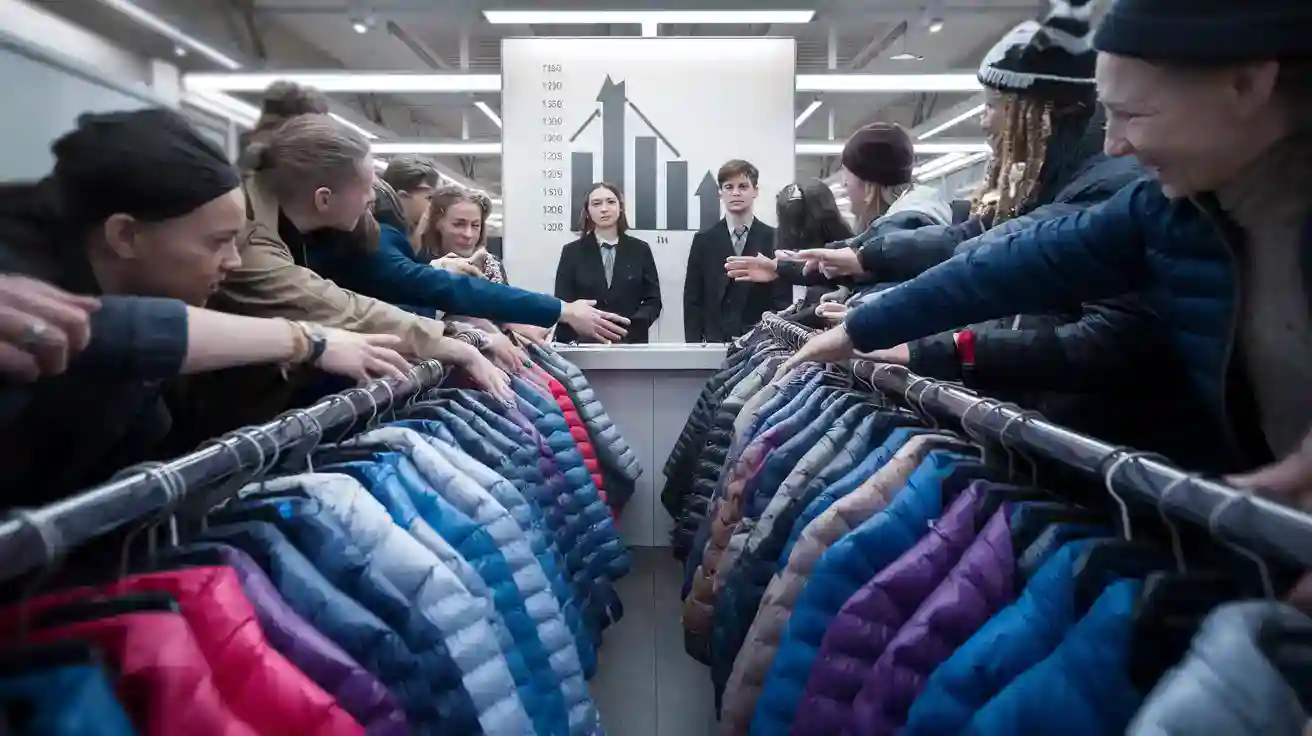
Several factors drive the supply and demand of puffer jackets in 2024:
- Changing global temperatures and cold seasons increase demand, especially in North America and Europe.
- Fashion trends blend style with function, attracting younger consumers and urban residents.
- High material costs and public concern over down feather sourcing impact supply.
- New insulation technologies and eco-friendly materials reshape the market.
- Online shopping and outdoor leisure activities boost sales, especially in Asia-Pacific.
These factors influence how many puffer jackets reach stores and how much shoppers pay.
Key Takeaways
- The puffer jacket market is growing fast, driven by cold weather, fashion trends, and rising incomes worldwide.
- Consumers want jackets that combine warmth, style, and eco-friendly materials, with features like water resistance and adjustability.
- Supply challenges include high material costs, ethical sourcing, and complex production, which can affect prices and availability.
- Online shopping and customization options make buying puffer jackets easier and more personalized for customers.
- Sustainability and new technologies will shape the future market, encouraging brands to offer innovative and responsible products.
Puffer Jacket Market
Market Size
The global puffer jacket market reached a value of about USD 6.65 billion in 2024. Experts expect this market to grow steadily, reaching around USD 11.45 billion by 2033. This growth represents a compound annual growth rate (CAGR) of 6.5% from 2026 to 2033. The market includes both budget and luxury segments, each serving different consumer needs.
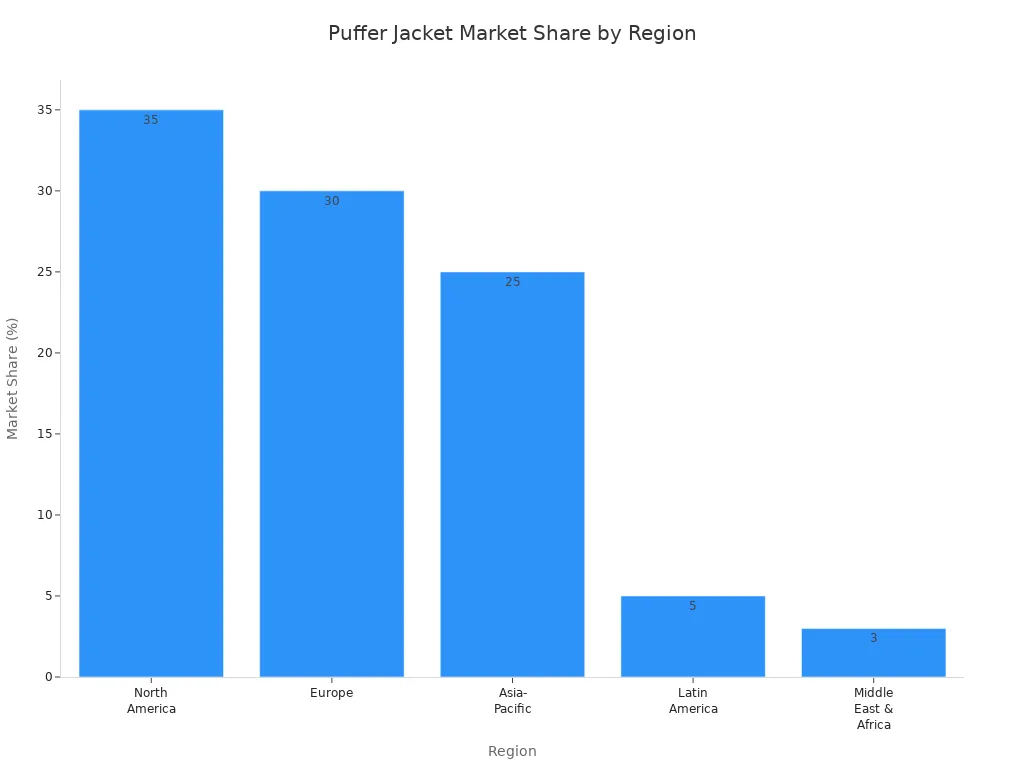
Regional differences play a major role in the market size. North America holds the largest share, followed by Europe and Asia-Pacific. The table below shows how the market size and share differ across regions:
| Region | Market Share (%) | Key Drivers / Notes |
|---|---|---|
| North America | ~35% | Dominant market; led by the United States; driven by harsh winters and fashion trends |
| Europe | ~30% | Mature market; key countries include Germany and the U.K.; influenced by winter climate and fashion |
| Asia-Pacific | ~25% (projected by 2030) | Emerging market with rapid growth; driven by urbanization, lifestyle changes, rising incomes in China, India |
| Latin America | ~5% | Smaller current share; potential for future growth |
| Middle East & Africa | ~3% | Smaller current share; potential for future growth |
Asia-Pacific stands out for its rapid growth. China leads the region, producing about 60% of the world’s puffer jackets. Japan focuses on premium quality, while South Korea has seen a 25% sales increase in the last five years. E-commerce and demand for sustainable jackets also drive growth in this region.
Growth Trends
The puffer jacket market grows for several reasons. Rising disposable incomes allow more people to buy both budget and luxury jackets. Outdoor activities and changing weather patterns increase demand, especially in colder regions.
The market splits into two main segments: budget and luxury. The budget segment holds a 39.7% market share. It attracts cost-conscious buyers, such as students and travelers, who want affordable and practical jackets. Brands in this segment focus on innovations like synthetic fillers and water-resistant materials to keep prices low and quality high.
The luxury segment targets consumers who value premium materials, craftsmanship, and brand prestige. These buyers often follow fashion trends and seek status symbols. Social media and influencer marketing help luxury brands reach new customers. The luxury segment grows at a steady rate of about 4.0-4.2% per year, with North America and Europe leading in revenue.
| Segment | Growth Drivers | Market Share / Focus | CAGR (2023-2030) | Regional Highlights |
|---|---|---|---|---|
| Luxury | Rising disposable incomes, fashion trends, premium materials, craftsmanship, sustainability | Premium, high-quality, status-symbol products | 4.0-4.2% | North America ( |
| Budget | Accessibility, affordability, innovations in synthetic fillers and water-resistant down | Cost-conscious consumers (students, travelers) | N/A | Broad market share, volume-driven |
Note: Both segments benefit from new technologies, but they use them differently. Luxury brands highlight exclusivity and advanced features, while budget brands focus on practicality and wide appeal.
The puffer jacket market continues to expand as more people seek warmth, style, and value. Regional trends and consumer preferences shape the future of this industry.
Demand Factors
Climate Impact
Climate plays a major role in shaping demand for outerwear. In regions like southern Brazil, Argentina, and the Andean highlands, cooler temperatures during transitional seasons create peaks in demand for lightweight insulating jackets. Consumers in these areas prefer flexible layering solutions instead of heavy winter coats. Urbanization, with over 80% of the population living in cities, and rising disposable incomes drive interest in versatile, weather-adaptive outerwear. Manufacturers respond by adding features such as packability, breathability, and moisture-wicking to meet the needs of active urban residents.
- Climate variability in Latin America leads to demand for lightweight puffer jackets, especially among millennials and Gen Z.
- Seasonal changes and temperature extremes encourage consumers to choose jackets that offer flexibility and comfort.
- Brazil, Argentina, and Chile stand out as key markets due to climate adaptability and increased spending power.
- Urban centers in Colombia and Peru show potential for new brands targeting tier-two cities.
Recent severe winter weather events have increased the need for high-performance outerwear across broader regions. In the United States, harsh winters boost demand for warm down jackets, especially for children. Parents look for health, comfort, and durability when buying insulated winter wear. Outdoor recreation activities, such as visits to national parks, also contribute to higher sales. In contrast, unusually warm winters in Europe and parts of the US can reduce demand by up to 15% during peak months. Northeast Asia, facing cold snaps, sees increased sales of heavy winter jackets. These trends show how climate variability and extreme weather patterns influence regional sales.
Fashion Trends
Fashion trends strongly influence the popularity of puffer jackets. In 2024, sustainability stands out as a top priority. Many consumers want jackets made with recycled fabrics and ethical manufacturing practices. Certifications like the Global Recycled Standard and Recycled Down Standard support this movement.
- Lightweight and packable designs attract buyers who value convenience and practicality.
- Comfort and versatility remain important, with designs that allow freedom of movement and breathability.
- Quiet colors and minimalist styles replace bright, high-visibility winter sports looks. Muted colors and nature-inspired aesthetics appeal to those seeking subtle, versatile fashion.
The distinctive shape and versatility of the puffer jacket make it a staple in urban outdoor fashion. Social media and influencer marketing help brands reach new audiences, blending style with function. As a result, the jacket’s popularity continues to grow alongside climate-driven demand.
Consumer Preferences
Consumers look for specific features when choosing a puffer jacket. Water-resistance keeps insulation dry and effective, with storm flaps and sealed seams providing extra protection. Functional pockets offer secure storage and warmth for hands. Adjustability features, such as cuffs, hems, and hoods, allow wearers to customize fit and seal out cold drafts.
- Warmth and insulation, using down or synthetic materials, provide effective protection in cold weather.
- Water-resistant or waterproof coatings protect against rain and snow.
- Windproof capabilities block cold winds.
- Breathability maintains comfort during activity or temperature changes.
- Lightweight insulation offers comfort and mobility without bulk.
- Style and fashion matter, with trendy colors, unique patterns, and textured fabrics attracting buyers.
- Sustainability is important, with eco-friendly materials like recycled polyester and vegan alternatives gaining popularity.
- Some jackets include smart features, such as built-in heating elements and temperature regulation.
- Versatility in style and length suits different climates and personal preferences.
- Additional features, such as removable hoods, down-filled collars, and multiple pockets, add convenience and warmth.
Consumers in North America, Europe, and Asia-Pacific show strong interest in durable, weather-resistant, and sustainable outerwear. The expanding middle class in China drives demand for stylish, high-quality jackets. In the US, variable winter conditions and outdoor recreation activities keep demand strong. Germany leads the European market with a focus on sustainability and durability.
Supply Factors
Materials and Production
Manufacturers use a range of materials to make puffer jackets. The most common insulation is natural down, but synthetic fibers like nylon and polyester are also popular for the outer shell. Some brands now use recycled nylon from sources such as old fishing nets or leftover yarn. This shift helps reduce the need for new raw materials and lowers the environmental impact.
- Many companies avoid harmful coatings like PFC and PVC because they can harm the environment and human health.
- Recycled and reused fabrics are becoming more common, supporting a circular supply chain.
- Metals such as aluminum are used for zippers and other small parts.
- Material processing, including dyeing and washing, uses a lot of water and energy.
Production costs depend on the choice of materials and the complexity of the jacket. High-quality down and advanced synthetic insulation increase expenses. Features like water-resistant coatings and sealed seams require skilled labor and careful quality control. These factors can limit how many jackets reach the market and often lead to higher prices.
Distribution
Puffer jackets reach consumers through several main channels:
- Online stores offer a wide selection, price comparisons, and fast shipping. Many shoppers prefer the convenience and easy returns.
- Supermarkets and hypermarkets attract buyers who want to see and feel products before purchasing.
- Specialty stores focus on outdoor and sports apparel, providing expert advice and high-performance options.
- Department stores, brand-owned shops, and factory outlets give access to exclusive collections and discounts.
Supply chain disruptions, such as shipping delays or shortages of materials, can slow down production and delivery. Companies often diversify suppliers and move production closer to key markets to reduce these risks.
Sustainability
Sustainability shapes the supply of puffer jackets in several ways. Many brands use recycled polyester and ethically sourced down, certified by standards that ensure animal welfare. Some companies invest in circular design, making jackets that are easier to repair and recycle.
Brands like Patagonia and The North Face lead the way by measuring their environmental footprint, using renewable energy, and educating consumers about sustainable choices.
Manufacturers also improve energy efficiency and reduce waste in factories. These efforts support a more responsible supply chain, but they can add complexity and cost to production. As a result, sustainable puffer jackets often appeal to consumers who value both performance and environmental responsibility.
Puffer Jacket Pricing
Price Range
The price of a puffer jacket varies widely based on brand, materials, and design. The market divides into mid-range and luxury segments. Mid-range jackets offer a balance between quality and affordability. These jackets attract buyers who want style and function without paying premium prices. Luxury puffer jackets use high-end materials, detailed designs, and expert craftsmanship. Brands like Moncler and Burberry lead this segment, offering exclusive and limited-edition options. While exact prices can change, mid-range jackets often cost between $75 and $110. Luxury jackets can cost several hundred dollars or more, especially when they feature unique designs or rare materials.
Retailers use discounting strategies to adjust prices. Temporary promotions help clear inventory, attract new customers, or boost loyalty. Discounts between 10% and 30% are common and help maintain brand value. However, frequent or deep discounts above 50% can harm a brand’s image and make it hard to sell at full price later. Premium brands limit discounts to protect their reputation and keep their products exclusive.
Influencing Factors
Several factors shape the retail price of a puffer jacket:
- Quality and type of materials, such as down feathers or advanced synthetic fills, raise costs.
- Ethical sourcing and sustainability practices, like using recycled materials, appeal to eco-conscious buyers but increase production expenses.
- Complexity and labor intensity, including skilled labor and intricate features, add to manufacturing costs.
- Brand perception and marketing, such as influencer campaigns or limited editions, boost perceived value.
- Innovative design features, like water resistance or adjustable parts, require extra development and testing.
Seasonal demand also affects prices. Prices rise during colder months and holidays when demand peaks. Warmer winters or unexpected weather changes can lower demand and lead to price drops. Retailers use demand forecasting and agile supply chains to adjust prices and inventory. Supply-side factors, such as changes in raw material costs or new sustainability regulations, also impact pricing strategies.
Tip: Shoppers can find better deals during off-peak seasons or by watching for well-timed promotions, but should remember that deep discounts may signal excess inventory or lower brand prestige.
Challenges
Supply Chain
Puffer jacket manufacturers face complex supply chain challenges. Sourcing high-quality materials, such as ethically certified down and advanced synthetic fibers, often proves difficult and expensive. These materials must meet strict functional and ethical standards, which increases costs and lengthens production timelines. The production process itself is labor-intensive, requiring skilled workers to handle intricate designs and sustainable fabrics. Manufacturers also need to manage ethical labor practices and navigate logistical hurdles like shipping delays and tariffs.
Global events, such as pandemics and trade disputes, add further complications. For example, the COVID-19 pandemic caused store closures and inventory buildup for major brands. Companies like Nike shifted focus to online sales and adjusted inventory strategies to cope with disruptions. Trade tensions and tariffs have changed the flow of raw materials, forcing manufacturers to seek new suppliers and adapt to unpredictable costs. Many companies now use technology, such as AI and predictive analytics, to forecast demand and manage supplier relationships.
| Supply Chain Challenge | Description | Impact on Manufacturers |
|---|---|---|
| Sourcing Challenges | Difficulty obtaining certified, high-quality materials | Higher costs, quality concerns |
| Production Delays | Disruptions in manufacturing or logistics | Missed seasonal sales, inventory buildup |
| Fragmented Supply Chains | Multiple vendors and stages increase risk of delays | Coordination problems, unexpected costs |
| Communication Barriers | Language and time zone differences cause errors | Mistakes, slower production |
Competition
The puffer jacket market has become highly competitive. New entrants and fast fashion brands, such as H&M and Fast Retailing, use rapid product cycles and digital channels to respond quickly to trends. These companies leverage social media, AI-driven sizing tools, and augmented reality to enhance customer experience and speed up product turnover. Established brands must innovate in design, materials, and marketing to keep their market share. This intense competition benefits consumers with more choices and better prices, but it creates challenges for smaller brands. They struggle to build loyalty, manage marketing costs, and keep up with sustainability demands.
Ethical Concerns
Ethical concerns in puffer jacket production focus on animal welfare, chemical use, and environmental impact. Traditional down often comes from ducks and geese that may experience live plucking or force-feeding. Certifications like the Responsible Down Standard aim to ensure humane treatment, but enforcement varies. Many brands now use recycled down or synthetic insulation to avoid animal cruelty. Chemical use also raises concerns. Waterproof fabrics often contain PFAS, which persist in the environment and can harm human health. The fast fashion model increases waste and environmental harm by promoting short-lived, low-cost garments. Brands address these issues by adopting traceability programs, banning controversial materials, and seeking sustainable alternatives like plant-based insulation. However, industry-wide standards and enforcement remain limited, and transparency continues to be a challenge.
Opportunities and Trends
Eco-Friendly Materials
Many brands now use eco-friendly materials in puffer jackets. They choose recycled polyester, organic cotton, and plant-based insulation. These materials help reduce waste and lower the carbon footprint. Some companies use recycled down, which comes from old jackets and bedding. Others use synthetic fills made from recycled plastic bottles.
Eco-friendly materials attract buyers who care about the environment. They also help brands meet new regulations and industry standards.
A table below shows common eco-friendly materials and their benefits:
| Material | Benefit |
|---|---|
| Recycled Polyester | Reduces plastic waste |
| Organic Cotton | Uses less water, fewer chemicals |
| Plant-Based Insulation | Biodegradable, renewable |
| Recycled Down | Lowers animal impact |
Customization
Customization gives shoppers more control over their jackets. Many brands let buyers pick colors, choose insulation types, or add personal touches like initials. Some companies offer online tools that show how a jacket will look before buying. This trend helps people express their style and meet their needs.
- Customization increases customer satisfaction.
- Brands can charge higher prices for unique products.
- Shoppers feel more connected to their jackets.
Tip: Custom jackets make great gifts and help reduce returns.
Online Retail
Online retail has changed how people buy puffer jackets. Shoppers can compare prices, read reviews, and find more styles online. Brands use virtual fitting rooms and size guides to help buyers choose the right fit. Fast shipping and easy returns make online shopping popular.
- Online sales grow every year.
- Brands reach more customers worldwide.
- Social media ads and influencer reviews boost sales.
Online retail creates new opportunities for brands and shoppers. It makes buying puffer jackets easier and more fun.
Future Outlook
Market Predictions
The puffer jacket market shows strong signs of growth in the coming years. Experts predict the global market will grow at a compound annual growth rate (CAGR) of about 7.7% from 2025 to 2030. Market value is expected to rise from USD 1.26 billion in 2025 to USD 1.84 billion by 2030. This growth comes from rising consumer demand, new technology, and a focus on sustainability.
The ultra light down jacket segment stands out with a forecasted CAGR of 5.6% from 2026 to 2033. Innovations in sustainable materials and the popularity of outdoor sports and urban fashion support this trend. Lightweight jackets attract buyers who want comfort and performance for both city life and outdoor activities.
Brands that invest in eco-friendly materials and smart features will likely lead the market. Companies that adapt quickly to new trends and consumer needs can expect steady growth.
Evolving Consumer Needs
Consumer needs continue to shape the future of puffer jackets. People now look for jackets that offer more than just warmth. They want products that combine style, function, and responsibility. Sales of insulated jackets have increased by over 30% in recent years, showing that unpredictable weather makes functional and fashionable outerwear more important.
Surveys reveal that 65% of consumers care about both how a jacket looks and how well it works. Nearly 75% say they will pay more for clothing made from sustainable materials. Many buyers also prefer brands that use eco-friendly fabrics and ethical production methods.
- Consumers seek:
- Multifunctional designs for year-round use
- Customization and smart features, such as temperature control
- Sustainable and ethical materials
Technological advances, like AI and automation, help brands create jackets that meet these needs. Urbanization and changing lifestyles push companies to offer versatile, stylish, and responsible outerwear. As a result, puffer jackets are becoming wardrobe staples for people who value both performance and sustainability.
Supply and demand shape the puffer jacket market by influencing what styles and features brands offer. Climate, fashion, and new materials drive changes in both production and consumer choices. Experts expect more innovation and a wider range of prices as technology and sustainability become more important. Readers can stay informed by following trends and choosing jackets that support ethical practices.
FAQ
What materials do most puffer jackets use?
Most puffer jackets use down or synthetic insulation. The outer shell often features nylon or polyester. Many brands now use recycled materials to reduce environmental impact.
How can someone tell if a puffer jacket is sustainable?
Look for certifications like the Global Recycled Standard or Responsible Down Standard. Brands often list eco-friendly materials and ethical practices on product tags or websites.
Why do puffer jacket prices vary so much?
Prices depend on materials, brand reputation, and features. Luxury brands use premium down and advanced designs. Budget options use synthetic fills and simpler construction.
Are puffer jackets suitable for all climates?
Puffer jackets work best in cold or cool weather. Lightweight versions suit mild climates. Heavy, insulated jackets protect against harsh winters.
How should someone care for a puffer jacket?
Always follow the care label. Most jackets need gentle washing and low-heat drying. Use tennis balls in the dryer to keep the insulation fluffy.