

Supermarket Chain Uniforms Bulk Customization: Logo, Fabric & Delivery Solution
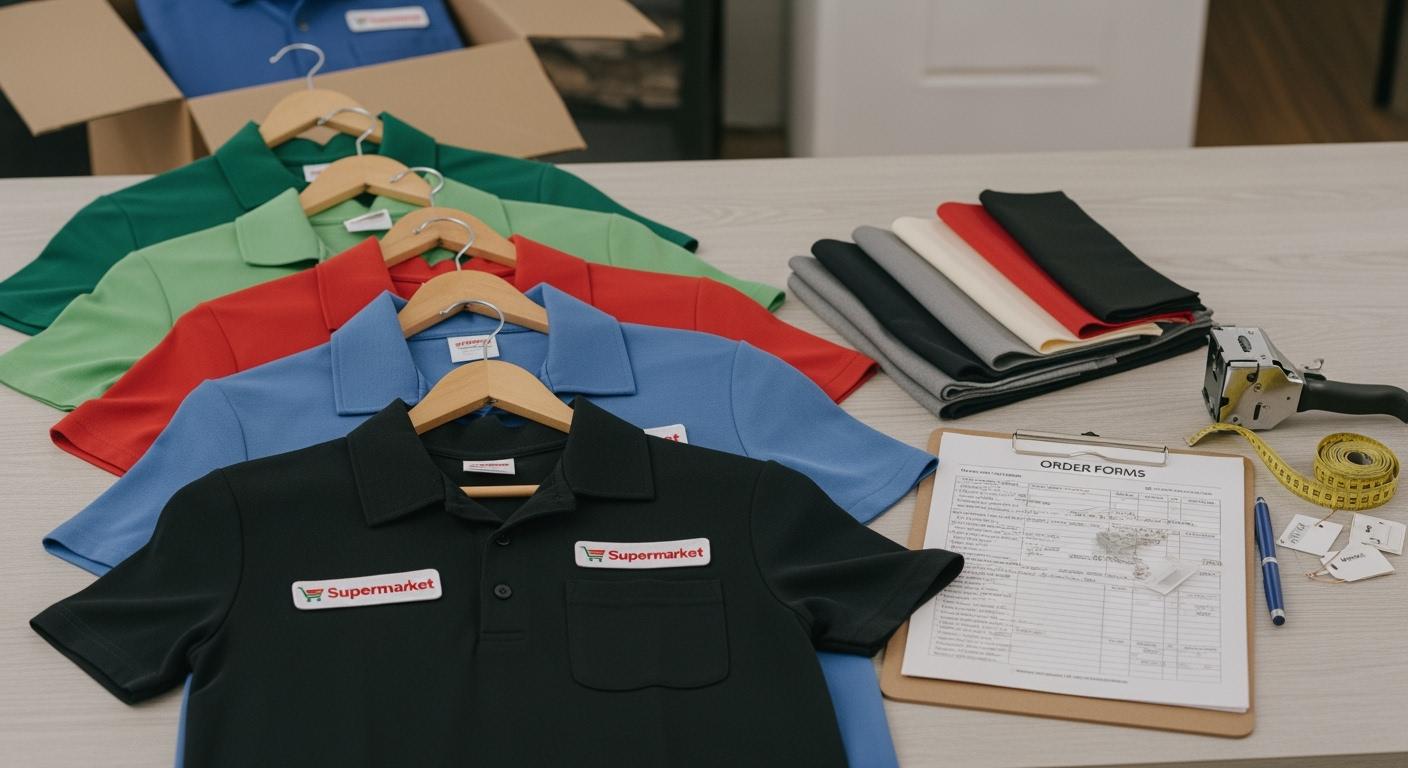
You elevate your business branding when you invest in custom supermarket chain uniforms. Personalized designs create strong brand identity and boost brand visibility, making every workplace uniform a powerful tool for customer experience. In-stock options and fast shipping let you streamline personalization for instant first impressions. The right logo application, fabric, and supplier maximize business branding, reinforce identity, and ensure lasting impressions.
Key Takeaways
- Invest in custom uniforms to enhance your brand identity and visibility.
- Choose embroidery for a professional look that lasts through many washes.
- Select the right fabric for comfort and durability, such as moisture-wicking materials.
- Maintain brand consistency by using official store colors and clear logo placement standards.
- Utilize online tools for easy customization and order management.
- Consider bulk ordering to save costs and streamline uniform delivery.
- Ensure compliance with safety standards to protect staff and customers.
- Build strong supplier relationships for better pricing and reliable service.
Custom Logo Personalization

Embroidery for Supermarket Chain Uniforms
Embroidery stands out as a premium choice for custom supermarket chain uniforms. You achieve a professional look that elevates your brand identity and creates a lasting impression on customers. Embroidery integrates the logo directly into the fabric, making it highly durable and resistant to wear and tear. This method often outlasts the garment itself, maintaining its appearance through countless washes and daily use.
Thread Choices
You can select from a wide variety of thread colors and finishes to match your branding needs. Multiple thread options allow you to create vibrant designs that reflect your retail store uniforms’ unique style. Embroidery works best on thick fabrics such as cotton and polyester blends, ensuring the logo remains crisp and visible.
| Advantages | Disadvantages |
|---|---|
| Durability – Long-lasting and resistant to wear and tear. | Limited for Large Designs – Not ideal for large or highly detailed graphics. |
| Professional Appearance – Adds a sophisticated look. | Higher Cost for Complex Logos – Increases with the number of stitches. |
| Suitable for Thick Fabrics – Works well on materials like cotton and polyester blends. | Not Ideal for Lightweight Fabrics – Thin materials may not hold designs well. |
| Colour Variety – Multiple thread colours for vibrant designs. |
Color Matching
You ensure brand consistency by matching thread colors to your store’s official palette. Precise color matching supports your brand identity and helps maintain a unified look across all retail store uniforms. Many suppliers offer free logo setup and online design tools, making personalization simple and cost-effective.
Printing Methods for Custom Retail Uniforms
Printing offers flexibility for custom retail uniforms, especially when you need to reproduce complex logos or full-color designs. You can choose from several printing techniques, each with its own advantages and considerations.
| Printing Technique | Best For | Advantages | Considerations |
|---|---|---|---|
| Screen Printing | High-volume orders with simple designs | Highly durable, cost-efficient for bulk orders | Less suited for complex designs, higher set-up costs for small runs |
| Sublimation Printing | Full-color, all-over designs on synthetic fabrics | Full-color prints that won’t fade, durable | Works best on polyester, less suitable for natural fibers |
| Direct-to-Garment (DTG) | Detailed and multi-colored designs on smaller orders | Capable of intricate designs, no minimum order quantity | Less durable than screen printing, longer printing times |
| Heat Transfer Vinyl (HTV) | Custom, short-run uniforms with vibrant designs | Highly customizable, great for smaller orders | Less durable over time, vinyl can crack or peel |
| Embroidery | Premium uniforms with a professional look | Long-lasting, high-quality appearance | More expensive, not ideal for highly detailed designs |
Screen vs. Digital
Screen printing works best for high-volume orders and simple logos. You benefit from vibrant colors and cost efficiency when ordering in bulk. Digital methods, such as direct-to-garment (DTG), allow you to print intricate, multi-colored designs without minimum order requirements. DTG is ideal for small batches or when you want to experiment with new branding ideas.
Cost Factors
You should consider setup fees, order volume, and design complexity when choosing a printing method. Screen printing offers lower costs for large orders, while DTG and sublimation may suit smaller runs or detailed graphics. Many suppliers now provide free logo setup and no set-up charges, making personalization more accessible for retail store uniforms.
Heat Transfer & Logo Patches
Heat transfer and logo patches provide another layer of customization for supermarket chain uniforms. You can use these methods to enhance brand visibility and reinforce your brand identity.
Application Process
Heat transfer involves applying a printed logo or patch to the uniform using heat and pressure. This process works well for vibrant, detailed designs and allows you to customize uniforms quickly. Logo patches can be sewn or heat-applied, offering flexibility for different fabric types and uniform styles.
Tip: Custom patches can be transferred between uniforms, reducing waste and costs when garments become damaged.
Durability
Heat transfer patches are designed to withstand multiple washes and tough retail environments. You maintain a professional appearance and consistent branding across all retail store uniforms. Patches also foster a sense of belonging among employees, strengthening corporate culture and identity.
- Enhances brand visibility for every employee.
- Strengthens corporate culture and unity.
- Creates a professional appearance that resonates with customers.
- Cost-effective for replacing or updating uniforms.
- Durable enough for daily use in busy retail settings.
You can choose the best logo application method for your custom retail uniforms by considering durability, appearance, and cost. Personalization ensures your supermarket chain uniforms reflect your brand identity and support your branding goals.
Brand Consistency
Maintaining brand consistency across all supermarket chain uniforms ensures your customers recognize and trust your stores. You reinforce your brand identity every time an employee wears a uniform that matches your established branding. Personalization plays a crucial role in this process, helping you create a unified image that stands out in a competitive market.
Store Colors
You should always use your official store colors when customizing uniforms. Color psychology influences how customers perceive your brand. When you apply consistent colors, you create a visual connection that resonates with shoppers and builds loyalty. Personalization with the right colors makes your brand memorable and trustworthy.
- Logo personalization uses recognizable symbols and color psychology to connect with consumers.
- Simple designs help you create a distinct image, making your brand easy to remember.
- Effective logos avoid clutter, ensuring customers recall your brand quickly.
Uniforms that match your store’s color palette help you maintain a cohesive look across all locations. This approach strengthens your brand identity and supports a seamless customer experience.
Placement Standards
You need to establish clear placement standards for logos and design elements on your uniforms. Consistent placement ensures every employee presents a professional appearance, no matter which store they work in. You can set guidelines for logo size, location, and spacing to avoid confusion and maintain a polished look.
| Strategy | Description |
|---|---|
| Standardized Facility Design and Layout | You ensure every location follows the same design template, including layout, signage, lighting, and fixtures. This consistency fosters customer loyalty by replicating enjoyable experiences. |
| Consistent Fixture and Merchandising Practices | You implement uniform merchandising and product placements, making it easier for customers to navigate your stores and reinforcing your brand identity. |
| Unified Maintenance and Facility Management Practices | You maintain cleanliness and functionality across all locations, preventing dissatisfaction and protecting your brand integrity. |
By following these standards, you guarantee that every uniform supports your branding goals. Personalization, when applied with attention to color and placement, helps you deliver a consistent and professional image. This approach not only enhances your brand identity but also builds trust with your customers.
Fabric Selection for Best Custom Uniforms
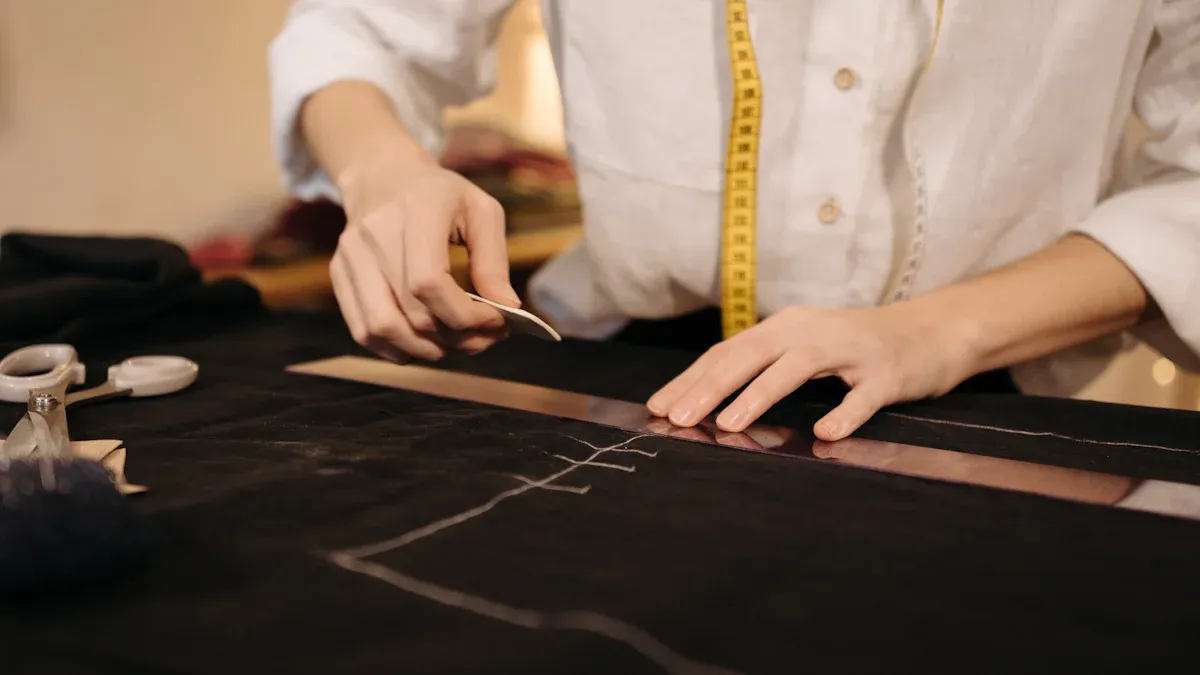
Choosing the right fabric for your best custom uniforms ensures comfort, durability, and a professional appearance for your team. You need to balance functionality, sustainability, and cost to create retail store uniforms that support your brand identity and daily operations.
Moisture-Wicking & Performance Fabrics
Comfort
You want your staff to feel comfortable during long shifts. Moisture-wicking fabrics use capillary action to draw sweat away from the skin, keeping employees dry and cool. These high-quality fabrics combine hydrophilic and hydrophobic materials, which help sweat evaporate quickly. This process prevents overheating and discomfort. Non-breathable fabrics, such as traditional cotton, can trap moisture, leading to chafing and even bacterial growth. By choosing performance materials, you improve both comfort and functionality for your supermarket chain uniforms.
- Moisture-wicking fabrics keep staff dry and comfortable.
- Quick evaporation of sweat helps regulate body temperature.
- Performance materials reduce the risk of skin irritation.
Maintenance
You save time and resources with easy-care performance fabrics. Most custom options resist stains and require minimal ironing. These fabrics hold their shape and color after repeated washing, making them ideal for busy retail environments. In-stock fulfillment and quick shipping for popular performance fabrics allow you to update your uniforms without delay. You maintain a polished look with minimal effort, supporting both branding and functionality.
Cotton & Polyester Blends
Durability
Cotton and polyester blends offer a strong balance of comfort and durability for best custom uniforms. Polyester fibers add strength and longevity, while cotton provides softness. This combination withstands frequent washing and daily wear, making it a reliable choice for retail store uniforms. You benefit from uniforms that look new longer and require fewer replacements.
Cost Comparison
When you compare fabric costs for bulk custom orders, you see clear differences:
| Fabric Type | Cost (per kg) | Shrinkage Allowance | Ironing Needs | Average Lifespan (wash cycles) |
|---|---|---|---|---|
| 100% Cotton | $2.20–$3.50 | +8–10% more fabric | Frequent | 30–50 |
| 100% Polyester | $1.20–$2.00 | Minimal | Rare | 70–150 |
Cotton blends may cost more upfront and require more care, but they offer a softer feel. Polyester blends provide a longer lifespan and lower maintenance, making them a cost-effective solution for best custom uniforms. You can choose the blend that matches your budget and performance needs.
Eco-Friendly Options
Sustainability
You can support sustainability and reduce your environmental impact by selecting sustainable fabrics for your custom uniforms. Popular eco-friendly choices include:
- Organic cotton, which uses less water and avoids synthetic pesticides.
- Recycled polyester, made from repurposed plastic, reduces waste and energy use.
- Hemp, known for durability and minimal water or pesticide requirements.
- Bamboo fabric, which grows quickly and uses less water.
These options help you meet your sustainability goals and appeal to environmentally conscious customers. You show your commitment to responsible sourcing and production.
Certifications
Certifications for sustainable fabrics give you and your customers confidence in your choices. While no single certification is required, several programs recognize textiles that meet strict sustainability standards. The Sustainable Fabric Certification, for example, highlights products that follow responsible production practices. These certifications help you make informed decisions and enhance the market value of your best custom uniforms.
Tip: Ask your supplier about available certifications and documentation for sustainable fabrics. This step supports your branding and demonstrates your commitment to sustainability.
By selecting the right high-quality fabrics, you ensure your custom uniforms deliver top performance, functionality, and sustainability. You create retail store uniforms that reflect your brand identity and support your team’s daily performance and comfort.
Safety & Compliance
Industry Standards
You must prioritize safety and compliance when selecting fabrics for the best custom uniforms in supermarket chains. Industry standards protect your staff and customers, especially in food retail environments. Uniforms must meet strict requirements to prevent cross-contamination and maintain a hygienic workspace. You should look for fabrics and designs that comply with HACCP, SQF, FDA, and GMP guidelines. These standards ensure your uniforms support food safety and operational excellence.
Uniforms designed for food retail and processing must include specific features. You need to choose garments with no buttons and no pockets to reduce the risk of contamination. Durable fabric helps your team maintain a clean and professional appearance throughout the workday. Uniforms must withstand exposure to moisture, fats, and temperature fluctuations. Properly designed uniforms act as a barrier, protecting both employees and products.
Note: Uniforms that meet industry standards help you build trust with customers and reinforce your branding and identity.
You should always keep uniforms clean, safe, and readily available for your staff. Hygienically clean uniforms are essential for compliance and for presenting the best custom uniforms in your stores.
Key Safety Features for Supermarket Chain Uniforms:
- No buttons or pockets to minimize contamination risks
- Durable fabric for long-lasting protection
- Easy-care materials for frequent washing
- Hygienically clean and ready for use
Testing
You need to verify that your best custom uniforms meet all required safety and compliance standards. Testing plays a critical role in ensuring your uniforms perform as expected in demanding retail environments. You should work with suppliers who offer documented testing for fabric durability, stain resistance, and hygienic properties.
Testing protocols often include:
- Fabric strength and durability assessments
- Stain resistance evaluations
- Moisture and contaminant exposure tests
- Wash cycle performance reviews
| Test Type | Purpose | Benefit for Supermarket Chains |
|---|---|---|
| Durability Testing | Measures fabric strength and longevity | Ensures uniforms last through daily use |
| Stain Resistance Testing | Evaluates ability to repel common stains | Keeps uniforms looking clean and fresh |
| Hygiene Testing | Assesses ability to prevent contamination | Supports food safety and compliance |
| Wash Cycle Testing | Reviews performance after repeated washing | Maintains quality and appearance |
You should request test reports and certifications from your supplier before placing bulk orders. This step guarantees that your best custom uniforms meet all safety and compliance requirements. Reliable testing helps you maintain a safe workplace and supports your branding goals.
Tip: Partner with suppliers who understand industry standards and provide transparent testing documentation. This approach ensures your uniforms deliver consistent performance and protect your brand reputation.
By focusing on safety and compliance, you create the best custom uniforms that support your team, protect your customers, and reinforce your identity in every store location.
Bulk Ordering & Custom Retail Uniforms
Order Process Steps
Efficient bulk ordering for supermarket chain uniforms starts with a clear process. You simplify uniform management by following these essential steps:
- Consultation
You begin by identifying your needs. Define the features and services required for your custom uniform solutions. Consider logo placement, preferred fabrics, and ordering methods. This step ensures your retail store uniforms align with your branding and operational goals. - Sample Approval
You select approved brands and styles that reflect your identity. Request samples to evaluate quality, fit, and design. Sample approval helps you confirm that the uniforms meet your expectations before committing to a large order. - Final Confirmation
You establish a user-friendly ordering and delivery system. Confirm order details, quantities, and delivery timelines. This step streamlines uniform management and guarantees that every location receives the correct retail store uniforms on schedule.
Tip: A structured order process reduces errors and saves time for your team.
Minimums & Discounts
You maximize cost savings by understanding minimum order requirements and bulk pricing structures. Leading suppliers offer flexible options to suit businesses of all sizes.
No Minimum Order
You benefit from suppliers that offer no minimum order quantities. This flexibility allows you to test new custom uniform solutions or order replacements without committing to large volumes.
Bulk Pricing
Bulk discounts help you optimize your budget. As your order size increases, the price per unit decreases. Review the following table to compare supplier options:
| Supplier | MOQ Range | Price Example |
|---|---|---|
| Domestic Suppliers | 6–12 units | Higher prices for small runs |
| International (Alibaba) | 2–500 units | Varies based on supplier |
| US-based Factories | 1 piece | Higher prices for single units |
You also find platforms with curated bundles and flexible packs:
| Platform | MOQ Range | Price Example |
|---|---|---|
| Lonca | 6–50+ | $1–$300/unit |
| Alibaba | 2–500 | Varies |
| Boulevard Apparel | 5-piece bundles | $39/bundle |
- Domestic suppliers may offer bulk discounts based on order size.
- International suppliers often provide flexible pricing that decreases with larger orders.
- Lonca offers packs starting at 6 pieces for testing new products.
- Alibaba allows for small runs with MOQs as low as 2 units.
- Boulevard Apparel provides curated bundles to help reduce risk.
Note: You can take advantage of free shipping and bulk discounts to further reduce costs.
Online Tools for Customization
Modern online platforms simplify uniform management and enhance the customization process for supermarket chain uniforms. You access a range of customization options that support your branding and identity.
Design Platforms
You use fully customizable e-commerce portals tailored to your needs. These platforms prioritize customization, allowing you to select styles, colors, and logo placements that reflect your brand. The user-friendly interface makes it easy for staff to design retail store uniforms that meet your specifications.
| Feature | Benefit |
|---|---|
| Automated Ordering | Reduces manual input and errors, speeding up the process. |
| Customization Options | Enables tailored designs for specific branding needs. |
| User-Friendly Interface | Simplifies the experience for staff and managers. |
Real-Time Updates
You track orders and receive real-time updates throughout the process. This transparency ensures you stay informed about production status, shipping, and delivery. Streamlined online uniform management helps you respond quickly to changes and maintain consistency across all locations.
- Fully customizable portals reflect your brand identity.
- Automated systems reduce errors and speed up ordering.
- Real-time updates keep you informed and in control.
Tip: Online tools make it easy to manage custom uniform solutions for businesses of any size.
By leveraging these order process steps, minimums and discounts, and online tools, you create a seamless experience for bulk ordering custom uniforms. You support your team, maintain consistent branding, and optimize costs for your retail store uniforms program.
Strategic Purchasing
Strategic purchasing transforms your uniform program from a routine expense into a source of competitive advantage. You gain control over costs, quality, and supply chain reliability by making informed decisions. This approach ensures your supermarket chain uniforms always meet your standards and arrive on time.
Manufacturing Partnerships
Building strong partnerships with manufacturers gives you access to better pricing, priority production slots, and consistent quality. You can negotiate favorable terms when you commit to regular, high-volume orders. Manufacturers often reward loyal customers with early access to new fabrics, exclusive designs, or faster turnaround times.
You should evaluate potential partners based on their experience, production capacity, and track record with similar retail clients. Ask for references and review their quality control processes. Reliable partners help you avoid delays and ensure every uniform meets your specifications.
Tip: Schedule regular check-ins with your manufacturing partners. Open communication helps you address issues quickly and adapt to changing business needs.
A strong partnership also allows you to collaborate on custom solutions. You can request fabric samples, test new logo applications, or develop eco-friendly options tailored to your brand. This flexibility supports your long-term growth and keeps your uniform program ahead of industry trends.
Cost Optimization
Cost optimization in bulk uniform purchasing delivers significant financial benefits for your supermarket chain. You reduce unit costs by leveraging supplier discounts and consolidating orders. This strategy minimizes shipping expenses and streamlines your budgeting process.
You can use several effective strategies to optimize costs:
- Reduced Unit Cost: Buying in bulk lowers the price per uniform, allowing you to allocate resources elsewhere.
- Fewer Shipping Costs: Consolidating orders means fewer shipments, which reduces fees and environmental impact.
- Stabilized Budgeting and Cash Flow: Fixed prices from large orders make it easier to forecast expenses and manage cash flow.
You can further enhance efficiency by adopting technology and data-driven decision-making. The following table outlines practical strategies for cost optimization:
| Strategy | Description |
|---|---|
| Implement Software | Use software systems for real-time stock insights to avoid over or under ordering. |
| Sales Trend Analysis | Analyze past sales trends to stock seasonal items effectively. |
| Adopt Quick Methods | Order only the required quantity, especially for perishable items. |
| Negotiate With Suppliers | Build strong supplier relationships for better payment terms and discounts. |
You should invest in inventory management software to monitor stock levels and prevent over-ordering. Analyzing sales trends helps you predict demand and avoid excess inventory. Quick ordering methods ensure you only purchase what you need, reducing waste. Negotiating with suppliers secures better payment terms and additional discounts.
Note: Strategic purchasing not only saves money but also improves operational efficiency. You create a reliable supply chain that supports your brand’s reputation and growth.
By focusing on manufacturing partnerships and cost optimization, you build a uniform program that supports your business goals. You ensure every dollar spent delivers maximum value, helping your supermarket chain stand out in a competitive market.
Delivery Solutions for Supermarket Chain Uniforms
Fast Fulfillment & Lead Times
You need reliable delivery solutions to keep your stores running smoothly. Fast fulfillment ensures your staff always has the right uniforms, even during peak hiring seasons or unexpected turnover. Many suppliers offer in-stock options, allowing you to bypass lengthy production times. You can receive uniforms nationwide in as little as three days, which is essential for onboarding new employees or opening new locations.
3-Day Shipping
You benefit from quick store uniform fulfillment, with many providers shipping orders within three days. This rapid turnaround supports your operational needs and helps you maintain a professional appearance across all locations. In-stock inventory means you do not wait for production, so uniforms are ready for immediate shipping.
Expedited Options
You can choose expedited shipping for urgent orders. This option guarantees delivery within a shorter window, often with priority handling. Expedited services help you respond to last-minute staffing changes or promotional events. You keep your team looking sharp and consistent, no matter the circumstances.
Tip: Fast shipping options reduce downtime and ensure your staff always presents a unified brand image.
Packaging & Handling
Efficient packaging and handling play a critical role in uniform delivery for multi-location supermarket chains. You can select bulk or individual packing based on your needs.
Bulk vs. Individual Packing
Bulk packing consolidates uniforms for large stores, reducing shipping costs and simplifying inventory management. Individual packing sends uniforms directly to employees or specific locations, which is ideal for remote staff or new store launches.
| Feature | Description |
|---|---|
| Quick Store Uniform Fulfillment | Ships uniforms nationwide in 3 days or less, ensuring timely delivery for new or existing staff. |
| In-Stock Inventory | No waiting for production; uniforms are readily available for immediate shipping. |
| Scalable Programs | Supports growth from 5 to 500+ locations with consistent quality. |
| Online Ordering Portals | Allows managers to order directly, reducing administrative workload. |
| Individual Shipping | Direct-to-employee delivery for remote or new locations. |
| Branded Consistency | Maintains uniform appearance across all locations. |
| Dedicated Support | Account manager ensures smooth operations across all locations. |
Store Delivery
You can arrange direct store delivery for bulk orders, ensuring every location receives the correct quantity and style. Online ordering portals simplify the process, allowing managers to place orders and track shipments with ease. Dedicated support teams help coordinate deliveries and resolve any issues quickly.
Note: Comprehensive uniform program management and scalable solutions support your growth and maintain consistency across all stores.
Tracking & Transparency
Advanced tracking and transparency features give you full visibility into your uniform orders. You monitor shipments in real time and address any issues before they impact your operations.
Order Status
You use technologies like RFID tags, QR codes, and blockchain ledgers to track supply chain transactions. These tools provide real-time updates on order status, shipment location, and estimated delivery times. IoT sensors monitor production inputs, ensuring quality and accountability throughout the process.
Issue Resolution
Supply chain transparency helps you identify bottlenecks and shipment delays. You resolve problems quickly, minimizing disruptions to your business. Verified records from supplier to shelf enhance accountability and support ethical sourcing and labor practices.
- Real-time visibility helps you manage uniform deliveries efficiently.
- Tracking technologies provide necessary product information and shipment updates.
- Transparent supply chains build trust with your team and customers.
You ensure your supermarket chain uniforms arrive on time, in the right condition, and at the correct locations. Reliable delivery solutions support your brand and keep your operations running smoothly.
International Shipping
When you expand your supermarket chain across borders, international shipping becomes a critical part of your uniform program. You need reliable logistics to ensure every store receives uniforms on time, regardless of location. International shipping introduces new challenges, but you can overcome them with the right strategies and partners.
Customs
Customs clearance stands as one of the most important steps in international shipping. You must understand the regulations of each destination country to avoid delays and unexpected costs. Uniform shipments often require specific documentation, such as commercial invoices, certificates of origin, and import permits. You should work closely with your supplier to prepare all necessary paperwork before shipping.
Tip: Always verify the latest customs requirements for each country. Regulations can change frequently, and missing documents may result in shipment holds or fines.
You also need to consider duties and taxes. Some countries impose tariffs on imported textiles and apparel. You can minimize costs by selecting suppliers who offer duty-free shipping or have experience navigating customs procedures. Many uniform providers partner with customs brokers to streamline the process and ensure compliance.
| Customs Challenge | Solution |
|---|---|
| Documentation Errors | Double-check paperwork with your supplier |
| Unexpected Duties | Request duty estimates before shipping |
| Delays at Border | Use experienced customs brokers |
You maintain smooth operations by planning ahead and staying informed about customs regulations. This approach helps you deliver uniforms to every store without unnecessary delays.
Global Networks
A strong global logistics network supports your international uniform program. You benefit from suppliers who maintain partnerships with reliable carriers and distribution centers worldwide. These networks enable fast, secure shipping to multiple countries and regions.
You should choose suppliers with proven experience in global fulfillment. Look for providers who offer real-time tracking, consolidated shipments, and multilingual support. These features help you monitor orders, resolve issues quickly, and communicate effectively with international teams.
- Real-time tracking keeps you updated on shipment status.
- Consolidated shipping reduces costs for multi-location chains.
- Multilingual support ensures clear communication across regions.
Note: Suppliers with established global networks can offer free shipping within the U.S. and competitive rates for international deliveries. This advantage helps you manage costs and maintain consistent branding across all locations.
You also need to evaluate the scalability of your supplier’s logistics network. As your supermarket chain grows, your uniform needs will increase. A scalable network ensures you can expand into new markets without compromising delivery speed or reliability.
By understanding customs requirements and leveraging global logistics networks, you create a seamless international shipping process for your supermarket chain uniforms. You keep your stores supplied, your staff looking professional, and your brand consistent—no matter where you operate.
Choosing the Best Custom Uniform Supplier
Selecting the right supplier for supermarket chain uniforms shapes your business branding and impacts customer experience. You need a partner who delivers end-to-end solutions, supports your identity, and ensures every order leaves a positive impression. Comprehensive suppliers serve businesses of all sizes, offering custom options that fit your needs and role-specific designs for every department.
Supplier Criteria
Experience
You should look for suppliers with proven experience in the retail and supermarket industry. Experienced vendors understand the demands of custom uniform programs and know how to maintain brand visibility across multiple locations. They anticipate challenges and deliver solutions that enhance functionality and business branding. Ask about their history with similar clients and review case studies that demonstrate successful first impressions and long-term partnerships.
Quality Control
Quality control stands at the heart of every successful uniform program. You want a supplier who tests fabrics, inspects stitching, and verifies logo applications for every shipment. Reliable quality control ensures your custom uniforms meet high standards for durability, comfort, and appearance. Suppliers should provide documentation of their quality control processes, including sample reviews and performance testing. This commitment to quality control protects your brand identity and guarantees consistent impressions for customers and staff.
| Quality Control Checklist | Why It Matters |
|---|---|
| Fabric Testing | Ensures comfort and functionality |
| Stitching Inspection | Prevents defects and extends lifespan |
| Logo Verification | Maintains branding and visibility |
| Sample Review | Confirms design accuracy |
| Performance Testing | Supports daily use and durability |
Vendor Questions
You need to ask the right questions to evaluate potential suppliers. These questions help you understand their fulfillment capabilities, discount structures, and support systems.
Turnaround
- What is your turnaround time for initial orders and replenishments?
- How do you ensure order accuracy with every shipment?
- Can you provide real-time tracking and easy reordering for multi-location chains?
Fast turnaround and reliable fulfillment keep your stores running smoothly. Suppliers should offer transparent timelines and proactive communication to avoid delays and maintain strong impressions.
Samples
- Do you offer sample uniforms for review before placing a full order?
- How do you handle sizing and fit for all employees?
- What customization options do you provide for role-specific designs?
Sample reviews allow you to check quality control and functionality before committing to bulk orders. You confirm that every custom uniform matches your expectations and supports your business branding.
Support
- What ongoing support and customer service do you provide after delivery?
- Do you offer dedicated account management and online reordering tools?
- How do you resolve issues with returns, exchanges, or missing sizes?
Strong support systems streamline the uniform process and enhance customer experience. You want a supplier who responds quickly and provides solutions that protect your brand identity.
Tip: Always ask about technology or software for uniform management. Digital tools simplify ordering, tracking, and inventory control for supermarket chain uniforms.
Evaluation & Comparison
You need to compare suppliers using clear criteria. This step ensures you choose a partner who delivers consistent quality, reliable fulfillment, and comprehensive custom solutions.
References
Request references from other businesses the supplier has worked with. References provide insight into their reliability, quality control, and ability to deliver custom uniforms that create lasting impressions. You gain confidence in their ability to support your business branding and maintain brand visibility.
Guarantees
Ask about guarantees for quality, delivery, and satisfaction. Suppliers should stand behind their products and offer clear policies for returns, exchanges, and defect resolution. Guarantees protect your investment and ensure every uniform supports your identity and customer experience.
| Evaluation Criteria | What to Look For |
|---|---|
| Industry References | Proven success with similar businesses |
| Quality Guarantees | Commitment to high standards |
| Fulfillment Accuracy | Reliable delivery and order management |
| Support Systems | Dedicated account and customer service |
| Technology Integration | Online tools for easy management |
You strengthen your uniform program by choosing a supplier who meets these criteria. Comprehensive solutions, strong quality control, and responsive support help you create custom uniforms that deliver positive impressions and reinforce your brand identity.
Note: The best supplier offers flexibility, transparency, and expertise. You build a partnership that grows with your business and supports every aspect of your uniform program.
You achieve successful bulk uniform customization by focusing on logo personalization, fabric selection, and streamlined delivery. Strategic purchasing and bulk discounts help you control costs and maximize value. When you select suppliers who balance quality and reliability, you gain a competitive edge.
- Choose partners who offer flexible order minimums and prioritize sustainability.
- Invest in technology and automation to improve efficiency and supply chain visibility.
- Offer unique services like embroidery to set your brand apart.
Leverage online tools and strong supplier relationships to create a uniform program that supports your business growth.
FAQ
What is the minimum order quantity for custom supermarket uniforms?
You can order as few as one uniform from most suppliers. Some platforms offer flexible packs starting at six pieces. This flexibility helps you test new designs or replace uniforms without committing to large volumes.
How long does bulk uniform delivery take?
You receive in-stock uniforms within three days from most suppliers. Expedited shipping options are available for urgent needs. You can track your order status online for real-time updates.
Can you customize uniforms with your store logo and colors?
You design uniforms using online tools that allow you to select colors and upload your logo. Suppliers offer free logo setup and precise color matching to maintain brand consistency across all locations.
What fabric options are available for supermarket chain uniforms?
You choose from moisture-wicking performance fabrics, cotton-polyester blends, and eco-friendly materials. Each option offers unique benefits for comfort, durability, and sustainability. Suppliers provide samples for quality review.
Are uniforms compliant with food safety standards?
You ensure compliance by selecting uniforms that meet HACCP, FDA, and GMP guidelines. Suppliers test fabrics for durability, stain resistance, and hygiene. You receive documentation to verify safety standards.
How do you manage uniform orders for multiple store locations?
You use online ordering portals to place and track orders for each location. Bulk and individual packing options simplify distribution. Dedicated support teams help coordinate deliveries and resolve issues quickly.
What if you need to return or exchange uniforms?
You contact your supplier’s support team for returns or exchanges. Most suppliers offer clear policies and dedicated account managers to resolve sizing or quality issues. You receive prompt assistance to maintain brand standards.
Do suppliers offer discounts for bulk orders?
You benefit from bulk pricing, which lowers the cost per uniform as order size increases. Many suppliers provide free shipping and additional discounts for large orders. You optimize your budget with strategic purchasing.