

Understanding Rider Uniforms and Their Uses in 2025

A rider uniform gives you more than just a distinct appearance. It serves as essential gear for safety, comfort, and tradition whether you ride for sport, work, or leisure. Each uniform adapts to your discipline, climate, and even cultural expectations. You see modern equestrian outfit designs using advanced leather, breathable fabric, and synthetic materials. The global market for uniforms reflects this growth and diversity:
| Aspect | Data / Insight |
|---|---|
| Market Size 2023 | USD 1.35 billion |
| Projected Market Size 2032 | USD 2.87 billion |
| Growth Drivers | Historical reenactments, equestrian sports, demand for custom uniforms |
| Material Segments | Leather, fabric, synthetic |
Uniform technology changes fast, driven by new safety standards and a focus on user comfort. You find uniforms that fit your needs, whether you compete, reenact, or simply ride for enjoyment.
Key Takeaways
- Rider uniforms protect you, keep you comfortable, and honor riding traditions across different disciplines.
- Each uniform part, like helmets, boots, and jackets, has a clear role in safety and performance.
- Modern uniforms use lightweight, breathable, and smart fabrics to help you stay cool, dry, and safe.
- Choose uniforms designed for your riding discipline and climate to improve comfort and effectiveness.
- Wearing certified helmets and body protection vests greatly reduces injury risks during riding.
- Dressage and other competitions have strict dress codes; following them shows respect and helps you succeed.
- Sustainable and eco-friendly materials are now common in rider uniforms without sacrificing quality or durability.
- Youth riders need properly fitted, adjustable uniforms to stay safe and enjoy riding as they grow.
Rider Uniform Basics
Purpose
A rider uniform does more than create a polished look. You rely on it for protection, tradition, and performance. The main functions of a horse riding uniform include ensuring your safety, supporting your comfort, and presenting a professional image. When you wear the right uniform, you reduce the risk of injury and improve your ability to move freely. You also show respect for the traditions of your discipline. Whether you ride for competition or leisure, your horse riding uniform helps you feel confident and prepared.
Key Elements
Each part of your horse riding uniform serves a specific purpose. You need to understand how these elements work together to keep you safe and comfortable. The table below highlights the most important components and their functions:
| Uniform Element | Importance / Function |
|---|---|
| Helmet | Protects your head from injury during falls or impacts; uses shock-absorbing materials and ventilation for comfort. |
| Riding Jacket | Allows ease of movement and maintains a neat appearance; made from durable materials with features to prevent flapping. |
| Riding Shirt | Shields you from sun and abrasion; uses breathable, moisture-wicking fabrics; fits formal accessories. |
| Breeches | Offers flexibility and comfort with stretchable, durable materials; leather patches provide grip and stability. |
| Boots | Ensures foot safety and stability with a low heel; made from leather with reinforced toe caps. |
| Gloves | Improves grip on reins and protects hands from blisters and cold; uses reinforced palms. |
| Accessories | Enhances safety and style; includes stock ties, show collars, and riding stocks for tradition and presentation. |
You see that each item in your horse riding uniform has a clear role. Helmets and boots focus on safety, while jackets and shirts balance comfort and tradition. Breeches and gloves help you control your horse and avoid injuries. Accessories add a finishing touch and connect you to the history of the sport.
Evolution
Horse riding uniform design has changed a lot over time. In the past, you might have worn heavy wool or leather that limited your movement. Today, you benefit from lightweight, breathable fabrics and advanced synthetics. Modern uniforms use moisture-wicking materials to keep you cool and dry. Designers add stretch panels and ergonomic seams for better comfort and flexibility. You also find uniforms with built-in safety features, such as reinforced padding and impact-resistant helmets. These changes make your horse riding uniform more effective and enjoyable to wear. As technology advances, you can expect even more improvements in the years ahead.
Types of Rider Uniform
Summer-Weight Uniforms
You face unique challenges when riding in hot weather. Summer-weight uniforms help you stay cool and comfortable during intense activity. Designers use lightweight fabrics like CORDURA® NyCo Extreme, which is about one pound lighter than standard options. This fabric keeps you dry and allows air to flow, so you avoid overheating. Riders who tested these uniforms in places like Hawaii and Congo described them as feeling like pajamas—soft, breathable, and never too hot or cold.
Manufacturers test these uniforms for air permeability, moisture wicking, and heat regulation. You benefit from features such as mesh panels, ventilation zones, and technical blends like polyester/wool with lycra. These materials dry quickly, protect you from UV rays, and fight odors with antimicrobial properties. Experts say these design choices help you stay focused and perform better in warm climates.
Tip: Choose a summer-weight uniform with mesh panels and moisture-wicking fabric for the best comfort during hot rides.
Fighting Leathers
Fighting leathers offer you maximum protection during high-risk riding activities. You see these uniforms in disciplines like mounted combat, reenactments, or police demonstrations. The uniform uses thick leather panels and reinforced stitching to shield you from impacts, scrapes, and even blade contact. Designers often add extra padding at the shoulders, elbows, and knees for better safety.
You notice that fighting leathers balance protection with flexibility. Modern versions use hybrid materials, combining leather with stretch textiles. This lets you move freely while staying safe. Some uniforms include modular armor inserts, so you can adjust your level of protection based on the event. These features make fighting leathers a top choice for riders who need both defense and mobility.
- Key features of fighting leathers:
- Heavy-duty leather construction
- Reinforced seams and padding
- Modular armor options
- Flexible panels for movement
Flight Leathers
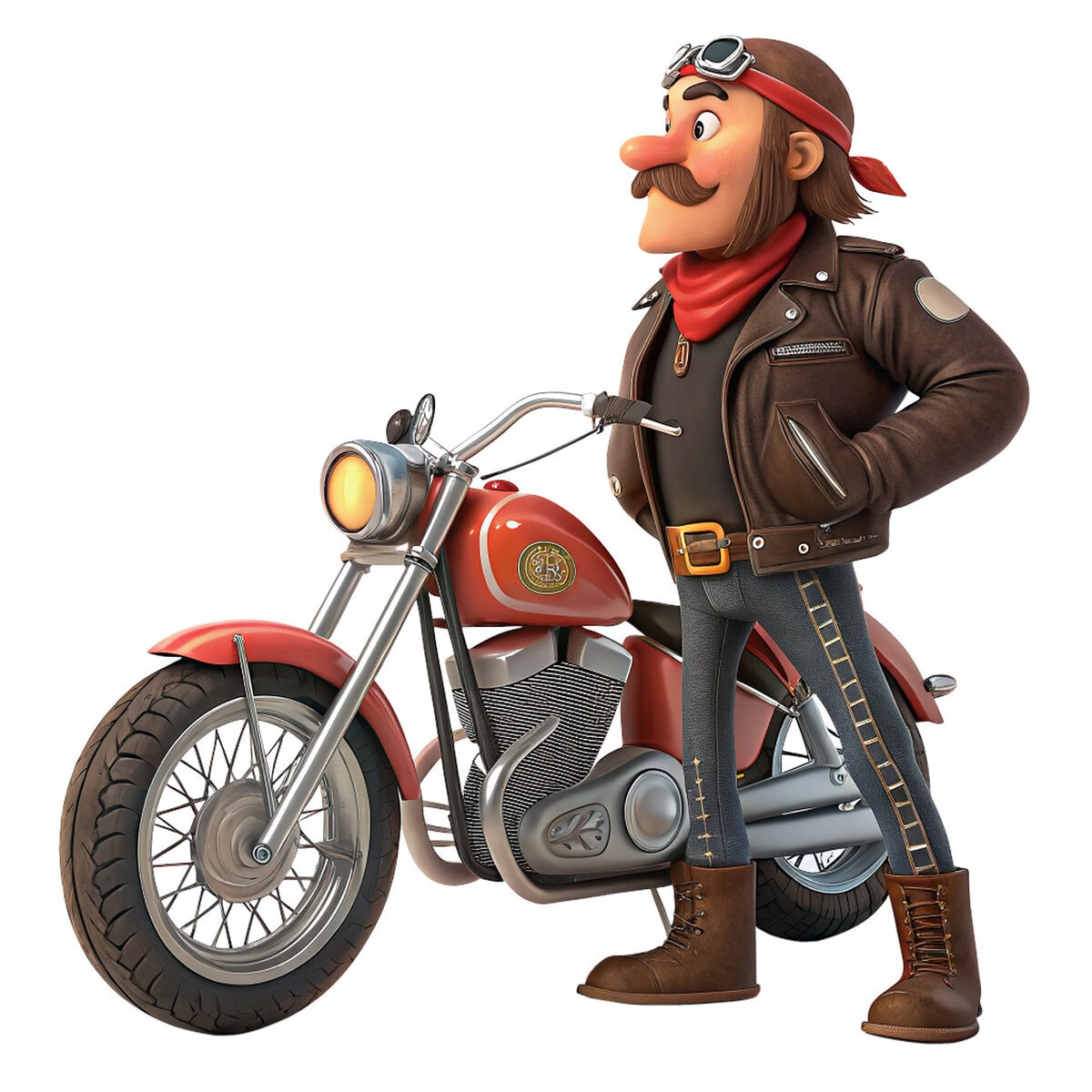
Flight leathers give you a classic look and advanced performance for fast-paced riding. You often see these uniforms in disciplines that require speed and agility, such as mounted patrols or ceremonial rides. The uniform uses smooth, aerodynamic leather to reduce wind resistance and protect you from the elements.
Designers focus on both style and function. Flight leathers often include zippered vents, adjustable cuffs, and weather-resistant coatings. You benefit from a snug fit that keeps you streamlined in the saddle. Some uniforms feature composite materials for added durability without extra weight. Regional trends and market research show that riders in different climates choose flight leathers with specific linings or insulation to match local weather.
Note: Flight leathers combine tradition with innovation, offering you both a sharp appearance and reliable protection at high speeds.
You see that the variety of rider uniforms reflects the needs of different disciplines, climates, and traditions. Industry reports highlight how manufacturers use leather, textiles, synthetics, and hybrid materials to create uniforms for every occasion. Companies now use AI and virtual fittings to customize uniforms for your body and riding style, ensuring you get the best fit and performance.
Vests & Body Protection
You face many risks when you ride, especially in disciplines that involve jumping or high speeds. Vests and body protection gear help you manage these risks. Modern vests use lightweight, impact-absorbing materials that shield your torso from falls, kicks, or collisions. You find options with adjustable straps, ventilation panels, and flexible designs that let you move freely while staying safe.
Many riders choose body protection vests for cross country riding. Research from the United States Pony Clubs looked at 718 riders between 2011 and 2017. The study compared injury rates between those who wore vests and those who did not. The results showed a clear benefit for riders who wore vests during cross country:
- Riders wearing vests had a 56% lower risk of injury in cross country events.
- The number of injuries to the ribs and chest dropped when riders used body protection.
- The study found no significant difference in injury rates for show jumping or non-jumping activities.
- Serious injuries did not depend on the rider’s age, gender, or experience.
You see that vests offer the most value in high-risk situations. Cross country courses often include solid obstacles and uneven ground. A fall in these conditions can cause serious harm. Body protection vests absorb and spread out the force of an impact, reducing the chance of broken ribs or chest injuries. Some vests use foam panels, while others feature airbag technology that inflates instantly during a fall.
When you select a vest, check for safety certifications like ASTM or BETA. These standards ensure the vest meets strict requirements for impact absorption and durability. You should also try on different models to find one that fits your body shape and riding style. A good vest feels snug but does not restrict your breathing or movement.
Tip: Always inspect your vest for damage after a fall. Replace it if you see cracks, dents, or worn straps.
You can pair vests with other body protection gear, such as shoulder pads or spine protectors, for extra safety. Many eventing and youth programs now require vests for certain activities. Even if your discipline does not mandate them, you may want to wear a vest for peace of mind.
Horse Riding Uniforms by Discipline
Dressage Outfit
When you prepare for a dressage competition, your horse riding uniform must meet strict standards. The dressage outfit stands out for its elegance and function. You wear a tailored jacket, crisp shirt, white or light-colored breeches, tall boots, gloves, and a helmet. Each piece of your dressage outfit supports your performance and safety.
You notice that dressage jackets are not just for looks. Designers create them for the seated riding position. A well-fitted jacket gives you comfort, freedom of movement, and a confident posture. Custom tailoring ensures no pulling at the hips or waist and allows your shoulders to move easily. This fit helps you focus during competition and improves your effectiveness in the saddle.
Tip: Choose a jacket with proper vent placement and extra room at the back. This design supports your posture and leg position during dressage.
Your helmet must be ASTM/SEI certified for safety. Subtle details, like gold accents or a shimmer, can boost your confidence without distracting judges. You should select conservative colors such as black, navy, or brown for your horse riding uniforms. These colors keep your appearance professional and help you avoid penalties in competition.
You also pay attention to your horse’s appearance. Dressage braids on the mane highlight the horse’s muscles and add to the refined look expected in dressage. For a dressage schooling show, you might see more relaxed rules, but you still benefit from a neat and polished equestrian outfit.
A well-chosen saddle and pad, matched to your horse’s wither shape, ensure comfort and balance. You might use a half-pad for high withers or a front-riser pad to keep your ride balanced. Following the dress code at a dressage schooling show prevents point deductions or elimination. Your horse riding uniform becomes a tool for both tradition and competitive success.
- Key guidelines for dressage attire:
- Always wear a properly fitted, certified helmet.
- Select a jacket tailored for riding, not standing.
- Use conservative colors for all show attire.
- Pay attention to your horse’s turnout, including braids.
- Match saddle pads to your horse’s needs.
Show Jumping
Show jumping requires horse riding uniforms that balance tradition and athletic performance. You need a lightweight, flexible jacket, a fitted shirt, breeches, tall boots, and a helmet. The jacket often features technical fabrics that stretch and breathe, helping you stay cool and agile as you guide your horse over jumps.
You want your show attire to look sharp but not restrict your movement. Many riders choose jackets with mesh panels or vented backs for extra airflow. Your breeches should have reinforced knee patches for grip and comfort. In show jumping, you often see brighter colors and subtle patterns, but you still follow the rules set by the competition.
Your helmet must meet current safety standards. Gloves improve your grip on the reins, especially during fast turns and landings. You may add a stock tie or collar for a polished finish. For a dressage schooling show that includes jumping, you might wear a similar uniform but with more relaxed color choices.
Eventing
Eventing combines dressage, show jumping, and cross-country riding. Your horse riding uniforms must adapt to each phase. For dressage, you wear the traditional dressage outfit. In show jumping, you switch to a lighter jacket and technical breeches. For cross-country, you focus on safety and comfort.
You wear a certified helmet, body protection vest, and sometimes a medical armband. Your shirt and breeches use moisture-wicking fabrics to keep you dry. Bright colors and team logos are common in cross-country, making it easy for judges and spectators to identify you. Your boots must provide grip and support across varied terrain.
You see that horse riding uniforms for eventing must meet the demands of each discipline. You prepare for every challenge by choosing the right gear for each phase of the competition.
Junior & Youth Attire
When you select horse riding uniforms for junior and youth riders, you need to consider more than just size. Young equestrians have unique needs that differ from adults. Comfort, safety, and style all play a role in keeping kids engaged and confident in the saddle. You want to make sure that every horse riding uniform fits well and supports both learning and fun.
Demographic studies show that youth riders benefit from adaptable sizing and designs. Many brands now offer adjustable waistbands, stretch panels, and growth-friendly features. These details help you get more use out of each piece, even as your child grows or moves between recreational riding and structured lessons. You also see that affordability and sustainability matter to families. Parents often look for horse riding uniforms made from durable, eco-friendly materials that can withstand frequent washing and active play.
Tip: Look for riding apparel with reinforced seams and easy-care fabrics. These features help uniforms last longer and stay looking sharp.
Children’s riding apparel lines cater to both beginners and junior competitors. Adjustable fits allow you to customize the uniform for different body shapes and riding levels. Many brands design breeches and jackets with extra room for movement, so young riders can mount, dismount, and ride comfortably. Safety remains a top priority. You should always choose helmets and boots that meet current safety standards and fit snugly without causing discomfort.
You notice that playful colorways and fun patterns are popular among junior riders. Bright colors and unique designs help foster early engagement and make riding more enjoyable. Some brands even let you personalize uniforms with patches or team logos. This sense of ownership can boost confidence and encourage kids to take pride in their appearance at the barn or in the show ring.
Here are some key factors to consider when choosing horse riding uniforms for youth:
- Adaptable sizing for growing riders
- Affordable and sustainable materials
- Adjustable fits for beginners and competitors
- Playful colors and patterns to spark interest
- Safety-certified helmets and boots
You help young equestrians build good habits by selecting the right horse riding uniform. A well-fitted, comfortable uniform encourages proper posture and safe riding practices. When kids feel good in their gear, they are more likely to stay motivated and enjoy their time with horses. As the industry continues to evolve, you will find even more options designed specifically for junior and youth riders.
Dressage Competition Dress Code
Boots & Footwear
When you prepare for a dressage competition, your choice of boots matters. Dressage rules require you to wear tall, black riding boots that reach just below your knee. These boots give you a polished look and help you maintain a steady leg position. You will notice that most dressage outfit guidelines favor leather boots with a smooth finish. Some riders choose boots with a rear zipper for easy on and off, while others prefer traditional pull-on styles.
Safety and performance drive the design of riding boots. ASTM standards set the bar for impact resistance, slip resistance, and durability. Even though these standards do not target dressage boots specifically, they influence how manufacturers build boots for equestrian sports. The market for riding boots highlights features like shock absorption, strong grip, and ergonomic support. These qualities help you stay balanced and safe during your ride.
Tip: Always check your boots for a snug fit. Loose boots can slip and affect your control in the saddle.
You may see some riders use short boots with matching half chaps at a dressage schooling show, especially in youth classes. However, for higher-level dressage competition, tall boots remain the standard. Clean, well-maintained boots show respect for the discipline and help you make a strong impression in the ring.
Breeches & Pants
Breeches play a key role in your dressage outfit. You need riding breeches that fit close to your body and allow you to move freely. Most dressage competitions require white or light-colored breeches. This color choice keeps the focus on your seat and leg position, which judges watch closely.
Modern breeches use advanced fabric technology. For example, some brands use elastane blends that stretch and support your body. You benefit from high-waisted designs that offer tummy control and shape your silhouette. Moisture-wicking fabrics keep you dry, while UPF protection shields you from the sun during outdoor events. Many breeches include suede or ultrasuede knee patches for extra grip and durability. You will also find features like thick belt loops, secure pockets, and reinforced seams for comfort and practicality.
- Key features of dressage breeches:
- Stretch fabric for flexibility
- High waist for support
- Moisture-wicking and sun protection
- Durable knee patches
At a dressage schooling show, you might see more relaxed styles, but you should always choose breeches that fit well and look neat. Well-designed breeches help you ride with confidence and meet the dressage competition dress code.
Jackets & Shirts
Your jacket and riding shirt complete your dressage apparel. The dressage competition dress code calls for a tailored riding jacket in a conservative color. Black and navy remain popular, but recent rule updates allow for subtle patterns and a wider range of colors. The goal is to keep your look classic and understated so judges focus on your performance, not your clothing.
A good riding jacket fits your shoulders and waist without restricting movement. Designers use lightweight, breathable fabrics to keep you comfortable during long rides. You will find jackets with vented backs and stretch panels for extra flexibility. Your riding shirt should have a collar and fit smoothly under your jacket. Many shirts use moisture-wicking materials to keep you cool and dry. For a dressage schooling show, you may wear a short-sleeved shirt if jackets are waived due to heat.
Note: Always keep your jacket and shirt clean and pressed. A neat appearance shows respect for the tradition of dressage.
Working Equitation and USDF rules both stress neatness, consistency, and minimal embellishments in dressage attire. You should avoid flashy decorations and focus on a look that honors the heritage of the sport. This approach helps you present yourself as a serious competitor and supports your success in the ring.
Gloves & Accessories
You complete your dressage look with the right gloves and accessories. These items may seem small, but they play a big role in your performance and presentation. In dressage, gloves are not just for style. You use them to improve your grip on the reins and protect your hands from blisters. Most dressage competitions require you to wear gloves, and judges expect them to be clean and well-fitted.
You usually choose gloves in white for dressage. White gloves highlight your hand position, which helps judges see your communication with the horse. Some riders prefer black or navy gloves, especially if they ride at lower levels or in schooling shows. You should always check the dressage rulebook for color guidelines before you compete. The best gloves use thin, flexible materials that let you feel the reins without slipping. Many brands offer gloves with reinforced fingers and palms for extra durability.
Tip: Try on several pairs of gloves before you buy. You want a snug fit that does not pinch or bunch up when you close your hand.
Accessories add the finishing touches to your dressage uniform. You often wear a stock tie or choker with your show shirt. The stock tie is a traditional piece of dressage attire. It wraps around your neck and fastens with a pin or Velcro. In case of a fall, the stock tie can serve as a bandage or sling, which shows how dressage tradition values both form and function.
You may also use a simple pin to secure your stock tie. Choose a classic design, such as a pearl or gold bar, to keep your look elegant. Avoid flashy or oversized pins, as dressage judges prefer a neat and understated appearance. Some riders add a hairnet or bun cover to keep their hair tidy under the helmet. This detail helps you maintain a polished look throughout your dressage test.
Here is a quick checklist for dressage gloves and accessories:
- Clean, well-fitted gloves (white, black, or navy)
- Stock tie or choker (white or matching your shirt)
- Simple stock pin (no large or sparkling designs)
- Hairnet or bun cover for long hair
- Minimal jewelry (stud earrings only)
You should remember that every detail counts in dressage. Gloves and accessories help you meet the dressage dress code and show respect for the sport’s traditions. When you pay attention to these small items, you create a complete and professional dressage appearance. Judges notice your effort, and you feel more confident in the ring. Dressage rewards riders who care about every aspect of their turnout, from boots to gloves.
Helmets & Headgear
Safety Standards
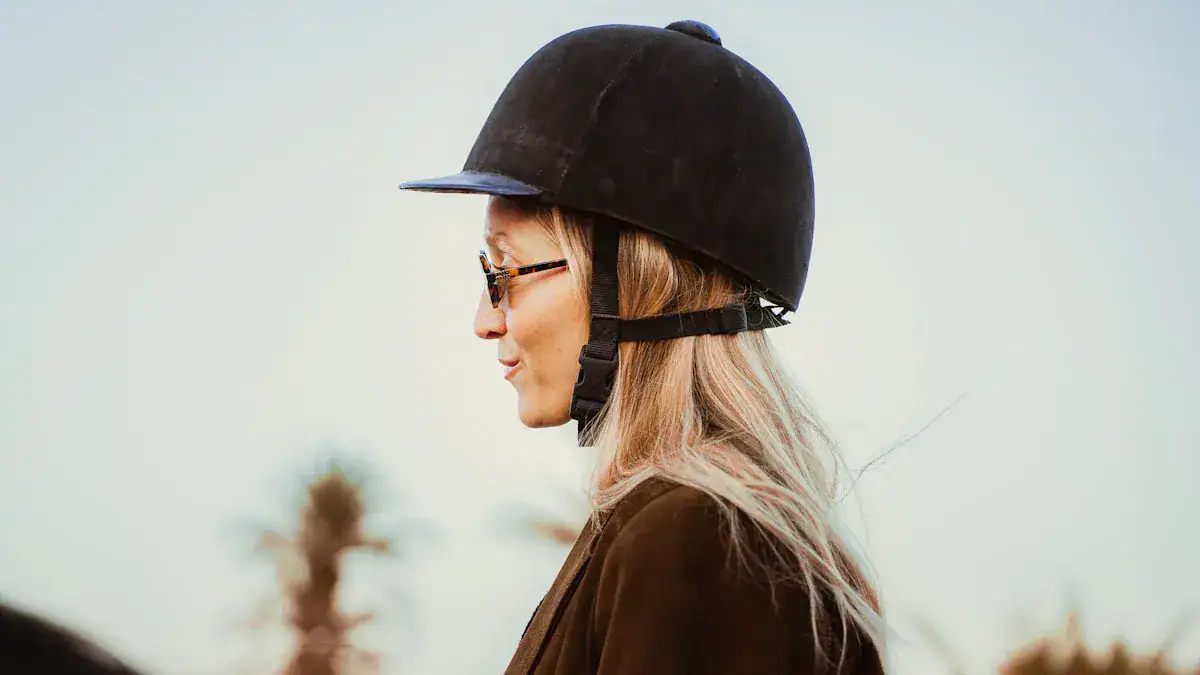
You rely on your helmet as the most important piece of protective gear when you ride. Modern research shows that wearing a helmet can reduce your risk of head injury by up to 70-80%. Medical examiner reports confirm that over 60% of horse-related deaths result from head injuries, making helmet use a critical part of your safety measures.
Regulatory bodies set strict standards to ensure your helmet provides the best protection. The ASTM/SEI-certified helmet meets the ASTM F1163 standard, which covers impact resistance, harness security, and coverage. The Safety Equipment Institute (SEI) independently tests helmets to make sure they meet these requirements. You should always look for the ASTM/SEI-certified helmet label before you buy.
Here are some key facts about helmet safety in equestrian sports:
- The United States Pony Club saw a 26% drop in head injuries after introducing their helmet standard in 1983.
- ASTM/SEI-approved helmets reduce riding-related head injuries by up to 50%.
- The Jockey Club and USPC require ASTM/SEI-certified helmets for all riders.
- Bicycle helmets do not offer the same protection because they are designed for different types of impacts.
A decade-long study comparing states with and without universal helmet laws found that higher helmet use led to lower injury severity and fewer ICU admissions. In North Carolina, where helmet laws are strict, 94% of riders wore helmets, and injury severity scores were lower than in South Carolina, where only 47% wore helmets. This data shows that strong helmet standards and laws protect you and reduce healthcare burdens.
Tip: Always check the fit and certification of your helmet before every ride. Comfort and proper fit encourage you to wear your helmet every time.
Modern Features
Helmet technology has advanced rapidly to keep you safer and more comfortable. Manufacturers now use lightweight materials like carbon fiber and polycarbonate, which absorb impacts without adding extra weight. Many helmets include advanced foam liners that improve energy absorption and reduce the risk of injury.
One of the most important innovations is MIPS (Multi-directional Impact Protection System) technology. MIPS helps reduce rotational forces during angled impacts, which are a leading cause of brain injuries. The Equestrian STAR rating system now tests helmets for both linear and rotational impacts, providing better data on real-world performance. This system encourages helmet makers to keep improving their designs.
You also benefit from features like:
- Enhanced ventilation systems to keep you cool
- Flexible, impact-absorbing peaks for added protection
- Ergonomic designs for a snug, comfortable fit
- Bluetooth, GPS, and fall detection sensors for added safety and convenience
Manufacturers test helmets using drop tests, spike tests, and other methods to make sure they meet international standards such as ASTM F1163, PAS015, and VG1. Independent audits and quality checks ensure that every helmet you buy offers reliable protection.
Note: About 75% of equestrians always wear helmets, but comfort and fit remain the main reasons some riders skip them. Choose a helmet that fits well and meets all safety standards to get the best protection.
You should remember that helmet technology continues to evolve. By choosing a certified, well-fitted helmet with modern features, you take an active role in your own safety every time you ride.
Competition Dress Code & Regulations
Discipline Rules
You must follow strict rules when you enter any equestrian competition. Each discipline sets its own competition dress code, but all share a focus on safety, tradition, and fairness. The United States Equestrian Federation (USEF) provides the main regulatory framework for dress code and equipment standards. You find these rules in several key documents:
- USEF Dressage Rules & Equipment page
- Official USEF Rulebook, including DR120 and DR121
- Memo DR121 on crownpieces (effective September 1, 2024)
- Dressage Rule Changes effective April 1, 2025
- Dressage Attire and Equipment Booklet (updated June 2025)
- Guidelines for Equipment Inspections
- Equipment Check Instructions for various competition levels
- Minimum Requirements for CDIs (Annex B)
- US Equestrian Dressage Guidelines for Equipment Review for Manufacturers
These resources help you understand what to wear and what equipment to use at each competition. You see that the competition dress code covers everything from helmet certification to jacket color and even the type of gloves allowed. Officials use these documents to check your attire before you enter the ring. If you do not meet the competition dress code, you may face penalties or even disqualification.
Tip: Always review the latest rulebook and updates before your next competition. Rule changes can affect your uniform choices and equipment.
You notice that dress code rules change over time. For example, recent updates address helmet safety, crownpiece design, and new fabric technologies. You must stay informed to avoid surprises on competition day.
Armed Services & Police Requirements
You see unique requirements for riders who represent the armed services or police units in competition. These uniforms reflect both the tradition of the service and the demands of the competition. Military and mounted police riders often wear service-specific attire, including insignia, medals, and ceremonial elements. However, they still must follow the competition dress code for safety and fairness.
A typical mounted police competition uniform includes:
| Uniform Element | Description |
|---|---|
| Service Helmet | Meets both department and competition safety standards |
| Tunic or Jacket | Displays rank and insignia; tailored for riding |
| Breeches | Matches service colors; reinforced for durability |
| Boots | Polished leather; sometimes with spurs |
| Gloves | Service color or white, depending on event |
You must balance tradition with modern safety standards. For example, you may need to replace a traditional hat with a certified helmet during competition. Some competitions allow exceptions for ceremonial dress, but only if safety is not compromised.
Note: Always check with both your service regulations and the competition organizers before you compete. This ensures your uniform honors your unit and meets all competition requirements.
You play a key role in upholding both the spirit of your service and the integrity of the competition. By following the competition dress code, you help create a fair and safe environment for all riders.
Materials & Technology
Smart Fabrics
Smart fabrics revolutionize rider uniforms by combining advanced technology with comfort and performance. These fabrics adapt to your needs during intense physical activity, ensuring you stay focused and safe.
- Moisture management fabrics regulate sweat evaporation and body temperature using hydrophilic and hydrophobic layers.
- Phase-change materials stabilize your temperature by absorbing and releasing heat in varying weather conditions.
- UV protection is achieved through UPF coatings or UV-blocking fibers, shielding you during long outdoor rides.
- Compression garments enhance circulation, reduce muscle fatigue, and promote recovery by clearing metabolic waste.
- Weather-specific layers offer breathability and water resistance, while antimicrobial treatments maintain hygiene during prolonged use.
Recent studies validate the use of smart fabrics in rider uniforms. Biometric sensors embedded in compression garments monitor heart rate, muscle activity, and breathing. These sensors track real-time data, helping you prevent injuries and improve performance. Conductive fibers also monitor microclimate changes like temperature and humidity under your clothing, ensuring comfort and wearability. Designers integrate these features into aesthetically pleasing uniforms, blending functionality with style.
Tip: Choose smart fabrics that match your riding conditions. Look for features like temperature regulation and UV protection for outdoor activities.
Climate Adaptations
Rider uniforms now adapt to diverse climates, helping you perform in extreme conditions. Designers use innovative materials to address challenges like heat, cold, and humidity.
In hot climates, lightweight fabrics like CORDURA® NyCo Extreme keep you cool. Mesh panels and ventilation zones improve airflow, while moisture-wicking layers dry quickly and prevent overheating. For cold weather, insulated fabrics trap heat without adding bulk. Some uniforms include windproof and waterproof coatings to protect you from harsh elements.
You benefit from uniforms tailored to your environment. For example, riders in tropical regions prefer breathable fabrics with UV protection, while those in colder areas choose thermal layers with wind resistance. These adaptations ensure you stay comfortable and focused, regardless of the weather.
Note: Always test your uniform in the climate where you ride. Proper adaptation enhances your performance and safety.
Sustainability
Modern rider uniforms prioritize sustainability, reducing environmental impact while maintaining high performance. Manufacturers use eco-friendly materials and processes validated by certifications and lifecycle analyses.
| Certification / Analysis Name | Description / Validation Focus |
|---|---|
| OEKO-TEX® Standard 100 | Tests textile materials for harmful substances, ensuring human-ecological safety beyond legal requirements. |
| Global Organic Textile Standard (GOTS) | Certifies organic fibers and environmentally/socially responsible textile processing. |
| Cradle to Cradle | Assesses products on material health, reutilization, renewable energy, water stewardship, and social fairness. |
| Responsible Wool Standard (RWS) | Ensures animal welfare and land management in wool production. |
| Global Recycled Standard (GRS) | Verifies recycled content and supply chain traceability with environmental and social criteria. |
You see brands adopting recycled fibers, organic textiles, and vegan alternatives to reduce waste and pollution. Lifecycle assessments evaluate environmental impacts across all product phases, from raw materials to disposal. Certifications like Climate Neutral validate efforts to offset greenhouse gas emissions, ensuring carbon neutrality.
Tip: Support sustainability by choosing uniforms with certifications like GOTS or OEKO-TEX®. These labels guarantee eco-friendly production and safe materials.
By embracing smart fabrics, climate adaptations, and sustainable practices, rider uniforms in 2025 offer you unmatched performance, comfort, and environmental responsibility.
You make every ride safer and more enjoyable when you choose the right uniform. Dressage uniforms highlight tradition, safety, and comfort. Modern materials help you perform better in dressage and adapt to new regulations. You see how dressage competition rules shape your choices, from jackets to helmets. Always match your attire to your discipline, climate, and personal needs. Dressage rewards attention to detail, so select gear that supports your goals. Have you faced challenges preparing for a dressage competition? Share your dressage stories or questions below!
FAQ
What is the most important part of a rider uniform?
Your helmet is the most important part. It protects your head during falls or impacts. Always choose a certified helmet that fits well. Safety should come first every time you ride.
How often should you replace your riding helmet?
You should replace your helmet every five years or after any impact. Even if it looks fine, the inner materials may lose their protective qualities. Always check for visible damage.
Can you wash rider uniforms in a regular washing machine?
Most modern uniforms use machine-washable fabrics. Always check the care label first. Use cold water and mild detergent. Air dry your gear to keep it in good shape.
Are sustainable uniforms as durable as traditional ones?
Yes, many sustainable uniforms use recycled or organic fibers that match or exceed the durability of traditional materials. Look for certifications like OEKO-TEX® or GOTS for quality assurance.
Do you need different uniforms for each riding discipline?
You need specific uniforms for each discipline. Dressage, show jumping, and eventing have unique requirements. Always check the rules for your event before choosing your attire.
What features should you look for in summer-weight uniforms?
Look for lightweight, breathable fabrics with moisture-wicking properties. Mesh panels and UV protection help you stay cool and comfortable during hot weather rides.
Can youth riders use adult-sized uniforms?
Youth riders should use uniforms designed for their size. Many brands offer adjustable features for growing riders. Proper fit improves safety and comfort for young equestrians.
How do smart fabrics improve your riding experience?
Smart fabrics regulate temperature, manage moisture, and sometimes track biometric data. These features help you stay comfortable and focused, even during long or intense rides.