

What is a Rider Jacket and How Does it Stand Out from Other Jackets
Table of Contents
Display
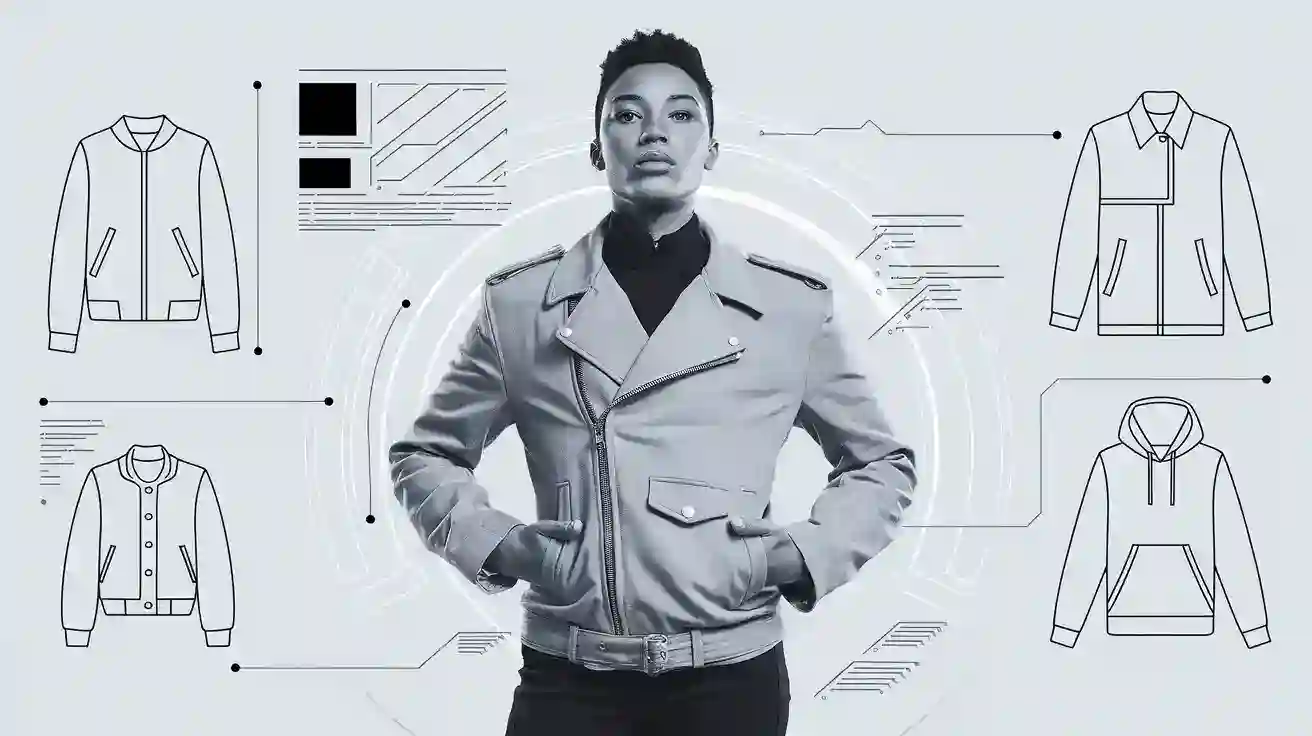
You may recognize a rider jacket as specialized outerwear designed for people who ride horses or motorcycles. This jacket gives you protection from the elements, adds comfort, and offers a sense of style while riding. In North America, the riding gear market leads globally, holding about 35% of the share, with jackets as a primary product. The global market for riding gear reached $18.6 billion in 2022. As more riders see safety as essential, the rider jacket has become a key item rather than just an accessory.
Key Takeaways
- A rider jacket is specially made to protect and comfort people who ride motorcycles or horses.
- These jackets use strong materials like leather and Kevlar to guard against injuries and weather.
- Rider jackets include armor padding in key areas to absorb impact and reduce injury risks.
- They offer weather protection with waterproof and windproof features to keep riders dry and warm.
- Rider jackets fit snugly to prevent wind flapping and keep armor in place during rides.
- Unlike biker jackets, rider jackets focus more on safety and comfort than bold style.
- Choosing a jacket with certified armor and abrasion resistance improves your safety on the road.
- Proper care, like cleaning and storing correctly, helps your rider jacket last longer and stay effective.
Rider Jacket Overview

Definition
You can think of a rider jacket as a specialized piece of outerwear designed for horseback or motorcycle riding. This jacket focuses on giving you both protection and comfort during your ride. Unlike regular jackets, a rider jacket uses advanced materials and construction to shield you from the elements and possible injuries. Many people choose a rider jacket because it combines safety features with a stylish look, making it a favorite among riders everywhere.
History
The story of the rider jacket begins with horseback riders who needed sturdy clothing to protect themselves from weather and rough terrain. Early versions used thick leather to guard against scrapes and dirt. As motorcycles became popular in the early 20th century, the design of the rider jacket evolved. Manufacturers started to add features like zippers, reinforced seams, and padding to meet the needs of motorcyclists. Over time, the motorcycle jacket became a symbol of both safety and rebellion, worn by everyone from professional racers to movie stars. Today, you see modern rider jackets that blend traditional leather with high-tech fabrics for even better performance.
Purpose
The main purpose of a rider jacket is to keep you safe and comfortable while riding. You get protection from dirt, wind, rain, and even injuries if you fall. Modern rider jackets use advanced materials like Kevlar to improve safety and comfort. Here are some ways these jackets help you:
- Kevlar-reinforced jackets offer better abrasion resistance than leather, denim, or polyester, which lowers your risk of road rash and serious injuries.
- Designers place Kevlar panels in key areas like elbows, knees, and back to protect you without limiting your movement.
- New fabric technology combines Kevlar with stretchable, breathable, and moisture-wicking materials, so you stay comfortable on long rides.
- Multi-layered construction and padding absorb impacts while keeping the jacket flexible.
- Many riders share stories about how these jackets have saved them during accidents.
- Features like ventilated panels and moisture-wicking fabrics help prevent chafing and keep you dry.
- Products such as the Winx RideReady Moto Pants show how safety and comfort can work together in real-world gear.
When you choose a motorcycle jacket, you invest in your safety and comfort. The right jacket can make a big difference in your riding experience, giving you confidence and peace of mind every time you hit the road.
Features
Materials
Leather
You often see leather as the classic choice for rider jackets. This material stands out for its natural abrasion resistance and ability to mold to your body over time. Many riders prefer leather because it offers a balance of protection and comfort. When you wear a leather jacket, you benefit from moderate flexibility and a traditional look that never goes out of style. However, leather has some limitations in extreme weather and does not match the thermal resistance of advanced fabrics.
Textile
Textile materials, such as Kevlar and nylon, have become popular in modern rider jackets. These fabrics provide high tensile strength and superior abrasion resistance. Kevlar, in particular, offers outstanding protection against cuts and road rash. You also get better thermal resistance and flexibility with textiles, making them suitable for various riding conditions. Many textile jackets include ventilation panels and moisture-wicking properties to keep you comfortable during long rides.
Tip: Textile jackets often weigh less than leather ones, making them a great choice if you want lightweight gear for extended trips.
| Material | Tensile Strength (MPa) | Abrasion Resistance (cycles to failure) | Flexibility & Thermal Resistance |
|---|---|---|---|
| Kevlar | 3620 | 1200 | High flexibility and thermal resistance |
| Steel | 400-500 | Moderate | Low flexibility, moderate thermal resistance |
| Leather | 20-30 | 750 | Moderate flexibility, low thermal resistance |
| Nylon | 75-100 | Moderate | Moderate flexibility, low thermal resistance |
Construction
Fit
A good rider jacket should fit snugly without restricting your movement. You want a jacket that stays close to your body to prevent flapping at high speeds. Designers use specialized weaving techniques, such as plain and twill weaves, to balance strength and flexibility. This ensures your jacket remains comfortable while offering maximum protection.
Length
Most rider jackets feature a shorter cut compared to regular coats. This design prevents the jacket from bunching up when you sit on your motorcycle or horse. A shorter length also allows for better mobility and easier access to pockets or gear.
Details
Zippers
High-quality zippers play a crucial role in rider jackets. You need zippers that resist corrosion and operate smoothly, even in harsh weather. Many jackets use heavy-duty metal or plastic zippers, often covered by storm flaps to block wind and rain.
Padding
Padding adds another layer of safety to your jacket. Manufacturers place armor padding in key areas like shoulders, elbows, and back. These pads absorb impact and reduce the risk of injury during a fall. Some advanced jackets even include airbag systems for extra protection.
- Continuous innovation in materials, such as Kevlar and aramid fibers, drives the evolution of rider jackets.
- Quality assurance protocols, including material inspection and durability testing, ensure your jacket meets high safety standards.
- Market trends now favor lightweight, ventilated jackets that improve both comfort and protection.
Protection
Safety
Abrasion
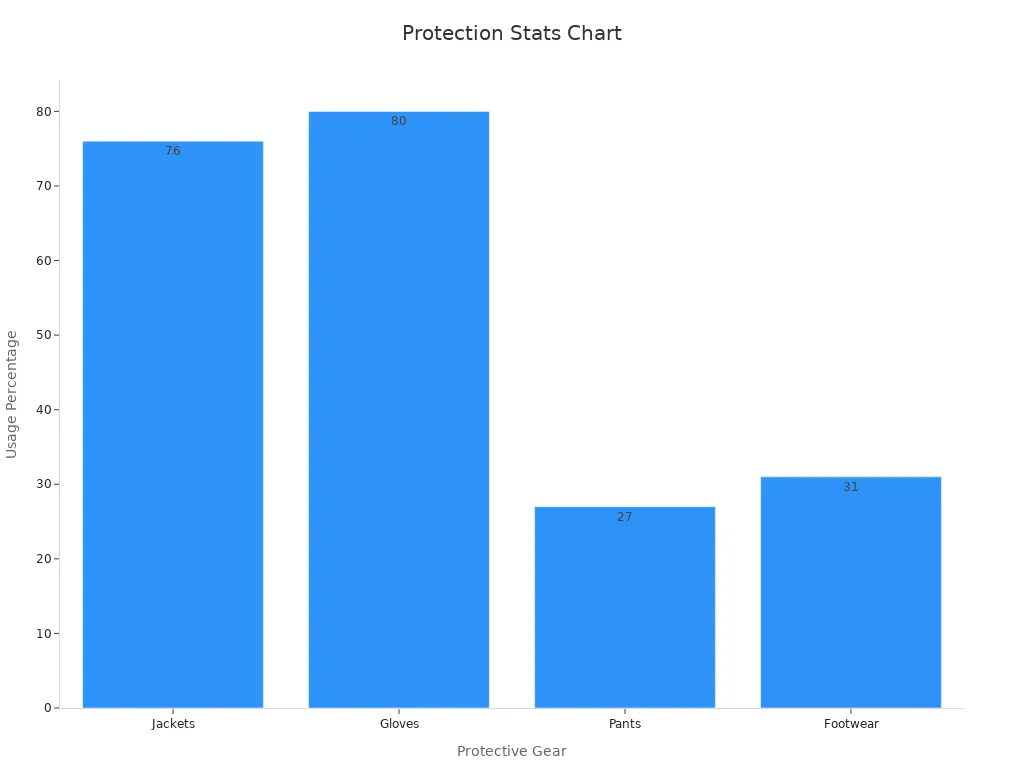
When you ride, your jacket faces constant friction from the road and environment. Abrasion resistance stands as one of the most important features in a rider jacket. High-quality materials like leather and Kevlar help prevent your skin from scraping against the ground during a fall. A cross-sectional study of 117 motorcyclists in Australia showed that high abrasion-resistant clothing significantly reduced soft tissue injuries and open wounds, especially in high-risk areas like elbows and shoulders. The study also found that over 60% of tested garments failed to meet minimum abrasion resistance requirements, which highlights the importance of choosing certified gear.
| Aspect | Evidence Summary |
|---|---|
| Study Design | Cross-sectional analytic study of 117 motorcyclists in Australian Capital Territory (2008-2009) |
| Protective Clothing Usage | 76% wore motorcycle jackets, 80% gloves; fewer wore pants (27%) and footwear (31%) |
| Impact and Injury Data | 779 impact damage points on clothing; 432 injuries not linked to clothing damage |
| Injury Distribution by EN 13595 Zones | Injuries decreased from Zone 1 (43.9%) to Zone 4 (11.5%) indicating risk zones validity |
| Protective Effect | High abrasion-resistant clothing significantly reduced soft tissue injuries and open wounds, especially in Zones 1 and 2 |
| Correlation with Standard | Longer fabric time-to-hole in abrasion tests correlated with fewer soft tissue injuries, supporting EN 13595 validity |
| Compliance Issue | Over 60% of tested garments failed to meet minimum abrasion resistance requirements, indicating need for better protective gear availability |
| Conclusion | Statistical evidence validates protective claims of rider jackets in real-world crashes, confirming injury risk zones and benefits of impact protection and abrasion resistance |
You can see from the data that abrasion resistance plays a direct role in reducing injuries. Always check for certified abrasion ratings when you select a jacket.
Impact
Impact protection is another critical factor. Modern rider jackets often include armor or padding in key areas such as the back, shoulders, and elbows. These features absorb and distribute the force of a collision, lowering your risk of serious injury. A large Italian study of 2,319 riders found that uncertified or no back protection led to a much higher risk of spinal injuries compared to certified hard-shell back protectors or airbags. Riders with certified protection had a Mantel-Haenszel odds ratio of 2.72 for spinal cord fracture and injury, showing a clear benefit for those who wear proper gear.
You also benefit from better recovery outcomes when you wear a jacket with impact protection. In a prospective cohort study of 212 motorcyclists, fully protected riders spent fewer days in the hospital, experienced less pain after a crash, and had a higher rate of returning to work within six months compared to those who rode unprotected.
| Protection Level | Hospital Days | Pain Post-Crash | Disability at 2 Months | Return to Work at 6 Months |
|---|---|---|---|---|
| Fully Protected (Jacket + Pants) | Fewer | Less | Less | Higher |
| Partially Protected (Jacket Only) | Fewer | Less | Less | Higher |
| Unprotected | More | More | More | Lower |
Wearing a jacket with certified armor can make a real difference in your recovery after an accident.
Weather
Waterproof
Rider jackets also shield you from rain and moisture. Manufacturers use waterproof membranes and coatings to keep you dry during wet rides. The waterproof rating, measured in millimeters, tells you how much water pressure a fabric can withstand before leaking. For example, a jacket with a 10,000 mm rating will protect you in moderate rain, while a 20,000 mm rating handles heavy rain and high pressure.
| Waterproof Rating (mm) | Water Resistance Level | Typical Conditions |
|---|---|---|
| 0-5,000 | Minimal to some moisture resistance | Very light rain, dry snow, no pressure |
| 6,000-10,000 | Rainproof under light pressure | Light rain, average snow, light pressure |
| 11,000-15,000 | Rainproof except under high pressure | Moderate rain, average snow, light pressure |
| 16,000-20,000 | Rainproof under high pressure | Moderate rain, wet snow, some pressure |
| 20,000+ | Rainproof under very high pressure | Heavy rain, wet snow, high pressure |
Choose a jacket with a waterproof rating that matches your riding environment. For most riders, a rating between 5,000 mm and 10,000 mm works well in everyday conditions.
Windproof
Windproofing keeps you warm and comfortable by blocking cold air. Most rider jackets use tightly woven fabrics and wind-blocking membranes to prevent wind from penetrating the jacket. This feature helps you maintain body heat, especially at high speeds or in cold weather. You stay focused on the road when you do not have to worry about wind chill.
Tip: Look for jackets with adjustable cuffs and collars to further seal out wind and improve your comfort.
Biker Jacket vs. Rider Jacket
Style
When you look at a biker jacket, you notice its bold design right away. Most biker jackets feature a diagonal zipper, wide lapels, and metal hardware. These elements create a rebellious and edgy appearance. You often see celebrities and fashion icons wearing biker jackets, even if they do not ride motorcycles. The biker jacket has become a symbol of coolness and attitude. You can pair it with jeans, boots, or even dresses for a trendy look.
A rider jacket, on the other hand, focuses more on function than fashion. Designers keep the lines clean and the fit close to your body. You will find straight zippers and minimal decoration. The main goal is to give you a jacket that looks good but does not distract from its purpose. Many brands now offer options that are both protective and stylish, so you do not have to sacrifice appearance for safety.
Note: If you want a jacket that stands out in a crowd, the biker jacket gives you that classic rock-and-roll vibe. If you prefer a subtle look with advanced features, the rider jacket fits your needs.
Function
You choose a biker jacket mainly for its style. The thick leather offers some protection, but the design puts fashion first. Large lapels and exposed zippers can catch the wind when you ride, which may not feel comfortable at high speeds. Most biker jackets do not include extra padding or armor. You might wear a biker jacket for short rides or as a statement piece in your everyday wardrobe.
A rider jacket puts your safety and comfort first. You get features like reinforced padding, abrasion-resistant materials, and weatherproof coatings. Designers place armor in key areas such as the shoulders, elbows, and back. The fit hugs your body to reduce wind resistance and keep the armor in place. You can ride for hours in a rider jacket and stay protected from both the road and the weather.
| Feature | Biker Jacket | Rider Jacket |
|---|---|---|
| Main Purpose | Fashion | Safety and Utility |
| Zipper Style | Diagonal | Straight |
| Lapels | Large, Wide | Minimal or None |
| Padding/Armor | Rare | Standard |
| Weather Protection | Limited | High |
| Comfort at High Speed | Moderate | High |
Key Differences
You can spot several key differences between a biker jacket and a rider jacket. The biker jacket stands out with its flashy design, diagonal zipper, and oversized lapels. You often see it in movies and music videos, where style matters most. The biker jacket usually lacks advanced safety features, so it works best for casual wear or short rides.
The rider jacket, in contrast, uses straight zippers, subtle lines, and built-in armor. You get a jacket that fits snugly and protects you from impact and abrasion. The materials resist wind and rain, making the rider jacket ideal for long rides and changing weather. If you want a jacket that keeps you safe and comfortable, the rider jacket offers the best mix of protection and performance.
Tip: Choose a biker jacket if you want to make a fashion statement. Pick a rider jacket if you need reliable safety and comfort on the road.
Motorcycle Jacket Features
Armor
When you choose a motorcycle jacket, you get advanced armor that protects you during a crash. Manufacturers place CE-certified armor at critical impact zones like your shoulders, elbows, and spine. This armor absorbs and spreads out the force from an impact, reducing the risk of soft tissue injuries such as abrasions and cuts. Performance testing standards, including EN 1621-1 and EN 1621-2, set strict limits on how much force the armor can transmit to your body. For example:
| Protector Level | Max Transmitted Force (kN) | Max Single Value (kN) | Area of Protection |
|---|---|---|---|
| CE Level 1 | Below 18 | Not exceeding 24 | General (except back) |
| CE Level 2 | Below 9 | Not exceeding 12 | General (except back) |
| CE Level 1 | Below 18 | Not exceeding 24 | Back (EN 1621-2:2014) |
| CE Level 2 | Below 9 | Not exceeding 12 | Back (EN 1621-2:2014) |
You find different types of armor materials in modern jackets. Some use D30 polymer, which stiffens on impact and turns kinetic energy into heat. Others use multi-density foam or strain-responsive polymers that harden when needed but stay flexible during normal use. MIPS technology even helps reduce rotational forces if you fall at an angle.
Tip: Always check for CE-certified armor when you shop for a motorcycle jacket. This ensures you get real protection, not just extra padding.
Utility
A motorcycle jacket does more than protect you. You get features that make your ride easier and safer. Many jackets include ventilation systems, such as mesh panels and zippered vents, to keep you cool without losing protection. Removable thermal liners let you adapt to different seasons, so you stay comfortable in both hot and cold weather. Some jackets have waterproof membranes like Gore-Tex® or Drystar® that keep you dry during rain.
You also benefit from practical details like multiple pockets, adjustable cuffs, and high-visibility materials. Adventure (ADV) jackets focus on durability and flexibility, with extra vents and hi-viz panels. Sport jackets often add integrated airbags and extra reinforcements for high-speed riding. Mesh jackets combine breathability with protection by using mesh panels at the chest and back, reinforced with leather or textile at impact points.
- ADV jackets: durability, flexibility, utility, vents, waterproofing, hi-viz
- Sport jackets: advanced materials, integrated airbags, race reinforcements
- Mesh jackets: breathability, reinforced impact zones
- Leather sport jackets: high protection, aggressive riding
Comfort
Comfort matters when you spend hours on your motorcycle. Designers use ergonomic features like pre-curved arms and adjustable fit systems to match your riding position. Advanced textiles such as Kevlar, Cordura, and SuperFabric provide abrasion resistance while staying lightweight and breathable. Many jackets include mesh panels for airflow and removable liners for all-season use.
You notice the difference when you wear a well-designed motorcycle jacket. The fit hugs your body, reducing wind resistance and keeping armor in place. You stay cool in summer and warm in winter, thanks to smart ventilation and thermal layers. Adjustable straps at the waist, wrists, and collar help you fine-tune the fit for maximum comfort.
Note: A comfortable jacket keeps you focused on the road and makes every ride more enjoyable.
Café Racer Jacket Comparison
Design
When you look at a café racer jacket, you notice its minimalist and streamlined design. This jacket features clean lines, a straight front zipper, and a band collar with a snap button. You often see quilted leather pads on the shoulders, which add subtle texture and comfort. The hardware stays minimal and usually matches the color of the jacket, giving it a sleek appearance. Pockets remain limited, keeping the look uncluttered.
In contrast, a double rider jacket stands out with its iconic and flamboyant style. You see an asymmetrical zipper, a lapel-style collar, and shiny silver hardware. Shoulder epaulets and multiple zippered pockets add both function and a classic biker aesthetic. The fit is often adjustable with a belt, making it durable and comfortable for long rides.
| Feature/Aspect | Café Racer Jacket | Double Rider (Rider) Jacket |
|---|---|---|
| Design Style | Minimalist, streamlined, clean lines | Iconic, flamboyant, with flashy hardware |
| Shoulder Detail | Quilted leather pads for subtle texture and comfort | Shoulder epaulets for classic biker aesthetic |
| Zipper Style | Straight front zipper, band collar with snap button | Asymmetrical zipper, lapel-style collar |
| Hardware | Matching zippers, minimal and concealed | Shiny silver zippers, metal studs, bold stitching |
| Pockets | Limited storage, minimal pockets | Multiple zippered pockets and coin flaps |
| Fit and Comfort | Snug fit, lightweight, suited for casual wear | Adjustable belt, durable, designed for long rides |
| Style Suitability | Casual, everyday wear, subtle elegance | Bold fashion statement, street-style, eye-catching |
| Practicality | Less storage, less suited for long rides | More storage, enhanced comfort for extended wear |
Use
You can wear a café racer jacket for both riding and casual outings. Many riders choose this jacket for its vintage style and modern comfort. The slim, tailored fit works well for those with a slender or athletic build. You get a jacket that transitions easily from your motorcycle to social settings, such as a café or a bar. Some café racer jackets include removable armor, so you can adjust the level of protection based on your needs.
- Café racer jackets offer a stylish option for riding and everyday wear.
- The vintage look appeals to those who value both fashion and function.
- You can find jackets that combine rugged aesthetics with modern materials and comfort.
- These jackets suit riders who want a classic look that lasts for years.
- Many users prefer the clean design over features like knit cuffs or flapped pockets.
Differences
You find several key differences between a café racer jacket and a traditional rider jacket. The café racer jacket emphasizes a slim, aggressive cut designed for a forward-leaning riding position. It blends vintage style with modern safety features, making it popular among riders who want both speed and style. This jacket works well for riding, wrenching on your bike, or hanging out with friends.
- Café racer jackets suit riders who want a classic, stylish look with a tailored fit.
- They appeal to those who value heritage and fashion as much as function.
- Rider jackets, such as sport or adventure styles, focus more on protection and performance.
- Rider jackets often include advanced materials, more storage, and features for long-distance comfort.
- Non-motorcyclists may prefer rider jackets for their timeless style and comfort, while café racer jackets attract those who want a statement piece linked to motorcycle culture.
Tip: If you want a jacket that moves easily from the road to a night out, the café racer jacket gives you both style and versatility.
Double Rider Jacket Details
Origins
You can trace the origins of the double rider jacket back to 1928. Schott, an American company, introduced this style as the first motorcycle jacket with a zipper. This innovation changed how riders dressed and protected themselves. The double rider jacket quickly became popular because it combined safety with a bold look. In the 1920s and 1930s, motorcycle jackets started to appear as essential gear for riders. These jackets featured leather construction, zippers, and metal studs. Riders valued them for both protection and style. Over the next several decades, the double rider jacket gained cultural significance. In the 1940s and 1950s, biker gangs adopted this jacket as a symbol of rebellion. The punk rock movement in the 1970s brought the double rider jacket into music and youth culture. High fashion designers began to reinterpret the jacket in the 1990s, keeping its core design while adding new materials and details. For more than seventy years, the double rider jacket has remained a classic in both function and fashion.
Signature Elements
You recognize a double rider jacket by its unique features. The most noticeable element is the asymmetrical front zipper. This design lets you close the jacket tightly, blocking wind and rain while riding. Wide lapels with snap buttons give you the option to fold them down or secure them in place. You often see shoulder epaulets, which add a military-inspired touch. Multiple zippered pockets provide storage for small items. A belted waist allows you to adjust the fit for comfort and style. Metal hardware, such as studs and zippers, adds durability and a rugged appearance. The double rider jacket uses thick leather for maximum abrasion resistance. Some versions include quilted panels or extra padding at the shoulders and elbows. These features make the double rider jacket stand out from other types of outerwear.
Tip: When you shop for a double rider jacket, check for sturdy zippers and reinforced seams. These details help your jacket last longer and offer better protection.
Modern Use
Today, you see the double rider jacket in many settings. Riders still choose it for its protective qualities and timeless style. Fashion enthusiasts wear the double rider jacket as a statement piece, pairing it with jeans, boots, or even dresses. Musicians and actors often use the jacket to project a rebellious or edgy image. High fashion brands continue to reinvent the double rider jacket, using new fabrics and colors while keeping the original silhouette. You can find versions with removable liners, ventilation panels, and modern armor for extra safety. The double rider jacket remains popular because it adapts to changing trends without losing its identity. Whether you ride a motorcycle or want a bold look, the double rider jacket offers both function and style.
Choosing a Rider Jacket
When to Wear
You should wear a protective jacket whenever you ride in heavy traffic, rain, or busy urban areas. Many riders report that they put on their jackets during stressful situations, such as navigating unfamiliar routes or dealing with congested roads. If you have experienced an accident or a near-miss, you may find yourself reaching for your jacket more often. Riders often adjust their clothing based on the weather. When rain threatens or temperatures drop, a waterproof and windproof jacket keeps you dry and comfortable. Most riders follow the principle of “Most Of The Gear Most Of The Time,” which means you might not wear your jacket for every short trip, but you should always consider it when risk increases. Survey data shows that riders across all age groups choose motorcycle-specific jackets, gloves, and helmets for most rides, especially when they perceive higher risks.
- Riders wear jackets in heavy traffic, rain, and urban environments.
- Stressful situations or past accidents increase jacket use.
- Weather changes prompt riders to choose protective gear.
- Most riders use jackets for the majority of their rides.
Who Should Choose
You should consider a rider jacket if you value safety, comfort, and style while riding. Delivery riders, commuters, and anyone who spends significant time on two wheels benefit from the added protection. Younger riders in their 20s often prefer jackets with stretchable fabrics and modern designs, while those in their 30s may focus more on durability and comfort. Consumer trends show that 75% of riders prefer stretchable waterproof fabrics, and 84% favor mock neck designs for better adjustability and weather protection. If you want a jacket that balances mobility and durability, look for one with high-stretch fabric in key areas and sturdy polyester panels for the body. Riders often complain about poor elasticity, lack of durability, and discomfort from outdated designs, so choosing a jacket with modern materials can improve your experience.
| Aspect / Prototype / Statistic | Details |
|---|---|
| Subjective Perception Differences | Riders in their 20s prefer stretchability and design attractiveness more than those in their 30s |
| Consumer Preferences | 75% prefer stretchable waterproof fabrics; 84% favor mock neck designs |
| Prototype Satisfaction Rates | Prototype 4: 50% (modern design, comfortable fit); Prototype 5: 34% (high flexibility, sleek appearance) |
| Material Composition | High-stretch fabric (92% polyester, 8% spandex) in high-mobility areas; low-stretch fabric (100% polyester) for body panels |
| Common Issues | Poor elasticity, lack of durability, discomfort, outdated designs |

Tip: Choose a jacket that matches your riding habits, body type, and climate. Mock necks and stretchable fabrics offer the best mix of comfort and protection.
Care Tips
You can extend the life of your jacket with proper care. Always follow the manufacturer’s cleaning instructions. For leather jackets, use a damp cloth to wipe away dirt, then apply a leather conditioner to keep the material supple. Textile jackets often allow gentle machine washing, but you should remove armor and close all zippers first. Hang your jacket to air dry, avoiding direct sunlight to prevent fading. Store your jacket in a cool, dry place. Regularly check for wear on seams, zippers, and armor pockets. Replace damaged armor or panels as needed. Waterproof jackets benefit from occasional reapplication of water-repellent sprays. By maintaining your jacket, you ensure it continues to protect you on every ride.
You see clear differences between rider jackets and other types. Rider jackets stand out for their focus on protection, comfort, and style. Many, like the Klim Marrakesh, offer:
- Breathable mesh construction and moisture-wicking liners for airflow
- Lightweight flexibility and athletic cuts for easy movement
- D3O CE Level 1 armor and CE AA certification for abrasion resistance
You should think about your riding habits and comfort needs before choosing a jacket. Explore certified options to find the best fit for your next ride.
FAQ
What is the difference between a rider jacket and a regular jacket?
You get more protection and specialized features with a rider jacket. Regular jackets focus on style or warmth. Rider jackets use abrasion-resistant materials, armor, and weatherproofing to keep you safe while riding.
Can you wear a rider jacket for everyday use?
Yes, you can wear a rider jacket daily. Many modern designs look stylish and feel comfortable off the bike. You benefit from extra durability and weather resistance in your daily routine.
How do you clean a leather rider jacket?
Wipe your jacket with a damp cloth to remove dirt. Apply leather conditioner to keep the material soft. Avoid machine washing or soaking. Always let your jacket air dry away from direct sunlight.
Do rider jackets come in different sizes and fits?
You find rider jackets in many sizes and fits. Brands offer options for different body types. Try on several styles to find one that fits snugly but allows easy movement.
What safety certifications should you look for?
Look for CE or EN certifications on armor and materials. These labels show that your jacket meets strict safety standards. Certified gear gives you better protection during accidents.
Are textile rider jackets as safe as leather ones?
Textile jackets can match or exceed leather in safety. Many use advanced fibers like Kevlar for high abrasion resistance. You also get better ventilation and lighter weight with textiles.
How long does a rider jacket usually last?
With proper care, your jacket can last for years. Leather jackets often last longer than textiles. Regular cleaning and maintenance help extend the life of any rider jacket.
Can you use a rider jacket in hot or cold weather?
You can use rider jackets year-round. Many have removable liners and ventilation panels. Choose a jacket with features that match your climate for maximum comfort.
Tip: Always check the care label and follow the manufacturer’s instructions to keep your jacket in top shape.