How to Find PFAS-Free and PVC-Free Kids Rain Jackets
Table of Contents
Display
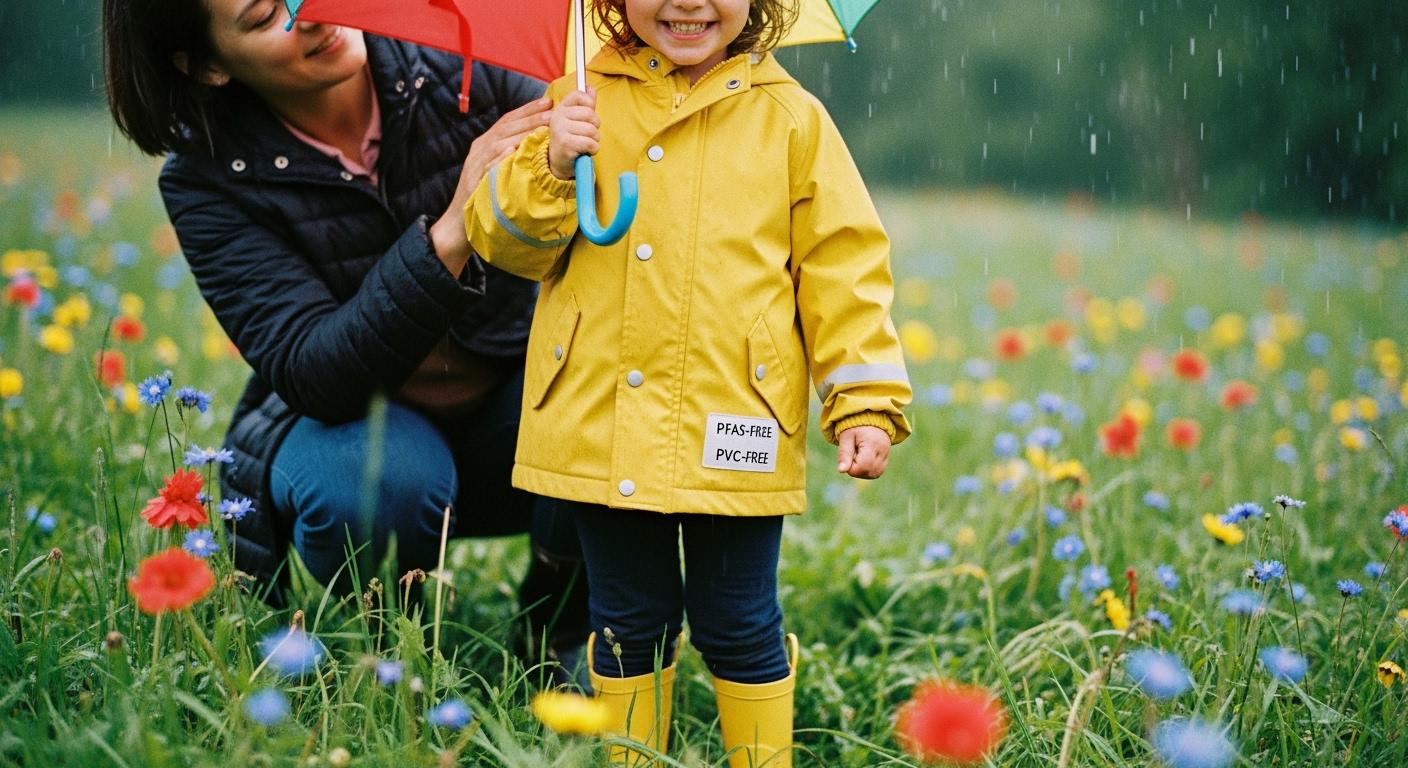
You want to protect your child from toxic chemicals when choosing kids rain jackets. Nearly 60% of children’s textiles labeled as ‘waterproof’ or ‘stain-resistant’ contain PFAS, which raises serious health concerns. The U.S. Environmental Protection Agency warns that PFAS exposure links to reproductive problems, neurodevelopmental issues, and several cancers. Children face increased risks for infections, immune system dysfunction, and decreased IQ. Safer, eco-friendly rain jackets do exist, and you can find options that support both your child’s well-being and the environment.
Key Takeaways
Choose PFAS-free and PVC-free rain jackets to protect your child’s health from harmful chemicals.
Look for third-party certifications like OEKO-TEX and GOTS to ensure safety and environmental standards.
Inspect product labels carefully for terms like ‘PFAS-free’ and ‘PVC-free’ before making a purchase.
Select jackets made from safer materials such as organic cotton, recycled polyester, or polyurethane.
Avoid jackets with PVC, phthalates, or PFAS to reduce health risks and environmental impact.
Create a shopping checklist to help you remember key safety features while looking for rain gear.
Ask brands about their materials and safety practices to ensure transparency and trustworthiness.
Maintain your child’s rain jacket properly to extend its lifespan and performance.
Why Avoid PFAS and PVC in Kids Rain Jackets
What Are PFAS?
You may have heard the term “forever chemicals” when researching kids rain jackets. PFAS, or per- and polyfluoroalkyl substances, belong to this group. Manufacturers use PFAS to make fabrics water-resistant and stain-repellent. These chemicals do not break down easily in the environment or the human body. Recent market analyses reveal how widespread PFAS are in children’s rain gear:
In the Czech market, 80% of kids rain jackets tested contained PFAS chemicals.
9 out of 10 jackets had at least one of the 58 analyzed PFAS substances.
Most jackets used PFAS intentionally for water resistance.
You face a high chance of buying rain gear with PFAS unless you check labels carefully. PFAS-free kids rain gear offers a safer alternative for your child.
What Is PVC?
PVC, or polyvinyl chloride, is another material you often find in rain jackets. Manufacturers use PVC because it is cheap and waterproof. However, PVC contains toxic additives that can harm your child’s health. You can identify PVC in products by looking for certain labels or using specific testing methods.
Identification Method | Description |
|---|---|
X-Ray Fluorescence (XRF) | Used to test for heavy metals and identify PVC through high chlorine readings. |
You may also spot PVC in rain gear, lunch boxes, and school supplies. Labels such as #3, V, PVC, or vinyl indicate the presence of PVC. PVC free kids rain gear avoids these risks.
PVC often contains phthalates, lead, cadmium, and organotins. These additives can leach out or evaporate, increasing health risks for children.
Health and Environmental Risks
Risks for Children
Children absorb chemicals more easily than adults. PFAS exposure links to reproductive problems, immune system dysfunction, and decreased IQ. PVC additives like phthalates and lead can disrupt hormone function and cause developmental delays. You protect your child’s health by choosing jackets without these substances.
Environmental Impact
PFAS and PVC do not break down in nature. PFAS persist in soil and water for decades, contaminating drinking water and wildlife. PVC production releases toxic chemicals into the air and water. When you choose pfas free kids rain gear and pvc free kids rain gear, you help reduce pollution and support a healthier planet.
Tip: Always check product labels and certifications before buying kids rain jackets. Look for clear claims about being PFAS-free and PVC-free.
How to Identify Safe Kids Rain Jackets
Reading Labels and Certifications
You need to examine product labels closely when shopping for safe rain gear. Manufacturers often use terms like “PFAS-free,” “PFC-free,” “PVC-free,” and “phthalate-free” to indicate the absence of harmful chemicals. However, not all claims carry the same weight. Some brands display third-party certifications that verify their statements. Look for the following indicators:
Intertek’s PFAS Free Certification confirms that products do not contain PFAS. This certification relies on ISO 17025 accredited testing labs, which ensures accuracy and transparency.
SGS Green Marks appear on packaging or tags to show that a product meets global environmental standards.
bluesign® certification requires strict chemical management, protecting water, air, and soil, and ensuring worker safety in textile production.
OEKO-TEX Standard 100 and GOTS certifications guarantee that products have been tested for harmful substances and are free from dangerous chemicals.
GOTS certification also confirms that the clothing uses organic materials and avoids hazardous chemicals.
If you feel uncertain about a label, visit the manufacturer’s website or contact them directly for clarification. You should avoid jackets that only claim “waterproof” without specifying the technology or providing eco-friendly details.
Tip: Always check for clear, third-party certifications rather than relying on vague marketing terms.
Materials to Seek and Avoid
Safer Alternatives (Polyurethane, Organic Cotton, Recycled Polyester)
You can choose safer materials that provide effective protection without exposing your child to toxic chemicals. Many companies now use advanced alternatives to PFAS and PVC. The table below highlights some proven options:
Company | Alternative Material Used |
|---|---|
Knix | No intentional use of PFAS |
Green Oil | Plant-based alternatives instead of PTFE |
Fjällräven | Paraffin and beeswax mix |
Fjallraven Eco-Shell | PFC-free durable water repellent (DWR) |
Various Companies | PFAS-free DWR fabric treatments |
Various Companies | Water repellent impregnation without PFAS |
Various Companies | No PVCs or fluorinated chemicals in tents |
Various Companies | Advanced PFAS-free clothing |
You should also look for jackets made from polyurethane, organic cotton, or recycled polyester. These materials offer water resistance and durability without the risks associated with PFAS or PVC.
Materials to Avoid (PVC, Phthalates, PFAS)
You need to avoid jackets containing PVC, phthalates, or PFAS. These substances can leach out or evaporate, posing health risks to children and causing environmental harm. Check for labels such as #3, V, PVC, or vinyl, which indicate the presence of PVC. If a product does not clearly state that it is free from these chemicals, consider other options.
Signs of Quality and Durability
You want a rain jacket that lasts through active play and changing weather. High-quality, eco-friendly jackets share several key features. The table below outlines what to look for:
Indicator | Description |
|---|---|
Tough Fabrics | Materials like ripstop nylon enhance durability and longevity, making the jacket suitable for active use. |
Waterproof vs. Water-resistant | Waterproof gear features sealed seams and protective coatings, essential for prolonged exposure to rain. |
Construction Types | 3-layer construction offers the best durability and breathability, protecting the waterproof membrane. |
Fit and Adjustability | Jackets should allow for layering and have adjustable features to accommodate growth, extending their lifespan. |
Breathability | Breathable materials prevent moisture buildup, ensuring comfort during physical activity. |
You should inspect seams, zippers, and closures for solid construction. Adjustable cuffs and hoods help the jacket fit as your child grows. Breathable fabrics keep your child comfortable during outdoor activities.
Note: A well-made rain jacket not only protects your child but also reduces waste by lasting longer.
By following these guidelines, you can confidently select kids rain jackets that are safe, durable, and environmentally responsible.
Step-by-Step Guide to Shopping for Kids Rain Jackets
Make a Checklist
You can simplify your search for safe rain gear by creating a checklist before you shop. Consumer safety organizations recommend that you focus on a few critical points to protect your child’s health and the environment. Use the following list as a guide:
Avoid rain gear made with PVC, as it often contains harmful phthalates.
Steer clear of PFAS (also called PFCs), which are known as ‘forever chemicals’ and can cause serious health issues.
Look for products specifically labeled as PFAS-free and PVC-free.
Check for third-party certifications such as OEKO-TEX, bluesign®, or GOTS.
Choose jackets made from safer materials like polyurethane, organic cotton, or recycled polyester.
Inspect product details for information about water resistance technology.
Review care instructions to ensure the jacket will last through multiple seasons.
Tip: Print your checklist or save it on your phone. Refer to it while shopping to stay focused on safety and sustainability.
Questions to Ask Brands or Retailers
You should not hesitate to ask questions when you shop for kids rain jackets. Direct communication with brands or retailers helps you confirm product safety and transparency. Consider these questions:
Does this jacket contain any PFAS, PFCs, or PVC?
What materials make up the waterproof coating?
Can you provide documentation or certifications proving the jacket is PFAS-free and PVC-free?
Are there any phthalates, lead, or other hazardous chemicals in the jacket?
What steps does your company take to ensure chemical safety in children’s products?
How do you test your products for harmful substances?
A reputable brand will answer your questions clearly and provide supporting information. If you receive vague or incomplete answers, consider other options.
Researching Online and In-Store
You can maximize your chances of finding safe rain gear by combining online research with in-store visits. Start by reading product descriptions and reviews on trusted websites. Look for detailed information about materials, certifications, and manufacturing practices. Many brands publish chemical safety statements or sustainability reports on their websites.
When you visit stores, examine product tags and labels closely. Ask sales staff for clarification if you see unfamiliar terms or missing details. Compare several options side by side to evaluate quality, fit, and features. Take your time to ensure the jacket meets your checklist criteria.
Note: You can often find exclusive or limited-edition eco-friendly jackets online, but in-store shopping allows you to inspect the product firsthand.
By following these steps, you will make informed decisions and select kids rain jackets that offer both safety and durability.
Best PVC Free Kids Rain Gear Brands
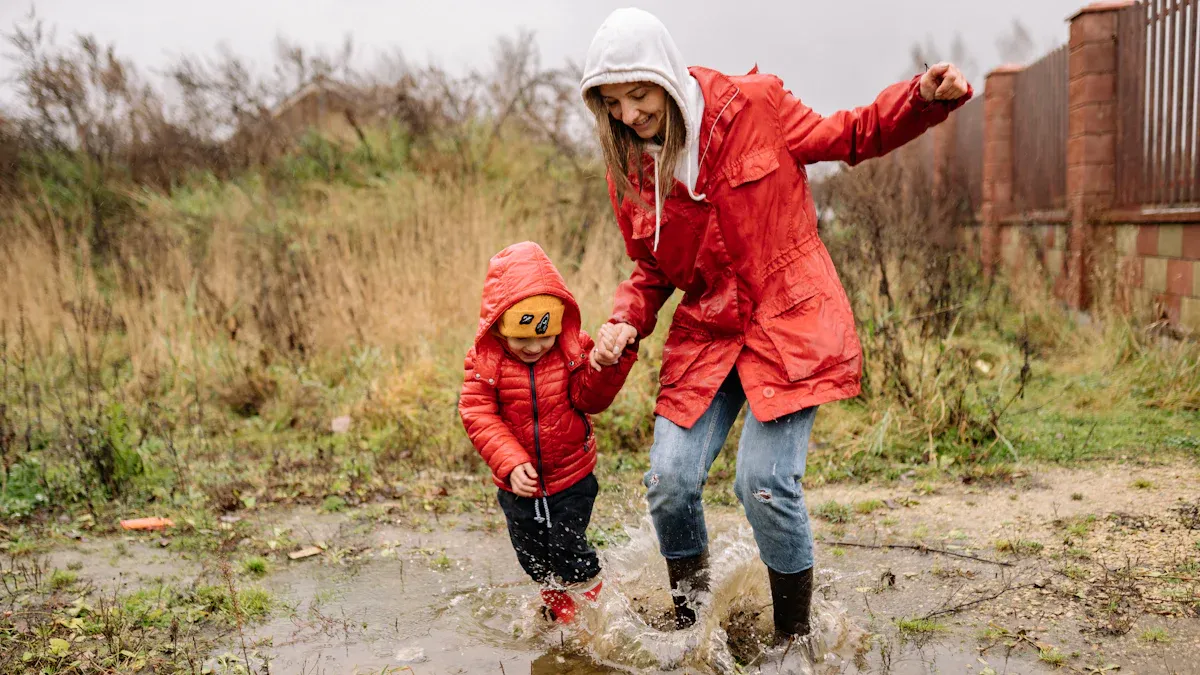
Hatley
Features and Eco-Friendly Practices
You want a brand that puts safety and sustainability first. Hatley stands out for its commitment to non-toxic materials and responsible manufacturing. You will find several eco-friendly practices in their production process:
Use of non-toxic, azo-free dyes for all apparel.
Application of only non-chlorinated bleach.
Implementation of closed-loop dyeing systems to prevent water pollution.
Incorporation of organic cotton, natural fibers, and sustainable alternatives in their products.
Guarantee that all rain jackets are PVC free.
Shipping in compostable, biodegradable, and non-toxic Mater-Bi bags.
You can trust Hatley to deliver rain jackets that protect your child and minimize environmental impact.
Why It’s a Safe Choice
Hatley’s rain jackets do not contain PFAS or PVC. You avoid exposing your child to harmful chemicals. The brand’s use of organic and natural fibers ensures comfort and breathability. You also support a company that reduces waste and pollution through sustainable shipping and dyeing methods. When you choose Hatley, you prioritize both your child’s health and the planet’s well-being.
Polarn O. Pyret
Features and Eco-Friendly Practices
You may recognize Polarn O. Pyret for its Scandinavian design and focus on durability. The brand uses advanced waterproofing solutions that do not rely on PFAS or PVC. You will find jackets made with recycled polyester and organic cotton. Polarn O. Pyret emphasizes longevity, so you can pass jackets down to siblings or friends. The company also uses eco-friendly packaging and strives to minimize waste throughout its supply chain.
Why It’s a Safe Choice
Polarn O. Pyret’s rain jackets offer reliable protection without toxic chemicals. You benefit from products that meet strict European safety standards. The brand’s commitment to recycled materials and long-lasting construction means you reduce your environmental footprint. You can feel confident that your child’s rain gear is both safe and sustainable.
Faire Child
Features and Eco-Friendly Practices
You want a brand that leads in innovation and circular design. Faire Child specializes in rainwear made from recycled polyester, sourced from post-consumer plastic bottles. The brand uses PFAS-free waterproof coatings and avoids PVC entirely. You will notice that Faire Child offers a take-back program, allowing you to return outgrown jackets for recycling. The company packages products in compostable materials and maintains transparent supply chains.
Why It’s a Safe Choice
Faire Child’s rain jackets keep your child dry without exposing them to hazardous chemicals. You support a brand that closes the loop on textile waste and champions responsible production. The PFAS-free and PVC-free guarantee means you can trust the safety of every jacket. By choosing Faire Child, you invest in gear that protects your child and supports a healthier environment.
Tip: You can also explore other brands recognized by environmental organizations for their PFAS-free and PVC-free solutions. The table below highlights additional options:
Brand | Kids’ Raincoats? | PFAS-Free Waterproofing Solution |
|---|---|---|
Didrikson’s | Yes: toddlers and youths | Galon, an in-house polyurethane (PU) technology |
Jack Wolfskin | Yes: infants, toddlers, youths | Texapore, an in-house PU-based technology |
Vaude | Yes: youths | Eco-Finish (PFAS-free DWR) and Ceplex membrane |
You expand your choices by considering these brands. Each offers safe, effective rain jackets for children, using innovative waterproofing technologies that avoid PFAS and PVC.
Additional Noteworthy Options
You have more choices when searching for PFAS-free and PVC-free kids rain jackets. Several brands focus on safety, comfort, and eco-friendly practices. You can trust these companies to deliver reliable rain gear for your child.
Didriksons
You will find Didriksons offers rain jackets that use Galon®, a polyurethane-based material free from PFAS and PVC. The jackets feature sealed seams that keep your child dry during heavy rain. You benefit from adjustable hoods and elastic cuffs, which help create a watertight seal. Didriksons designs their jackets with breathable linings, so your child stays comfortable during active play. You can also appreciate the easy-care instructions, which reduce the need for frequent washing.Jack Wolfskin
Jack Wolfskin produces kids rain jackets with Texapore, an in-house waterproof technology that avoids PFAS and PVC. You get jackets with removable hoods and adjustable components, making them adaptable as your child grows. The brand uses recycled polyester in many designs, supporting sustainability. You will notice that the jackets include elastic cuffs and sealed construction for maximum protection. Jack Wolfskin also focuses on breathability, which ensures comfort during outdoor activities.VAUDE
VAUDE stands out for its commitment to eco-friendly production. You can choose jackets with Eco Finish, a PFAS-free water-repellent treatment, and Ceplex membranes that avoid PVC. The brand uses recycled materials and packages products in minimal, recyclable packaging. You benefit from features like adjustable hoods, elastic cuffs, and sealed seams. VAUDE’s rain jackets require less frequent washing, which saves time and resources.Frugi
Frugi offers rain jackets made from recycled polyester and avoids all PFAS and PVC chemicals. You will find bright, playful designs that appeal to children. The jackets include removable hoods and elastic cuffs for a secure fit. Frugi uses breathable fabrics and ensures easy care for busy families. The company also ships products in compostable packaging, reducing environmental impact.
Tip: You should always check for features like sealed seams, adjustable components, and breathable materials. These details ensure your child stays dry, comfortable, and safe in all weather conditions.
You can rely on these brands for high-quality, non-toxic rain gear. Each company demonstrates a strong commitment to both your child’s health and the environment.
Caring for Eco-Friendly Kids Rain Jackets
Washing and Drying Tips
You want to keep your child’s eco-friendly rain jacket in top condition. Proper washing and drying methods help maintain the jacket’s performance and extend its lifespan. Follow these steps for best results:
Read the Care Label: Always check the manufacturer’s care instructions. Each jacket may have unique requirements for washing temperature and drying methods.
Spot Clean When Possible: For minor stains, use a damp cloth to clean the affected area. This approach saves water and energy while preserving the fabric.
Wash Only When Necessary: Rain jackets act as an outer layer and do not need frequent washing. Clean the jacket only when it is visibly dirty or after heavy use.
Choose Gentle Detergents: Use non-toxic, mild detergents free from harsh chemicals. This protects the waterproof coating and reduces environmental impact.
Store Properly: Keep the jacket in a cool, dry place away from direct sunlight. Proper storage prevents fading and material breakdown.
Tip: Avoid using fabric softeners or bleach. These products can damage the waterproof layer and shorten the jacket’s life.
Extending Jacket Life
You can maximize the value of your PFAS-free and PVC-free rain jacket with a few simple care habits. These practices help maintain water repellency and overall durability:
Use a specialized tech wash instead of standard detergent. Tech washes clean without stripping the durable water repellent (DWR) coating.
Limit detergent use. Too much soap can leave residue, so run an extra rinse cycle if needed.
Refresh the DWR coating by applying a spray-on treatment. Activate the coating by placing the jacket in a low-heat dryer for a short period.
Regular maintenance ensures your child’s jacket stays protective and comfortable through many seasons.
Repair and Recycling
You can further reduce waste by repairing or recycling your child’s rain jacket. Many brands support these efforts with dedicated programs.
fairechild offers a Recycling Program where you can return worn-out jackets. The company reuses the materials, supporting a circular economy and reducing landfill waste.
Other companies also encourage sustainable practices:
REI allows you to trade in gently used gear for store credit. You can buy pre-loved jackets, extending their life cycle.
Patagonia uses recycled materials in its products and supports repairs to keep gear in use longer.
Note: Small tears or broken zippers do not mean the end of a jacket’s life. Many outdoor retailers offer repair services or sell patch kits for quick fixes.
By caring for, repairing, and recycling your eco-friendly rain jacket, you help protect both your child and the planet.
Myths About Eco-Friendly Kids Rain Jackets
Myth: Less Effective Than Conventional Gear
You may worry that eco-friendly rain jackets do not protect as well as conventional options. Many parents believe that jackets without PFAS or PVC cannot keep children dry during heavy rain. This misconception persists because traditional waterproofing chemicals have dominated the market for decades. Modern innovations now offer high-performance alternatives. Brands use advanced polyurethane coatings, recycled polyester, and organic cotton to create jackets that withstand wet weather and active play. You can find products with sealed seams, adjustable hoods, and breathable fabrics. These features ensure your child stays dry and comfortable. Independent lab tests confirm that PFAS-free and PVC-free jackets meet or exceed industry standards for water resistance. You do not sacrifice quality when you choose safer materials.
Tip: Look for jackets with technical details like “3-layer construction” or “sealed seams.” These features indicate strong waterproof performance.
Myth: All “Eco” Labels Are Trustworthy
You might see many rain jackets labeled as “eco-friendly,” “green,” or “natural.” Not every claim reflects genuine safety or sustainability. Some brands use vague marketing terms to attract conscious shoppers. You need to verify the trustworthiness of these labels before making a purchase. Reliable certifications provide assurance that a product meets strict environmental and health standards. Consider the following trusted certifications:
GOTS: Guarantees that textiles are manufactured under strictly monitored environmental and social criteria.
Oeko-Tex: Ensures textiles are free from harmful substances and produced in environmentally friendly processes.
You should check product tags and descriptions for these certifications. Brands that display them have undergone rigorous testing and audits. If you do not see clear certification, visit the company’s website or contact customer service for documentation. Avoid jackets that only use generic “eco” language without proof.
Note: Genuine certifications like GOTS and Oeko-Tex offer more protection than unverified claims.
Myth: Too Expensive
You may assume that eco-friendly kids rain jackets cost much more than conventional options. This belief discourages many parents from exploring safer choices. The price gap has narrowed as demand for sustainable products increases. Many brands now offer PFAS-free and PVC-free jackets at competitive prices. You can find affordable options during seasonal sales or by choosing previous year’s models. Investing in a durable, non-toxic jacket saves money over time. High-quality construction means the jacket lasts longer, reducing the need for frequent replacements. Some companies offer repair programs or take-back initiatives, further extending product life and value.
Feature | Eco-Friendly Jacket | Conventional Jacket |
|---|---|---|
Initial Cost | $$–$$$ | $–$$ |
Lifespan | Long | Shorter |
Repair/Recycle Options | Yes | Rare |
Health/Environmental Risk | Low | High |
You protect your child and the environment without overspending. Smart shopping and proper care make eco-friendly rain jackets a practical choice for every family.
The Future of Kids Rain Gear
New Sustainable Materials
You see innovation driving the development of safer and more sustainable kids rain jackets. Brands now prioritize materials that reduce environmental impact and protect children’s health. Every Therm Kids garment uses recycled PET, which comes from plastic bottles. This approach transforms waste into durable, waterproof fabrics. You support a cleaner planet when you choose jackets made from recycled materials.
Manufacturers also rethink packaging. You receive mailing bags made from recycled content. Garment bags now use wood pulp, which you can recycle with paper and card. These changes help you minimize household waste and encourage responsible consumption.
You notice several benefits when you select rain jackets with new sustainable materials:
You reduce plastic pollution by supporting products made from recycled PET.
You encourage companies to use renewable resources, such as wood pulp, for packaging.
You help create demand for eco-friendly innovations in children’s outerwear.
Tip: Always check product descriptions for details about recycled content and sustainable packaging. These features signal a brand’s commitment to environmental stewardship.
Industry Trends
You observe rapid changes in the kids rain gear industry. Many brands now market their products as ‘green’ or ‘nontoxic.’ However, you must remain vigilant. PFAS still appear in many children’s rain jackets, even those labeled as eco-friendly. Certifications like Oeko-Tex Standard 100 do not regulate all PFAS, which means some certified products may still contain these chemicals.
You can review the current landscape using the table below:
Evidence Type | Description |
|---|---|
PFAS Presence | Ongoing concerns about PFAS in children’s rain jackets, with many products still containing PFAS despite being marketed as ‘green’ or ‘nontoxic’. |
Certification Limitations | Certifications like Oeko-Tex Standard 100 do not currently regulate all PFAS, allowing some PFAS to be present in certified products. |
Health Risks | PFAS linked to serious health issues in children, including delayed brain development and immune system problems. |
You must ask questions and read labels carefully. Brands continue to improve transparency, but you should not rely solely on certifications. You protect your child by choosing jackets that clearly state PFAS-free and PVC-free status.
You also see a shift toward circular design. Companies now offer take-back programs and recycling initiatives. You extend the life of your child’s rain jacket and reduce landfill waste when you participate in these programs.
Note: The future of kids rain gear depends on your choices. You drive demand for safer, more sustainable products by staying informed and selecting brands that prioritize health and environmental responsibility.
You protect your child’s health and support the environment when you choose PFAS-free and PVC-free kids rain jackets. Recent research shows that alternatives offer strong water repellency and breathability, though durability and stain resistance may require extra care. Use the steps and trusted brands discussed to make informed decisions. Eco-friendly choices safeguard your family and help drive industry innovation.
Benefit | PFAS-Free Performance | Notes |
|---|---|---|
Water Repellency | Significant advancements, with some alternatives outperforming PFAS in specific cases. | GORE-TEX’s ePE offers comparable waterproofness to PFAS-containing garments. |
Breathability | Generally good, with GORE-TEX ePE designed for high breathability. | Some applications may show slightly lower breathability than PFAS predecessors. |
Durability | Challenges exist; may require more frequent reapplication of DWR. | Lower melting point of some membranes affects durability. |
Oil and Stain Resistance | Remains a challenge; consumers may need to clean gear more often. | Brands are actively seeking solutions to improve this aspect. |
Choose non-toxic, sustainable rain gear to ensure a safer future for your child and the planet.
FAQ
What does “PFAS-free” mean on a kids rain jacket?
You see “PFAS-free” on a label when the manufacturer guarantees the jacket contains no per- and polyfluoroalkyl substances. This ensures your child avoids exposure to these persistent, potentially harmful chemicals.
How can you tell if a rain jacket is truly PVC-free?
You should check the product label for terms like “PVC-free,” “vinyl-free,” or “no #3 plastic.” Ask the retailer for documentation or certifications. Brands with OEKO-TEX or bluesign® certifications usually avoid PVC.
Are PFAS-free and PVC-free jackets as waterproof as traditional options?
You get comparable waterproof performance from most PFAS-free and PVC-free jackets. Brands use advanced polyurethane coatings and sealed seams to keep your child dry during heavy rain.
Which certifications should you trust when shopping for safe rain gear?
You should look for certifications such as OEKO-TEX Standard 100, bluesign®, and GOTS. These indicate the product meets strict safety and environmental standards.
Do eco-friendly rain jackets cost more?
You may pay a slightly higher price upfront. However, you save money over time because these jackets last longer and often come with repair or recycling programs.
How do you care for a PFAS-free or PVC-free rain jacket?
You should spot clean when possible, use mild detergent, and avoid fabric softeners. Always follow the care label. Proper maintenance extends the jacket’s life and preserves its waterproof qualities.
Can you recycle or repair kids rain jackets?
You can repair small tears with patch kits or use brand repair services. Many companies offer take-back or recycling programs for outgrown or worn-out jackets.
Why should you avoid phthalates in kids rain jackets?
You protect your child’s health by avoiding phthalates. These chemicals can disrupt hormones and cause developmental issues. Always choose jackets labeled “phthalate-free.”