

Understanding School Uniform Types and Regulations in New Zealand
Table of Contents
Display

I see that most schools in New Zealand require students to wear uniforms. New Zealand School Uniforms usually include shirts, skirts, trousers, or dresses, with some schools offering gender-neutral choices. Knowing the rules matters because these policies shape student rights and personal expression.
Many students face challenges:
Girls sometimes wear uniforms that limit movement and cost more, which people call a “pink tax.”
Cultural and religious minorities may struggle to express their identity because of strict uniform codes.
Gender-diverse students often find non-inclusive policies hard to navigate, showing the need for gender-neutral options.
Key Takeaways
Most schools in New Zealand require students to wear uniforms, which can vary by school type.
Uniform policies are not legally binding but should respect cultural backgrounds and individual rights.
Gender-neutral uniform options are becoming more common, allowing students to choose what they feel comfortable wearing.
Schools often have strict rules about appearance, including hair, makeup, and jewelry, to maintain a professional environment.
Financial assistance and secondhand uniform options are available to help families manage costs.
Students have the right to express their cultural and religious identities through their uniforms.
If you have concerns about uniform policies, communicate directly with school staff or follow the formal complaints process.
Understanding your rights and the school’s uniform policy can help you navigate any issues effectively.
New Zealand School Uniforms Overview
Uniform Requirement
When I look at schools across New Zealand, I see that most require students to wear a school uniform. This expectation covers many types of schools, including secondary, primary, and intermediate levels. Some schools have very traditional uniforms, while others offer more modern or flexible options. For example, I have noticed that St Cuthbert’s College uses a long green tartan skirt, a white top, and a navy blazer. South Auckland Middle School chooses a blue polo with two shades of blue. At Te Kura Kaupapa Māori O Hoani Waititi, students wear a navy vest, white dress shirt, and long navy skirt. These examples show how much variety exists in new zealand school uniforms.
Note: Uniform policies in New Zealand are not set by law. Instead, schools follow non-binding guidelines that consider Te Tiriti o Waitangi and human rights. This means schools should respect cultural backgrounds and individual rights when making uniform rules.
School Types
Uniform requirements can differ depending on the type of school. I find it helpful to compare them in a table:
School Type | Uniform Requirement |
|---|---|
State Primary | Generally did not require uniforms |
State Secondary | Traditionally required uniforms |
Private Schools | Required uniforms |
Catholic Schools | Required uniforms (exception for primary) |
Recent Changes | Some state primary schools have adopted uniforms in recent years |
In my experience, private and integrated schools often have stricter uniform rules. Public secondary schools usually require uniforms, but public primary schools may not. However, I have seen more state primary schools start to introduce uniforms lately.
Another way to look at this is by comparing public, private, and integrated schools:
School Type | Uniform Requirement | Notes |
|---|---|---|
Public Primary | Most do not require uniforms | Exceptions include integrated parochial schools. |
Private Primary | Mostly require uniforms | Uniform policies have begun to change slightly in recent years. |
Public Secondary | Generally require uniforms | Uniform standards vary significantly between schools. |
Private Secondary | Strict uniform policies | Private schools tend to have more elaborate uniforms, including blazers. |
Integrated Schools | Retain special character with uniforms | These schools were previously private and have specific uniform requirements. |
Enrollment Agreements
When I enroll in a school, I usually sign an agreement that includes the school uniform policy. This agreement means I accept the rules about what I can and cannot wear. Schools expect students and families to follow these rules. If I want to request an exception, I need to talk to the school and explain my reasons. However, schools rarely allow students to wear non-uniform items unless there is a strong reason, such as a medical need or a special cultural event.
Types of School Uniforms
Traditional Styles
Boys’ Uniforms
When I look at traditional boys’ uniforms in New Zealand, I see a strong influence from British styles. Boys usually wore business-style shirts, often pale and collared, paired with a tie and trousers. Some schools added blazers or caps, especially in the past. Over time, these uniforms have changed to fit the local climate and culture. Now, I notice that short pants and casual shirts are common, especially in warmer months. Knee socks and sandals often replace heavy shoes.
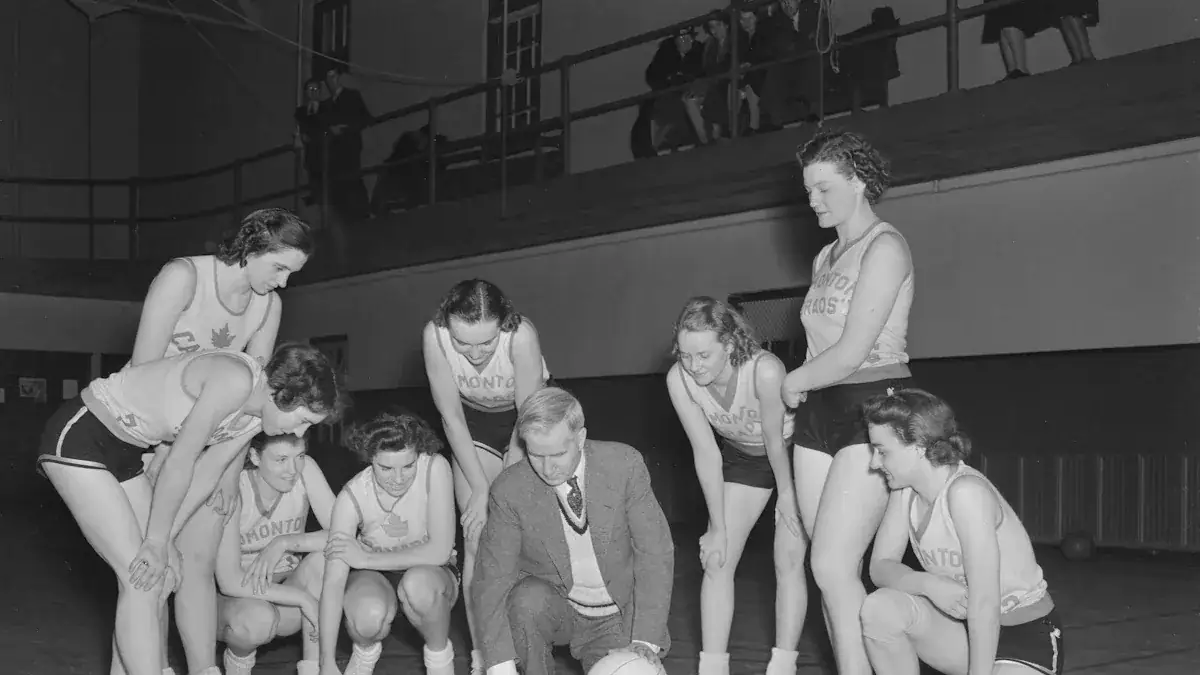
School uniforms have evolved significantly over the last 50 years, with traditional garments like the gym frock being replaced by simpler designs. The incorporation of cultural elements into uniforms reflects the changing identity of students, particularly in schools with a strong Pacific Island influence.
I remember seeing that the use of ties now varies a lot between schools. Some schools keep them as part of formal dress, while others have dropped them for comfort.
Girls’ Uniforms
Girls’ uniforms have always shown more variation. Traditionally, girls wore blouses and skirts, sometimes with kilts or gym frocks. These styles came from British school traditions. Over the years, many schools have updated their uniforms to make them more practical. I have seen schools move away from heavy woolen skirts to lighter fabrics and simpler cuts. Some schools now allow girls to wear trousers or shorts, especially in winter or for sports.
Traditional garments were influenced by British styles.
Modern uniforms include casual shirts and short pants.
Knee socks and sandals are common in warmer months.
The use of ties varies significantly among schools.
I notice that some schools have started to include cultural patterns or colors in their uniforms, especially where there is a strong Māori or Pacific Island community.
Modern Options
Gender-Neutral Choices
Recently, I have seen a big shift toward gender-neutral uniform options. Schools like Dunedin North Intermediate now let students choose from shorts, long shorts, kilts, trousers, or culottes. This approach gives students more dignity and choice. I think this change helps everyone feel comfortable and respected, no matter their gender identity. Instead of forcing everyone to wear trousers or skirts based on gender, schools now focus on letting students pick what suits them best.
Recent trends in New Zealand indicate a shift towards non-gendered uniform codes in schools. For instance, Dunedin North Intermediate has implemented a uniform policy that offers a variety of options, such as shorts, long shorts, a kilt, trousers, or culottes, allowing students to select what they feel most comfortable wearing. This approach promotes dignity and choice, moving away from the traditional notion that enforcing trousers for all students equates to gender neutrality.
Seasonal Variations
I have noticed that many schools offer different uniforms for summer and winter. In summer, students often wear short-sleeved shirts, shorts, or skirts made from lighter fabrics. Sandals and knee socks are common. When winter comes, schools usually require long trousers, long-sleeved shirts, and sweaters or blazers. Some schools allow students to wear jackets or scarves in school colors. These seasonal changes help students stay comfortable throughout the year.
Students preferred the sport uniform for its visual appeal, simplicity, practicality, and affordability.
The sport uniform design benefits students with diverse needs, including those with sensory sensitivities, by avoiding restrictive elements and using soft fabrics.
A teacher noted that the sport uniform was more comfortable for a student with special needs, enhancing his overall experience at school.
I have seen that sport uniforms are popular because they use soft fabrics and simple designs. These uniforms work well for students with sensory needs or those who want more comfort.
Common Items
Jerseys and Blazers
Most schools include jerseys or blazers as part of their uniform. I often see students wearing woolen jerseys in school colors during colder months. Blazers are more common in private or traditional schools. They usually have the school crest on the pocket. Some schools have moved away from blazers to make uniforms more affordable and practical.
Polo Shirts and Jumpers
Primary schools often use polo shirts and jumpers. I see that these items are easy to wash and comfortable for younger students. Polo shirts come in school colors and usually have the school logo. Jumpers, or sweatshirts, are popular for their warmth and ease of use. Many schools let students wear these items instead of more formal shirts or blazers.
New zealand school uniforms were initially very similar to those worn by British children due to the country’s colonial ties. Over time, adaptations were made to suit the local climate, leading to a blend of traditional British styles and more casual attire. For instance, while blazers remain common, they are not universally worn, and caps have largely fallen out of favor. The introduction of casual shirts and short pants reflects a significant shift in uniform styles.
I think these changes show how school uniform policies now focus on comfort, practicality, and student choice. Schools want students to feel comfortable and confident, whether they wear a traditional blazer or a simple polo shirt.
Rules About School Uniform
When I started school in New Zealand, I quickly learned that every school has its own set of rules about school uniform. These rules shape how students look and behave each day. I noticed that the rules about school uniform cover everything from hair and jewelry to shoes and makeup. Schools expect students to follow these rules as part of their enrollment agreement. I want to share what I have learned about these rules and how schools enforce them.
Appearance Standards
Hair and Jewelry
Most schools in New Zealand set clear standards for hair and jewelry. I remember reading the school handbook and seeing a table that explained what is allowed for boys and girls. Here is a summary of what I found:
Category | Boys | Girls |
|---|---|---|
Hair | Must be clean and tidy; no extreme styles or artificial coloring | Must be clean and tidy; no extreme styles or artificial coloring |
Facial Hair | Cleanly shaven preferred | N/A |
Make-up | Not necessary; if worn, must be natural | Not necessary; if worn, must be natural |
Jewellery | No jewelry except for female students (one stud or sleeper per ear) | No jewelry except for female students (one stud or sleeper per ear) |
Tattoos | Not encouraged; must discuss with principal if visible | Not encouraged; must discuss with principal if visible |
I see that schools want students to look neat and avoid anything that stands out too much. For example, I could not dye my hair bright colors or wear large earrings. If I had a tattoo, I needed to talk to the principal if it showed. These rules help create a sense of unity and keep distractions to a minimum.
Makeup and Footwear
When it comes to makeup, most schools say it is not necessary. If students choose to wear makeup, it must look natural. I have seen teachers ask students to remove heavy makeup during class. For footwear, schools usually require black shoes. Some schools allow sandals in summer, but they must be plain and safe. I learned that the rules about school uniform often include details about socks and shoe styles. These rules make sure everyone looks similar and follows the school’s policy.
Note: The rules about school uniform may seem strict, but they help schools maintain a professional environment.
Enforcement
Monitoring
I have noticed that schools take the rules about school uniform seriously. Teachers and staff check uniforms during morning assemblies or when students arrive at school. Sometimes, prefects or student leaders help monitor uniforms in the hallways. I remember having my shoes checked for the right color and making sure my shirt was tucked in. Schools use these checks to remind students about the importance of following the rules.
Consequences
If I did not follow the rules about school uniform, I faced consequences. The school might give a warning first. If I kept breaking the rules, I could get a detention or a note sent home. In some cases, students had to change into spare uniform items kept at school. I learned that schools rarely allow students to wear non-uniform items unless there is a strong reason. The policy aims to keep everyone on the same page and avoid arguments about what is acceptable.
Tip: If you are unsure about a rule, ask a teacher or check the school’s policy before making changes to your appearance.
Exceptions
Medical Reasons
Sometimes, students need to break the rules about school uniform for medical reasons. I have seen students wear different shoes because of foot problems or use special clothing for skin conditions. In these cases, parents usually provide a doctor’s note. The school reviews the request and decides if an exception is possible. I found that schools want to support students’ health while still following the policy.
Temporary Allowances
There are times when schools make temporary allowances. For example, if my uniform got damaged or lost, I could wear plain clothes for a day with a note from home. Some schools allow students to wear non-uniform items during special events or cultural days. However, these exceptions are rare and usually require approval from the principal. The rules about school uniform stay strict most of the time to keep things fair for everyone.
Remember: Always talk to your school if you need an exception. Schools want to help, but they must follow their policy.
I have learned that new zealand school uniforms come with many rules. These rules help schools create a sense of order and equality. By understanding the rules about school uniform, I can avoid problems and focus on learning.
Cultural and Religious Expression

New Zealand schools recognize that uniforms should respect cultural backgrounds and personal beliefs. I have seen more schools update their policies to reflect Te Tiriti o Waitangi and human rights. These changes help students feel included and valued.
Cultural Attire
I notice that many schools now allow students to wear cultural attire as part of their uniform. This shift supports students from Māori and Pasifika backgrounds. For example:
Some schools let Māori students wear pounamu or bone taonga necklaces.
At Christ’s College in Christchurch, Pasifika students can wear the ie faitaga, a formal garment from Samoan, Tongan, and Fijian cultures, instead of traditional grey trousers.
Schools recognize that cultural dress helps students feel proud of their identity.
These changes show a growing respect for cultural diversity in new zealand school uniforms. I believe this makes school a more welcoming place for everyone.
Note: When schools allow cultural attire, they often work with families and communities to make sure the changes are meaningful and respectful.
Religious Items
I have learned that schools also make space for religious expression. Many students want to wear items that reflect their faith. Schools set clear guidelines to balance personal beliefs with uniform standards. Here is a table showing what is usually allowed:
Item Type | Permitted |
|---|---|
Headscarves | Plain black only |
Necklaces | Pounamu and Bone Taonga |
I see that plain black headscarves are common for Muslim students. Schools also allow special necklaces, especially those with cultural or spiritual meaning. If I wanted to wear a religious item, I would talk to my school first to make sure it fits the policy.
Tip: If you need to wear a religious item, ask your school about their process for approval.
Gender Identity
Uniform policies now support students of all gender identities. I have noticed that more schools use gender-neutral language and let students choose the uniform that matches their identity. Here are some ways schools support gender diversity:
Policy Recommendation | Description |
|---|---|
Flexible Uniform Options | Students can wear any part of the uniform, regardless of gender. |
Gender-Neutral Categorization | Uniform options listed by type, not by gender. |
Equal Enforcement | Same rules for everyone, no matter their gender identity. |
Acknowledgment of Diversity | Policies mention transgender and gender diverse students. |
Public Awareness | Schools share new policies with students and families. |
I think these changes help everyone feel safe and respected at school. Schools encourage students to choose the uniform that fits their gender identity. They also provide safe spaces and support for all students.
Schools want every student to feel comfortable and included, no matter their background or identity.
School Uniforms Affordability
Costs
When I first looked into buying a school uniform, I realized the price could be a big challenge for many families. The cost of uniforms in New Zealand varies a lot. I have seen prices range from about $80 for basic items to more than $1,200 for a full set at some schools. Even at lower decile public schools, the total cost can reach between $250 and $1,000. For compulsory items, the average cost is $526.50 for girls and $443 for boys. These numbers show that uniforms are a significant expense, especially for families with more than one child in school.
Tip: Always check the school’s uniform list before shopping. Some items are optional, so you might save money by focusing on what is required.
Sourcing
Finding affordable uniforms is important for many families. I have used several sources to get what I need. Most schools sell new uniforms through approved suppliers or at the school office. Many schools also offer secondhand options, which help reduce costs. I have found secondhand uniforms at shops run by volunteer parents, where the money goes back into school projects. Online platforms like the New Zealand School Uniform website connect buyers and sellers directly, making it easier to find used items in good condition.
Here is a table showing common sources for purchasing uniforms:
Source | Description |
|---|---|
School Office/Supplier | Sells new uniforms, often at set prices. |
Second-Hand Uniform Shop | Run by parents, sells used uniforms, supports school fundraising. |
NZ School Uniform Website | Online platform for buying and selling secondhand uniforms. |
I always check these options before buying new items. Secondhand shops and online platforms often have good deals, and I can find uniforms that look almost new.
Financial Assistance
Paying for uniforms can be tough, but I have learned that help is available. Some schools offer hardship funds to support families who struggle with costs. I have seen schools allow students to borrow expensive items, like blazers, for special events. This borrowing can be discreet, so students do not feel singled out. Outside of school, government programs like MSD Income Support Payments and Recoverable Assistance provide help for urgent needs, including uniforms. These payments can cover the cost temporarily, but families must repay some types of assistance.
Here is a table of financial support options:
Program Name | Description |
|---|---|
MSD Income Support Payments | Offers help for urgent needs, including school uniforms. |
Recoverable Assistance | Provides payments for essentials, must be repaid. |
School Hardship Funds | Schools may offer funds or allow borrowing of uniform items until families can afford them. |
Note: If you need help, talk to your school office or visit the Ministry of Social Development website. Many families use these resources every year.
I believe that understanding the costs, knowing where to buy, and seeking financial assistance can make the process of getting a school uniform much easier for everyone.
Disputes and Advocacy
Communicating Concerns
When I have concerns about my school’s uniform policy, I know that speaking up can make a difference. I usually start by talking directly to my teacher or the school office. I find that clear communication helps everyone understand my point of view. If my concern feels serious, I write down my thoughts and share them with the principal or the board chairperson. I learned that schools in New Zealand follow a step-by-step process when handling complaints. Here is a table that shows the typical steps:
Step | Action | Description |
|---|---|---|
1 | Communicate concerns | I clearly express my concerns to the school administration. |
2 | Submit a formal complaint | I write my complaint and address it to the chairperson of the board. |
3 | Await investigation | The principal investigates and decides on next steps. |
4 | Document the outcome | The school documents the decision and shares it with me and my family. |
5 | Escalate if necessary | If I am not satisfied, I can escalate to the board or the Ministry of Education. |
Tip: I always keep records of my communication. Written complaints help make my concerns clear and ensure the school takes them seriously.
Student Rights
I know that students in New Zealand have important rights when it comes to school uniforms. The New Zealand Bill of Rights Act 1990 protects my freedom of expression. This means I can express myself through my appearance, including my choice of clothing and accessories. Schools must respect my cultural and religious background. I have seen students wear headscarves, taonga necklaces, or cultural garments without facing discrimination. Schools also support transgender and gender-diverse students. I can choose the uniform that matches my gender identity, and many schools now offer gender-neutral options.
Here is a summary of my rights:
Legal Right | Description |
|---|---|
Freedom of Expression | I have the right to express myself through my appearance. |
Non-Discrimination | Schools cannot discriminate against me for cultural or religious attire. |
Gender Identity | I can wear the uniform that aligns with my gender identity. |
Note: If I feel my rights are not respected, I can ask for support from advocacy groups or legal services.
Complaints Process
When I want to challenge a uniform policy, I follow a clear complaints process. I start by raising my concern with the school. If I do not get a satisfactory response, I submit a formal complaint in writing. The principal investigates and shares the outcome with me. If I still feel unhappy, I can escalate my complaint to the school board or the Ministry of Education. I know that advocacy groups, such as YouthLaw or the Human Rights Commission, can help me understand my options and support my case.
I communicate my concerns clearly.
I submit written complaints when needed.
I escalate my complaint if I do not get a fair outcome.
If I ever feel unsure, I reach out for advice. Advocacy and legal support are available to help students and families challenge unfair policies.
I have learned that school uniforms in New Zealand reflect both tradition and diversity. Uniforms differ by school, but most include items like shirts, skirts, trousers, and blazers. Schools set clear rules for appearance and grooming.
Uniforms accommodate different body types and allow some personal expression.
School authorities enforce standards for tidy hair, minimal makeup, and proper dress.
Category | |
|---|---|
Boys | Navy shorts, white shirt, green jersey, black shoes |
Girls | Tartan skirt, white shirt, green jersey, black shoes |
All | School tie, blazer, hats, and scarves as specified |
I always check my school’s policy, seek help with costs, and speak up if I need changes.
FAQ
What should I do if my school uniform does not fit properly?
I always talk to my school office first. They help me find the right size or suggest tailoring options. Some schools offer exchanges or secondhand uniforms for students who need a better fit.
Can I wear a uniform item from another school?
My school rules do not allow me to wear a uniform from another school. I must follow my own school uniform guideline. Wearing the correct uniform helps me show respect for my school community.
How do schools handle requests for religious or cultural items?
I submit a request to my school. The guideline supports freedom of expression, so schools often allow items like headscarves or taonga. I make sure my request matches the school uniform guideline.
What happens if I refuse to wear a uniform?
If I refuse to wear a uniform, my school may give me a warning or ask me to change. Repeated refusal can lead to detention or a meeting with my parents. I always check the school uniform guideline before making decisions.
Are there different uniform rules for boys and girls?
I notice that some schools have different uniform rules for boys and girls. Many schools now offer gender-neutral options. I ask my school about choices that fit my identity and comfort.
How can I save money on school uniforms?
I buy secondhand uniforms from my school shop or online. Some schools offer financial assistance. I always compare prices and focus on required items to reduce costs.
Can I personalize my school uniform?
My school uniform guideline limits personalization. I can add small items, like a watch or hair tie, if allowed. I avoid changes that break school rules or distract others.
What should I do if I disagree with my school’s uniform policy?
I speak with my teacher or principal. If I still feel unhappy, I write a formal complaint. Advocacy groups help me understand my rights and support my freedom of expression.