

Insulated Rain Jacket or Non-Insulated Which Is Best for Your Needs
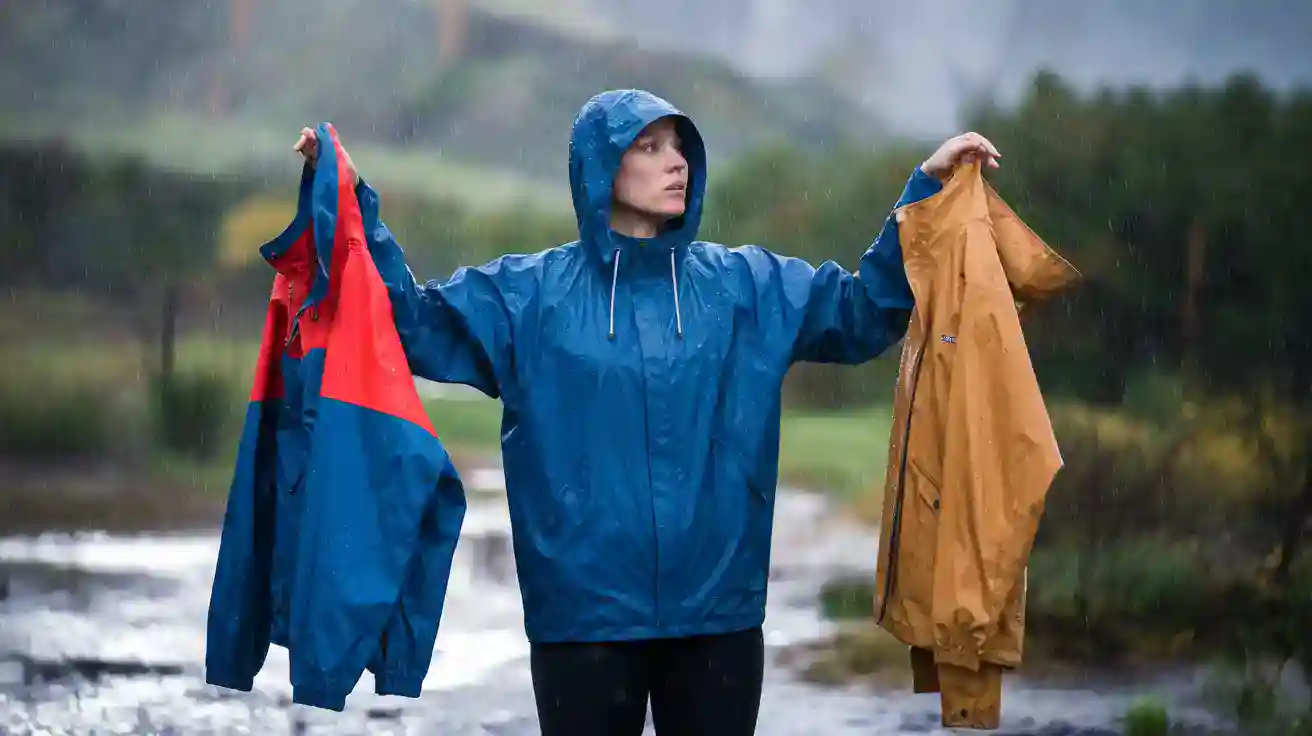
If you face cold and wet weather, an insulated rain jacket gives you warmth and protection. For mild or changing conditions, a non-insulated jacket with layers suits you better. Your climate, how active you are, and how you like to layer clothing matter most. High-energy activities make you sweat, so you need a jacket that lets moisture escape. Many people find that using a shell jacket with base and midlayers keeps them comfortable and dry. Think about your outdoor plans and choose the jacket that matches your needs.
Key Takeaways
Insulated rain jackets provide built-in warmth and rain protection, making them ideal for cold, wet, and low-activity conditions.
Non-insulated rain jackets are lightweight, breathable, and versatile, perfect for active use and mild or changing weather when layering is possible.
Choosing the right jacket depends on your climate, activity level, and how you prefer to layer clothing for comfort and protection.
Proper care and maintenance extend the life and performance of both insulated and non-insulated jackets, keeping you warm and dry longer.
Use the decision guide steps to match your needs with jacket features, balancing warmth, breathability, weight, and cost.
Quick Comparison
Key Differences
Aspect | Non-Insulated Rain Jacket | |
|---|---|---|
Insulation | Uses down or synthetic fill for warmth | No insulation; relies on layering |
Weight & Bulk | Heavier and bulkier due to insulation | Lightweight and packable |
Breathability | Less breathable, especially in active use | Highly breathable and ventilated |
Warmth | Retains warmth, even when wet (synthetic); best for cold, wet conditions | No inherent warmth; needs extra layers |
Weather Protection | Waterproof shell protects insulation, dries slower | Excellent waterproofing and quick drying |
Versatility | Best for cold, stationary, or harsh weather | Ideal for mild, changing, or active use |
Durability | Synthetic insulation is durable; down is less so when wet | Durable shell, no insulation to degrade |
Tip: If you expect cold and wet weather, an insulated rain jacket keeps you warm and dry. For milder or changing conditions, a non-insulated rain jacket gives you more flexibility.
Features
Insulated rain jackets use down or synthetic materials like PrimaLoft to trap heat. Synthetic insulation keeps you warm even when wet and dries quickly. Down insulation feels lighter and packs smaller but loses warmth if it gets damp.
Non-insulated rain jackets, also called shells, focus on waterproofing and breathability. You can layer them with a fleece or insulated midlayer for extra warmth. These jackets are lightweight, easy to pack, and work well for hiking, running, or travel.
Insulated jackets often have more robust shells and extra features for harsh weather. Non-insulated jackets usually have vents, adjustable hoods, and pockets for versatility.
You get direct warmth from an insulated jacket, which helps in cold, stationary situations. A non-insulated jacket lets you adjust your layers as your activity or the weather changes.
Insulated Rain Jacket

Definition
An insulated rain jacket combines a waterproof outer shell with a layer of insulation inside. You get warmth and protection from rain in one piece of clothing. Most insulated rain jackets use either down or synthetic materials to trap heat. Down comes from duck or goose feathers and feels very light. Synthetic insulation uses man-made fibers that mimic down or focus on breathability. You often see these jackets in cold environments where staying warm and dry matters most.
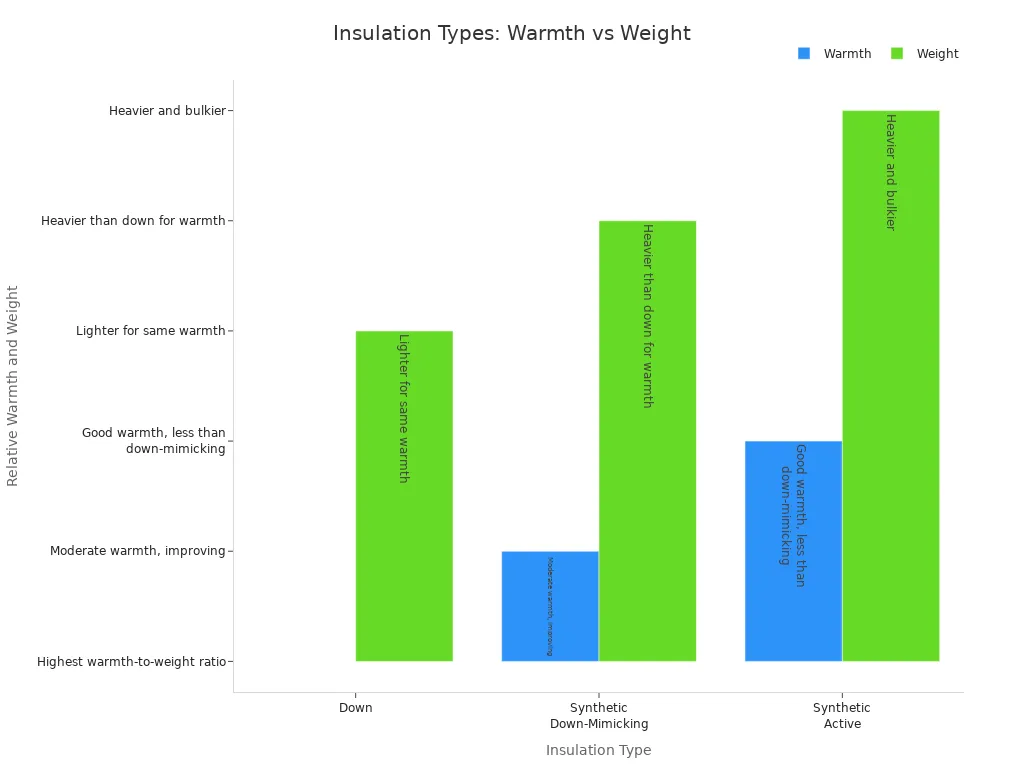
Warmth | Weight | Key Characteristics | |
|---|---|---|---|
Down | Highest warmth-to-weight ratio | Lighter for same warmth | Very warm and lightweight but loses insulation when wet; takes longer to dry; expensive |
Synthetic (Down-Mimicking) | Moderate warmth, improving | Heavier than down for warmth | Mimics down structure; good warmth; retains insulation when wet; easier to maintain; less breathable |
Synthetic (Active Insulation) | Good warmth, less than down-mimicking | Heavier and bulkier | Prioritizes breathability and mobility; good for high-output activities; less wind/water resistant |
Pros
You gain several benefits when you choose an insulated rain jacket for cold environments:
You stay warm even when the temperature drops. Down insulation gives you the most warmth for its weight, which helps if you need to pack light.
Synthetic insulation keeps you warm even if the jacket gets wet. This type dries faster and costs less than down.
You get wind protection from the outer shell. The waterproof layer blocks rain and snow, so you stay dry.
You do not need to wear many layers underneath. The jacket provides both warmth and rain protection in one.
Many insulated rain jackets work well for work jackets in cold environments, outdoor jobs, or winter sports.
Note: Synthetic insulation works better than down in wet weather. Lab tests show that synthetic fibers keep their shape and warmth even when soaked, while down loses its loft and stops insulating.
Cons
You should also know the drawbacks of an insulated rain jacket:
The jacket feels heavier and bulkier than a non-insulated shell. You may find it harder to pack or carry.
Breathability drops, especially during high-energy activities. You might sweat more and feel damp inside.
Some users report seam leaks, especially between the shoulder blades. Water can seep in during heavy rain.
The fabric may soak through in long or severe storms, making the jacket less reliable for extended use.
The inner lining sometimes sticks to your skin when you sweat. Some jackets even shed or peel after a while.
Many insulated rain jackets cost more than non-insulated options. Some people feel they pay too much for the performance.
Not all jackets handle heavy or continuous rain well. Some work best for light precipitation or short outings.
Use Cases
You should pick an insulated rain jacket if you spend time in cold environments or face harsh, wet weather. These jackets work best for:
Winter hiking, mountaineering, or expeditions at high altitudes.
Outdoor work jackets for jobs in freezing rain or snow.
Standing still for long periods in cold, damp places, such as fishing or watching sports.
Traveling in places where the weather stays cold and wet for days.
Activities where you need both warmth and waterproof protection without wearing many layers.
If you want a jacket for cold environments, an insulated rain jacket gives you the warmth and rain protection you need. Synthetic insulation suits wet conditions and costs less, while down works best in dry, cold places. You get the most benefit when you need to stay warm and dry at the same time.
Non-Insulated

Definition
A non-insulated rain jacket gives you a waterproof shell without any built-in warmth. You get a lightweight barrier that blocks rain and wind but does not trap heat. This type of jacket relies on your choice of layers underneath for warmth. Many people call it a “shell” because it acts as the outermost layer in your clothing system. You can wear a non-insulated jacket over a T-shirt in warm rain or add a fleece or sweater when temperatures drop.
Pros
You gain several advantages when you choose a non-insulated rain jacket for your outdoor activities:
You enjoy excellent versatility for layering. You can add or remove base and midlayers to match the weather or your activity level.
You benefit from high breathability. Many non-insulated jackets, like the Montbell Versalite, feature advanced fabrics and large pit zips under the arms. These features help vent heat and reduce sweat buildup, keeping you comfortable during hikes or runs.
You get a lightweight and packable option. Non-insulated jackets often weigh less than a pound and fit easily into a backpack or travel bag.
You find adjustable features such as hoods, cuffs, and pockets. These details help you fine-tune your fit and comfort, especially when you wear a backpack or move between different activities.
You experience flexibility for active use. The design of a non-insulated jacket allows you to move freely, making it ideal for hiking, running, or biking in wet weather.
Tip: Choose a non-insulated jacket if you want one piece of gear that works for many seasons and activities. You can always add warmth with layers, but you cannot remove insulation if you get too hot.
Cons
You should also consider the drawbacks of a non-insulated rain jacket:
You do not get any built-in warmth. In cold weather, you must wear extra layers underneath. Below 40°F, you may need a heavy fleece or insulated midlayer to stay comfortable.
You may notice limited breathability in some models. If you work hard or the temperature rises above 60°F, heat and moisture can build up inside the jacket, making you feel clammy.
You might face durability issues over time. Some non-insulated jackets use rubberized coatings that can crack or peel after a year or two. Seams may weaken under stress, which can reduce weather protection.
You need to manage your layering system. If you misjudge the weather or your activity level, you could end up too cold or too hot.
Note: Non-insulated jackets work best when you understand how to layer your clothing. Always check the weather and plan your outfit before heading out.
Use Cases
You will find a non-insulated rain jacket most useful in these situations:
You hike, run, or bike in mild or changing weather. The breathability and venting features keep you dry and comfortable during active use.
You travel or commute in wet climates. A non-insulated jacket packs small and works well for city walks or public transportation.
You participate in multi-sport activities. The flexibility and lightweight design let you move easily between hiking, running, or casual wear.
You need a jacket for moderate to wet climates. Models like the Patagonia Torrentshell 3L and Arc’teryx Beta SL offer durability and waterproofing for hiking and alpine travel.
You want a rain jacket for everyday use. Options like the REI Co-op Rainier and Cotopaxi Cielo provide reliable protection for light rain and casual outings.
You run in wet weather. Specialized jackets such as the Janji Rainrunner Pack Jacket 2.0 give you waterproofing without extra weight or bulk.
Remember: Non-insulated jackets do not suit cold climates where you need built-in warmth. They excel in wet environments where staying dry and ventilated matters most.
Key Factors
Climate
You need to match your jacket to your local climate. If you spend time in cold, wet, or windy places, an insulated rain jacket keeps you warm and dry. Synthetic insulated jackets work best in damp conditions because they hold warmth even when wet. Down insulated jackets feel lighter and warmer in dry cold, but lose heat if they get soaked. In mild or humid climates, a non-insulated shell lets you stay cool and dry. Always check the weather before heading out.
Activity
Your activity level shapes your jacket choice. If you hike in wet snow or stand still in freezing rain, an insulated jacket gives you steady warmth. For high-intensity activities like trail running or kayaking, a non-insulated, breathable shell works better. It lets sweat escape and keeps you from overheating. Outdoor guides recommend insulated jackets for cold, low-movement situations and non-insulated shells for active, sweaty pursuits.
Jacket Type | Recommended Conditions/Activities | Key Benefits | Considerations |
|---|---|---|---|
Insulated Rain Jacket | Cold, windy, and wet (e.g., hiking in wet snow) | Retains warmth with synthetic/down filling | May trap moisture and feel clammy during high exertion |
Non-Insulated Rain Jacket | High-intensity (e.g., trail running, kayaking), humid | Prioritizes airflow and moisture-wicking | Less warmth retention, better for staying dry during exertion |
Layering
Layering helps you adapt to changing weather. Start with a moisture-wicking base layer, add a warm midlayer, and finish with a waterproof outer shell. Insulated jackets combine warmth and rain protection, so you need fewer layers. Synthetic insulated jackets keep you warm even if your base layer gets damp. Non-insulated shells let you add or remove layers as needed. Look for pit zips and adjustable cuffs to vent heat and moisture.
Synthetic insulated jackets retain warmth when wet, making them ideal for cold, damp days.
Non-insulated shells block wind and rain but need extra layers for warmth.
Mechanical vents and breathable fabrics help manage sweat and heat.
Cost
You will find a wide price range for rain jackets. Non-insulated shells usually cost between $150 and $800, with most quality options around $220 to $450. Prices rise with better waterproof technology, more layers, and extra features like ventilation. Insulated jackets often cost more because of the added warmth and materials. Higher-priced jackets offer better waterproofing, lighter weight, and longer life. Choose a jacket that fits your budget and your outdoor needs.
Durability
Durability matters for long-term use. Jackets with three-layer construction, strong membranes like Gore-Tex, and taped seams last longer and resist harsh weather. Durable Water Repellent (DWR) coatings help water bead up and roll off, but you need to reapply them over time. Insulated jackets with synthetic fill and robust shells handle rough use and wet conditions well. Non-insulated shells with quality zippers and reinforced seams also stand up to heavy rain and wind. Regular cleaning and DWR treatment keep your jacket performing at its best.
Real-Life Scenarios
Insulated Work Jacket
You need an insulated work jacket when you face freezing rain, snow, or long hours outdoors. These insulated work jackets combine warmth and waterproofing, making them perfect for construction, utility work, or farming in harsh winter weather. You stay warm even if you stand still for long periods. Many insulated work jackets use synthetic insulation, which keeps you comfortable even when wet. Down insulation works well in dry cold, but synthetic fill is better for damp conditions. Some insulated work jackets use wool blends for extra warmth and durability. Wool’s natural lanolin helps repel water, and when combined with a waterproof membrane, these work jackets keep you dry and warm. Wool-acrylic blends add strength and reduce bulk, so you move easily while working. You also find insulated work jackets with fleece linings or polyester shells, which resist moisture and dry quickly. If you work outside in freezing rain, you want a jacket that blocks wind, sheds water, and holds heat. Insulated work jackets with taped seams and DWR coatings give you the best protection.
Tip: Choose insulated work jackets with reinforced elbows and shoulders for extra durability in tough job sites.
Non-Insulated in Action
You reach for non-insulated work jackets when you need flexibility and breathability. These jackets shine during active outdoor jobs or sports. Non-insulated work jackets are lightweight and packable, so you can move fast and stay comfortable. You benefit from high breathability, which helps prevent sweat buildup during hiking, running, or cycling. Many non-insulated work jackets use hybrid designs, combining waterproof fabric on the shoulders and torso with more breathable material elsewhere. This design keeps you dry in light rain and lets heat escape. You find non-insulated work jackets ideal for landscaping, delivery work, or any job where you move a lot. They also work well for everyday use, like walking the dog or biking to school. You can layer a fleece or wool sweater under your non-insulated work jacket for extra warmth. Wool and wool blends make great midlayers because they insulate, wick moisture, and resist odors. Non-insulated work jackets give you the freedom to adjust your layers as the weather changes.
Non-insulated work jackets protect you from wind and light rain.
You stay dry and comfortable during high-energy activities.
You can pack these jackets easily for travel or changing conditions.
Note: Non-insulated work jackets are not the best choice for hours in heavy rain or freezing temperatures without proper layering.
Decision Guide
Steps
You can choose the right rain jacket by following a few clear steps:
Assess Your Climate
Think about the weather you face most often. Cold, wet winters call for insulated jackets. Mild or changing conditions work better with non-insulated shells.Consider Your Activities
If you spend long hours outdoors in freezing temperatures or do low-activity tasks, insulated jackets keep you warm and dry. For hiking, running, or cycling, non-insulated jackets offer better breathability and flexibility.Plan Your Layering
Waterproofing and warmth are separate needs. You can wear a waterproof shell over an insulated jacket if you expect freezing rain. Synthetic insulation works best in wet conditions, while down is better for dry cold.Check Comfort and Fit
Try on different jackets to see how they feel. Insulated jackets may feel thicker, but many designs allow easy movement. Non-insulated jackets feel lighter and more comfortable for active use.Review Features and Cost
Look for waterproof ratings, taped seams, and ventilation features. Insulated jackets usually cost more but offer more warmth. Non-insulated jackets are often more affordable and easier to maintain.
Tip: Always check the care instructions. Insulated jackets need gentle washing to protect the fill, while non-insulated shells are easier to clean.
Matching Needs
You can match your needs to jacket features by comparing the main differences:
Feature | Insulated Jacket | Non-Insulated Jacket |
|---|---|---|
Best Use | Cold, static work, winter conditions | Active use, mild or changing weather |
Weight | Heavier, bulkier | Lightweight, packable |
Layering | Minimal needed | Needs extra layers for warmth |
Versatility | Best for winter | Works year-round, adapts to activities |
Maintenance | Needs special care | Easy to wash and dry |
If you want warmth and protection in harsh winter, choose an insulated jacket. For flexibility and breathability in active or changing conditions, pick a non-insulated shell and layer as needed.
Maintenance
Insulated Rain Jacket Care
Taking care of your insulated rain jacket helps it last longer and keeps you warm and dry. You should always check the care label before washing. Each jacket may have special instructions based on the insulation type. Here are some best practices:
Zip all zippers and close flaps before washing to protect the fabric and insulation.
Use a mild detergent. Regular detergents and fabric softeners can damage the waterproof coating and insulation.
Wash your jacket in cold water on a gentle cycle. Pre-treat stains if needed.
Rinse thoroughly to remove all soap, which can affect waterproofing.
Tumble dry on low heat to reactivate the water-repellent finish. For down insulated jackets, add clean tennis balls to the dryer. This helps restore the loft and keeps the insulation fluffy.
Air-dry if the care label recommends it, especially for delicate fabrics.
Store your insulated jacket by hanging it in a cool, dry place. Avoid compressing it for long periods, as this can damage the insulation and waterproof layers.
Reapply water-repellent sprays or wash-in treatments once per season to keep your jacket performing well.
Tip: Proper maintenance ensures your insulated jacket stays warm and waterproof for many seasons.
Non-Insulated Care
You need to care for your non-insulated rain jacket to keep it waterproof and comfortable. Follow these steps for the best results:
Always read and follow the manufacturer’s care instructions.
Wash your jacket only when it looks dirty or smells. Overwashing can wear out the waterproof coating.
Use a mild detergent made for technical fabrics. Avoid bleach and fabric softeners.
Hand wash in cold water or use a gentle machine cycle with all zippers and flaps closed.
Air dry your jacket or tumble dry on low heat if the label allows. High heat can damage the waterproof membrane.
Make sure the jacket is completely dry before storing it. This prevents mildew and fabric damage.
Store your jacket by hanging or laying it flat in a cool, dry place. Avoid direct sunlight and never store it wet or crumpled.
Check the water repellency by sprinkling water on the surface. If water does not bead up, reapply a Durable Water Repellent (DWR) treatment.
Inspect your jacket for rips or seam failures and repair them quickly to keep it waterproof.
Note: Regular care and timely repairs help your non-insulated rain jacket last longer and perform better in wet weather.
You now know that insulated rain jackets work best for cold, static environments, while non-insulated shells suit active use and changing weather.
Feature | Insulated Jacket | Non-Insulated Jacket |
|---|---|---|
Best Use | Temperate, active climates | |
Weight | Heavier | Lighter |
Layering | Minimal needed | Needs extra layers |
Think about your climate, activity level, and layering style. Choose breathable materials and features like sealed seams or ventilation zips for comfort and safety. Select the jacket that matches your outdoor plans and keeps you prepared year-round.
FAQ
What is the main difference between insulated and non-insulated rain jackets?
You get warmth and rain protection together with an insulated jacket. A non-insulated jacket only blocks rain and wind. You must add your own layers for warmth with a non-insulated shell.
Can you wear an insulated rain jacket in mild weather?
You might feel too warm in mild weather if you wear an insulated jacket. Choose a non-insulated shell and add light layers instead. This gives you more comfort and flexibility.
How do you layer under a non-insulated rain jacket?
Start with a moisture-wicking base layer. Add a fleece or wool midlayer for warmth. Put your non-insulated shell on top. This system lets you adjust for changing temperatures and activity levels.
Are insulated rain jackets waterproof?
Most insulated rain jackets use a waterproof shell. You stay dry in rain or snow. Always check for features like taped seams and DWR coatings for the best protection.
How often should you reapply DWR to your rain jacket?
You should test your jacket’s water repellency every few months. If water stops beading on the surface, reapply a DWR treatment. This keeps your jacket performing well in wet weather.