

Essential Tips for Picking the Best Travel Jacket for Any Trip
Table of Contents
Display
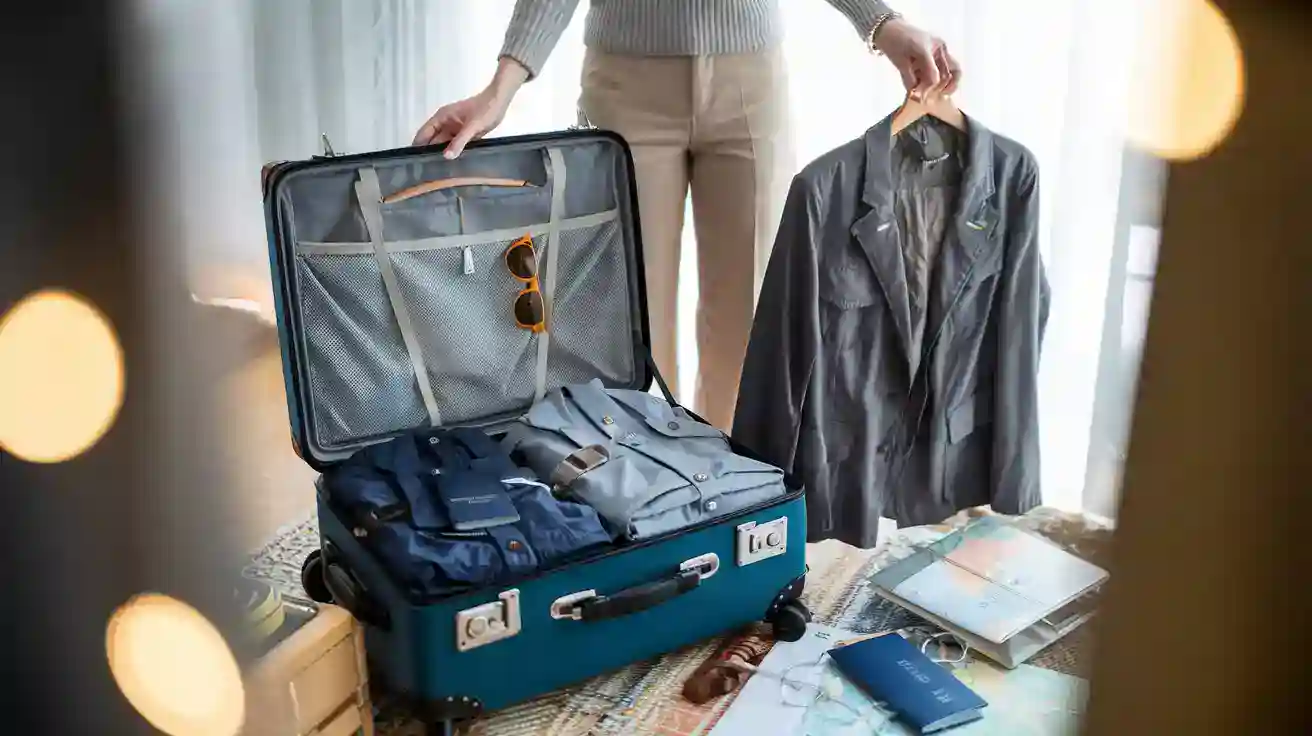
Packing for a trip often means guessing what the weather will do next. You might stand over your suitcase, wondering if you need an umbrella, a raincoat, or just a reliable travel jacket. Many travelers struggle to find outerwear that balances breathability, insulation, and water resistance. The best travel jacket keeps you comfortable in shifting conditions, fits easily in your bag, and adapts to your activities.
A smart choice blends function, comfort, and style. Explore how a travel jacket can help you stay prepared for anything.
- Consider these common challenges:
- Deciding between bulky or packable jackets
- Balancing weather protection with limited luggage space
- Choosing versatile fabrics for comfort
Key Takeaways
- Choose a travel jacket that offers strong weather protection, including waterproof and wind-resistant materials.
- Look for breathable fabrics and ventilation features to stay comfortable during active travel.
- Pick insulation based on your trip’s climate: down for dry cold and synthetic for wet or active conditions.
- Select lightweight and packable jackets to save space and reduce luggage weight.
- Use layering with base, middle, and outer layers to adapt to changing weather and activity levels.
- Opt for neutral colors and adaptable designs to suit both urban and outdoor settings.
- Try on jackets with your travel layers to ensure a comfortable fit and freedom of movement.
- Maintain your jacket properly by following care instructions to extend its life and performance.
Best Travel Jacket Features
Weather Protection
When you choose a travel jacket, weather protection should be your top priority. You want to stay dry and shielded from wind, no matter where your journey takes you.
Waterproof Materials
A high-quality travel jacket uses advanced waterproof materials to keep you dry in rain or snow. Outdoor gear reviews highlight Gore-Tex membranes as the gold standard. These membranes have a microporous structure that blocks water droplets but lets vapor escape, so you stay comfortable and dry. Newer options like ePe Gore-Tex offer similar protection with a focus on environmental safety. Some jackets use polyurethane laminates or coated fabrics, but these may not breathe as well or last as long.
Tip: Look for jackets with a Durable Water Repellent (DWR) coating. This finish helps water bead up and roll off the surface, keeping the fabric from getting soaked.
Here’s a quick comparison of top-rated waterproof materials found in the best travel jackets:
| Jacket Name | Waterproof Material | Key Features & Benefits |
|---|---|---|
| Outdoor Research Foray 3L | AscentShell Dry 3L (100% recycled nylon) with Nikwax DWR | Superior breathability, soft and stretchy fabric, excellent ventilation with side vents |
| Sprayway Corbitt | Gore-Tex 75D membrane laminated to recycled polyester | Durable Gore-Tex membrane, well-designed hood and cuffs, reliable in wet climates |
| Tierra Vastra | ePe Gore-Tex membrane (fluorocarbon-free) | High waterproofness, good breathability, eco-friendly Gore-Tex variant |
These materials appear in many water-resistant jackets because they balance waterproofness, breathability, and durability.
Wind Resistance
Wind can make even mild temperatures feel much colder. A functional jacket blocks wind and keeps you warm. Laboratory and field tests show that jackets with tightly woven fabrics, elastic cuffs, and adjustable drawcords perform best in windy conditions. For example, the Patagonia Houdini and Ortovox Merino Windbreaker stand out for their ability to block strong gusts. You should check for features like storm flaps over zippers and snug-fitting hoods, which help seal out drafts.
Note: Wind resistance does not always depend on price. Focus on fabric technology and construction details for the best results.
Breathability
You need a travel jacket that keeps you dry from the inside as well as the outside. Breathable fabrics allow sweat vapor to escape, so you do not feel clammy during active days. Gore-Tex and AscentShell Dry 3L are known for their excellent breathability. Jackets with pit zips or mesh-lined vents give you extra airflow when you need it. This feature is especially important if you plan to hike, bike, or explore cities on foot.
- Choose jackets with:
- Breathable membranes
- Underarm zippers or mesh panels
- Lightweight linings
Durability
A durable travel jacket stands up to rough use, frequent packing, and changing weather. Long-term user reviews and field tests show that synthetic and hardshell jackets offer the best durability. Hardshells made from technical fabrics like Gore-Tex resist tears and abrasions, making them ideal for rugged adventures. Synthetic jackets, often made from polyester or nylon, keep their shape and warmth even when wet. Softshell jackets provide flexibility and comfort, though they are less waterproof.
| Jacket Type | Durability & Performance Highlights |
|---|---|
| Down Jackets | Lightweight and warm, but less durable and lose insulation when wet |
| Synthetic Jackets | Durable, quick-drying, and affordable; heavier than down |
| Softshell Jackets | Flexible, breathable, and water-resistant; not fully waterproof |
| Hardshell Jackets | Highly durable, waterproof, and breathable; resist tears and abrasions |
Remember: The best travel jacket for you combines weather protection, breathability, and durability. Look for features that match your travel style and destination.
Insulation
When you choose a travel jacket, insulation plays a key role in keeping you warm and comfortable. Insulation traps your body heat and helps you adapt to changing temperatures. You will find two main types of insulation in travel jackets: down and synthetic.
Down insulation uses the soft feathers from ducks or geese. Down provides the highest warmth-to-weight ratio. You get an ultralight jacket that packs down small and feels cozy in dry conditions. Down jackets work best when you expect cold, dry weather and do not plan to get wet. If you hike in the mountains or travel in chilly cities, down insulation keeps you warm without adding bulk to your bag.
However, down insulation loses its ability to keep you warm when it gets wet. The feathers clump together, and the jacket dries slowly. Even treated down, which resists water better, cannot match synthetic insulation in wet conditions.
Synthetic insulation uses man-made fibers like polyester. Synthetic jackets are heavier and less compressible than down, but they keep you warm even when damp. You can wear a synthetic travel jacket in rainy, humid, or active environments. Synthetic insulation dries quickly and stands up to rough use. If you expect unpredictable weather or plan to move a lot, synthetic insulation gives you reliable warmth and durability.
Tip: Choose down insulation for dry, cold trips with low activity. Pick synthetic insulation for wet, active, or rugged adventures.
Here is a quick comparison to help you decide:
| Insulation Type | Warmth-to-Weight | Packability | Performance When Wet | Durability | Best Use Case |
|---|---|---|---|---|---|
| Down | Excellent | Excellent | Poor | Moderate | Dry, cold, low activity |
| Synthetic | Good | Moderate | Good | Excellent | Wet, active, rugged |
You should also consider the thickness and fill power of the insulation. Higher fill power means more warmth for less weight. Many travel jackets offer removable liners or adjustable insulation, so you can adapt to changing climates.
When you select a travel jacket, think about your destination and activities. Insulation affects how comfortable you feel and how much space your jacket takes up in your luggage. The right insulation helps you stay warm, dry, and ready for any adventure.
Travel-Friendly Jackets for Every Climate

Rainy Destinations
When you travel to places known for frequent rain, you need a jacket that keeps you dry and comfortable. Travel-friendly jackets for wet climates focus on waterproofness and breathability. You should check the hydrostatic head rating of a jacket. This rating shows how much water pressure the fabric can handle before it leaks. Look for jackets with a high rating for the best protection.
You also want a jacket that lets moisture escape. Membranes like Gore-Tex allow sweat vapor to leave while blocking rain from getting in. This keeps you from feeling clammy during long walks or hikes. Many of the best travel-friendly jackets include underarm zippers or venting options. These features help you release heat and moisture when you get active.
Sealed seams and coated fabrics add another layer of defense against rain. Some jackets use lightweight, unlined designs so you can layer underneath as needed. Others offer 3-in-1 systems with removable liners for changing weather. Practical details like longer jacket length and two-way zippers make it easier to stay dry when you sit or move around.
Tip: Try on jackets in person if you can. Check for fabric noise and comfort. Some waterproof jackets feel stiff or noisy, which can be distracting.
You should avoid ponchos for travel. They flap in the wind and do not have sleeves, so they offer less protection and comfort.
Key features to look for in travel-friendly jackets for rainy destinations:
- High waterproof rating (hydrostatic head)
- Breathable membranes (like Gore-Tex)
- Underarm zippers or vents
- Sealed seams
- Lightweight or 3-in-1 design
- Longer length and two-way zippers
- Water-repellent treatments (like Nikwax)
Cold Weather
Cold climates demand jackets that trap heat and block wind. When you choose a jacket for winter travel, focus on insulation ratings. Fill power measures how fluffy and warm down insulation is. Higher fill power, such as 800 or more, gives you more warmth for less weight. Fill weight tells you how much insulation is inside the jacket. Both numbers matter for staying warm.
You should also pay attention to the shell material. A tough, windproof shell keeps cold air out and helps the insulation work better. Many of the best travel-friendly jackets for cold weather use a combination of high fill power and durable shells. Layering also helps. You can wear a base layer, a fleece, and then your insulated jacket for extra warmth.
There is no universal temperature rating for jackets. You need to think about your own comfort, activity level, and how much you plan to move outside. If you expect very cold conditions, pick a jacket with high fill power and enough fill weight. Look for adjustable hoods, cuffs, and hemlines to seal in warmth.
Note: Layering gives you flexibility. You can add or remove layers as the temperature changes.
Hot and Humid Places
Traveling to hot and humid destinations requires a different approach. You want a jacket that feels light and keeps you cool. Breathability and moisture-wicking matter most in these climates. Travel-friendly jackets for warm weather use active synthetic insulation, such as Coreloft, FullRange, or PrimaLoft Gold Active. These materials help regulate your body heat and wick away sweat.
Soft, stretchy shell fabrics add comfort and allow air to move through the jacket. Unlike jackets with all-nylon shells, these designs let your skin breathe and prevent overheating. You should avoid heavy or down-filled jackets in humid places. Instead, pick a jacket with a breathable, moisture-wicking shell and active insulation.
These features help you stay dry and comfortable, even when the air feels sticky. Many of the best travel-friendly jackets for hot and humid climates also pack down small, so you can carry them easily when you do not need them.
Choose a jacket with active insulation and a soft, breathable shell for the best comfort in warm, humid weather.
Layering Options
Layering gives you the flexibility to adapt to changing weather and activity levels. You can add or remove layers to stay comfortable, whether you face a chilly morning, a rainy afternoon, or a warm hike. This system works well for travelers who want to pack light but stay prepared for anything.
You start with a base layer. This layer sits next to your skin and manages moisture. Synthetic or natural fibers like merino wool wick sweat away, keeping you dry and preventing chills. A dry base layer helps you feel comfortable, even when you move a lot.
The middle layer provides insulation. This layer traps heat and keeps you warm. You can choose a synthetic insulated jacket, a down jacket, or a fleece. Synthetic insulation dries quickly and works well in damp conditions. Down gives you excellent warmth for its weight, but it loses effectiveness when wet. Fleece offers breathability and comfort for moderate cold.
The outer layer protects you from wind and rain. Waterproof and breathable shells, water-resistant jackets, and soft shells block the elements while letting sweat escape. Features like adjustable hoods, sealed seams, and storm flaps add extra protection. Many travel-friendly jackets serve as either a middle or outer layer, giving you insulation, moisture resistance, and breathability in one piece.
Here is a table that summarizes the main functions of each layer and examples of jacket types:
| Layer Type | Function | Examples of Travel Jacket Types and Features |
|---|---|---|
| Base Layer | Moisture management (wicking) | Synthetic or natural fiber base layers that keep skin dry to prevent chilling |
| Middle Layer | Insulation (heat retention) | Synthetic insulated jackets, down jackets, fleece; retain warmth and dry quickly |
| Outer Layer | Protection from wind and rain | Waterproof/breathable shells, water-resistant jackets, soft shells; block elements while allowing breathability |
Tip: Adjust your layers based on temperature, activity, and personal comfort. Remove a layer if you feel too warm. Add a layer if you start to feel cold or if the weather changes.
Layering prevents overheating or chilling. You can stay comfortable across a wide range of temperatures. This approach works well for city trips, outdoor adventures, and long travel days. When you choose your travel jacket, think about how it fits into your layering system. The right combination helps you stay dry, warm, and ready for any climate.
Lightweight and Packable Designs
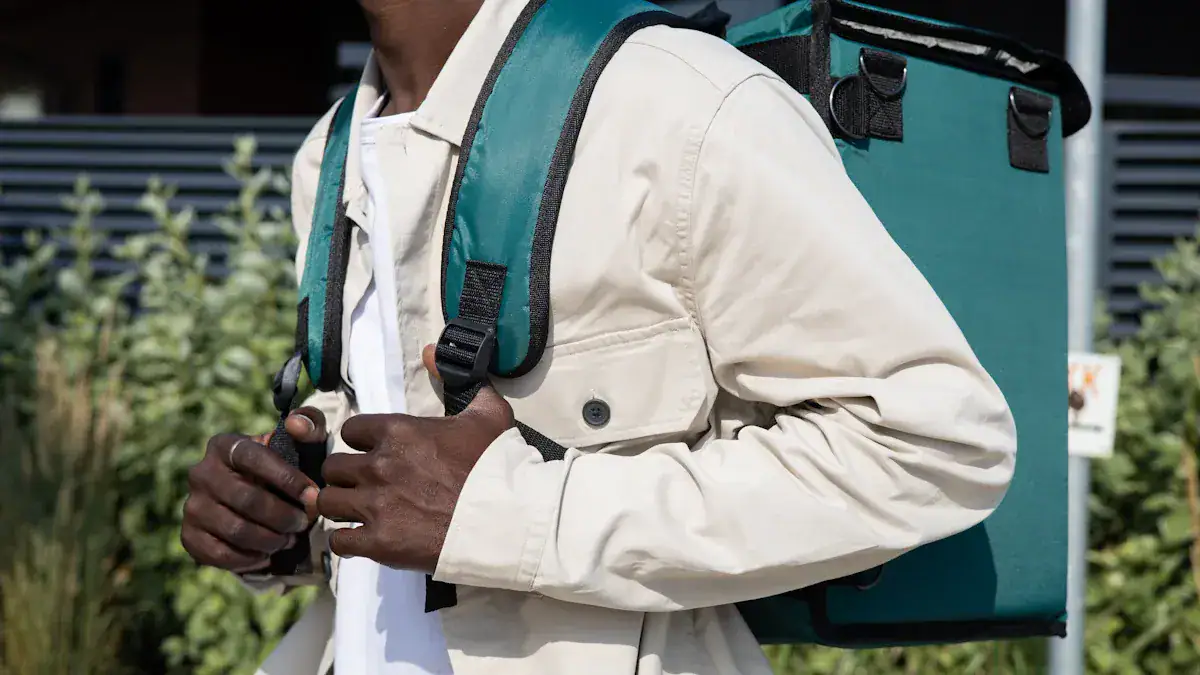
When you travel, every inch of space in your bag matters. Choosing a jacket that packs down small and weighs little can make your journey much easier. You want a jacket that fits your needs without adding unnecessary bulk.
Packability
Packability refers to how easily you can compress and store your jacket. Many top travel jackets fold into their own pockets or come with a small stuff sack. This feature lets you stash your jacket in a backpack or carry-on without taking up much room. Jackets that pack into their own pockets often use a zipper or tab for quick closure. Some even include a clip loop so you can attach the packed jacket to your bag.
Here is a comparison of popular packable jackets and their storage features:
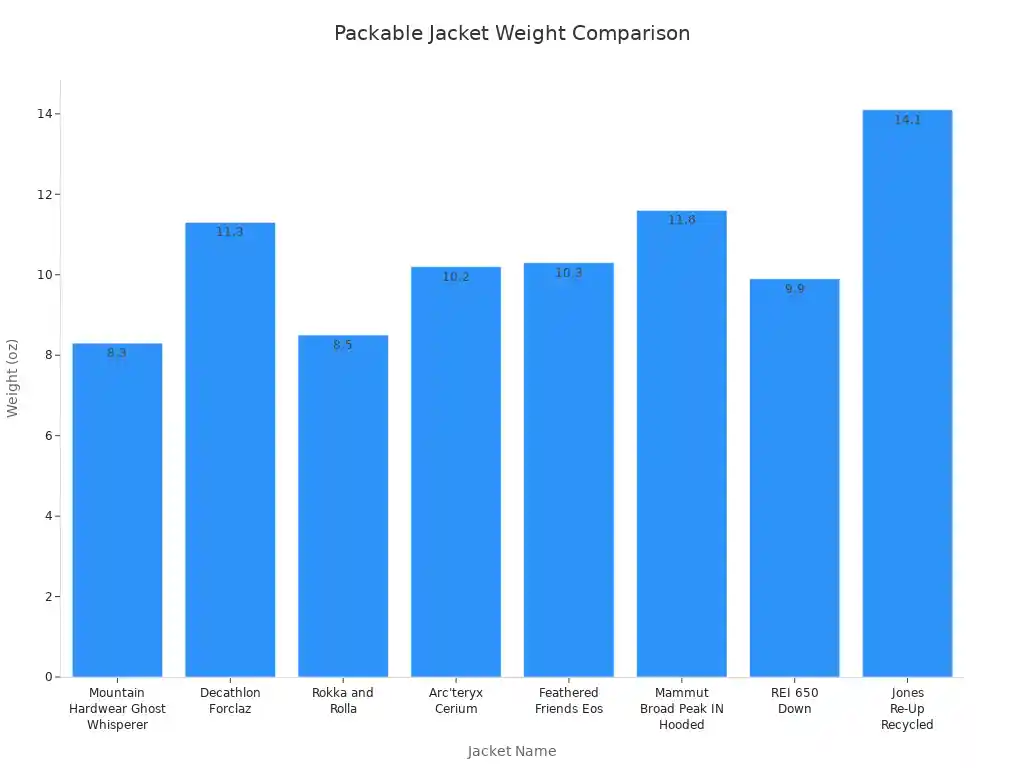
| Jacket Name | Packed Volume / Size Comparison | Weight (oz) | Packing Features & Ease of Storage |
|---|---|---|---|
| Mountain Hardwear Ghost Whisperer | Packs into its own pocket, smaller than a 16oz can | 8.3 (L) | Ultralight, extremely easy to store, ideal for minimal bulk packing |
| Montbell Highland | Uses a storage bag about size of 32oz Nalgene bottle | N/A | Simple storage bag, quick and easy to pack into backpack |
| The North Face Breithorn Hoody | Packs quickly into a very large stuff pocket | Heavier than Ghost Whisperer | Large pocket opening, compressible fill, integrated clip loop for backpack attachment, very quick to pack |
| Decathlon Forclaz | Packs quickly due to wide pocket opening and compressible material | 11.3 | Budget-friendly, easy to pack and carry |
| Lock & Love, Rokka and Rolla, Wantdo | Pack into included stuff sacks | Rokka and Rolla: 8.5 (S) | Lightweight, extremely packable, good warmth for mild winter, excellent portability for budget options |
| L.L. Bean Ultralight 850 | Packs into designated stow pocket with tabbed zipper | Medium weight | Easier to stash than many, zipper tab helps closing, clip tab for backpack attachment |
| Arc’teryx Cerium & Feathered Friends Eos | N/A | 10.2 & 10.3 (S) | Lightweight for warmth level, high loft down, not ultralight but still packable |
| Mammut Broad Peak IN Hooded | Packs into hand pocket, very svelte package | 11.6 (S) | Quick loft regain, outstanding insulation for weight |
| REI 650 Down | Packs into stuff pocket with dual-sided zipper | 9.9 | Short hem, no hood, updated stuff pocket for containment |
| Jones Re-Up Recycled | Packs easily despite puffiness | 14.1 (L) | Heavier jacket but still packable |
Built-in Storage Pouches
Many jackets now feature built-in storage pouches. You can fold the jacket into its own pocket, creating a compact bundle. This design keeps your jacket contained and easy to find. Built-in pouches also prevent the loss of separate stuff sacks. Some jackets offer multiple pocket options, letting you choose where to store the jacket or small items like keys and cards.
Tip: Always check if the jacket packs into a chest pocket, hand pocket, or a dedicated stuff sack. This detail can save you time and space when you pack.
Lightweight Materials
The best lightweight travel jacket uses advanced materials that balance strength and weight. Nylon and polyester are the most common choices. These fabrics block wind, resist water, and dry quickly. Jackets with a Durable Water Repellent (DWR) coating shed light rain and moisture. Breathable materials allow air to flow, so you stay cool during activity.
Here is a quick look at popular materials and their benefits:
| Material | Benefits | Drawbacks |
|---|---|---|
| Nylon | Lightweight, breathable, water-resistant, wind-blocking, packable | N/A |
| Polyester | Lightweight, quick-drying, moisture-wicking, wrinkle-resistant | N/A |
| Cotton | Soft, durable, breathable, versatile styling, easy care | Does not wick moisture well, slower drying |
| Cotton/Polyester Blend | Soft against skin, breathable, combines comfort and performance | Less moisture-wicking and slower drying than nylon/polyester |
| Silk | Luxuriously soft, lightweight, breathable, durable for warm climates | Less durable than synthetics |
| Gore-Tex® and similar laminates | Waterproof, breathable, suitable for wet weather, versatile for activities | More expensive |
- Nylon and polyester jackets pack down small and weigh little.
- DWR coatings add water resistance.
- Breathable fabrics keep you comfortable in changing weather.
Reducing Luggage Weight
Choosing a lightweight jacket can save you a lot of weight in your luggage. For example, a traditional Columbia fleece jacket weighs about 15 ounces. If you switch to a lighter raincoat and use layering tops, you can save nearly a pound in your bag. This weight savings gives you more room for other essentials and makes your bag easier to carry.
A lighter jacket means less strain on your shoulders and more flexibility during your trip.
When you select a lightweight travel jacket, you gain comfort, convenience, and versatility. You can move easily, pack quickly, and adapt to any adventure.
Versatile Style and Comfort
Neutral Colors
When you select a travel jacket, neutral colors offer the most flexibility. You can match black, gray, navy, or olive with almost any outfit. These shades work well in both city and outdoor settings. Neutral colors help you blend in when you visit new places. You avoid standing out in crowds or drawing unwanted attention. You also find it easier to coordinate with other clothing in your suitcase. Neutral jackets hide stains and dirt better than bright colors. This feature keeps you looking fresh during long trips.
Tip: Choose a jacket in a neutral shade if you want to pack light and stay stylish wherever you go.
Adaptable Designs
Adaptable jacket designs help you adjust to changing weather and activities. You get more value from a jacket that works in different situations.
Removable Linings
Removable linings add versatility to your travel jacket. You can zip out the liner when the weather warms up. You put it back in when temperatures drop. Some jackets offer fleece or insulated liners that snap in and out. This feature lets you use one jacket for multiple climates. You save space in your luggage and stay prepared for sudden changes.
Adjustable Features
Adjustable features make your jacket fit better and perform well. You find drawcords at the hem and hood. These let you tighten the jacket to block wind or rain. Velcro cuffs help seal out cold air. Some jackets have zippered vents under the arms. You open these for extra airflow during activity. Multiple pockets give you space for your phone, wallet, or keys. You stay organized and ready for anything.
Urban and Outdoor Use
You want a travel jacket that looks good in the city and works hard outdoors. Many brands design jackets that balance style and performance. You can wear the Patagonia Nano-Air Light Hybrid Jacket for a walk downtown or a hike in the mountains. It feels lightweight, breathable, and warm. The sleek design fits urban settings, but the technical features support outdoor adventures.
The Outdoor Research Helium Jacket offers warmth, packability, and weather resistance. You stay dry in sudden rain and feel comfortable on the road. The Marmot Precip Rain Jacket provides reliable waterproofing and breathability. You use it for city commutes or outdoor trips. The Outdoor Ventures Packable Puffer Jacket keeps you warm with a water-resistant shell and down-alternative insulation. You pack it into its own pocket for easy travel. The TACVASEN Tactical Soft Shell Jacket gives you durability, warmth, and storage. Adjustable cuffs, hem, and hood protect you from the elements. You wear it for both urban and outdoor activities.
- Lightweight, breathable, and warm designs suit both city and nature.
- Packable jackets save space and adapt to your travel needs.
- Water-resistant shells and adjustable features keep you comfortable in any environment.
You stay stylish and prepared when you choose a jacket that fits both urban and outdoor life.
Comparing the Best Travel-Friendly Jackets
Fit and Comfort
You want a travel jacket that feels good every time you wear it. Fit and comfort matter as much as technical features. A jacket that pinches, rides up, or restricts movement can ruin your day. Look for a cut that matches your body shape and allows you to move freely. Try bending your arms, reaching overhead, and sitting down while wearing the jacket. The right fit keeps you comfortable whether you walk city streets or hike mountain trails.
Design differences between men’s and women’s jackets often focus on fit and style. Women’s jackets may have a more tailored waist or unique collar shapes. Men’s jackets sometimes offer longer sleeves or extra room in the shoulders. However, both share core features like insulation, water resistance, and packability. The table below highlights some common differences and similarities:
| Jacket Model | Sizing (Women) | Sizing (Men) | Design Differences | Shared Features |
|---|---|---|---|---|
| Patagonia Nano Puff | XXS-XXL | XS-3XL | Women’s sizing tailored; similar features | Water repellent, recycled insulation, packable |
| Summersalt Reversible Puffer | XS-2X | N/A | Reversible design for women only | Synthetic insulation, packable |
| Mountain Hardwear Ghost Whisperer UL | XS-XL | S-XXL | Different size ranges | Water repellent, RDS-certified down, packable |
| L.L. Bean Ultralight 850 Down | XXS-3X | S-XXL | Extended petite and plus sizes for women; tall sizes for men | Water repellent, packable, multiple pockets |
| Ibex Shak Lite | XS-XL | S-XXL | Women’s collar bomber-style tapered; men’s collar zips to chin | Merino wool, machine washable |
| Columbia Titan Pass Double Wall Hybrid | XS-XXL | S-XXL | Similar sizing ranges | Water repellent, recycled insulation, packable |
Note: Most brands keep technical features consistent across genders. You can focus on finding the best fit for your body and style.
Trying On Jackets
Trying on jackets in-store helps you make a smart choice. You can check how the jacket feels, moves, and packs. When you try on a travel jacket, pay attention to these important factors:
- Comfort: The jacket should not feel itchy, tight, or stuffy. You want to wear it often.
- Compactness: Make sure you can compress the jacket easily for packing.
- Durability: The fabric should resist tears and handle frequent packing.
- Insulation Type: Decide if you need goose down for warmth or synthetic fill for breathability and wet conditions.
- Waterproofing and Windproofing: Test if the jacket blocks wind and repels water.
- Suitability for Climate and Activities: Think about your destination’s weather and your planned activities.
- Budget and Versatility: Choose a jacket that fits your budget and works in many situations.
You can also check the zippers, pockets, and hood adjustments. Move around in the jacket to see if it restricts you. If possible, pack the jacket into its pouch to test its size.
Tip: Always try on jackets with the layers you plan to wear underneath. This helps you find the right size and comfort level.
Personal Preferences
Your personal preferences shape your final decision. Some travelers want a jacket that looks stylish in photos. Others care most about technical features or eco-friendly materials. You might prefer a certain color, a specific brand, or a jacket with extra pockets. Think about how you travel and what matters most to you.
The best travel-friendly jackets offer a balance of comfort, protection, and style. You can find options that match your needs, whether you explore cities, hike trails, or travel for business. Trust your instincts and choose a jacket that feels right for your adventures.
Shopping Tips for the Best Travel Jacket
Budget
You want a travel jacket that fits your needs and your wallet. Prices for high-quality travel jackets can vary a lot. Some jackets offer great features at a low price, while others cost more because of advanced materials or brand reputation. The table below shows a range of options:
| Brand / Jacket Name | Price Range Description | Price Estimate |
|---|---|---|
| Columbia Watertight II Jacket | Budget-friendly option | Under $60 |
| Patagonia Houdini Jacket | Affordable high-quality option | Under $100 |
| Tommy Hilfiger Packable Down Bomber | Mid to high range (implied) | Mid to high (no exact) |
| Canada Goose Hybridge Lite Slim Fit | Mid to high range (implied) | Mid to high (no exact) |
| Arc’Teryx Beta AR Jacket | Premium investment-level price | Several hundred dollars+ |
You can find the best budget travel jacket by focusing on what you need most. If you want basic rain protection, a budget-friendly jacket like the Columbia Watertight II works well. For more features and durability, consider mid-range options. Premium jackets offer advanced weatherproofing and long-term value, but you pay more up front.
Tip: Set your budget before you shop. Decide which features matter most, such as waterproofing, packability, or insulation.
Reviews and Recommendations
Reading reviews helps you avoid common mistakes when choosing a travel jacket. Many travelers pick jackets that are too heavy or bulky for their destination. Others skip waterproof gear and regret it when the weather changes. Some jackets do not layer well, which limits how you can use them. Overpacking heavy coats for warm trips is another frequent error.
You should look for jackets that balance warmth, weight, waterproofing, and packability. Expert and user reviews often highlight the best value travel jacket for different needs. Real-world feedback points out useful features like quick-drying fabrics, smart pocket placement, and adaptable layers. You can learn from other travelers’ experiences and avoid jackets that do not perform as promised.
- Check for these review highlights:
- Comfort and fit for your body type
- Weather protection in real conditions
- Durability after repeated use
- Ease of packing and carrying
Note: Try to read both expert opinions and user reviews. This gives you a complete picture of each jacket’s strengths and weaknesses.
Care and Maintenance
Proper care extends the life of your travel jacket. Many people forget this step, but it makes a big difference. The table below summarizes the best practices:
| Care Practice | Description | Purpose/Benefit |
|---|---|---|
| Washing | Use dedicated down detergents (like Nikwax Down Wash Direct). Avoid regular detergents. Prefer front-loading machines or hand wash in cool water. | Preserves down feathers’ natural oils and loft, maintaining insulation and warmth. |
| Drying | Air dry flat on a rack. Do not wring. Drying takes 1-2 days. | Maintains loft and insulation quality by preventing damage from improper drying. |
| Repair | Use Seam Grip or tape for holes. Avoid sewing repairs. | Maintains structural integrity without enlarging holes or causing further damage. |
| Storage | Hang jacket when not in use. Avoid long-term compression. | Prevents down compression and keeps jacket fresh, extending lifespan. |
You should also avoid fabric softeners and reapply waterproof treatments as needed. These steps help your jacket stay effective and comfortable for many trips.
Remember: Good care and maintenance protect your investment and keep your jacket ready for every adventure.
Choosing the best travel jacket involves a few essential steps:
1. Focus on functionality—look for ventilation, insulation, and weather protection. 2. Pick lightweight, packable materials for easy travel. 3. Select neutral styles for versatility. 4. Try on different jackets to find your best fit.
- The right jacket keeps you organized with smart pockets and built-in accessories.
- You stay comfortable and ready for any adventure.
Enjoy every journey with confidence, knowing your travel jacket makes each trip easier and more enjoyable.
FAQ
What is the best material for a travel jacket?
You should look for nylon or polyester. These materials resist water, block wind, and dry quickly. Jackets with a breathable membrane, like Gore-Tex, keep you comfortable in many climates.
How do I choose the right size for my travel jacket?
Try on jackets with your usual travel layers. Move your arms and sit down. The jacket should feel comfortable and allow free movement. Check the brand’s sizing chart for guidance.
Can I wash my travel jacket in a regular washing machine?
Most travel jackets can go in a front-loading machine. Use a gentle cycle and mild detergent. Avoid fabric softeners. Always check the care label for specific instructions.
Should I bring an insulated jacket to a warm destination?
You do not need heavy insulation for hot places. Choose a lightweight, breathable jacket. Look for moisture-wicking fabrics. You can always layer if temperatures drop unexpectedly.
How important is packability in a travel jacket?
Packability matters if you want to save space. Jackets that fold into their own pocket or a small pouch fit easily in your bag. This feature helps you travel light and stay organized.
Are travel jackets suitable for both city and outdoor use?
Many travel jackets work well in both settings. Neutral colors and simple designs blend into city life. Technical features like water resistance and adjustable hoods help outdoors.
What features should I look for in a rain jacket?
Choose a jacket with a waterproof membrane, sealed seams, and adjustable cuffs. Underarm vents improve breathability. A longer hem and a well-fitted hood offer extra protection from rain.