

How to wear a custom winter vest for warmth
Table of Contents
Display
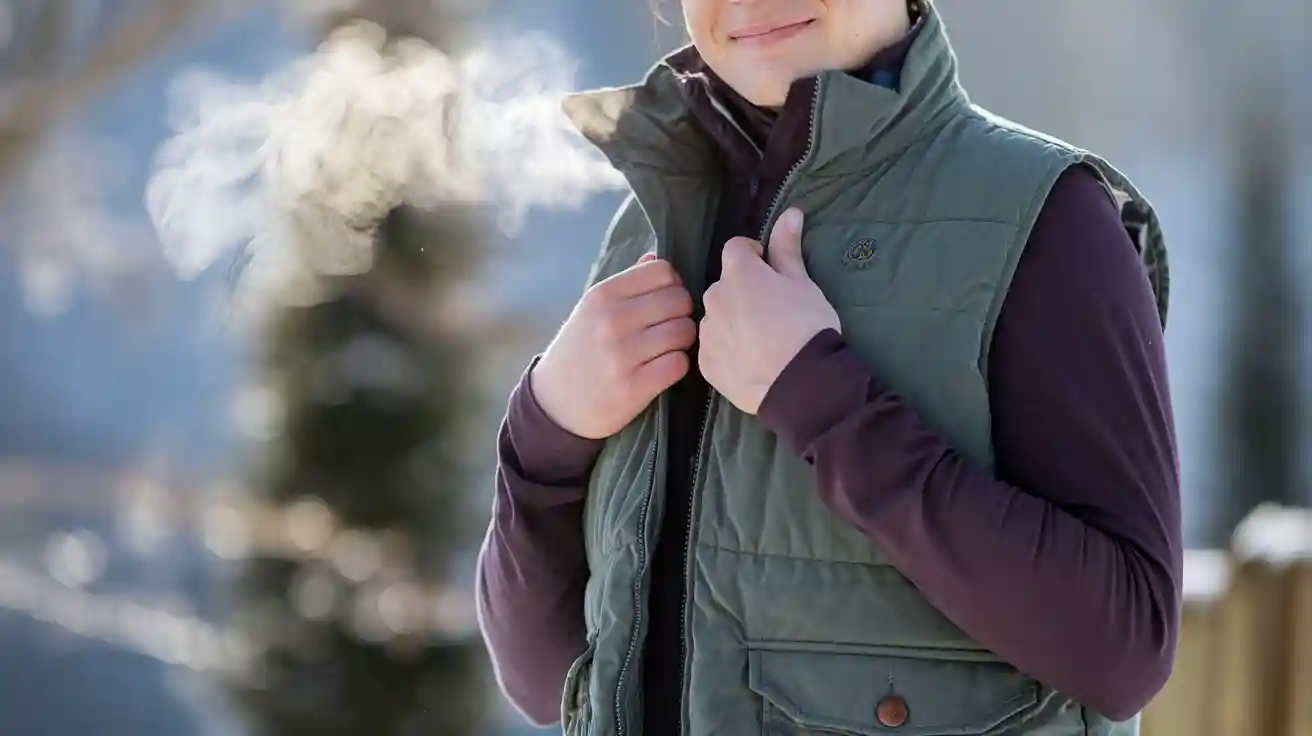
I step outside on a frosty morning and immediately feel the bite of winter air. To stay comfortable, I rely on my custom winter vest. I choose careful layering under and over the vest to trap warmth close to my body. A proper fit ensures the vest hugs my core while allowing enough room for flexible movement.
Key Takeaways
Choose the right insulation material for your winter vest. Down offers maximum warmth, while synthetic insulation performs well in damp conditions.
Ensure a snug fit for your vest to trap warmth. A well-fitted vest prevents cold air from entering while allowing for movement.
Layer strategically for optimal warmth. Use a moisture-wicking base layer, an insulating mid layer, and a protective outer layer.
Select high collars and insulated pockets on your vest for added warmth and comfort during cold weather.
Adjust your layers when moving between indoor and outdoor environments to maintain comfort and warmth.
Accessorize wisely with insulated hats, gloves, and scarves to enhance warmth and style.
Care for your vest properly by following washing instructions and storing it in a cool, dry place to maintain its insulation.
Experiment with different outfits to style your puffer vest for various occasions, from casual outings to work settings.
Custom Winter Vest Selection

Material Choices
Down vs. Synthetic
When I select a custom winter vest, I always start by considering the insulation material. Down remains my top choice for maximum warmth in harsh winter conditions. It traps heat exceptionally well and feels incredibly light. Synthetic insulation, on the other hand, offers reliable performance even in damp weather. I often recommend synthetic for those who need a vest that dries quickly and resists moisture. To help you compare, I created a table that outlines the most popular materials and their insulation properties:
Material | Insulation Properties | Pros | Cons |
|---|---|---|---|
Down | Exceptional in trapping heat, ideal for extremely cold climates | Lightweight, compressible, breathable | Expensive, not hypoallergenic |
Wool | Traps heat, good for moderate cold | Absorbs moisture, eco-friendly | Bulky, can be itchy |
Fleece | Provides warmth and comfort, breathable | Cost-effective, machine-washable | Lower insulation, can pill |
I notice that fleece offers less insulation than down or synthetic options. Laboratory tests show fleece has an average thermal efficiency of 0.09 clo/oz/yd², while batt-type synthetic insulation averages 0.42 clo/oz/yd². For the best lightweight insulation, I often choose a lightweight puffer vest with high fill power down or advanced synthetic fill.
Wool and Fleece
Wool and fleece vests work well for moderate cold. Wool traps heat and absorbs moisture, which keeps me comfortable during outdoor activities. Fleece feels soft and breathable, making it a great choice for layering. However, I avoid relying on fleece alone for extreme cold, since its insulation is lower than down or synthetic.
Fit and Comfort
Snug Fit
Fit plays a crucial role in warmth and comfort. I always measure my chest and waist to ensure a snug fit, especially for winter days. A snug vest hugs my core and prevents cold air from seeping in. When I wear a puffer vest under a jacket, I make sure it fits closely without restricting movement.
Room for Layers
For versatility, I sometimes choose a slightly looser vest for spring and fall. If I plan to wear my puffer vest over thick sweaters or hoodies, I size up. For dress vests, I focus on chest, waist, and length. For utility vests, I consider chest, waist, and hip measurements, leaving enough room for layering.
Tip: When choosing the right puffer vest, always try it on with your favorite base and mid layers to check comfort and mobility.
Features for Warmth
High Collars
High collars on a custom winter vest provide extra warmth around my neck. I find this feature essential when the wind picks up or temperatures drop.
Pockets and Lining
Insulated pockets keep my hands warm and add comfort. I also pay attention to the lining material. A good lining adds another layer of insulation, helping retain body heat during long periods outdoors. Higher fill power in down insulation means better warmth with less weight, which I appreciate for mobility.
Feature | Contribution to Warmth |
|---|---|
High Collars | Provides extra warmth around the neck |
Insulated Pockets | Helps retain heat and adds comfort |
Choosing the right custom winter vest means balancing insulation, fit, and features. I always look for a lightweight quilted vest or a lightweight puffer vest with high-quality insulation and thoughtful design details. This approach ensures I stay warm and comfortable, no matter how cold the winter gets.
Layering for Warmth
When I prepare for cold weather, I always rely on a strategic layering system. This approach keeps me comfortable and maximizes the warmth of my custom winter vest. I follow the scientifically recommended three-layer system: base, mid, and outer layers. Each layer serves a specific purpose and works together to trap heat, manage moisture, and protect against the elements.
Base Layers
Moisture-Wicking Fabrics
I start with a base layer that manages moisture. Polyester and merino wool are my top choices. Merino wool absorbs moisture while still providing insulation, which is crucial for maintaining warmth in both hot and cold environments. Synthetic blends, such as polyester, excel in moisture wicking and drying speed. I wear synthetic fabrics when I expect to be active outdoors, since they dry quickly and keep me comfortable during high-intensity activities. Merino wool base layers regulate temperature and control odor, which makes them ideal for long days outside.
Tip: Always choose a base layer that fits snugly but does not restrict movement. This ensures effective moisture management and insulation.
Thermal Shirts
Thermal shirts play a vital role in my layering options. I select thermal shirts made from polypropylene or polyester for their moisture-wicking capabilities. These shirts keep my skin dry and help regulate body temperature. A snug-fitting thermal shirt under my vest prevents skin chill and enhances overall warmth. I find that thermal shirts provide excellent insulation and breathability, which is essential for maintaining comfort in extreme cold. They fit seamlessly under other clothing, making them perfect for layering with a puffer vest.
Thermal shirts wick moisture away from the skin.
They prevent skin chill by keeping the body dry.
Materials like polypropylene and polyester are highly recommended.
A snug fit is essential for effective heat retention.
The combination of a thermal shirt and a winter vest enhances warmth without adding bulk.
Mid Layers
Sweaters and Fleece
For my mid layer, I often reach for a sweater or fleece. These garments add insulation and help trap body heat. Custom fleece jackets and vests feature soft, high-pile interiors that enhance warmth. I prefer fleece for its durability and comfort. Sweaters made from merino wool or cashmere provide warmth without bulk, making them easy to layer under a puffer vest. The Better Sweater™ Vest, for example, has a wool-like knit face and a luxurious fleece interior, which boosts insulation when layered.
Fleece jackets and vests offer warmth and durability.
Wool or cashmere sweaters add insulation without bulk.
Mid layers should fit comfortably under a puffer vest.
Button-Up Shirts
Button-up shirts are a versatile mid-layer option. I choose winter-weight button-downs made of flannel or wool for added warmth. For extra insulation, I sometimes add a knit sweater in merino wool or cashmere over the shirt. I stick to neutral colors for a cohesive look. When I want to maintain warmth without bulk, I opt for a packable down puffer vest. Heat-retaining basics like Heattech t-shirts and tights can also provide an extra layer of warmth under my shirt.
Flannel or wool button-down shirts offer warmth and style.
Layering a knit sweater over a button-up shirt increases insulation.
Packable down puffer vests maintain warmth without adding bulk.
Vest as Mid or Outer Layer
Weather Considerations
I adjust my layering strategy based on the weather. On milder days, I wear my puffer vest as an outer layer over a base and mid layer. This setup gives me freedom of movement and keeps me comfortable during outdoor activities. When temperatures drop or the wind picks up, I use my vest as a mid layer under a waterproof and breathable outer shell, such as a jacket made from Gore-Tex. This three-layer system shields me from wind and moisture while maximizing insulation.
Mobility and Comfort
Wearing a puffer vest as an outer layer offers several advantages. I experience greater freedom of movement compared to a bulky winter jacket. The vest feels lighter and less restrictive, which improves comfort during high-activity pursuits like hiking or shoveling snow.
Feature | Winter Vest | Winter Jacket |
|---|---|---|
Range of Motion | Greater freedom of movement | Can restrict mobility |
Weight | Lighter, less bulk | Heavier, more bulk |
Comfort during activity | Improved comfort for activity | Can be less comfortable |
I always consider my planned activity and the weather before deciding how to wear my vest. For high-exertion activities, I prefer a puffer vest as my outer layer. For extreme cold or wet conditions, I add a waterproof shell on top for extra protection.
Note: The key to effective layering is flexibility. I adjust my layers throughout the day to stay comfortable and maintain optimal warmth.
By carefully selecting each layer and understanding how they work together, I maximize the insulation and comfort provided by my custom winter vest. This approach ensures I stay warm, dry, and ready for any winter adventure.
Styling a Puffer Vest

Styling a puffer vest allows me to combine warmth with a stylish and functional look for any occasion. I rely on my custom winter vest to create a winter-ready ensemble that adapts to casual outings, workdays, and outdoor adventures. I focus on layering and insulation to maximize comfort and style.
Casual Outfits
Jeans and Flannels
I often reach for jeans and flannel shirts when I want a relaxed, cozy outfit. Flannel shirts feel soft against my skin and block wind, which boosts the insulation of my puffer vest. Jeans provide a durable and warm bottom layer, making this combination ideal for cold weather. I find this outfit works well for running errands or meeting friends at a café.
Sneakers and Beanies
To complete my casual look, I add sneakers and a beanie. Sneakers keep my feet comfortable during long walks, while a chunky knit beanie adds extra warmth and style. I sometimes layer a hoodie under my puffer vest and choose distressed jeans for a streetwear vibe. I also like to go monochrome by pairing a dark puffer vest with matching pants and sweaters. For added flair, I wrap a scarf around my neck.
Here are my favorite casual puffer vest combinations:
Pair a chunky knit sweater, skinny jeans, and ankle boots with a puffer vest.
Combine a fitted puffer vest with leggings and sleek sneakers.
Layer a puffer vest over a long-sleeve midi dress and tall boots.
Wear a colorful hoodie under a puffer vest with distressed jeans.
Style a dark-hued puffer vest with similarly colored pants and sweaters.
Add a chunky knit scarf and beanie for extra warmth.
Layer a puffer vest over a button-down shirt with jeans and loafers.
Work and Smart-Casual
Button-Downs
For work, I choose a black puffer vest over a tucked-in button-down shirt. I prefer polished dark blue jeans that resemble formal pants because they look professional and keep me warm. I sometimes select a navy vest with a medium wash denim shirt, a wool scarf, and a double-breasted overcoat for added warmth and professionalism. On casual workdays, I wear a striped button-down shirt under my puffer vest and tuck it in for a polished look.
Slacks or Skirts
I create a smart-casual outfit by pairing my puffer vest with slacks or a skirt. I select a vest that fits well and is not bulky. Neutral colors like olive, navy, or gray help me maintain a professional appearance. I finish the look with black shiny loafers and a tote bag for practicality. This combination keeps me warm and stylish in the office.
Work Outfit Element | Description |
|---|---|
Puffer Vest | |
Button-Down Shirt | Tucked-in, classic style |
Slacks/Skirt | Polished, formal |
Accessories | Tote bag, loafers, wool scarf |
Outdoor Activities
Performance Layers
When I head outdoors in subzero temperatures, I rely on performance layers under my puffer vest. I start with a base layer for warmth and moisture management. I add a thick fleece or insulated down jacket as a mid layer to trap heat. I finish with a windproof and waterproof outer shell to block snow and cold air. This layering system keeps me comfortable during winter hikes or snowshoeing.
Base layer: warmth and moisture management
Mid layer: thick fleece or insulated down jacket
Outer shell: windproof and waterproof protection
Accessories for Cold
I always wear insulated hats and gloves with my puffer vest to maintain warmth in winter conditions. These accessories make a noticeable difference in comfort. I choose thermal gloves and a beanie for extra insulation. I sometimes add a scarf for additional protection against the cold.
Insulated hats
Thermal gloves
Chunky knit scarf
Styling a puffer vest gives me the flexibility to create outfits that are both stylish and functional. I combine layering, insulation, and accessories to build a winter-ready ensemble for any setting.
Tips for Lasting Warmth
Adjusting Layers
Indoor vs. Outdoor
When I move between indoor and outdoor environments, I always adjust my layers to maintain comfort and warmth. I start with a moisture-wicking base layer to keep my skin dry. Next, I add a thermal mid-layer for insulation. I finish with a wind-tight, water-repellent outer layer, such as my favorite puffer vest, for protection against the elements.
Begin with a moisture-wicking base layer.
Add a thermal mid-layer for insulation.
Top with a wind-tight, water-repellent puffer vest.
Layer Type | Purpose | Materials Used |
|---|---|---|
Base Layer | Wicks moisture away from the skin to keep you dry | Merino wool, polyester |
Mid Layer | Provides insulation by trapping body heat | Fleece, down, synthetic insulations |
Outer Layer | Protects against wind and moisture, should be breathable and windproof | Softshell, waterproof materials (PVC) |
I find that the base layer is crucial for moisture management. The mid layer traps heat, and the outer layer, especially a puffer vest, shields me from wind and moisture. This system lets me quickly remove or add layers as I transition indoors or outdoors.
Storing Layers
Proper storage of my layers, including my puffer vest, keeps them in top condition. I hang my puffer vest on a wide hanger or lay it flat to prevent damage to the insulation and fabric. I always avoid damp or humid areas to prevent mold and mildew. This habit helps my puffer vest last longer and perform better each winter.
Hang garments on appropriate hangers or lay flat.
Store in a cool, dry place.
Avoid damp or humid storage spaces.
Accessorizing
Gloves and Scarves
I always pair my puffer vest with the right accessories. Wool scarves give me the best combination of warmth and style. I choose pure wool or cashmere hats for superior comfort. I like to use accessories in navy, grey, or brown for versatility, but sometimes I pick brighter colors to add energy to my winter look.
Wool scarves for warmth and style.
Pure wool or cashmere hats for comfort.
Neutral or bright colors to match or accent my puffer vest.
Footwear
The right footwear makes a big difference when I wear my puffer vest in cold weather. I select insulated boots with moisture-wicking properties to keep my feet dry and warm. A good fit and quality features in my winter boots help prevent heat loss and complement the insulation of my puffer vest.
Insulated boots for warmth and dryness.
Moisture-wicking linings to prevent cold feet.
Proper fit to enhance comfort and warmth.
Vest Care
Cleaning
To keep my puffer vest in excellent condition, I always check the care label for washing instructions. I use a gentle cycle and down-specific detergent for down vests. For synthetic puffer vests, I use mild detergent. I hand wash delicate fabrics like wool in cold water. I spot clean stains right away with a soft cloth and a small amount of detergent. When I dry my down puffer vest, I use dryer balls to restore fluffiness and insulation.
Check care label for instructions.
Use gentle cycles and proper detergents.
Hand wash delicate fabrics.
Spot clean stains immediately.
Tumble dry down vests with dryer balls.
Storage
I store my puffer vest in a cool, dry place away from direct sunlight. I avoid compressing my puffer vest to maintain its loft and warmth. I use a breathable garment bag to protect my puffer vest from dust while allowing airflow. These habits help my puffer vest retain its insulation and last for many seasons.
Tip: Never store your puffer vest in a plastic bag or compressed space. This practice can damage the insulation and reduce warmth.
I maximize warmth with my custom winter vest by following the three-layer system. I select a snug base layer to wick moisture, an insulating mid layer, and a protective outer layer. Material choice matters—synthetic for the base, fleece or down for insulation, and waterproof fabrics for the shell. I always check the fit to balance warmth and mobility. Try different combinations to match your style and needs. Stay warm and confident all winter! 🧥❄️
FAQ
How do I know if my winter vest fits correctly?
I check that the vest hugs my torso without restricting movement. I make sure there is enough space for a base and mid layer underneath. The armholes should not gape or pinch. I always move my arms to test comfort.
Can I wear a winter vest indoors?
Yes, I often wear my vest indoors when I need extra warmth. I choose lightweight vests for indoor use. I remove it if I start to feel too warm. This helps me stay comfortable without overheating.
What is the best way to layer under a puffer vest?
I start with a moisture-wicking base layer. I add a thermal or fleece mid layer for insulation. I avoid bulky sweaters that restrict movement. This system keeps me warm and comfortable.
How do I clean my custom winter vest?
I always check the care label first. I use a gentle cycle and mild detergent for machine-washable vests. For down vests, I add dryer balls to restore loft. I spot clean stains immediately to prevent damage.
Is a down or synthetic vest better for wet weather?
Synthetic vests perform better in wet conditions. They retain warmth even when damp and dry quickly. I choose synthetic insulation for rainy or snowy days. Down vests lose insulation power if they get wet.
Can I style a winter vest for formal occasions?
I select a slim-fit, neutral-colored vest for formal settings. I pair it with a button-down shirt and tailored slacks or a skirt. I avoid bulky or brightly colored vests for professional events.
What accessories work best with a winter vest?
Wool or cashmere scarves
Insulated gloves
Beanies or hats
Waterproof boots
These accessories help me stay warm and complete my winter look.