

Uniforms and More Made Easy for Your Business
Table of Contents
Display
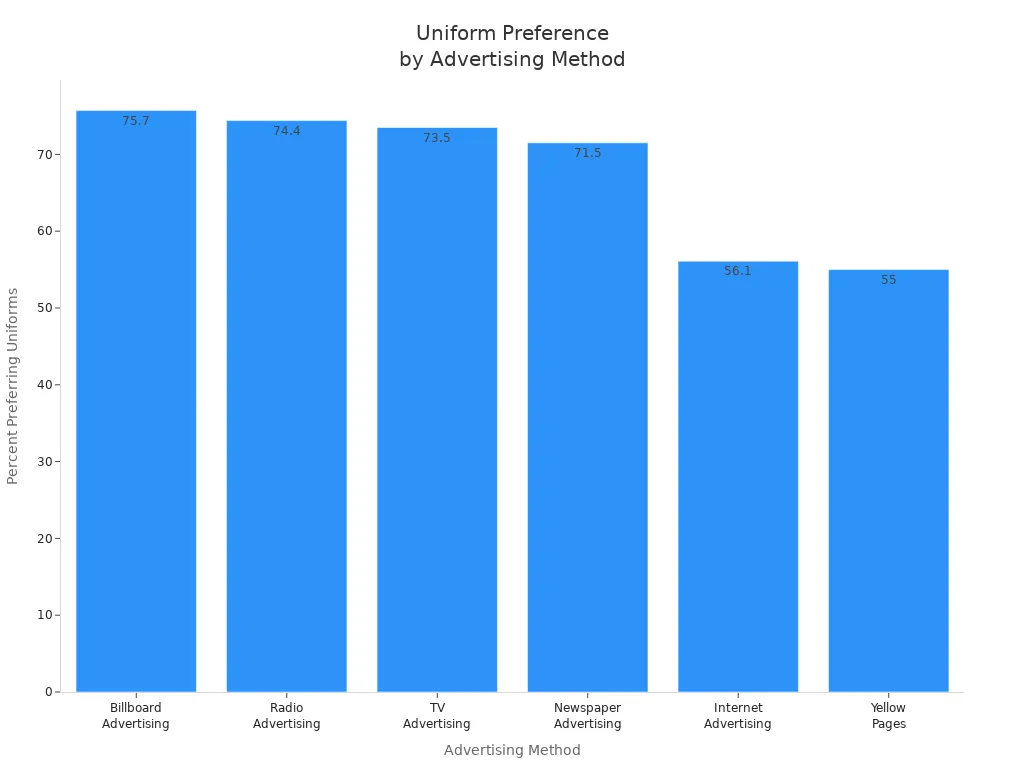
Ordering custom uniforms for your business starts with a simple process that brings many advantages. Custom apparel not only boosts team spirit and builds a sense of cohesion, but also strengthens your brand image. Studies show that uniforms outperform other advertising methods, including billboards and television, in preference among businesses.
Uniforms and more can help your team feel united, motivated, and proud to represent your company. Follow these steps for an easy experience.
Key Takeaways
Assess your business’s unique needs before ordering uniforms. This ensures you choose the right styles and materials for your team.
Consider staff roles when selecting uniforms. Different jobs may require specific features like comfort, safety, and durability.
Estimate the right quantity of uniforms to avoid shortages or excess. Use sizing tools to guide your order and order extras for new hires.
Incorporate your brand’s logo and colors into uniforms. This strengthens your brand identity and fosters professionalism.
Choose styles and materials that fit your industry. Ensure uniforms are comfortable and practical for daily tasks.
Research and compare suppliers carefully. Look for quality, customization options, and customer support to find the best fit for your needs.
Review and approve digital proofs before production. This step helps ensure your uniforms meet your expectations and brand standards.
Maintain proper care for uniforms to extend their lifespan. Train employees on care instructions to keep uniforms looking sharp.
Identify Needs
Before you start the ordering process, take time to assess your business’s unique requirements. This step helps you choose the right uniforms and more for your team and ensures a smooth experience from start to finish.
Staff Roles
Think about the different roles within your company. Each position may have specific needs for comfort, safety, and durability. For example:
Uniform quality and durability matter for jobs with heavy wear and tear. High-quality fabrics last longer and save money over time.
Consistent branding across all roles helps your company look unified and professional.
Employee comfort and practicality should guide your choices. Comfortable uniforms boost morale and productivity.
Safety features are important for certain environments. Consider stain resistance or high-visibility materials if needed.
Tip: Ask your team for feedback on what they need in a uniform. This can help you select options that everyone will appreciate.
Quantity
Estimating the right quantity is essential. You want to avoid both shortages and excess inventory. Use data and sizing tools to guide your order. Most businesses find that sizes Large, Medium, and Extra Large make up the majority of their orders.
Size | Average Percentage of Total Order |
|---|---|
Small | 10% |
Medium | 28% |
Large | 32% |
Extra Large | 19% |
XXL | 8% |
3XL | 2% |
4XL | 1% |
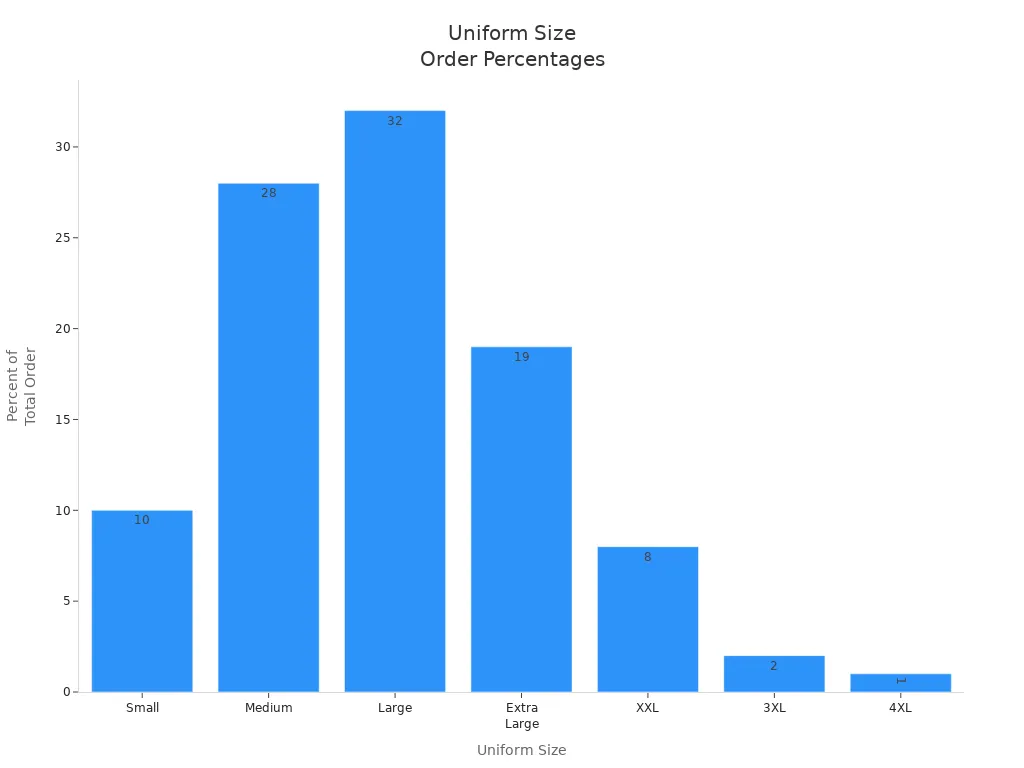
Use a t-shirt size calculator to estimate the right number of each size.
Avoid ordering just one size for everyone. This reduces waste and ensures a better fit for your team.
Remember to order extra uniforms for new hires or replacements.
Branding
Uniforms do more than provide a dress code—they represent your brand. Focus on these elements:
Add your logo and use your brand colors to reinforce your company’s identity.
Choose designs that balance comfort and practicality.
Consider eco-friendly materials. Sustainable choices can improve your brand’s reputation.
Well-designed uniforms foster professionalism and unity. They also boost customer confidence in your business.
Custom uniforms and more can even help remote teams feel connected. Wearing branded apparel during virtual meetings builds a sense of belonging and strengthens your company culture.
Select Styles & Materials
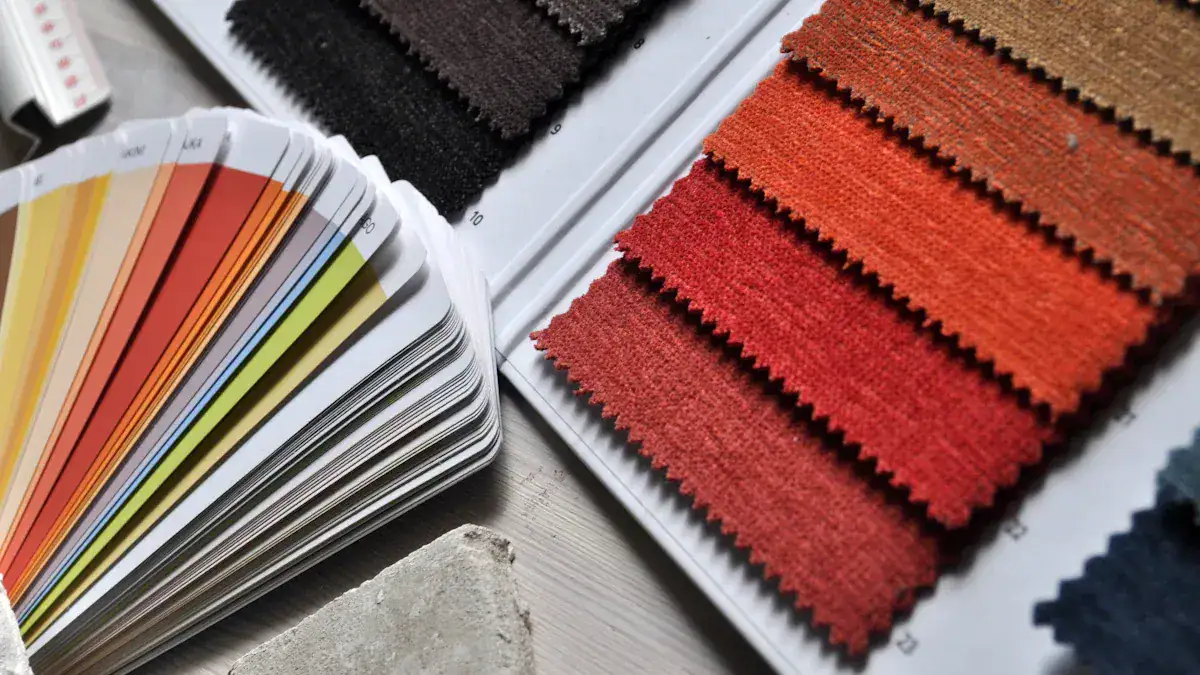
Choosing the right styles and materials for your uniforms and more ensures your team looks professional and feels comfortable throughout the workday. You can tailor your choices to fit your industry, work environment, and brand image.
Styles
Uniform styles vary by industry and job function. Selecting the right pieces helps your staff perform their best and present a unified appearance.
Shirts
Shirts form the foundation of most uniforms. In hospitality, front desk staff often wear formal shirts or blouses, while restaurant teams prefer easy-to-clean options. Healthcare professionals usually wear color-coded tops to distinguish roles. Retail employees benefit from branded polos or button-downs that make them easy to identify.
Pants
Pants should match the demands of the job. Housekeeping and kitchen staff need comfortable, flexible pants that allow movement. Healthcare workers often choose scrub pants for practicality. Retail and hospitality staff may wear tailored slacks for a polished look.
Jackets
Jackets add a layer of professionalism and protection. In hospitality, blazers or suit jackets suit front desk roles. Kitchen and maintenance staff require protective jackets. Retail teams may use branded jackets for outdoor work or cooler environments.
Note: The table below highlights popular uniform styles for different industries.
Industry | Uniform Style Description |
|---|---|
Hospitality | Front desk staff wear formal attire like suits or blazers; housekeeping uniforms prioritize comfort and function; restaurant staff wear stylish, easy-to-clean outfits; kitchen staff need protective gear. |
Healthcare | Color-coded uniforms help identify roles: white for doctors, navy for nurses, green for surgical staff, etc. Fabrics like polyester-cotton blends are preferred for cleanliness. |
Retail | Uniforms enhance customer recognition and represent the brand, often featuring logos and brand colors to boost professionalism. |
Fabrics
The right fabric choice impacts comfort, durability, and appearance. You want materials that stand up to daily wear and keep your team comfortable.
Comfort
Cotton and wool offer high comfort and breathability. These fabrics work well in environments where staff need to move freely or spend long hours on their feet. Spandex blends provide extra stretch, making uniforms more flexible.
Durability
Polyester and nylon deliver high durability. These fabrics resist wear and tear, making them ideal for jobs that involve frequent washing or harsh conditions. Poly/cotton blends combine the best of both worlds, offering comfort and easy care. MIMIX™ workwear uses flex panels to improve mobility and withstand tough tasks.
Durability | Comfort | Additional Features | |
|---|---|---|---|
65/35 Poly/Cotton | High | High | Versatile, easy-care, cost-effective |
Polyester | High | Moderate | Good for moisture-wicking and heavy use |
Nylon | High | Moderate | Resistant to wear and tear, suitable for harsh conditions |
Cotton | Moderate | High | Breathable, good for comfort and insulation |
Wool | Moderate | High | Insulating, breathable, good for colder environments |
Spandex Blends | Moderate | High | Offers elasticity for ease of movement |
MIMIX™ Workwear | High | High | Engineered for mobility with built-in flex panels |
Colors & Customization
Customizing your uniforms helps reinforce your brand and create a professional look.
Logo Placement
Most businesses place their logo on the left chest for maximum visibility and credibility. The right chest works well for dual branding or personalization. Sleeve logos offer a subtle touch, especially on polos and jackets.
Description | |
|---|---|
Left Chest | Commonly used for professional credibility, accommodates logos 3-4 inches wide, works on various garment types. |
Right Chest | Ideal for dual branding or personalization, mirrors left chest placement, also accommodates logos 3-4 inches wide. |
Sleeve | Typically for smaller logos (1-2 inches wide), offers subtle branding, works well on polos and jackets. |
Embroidery
Embroidery gives uniforms a polished, long-lasting finish. This method works best for logos and names, especially on shirts, jackets, and hats. Embroidered details resist fading and add a touch of quality.
Printing
Printing offers flexibility for colorful designs and large graphics. You can use screen printing or digital printing for t-shirts, polos, and jackets. Printed logos and graphics help your team stand out and make your brand memorable.
Tip: Choose colors that match your brand and stand out in your work environment. Consistent colors and logo placement help customers recognize your team instantly.
Uniforms and More: Supplier Selection
Choosing the right supplier for uniforms and more can make a big difference in your business’s image and daily operations. You want a partner who understands your needs, offers reliable service, and delivers quality products. This section will guide you through the process of researching vendors, comparing services, and evaluating reviews and samples.
Research Vendors
Start by exploring reputable online platforms that specialize in uniforms and more. Well-known suppliers include Carhartt, CustomInk, Red Kap, UniFirst, Lands’ End, 4imprint, Cargo Crew, Printful, Printify, and Underground Shirts. Each platform brings unique strengths to the table. For example, Carhartt is known for rugged workwear, while CustomInk and Printful excel in custom printing and embroidery.
When you research vendors, look for these key features:
Wide selection of styles and materials
Customization options such as embroidery, screen printing, and logo placement
Bulk ordering capabilities and discounts for large orders
Sample availability so you can check quality before committing
Online design tools for easy personalization
Tip: Many suppliers offer live chat or customer support to answer your questions quickly. Use these resources to clarify details about uniforms and more before making a decision.
Compare Services
Not all suppliers offer the same services or technology. Some platforms, like SellersCommerce, focus specifically on the uniform industry and provide tools for bulk ordering and product personalization. Others, such as Shopify or Adobe Commerce, support custom uniform sales but may require additional apps or customization.
Here’s a comparison of features you might find across different platforms:
Feature/ Capability | Carhartt / Red Kap / UniFirst | CustomInk / Printful / Printify | Lands’ End / 4imprint / Cargo Crew | SellersCommerce | Shopify | Adobe Commerce |
|---|---|---|---|---|---|---|
Industry Focus | Workwear/Uniforms | Custom Apparel | Corporate/Promotional Apparel | Uniforms | D2C | B2B/D2C |
Customization (Logos, Embroidery) | Yes | Yes | Yes | Yes | Limited | Advanced |
Bulk Ordering Tools | Yes | Yes | Yes | Moderate | Apps | Customizable |
Sample Availability | Yes | Yes | Yes | Yes | Varies | Varies |
Turnaround Time | Fast | Moderate | Moderate | Fast | Varies | Varies |
Customer Support | Strong | Strong | Strong | Good | Varies | Varies |
When you compare services, focus on what matters most to your business. If you need fast turnaround, prioritize suppliers with in-house production. If you want advanced customization, look for platforms with robust design tools.
Reviews & Samples
Before you finalize your choice, check customer reviews and request samples. Reviews reveal how suppliers handle orders, respond to issues, and support customers. Look for feedback on quality, delivery speed, and customer service.
Requesting samples lets you evaluate fabric quality, stitching, and decoration methods. You can see how your logo looks on different materials and test comfort and durability.
Use this table to help you evaluate potential suppliers:
Criteria | Description |
|---|---|
Quality and Material | Choose suppliers that use high-quality, durable fabrics for uniforms and more. |
Decoration Capability | Make sure the supplier can handle your logo and branding needs with embroidery or printing. |
Turnaround Time | Select a supplier with reliable delivery that matches your schedule. |
Cost-Effectiveness | Balance your budget with quality; ask about bulk discounts and package deals. |
Customer Service and Support | Look for responsive support and positive reviews from other businesses. |
Sustainability Practices | Consider suppliers with eco-friendly materials and ethical sourcing. |
Note: Reliable suppliers often provide digital proofs and samples before you place a full order. This step helps you avoid surprises and ensures your uniforms and more meet your expectations.
By following these steps, you can confidently select a supplier who delivers quality, value, and service. The right partner will help your team look professional and feel comfortable every day.
Place Order
Once you have chosen your supplier, you can move forward with placing your order. This stage involves requesting a quote, submitting your design details, and confirming sizing and quantity. Many suppliers offer live help and online design tools to make this process smooth and efficient.
Get Quote
To receive an accurate quote for your uniforms and more, you need to provide clear and complete information. Suppliers usually require specific details to calculate costs and timelines. Follow these steps to request a quote:
Prepare a detailed tech pack. Include sketches, material choices, color specifications, and the quantity you need.
Contact your shortlisted suppliers. Send them your tech pack and ask about their minimum order quantity (MOQ).
Follow up to confirm they received your request. Ask for a full quotation that covers all your requirements.
Review and compare the quotes you receive. Look at pricing, materials, and the completeness of each offer.
Tip: Suppliers often need to know the quantity, design specifications (such as logos and colors), and your contact information. Providing this upfront helps avoid delays.
Design Details
Accurate design submission ensures your uniforms look exactly as you expect. Suppliers rely on your input to customize each piece. Use these best practices to communicate your design:
Description | |
|---|---|
Gather Design Elements | Include team logos, color schemes, fonts, and style preferences in your initial submission. |
Submit High-Resolution Files | Use vector files for logos and graphics to ensure clarity at any size. |
Use Pantone Codes | Specify Pantone codes for colors to achieve precise color matching. |
Review Digital Mockups | Check mockups for color accuracy, logo placement, and proportions before production. |
Provide Specific Feedback | Give clear instructions for any revisions to avoid miscommunication. |
Ensure Final Approval | Carefully review all details and give written sign-off before production begins. |
Many suppliers offer online design tools. These platforms let you upload logos, choose colors, and preview your design in real time. Some also provide live chat or customer support to answer questions as you finalize your order.
Note: Always review digital proofs before giving final approval. This step helps you catch errors and ensures your uniforms match your vision.
Sizing & Quantity
Getting the right sizes and quantities reduces waste and keeps your team comfortable. Modern suppliers use tools that make this process easy for you and your employees. Here are some features to look for:
Feature | Benefit |
|---|---|
Employees can place orders with minimal guidance. | |
Customization Options | Personalize uniforms while keeping your brand consistent. |
Accurate Sizing Tools | Help employees choose the right fit, reducing returns and exchanges. |
Automated Approvals | Orders get reviewed according to company policies before processing. |
Multiple Payment Options | Simplify purchasing for your business. |
Analytics & Reporting | Track ordering trends to manage inventory and budget more effectively. |
Ask your supplier if they offer digital sizing charts or calculators. These tools help your team select the correct size, which minimizes returns and ensures everyone receives a comfortable fit. Double-check your final order for accuracy before confirming.
Tip: Order a few extra uniforms in common sizes. This prepares you for new hires or unexpected needs.
Placing your order for uniforms and more becomes straightforward when you follow these steps. Clear communication and careful review at each stage help you avoid mistakes and ensure your team looks professional from day one.
Approve Proofs
Reviewing and approving digital proofs is a crucial step in the custom uniform ordering process. This stage ensures your uniforms match your brand standards and meet your expectations before production begins. You play an active role in checking every detail, from logo placement to color accuracy.
Digital Proofs
Suppliers send digital proofs to show you exactly how your uniforms will look. These proofs display your logo, colors, and design elements on the chosen garments. You should follow a clear process to review and approve these digital samples:
Collaborate with your approved vendor to create the initial shirt art, making sure it follows your brand guidelines.
Receive digital proofs from the supplier. Review them for correct logo usage and overall design.
If your business has a brand marketing team, send the proofs to them for compliance checks.
Once you receive compliance approval, instruct your vendor to move forward.
Some suppliers submit the final art for an additional brand review before printing.
Request a pre-production sample if possible. This allows you to check quality before the full order is produced.
Tip: Always compare the digital proof to your original design files. Look for any differences in color, size, or placement.
Adjustments
You may notice small issues or want to tweak the design after seeing the digital proof. Most suppliers make it easy for you to request changes. You can contact project specialists by phone, email, or live chat. Suppliers often send design proofs by email, and you may also see notifications in your account dashboard.
Reach out to your supplier’s support team for quick adjustments.
Use the contact method that works best for you, such as phone or live chat.
Provide clear feedback about what you want to change, like logo size or color.
Review the updated proof to confirm the changes meet your needs.
Note: Fast and clear communication helps reduce delays and ensures your uniforms look exactly right.
Final Approval
Once you are satisfied with the digital proof, you move to the final approval stage. This step confirms that every detail matches your expectations and that your team is ready for production.
Hold a design consultation with your supplier to discuss any last questions.
Review the final digital mockup and share it with your team for feedback.
Check for quality and accuracy, including logo placement and color matching.
Approve the proof in writing, confirming you are happy with the design.
Your supplier will then begin full production of your uniforms.
Make sure you receive detailed mockups or even a physical sample for verification.
Confirm that all elements, from sizing to branding, are correct.
Keep records of your approval for future reference.
✅ Careful proof approval helps you avoid costly mistakes and ensures your uniforms and more reflect your brand perfectly.
Delivery & Aftercare
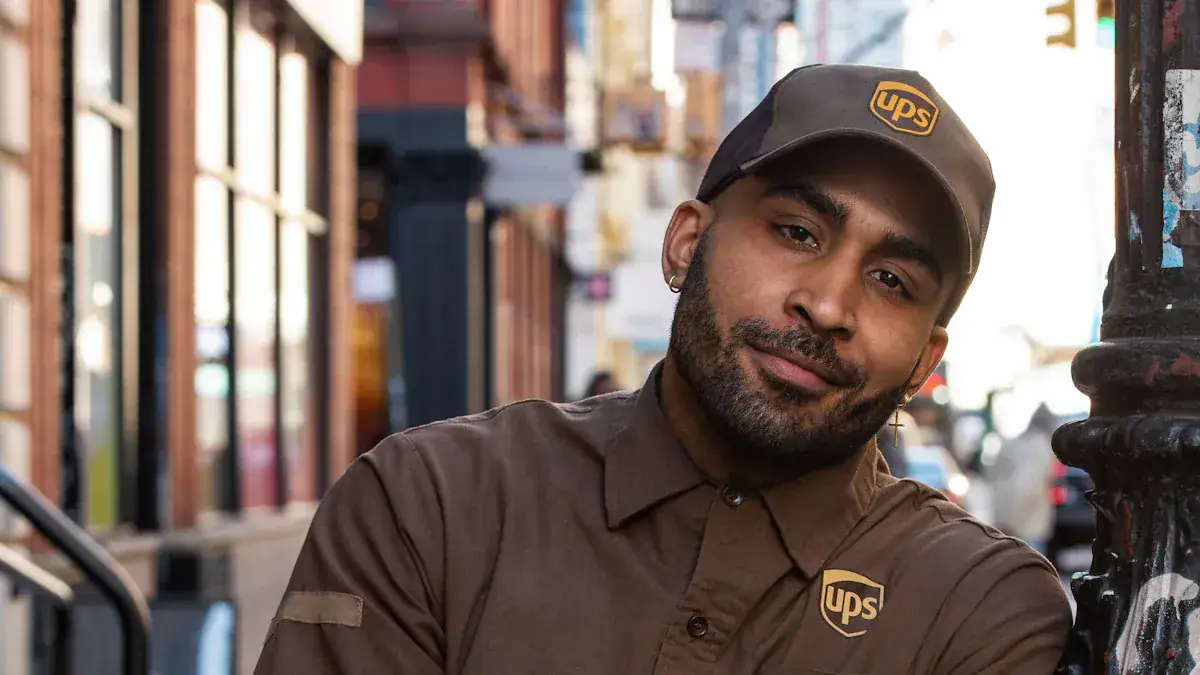
Track Shipment
After you approve your uniform order, tracking the shipment becomes your next priority. Most suppliers provide tracking numbers and estimated delivery dates. You should monitor your shipment status online or through email notifications. This helps you plan for distribution and address any delays quickly.
Standard production and shipping times for custom uniforms usually range from 3 to 4 weeks after order approval and payment.
Rush orders are available for an extra fee and can ship within 2 to 3 weeks.
Orders with neon colors or during peak season (January 15th to April 1st) may take up to 7 weeks.
Supplier | Standard Shipping Time | Rush Shipping Time | Additional Notes |
|---|---|---|---|
Wooter | N/A | Larger orders may take longer. | |
Team Triton | 3–4 weeks | 2–3 weeks | Rush fee applies. |
Vrobi Sports | 3–4 weeks | N/A | Neon colors: 5–7 weeks; peak season may extend. |
Tip: Always check your supplier’s estimated delivery window and communicate with your team about expected arrival dates.
Inspect Arrival
When your uniforms arrive, you need to inspect them carefully to ensure quality and accuracy. Start by verifying that the items match your original order. Log the delivery and cross-check all paperwork, including the purchase order, packing list, and any compliance certificates, against the physical goods.
Confirm that all design elements, such as logos and colors, are correct.
Check that the sizes match what you ordered.
Examine packaging for proper sealing, labeling, and barcodes.
Address any issues with the supplier immediately.
Note: Testing fabric quality, both on-site and in a qualified lab, helps you maintain high standards for your team’s appearance and comfort.
Care Instructions
Proper care extends the life of your uniforms and keeps your team looking sharp. You should understand the fabric composition of each uniform to avoid common maintenance mistakes. Train employees to inspect uniforms for loose threads, stains, or damage at the start and end of each shift.
Rotate uniforms so each team member has multiple sets. This reduces wear and tear.
Remove stains promptly to prevent permanent damage.
Wash uniforms only when visibly soiled. Over-washing can shorten garment life.
Store uniforms in a dry, ventilated area, preferably on hangers.
Maintaining uniforms preserves logo integrity, keeps colors vibrant, and improves hygiene. This approach saves money over time and ensures your team always looks professional.
Reorder
Uniform needs change as your business grows. New hires join your team. Employees may need replacements due to wear or changes in size. You want a simple way to reorder uniforms and keep your team looking sharp. A streamlined reorder process saves you time and helps you avoid shortages.
You can use several strategies to make reordering uniforms easy and efficient. Many businesses now use digital tools to manage uniform inventory and place orders. These tools help you track what you have, see what you need, and order with just a few clicks.
Here are some of the most effective strategies for streamlining your reorder process:
Strategy | Benefits |
|---|---|
Online Storefront | Reduces administrative burden, allows real-time uniform availability, and improves organization. |
Prevents stock shortages and over-ordering by providing automatic alerts for replenishment. | |
Centralized Ordering System | Ensures brand consistency and simplifies the ordering process for employees. |
You can set up an online storefront for your business uniforms. This platform lets you and your team order approved items directly. You avoid paperwork and reduce mistakes. Real-time inventory tracking gives you instant updates on stock levels. You receive alerts when supplies run low, so you never run out of essential items.
A centralized ordering system keeps your branding consistent. Employees can only select approved styles and colors. This system also makes it easy to track spending and manage budgets.
Tip: Many suppliers offer cloud-based ordering systems. These platforms let you access your uniform catalog from any device. You can reorder uniforms for new staff or replacements without delay.
You can also benefit from these features:
Cloud-based ordering systems
Integration with HR software
Mobile access for on-the-go management
Real-time inventory tracking
Automated alerts for restocks or replacements
When you use these tools, you simplify the entire process. You save time, reduce errors, and keep your team looking professional. You also make it easier to plan for seasonal changes or company growth.
Keep records of all your orders. This practice helps you forecast future needs and spot trends. You can see which sizes and styles are most popular. You can also identify when you need to increase your order for busy periods.
If you work with a supplier that offers program management, take advantage of their support. Many suppliers will help you set up reorder reminders or automatic shipments. This service ensures you always have the uniforms you need, when you need them.
Staying organized with your reorder process means your team never misses a beat. You maintain a polished, unified look and keep your business running smoothly.
Uniforms and More Options
Communicate Clearly
Clear communication with your supplier helps you avoid mistakes and keeps your uniform program running smoothly. You should set clear expectations from the start. Outline your product specifications, quality standards, and delivery timelines. This ensures everyone understands your needs. Use technology to your advantage. Modern tools like 3D garment prototypes and product lifecycle management (PLM) systems help you visualize designs and reduce misunderstandings. Open communication builds trust and leads to better results. Regular feedback and transparency create strong, long-term relationships with your supplier.
Set clear expectations for products and timelines.
Use technology such as 3D prototypes and PLM tools.
Maintain open communication and provide regular feedback.
Tip: Many leading suppliers offer multilingual support, which helps eliminate language barriers and improves satisfaction for diverse teams.
Plan Ahead
Planning ahead prevents delays and ensures your team receives uniforms and more on time. You should place orders well in advance, especially before busy seasons. Most experts recommend ordering at least 6–8 weeks before you need your uniforms. This allows time for design revisions, production, and shipping. Seasonal factors can affect delivery, so check your supplier’s calendar for peak periods. For example, factory closures during holidays may cause delays if you order late in the year.
Sport | Best Time to Order |
|---|---|
Baseball & Softball | November – January |
Football | April – June |
Basketball | August – October |
Soccer (Spring) | December – January |
Soccer (Fall) | May – June |
Volleyball | May – July |
Cross Country (Fall) | May – July |
Track (Spring) | December – January |
Note: Placing orders by early December helps you avoid delays from factory closures, especially during Chinese New Year.
Keep Records
Good record-keeping helps you manage orders, track spending, and resolve issues quickly. You should keep detailed logs of all communications with your supplier, including emails, phone calls, and meetings. Record financial transactions such as purchase orders, invoices, and payments. Use standardized templates to keep your records organized. Automate data entry when possible to reduce errors. Regular audits help you maintain accuracy and compliance.
Practice | Description |
|---|---|
Maintain Detailed Logs | Track all communications with vendors, noting dates, times, and key points. |
Record Financial Transactions | Systematically log all purchase orders, invoices, and payments. |
Use Standardized Templates | Structure records consistently for easy reference. |
Automate Data Entry | Use software tools to reduce manual errors. |
Conduct Audits | Review and update records regularly to ensure accuracy. |
Many suppliers now offer program management features such as inventory management, reporting tools, and approval workflows. These tools help you streamline your uniform program and make better decisions.
By following these tips, you can create a smooth, efficient process for managing your uniforms and more. Leveraging supplier support and program management features will help your business stay organized and ready for growth.
You can simplify ordering custom uniforms by following three key steps:
Prepare your team with training on the ordering system.
Launch the program and let employees place orders.
Complete the process with ongoing support from your provider.
A proactive approach to updating uniform policies shows your commitment to professionalism. Well-designed uniforms boost brand recognition and create a positive atmosphere for customers. Reach out to suppliers and start building a unified, professional team today.
FAQ
How do you choose the right uniform size for your team?
You can use digital sizing charts or request samples from your supplier. Ask your team to try on samples or measure themselves. This helps you avoid returns and ensures a comfortable fit for everyone.
What is the typical turnaround time for custom uniforms?
Most suppliers deliver custom uniforms within 3 to 4 weeks after you approve the design. Rush options are available for an extra fee. Always confirm the timeline with your supplier before placing your order.
Can you reorder uniforms easily if your team grows?
Yes! Many suppliers offer online portals or cloud-based systems for quick reorders. You can track inventory, set alerts, and order new uniforms for new hires or replacements with just a few clicks.
What is the best way to care for your uniforms?
Follow the care instructions provided by your supplier. Wash uniforms only when needed, remove stains quickly, and store them in a dry place. Proper care keeps uniforms looking sharp and extends their lifespan.
How do you add your company logo to uniforms?
You can choose embroidery or printing for your logo. Most suppliers let you upload your logo file and select placement during the order process. Review digital proofs to ensure accuracy before production.
Are there eco-friendly uniform options available?
Many suppliers now offer uniforms made from recycled or sustainable materials. Ask your supplier about eco-friendly fabrics and production methods. Choosing green options can improve your company’s reputation.
What should you do if your uniforms arrive with errors?
Inspect your order as soon as it arrives. If you find mistakes, contact your supplier right away. Provide photos and details. Most suppliers will fix errors or replace faulty items quickly.
Can you customize uniforms for different staff roles?
Absolutely! You can select different styles, colors, or features for each role. Suppliers often help you create a uniform program that fits your team’s needs while keeping your brand consistent.