

How to Pick the Perfect Hiking Jacket for Any Weather
Table of Contents
Display
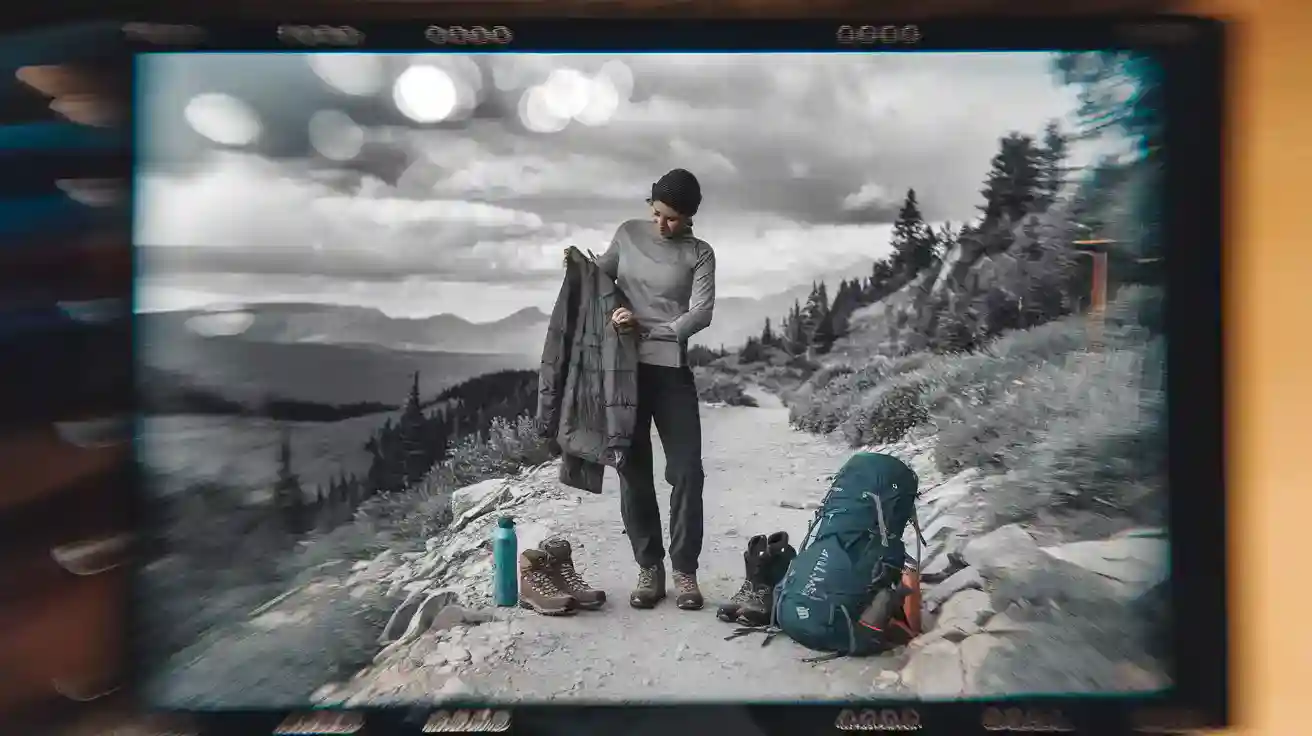
Choosing the right hiking jacket means you match waterproofing, breathability, insulation, and fit to your personal needs and the weather you expect. Comfort and weather protection matter most when you spend hours on the trail. Studies show that having the right hiking apparel, especially a waterproof hiking jacket, boosts your safety and comfort if the weather turns. Think about the factors to consider—your destination, climate, and activity level. The right jacket can turn a tough hike into a great adventure.
Key Takeaways
Choose a hiking jacket that matches the weather, activity, and destination for the best comfort and protection.
Look for waterproof jackets with high ratings, sealed seams, and adjustable features to stay dry in rain and wind.
Pick breathable jackets with ventilation like pit zips to avoid feeling sweaty and clammy on the trail.
Use the three-layer system: base layer for sweat, mid layer for warmth, and outer shell for weather protection.
Try jackets on with your layers to ensure a good fit that allows free movement and keeps out cold air.
Consider jacket types: rain jackets for wet weather, insulated jackets for cold, softshells for flexibility, and hardshells for extreme conditions.
Don’t skip key features like adjustable hoods, cuffs, and secure pockets; they add comfort and convenience.
Choose lightweight, packable jackets if you want to carry less weight and be ready for sudden weather changes.
Why a Hiking Jacket Matters
Comfort and Safety
When you head out for a hike, comfort and safety should always come first. A good hiking jacket does more than just keep you warm. It shields you from cold winds and sudden weather changes. Jackets with windblock technology help your body hold onto heat, so you stay comfortable even when the wind picks up. You can move freely because many jackets use ergonomic designs with articulated sleeves and gusseted underarms. This means you won’t feel restricted as you climb, stretch, or scramble over rocks.
Tip: Look for jackets with adjustable hoods and cuffs. These features help you seal out rain and wind, keeping you dry and cozy.
Proper layering is also key. You can wear your jacket over base and mid layers, which lets you adapt to changing temperatures. Breathable fabrics like polyester or nylon help manage sweat, so you don’t get too hot or cold. Some jackets even offer sun protection, which helps prevent sunburn on long, exposed trails. When you choose the right hiking jacket, you lower your risk of hypothermia, sunburn, and blisters.
Weather Protection
Weather can change fast in the mountains or on forest trails. That’s why you need a jacket that stands up to rain, wind, and cold. Many hiking jackets use waterproof fabrics like GORE-TEX and have fully sealed seams. These features keep water out, so you stay dry during sudden downpours. Durable water-repellent coatings (DWR) add another layer of defense, helping water bead up and roll off the surface.
Waterproof ratings between 10,000–30,000 mm block heavy rain.
Windproof membranes stop up to 95% of wind, keeping you warm.
Breathability features, like pit zips, let sweat escape so you don’t get clammy inside your jacket.
Some jackets use 3-layer construction for maximum protection, while lighter jackets balance weight and weather resistance. No matter what, a quality hiking jacket helps you handle whatever the sky throws your way.
Trail Experience
A great hiking jacket can turn a tough day on the trail into an enjoyable adventure. You’ll notice the difference right away. The right fit lets you move easily and helps your body regulate heat. Features like storm flaps, ventilation zips, and well-placed pockets make your hike smoother and more convenient. You can stash snacks, maps, or your phone where you need them.
Different jacket types—like hardshells, softshells, and lightweight shells—give you options for every kind of weather. Layering your jacket with other clothing means you can adjust as the temperature or your activity level changes. This flexibility keeps you comfortable from start to finish.
Jackets protect you from rain, wind, and cold.
Good fit and breathability prevent overheating and moisture buildup.
Smart features add convenience and make your hike more enjoyable.
When you pick the right hiking jacket, you set yourself up for a safer, more comfortable, and more memorable hiking experience.
Types of Hiking Jackets
Rain Jackets
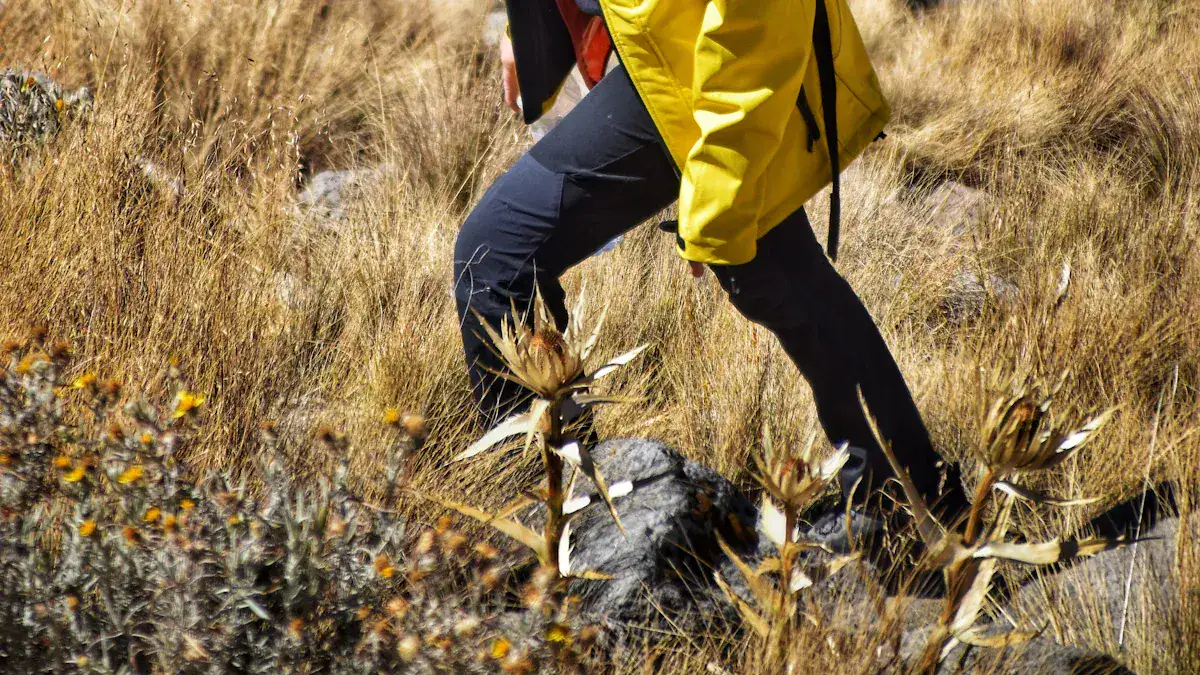
When you hit the trail and see clouds rolling in, you want a jacket that keeps you dry without making you sweat. That’s where packable rain jackets shine. These jackets are lightweight, easy to stuff into your backpack, and ready to pull out when the rain starts. Most packable rain jackets use waterproof materials like Gore-Tex or similar fabrics. They block rain and wind, but they also let your body breathe. You’ll find that breathable rain jackets help you stay comfortable, even when you’re working hard on steep climbs.
Key features to look for include taped seams, adjustable hoods, and pit zips for ventilation. These details keep water out and let heat escape. Many hikers love packable rain jackets because you can layer them over anything, from a T-shirt to a fleece. They don’t have insulation, so you can use them in warm or cold weather by adjusting your layers underneath. If you hike in places with unpredictable weather, breathable rain jackets are a must-have. You’ll appreciate how easy they are to carry and how quickly you can put them on when the sky opens up.
Tip: Always check that your rain jacket fits over your other layers. A good fit means better protection and comfort.
Insulated Jackets
When the temperature drops, you need more than just a shell. Insulated jackets keep you warm by trapping heat close to your body. You’ll find two main types: down and synthetic. Down insulated jackets feel light and pack down small, making them great for cold, dry days. Synthetic insulated jackets work better if you expect rain or snow because they keep you warm even when wet.
You can use insulated jackets as a middle layer under a hardshell or as your outer layer on dry, chilly days. Many hikers choose packable rain jackets to go over their insulated layer for full protection. Some insulated jackets come with hoods, which add extra warmth. Others have features like thumbholes or longer sleeves to keep the cold out. If you want a jacket that works for both hiking and hanging out at camp, insulated jackets are a smart pick.
Synthetic insulation stays warm when wet and is easy to care for.
Down insulation gives you the best warmth-to-weight ratio but needs to stay dry.
Lightweight insulated jackets like the Patagonia Micropuff or Montbell Thermawrap balance warmth and weight for most hikes.
Most insulated jackets need a waterproof shell, like a hardshell or packable rain jacket, in wet weather.
Softshell Jackets
Softshell jackets are all about comfort and flexibility. You’ll love them if you hike in places with changing weather. These jackets use stretchy, weather-resistant fabrics that block wind and light rain but let your body breathe. Softshells are not fully waterproof, so they aren’t the best for heavy rain, but they shine on cool, breezy days or when you need to move fast.
Here’s a quick comparison to help you see how softshell jackets stack up against hardshell jackets:
Feature | Softshell Jackets | Hardshell Jackets |
|---|---|---|
Material | Stretch fabric, wind and water-resistant | Waterproof, windproof |
Waterproofing | Water-resistant | Fully waterproof |
Breathability | High | Moderate |
Use | Everyday, moderate weather hiking | Extreme weather activities like mountaineering |
Comfort | Stretchy and comfortable | Durable, less stretchy |
Weather Suitability | Unpredictable or moderate | Extreme conditions |
Layering | Middle or outer in mild weather | Outermost in severe weather |
Softshell jackets give you great breathability, so you won’t overheat on tough climbs. They move with your body, making them perfect for scrambling or fast-paced hikes. You can wear them alone in mild weather or layer them under a packable rain jacket if the forecast looks rough. Many hikers keep a softshell handy for those days when you need something more than a T-shirt but less than a full hardshell. If you want a jacket that feels good and adapts to the trail, softshells are a top choice among weather-resistant jackets.
Hardshell Jackets
When you face wild weather on the trail, you want a jacket that stands up to anything. That’s where hardshell jackets come in. These jackets use advanced materials like Gore-Tex Pro, which means you get a tough, waterproof barrier between you and the elements. Most waterproof hardshell jackets have a three-layer design: a strong nylon outer layer, a waterproof membrane in the middle, and a soft lining inside. This combo keeps rain, wind, and snow out, while letting sweat escape so you don’t get clammy.
You’ll notice that waterproof hardshell jackets feel thicker and more protective than rain jackets or softshells. They have taped seams, waterproof zippers, and big hoods that cover your head and helmet. These features make a durable hardshell jacket the best choice for extreme weather, like alpine climbing or backcountry skiing. If you hike in places where storms hit hard, you’ll want the extra coverage and strength.
Here’s a quick look at how hardshell jackets compare to other types:
Feature | Hardshell Jackets | Rain Jackets / Softshells |
|---|---|---|
Fabric Thickness | Thick face fabrics, extra barrier | Thinner fabrics, less durable |
Construction | Mostly 2- or 2.5-layer designs | |
Waterproofing | Highly waterproof (e.g., Gore-Tex Pro) | Waterproof but less robust |
Windproofing | Excellent, thick fabrics and taped seams | Less windproof |
Coverage | Full coverage (hood, collar, hems) | Less coverage |
Breathability | Good, thanks to 3-layer design | Less breathable |
Durability | More durable, resists punctures and abrasion | Less durable |
Insulation | More insulated due to thicker layers | Less insulated, lighter |
Use Case | Severe weather, mountaineering, skiing | Casual use, lighter activities |
If you want a jacket that lasts for years and keeps you dry in the worst storms, waterproof hardshell jackets are your best bet. They work well as waterproof shell jackets over insulated layers, so you can adjust your warmth as needed. Just remember, hardshell jackets can feel a bit stiff and heavier than other options, but the protection is worth it when the weather turns rough.
Hybrid Jackets
Hybrid jackets give you the best of both worlds. These jackets mix the protection of hardshell materials with the comfort and stretch of softshell fabrics. You’ll find waterproof panels on the shoulders and chest, where you need the most defense, and breathable, stretchy fabric under the arms or on the back. This design lets you move easily and stay cool, even when you’re working hard.
Many hikers love hybrid jackets for multi-season use. You can wear them in cool, windy weather or on days when the forecast keeps changing. Hybrid jackets handle light rain and wind well, but they don’t match the full waterproof power of hardshell jackets in heavy storms. If you already own insulated or waterproof hardshell jackets, a hybrid jacket adds even more flexibility to your hiking wardrobe.
Here are some benefits and limitations of hybrid jackets:
Hybrid jackets combine hardshell protection with softshell breathability and freedom of movement.
They work well in variable conditions but aren’t the best for heavy rain.
Some hybrid jackets feel heavier than simple shells, so they may not suit ultralight hikers.
These jackets are versatile and great for cold weather, especially if you already have other jackets for different conditions.
If you want one jacket that adapts to changing weather and activity levels, a hybrid jacket is a smart pick. You get protection, comfort, and the ability to layer with insulated pieces or waterproof hardshell jackets as needed.
Key Hiking Jacket Features
Waterproof Jacket Features
When you shop for a hiking jacket, the first thing you probably check is if it’s a waterproof jacket. Staying dry on the trail can make or break your day. Not all waterproof jackets are created equal, though. You need to look at the waterproof rating, which tells you how much water pressure the fabric can handle before it leaks. The higher the waterproof rating, the better the jacket will perform in heavy rain or wet snow.
Here’s a quick guide to waterproof ratings and what they mean for your outdoor adventures:
Waterproof Rating (mm) | Conditions Covered | Performance Impact and Use Cases |
|---|---|---|
5,000 – 10,000 | Light to moderate rain | Entry-level; good for daily wear and light outdoor activities |
10,000 – 15,000 | Moderate to heavy rain | Mid-level; great for hiking, trail running, cycling |
15,000 – 20,000 | Heavy rain and wet snow | High-level; ideal for hiking, skiing, hunting, long outdoor use |
20,000 – 30,000 | Intense rain, snow, wet conditions | Pro-grade; best for extreme weather, mountaineering, long trips |
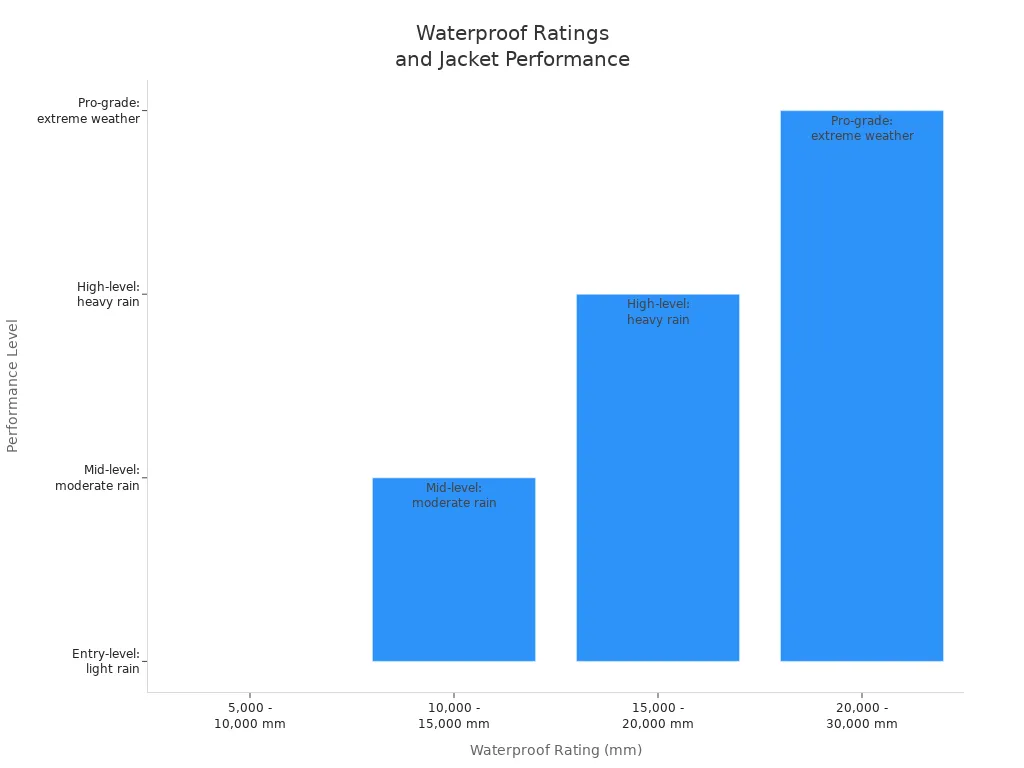
A waterproof jacket with a rating of 20,000mm or higher gives you top-notch waterproof performance, even in the worst storms. You’ll also want to check for features like seam taping or seam welding, which block water from sneaking in through the stitching. Durable Water Repellent (DWR) coatings help water bead up and roll off, so the fabric doesn’t get soaked and heavy. High-quality waterproof fabrics, like Gore-Tex or eVent, combine a tough outer layer with a special membrane that keeps water out but lets sweat escape.
Tip: Always check the hood, cuffs, and zippers. A waterproof jacket with adjustable features keeps water from dripping down your neck or sneaking in at the wrists.
Waterproofing technology has come a long way. Today’s waterproof jackets balance waterproof performance with breathability, so you don’t feel like you’re wearing a plastic bag. If you hike in places with unpredictable weather, a waterproof jacket with a high waterproof rating is your best friend.
Breathability
You don’t want to feel sweaty and clammy inside your jacket, right? That’s where breathability comes in. A breathable hiking jacket lets sweat vapor escape, so you stay dry and comfortable, even when you’re working hard. Breathability is measured by the Moisture Vapor Transmission Rate (MVTR), which tells you how much moisture can pass through the fabric in a day.
Here’s how breathability works and why it matters:
MVTR measures how much sweat vapor escapes through the jacket each day (g/m²/day).
The higher the MVTR, the more breathable the jacket. This keeps you from getting clammy during tough hikes.
Breathability depends on the difference in humidity inside and outside the jacket. If there’s no difference, sweat can’t escape.
For active hikers, breathability is key. It helps manage sweat, so you don’t get chilled or uncomfortable.
The DWR finish on the outer fabric also affects breathability. If the fabric gets soaked, breathability drops fast.
Keep your jacket’s DWR in good shape to make sure your lightweight breathable jackets work as they should.
Most waterproof jackets use a membrane with tiny holes. These holes are small enough to block water but big enough to let vapor out. This balance is what makes waterproof jackets so useful for hiking. You get protection from rain and wind, but you don’t overheat or get soaked from your own sweat.
Note: If your jacket starts to feel less breathable, it might be time to reapply the DWR treatment. This keeps your waterproof jacket working at its best.
Insulation
When you hike in cold weather, insulation becomes just as important as waterproofing. The right insulation keeps you warm without making your jacket bulky or heavy. You’ll find two main types of insulation in hiking jackets: down-mimicking synthetic insulation and active insulation.
Down-mimicking insulation, like PlumaFill or ThermoBall, gives you warmth and compressibility similar to real down. These jackets work better than down when wet, so you don’t have to worry about losing warmth in damp conditions. They’re perfect for backpacking or low-output activities where you want to save weight.
Active insulation, such as Coreloft or PrimaLoft Gold Active, is designed for high-output activities. These jackets breathe better and move with you, but they can be a bit bulkier and heavier.
Synthetic insulation keeps you warm even if it gets wet, which makes it more reliable than down in rainy or snowy weather.
Down-mimicking insulation packs down smaller, but synthetic insulation overall doesn’t compress as much as real down.
Comfort and warmth depend on the weight and construction of the jacket. Down usually gives you more warmth for the weight, but new synthetics are catching up fast.
Many synthetic jackets have a DWR finish, so they repel water and boost your waterproof performance.
If you want a jacket that works for all-day hikes, look for one with the right balance of insulation, waterproofing, and breathability. You’ll stay warm, dry, and comfortable, no matter what the weather throws at you.
Fit and Mobility
You want your hiking jacket to move with you, not against you. Fit and mobility can make or break your comfort on the trail. If your jacket feels too tight or too loose, you’ll notice it right away—especially when you reach, bend, or scramble over rocks. A well-fitting waterproof jacket lets you layer underneath and still move freely.
Here’s a quick look at how different features impact your hiking experience:
Factor | Impact on Hiking Performance and Comfort |
|---|---|
Construction | Advanced seam techniques (lasered, taped, welded) improve mobility, comfort, waterproofing, and durability. |
Mobility | Four-way stretch materials and athletic cuts allow unrestricted natural movement on trails, enhancing performance. |
Adjustability | Multiple adjustment points (torso, hem, wrists, hood) enable a snug fit, accommodate layering, and prevent discomfort. |
Sleeve & Cuffs | Proper sleeve length and cuff fit maintain coverage without restricting movement, important for ventilation and protection. |
Sizing for Layers | Choosing size based on climate and layering needs ensures comfort and mobility when wearing insulating layers underneath. |
When you try on a waterproof jacket, move your arms overhead and swing them side to side. The jacket should not ride up or pinch. Test the sleeve length—your wrists should stay covered, but the sleeves shouldn’t get in the way. Adjustable cuffs help you seal out wind and rain or open up for ventilation. Jackets with articulated sleeves and gusseted underarms give you extra freedom, so you can hike, climb, or use trekking poles without feeling restricted.
Tip: Always try your jacket with the layers you plan to wear underneath. This helps you find the right fit for any weather.
A good fit means you stay comfortable, dry, and protected. You’ll enjoy your hike more when your waterproof jacket moves with you, not against you.
Weight and Packability
Nobody wants to carry extra weight on a long hike. That’s why weight and packability matter so much when you pick a waterproof jacket. Lighter jackets use thinner fabrics and fewer features, making them easier to stuff into your backpack. You’ll find that lightweight breathable jackets are perfect for fast hikes or backpacking trips where every ounce counts.
Packable jackets usually fall into three weight categories:
Lightweight jackets: 4.9 to 15 ounces. These use high-fill-power down or thin synthetic insulation. They compress into tiny stuff sacks or even their own pockets.
Midweight jackets: 1 to 2 pounds. These offer more warmth and features but still pack down small enough for most hikes.
Heavyweight jackets: Over 2 pounds. These focus on warmth and durability, but they don’t pack as small and can feel bulky.
A packable waterproof jacket gives you the best of both worlds. You get solid waterproof performance and a high waterproof rating, but you can still stash it away when the sun comes out. Some jackets include a stuff sack or pocket for easy packing. If you hike in places with unpredictable weather, you’ll love having a jacket that disappears into your bag until you need it.
Note: Always check the weight and packability before you buy. A lighter, more packable jacket means you’ll actually bring it along—and use it when the weather turns.
Durability
You want your waterproof jacket to last through rough trails, heavy rain, and years of adventures. Durability depends on the materials and how the jacket is built. Most durable jackets use tough nylon or polyester face fabrics with a higher denier (thicker threads). Jackets with 80D or more resist scrapes and tears from rocks, branches, or your backpack straps.
Here’s what makes a hiking jacket durable:
Waterproof membranes like ePTFE or PU keep water out and hold up to repeated use.
Three-layer construction bonds the outer fabric, waterproof membrane, and a soft lining. This protects the membrane and boosts comfort.
High stitch density (14-16 stitches per inch) with heavy-duty polyester thread strengthens the seams.
Seam taping or welding blocks water from sneaking in and adds extra toughness.
Thicker fabrics in high-wear areas (shoulders, elbows) help your jacket survive rough terrain.
Some jackets use welded seams instead of sewn ones. Welding reduces bulk and eliminates needle holes, which means fewer weak spots. Sewn seams are strong but need taping for full waterproofing. When you pick a waterproof jacket with these features, you get reliable waterproof performance, a high waterproof rating, and a jacket that stands up to the elements.
Callout: If you hike in rocky or brushy areas, choose a jacket with reinforced panels and a higher denier fabric. This keeps your waterproof jacket in top shape, season after season.
Adjustability
When you’re out on the trail, you want your hiking jacket to work with you, not against you. That’s where adjustability comes in. The best waterproof jacket gives you control over how it fits and feels, no matter what the weather throws at you. Adjustable features help you stay comfortable, dry, and ready for anything.
Let’s break down why adjustability matters so much in a waterproof jacket:
Adjustable Hoods: You never know when the wind will pick up or rain will start pouring. A good waterproof jacket has a hood you can tighten around your head. Some hoods come with visors or moldable brims that keep rain off your face. This means you get better protection from wind and water, and you can still see where you’re going. If you wear a hat or helmet, you can loosen or tighten the hood for a snug fit.
Cuffs with Velcro or Hook-and-Loop Closures: Your wrists are often the first place cold air or rain sneaks in. Adjustable cuffs let you seal out the elements. You can tighten them to keep warmth in or loosen them for extra airflow. This feature is especially helpful when you wear gloves or need to check your watch.
Drawcord Hems: The bottom of your waterproof jacket can let in drafts if it’s too loose. Many jackets have drawcords or elastic hems. You can cinch the hem to keep cold air and rain from blowing up inside your jacket. This also helps your jacket stay in place when you’re wearing a backpack or moving fast.
Ventilation Control: Adjustable features don’t just keep water out—they help you manage heat and sweat. You can open cuffs or loosen the hem for more airflow when you start to warm up. Some waterproof jackets even have pit zips or side vents for extra ventilation.
Layering Compatibility: Weather changes fast, and you might need to add or remove layers. Adjustable features make it easy to fit your waterproof jacket over a thick fleece or slim down for a lighter base layer. You get a custom fit every time.
Tip: Always test the adjustability of your waterproof jacket before you hit the trail. Try tightening the hood, cuffs, and hem to see how well they seal out wind and rain. Make sure you can adjust everything easily, even with gloves on.
Here’s a quick look at how these features boost your comfort and protection:
Adjustable hoods fit securely and keep rain off your face.
Velcro cuffs seal out cold air and moisture, keeping your wrists warm.
Drawcord hems prevent drafts and help your waterproof jacket stay put.
Moldable brims on hoods improve rain protection and visibility.
All these features work together to give you better control over your comfort, no matter the weather.
A waterproof jacket with great adjustability lets you adapt to changing conditions. You stay dry when it pours, warm when the wind blows, and cool when you start to sweat. You’ll notice the difference on every hike. When you can fine-tune your waterproof jacket, you get more out of every adventure.
Hiking Clothing Layering
Layering Basics
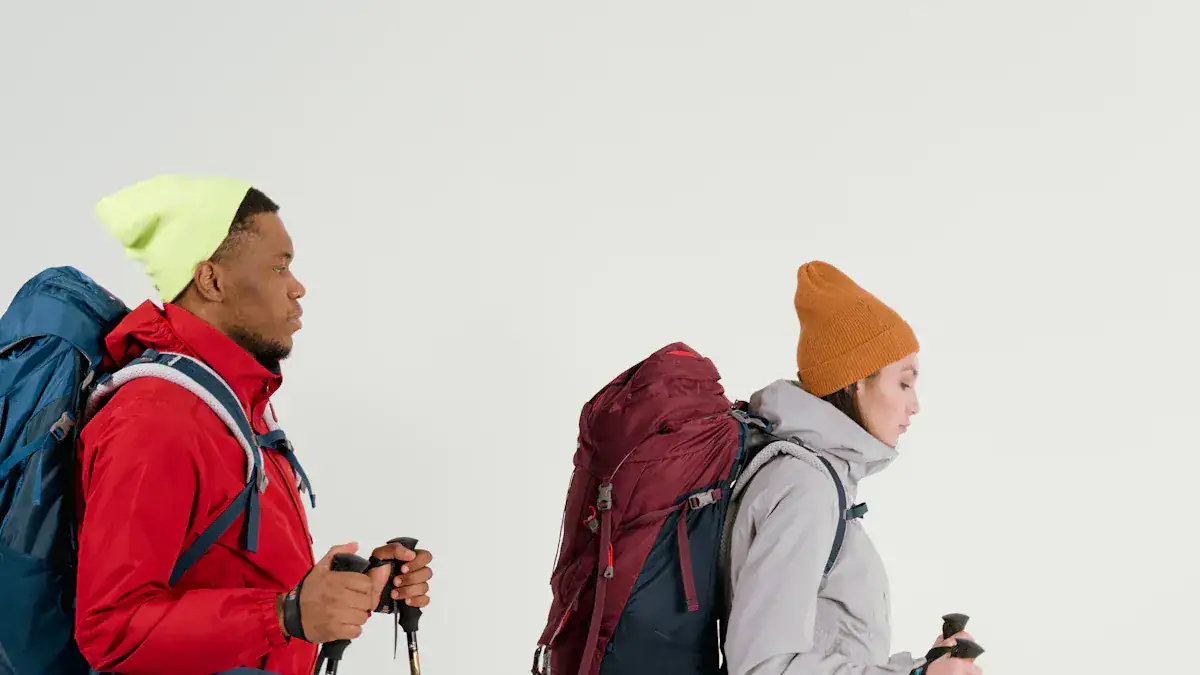
When you think about what to wear hiking, the answer always starts with layering. Layering means wearing several pieces of hiking clothing, each with a special job. You start with a base layer. This sits right against your skin and pulls sweat away, keeping you dry. Merino wool or synthetic fabrics work best for this layer. Next comes the mid layer. This one traps heat and keeps you warm. Fleece, wool, or down are great choices here. On top, you add the outer shell. This layer blocks wind, rain, and snow. It should be waterproof and breathable, so you stay protected but don’t overheat.
The beauty of layering is that you can add or remove pieces as the weather changes. You stay comfortable, dry, and ready for anything the trail throws at you. If you want to master hiking clothing, start by learning how each layer works together.
Three-Layer System
The three-layer system is the gold standard for what to wear hiking. Each layer has a clear purpose:
Base Layer: Wicks sweat away from your skin. This keeps you dry and helps control your body temperature.
Mid Layer: Traps warm air close to your body. This layer keeps you warm but still lets moisture escape.
Outer Shell: Shields you from wind, rain, and snow. It also lets sweat vapor out, so you don’t get clammy.
This system lets you adjust your hiking clothing as you move or as the weather shifts. If you start to sweat, you can take off your mid layer. If the wind picks up, you throw on your shell. You always have control over your comfort.
Tip: Always choose layers that fit well together. Your outer shell should be roomy enough to fit over your other layers without feeling tight.
Adjusting Layers
Weather can change fast when you’re out hiking. Knowing how to adjust your layers is key. Start your hike with just your base layer if it’s warm. As you climb higher or if the wind picks up, add your mid layer. If rain starts, pull on your outer shell. In winter, you might need a thicker mid layer or even two. In summer, a light base and a thin shell might be all you need.
Here are some quick tips for adjusting your hiking clothing:
Watch for signs you’re getting too hot or cold. Add or remove layers before you start sweating or shivering.
Keep your base layer on all day. It manages sweat and keeps you dry.
Use your mid layer for warmth. Take it off during tough climbs to avoid overheating.
Always carry a packable shell. Even if the sky looks clear, weather can change in minutes.
When you stop for a break, put on an extra layer right away. This keeps you from cooling down too fast.
Don’t forget hats, gloves, or gaiters. These small pieces of hiking clothing make a big difference in comfort.
If you test your layering system before your hike, you’ll know exactly what to wear hiking in any season. You’ll stay dry, warm, and ready for every adventure.
Hiking Jacket Suggestions
Choosing for Weather
Weather changes fast when you’re out hiking. You want to pick a hiking jacket that matches the climate you expect. If you hike in rainy places, look for a waterproof jacket with taped seams and a hood. For cold weather, choose a jacket with insulation, like down or synthetic fill. In hot or humid conditions, breathability matters most. Lightweight, breathable jackets help you stay cool and dry. Always check the forecast before you go. If you expect mixed weather, layer up. Bring a packable rain jacket for sudden showers and a warm layer for chilly mornings or evenings.
Tip: Always size your jacket to fit over other layers. This gives you more options as the weather shifts.
Choosing for Activity
Your activity level changes what you need from a hiking jacket. If you move fast or climb steep trails, you’ll sweat more. Breathable jackets with vents or pit zips help you stay comfortable. For slow hikes or lots of stops, focus on warmth and wind protection. High-performance models often combine breathability with weather resistance, so you don’t have to choose between staying dry and staying cool. If you carry a heavy pack, look for jackets with reinforced shoulders and durable fabrics. These last longer and protect you from wear and tear.
Here’s a quick list to help you match your jacket to your activity:
Fast hiking or trail running: Lightweight, breathable, minimal features.
Backpacking: Durable, reinforced, good ventilation.
Winter hiking: Insulated, windproof, roomy for layers.
Casual walks: Simple, comfortable, easy to pack.
Choosing for Destination
Where you hike changes what you need. Different environments call for different jacket features. Check out this table for quick hiking jacket suggestions:
Hiking Destination | Jacket Characteristics | Extra Features |
|---|---|---|
Mountains | Layered system: moisture-wicking base, insulating fleece, windproof and waterproof shell | Gloves, beanie, stretch pants |
Forests | Lightweight, breathable, insect-repellent, long sleeves | Brimmed hat, waterproof boots |
Deserts | Light-colored, UV-protective, breathable, quick-drying | Wide-brim hat, sunglasses, neck gaiter |
Mountains can get cold fast, even in summer. Bring an insulated jacket and a waterproof shell. Forests stay damp and buggy. Choose a lightweight, breathable jacket with long sleeves. In deserts, sun protection is key. Pick a light-colored, UV-protective jacket. Even in hot places, pack a warm layer for cool nights.
When you choose your hiking jacket, think about the factors to consider: weather, activity, and destination. Balance warmth, breathability, water resistance, weight, and packability. The best hiking gear keeps you comfortable and ready for anything.
Common Mistakes
Overlooking Breathability
You might think any jacket will do for your next hike, but breathability matters more than you realize. If your jacket traps sweat, you end up feeling sticky and uncomfortable. You want a jacket that lets heat and moisture escape. A breathable jacket keeps you dry inside, even when you work up a sweat on steep trails. Many people forget this and pick a jacket that blocks rain but holds in moisture. That’s a recipe for a soggy, chilly hike.
Tip: Always check the label for breathability ratings or look for features like pit zips. These details make a big difference on the trail.
If you want to know what not to wear hiking, avoid jackets that feel like plastic or rubber. These trap sweat and make you miserable. Choose a jacket that balances weather protection with breathability. You’ll thank yourself when you stay dry and comfortable all day.
Ignoring Fit
Fit can make or break your hiking experience. A jacket that’s too tight restricts your movement. One that’s too loose lets in wind and rain. You want a jacket that fits just right over your layers. Try it on with your base and mid layers before you buy. Move your arms, bend, and stretch. Make sure nothing pinches or rides up.
Here’s a quick checklist to help you find the right fit:
Can you move your arms freely?
Does the jacket cover your wrists and waist?
Is there room for a fleece or hoodie underneath?
Do the cuffs and hem adjust for a snug fit?
If you ignore fit, you’ll end up cold, wet, or annoyed. When you think about what not to wear hiking, a poorly fitting jacket tops the list. Take the time to get it right, and you’ll hike happier.
Skipping Key Features
Some hikers skip important features to save money or weight. That’s a mistake. Key features like adjustable hoods, taped seams, and good pockets make your jacket much more useful. You want a hood that stays put in the wind. Taped seams keep water out. Pockets give you a place for snacks, maps, or your phone.
Feature | Why It Matters |
|---|---|
Adjustable Hood | Keeps rain off your face |
Taped Seams | Blocks leaks at the stitching |
Pit Zips | Boosts ventilation |
Secure Pockets | Holds essentials safely |
Note: Don’t forget to check zippers and drawcords. These small details help you adjust your jacket as the weather changes.
Skipping these features can leave you wet, cold, or frustrated. Look for a jacket that covers the basics and adds a few extras. You’ll get more value and comfort on every hike.
Choosing the right hiking jacket makes every hiking trip better. When you match features to your needs, you stay comfortable and safe. Outdoor gear experts say a high-quality jacket gives you:
Years of durability, sometimes up to 7 years with care
Reliable water resistance and breathability from DWR coatings
Strong materials and seams that handle rough hiking
Long-term savings since you replace it less often
Pick a jacket that fits well and adapts to any trail. Start your search now and get ready for your next adventure!
FAQ
How do I clean my hiking jacket?
Check the care label first. Most jackets need a gentle wash with mild detergent. Skip fabric softeners. Close all zippers and Velcro. Air dry or tumble dry on low if the label allows. This keeps your jacket working well and lasting longer.
Can I use one jacket for all seasons?
You can, but layering works best. Choose a lightweight, waterproof shell. Add or remove base and mid layers for warmth. This way, you stay comfortable in any weather. A single jacket rarely covers every condition, but a good shell gives you flexibility.
What’s the difference between water-resistant and waterproof?
Water-resistant jackets handle light rain but not heavy downpours. Waterproof jackets block rain completely. They use special membranes and sealed seams. If you expect serious rain, always pick a waterproof jacket for full protection.
How do I know if my jacket is breathable?
Look for breathability ratings like MVTR or CFM on the tag. Features like pit zips or mesh-lined pockets help, too. If you sweat less and feel dry inside, your jacket breathes well. Try it on a short hike to test comfort.
Should my hiking jacket fit tight or loose?
Aim for a comfortable fit. You want room for layers underneath, but not so much that cold air sneaks in. Move your arms and shoulders. The jacket should not pull or bunch. Adjustable cuffs and hems help you fine-tune the fit.
How long does a hiking jacket last?
With good care, most hiking jackets last 5–7 years. High-quality materials and reinforced seams add durability. Wash it as directed and store it dry. If you notice leaks or worn spots, it might be time for a replacement.
Can I repair a torn hiking jacket?
Yes, you can fix small tears with repair tape or patches. Many outdoor stores sell kits. For bigger damage, check if the brand offers repairs. Keeping your jacket in good shape saves money and keeps you protected on the trail.
 English
 Русский
 Deutsch (Sie)
 العربية
 Español
 Français