

Comment choisir le meilleur pantalon homme de travail pour chaque tâche
Table of Contents
Display
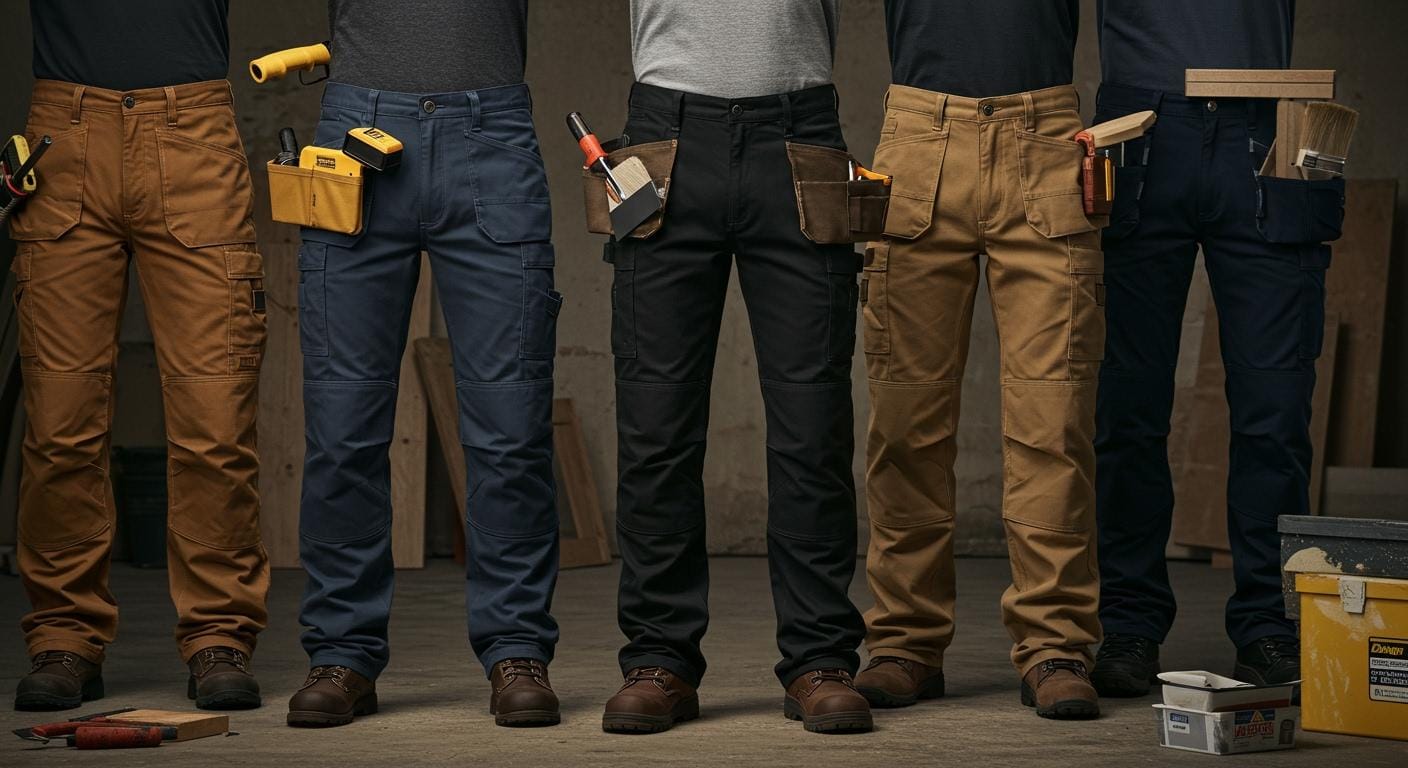
Imagine stepping onto a job site and asking yourself if your work trousers truly protect you throughout the day. You need trousers that resist wear, keep you comfortable, and help you stay safe. When you choose the right pantalon homme de travail, you gain several benefits: lightweight cotton or polycotton work pants wick moisture quickly in hot conditions, insulated models keep you warm in winter, and water-resistant fabrics shield you from rain. High-visibility pants make you noticeable on busy sites, while non-metal options prevent electrical hazards. The comfort of your clothing boosts your focus and productivity, so always match your trousers to your tasks and environment for the best results.
Key Takeaways
Assess your work environment to choose the right trousers. Consider indoor vs. outdoor settings and the specific hazards you face.
Select materials based on weather conditions. Lightweight fabrics work for hot weather, while waterproof options are essential for rain.
Prioritize comfort and mobility. Look for features like stretch panels and ergonomic designs to support your movements throughout the day.
Match trousers to your industry needs. Different professions require specific features, such as reinforced knees for construction or flame-resistant fabrics for electricians.
Check for durability features like triple-stitched seams and reinforced areas. These enhance the lifespan of your trousers in demanding conditions.
Consider the fit type that suits your body shape and work tasks. Slim, relaxed, or straight fits can impact your comfort and efficiency.
Regularly inspect your trousers for wear and replace them when necessary. Signs of damage can compromise your safety and comfort.
Choose reputable brands known for quality workwear. Investing in trusted brands ensures you get reliable and durable trousers.
Work Environment
Choosing the right work trousers starts with understanding your work environment. You need to consider where you work, the hazards you face, and the weather conditions you encounter. Each factor influences the type of pants that will keep you safe and comfortable.
Indoor vs. Outdoor
Your workplace location plays a major role in selecting work trousers. Indoor jobs often require pants that focus on comfort and breathability. You spend long hours inside, so lightweight materials help you stay cool and move freely. Outdoor jobs demand trousers that protect you from the elements. Waterproof or water-repellent fabrics shield you from rain and humidity. Insulated models keep you warm during cold months.
Feature | Indoor Pants | Outdoor Pants |
|---|---|---|
Material | Lightweight and breathable | Waterproof or water-repellent |
Comfort | Designed for prolonged wear indoors | Focused on protection against elements |
Temperature Control | Aids in ventilation during heat | Insulates against cold and wet weather |
You should choose lightweight models for hot conditions to reduce sweating. If you work outside, prioritize pants that block wind and moisture.
Hazards
Work environments often expose you to specific hazards. You must identify these risks before choosing your trousers.
Protection against knee injuries
High visibility for road safety
Shielding from welding splashes
Anti-static properties for electrical work
Defense against chemical products
Anti-bacterial barriers for hygiene
Chemicals
If you handle chemicals, select trousers made from materials that resist spills and splashes. Chemical-resistant fabrics prevent skin injuries and keep you safe during accidental exposure. Look for pants with sealed seams and reinforced layers.
Abrasion
Jobs that involve kneeling, crawling, or working with rough surfaces require abrasion-resistant trousers. Reinforced knees and durable fabrics protect you from scrapes and tears. You stay comfortable and avoid frequent replacements.
Weather
Weather conditions affect your comfort and safety at work. You must match your trousers to the climate.
Cold
For winter work, choose lined pants that provide thermal insulation. These trousers trap heat and keep your legs warm during freezing temperatures.
Wet
Rain and humidity demand waterproof or water-repellent trousers. These models prevent water from soaking through, so you stay dry and focused.
Hot
In hot weather, opt for lightweight and breathable fabrics. These pants help regulate your body temperature and reduce the risk of heatstroke. Ventilated designs improve airflow and wick away sweat.
Tip: List your main daily tasks and risks before choosing work trousers. This step helps you match your pants to your environment and ensures you stay protected throughout the day.
Activity Level
Your daily activity level shapes the features you need in work trousers. If you move constantly, climb ladders, or kneel often, you need pants that support your movements and keep you comfortable. High-activity jobs demand trousers with advanced design and materials.
Consider these features when you assess your activity level:
Breathable fabrics help manage moisture, especially in cold environments. You stay dry and avoid chills.
Sweat-wicking materials keep you comfortable during intense physical effort. They pull sweat away from your skin.
Quick-drying properties prevent dampness from lingering on your pants. This feature is useful if you work in wet or humid conditions.
Windproof layers retain heat and protect you from cold gusts.
Waterproof coatings shield you from rain and splashes.
Stain-resistant finishes keep your trousers looking clean and professional. This also helps maintain visibility and safety.
Ergonomic fit supports your natural movements. You bend, stretch, and crouch without restriction.
Knee pads add comfort when you kneel for long periods. They also protect your joints.
Floating pockets allow you to carry small tools or accessories. You access what you need quickly.
Lightweight fabrics suit indoor work or warm climates. You avoid overheating and stay agile.
Triple-stitched seams increase durability in high-stress areas. Your pants last longer, even with heavy use.
Tip: Think about your most common movements at work. If you kneel, climb, or walk a lot, prioritize trousers with ergonomic fits, reinforced knees, and breathable materials.
Industry Needs
Every industry has unique demands for work clothing. You must understand the specific requirements of your profession before choosing your trousers. Different sectors expose you to different risks and physical challenges.
Construction workers need pants with reinforced knees, abrasion resistance, and multiple pockets for tools.
Electricians benefit from non-metallic fasteners and flame-resistant fabrics.
Landscapers require water-repellent and stain-resistant trousers to handle outdoor conditions.
Factory workers may need anti-static properties and durable seams.
Service industry professionals often choose lightweight, comfortable pants for long shifts indoors.
Identify the potential risks and physical demands of your job. Make sure your work pants provide the right level of protection for your environment. For example, if you work with chemicals, select trousers with sealed seams and chemical-resistant fabrics. If you work at night or near traffic, high-visibility pants improve your safety.
Note: Always match your trousers to your industry’s specific needs. This approach ensures you stay safe, comfortable, and productive throughout your workday.
Materials

Choosing the right trouser fabric types for your work trousers makes a big difference in your daily comfort and safety. You need to understand how each fabric performs in real work environments. Let’s look at three of the most common materials: cotton duck, denim, and canvas & Cordura.
Cotton Duck
Cotton duck stands out as a good trouser fabric for tough jobs. You get high durability and resistance to wear, which means your pants last longer even in demanding conditions. The dense weave of cotton trouser fabric gives you better protection against scrapes and minor injuries. Many workers prefer cotton duck for construction or heavy-duty tasks because it shields you from rough surfaces.
However, cotton duck has some drawbacks. You may notice reduced breathability during long hours, especially under the sun. If you need breathable trousers, cotton duck might not be the best choice for hot environments. Still, this trouser fabric remains popular for its strength and reliability.
Pros and Cons of Cotton Duck:
High durability and resistance
Dense fabric protects against hazards
Less breathability in warm conditions
Denim
Denim is another classic trouser fabric type you see in many work pants. You benefit from denim’s durability and abrasion resistance. This fabric handles rough tasks and protects you from minor cuts. Denim also offers some water resistance, which helps when you work outdoors. Some models use special finishes to resist stains and moisture, making them easier to clean.
You find denim trousers in construction sites, workshops, and outdoor jobs. Many brands reinforce denim with synthetic fibers for extra comfort and flexibility. If you want wrinkle-free trousers, some denim blends help maintain a neat look after washing.
Why Choose Denim?
Durable and abrasion-resistant
Some protection against weather
Stain and moisture-resistant finishes available
Canvas & Cordura
Canvas and Cordura are advanced trouser fabric options for high-stress work. Canvas gives you a sturdy feel and holds up well against daily wear. Cordura, a synthetic fabric, is famous for its tear and abrasion resistance. You often see Cordura panels on knees or pockets, where extra protection matters most.
These materials work well in jobs that require kneeling, crawling, or handling tools. Cordura’s quick-drying properties and robust design make it ideal for outdoor work. You get increased durability and comfort, especially when you need trousers that last.
Trouser Fabric Type | Durability | Breathability | Best Use Cases |
|---|---|---|---|
Cotton Duck | High | Low | Heavy-duty, construction |
Denim | High | Medium | Workshops, outdoor |
Canvas & Cordura | Very High | Medium | Kneeling, outdoor, tools |
Tip: Always match your trouser fabric to your work environment. If you need protection and durability, choose cotton duck or Cordura. For comfort and flexibility, denim or canvas may suit you better.
You see that most pantalon homme de travail use these materials for longevity and safety. When you select good trouser fabric, you improve your work experience and reduce the need for frequent replacements. Linen blends and specialized fabrics also appear in some models, offering extra breathability and comfort. Polyester adds quick drying and shape retention, which helps keep your trousers looking fresh.
Blends
Blended fabrics combine the strengths of different fibers to create work trousers that meet a wide range of needs. You often see blends like cotton-polyester or cotton-spandex in modern workwear. These blends offer a balance between durability, comfort, and flexibility. Cotton-polyester blends give you a fabric that resists wrinkles and dries quickly. This means your trousers stay neat and comfortable, even after long hours on the job. Cotton adds softness and breathability, while polyester increases strength and helps the fabric keep its shape.
If you need more stretch, cotton-spandex blends provide extra mobility. You can bend, crouch, and move freely without feeling restricted. This type of fabric works well for jobs that require constant movement or awkward positions. Blended fabrics also tend to resist shrinking and fading, so your work pants look good after many washes.
You should consider blends if you want trousers that adapt to different environments. For example, a cotton-polyester blend offers enough breathability for indoor work and enough durability for light outdoor tasks. Blends also help reduce the weight of the fabric, making your trousers feel lighter and cooler in warm conditions.
Blend Type | Key Benefits | Best For |
|---|---|---|
Cotton-Polyester | Wrinkle resistance, quick drying | Indoor, light outdoor |
Cotton-Spandex | Stretch, flexibility | High-mobility jobs |
Poly-Cotton-Nylon | Durability, moisture management | Mixed environments |
Tip: Choose blended fabric trousers if you want a good mix of comfort, durability, and easy care. They suit many industries and adapt to changing work conditions.
Specialized Fabrics
Specialized fabrics take work trousers to the next level. You find these materials in trousers designed for extreme durability, safety, or specific hazards. Cordura stands out as one of the most trusted specialized fabrics in workwear. This fabric is known for its outstanding resistance to wear and tear. You benefit from Cordura’s ability to withstand strong mechanical stress, friction, and repeated washing. Many manufacturers use Cordura to reinforce high-stress areas like knees and pockets.
When you kneel on rough surfaces, trousers with Cordura reinforcements keep their durability much longer. This fabric maintains its integrity even after heavy use. You get freedom of movement while enjoying extra protection where you need it most. Cordura offers better tear and abrasion resistance than many other fabrics, such as nylon or canvas. This robustness means your work trousers last longer, which is essential in demanding industries.
Other specialized fabrics include flame-resistant materials for welders or electricians. These fabrics protect you from sparks and heat. High-visibility fabrics use bright colors and reflective strips to keep you safe in low-light or high-traffic areas. Some trousers feature waterproof or breathable membranes, which help you stay dry and comfortable in wet or humid environments.
Cordura fabric resists friction and tears, making it ideal for reinforcement.
Flame-resistant fabric protects against heat and sparks.
High-visibility fabric improves safety near traffic or machinery.
Waterproof fabric keeps you dry in rainy conditions.
You should match the specialized fabric to your job’s main risks. If you work in construction, Cordura reinforcements extend the life of your trousers. For electrical work, flame-resistant fabric is a must. Outdoor jobs benefit from waterproof or breathable fabrics.
Note: Specialized fabrics in pantalon homme de travail help you stay safe, comfortable, and productive, no matter how tough your workday gets.
Features
Reinforced Knees
When you choose protective trousers, reinforced knees stand out as one of the key features. You need this extra layer if your job involves kneeling, crawling, or working on rough surfaces. Construction workers, mechanics, heating engineers, and maintenance professionals rely on reinforced knees for daily tasks. You also see gardeners, plumbers, and tilers benefit from this design. These features provide increased protection against injuries and enhance comfort during long periods of kneeling. Work pants with integrated knee pads offer even more support, helping you avoid joint pain and stay mobile throughout your shift. If you want protective trousers that last, always look for reinforced knees as a top priority.
Tip: Reinforced knees help you stay safe and comfortable, especially if you work in manual trades or spend time on your knees.
Seams & Stitching
The durability of protective trousers depends on the quality of seams and stitching. You should check for triple-stitched seams, which increase resistance to tearing and extend the lifespan of your pants. Cordura reinforcements in high-wear areas, such as knees and pockets, reduce friction and prevent early wear. Knee reinforcements add comfort and longevity when you apply repeated pressure. These features ensure your trousers withstand tough conditions and frequent movement.
Type of Stitch/ Reinforcement | Description | Benefit |
|---|---|---|
Triple Stitch | Reinforced stitch for extra durability | Increases resistance to tearing and extends life |
Cordura Reinforcements | Durable fabric in high-wear areas | Reduces wear and tear from friction |
Knee Reinforcements | Extra fabric at the knee area | Enhances comfort and longevity |
You should always inspect the stitching before buying protective trousers. Strong seams and reinforcements are key features that guarantee safety and durability.
Pockets & Storage
Functional pockets are essential features in protective trousers. You need easy access to tools and accessories while you work. Multiple pockets give you flexibility to carry items like pens, mobile phones, and small tools. Some models include zipped or flap pockets, which secure your belongings during movement. Well-designed pockets improve your efficiency and help you stay organized on the job. You avoid wasting time searching for tools, and you keep your hands free for important tasks.
Multiple pockets allow quick access to tools and essentials.
Zipped or flap pockets keep items secure while you move.
Flexible storage options help you stay organized and productive.
When you select protective trousers, always consider pockets and storage as key features. These details make your workday smoother and support your safety by keeping important items within reach.
Note: The best protective trousers combine durability, comfort, breathability, and functionality. You should look for features that match your daily tasks and industry needs. Reinforced knees, strong seams, and practical pockets are key features that improve safety and performance.
Weather Resistance
You need work trousers that protect you from unpredictable weather. Weather resistance stands out as one of the most important features for anyone working outdoors. When you face rain, wind, or snow, your pants must keep you dry and comfortable. Work pants designed for weather protection use advanced materials and treatments to withstand harsh conditions. These features help you stay focused on your job instead of worrying about the elements.
Waterproof membranes block rain and moisture.
Water-repellent coatings prevent soaking.
Windproof layers shield you from cold gusts.
Quick-drying fabrics keep you comfortable after exposure to water.
You should look for trousers with sealed seams and reinforced zippers. These features stop water from seeping in. Breathable fabrics also matter. They let sweat escape, so you avoid overheating. If you work in wet or cold environments, weather resistance becomes a top priority for your safety and comfort.
Tip: Always check the product label for weather-resistant features before buying new work trousers.
Hi-Vis & Safety
High-visibility and safety features are essential if you work near traffic, heavy machinery, or in low-light conditions. These features help you stand out and reduce the risk of accidents. Hi-vis trousers use fluorescent materials and retro-reflective strips to make you visible from a distance. You should always choose pants that meet recognized safety standards.
Class | Speed Limit (km/h) | Minimum Retro-reflective Material (m²) | |
|---|---|---|---|
1 | ≤ 30 | 0.14 | 0.10 |
2 | ≤ 60 | 0.50 | 0.13 |
3 | > 60 | 0.80 | 0.20 |

You should check for certification like EN ISO 20471. Certified clothing meets strict requirements for durability and visibility. Many industries require these features for legal compliance and worker safety. Certified trousers go through rigorous testing to ensure they protect you in high-risk environments.
Certification ensures compliance with safety standards.
Testing checks material durability and visibility.
Certified clothing is often mandatory in construction and roadwork.
You improve your safety and meet workplace regulations when you choose trousers with proper hi-vis features.
Elastic Waist & Stretch
Comfort matters when you spend long hours on the job. An elastic waistband and stretch panels are features that make a big difference in how your trousers fit and move. You get a secure fit that adapts to your body, even as you bend or crouch. Stretch fabric lets you move freely without feeling restricted. These features are especially useful if your work involves a lot of movement or changing positions.
Elastic waistbands help your trousers stay in place. You avoid the discomfort of tight or sagging pants. Stretch panels add flexibility, so you can kneel, climb, or reach with ease. Many modern work trousers combine these features for maximum comfort and safety. You should look for these features if you want trousers that support your daily tasks and keep you comfortable all day.
Note: Features like elastic waistbands and stretch panels improve both comfort and safety, making them a smart choice for active workers.
Fit & Comfort
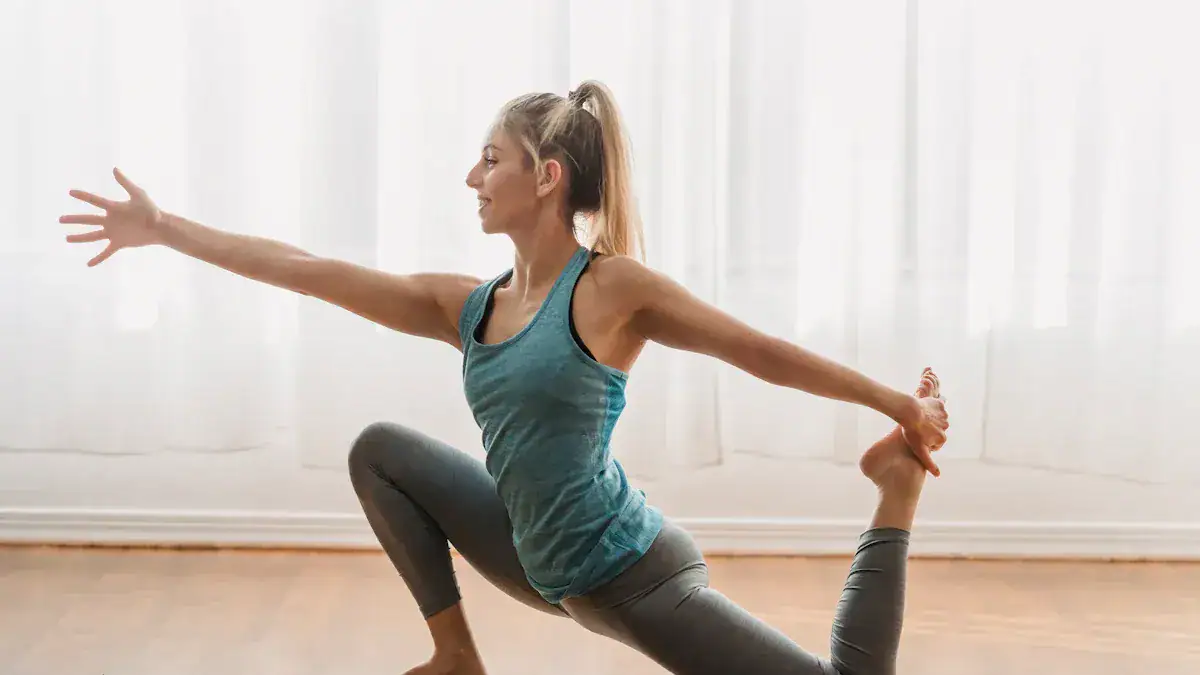
Fit Types
Choosing the right fit type for your work trousers helps you stay productive and safe. You find three main styles: slim, relaxed, and straight. Each style suits different body shapes and work activities.
Slim
Slim-fit work trousers offer a modern look and a close cut. You might prefer this style if you want a streamlined appearance or work in environments where loose fabric could snag. Slim trousers often use stretch fabrics, which allow you to move freely while maintaining a neat silhouette. You get a comfortable fit that does not restrict your movement. Many users choose fitted work jeans for office or light-duty tasks.
Relaxed
Relaxed-fit trousers provide extra room in the seat and thighs. You benefit from greater comfort during long shifts or physical work. This style works well if you need to bend, crouch, or kneel often. Loose-fitting multi-pocket pants suit jobs that require carrying tools or accessories. You stay comfortable throughout the day, even when your tasks involve repetitive movements.
Straight
Straight-fit trousers balance style and function. You get a classic cut that fits most body types. Straight legs do not cling or flare, making them suitable for a wide range of jobs. This style allows for comfortable movement and works well in both indoor and outdoor settings. Many modern models combine stretch fabrics and targeted reinforcements, designed for activities like pruning, planting, and wood handling.
Fit Type | Best For | Key Benefits |
|---|---|---|
Slim | Office, light-duty, neat look | Streamlined, flexible |
Relaxed | Physical work, tool carrying | Roomy, comfortable |
Straight | Mixed tasks, outdoor/indoor | Balanced, versatile |
Tip: Always match your fit type to your daily tasks and body shape. The right fit improves comfort and safety.
Sizing
Proper sizing ensures your work trousers deliver both comfort and protection. You need to measure your waist, inseam, and leg length with a measuring tape. Compare your measurements to the manufacturer’s size guide. This step helps you avoid pants that are too tight or too loose.
Take your measurements for waist, inseam, and leg length.
Check the size guide from the brand.
Choose a model that offers flexibility if your job requires frequent movement.
Think about layering. If you wear thermal underwear, make sure your trousers fit comfortably over it.
Look for features like elastic waistbands or adjustable cords for a comfortable fit.
You should always try on work trousers before buying, if possible. A good fit prevents chafing and discomfort. Some pants include practical features that help you adjust the fit easily.
Mobility
Mobility plays a key role in your workday comfort. You need trousers that let you move without restriction. Stretch fabrics enhance freedom of movement, especially during repetitive tasks. Ergonomic seams and stretch inserts support jobs that require bending, reaching, or lifting.
Stretch fabrics allow you to move naturally.
Ergonomic seams reduce friction and improve comfort.
Stretch inserts provide flexibility for demanding activities.
A comfortable work pant helps you maintain a high level of mobility throughout the day. You stay focused on your tasks and avoid fatigue. Modern designs combine these elements to support your movement and keep you comfortable, no matter how active your job gets.
Note: Mobility features in work trousers help you work efficiently and stay comfortable, even during long shifts.
Ergonomics
When you choose work trousers, ergonomics should be at the top of your checklist. Ergonomics means that your pants support your body’s natural movements and help you stay comfortable during long hours. You want trousers that move with you, not against you. This focus on design can make a big difference in how you feel at the end of the day.
You should look for pants that offer durability against wear. Tough fabrics stand up to repeated bending, kneeling, and stretching. Comfort is another key factor. You spend many hours in your work trousers, so you need a fit that feels good from the start of your shift to the end. Breathability also matters. Good airflow keeps you cool and dry, even when you work in warm or humid conditions.
Freedom of movement is essential. You need to bend, squat, or climb without feeling restricted. Many modern work pants use stretch panels or gussets in key areas like the crotch or knees. These features let you move naturally and reduce the risk of tearing the fabric. Articulated knees, which have a pre-shaped design, help you kneel or crouch with less effort. An ergonomic waistband sits comfortably on your hips and stays in place as you move.
Tip: Always try on work trousers and test your range of motion. Walk, squat, and stretch to see if the pants follow your movements.
Professionals such as loggers or construction workers need pants that adapt to their demanding environments. You might face rough surfaces, heavy tools, or sudden weather changes. Ergonomic trousers help you handle these challenges by providing both protection and flexibility.
Here are some ergonomic features to consider:
Stretch panels: Increase flexibility in high-movement zones.
Articulated knees: Support natural bending and kneeling.
Gusseted crotch: Prevents fabric from pulling or tearing.
Ergonomic waistband: Offers a secure, comfortable fit.
Breathable fabrics: Keep you cool and dry.
Ergonomic Feature | Benefit |
|---|---|
Stretch Panels | Greater freedom of movement |
Articulated Knees | Easier bending and kneeling |
Gusseted Crotch | Reduces stress on seams |
Ergonomic Waistband | Prevents slipping and discomfort |
Breathable Fabric | Maintains comfort in various conditions |
Choosing ergonomic work trousers means you invest in your comfort and safety. You reduce fatigue, avoid injuries, and stay productive throughout your workday.
Brands & Models
Construction
When you work in construction, you need work pants that can handle tough conditions every day. You want trousers that offer both comfort and durability. Many professionals trust brands like Lafont, Dassy, Blaklader, Herock, PBV, FHB, and Mascot for their proven performance on job sites. These brands design utility trousers that stand up to abrasion, frequent washing, and heavy use.
You should look for models with reinforced knee pockets (EN 14404), anti-abrasion hems, and multiple storage options. These features protect you during repeated squatting and kneeling, which is common for masons, tilers, and carpenters. The best work trousers for carpenters and plumbers often include adjustable waistbands, ventilation zips, and adjustable hems for a custom fit.
Here are some top models for construction:
TEMPER: This model offers high durability with multiple pockets, an adjustable waistband, ventilation zip, and adjustable hem. It suits artisans and logistics workers.
STAR PC: Known for its robust build and great value, this model features scratch resistance and several external pockets.
Model | Material Composition | Features | Use Case |
|---|---|---|---|
Classic Reflex / Star PC | 60–65% cotton, 35–40% polyester | Multipocket, reflective bands | All seasons (outdoor site/roadwork) |
Jogging Star/X-Finity | 65% cotton, 33–35% recycled polyester | Quick maintenance, mixed use | Light tasks, relaxation |
Cargo URBAN LIGHT | 98% cotton, 2% elastane | Lightweight, summer mobility | Summer/light site work |
You can choose cargo work pants for extra storage and flexibility. These trousers help you carry tools and stay organized on busy sites.
Electrical/Utility
If you work in electrical or utility fields, you need trousers that focus on safety and comfort. The best work trousers for electricians use non-metallic fasteners and flame-resistant fabrics. Brands like Blaklader and Mascot offer models with anti-static properties and reinforced seams. You should look for trousers that meet industry safety standards and provide enough pockets for your tools.
Many electricians prefer trousers with stretch panels for better mobility. You stay comfortable when you climb ladders or crouch in tight spaces. Some models include knee pad pockets, which protect your joints during long hours on the job. You can trust these brands to deliver work pants that keep you safe and productive.
Outdoor/Landscaping
Outdoor and landscaping jobs require trousers that resist water, stains, and tears. You spend hours outside, so you need work pants that protect you from the elements. Brands like Herock, Dassy, and Lafont design trousers with water-repellent coatings and quick-drying fabrics. These features help you stay dry and comfortable in changing weather.
You should choose trousers with reinforced knees and multiple pockets for tools and accessories. The best work trousers for plumbers and landscapers often include stretch panels and ergonomic fits. These details let you move freely while working on uneven ground. Lightweight models like Cargo URBAN LIGHT work well for summer or light site work, giving you mobility and breathability.
Tip: Always match your trousers to your main tasks and work environment. The right work pants improve your comfort, safety, and efficiency every day.
Industrial/Factory
You face unique challenges in industrial and factory settings. You need work pants that can handle heavy machinery, sharp edges, and long shifts. The right trousers protect you from hazards and help you stay comfortable during demanding tasks. Many brands design specialized work pants for these environments. You should look for trousers with reinforced seams, abrasion-resistant fabrics, and anti-static properties.
Some top brands for industrial work pants include Mascot, Blaklader, and Carhartt. These companies offer trousers that meet strict safety standards. You often find features like flame resistance, oil repellency, and extra pockets for tools. Many models use Cordura or similar materials to reinforce knees and pockets. This design helps your trousers last longer, even with daily wear.
You should consider the following when choosing work pants for factory jobs:
Reinforced knees and seat areas
Triple-stitched seams for durability
Anti-static and flame-resistant fabrics
Multiple secure pockets for tools and parts
Adjustable waistbands for comfort
Here is a comparison of popular models for industrial use:
Brand | Model | Key Features | Price Range |
|---|---|---|---|
Mascot | Advanced | Cordura knees, triple stitching, hi-vis | Mid to Premium |
Blaklader | 1502 | Flame resistance, tool pockets, stretch | Mid |
Carhartt | Rugged Flex | Oil repellent, reinforced seat, mobility | Budget to Mid |
You should match your trousers to your specific tasks. If you work near electrical equipment, choose anti-static work pants. For welding or metalwork, select flame-resistant trousers. You can find both budget and premium options. Budget models offer basic protection and durability. Premium trousers provide advanced features and longer lifespan.
Tip: Always check the safety certifications on your work pants. Certified trousers give you peace of mind in hazardous environments.
Service/Light Duty
Service and light duty jobs require a different approach. You need work pants that balance comfort, style, and practicality. Many service workers spend hours on their feet, moving between locations or interacting with customers. Lightweight trousers help you stay cool and look professional.
Brands like Dickies, PBV, and Lafont offer excellent options for service roles. You find trousers with stretch fabrics, elastic waistbands, and easy-care materials. These work pants often feature simple designs with a few well-placed pockets. You can wash and dry them quickly, which saves you time.
When choosing work pants for service or light duty, focus on:
Lightweight and breathable fabrics
Stretch panels for mobility
Easy-care and wrinkle-resistant materials
Fewer but functional pockets
Modern, professional appearance
Here are some recommended models:
Brand | Model | Key Features | Price Range |
|---|---|---|---|
Dickies | Everyday Flex | Stretch, easy care, lightweight | Budget |
PBV | Service Pro | Breathable, quick dry, comfort | Budget to Mid |
Lafont | Urban Light | Modern fit, wrinkle resistance | Mid |
You can choose budget work pants for basic needs or invest in premium trousers for extra comfort and durability. Service trousers should fit well and allow you to move freely. You stay comfortable during long shifts and maintain a neat appearance.
Note: The right work pants for service jobs help you look professional and feel comfortable all day.
Maintenance
Washing
You keep your work trousers in top condition by washing them correctly. Always check the care label before you start. You protect the fabric and technical features when you follow the recommended temperature. Sorting your laundry by color, material, and type of stains helps prevent color transfer and damage. You avoid mixing heavy-duty pants with delicate items.
Liquid detergents dissolve quickly, especially in cold water. You get better results and avoid residue on your trousers. Use a moderate spin speed to protect the fibers. High speeds can weaken the fabric and shorten the lifespan of your pants. Washing garments inside out shields the surface from friction and fading. You maintain the look and feel of your trousers longer.
Try not to overload the washing machine. You allow water and detergent to reach every part of your pants. For tough stains, extend the washing cycle instead of adding more detergent. This method cleans deeply without harming the fabric.
Tip: Air dry your work trousers instead of using a tumble dryer. You preserve the fibers and avoid shrinkage.
Stain Removal
Stains happen often in active jobs. You remove them quickly to keep your trousers looking professional. Identify the type of stain before you treat it. Oil, paint, and mud each need different approaches. Blot fresh stains with a clean cloth. You avoid rubbing, which can push the stain deeper into the fabric.
For oil or grease, sprinkle baking soda or cornstarch on the spot. You let it absorb the residue before washing. Paint stains respond well to gentle scraping and soaking in cold water. Mud stains require you to let them dry first, then brush off the excess before washing.
Use a stain remover suitable for your trouser material. Test it on a hidden area to check for colorfastness. You protect the fabric and avoid discoloration. Wash the trousers as soon as possible after treating the stain. You increase the chance of complete removal.
Stain Type | First Step | Treatment Method |
|---|---|---|
Oil/Grease | Blot, absorbent | Baking soda, wash |
Paint | Scrape, soak | Cold water, gentle wash |
Mud | Dry, brush off | Regular wash |
Note: Quick action prevents stains from setting and keeps your work trousers looking clean.
Repairs
You extend the life of your work trousers by repairing them promptly. Small tears and loose seams can grow if you ignore them. Sew minor rips with strong thread. You reinforce high-stress areas like knees and pockets. Iron patches work well for small holes. You apply them on the inside for a smooth finish.
Replace broken buttons and zippers as soon as you notice them. You avoid further damage and keep your trousers functional. If you see fraying at the hem or cuffs, trim the loose threads and secure the edges with a zigzag stitch.
Tip: Perform quick repairs to prevent further damage. You save money and reduce waste by keeping your trousers in service longer.
Storage
Proper storage helps you extend the life of your work trousers. You protect your investment and keep your pants ready for the next workday when you store them correctly. Start by cleaning your trousers before putting them away. Dirt and sweat can weaken the fabric over time. Always let your pants dry completely to prevent mold and unpleasant odors.
Choose a cool, dry place for storage. Avoid damp basements or areas with direct sunlight. Sunlight can fade colors and weaken fibers. Use sturdy hangers to keep your trousers wrinkle-free. Hanging also helps maintain the shape of reinforced knees and pockets. If you prefer to fold your pants, make sure you do so along the seams to avoid creases in high-stress areas.
You can organize your work pants by season or task. For example, keep insulated trousers together for winter and lightweight models for summer. Use labeled bins or shelves to separate clean pants from those that need repair. This system saves you time and helps you spot when you need to replace or fix a pair.
Tip: Store your work trousers away from chemicals, oils, or sharp tools. These items can cause stains or accidental damage.
A simple storage checklist:
Clean and dry trousers before storing
Use hangers or fold along seams
Store in a cool, dry, and dark place
Separate by season or task
Keep away from chemicals and sharp objects
Replacement
Knowing when to replace your work trousers keeps you safe and comfortable. You should check your pants regularly for signs of wear or damage. Look for holes, tears, or thinning fabric, especially in high-stress areas like knees and pockets. If your trousers protect you from specific risks, such as chemicals or flames, make sure they still offer full protection.
You should replace your work pants when:
You see visible damage, such as holes or tears
The fabric feels thin or weak
Protective features no longer work (e.g., waterproofing, flame resistance)
Seams or zippers break and cannot be repaired
Many professionals replace their work trousers every 6 to 24 months. The exact timing depends on how often you wear them, how you wash them, and the intensity of your work. Heavy use and frequent washing can shorten the lifespan of your pants.
Replacement Criteria | What to Check For |
|---|---|
Visible wear or damage | Holes, tears, fraying |
Loss of protection | Faded hi-vis, worn coatings |
Broken fasteners or seams | Zippers, buttons, stitching |
Frequency of use | Daily wear vs. occasional use |
Note: Always make sure your work trousers provide the protection you need. Replace them as soon as you notice any loss of safety or comfort.
Choosing the Best Work Trousers
Decision Steps
You need a clear process when choosing the best work trousers for your job. Start by assessing your work environment. Think about whether you work indoors or outdoors, and consider the hazards you face, such as chemicals, abrasion, or extreme weather. Identify the main risks and daily tasks. This step helps you select the right types of work trousers for your needs.
Follow these steps to make an informed choice:
Choose the right size and fit. Measure your waist and inseam to ensure comfort and mobility.
Consider terrain conditions and seasons. Select work pants that suit cold, wet, or hot environments.
Focus on maintenance and durability. Pick trousers with strong seams and reinforced areas for longer wear.
Identify specific needs related to your profession. Construction workers need robust pants with Cordura reinforcements. Plumbers benefit from models with knee pockets that meet EN 14404 standards. Outdoor workers should opt for high-visibility or water-repellent pants.
Evaluate the risks associated with your work. Check for CE marking and relevant pictograms to confirm safety standards.
Choose appropriate materials and safety features. Look for fabric blends that balance comfort and durability, such as cotton-polyester or Cordura for high wear resistance.
Consider the importance of fit and comfort. Ergonomic design and stretch panels improve movement and reduce fatigue.
Tip: Review your current work pants. If you notice wear, discomfort, or lack of protection, consider upgrading to a new pair that matches your job requirements.
Matching to Tasks
You must match your work trousers to your specific tasks and profession. Each job has unique demands, so the types of work trousers you choose should reflect those needs.
Professionals in green spaces need water-repellent and abrasion-resistant work pants, such as Naturetech Life and Outforce models. These trousers perform well outdoors, even in wet conditions.
Artisans and construction professionals require high-visibility pants made from fluorescent fabric. Luklight work pants include knee reinforcements for added safety.
The choice of fabric is crucial. Reinforced cotton offers breathability, polyester-cotton blends provide a balance of comfort and durability, and Cordura delivers high resistance to wear.
Multiple pockets allow you to carry tools and personal items efficiently. Knee pad pockets protect you when working on the ground. Reinforced areas increase durability in high-stress zones.
Use this table to help match work pants to your tasks:
Profession | Recommended Features | Best Fabric Options |
|---|---|---|
Construction Worker | Cordura reinforcements, tool pockets | Cordura, cotton-polyester |
Plumber | Knee pad pockets (EN 14404), water resistance | Reinforced cotton, blends |
Outdoor Worker | High-visibility, water-repellent, abrasion | Polyester-cotton, Cordura |
Service/Light Duty | Lightweight, stretch panels, easy care | Cotton-polyester |
Note: Always check for European standards and CE marking when selecting work trousers for safety-critical jobs.
Final Tips
You can maximize comfort, safety, and durability by following expert advice when choosing the best work trousers. Focus on resistance, comfort, and fabric weight. Heavier fabrics offer more durability, while lighter ones improve breathability. Triple stitching provides high durability for demanding work environments. For less intense tasks, single or double seams may suffice.
A mix of cotton and polyester is common in work pants. More cotton increases comfort, while more polyester enhances durability. Adequate and well-placed pockets are essential for carrying tools efficiently. Ergonomic design and reinforced areas help you move freely and stay protected.
Here are some final tips to guide your decision:
Inspect the type of seams. Triple stitching is best for heavy-duty work.
Check the fabric weight. Choose heavier fabrics for tough jobs and lighter ones for indoor or light-duty tasks.
Select trousers with enough pockets for your tools and personal items.
Prioritize comfort and ergonomics. Stretch panels and articulated knees improve movement.
Review your current work pants regularly. Upgrade when you notice signs of wear or reduced protection.
Tip: Choosing the best work trousers means investing in your safety and productivity. The right pair helps you work efficiently and stay comfortable throughout your day.
You can use these steps and tips to select work pants that match your environment, tasks, and personal needs. The right trousers protect you, support your movements, and last longer, making them a smart investment for any professional.
To choose the best pantalon homme de travail, you should:
Assess your daily tasks and work environment.
Match materials and features to your needs.
Prioritize fit and comfort.
Select reputable brands for quality.
The right pantalon homme de travail keeps you safe and efficient. Use these tips to make a smart, confident purchase. Start upgrading your pantalon homme de travail today for better protection and comfort.
FAQ
What is the most durable material for work trousers?
You get the best durability from Cordura and heavy cotton duck. These fabrics resist tears and abrasion. Choose them for tough jobs like construction or landscaping.
How do I know if my work trousers fit correctly?
You should check that the waistband sits comfortably. You must move, squat, and stretch. The trousers should not pinch or sag. Try different sizes if you feel restricted.
Can I wash work trousers in a regular washing machine?
Yes, you can wash most work trousers at home. Always check the care label first. Use cold or warm water. Avoid bleach to protect the fabric.
What features should I look for in outdoor work trousers?
Look for waterproof or water-repellent fabrics. Reinforced knees and multiple pockets help you work outside. Breathable materials keep you comfortable in changing weather.
Are high-visibility trousers required for all jobs?
No, you only need high-visibility trousers for jobs near traffic or in low-light areas. Always check your workplace safety rules before buying.
How often should I replace my work trousers?
Replace your trousers when you see holes, worn fabric, or broken zippers. Most people change them every 6 to 24 months, depending on use and care.
Do all work trousers have knee pad pockets?
Not all models include knee pad pockets. If you kneel often, choose trousers with this feature. It protects your knees and increases comfort.
Can I wear work trousers for casual use?
Yes, many modern work trousers have a stylish look. You can wear them outside of work. Choose slim or straight fits for a more casual appearance.