

How to Choose Convenience Store Uniforms for All Seasons
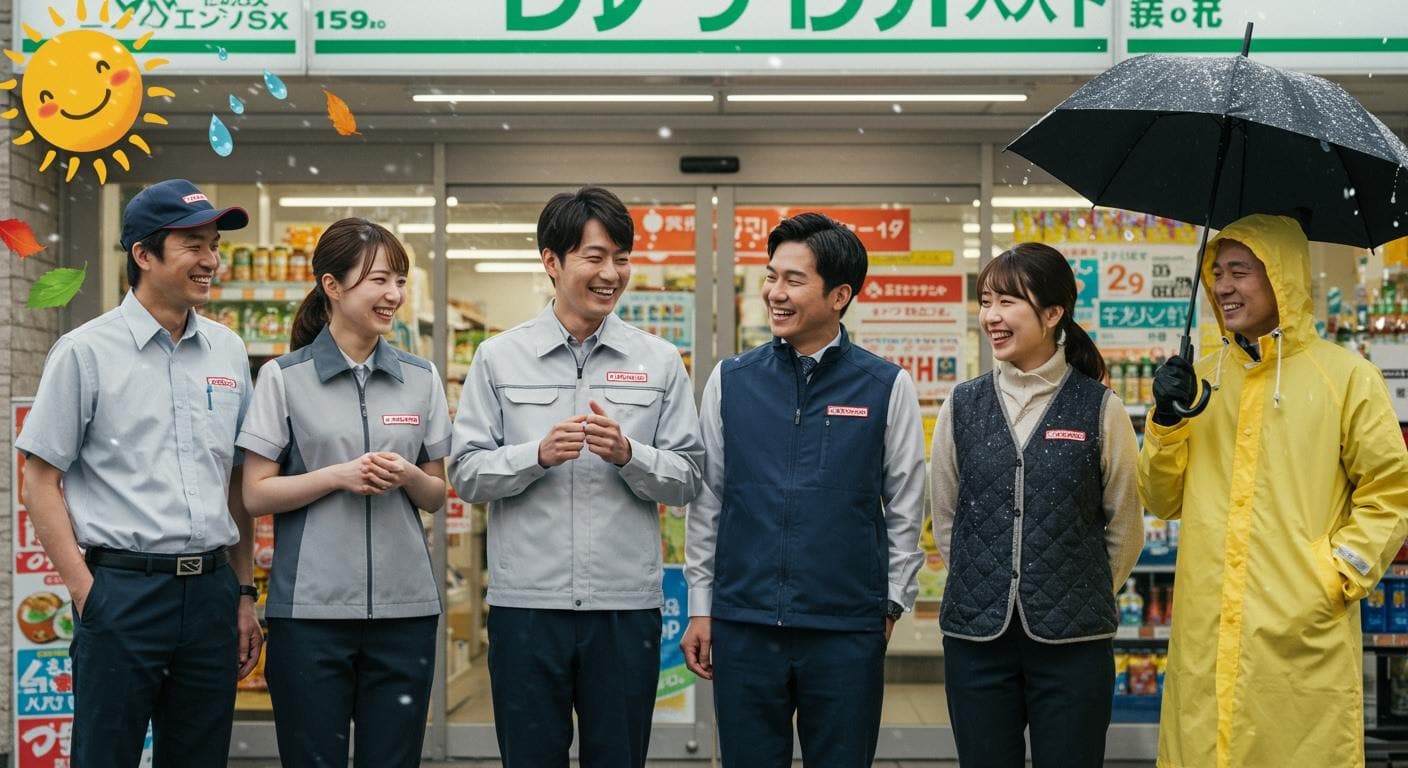
I always notice how the right convenience store uniforms shape both staff morale and customer impressions. Uniforms influence how customers view our professionalism.
Customers form opinions within seconds based on what employees wear.
A professional, uniformed look shows competence, reliability, and authority.
Surveys show that 64% of people see branded apparel as a sign of professionalism and company pride.
For me, the best uniforms must balance durability, comfort, brand identity, inclusivity, hygiene, and sustainability.
Key Takeaways
Choose uniforms that prioritize staff comfort to boost morale and productivity.
Select seasonally appropriate fabrics to keep employees comfortable year-round.
Use uniforms to enhance customer perception and build trust in your brand.
Involve staff in the uniform selection process to ensure comfort and inclusivity.
Focus on durability and easy care to maintain a professional appearance over time.
Ensure uniforms meet hygiene and safety standards to protect both staff and customers.
Consider eco-friendly materials to support sustainability and reduce environmental impact.
Regularly review and update uniforms to adapt to changing needs and maintain a strong brand image.
Importance of Uniforms
Staff Comfort
I always prioritize the comfort of my staff when selecting uniforms. Comfortable uniforms help my team perform their best, especially during long shifts. I have seen firsthand how seasonally appropriate uniforms make a difference. For example, breathable fabrics can lower body temperature by up to 3°C. This small change reduces fatigue and keeps my staff energized throughout the day. When summer arrives, I switch to lightweight materials. In winter, I provide insulated options. These adjustments keep my staff comfortable year-round. Satisfied staff members show more enthusiasm and deliver better service.
Tip: I recommend choosing uniforms with moisture-wicking properties for summer and layering options for colder months. This approach ensures that staff stay comfortable and focused on their tasks.
Benefits of seasonally appropriate uniforms for staff:
Lower body temperature and reduce fatigue
Increase satisfaction and productivity
Support staff who stand or move for long hours
Customer Perception
I notice that customers respond positively when my staff wear uniforms. Uniforms help customers identify staff quickly, which builds trust and encourages them to ask for help. I have received feedback from customers who appreciate the professional appearance of my team. Uniforms also signal a commitment to cleanliness, which reassures customers about food safety and hygiene. When my staff look professional, customers feel more confident in their shopping experience. This positive perception leads to higher satisfaction and repeat visits.
Brand Image
Uniforms play a crucial role in shaping my store’s brand image. I use uniforms to create a cohesive identity that customers recognize instantly. Consistent uniforms across my staff reinforce professionalism and reliability. I have noticed that a strong brand image builds trust and encourages customer loyalty. When customers see my staff in well-designed uniforms, they associate my store with quality and dependability. This connection helps my business stand out in a competitive market.
Note: I always involve my staff in the uniform selection process. Their feedback ensures that the uniforms reflect both comfort and the brand’s values.
Convenience Store Uniforms

Durability
When I select convenience store uniforms, I always focus on durability. Staff members work long hours and face constant movement, spills, and frequent washing. Uniforms must withstand daily wear and tear without losing their shape or color. I have found that polyester blends and cotton with spandex offer the best results. These fabrics resist wrinkles and maintain flexibility, which is essential for active environments. Moisture-wicking materials help manage sweat, keeping my team comfortable during busy shifts. Breathable cotton twill also provides a professional look while remaining tough enough for repeated use. The variety of fabric options available today allows me to balance durability and comfort while staying within budget.
Tip: I recommend inspecting uniforms regularly for signs of wear. Replacing damaged items quickly helps maintain a polished appearance and ensures staff safety.
Role-Specific Needs
Different roles in my store require specific uniform features. Cashiers, stockers, and food handlers each have unique needs. I always match the uniform style to the job function. For example, food handlers must follow strict guidelines to ensure food safety and hygiene. I use the following table to guide my uniform choices for each role:
Requirement | Details |
|---|---|
Clothing Condition | Must be free from holes, rips, loose buttons, and visible dirt. |
Hair Restraints | Effective hair restraints such as chef hats or other head coverings are required. |
Jewelry | Only plain wedding bands are allowed; all other jewelry is prohibited. |
Nail Care | Fake nails or nail polish are not allowed; nails must be short, clean, and unpolished. |
Clothing Style | Revealing or inappropriate clothing is not permitted; all skin near food must be covered. |
Footwear | Closed-toe, non-slip shoes are required; open-toe shoes or sandals are not allowed. |
Accessories | Excessive accessories, perfumes, or colognes are prohibited to prevent contamination. |
General Uniform Condition | Uniforms must be in good repair and laundered; torn or dirty clothes are not acceptable. |
I always make sure that convenience store uniforms meet these requirements. This approach keeps my team safe and ensures compliance with health regulations.
Hygiene & Safety
Hygiene and safety remain top priorities in my store. I never compromise on these standards. I require all food handlers to wear hair restraints, such as hats or nets, to prevent hair from contaminating food. Clean hats and hair coverings are essential in the kitchen. I also insist on protective gloves for anyone handling food. These measures help maintain hygiene and prevent contamination. I remind my staff to keep their uniforms clean and in good repair at all times. Convenience store uniforms must support these practices to protect both employees and customers.
Clean hats and head coverings prevent hair from falling into food.
Protective gloves help maintain hygiene and stop contamination during food handling.
Note: I always provide training on proper uniform use and hygiene practices. This step ensures everyone understands their responsibilities and follows the rules.
By focusing on durability, role-specific needs, and hygiene, I make sure that convenience store uniforms support a safe, professional, and efficient work environment.
Comfort and Fit
Size Inclusivity
When I choose uniforms for my team, I always make sure to offer a wide range of sizes. I have learned that size-inclusive uniforms do more than just provide a better fit—they show respect for every employee’s individuality. Uniforms that consider cultural, religious, and personal needs help everyone feel valued. This approach boosts morale and creates a sense of belonging. I have seen my staff become more motivated and loyal when they know their needs matter.
Size-inclusive uniforms enhance comfort and confidence, which are crucial for employee morale.
They foster a sense of belonging and inclusion, acknowledging the diverse needs of the workforce.
Employees who feel valued are more likely to be engaged and loyal, positively impacting retention rates.
I notice that when my staff feel comfortable in their uniforms, they work with more energy and pride. This positive environment leads to better teamwork and lower turnover. I also find that offering inclusive sizing positions my store as a forward-thinking employer. It helps me attract talented people who want to work in a supportive place.
Practicality
I always prioritize practicality when selecting uniforms. The right fit allows my staff to move freely, reach shelves, and handle tasks without restriction. I avoid uniforms that are too tight or too loose because they can cause discomfort or even safety issues. I look for features like adjustable waistbands, stretch panels, and breathable fabrics. These details make a big difference in daily performance.
Tip: I recommend asking staff for feedback on how their uniforms fit during real work situations. Their input helps me spot issues early and make improvements.
A practical uniform must also be easy to clean and maintain. I choose materials that resist stains and hold their shape after many washes. This keeps my team looking sharp and feeling confident every day. I have found that when uniforms fit well and support daily tasks, job satisfaction rises. Staff members focus on serving customers instead of worrying about their clothing.
Best Uniforms for Grocery Staff
In my experience, the best uniforms for grocery staff combine comfort, durability, and a professional appearance. I select uniforms that offer a tailored fit for each role. For example, cashiers need uniforms that allow them to sit or stand comfortably for long periods. Stockers benefit from uniforms with flexible fabrics and reinforced seams, which support bending and lifting. Food handlers require uniforms that meet strict hygiene standards and provide a secure fit to prevent accidents.
I always look for uniforms with moisture-wicking properties and ventilation panels. These features help staff stay cool during busy shifts. I also choose designs with practical pockets and easy-to-adjust closures. The best uniforms for grocery staff must adapt to seasonal changes, so I provide layering options for colder months and lighter fabrics for summer.
A well-chosen uniform supports every movement and task. When my team wears uniforms that fit properly, they feel more confident and perform better. I believe that investing in comfort and fit pays off through higher morale, better service, and a stronger brand reputation.
Quality and Fabric
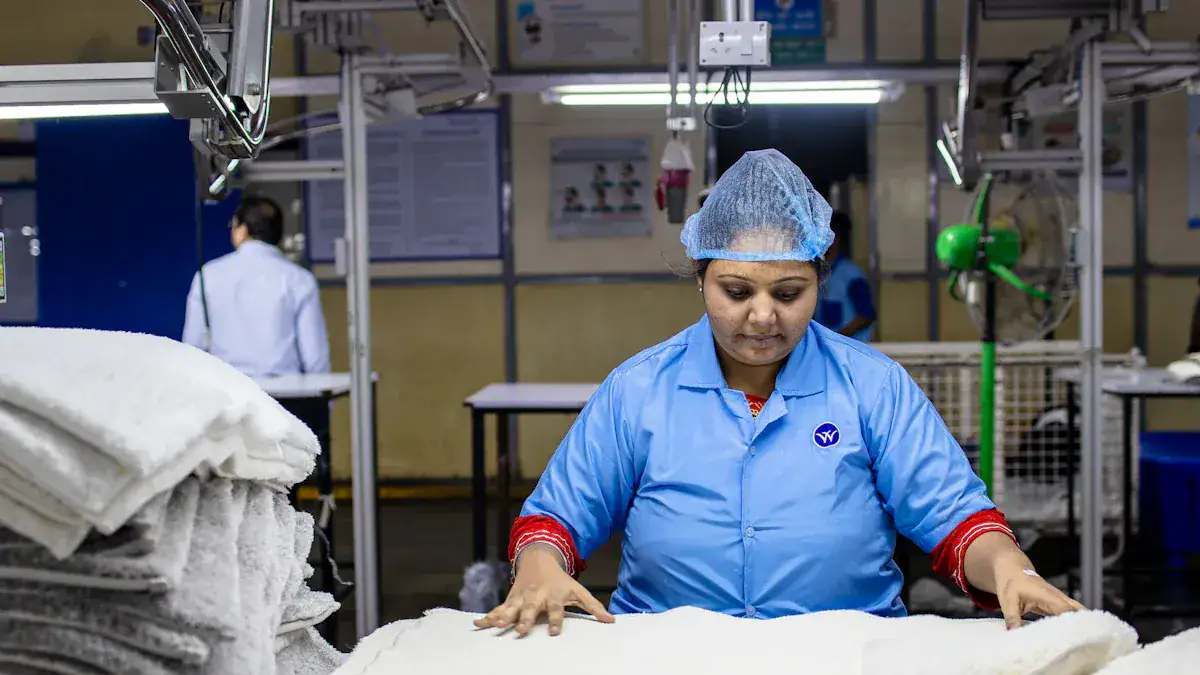
Breathable Materials
When I select uniforms for my convenience store, I always focus on the quality of the materials. Breathable fabrics make a huge difference for my staff, especially during long shifts in the summer. I have seen how the right fabric quality keeps my team comfortable and productive. Breathability allows air to circulate, which helps regulate body temperature and reduces sweat. My staff often tell me they feel less fatigued when their uniforms allow their skin to breathe.
Comfortable and functional uniforms directly influence staff morale and well-being.
When staff feel comfortable in their uniforms, they are more likely to be productive and engaged in their work.
I always test different fabrics before making a final decision. I look for materials that combine durability with breathability. This approach ensures that the uniforms maintain their quality even after many washes.
Seasonal Adaptability
I believe that seasonal adaptability is a key part of uniform quality. My store operates year-round, so I need uniforms that work in both hot and cold weather. In the summer, I choose lightweight, moisture-wicking fabrics. These materials keep my staff cool and dry. For winter, I provide options with added insulation or layering pieces. I have found that layering helps my team adjust to changing temperatures throughout the day.
I also pay attention to color and design. Lighter colors reflect heat, which helps in the summer. Darker shades provide warmth and hide stains better in the winter. I always make sure that the fabric quality remains high, no matter the season. This consistency supports my staff and keeps our brand image strong.
Tip: I recommend offering both short-sleeve and long-sleeve options. This flexibility lets employees choose what works best for them in any season.
Ease of Care
Uniform care plays a big role in maintaining quality. I always choose fabrics that are easy to wash and quick to dry. Proper care is essential for maintaining the functionality and appearance of uniforms over time. Different fabric types require specific care instructions, which, when followed, help preserve the integrity of the uniforms. Maintaining hygiene standards through proper care contributes to employee satisfaction.
Easy-care uniforms save time and reduce stress for my staff.
Uniforms that hold up after repeated washing keep their quality longer.
Staff feel more confident when their uniforms look clean and professional.
I provide clear washing instructions to my team. I also check that the fabric quality does not fade or shrink after multiple washes. This attention to detail helps me extend the life of each uniform and protect my investment.
I have learned that high-quality uniforms do more than look good. They support my staff, reinforce our brand, and save money in the long run. By focusing on fabric quality, breathability, seasonal adaptability, and ease of care, I ensure my team always looks and feels their best.
Design & Branding
Color Choices
I always pay close attention to color choices when selecting work shirts for my convenience store staff. The right colors help reinforce brand identity and make employees easy to spot. I prefer colors that match my store’s logo and overall branding. For example, I use bold colors for work shirts in high-traffic areas to ensure staff stand out. Neutral tones work well for back-of-house roles, creating a clean and professional look. I also consider seasonal changes. Lighter shades keep staff cool in summer, while darker colors hide stains and provide warmth in winter.
Tip: I recommend testing color samples under store lighting before making a final decision. This step helps me see how work shirts will look during different shifts.
I have learned that consistent color choices across all work shirts create a unified team appearance. Customers recognize my staff instantly, which builds trust and improves service.
Logo Placement
Logo placement on work shirts plays a major role in brand visibility. I always choose locations that maximize exposure during customer interactions. The front left chest is my preferred spot because it catches the eye and reinforces my brand every time staff greet customers. I sometimes add logos to cuffs or collars for a subtle touch. Creative placements, such as hems or side panels, add modern flair without sacrificing visibility. For tailored jackets, I use inner linings to convey exclusivity.
Here is a table summarizing the impact of logo placement on work shirts in retail environments:
Logo Placement | Industry Context | Visibility Impact |
|---|---|---|
Front (left chest) | Retail | Maximizes visibility during customer interactions. |
Cuffs and Collars | Hospitality, Corporate | Offers subtle elegance while maintaining brand presence. |
Hems and Side Panels | Modern Uniforms | Adds a creative touch while ensuring visibility. |
Inner Linings | Tailored Jackets | Exudes exclusivity and sophistication. |
Sleeves or Chest Areas | Physically Demanding Roles | Ensures brand visibility in motion. |
I always make sure the logo on work shirts is clear and durable. High-quality embroidery or printing prevents fading after repeated washing. This attention to detail keeps my brand strong and visible.
Customization
Customization gives me the flexibility to design work shirts that meet my store’s unique needs. I start by choosing from templates or creating designs from scratch. I select styles and colors that fit each role. I add logos and other personalized elements to reinforce my brand. I also incorporate features like moisture-wicking and stain resistance to enhance comfort and professionalism.
Here are the most popular customization options for work shirts among major retail chains:
Customization Option | Description | Benefits |
|---|---|---|
Branding | Incorporating logos and brand colors into uniforms. | Strengthens customer connection and impression. |
Functionality | Features like moisture-wicking and stain resistance. | Enhances staff professionalism and comfort. |
Seasonal Adaptability | Options for UV protection and layering. | Ensures uniforms are suitable for different weather conditions. |
I always offer custom logos, brand colors, and a variety of garment styles, including shirts, polos, and jackets. Seasonal options, such as UV-protective work shirts and layering pieces, help my staff stay comfortable year-round.
Custom logos
Brand colors
Various garment styles (shirts, polos, jackets)
Seasonal options (UV apparel, layers)
My customization process usually follows these steps:
Choose from pre-loaded templates or start from scratch.
Select styles and colors.
Add logos and other personalized elements.
I believe that investing in customized work shirts pays off through improved staff morale, stronger brand recognition, and better customer experiences.
Legal & Safety
Compliance
I always make sure that my convenience store uniforms meet all legal requirements. Regulations help protect both employees and customers. I pay close attention to rules about identification, cleanliness, and safety. Every staff member must wear company-issued shirts or jackets that clearly show our brand. I require closed-toe footwear for all roles, especially those working near heavy equipment or in food areas. Identification badges or name tags help customers recognize staff and improve security. I never allow unauthorized modifications to uniforms, such as adding non-approved logos or wearing inappropriate accessories.
Here is a table that summarizes the main legal requirements for convenience store uniforms:
Requirement | Description |
|---|---|
Company-issued items | Employees must wear branded shirts, jackets, or other items specific to their department. |
Footwear | Closed-toe or safety-approved footwear is required based on the work environment. |
Identification | Employees should wear identification badges or name tags if applicable. |
Appropriate bottoms | Employees must wear suitable bottoms like black pants or khakis as per job requirements. |
Cleanliness and condition | All clothing must be clean, in good condition, and fit appropriately without excessive wear. |
Grooming and appearance | Employees are expected to maintain good personal hygiene and a professional appearance. |
Unauthorized modifications | Employees should not add non-approved logos or wear inappropriate accessories. |
I always review these requirements with my team during training. This step helps everyone understand what is expected and why compliance matters.
Safety Features
Safety features in uniforms protect my staff from workplace hazards. I select uniforms with reinforced seams and durable fabrics to prevent tears and injuries. For food handlers, I require hair restraints and gloves to maintain hygiene and prevent contamination. I choose non-slip shoes for employees who work in areas with wet floors. High-visibility vests help staff stay safe when working outside or near traffic. I also avoid loose clothing that could get caught in machinery or shelving.
Tip: I recommend regular safety checks to ensure uniforms remain in good condition and meet all safety standards.
I believe that investing in safety features reduces accidents and creates a secure environment for everyone.
Budget
Managing my uniform budget requires careful planning. I always compare suppliers to find the best value without sacrificing quality or safety. I set aside funds for regular uniform replacements and emergency purchases. I track expenses to avoid overspending and ensure that every dollar supports staff comfort and compliance. I prioritize durable materials and easy-care fabrics to extend the life of each uniform. This approach helps me stay within budget while maintaining high standards.
I involve my team in the selection process to make sure the uniforms meet their needs. Their feedback helps me avoid costly mistakes and choose options that work for everyone. I believe that a well-managed budget supports both safety and professionalism in my store.
Sustainability & Suppliers
Eco-Friendly Options
I always consider sustainability when choosing grocery store uniforms. Eco-friendly materials help reduce the environmental impact of my business. I have found that several sustainable fabrics work well for grocery store uniforms. Organic cotton feels soft and breathable, and it grows without toxic pesticides. Hemp stands out because it needs very few resources and offers durability. Bamboo provides comfort and grows quickly, making it a renewable choice. Recycled polyester uses waste materials, which supports my goal of reducing landfill contributions.
Material | Description |
|---|---|
CiCLO® Technology | Embeds biodegradable pathways into synthetic fibers, allowing for faster breakdown in nature. |
Organic Cotton | Grown without toxic pesticides or synthetic fertilizers, soft and breathable. |
Recycled Polyester | Made from recycled materials, reducing waste and promoting sustainability. |
Bamboo | Known for its sustainability and comfort, it is a rapidly renewable resource. |
Hemp | Requires minimal resources to grow, durable, and breathable, making it a sustainable option. |
I always test these materials to ensure they meet the demands of grocery store uniforms. My staff appreciate the comfort and breathability of these fabrics. I also notice that customers respond positively when they see my commitment to sustainability.
Supplier Selection
Selecting the right supplier for grocery store uniforms requires careful evaluation. I conduct regular supplier audits to confirm that my partners meet ethical and environmental standards. Certifications play a key role in my decision-making process. I look for suppliers who can prove their commitment to sustainability through recognized certifications.
I create a supplier code of conduct that outlines my expectations for ethical practices. This document helps me communicate my values and ensures that every supplier understands their responsibilities. I also use sourcing platforms to monitor supplier performance. These tools allow me to track environmental and social impacts, which supports my sustainability goals for grocery store uniforms.
I check for certifications and ethical standards.
I require suppliers to follow a clear code of conduct.
I use technology to monitor supplier practices.
This approach helps me maintain high standards for grocery store uniforms while supporting responsible business practices.
Staff Input
I always involve my staff when selecting grocery store uniforms. Their feedback helps me choose options that work well in real-world conditions. I ask my team about comfort, fit, and ease of care. I also encourage them to share ideas about sustainable materials and features they would like to see in future grocery store uniforms.
Tip: I hold regular meetings where staff can try on samples and give honest opinions. This process leads to better decisions and higher satisfaction.
When staff feel included in the selection process, they take more pride in wearing their grocery store uniforms. Their input ensures that the uniforms meet both practical needs and sustainability goals. I have learned that collaboration leads to better outcomes for everyone involved.
When I choose uniforms for my convenience store, I always focus on comfort, quality, and branding. I review uniforms for seasonal adaptability and durability. I involve my staff in the selection process to ensure uniforms meet their needs. I consider sustainability and budget considerations with every purchase. I recommend reviewing current uniforms regularly. I plan improvements to keep uniforms professional and practical. Uniforms shape staff morale and customer trust. I believe the right uniforms support my business year-round. Uniforms must reflect my brand and values. I always prioritize uniforms that balance all these factors. Uniforms matter every day. Uniforms help my team succeed. Uniforms create a strong impression. Uniforms keep my store running smoothly. Uniforms protect my staff. Uniforms show my commitment to excellence. Uniforms adapt to every season. Uniforms must be easy to care for. Uniforms should fit every employee. Uniforms need to be safe. Uniforms must be durable. Uniforms should be comfortable. Uniforms must look professional. Uniforms should be sustainable. Uniforms must be practical. Uniforms should be affordable. Uniforms must be easy to clean. Uniforms should match my brand. Uniforms must be reliable. Uniforms should be inclusive. Uniforms must be functional. Uniforms should be stylish. Uniforms must be high-quality. Uniforms should be flexible. Uniforms must be consistent. Uniforms should be modern. Uniforms must be accessible. Uniforms should be distinctive. Uniforms must be visible. Uniforms should be trusted.
FAQ
What is the best fabric for year-round convenience store uniforms?
I always choose polyester blends or cotton with spandex. These fabrics offer durability, breathability, and flexibility. They keep my staff comfortable in both hot and cold weather.
How often should I replace staff uniforms?
I inspect uniforms every few months. I replace items that show wear, stains, or damage. Fresh uniforms help my team look professional and maintain hygiene standards.
Can I customize uniforms for different roles in my store?
Absolutely. I select different styles and features for cashiers, stockers, and food handlers. Customization improves comfort, safety, and job performance.
How do I ensure uniforms fit all employees?
I provide a wide range of sizes and offer fitting sessions. I ask for staff feedback and adjust orders based on their needs. This approach ensures everyone feels comfortable and included.
Are eco-friendly uniforms as durable as traditional options?
Yes. I have tested organic cotton, recycled polyester, and bamboo. These materials hold up well to daily use and frequent washing. They also support my sustainability goals.
What features improve safety in convenience store uniforms?
I look for non-slip shoes, reinforced seams, and high-visibility vests. For food handlers, I require hair restraints and gloves. These features protect my staff and customers.
How can I involve staff in the uniform selection process?
I organize sample try-ons and feedback sessions. Staff share their opinions on comfort, fit, and style. Their input helps me choose uniforms that work best for everyone.