

How Grocery Delivery Services Operate in 2025
Table of Contents
Display
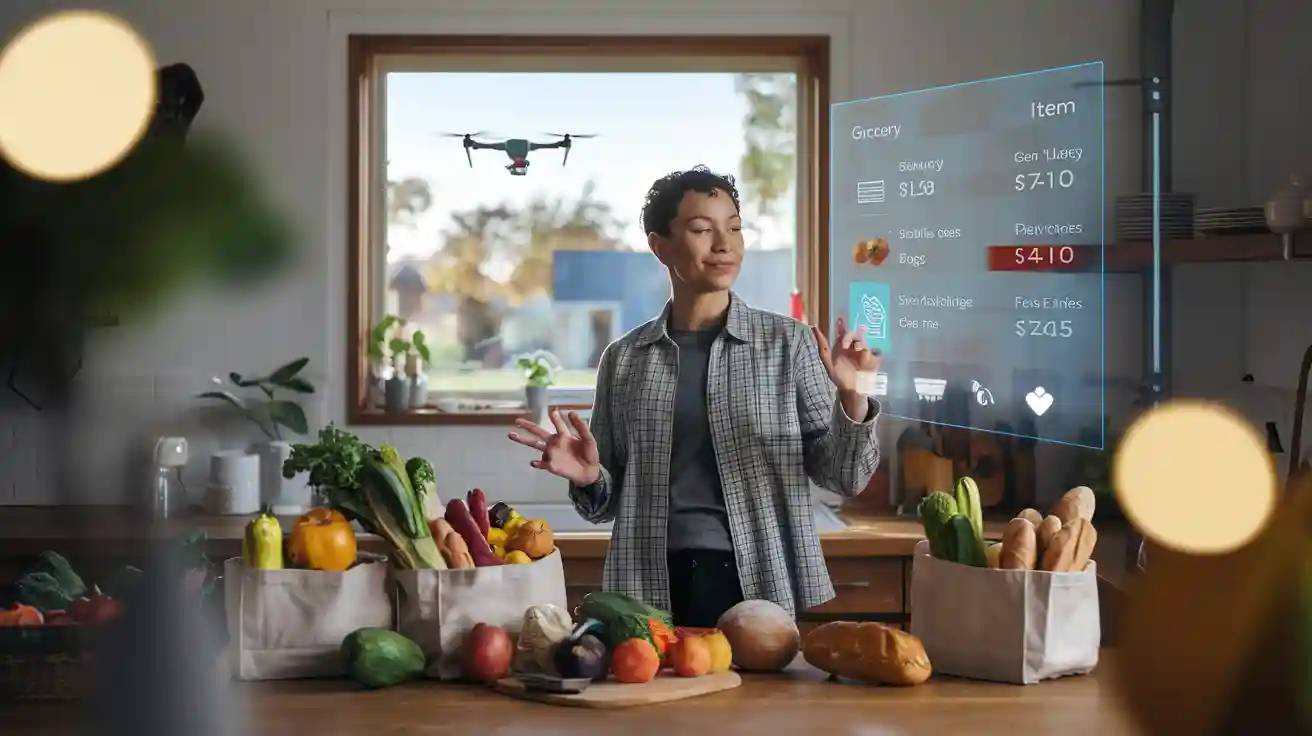
You experience grocery delivery in 2025 as a streamlined, tech-driven process. You order groceries through intuitive apps, track real-time inventory, and select from flexible delivery options. Technology personalizes your shopping, meeting your needs for speed and convenience. Over half of U.S. shoppers now use online grocery delivery, with nearly half choosing scheduled home delivery.
Customers expect accuracy and responsive support, making the entire grocery experience efficient and satisfying.
Key Takeaways
Grocery delivery in 2025 uses smart apps with real-time inventory and flexible delivery options to make shopping fast and easy.
You can personalize your orders with AI suggestions and choose subscriptions to save time and get discounts.
Real-time tracking and clear communication help you know exactly when your groceries will arrive.
Delivery services face challenges like missing items and freshness but use technology and automation to improve accuracy and speed.
The future of grocery delivery includes more automation, eco-friendly options, and faster service to meet growing customer needs.
Grocery Delivery Process
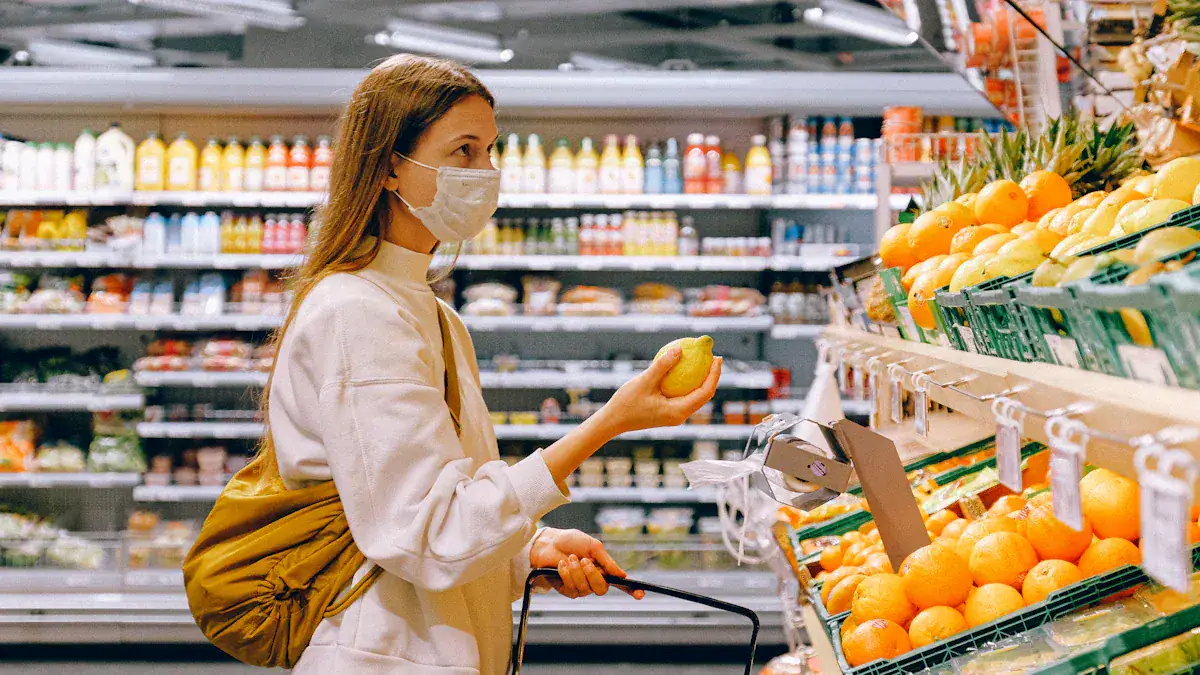
Placing Orders
You start your grocery delivery journey by opening a user-friendly app or website. The platform welcomes you with a clean layout and smart search tools. You can use voice search or type keywords to find products quickly. Many platforms now offer AI-powered assistants that suggest items based on your past orders or dietary preferences. You browse categories, add groceries to your cart, and adjust quantities as needed. The checkout process gives you options for home delivery, store pickup, or even subscription-based orders.
Tip: If you want a seamless experience, look for platforms that offer full-service grocery delivery. These services handle everything from selection to doorstep delivery, saving you time and effort.
The typical steps in the grocery delivery business look like this:
You research and plan your order, often using recommendations or trending items.
You design your shopping list with the help of intuitive app features.
You use advanced search, filtering, and order history to make selections.
You proceed to checkout, choosing your preferred delivery or pickup option.
You receive real-time updates and notifications about your order status.
Business Model | Description | Technology Facilitation |
|---|---|---|
Inventory-owning | The grocery delivery business controls procurement, storage, and delivery for quality assurance. | Inventory management systems and last-mile delivery optimization software keep everything running smoothly. |
Aggregator/Marketplace | The platform connects you to multiple local stores for more choices. | Unified online marketplaces and delivery coordination tools streamline your experience. |
Hyperlocal | The service focuses on your neighborhood for fast, personalized delivery. | Local partnerships and route optimization technologies ensure quick turnaround. |
Subscription-based | You schedule regular deliveries of essentials through a subscription plan. | Automated recurring order systems and personalized profiles make this easy. |
Buy Online Pick-up In-Store (BOPIS) | You order online and pick up at the store, blending convenience and flexibility. | Omnichannel integration and real-time inventory updates support this model. |
Real-Time Inventory
You benefit from real-time inventory visibility every time you shop for groceries online. The app shows you exactly what is in stock across all store locations, warehouses, and even in transit. Cloud-based POS systems track inventory continuously, so you rarely face stockouts or order cancellations. Barcode scanners and real-time dashboards help staff update stock levels instantly. Automated low-stock alerts and reorder features keep shelves filled.
Mobile-enabled scanning and data synchronization ensure accuracy in every aisle.
Cloud-based POS and barcode integration let staff track inventory on shelves, in backrooms, and on displays.
Automated alerts notify staff when items run low or go missing, so replenishment happens fast.
Real-time data improves pick accuracy, reduces substitutions, and optimizes order routing.
Mobile workflows and cycle counting help manage freshness and track expiration dates.
This technology supports omnichannel fulfillment, so you can shop with confidence. Retailers using these systems see fewer missing items, better order accuracy, and higher customer satisfaction.
Scheduling and Delivery Options
You choose from a range of delivery options to fit your schedule. Most grocery delivery services offer same-day, next-day, and even ultra-fast delivery within an hour. You select your preferred time slot during checkout, and the app confirms your window instantly. On-demand delivery has become standard, especially in urban areas.
If an item is unavailable, the platform may suggest a substitution. Some services use AI to recommend alternatives based on your preferences or past choices. However, not all substitutions work for everyone. Customers with allergies or dietary restrictions sometimes face challenges when replacements do not match their needs. Many customers report frustration with missing items, refund delays, or inconvenient substitutions. Premium services tend to handle these issues better, offering clear communication and flexible policies.
Note: To avoid disappointment, always review your substitution preferences and order in advance when possible. Choosing a grocery delivery business with strong real-time inventory management can reduce the risk of missing items.
Grocery delivery businesses continue to improve logistics and communication. You receive real-time tracking updates, estimated delivery times, and notifications about any changes. These features help you plan your day and trust the process.
Grocery Delivery App Features
Online Grocery Delivery Experience
You interact with a grocery delivery app that puts all your favorite online grocery stores in one place. The essential features of grocery delivery app platforms include a simple interface, advanced search, and personalized recommendations. You can use voice search, barcode scanning, or even manage a shared family account. The app shows you real-time inventory, so you always know what is available. AI and machine learning personalize your grocery shopping experience, suggesting products based on your habits and dietary needs. You can view nutritional information, manage shopping lists, and receive digital receipts for every order. These features make online grocery delivery more convenient and tailored to your lifestyle.
Tip: Use the app’s push notifications to get updates on your orders and special offers.
The aggregator model lets you shop from multiple stores at once. You do not need to visit different apps or websites. The grocery delivery app gathers products from various locations and displays them in a single interface. This approach saves you time and increases convenience.
Real-Time Tracking
Real-time order tracking stands out as one of the most essential features of grocery delivery app platforms. You can follow your order from the moment you check out until it arrives at your door. The app uses GPS live navigation and AI-based route optimization to keep you updated on your delivery’s progress. You receive push notifications about your order status, estimated arrival time, and any changes along the way. This transparency builds trust and gives you confidence in the grocery delivery process.
Payment Integration
You enjoy secure and seamless payment integration with every grocery delivery app. The essential features of grocery delivery app platforms include support for multiple payment methods. You can pay with debit or credit accounts, digital wallets, net banking, or even cash-on-delivery. This flexibility ensures that you always have a convenient way to complete your purchase. The app keeps your payment information safe and makes checkout quick and easy.
Customer Support
You expect fast and reliable customer support from your grocery delivery app. AI chatbots answer common questions and help you solve problems at any time. If you need more help, you can reach out to live agents through chat or phone. The app provides transparent pricing, loyalty programs, and easy access to order history. These features encourage repeat purchases and improve your overall experience as a customer.
Personalization and Subscriptions
Tailored Shopping
You now enjoy a grocery delivery app that knows your habits and preferences. Technology shapes your shopping journey in real time. Smart shopping carts, like Caper Cart, use tablets and cameras to help you find items, manage your list, and receive personalized recommendations. AI-powered features suggest recipes, plan meals, and even streamline your ordering process. Generative AI improves loyalty programs and search functions, making your grocery experience more relevant to your needs. Electronic shelf labels and pick-to-light systems help you and store workers locate products quickly. These advances create increased customer convenience and make every trip—online or in-store—more efficient.
Tip: Use the grocery delivery app’s personalized suggestions to discover new products that match your tastes or dietary needs.
Subscription Models
You see more grocery delivery services offering subscription models. In 2025, about 58% of customers choose subscriptions for their grocery orders. This trend reflects a strong consumer preference for convenience. Subscriptions let you automate regular deliveries of essentials, so you never run out of what you need. You benefit from cost savings, free or reduced delivery fees, and exclusive perks. Large retailers use these programs to attract and retain customers by offering deep discounts and steady value. Annual plans encourage you to shop more often and build a habit of using the same grocery delivery app. Smaller grocers compete by focusing on personalized service and unique promotions.
Subscriptions create steady revenue for businesses.
You receive reminders and special offers that boost customer engagement.
Discounts or coupons for future purchases encourage you to order again.
Delivery Discounts
You often get delivery discounts as part of your subscription. These savings make the grocery delivery app even more appealing. Discounts and perks encourage you to place frequent orders and stick with your chosen service. Clear communication about these benefits helps you understand the value of your subscription. As a result, you enjoy enhanced customer engagement and a more rewarding experience every time you shop for groceries online.
Grocery Delivery Service Challenges
Missing Items and Refunds
You may sometimes find that your grocery delivery order arrives with missing items or unexpected substitutions. This happens because grocery delivery service providers must manage real-time inventory, sudden demand changes, and supply chain disruptions. When an item is out of stock, the service may offer a replacement or process a refund. Most grocery delivery service apps let you set your substitution preferences before checkout. If you receive the wrong item or something is missing, you can request a refund or credit through the app. Fast and fair refunds help build trust with customers and keep you coming back.
Note: Always check your order summary and set your preferences for substitutions to avoid surprises.
Logistics and Fulfillment
Grocery delivery service providers face many challenges in logistics and fulfillment. You expect your groceries to arrive fresh and on time. To meet this need, services use advanced logistics planning platforms. These platforms optimize delivery routes, manage real-time dispatch, and forecast demand. Automation in warehouses, such as robotics and advanced picking systems, speeds up order processing and reduces mistakes. Micro-fulfillment centers and dark stores bring inventory closer to you, making same-day delivery possible. AI-driven demand forecasting ensures that products are available when you need them. Last-mile delivery improvements, like autonomous vehicles and drones, help services deliver faster and more accurately.
Common challenges for grocery delivery service providers include:
Managing delivery costs and fuel expenses
Keeping products fresh, especially perishables
Handling item substitutions and last-minute changes
Dealing with urban traffic and sustainability goals
Customer Expectations
You now expect grocery delivery to be fast, reliable, and accurate. Over the past few years, more customers have started using online grocery delivery service options. You want your groceries delivered quickly, but you also want every item to be correct and fresh. Companies have responded by investing in automation and real-time tracking. Warehouse automation, such as robotics, helps process more orders with fewer errors. Real-time data analytics and supply chain agility allow services to meet your high standards. Delivery zones have expanded, and some services can deliver your groceries in as little as three hours. You benefit from these improvements, but you also expect even better service in the future.
Challenge | How Services Respond |
|---|---|
Speed and reliability | Automation, real-time tracking, expanded zones |
Product freshness | Micro-fulfillment, AI inventory management |
Order accuracy | Robotics, advanced picking, customer feedback |
Future of Online Grocery Delivery
Trends and Growth
You see the grocery delivery market expanding at a rapid pace. Market research shows that the global online grocery delivery market will reach $0.75 trillion in 2025 and could grow to over $2 trillion by 2030. The Asia-Pacific region leads with the fastest growth, while North America holds the largest share. The shift to e-commerce continues to drive this explosive growth, as more people use grocery delivery apps for convenience and speed.
Metric | Value | Source |
|---|---|---|
Projected Market Size (2025) | $0.75 trillion | Mordor Intelligence |
Forecast Market Size (2030) | $2.07 trillion | Mordor Intelligence |
CAGR (2025 – 2030) | 22.25% | Mordor Intelligence |
Fastest Growing Region | Asia-Pacific | Mordor Intelligence |
Largest Market (2024) | North America | Mordor Intelligence |
You notice trends like quick commerce, which promises delivery in under an hour, and the rise of micro-fulfillment centers in urban areas. Online grocery sales now make up a larger share of total grocery spending, and you benefit from more choices and faster service.
Technology and Automation
You experience the future of online grocery delivery through advanced technology and automation. Grocery delivery businesses invest in AI-powered analytics, robotics, and smart home integration. These trends help you get accurate orders and fast delivery. For example, AI predicts what you need, while robotics speed up order picking and packing. Autonomous vehicles and drones deliver groceries to your door, reducing costs and supporting green logistics.
Technology Trend | Description |
|---|---|
AI-powered Analytics & Forecasting | Optimizes inventory and demand prediction for fewer stockouts. |
Robotics & Computer Vision | Automates shelf audits and restocking for better product availability. |
Autonomous Delivery Vehicles | Uses self-driving cars and drones for faster, more sustainable delivery. |
Smart Home Integration | Lets your fridge reorder groceries automatically. |
Blockchain | Tracks products for better safety and transparency. |
You also see grocery delivery apps using omnichannel integration, so you can shop online, on mobile, or in-store with the same account. These technology trends make your shopping experience smoother and more reliable.
Revenue Models
You support the grocery delivery business every time you place an order. Companies use several revenue models to stay profitable in this competitive e-commerce space. You may pay a delivery fee, a service fee, or see surge pricing during busy times. Some grocery delivery apps earn money from in-app advertising or partnerships with banks and payment providers. Marketplace models charge vendors a commission for each sale, while dark-store operators rely on margins from owning inventory.
Delivery service fees cover logistics and encourage larger orders.
Commission-based models scale with order volume but have lower margins.
Surge pricing increases fees during peak demand.
In-app advertising and partnerships add extra income without raising your costs.
You benefit from these trends as grocery delivery businesses balance cost efficiency, technology innovation, and customer satisfaction. The future of online grocery delivery will bring even more choices, faster service, and smarter solutions for your grocery needs.
You experience grocery delivery in 2025 as fast, reliable, and tailored to your needs. Technology and personalization shape every step, from curated recommendations to real-time updates. Improved logistics give you flexible delivery options and fresh grocery items every time.
Hyper-personalization and voice-activated ordering make shopping easier.
Real-time tracking and contactless delivery boost your confidence.
Seamless integration of online and offline experiences deepens your loyalty.
You can expect grocery delivery to keep evolving, with smarter automation, eco-friendly practices, and even more convenience ahead.
FAQ
How do you track your grocery delivery order?
You can track your order in real time using the app. The app shows your order status, estimated arrival time, and driver location. Push notifications keep you updated every step of the way.
What should you do if an item is missing from your order?
If you notice a missing item, open the app and select your recent order. Use the “Report Issue” feature to request a refund or replacement. Most services process refunds quickly.
Can you customize your delivery time?
You choose your preferred delivery window during checkout. Many apps offer same-day, next-day, or even one-hour delivery slots. You can reschedule or update your time slot if your plans change.
Are grocery delivery subscriptions worth it?
Benefit | Description |
|---|---|
Cost Savings | Lower or free delivery fees |
Convenience | Automated regular deliveries |
Exclusive Perks | Special discounts and offers |
Subscriptions help you save money and time if you order groceries often.
How do you handle substitutions for out-of-stock items?
You set your substitution preferences before checkout. The app suggests alternatives if something is unavailable. You can accept, decline, or specify items you do not want replaced.