

Hiking Jacket Pros and Cons You Need to Know
Table of Contents
Display
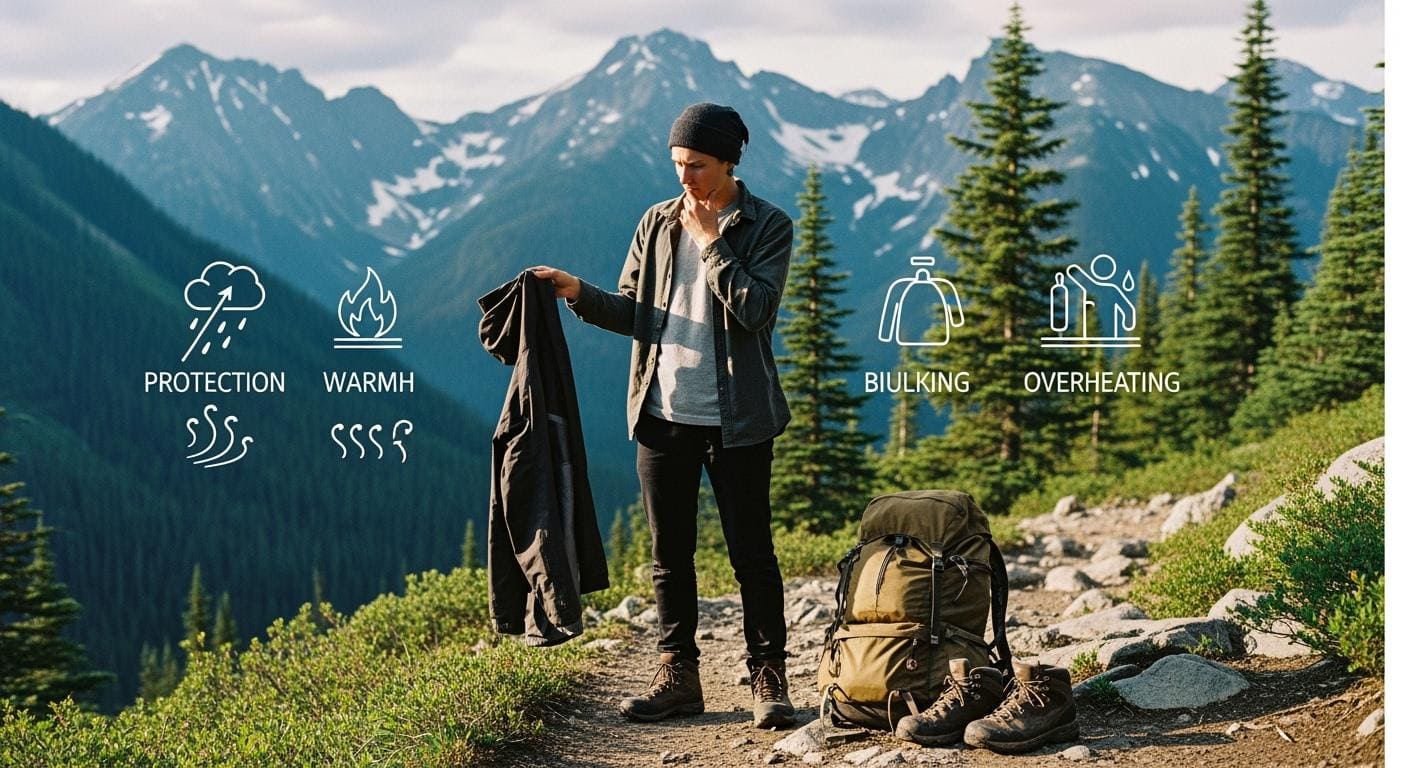
When you pick a hiking jacket, you gain strong protection against rain and wind. Waterproof layers keep you dry and shield you from gusts, which improves your comfort and performance in tough conditions. Breathable materials help sweat escape, reducing discomfort as you move. You may notice some jackets feel heavier or less breathable during intense activity. Each feature can affect your hiking experience differently. The next sections break down these pros and cons so you can choose wisely.
Key Takeaways
Choose a hiking jacket with a high waterproof rating for better rain protection. Ratings range from 0 to 20,000mm; higher numbers indicate stronger resistance.
Look for breathable materials in jackets to keep sweat from building up. This helps maintain comfort during intense hikes.
Consider wind resistance features to stay warm on exposed trails. Jackets made from nylon ripstop or similar fabrics effectively block cold gusts.
Select a versatile jacket that works in multiple seasons. Some models combine insulation and water resistance for year-round use.
Prioritize durability by choosing jackets made from rugged materials. Look for reinforced stitching and waterproof zippers to ensure longevity.
Be aware of the weight and bulk of your jacket. Lightweight options are better for fastpacking, while heavier jackets offer more protection in harsh conditions.
Understand the difference between water-resistant and waterproof jackets. Use water-resistant jackets for light rain and waterproof ones for heavy downpours.
Regular maintenance, like cleaning and reproofing, is essential to keep your jacket performing well. Follow care instructions to extend its lifespan.
Pros of Hiking Jacket
Waterproof Protection
Rain Defense
You need a hiking jacket that stands up to the rain. Waterproof gear uses advanced fabrics and construction to block water from soaking through. When you hike in wet weather, you want to keep you dry and comfortable. Most waterproof hiking jackets use the best water-resistant materials, which include tightly woven fabrics and special coatings. These features stop rain from getting inside, even during heavy downpours.
Tip: Always check the waterproof rating before you buy. Higher numbers mean better protection.
Test Name | Purpose |
|---|---|
Measures fabric’s resistance to water penetration; higher ratings indicate better waterproofing. | |
Moisture Vapor Transmission Rate | Assesses breathability by measuring moisture vapor passing through the fabric; higher rates indicate better breathability. |
Waterproof ratings, measured in millimeters, show how much water a fabric can handle before it leaks. Ratings range from 0 to 20,000mm. However, real-world waterproofing depends on more than just numbers. Seam taping and fabric construction also play a big role in how well a hiking jacket keeps out rain. The best water-resistant materials combine high ratings with strong seams and smart design.
Waterproof ratings are measured in mm, indicating the amount of water a material can withstand without leaking.
Ratings range from 0 to 20,000mm, but do not fully determine waterproofness in real-world conditions.
Factors like seam taping and fabric construction significantly affect how dry a person stays.
While waterproof ratings may correlate with fabric thickness and durability, they should not be the sole basis for purchasing decisions.
Wet Weather Comfort
You want to stay comfortable when the weather turns wet. Waterproof breathable jackets help you avoid that clammy feeling by letting sweat escape while blocking rain. This balance keeps your body temperature steady and prevents overheating. You can hike longer and feel better, even when the trail gets muddy and the sky opens up. Waterproofing technology in modern jackets makes a big difference in your comfort level during rainy hikes.
Wind Resistance
Shield from Gusts
Strong winds can chill you quickly on exposed trails. A hiking jacket with wind resistance shields you from cold gusts. Many waterproof jackets use nylon ripstop or similar fabrics that block wind and help you stay warm. Some models, like the Ortovox Merino Windbreaker and Black Diamond Distance Wind Shell, use special designs to seal out wind and keep your core temperature stable.
Ortovox Merino Windbreaker: Excellent at blocking wind, noticeable temperature difference when worn in windy conditions.
Enlightened Equipment Copperfield Wind Shirt: More windproof than the Ortovox, can keep you warm when paired with a fleece.
Black Diamond Distance Wind Shell: Made of windproof nylon ripstop, features a hood design that effectively seals out wind.
Patagonia Houdini: Very wind-resistant, has a cinch cord for better fit against wind.
Rab Vital Hoody: Good at blocking wind, suitable for chilly conditions.
Trail Exposure
When you hike in open areas or on ridgelines, wind exposure increases. Waterproof gear with strong wind resistance helps you avoid rapid heat loss. Windproof hiking jackets perform well in different wind speeds. For example, windbreakers like the Patagonia Houdini block wind effectively, which is crucial for keeping your body warm. These jackets use a balance of breathability and wind protection, measured by CFM (cubic feet per minute). You get significant warmth without extra bulk. In field tests, these jackets have proven effective even in extreme winds, helping you stay safe and comfortable on exposed trails.
Versatility
Multi-Season Use
A hiking jacket gives you flexibility for different seasons. You can wear it in spring rain, summer storms, or fall winds. Many waterproof breathable jackets work well as outerwear in cold or mild weather. Some models, like the Cotopaxi Trico Hybrid Jacket and Hoka SkyFill Outdoor Jacket, blend insulation and water resistance for year-round use. Others, such as the Stellar Shell Jacket 2.0 and Taema Hoody, offer lightweight protection for warmer hikes. The Atom Hoody serves as a reliable mid-layer or standalone jacket, making it easy to adapt to changing conditions.
Cotopaxi Trico Hybrid Jacket: Blends recycled polyester insulation with a fleece back panel, ideal for high-output activities and layering.
Hoka SkyFill Outdoor Jacket: Features down-mimicking insulation, great warmth-to-weight ratio, and water-resistant shell for light snow or drizzle.
Stellar Shell Jacket 2.0: High-performance, moisture-repellent, breathable, and lightweight, suitable for various alpine conditions.
Taema Hoody: Lightweight, moisture-wicking, offers light rain resistance, and UV protection, perfect for warmer weather hikes.
Atom Hoody: Reliable mid-layer or standalone jacket, provides warmth and breathability, easy to layer without bulk.
Layering Options
You can layer a hiking jacket over base layers or under heavier coats. This adaptability makes it one of the most versatile pieces of outerwear. Hiking jackets can be layered for insulation, making them adaptable to various temperatures. They offer breathability, which is beneficial during high-intensity activities like hiking. Hiking jackets provide protection against the elements, essential for outdoor activities. Other outerwear options, such as insulated jackets and hardshells, have specific strengths but lack the overall versatility of hiking jackets. You get the benefit of waterproofing, wind resistance, and comfort in one package.
Note: Choose a jacket that fits well over your base layers for the best performance in changing weather.
Durability
Rugged Materials
You want a hiking jacket that stands up to tough conditions. Manufacturers use advanced materials and construction techniques to make jackets durable. You find proprietary membranes in many models. These membranes let air flow but keep water out. Durable Water Repellent (DWR) treatments create a surface that sheds water easily.
Field tests show that jackets perform well in harsh environments. You see ripstop fabrics and reinforced stitching in jackets built for heavy use. Seam sealing, waterproof zippers, and extra reinforcement in high-wear areas help jackets last longer. Modern construction methods, such as lasered, taped, or welded seams, improve durability and prevent leaks.
Advanced materials and construction techniques increase performance and durability.
DWR treatments help the jacket repel water.
Ripstop fabrics and reinforced stitching resist tearing and abrasion.
Seam sealing and waterproof zippers protect against leaks.
Lasered, taped, or welded seams add strength and longevity.
Long-Lasting Wear
You want your jacket to last for many hikes. Popular hiking jackets use tough outer shell fabrics that resist tearing, punctures, and abrasion. These fabrics keep shedding water and stay breathable over time. Waterproof breathable (WPB) membranes should stay intact and not crack or peel. You may notice some hardware, like zippers or Velcro, can wear out faster than the fabric.
Feature | Description |
|---|---|
Resists tearing, punctures, and abrasion; maintains water shedding and breathability. | |
WPB Membrane Durability | Remains intact under wear; resists delamination and cracking; resists fouling from oils/dirt. |
Common Hardware Failures | Zippers, elastic adjusters, and Velcro may lose effectiveness over time. |
You get more value from a jacket that holds up after years of use. When you choose a jacket with rugged materials and strong construction, you invest in gear that protects you season after season.
Comfort Features
Breathable Fabrics
You need comfort when hiking for hours. Breathable fabrics help sweat escape, so you stay dry inside your jacket. Many hiking jackets include ventilation features, such as zippered underarm vents and mesh-lined pockets. These features let air flow and reduce overheating.
Feature | Description |
|---|---|
Breathability | Zippered underarm vents and mesh-lined pockets improve airflow and comfort. |
Comfort Testing | Jackets are tested for fit, fabric, and mobility to ensure comfort during various activities. |
You feel more comfortable when your jacket fits well and allows you to move freely. Articulated sleeves and stretchy side panels give you flexibility for climbing, scrambling, or reaching.
Adjustable Hoods
You want protection from wind and rain, but you also want a custom fit. Adjustable hoods and hems let you seal out cold drafts. You can tighten the hood for stormy weather or loosen it for better visibility. These features help you adapt your jacket to changing conditions.
Feature | Description |
|---|---|
Adjustable Hoods | Custom fit keeps out wind and rain; easy to adjust for comfort and visibility. |
Ergonomic Design | Articulated sleeves and stretchy panels provide flexibility for high-stretch activities. |
Tip: Try adjusting the hood and hem before you buy. A good fit makes a big difference in comfort and protection.
You get more enjoyment from your hike when your jacket keeps you comfortable and protected. Breathable fabrics and adjustable hoods make hiking jackets a smart choice for outdoor adventures.
Cons of Hiking Jacket
Breathability Limits
Trapped Moisture
You may notice that a hiking jacket with waterproof materials can trap moisture inside. When you hike in the rain, your body produces perspiration. If your jacket does not vent this perspiration well, you feel damp and uncomfortable. Many waterproof jackets struggle to balance water-resistance and breathability. Higher waterproof ratings often reduce breathability, which means sweat cannot escape easily. You might experience wet shoulders, especially when you carry a rucksack. Pressure from your backpack can make venting perspiration even harder, so moisture builds up inside your jacket.
Higher waterproof ratings can lower breathability, causing discomfort during activity.
Moisture Vapour Transmission Rate (MVTR) helps you understand what works and what doesn’t for venting perspiration.
Many hikers report wet shoulders due to backpack pressure, which makes jackets feel less breathable.
Overheating Risk
You want to stay dry in the rain, but you also want to avoid overheating. Waterproof jackets can trap heat, especially during strenuous hikes. When you move quickly or climb steep trails, your body temperature rises. If your jacket does not release enough heat, you feel hot and sweaty. This risk increases in humid conditions or when you wear multiple layers. You may need to stop and adjust your clothing to cool down. Breathable features help, but they do not always work well in heavy rain.
Weight and Bulk
Heavier Than Alternatives
You might find that a hiking jacket weighs more than other outerwear. Waterproof jackets often use multi-layer construction and durable fabrics. These features add weight, which you notice when you pack for a long trip. Lightweight jackets weigh under 500g and suit fastpacking or casual hikes. Heavier jackets work better for alpine or winter use, but they add bulk to your gear. You need to decide if the extra protection against rain is worth the added weight.
Description | |
|---|---|
Lightweight jackets | Under 500g, favored for fastpacking and casual wear |
Heavier jackets | Multi-layer, suitable for alpine or winter use |
Compressible jackets | Can be packed into small stuff sacks, versatile for travel and emergencies |
Packability Issues
You want your hiking jacket to fit easily in your backpack. Packability matters when you hike long distances and need to save space. Jackets that compress well take up less room and add minimal weight. Some models, like the Black Diamond Deploy, pack down smaller than a Nalgene bottle. The Rab Mythic Alpine Light weighs only 8.8 oz and offers warmth with high packability. The warmth-to-weight ratio helps you choose a jacket that keeps you warm without making your pack heavy. If your jacket does not compress well, you lose valuable space for other gear. This issue becomes more noticeable when you prepare for multi-day hikes in the rain.
Cost
Price Range
You may notice that hiking jackets come in a wide price range. Waterproof jackets with advanced features often cost more than basic rain gear. High-end models use premium waterproof materials and construction, which increases the price. You need to consider your budget before you buy. Some jackets offer great value for their price, while others may not justify the cost if you hike only occasionally.
Value for Money
You want to get the best value for your investment. A hiking jacket with strong water-resistance, durability, and breathable features may cost more upfront. However, it can last for many seasons and protect you in heavy rain. If you hike often in wet conditions, spending more on a quality jacket makes sense. If you hike less or in mild weather, a lower-priced option may work for you. Always compare features, materials, and reviews to see what works and what doesn’t for your needs.
Fit and Comfort
Snug Fit
You want your hiking jacket to fit well, but many waterproof models feel snug or tight. Manufacturers design these jackets to sit close to your body for better breathability and weather protection. However, a close fit can restrict movement, especially when you add layers underneath. You may struggle to reach or stretch during your hike if the jacket does not allow enough flexibility.
Size labels often vary between brands. You might find a medium in one brand fits like a large in another. This inconsistency makes it important to try jackets on before buying. A proper fit should let you move freely and accommodate your base layers without feeling squeezed.
Fit and comfort issues significantly impact user satisfaction with waterproof hiking jackets.
Consumers prioritize comfort and fit, especially as they age.
Deviations in sizing can lead to dissatisfaction.
Usability features like ventilation and pocket accessibility also influence satisfaction.
The best waterproof jackets should fit closely for efficient breathability without restricting movement.
Jackets should comfortably accommodate layers worn underneath.
Size labels are inconsistent across brands, indicating the importance of trying jackets for proper fit.
Tip: Always test the jacket with your typical hiking layers to ensure you get the right fit for your adventures.
Feeling Confined
You may notice that some waterproof hiking jackets feel confining. The materials used for weather protection often lack stretch, which can make the jacket feel stiff. When you zip up fully and tighten the hood, you might feel restricted around your shoulders and arms. This sensation becomes more noticeable during active movement, such as scrambling over rocks or climbing steep trails.
A jacket that feels too tight or limits your range of motion can reduce your enjoyment on the trail. You may also find that pocket placement and ventilation features affect comfort. If pockets are hard to reach or vents are blocked by your backpack straps, you lose some usability. Comfort and freedom of movement play a big role in how satisfied you feel with your hiking gear.
Issue | Impact on Comfort | User Experience |
|---|---|---|
Snug fit | Restricts movement | May feel squeezed or tight |
Confined feeling | Limits flexibility | Reduces enjoyment |
Inconsistent sizing | Difficult to find proper fit | Frustration with brands |
Poor pocket access | Hard to reach essentials | Less convenient on the trail |
Maintenance
Cleaning Needs
You need to care for your waterproof hiking jacket to keep it performing well. Dirt, sweat, and oils from your skin can clog the fabric and reduce its ability to repel water. Manufacturers recommend washing your jacket with a mild detergent designed for technical gear. This type of cleaner removes contaminants without damaging the waterproof coating. You should wash your jacket after seven to ten uses or after long trips. If you notice the fabric starts to absorb water instead of shedding it, it is time for a wash.
Note: Avoid regular laundry detergents, as they can strip away the water-repellent finish and shorten the life of your jacket.
Reproofing
You must reproof your hiking jacket to restore its water-repellent qualities. Over time, the durable water repellent (DWR) coating wears off, especially with frequent use in wet conditions. If water stops beading on the surface after washing, you should apply a PFAS-free waterproofing solution. For jackets worn often in all weather, reproofing every three to four months keeps them effective. If you use your jacket less regularly or in milder conditions, reproofing every six months is usually enough.
Reproof every three to four months if you wear your jacket frequently in all weather.
Reproof every six months if you wear your jacket less regularly or in less extreme conditions.
Regular cleaning and reproofing help your jacket stay protective and breathable. These maintenance routines require time and effort, but they ensure your gear lasts longer and performs better on every hike.
Choosing Your Hiking Jacket
Assess Your Conditions
Weather and Terrain
You should start by evaluating the weather and terrain you expect to encounter. Different environments require different features from your hiking jacket. If you hike in mild weather, a basic rain jacket may be enough. For winter hikes, you need more protection. Jackets come with waterproof ratings, usually scored from 1 to 5. Higher scores mean better water resistance. Breathable designs help you avoid excessive perspiration, especially when you hike uphill or in humid conditions. Mechanical ventilation features, such as pit zips or mesh panels, improve airflow. Terrain also matters. Lightweight jackets work best in mountainous areas, where you need to move quickly and pack light.
Explanation | |
|---|---|
Weather Conditions | Choose a rain jacket for mild weather; for winter hikes, opt for jackets with more protection. |
Waterproofing | Jackets are rated on a scale from 1 to 5; higher scores indicate better waterproofing. |
Breathability | Essential to avoid excessive perspiration; look for jackets with mechanical ventilation features. |
Terrain Suitability | Select jackets based on the type of terrain; lightweight options are better for mountainous areas. |
Activity Intensity
You should consider how intense your hiking activity will be. If you plan to hike at a fast pace or tackle steep climbs, you need a jacket that manages sweat and heat well. Breathable fabrics and ventilation features help you stay comfortable. For slower hikes or colder conditions, prioritize insulation and wind protection. Always match your jacket’s features to your activity level for the best experience.
Protection vs Comfort
Dryness vs Breathability
You must balance staying dry with staying comfortable. A hiking jacket is essential, even when the weather looks clear. Sudden changes can leave you exposed. Underestimating the need for a jacket can lead to discomfort or health risks. You need a jacket that wicks sweat away from your base layer. Breathable materials are crucial during physical activity. Protection from rain and wind also helps guard against cold temperatures. Choose a jacket that keeps you dry but does not trap heat or moisture inside.
Always bring a jacket, even if the forecast is good.
Breathable designs help wick sweat and keep you comfortable.
Protection from rain and wind prevents cold-related issues.
Layering Strategies
You should use layering to adapt to changing conditions. The mid layer provides insulation and retains body heat. Avoid cotton layers because they lose warmth when wet and take longer to dry. The outer layer, your hiking jacket, protects against rain, snow, and wind. It should be packable and have minimal insulation to help regulate temperature. Proper layering lets you manage heat loss and moisture. Each layer serves a purpose: moisture management, insulation, and protection. Adjust your layers as needed to stay comfortable and safe.
Mid layers offer insulation and flexibility.
Avoid cotton; choose quick-drying materials.
Outer layers protect from the elements and should be easy to pack.
Budget Considerations
Investment Value
You need to think about how much you want to spend. Waterproof jackets range from $50 to $1,000. Modern designs focus on being waterproof, lightweight, and breathable. These features are important for hiking. Select a jacket that meets your needs without overspending. High-quality rainwear can be expensive, sometimes costing several hundred dollars. Research before you buy. Learn the terminology and compare features to find the right jacket for your activities.
Prices vary widely, so set a budget before shopping.
Look for jackets that offer the features you need.
Research helps you understand protection levels and terminology.
Cost per Use
You should consider how often you will use your hiking jacket. If you hike frequently, investing in a durable, high-quality jacket makes sense. The cost per use decreases as you wear it more. Occasional hikers may prefer a less expensive option. Always weigh the long-term value against the upfront cost. Knowing how to choose better can help you make a smart investment.
Water Resistant vs Waterproof
Key Differences
You often see the terms water resistant vs waterproof when shopping for hiking jackets. These labels can confuse you, but knowing the difference helps you make a smart choice. Water resistant jackets offer basic protection. You can wear them in light drizzle or short showers. Waterproof jackets give you the highest level of rain protection. You stay dry even in heavy downpours.
The technical differences between water resistant vs waterproof jackets matter. Water resistant jackets use fabrics that block light moisture. They do not keep you dry in serious rain. Waterproof jackets use advanced materials and coatings. These jackets withstand strong rainfall and keep water out. You find that water resistant vs waterproof jackets also differ in industry standards. Water resistant jackets do not follow strict standards. Waterproof jackets meet specific water resistance levels, but these levels can vary by brand.
Here is a table that shows the main differences:
Feature | Water-Resistant | Waterproof |
|---|---|---|
Level of Protection | Lower level of rain protection | Highest level of rain protection |
Fabric Characteristics | Can handle light drizzle; not suitable for heavy rain | Designed to withstand serious rainfall; uses advanced materials and coatings |
Industry Standards | No agreed-upon standard for water resistance | Considered waterproof based on specific water resistance levels, but varies by brand |
You should check the product details before you buy. Look for information about water resistant vs waterproof features. Some brands use their own tests, so compare ratings and reviews.
When to Choose Each
You need to decide between water resistant vs waterproof jackets based on your hiking plans. If you hike in dry climates or expect only light rain, a water resistant jacket works well. You get a lightweight option that packs easily. These jackets suit short hikes, city walks, or backup protection in mild weather.
Choose a waterproof jacket when you expect heavy rain, wet trails, or unpredictable weather. You need strong protection for long hikes, mountain trips, or multi-day adventures. Waterproof jackets keep you dry and comfortable, even when the weather turns bad. You may notice that waterproof jackets weigh more and cost extra, but they offer peace of mind.
Here are some tips to help you choose:
Pick water resistant vs waterproof jackets based on your local climate.
Use water resistant jackets for light rain and short outings.
Select waterproof jackets for heavy rain, long hikes, or exposed terrain.
Check for ventilation features if you want comfort during intense activity.
Always read product labels and reviews to compare water resistant vs waterproof claims.
Tip: Try on both types before you buy. Move around and test the fit. You want a jacket that matches your hiking style and keeps you comfortable.
You make a better decision when you understand water resistant vs waterproof options. Think about your usual hiking conditions, your budget, and how much protection you need. The right jacket helps you enjoy every hike, rain or shine.
You gain reliable protection from rain and wind when you choose a hiking jacket with waterproof features. You stay dry and comfortable, but you may notice limits in breathability and extra weight. These factors shape your hiking experience by affecting comfort and performance. You should match your jacket to your hiking style, local climate, and budget. Try different options to find the best fit for your needs.
FAQ
How do you know if a hiking jacket is truly waterproof?
Check the waterproof rating on the label. Look for sealed seams and water-repellent coatings. You can test by pouring water on the fabric. Water should bead up and roll off.
Can you wash your hiking jacket in a regular washing machine?
You can use a washing machine, but choose a gentle cycle. Use a technical gear detergent. Avoid fabric softeners. Always follow the care instructions on the jacket’s tag.
What is the difference between windproof and waterproof jackets?
Windproof jackets block wind but may not keep you dry in heavy rain. Waterproof jackets protect against both rain and wind. You should choose based on your local weather conditions.
How often should you reproof your hiking jacket?
Reproof every three to six months if you hike often. If water stops beading on the surface, apply a waterproofing spray. Regular reproofing keeps your jacket performing well.
Why does your jacket feel clammy inside during a hike?
Your jacket traps sweat and moisture when breathability is low. Ventilation features like pit zips help release heat. Choose jackets with higher moisture vapor transmission rates for better comfort.
What features should you look for in a hiking jacket for layering?
Pick a jacket with a roomy fit and adjustable cuffs. Look for lightweight materials. Zippered vents and flexible fabrics make layering easier. Test the fit with your base and mid layers.
Are expensive hiking jackets always better?
Expensive jackets often use advanced materials and construction. You should compare features, durability, and reviews. Sometimes, mid-priced options offer great value for casual hikers.
Can you repair a torn hiking jacket?
You can fix small tears with repair tape or patches. For larger damage, visit a professional gear repair shop. Quick repairs help maintain waterproofing and extend your jacket’s life.