

3 Cotton Jacket Features You Should Never Miss
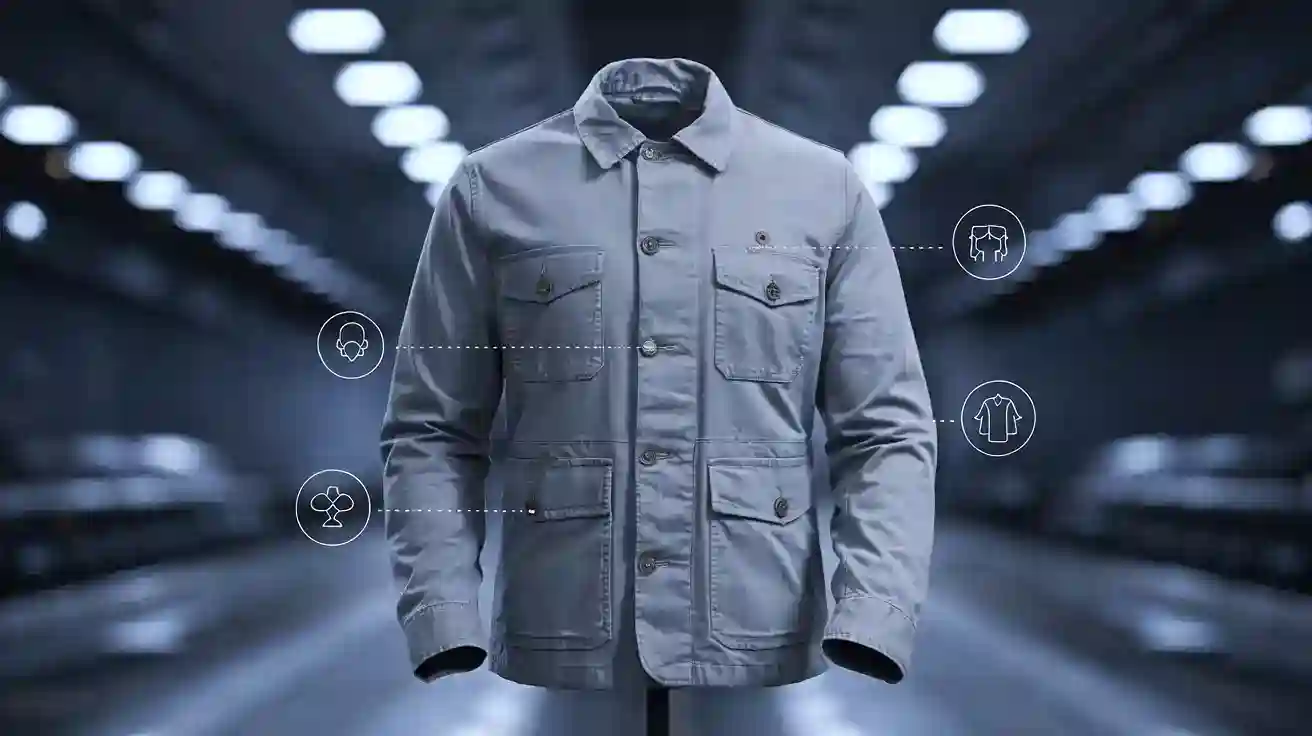
When you choose a cotton jacket for outdoor adventures, focus on the main considerations: durability, weather resistance, and outdoor functionality. You need to match your jacket to the activity, weather, and layering system. Cotton jackets offer comfort and breathability, but they absorb moisture, insulate poorly when wet, and dry slowly. These important considerations mean a cotton jacket works best in warm, dry weather. For wet or cold conditions, a waterproof jacket or synthetic option gives better protection. Always compare your jacket to the demands of your outdoor plans.
Key Takeaways
Choose a cotton jacket with strong fabric and reinforced stitching to ensure durability during outdoor activities.
Use a layering system with moisture-wicking base layers and waterproof outer layers to stay dry and warm in wet weather.
Look for adjustable features like cuffs and hoods to customize fit and comfort as weather changes.
Pick jackets with good ventilation and multiple pockets to stay cool and carry essentials easily.
Remember, cotton jackets work best in dry, mild weather and need extra layers for protection in cold or rainy conditions.
Cotton Jacket Durability

When you choose a cotton jacket for outdoor activities, durability stands out as one of the main considerations. You want your jacket to handle rough terrain, frequent movement, and changing weather. Durability helps your jacket last longer and perform better, especially when you rely on it for protection and comfort.
Fabric Strength
Cotton canvas is a popular choice for outdoor jackets because it offers solid abrasion resistance. You can see how cotton canvas compares to other materials in the table below:
Material | Abrasion Resistance (Wyzenbeek double rubs) | Abrasion Resistance (Taber cycles) | Abrasion Resistance (Martindale cycles) |
|---|---|---|---|
Cotton Canvas | ~6,000 | 1,500-2,000 | N/A |
Cotton Broadcloth | Lower than cotton canvas | N/A | N/A |
Heavyweight Denim | 12,000 | 3,000 | >8,000 |
Leather | Not numerically specified, noted as highest durability | N/A | N/A |
Nylon (Cordura) | Superior to natural fibers | N/A | N/A |
Nylon (Ballistic) | Superior to natural fibers | N/A | N/A |
Cotton canvas outperforms lighter cotton fabrics but does not match the strength of heavyweight denim or synthetic fibers. Waxed cotton jackets, like the Barbour Beadnell Waxed Jacket, can last for decades with proper care. You can maintain their water resistance by reapplying wax, which keeps the jacket functional and stylish for years.
To maximize durability, look for jackets with reinforced stitching, double-layered cuffs, and collars. Technologies such as TOUGH COTTON™ improve abrasion resistance and strength, especially in high-friction areas. You should also check for quality embroidery and sturdy threads, which help your jacket withstand regular outdoor use.
Canvas and Blends
Cotton blends are another important consideration when you want a jacket for demanding outdoor activities. Blended fabrics, especially cotton-polyester mixes, resist tearing and abrasion better than pure cotton. They hold their shape, resist wrinkles, and maintain color longer. You can see the differences in the table below:
Property | Pure Cotton Characteristics | Cotton Blends Characteristics |
|---|---|---|
Tear Strength | Moderate durability; prone to wear in high-stress areas | Higher durability; more resistant to tearing and abrasion |
Longevity | Wears down faster over time | Longer-lasting; resists wear better under frequent use |
Wrinkle Resistance | Wrinkles easily | Holds shape well, resists wrinkles |
Stain Resistance | Absorbs stains quickly | Repels liquids better, stains easier to clean |
Shrinkage | High risk of shrinking | Low risk of shrinking |
Color Retention | Fades with repeated washing | Retains color vibrancy longer |
Care Requirements | Needs gentle handling | Easier to wash and maintain |
Cotton blends also improve moisture management. Treated fabrics like TransDRY® and STORM COTTON™ move sweat away from your skin, dry faster, and keep you cooler. These features make your jacket more comfortable and practical for outdoor activities.
Tip: Always check the label for fabric composition and look for jackets with advanced treatments or blends. These features help your cotton jacket last longer and perform better outdoors.
Weather Resistance Outdoors

Wind Protection
You need a jacket that shields you from the wind during outdoor activities. Cotton canvas jackets offer natural wind resistance because of their dense weave. This feature helps you stay warm in mild or moderately cold weather. Outdoor enthusiasts often choose these jackets for their comfort and durability in dry, breezy conditions. The wind-resistant qualities of a cotton jacket make it a good choice for hiking, camping, or working outside when the weather is not too harsh. However, you should remember that while these jackets block wind, they do not protect you from rain or heavy moisture.
Note: Cotton jackets with water-repellent qualities or a water-resistant jacket finish can add a bit more protection, but they still cannot match the weather-resistant properties of a true waterproof jacket.
Layering for Rain
Rain changes everything. Cotton absorbs water quickly, which can make you cold and uncomfortable. Outdoor gear experts warn that a cotton jacket alone is not safe in wet weather. When cotton gets wet, it loses insulation and dries slowly. This can lead to rapid heat loss and even hypothermia in extreme cases.
To stay dry and comfortable, you should always use a waterproof jacket as your outer layer when rain is possible. The most effective waterproof jackets, like the REI XeroCloud 3L or Black Diamond Fineline Stretch, use advanced membranes and seam-sealed construction. These jackets keep water out while letting sweat escape, so you stay dry inside and out.
Here is a simple layering system for rainy conditions:
Start with a moisture-wicking base layer (synthetic or wool, never cotton).
Add a breathable midlayer for warmth.
Wear your cotton jacket for comfort and style.
Top it off with a waterproof jacket to block rain and wind.
A water-repellant jacket or water-resistant jacket can help in light drizzle, but only a waterproof jacket gives full protection in heavy rain. This is one of the most important considerations for outdoor comfort and safety. Cotton jackets work best in dry, mild, or warm weather. For harsh or wet conditions, always rely on a waterproof jacket as your main defense.
Outdoor Functionality
Adjustable Features
You need a jacket that adapts to changing conditions. Modern outdoor jackets use adjustable features to give you a better fit and more comfort. You can find jackets with modular designs, such as detachable hoods and liners. These let you add or remove parts of the jacket based on the weather. Adjustable cuffs, waists, and hoods use drawstrings or Velcro straps. These features help you seal out wind or loosen the jacket for more airflow. Some jackets even combine advanced insulation with adjustable parts, so you can control warmth and fit at the same time.
Tip: Look for a jacket with adjustable elements if you want to stay comfortable during long outdoor trips. You can tighten the cuffs to block cold air or loosen the waist for more movement.
Pockets and Ventilation
Practical design matters when you spend time outdoors. Pockets in a cotton jacket are not just for style. Deep, well-placed pockets let you store your phone, wallet, keys, or tools safely. Many jackets use button plackets to keep your items secure, even during rugged activities. You often see multiple pockets at the chest and waist, inspired by military designs. This setup gives you easy access and keeps your hands free.
Ventilation is another key feature. Cotton is naturally breathable, but jackets with extra vents or mesh linings improve airflow. Good ventilation helps wick sweat away from your skin and lets moisture evaporate. This keeps you cool and dry during outdoor activities. Some jackets even use battery-powered fans to move air around your torso. Studies show that active ventilation lowers your body temperature and increases comfort, especially in hot or humid weather.
When you choose a jacket, think about your activity and the weather. If you plan to hike in warm weather, pick a jacket with lots of vents and pockets. For cooler days, choose a jacket with adjustable cuffs and a snug hood. Always match your jacket features to your outdoor plans for the best experience.
Quick Checklist
Three Key Features
When you choose a cotton jacket for outdoor activities, you want to make sure it meets the highest standards for safety and comfort. Use this checklist to help you evaluate your next jacket:
Durability and Tear Resistance
Look for ripstop fabric in your jacket. This material uses a grid pattern that stops tears from spreading. You get better protection against scratches and scrapes when you spend time in rough terrain. Reinforced stitching and double-layered cuffs also add strength. A durable jacket keeps you safe and lasts longer.Breathability and Comfort
Choose a jacket that allows air to circulate. Breathable cotton helps heat and moisture escape, keeping you cool and dry. Mesh linings and ventilation panels improve airflow. You stay comfortable during long hikes or active outdoor work. Lightweight fabric also makes your jacket easier to wear and move in.Moisture Management and Layering
Cotton absorbs water, so you need to think about moisture management. Pick a jacket with quick-drying properties or water-resistant treatments. Always use a moisture-wicking base layer under your jacket. Add an insulating mid-layer and a waterproof outer layer if the weather changes. This system keeps you warm and dry, even when conditions shift.
Tip: Never rely on a cotton jacket alone in wet or cold weather. Experts recommend using synthetic or merino wool layers next to your skin. These fabrics wick sweat away and keep you warm. Always dress for changing conditions to avoid discomfort or risk.
Common mistakes include wearing a cotton jacket as your only layer or ignoring the need for moisture-wicking fabrics. You can avoid these problems by following the checklist and choosing the right jacket for your outdoor plans.
Feature | What to Look For | Why It Matters |
|---|---|---|
Durability | Ripstop fabric, reinforced seams | Prevents tears and extends life |
Breathability | Mesh lining, ventilation panels | Keeps you cool and dry |
Moisture Control | Quick-dry, water-resistant finish | Reduces discomfort and risk |
A well-chosen jacket supports your mobility, protects you from the elements, and helps you enjoy every outdoor adventure.
Choosing the right cotton jacket helps you stay comfortable and protected outdoors. You should look for a jacket with strong durability, weather resistance, and smart design.
A waxed cotton jacket lasts longer and resists water and thorns.
Outdoor experts recommend matching your jacket to the activity and weather.
A jacket with advanced features like STORM COTTON™ or multiple pockets supports long-term performance.
Remember, a well-chosen jacket gives you comfort, safety, and value for every adventure.
FAQ
What makes a cotton jacket good for outdoor activities?
You want a cotton jacket with strong fabric, reinforced seams, and practical features. Look for one that resists tearing and has enough pockets. A good jacket keeps you comfortable and ready for outdoor adventures.
Can you wear a cotton jacket in the rain?
You should avoid wearing a cotton jacket alone in the rain. Cotton absorbs water and dries slowly. Always add a waterproof layer over your jacket if you expect wet weather.
How do you care for a cotton jacket?
Wash your jacket with cold water and mild detergent. Air dry it to prevent shrinking. For waxed cotton, reapply wax as needed. Proper care helps your jacket last longer.
What features should you look for in a hiking jacket?
Choose a jacket with adjustable cuffs, secure pockets, and ventilation. These features help you stay comfortable on the trail. A lightweight jacket works best for hiking in mild weather.
Is a cotton jacket warm enough for winter?
A cotton jacket alone does not provide enough warmth in winter. You need to layer it with insulating clothing. For cold or wet conditions, pick a jacket designed for winter weather.